

One Piece analysis: Looking deeper into Zoro’s backstory.
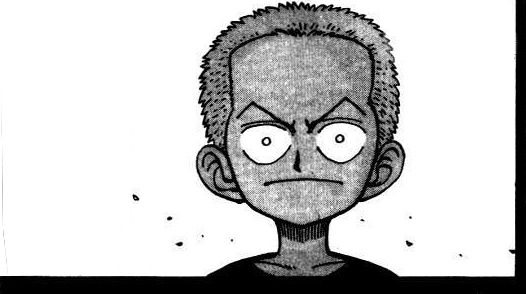
What makes a swordsman is in one’s ability to hold respect. Respect for the blade, respect for the enemy, and respect for the self. Zoro will never lose against one who doesn’t respect him, as he will never win against one he does not respect.
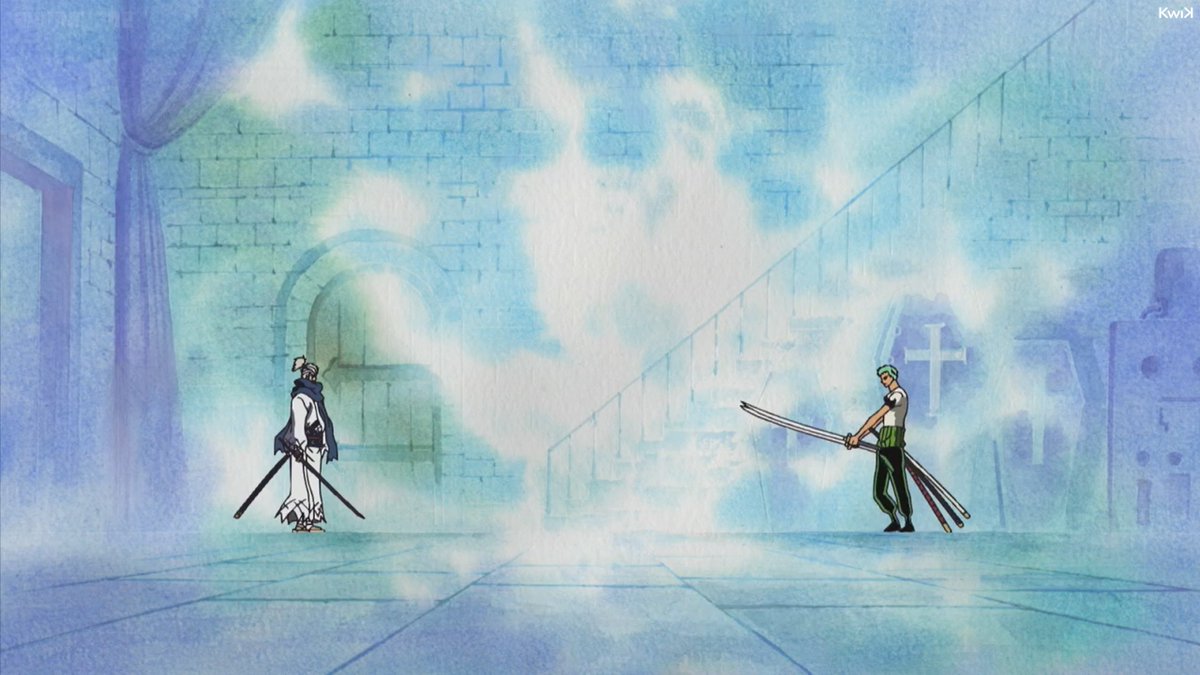
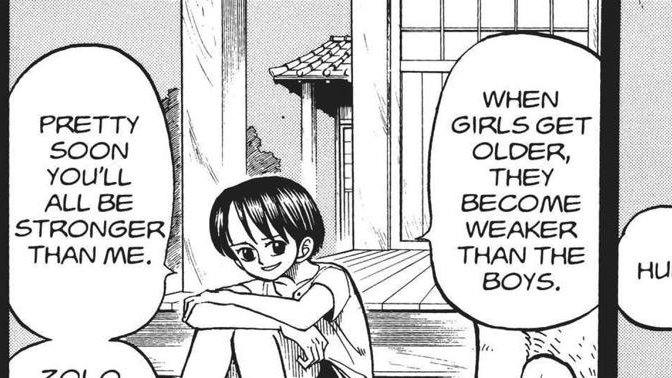
And how it applies to women seems fairly clear: When Kuina showed concern about her being born a woman and would inevitably be surpassed by a man, Zoro insisted it didn’t matter. And yet the words of the child do not match the course of action taken as an adult.
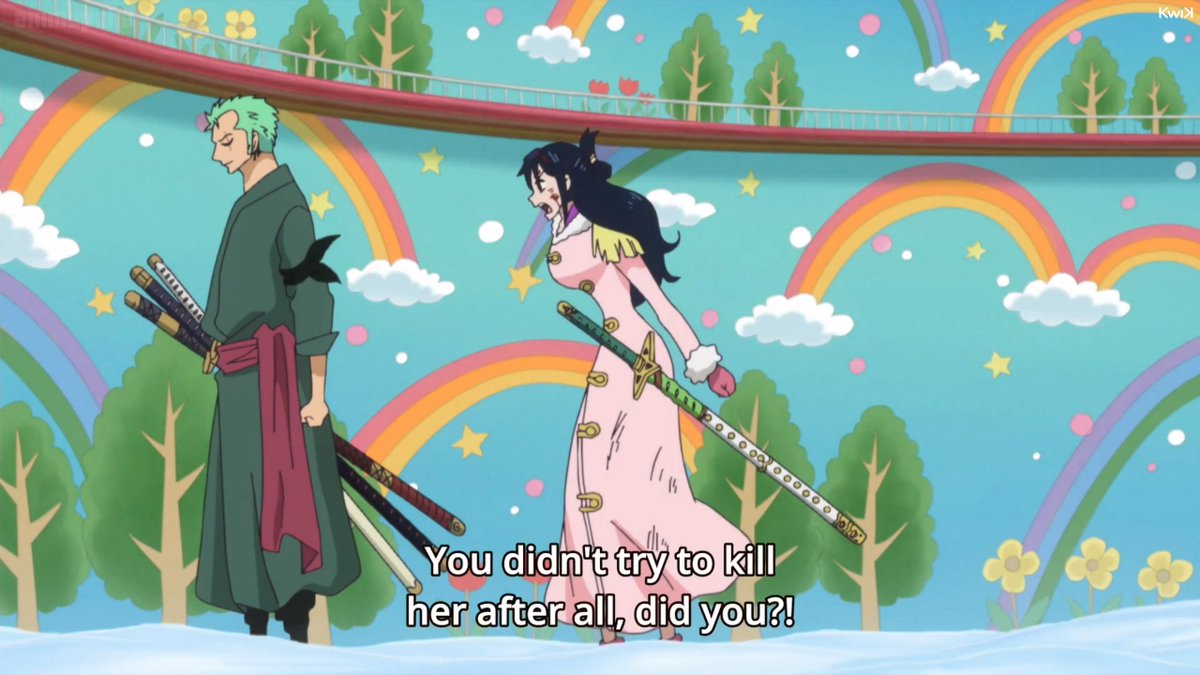
During his battle with Tashigi, Zoro was able to casually disarm her, but ultimately chose not to strike her down, to which she took offence. In not defeating his opponent properly, he did not respect them as an opponent worth fighting.

Remember back to his duel against Mihawk where he only came to be defeated when Mihawk came to respect him as an opponent.
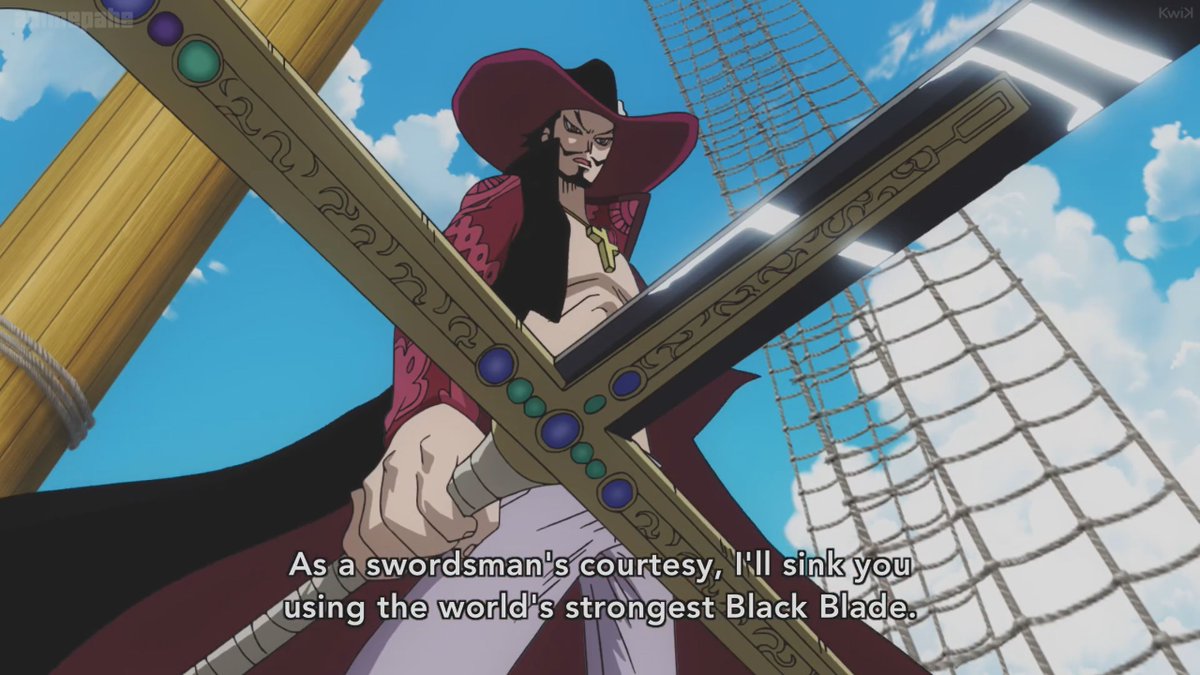
Tashigi suggested that Zoro was making a concession because she was a woman, to which Zoro did not properly deny her, simply bringing up the Kuina similarity.
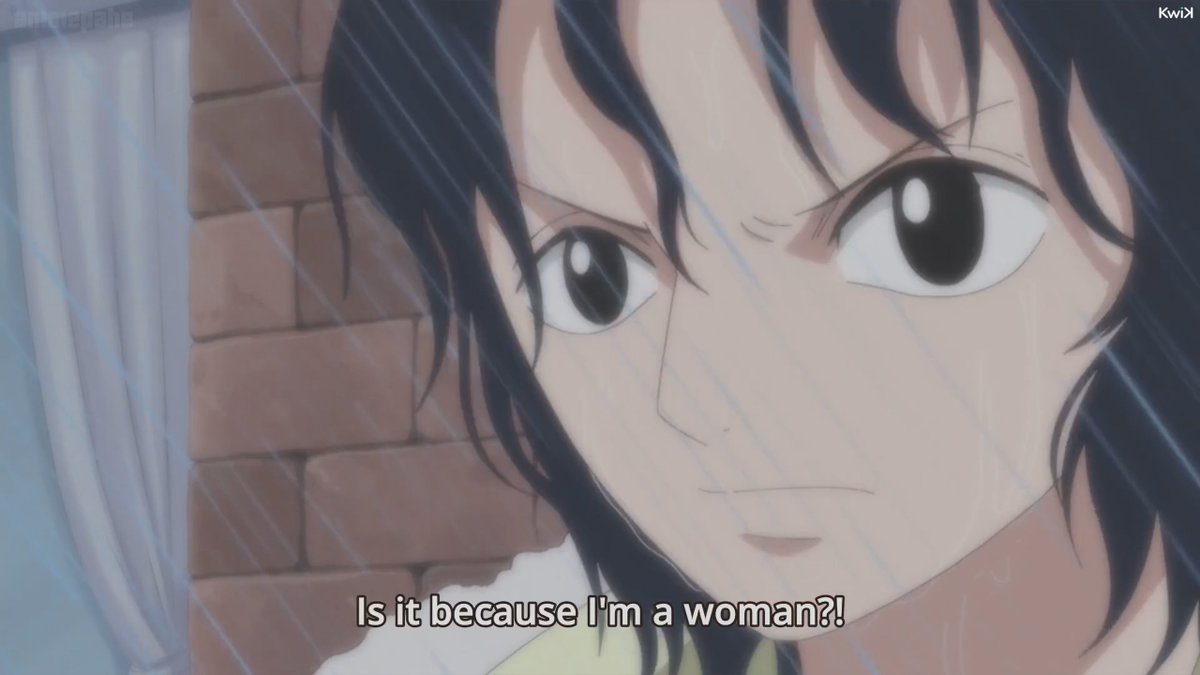
But it is strange: as a child, Zoro had no issue fighting Kuina with an intent to bring her down. Yet now that he was stronger than a lookalike, he refused to even touch her.
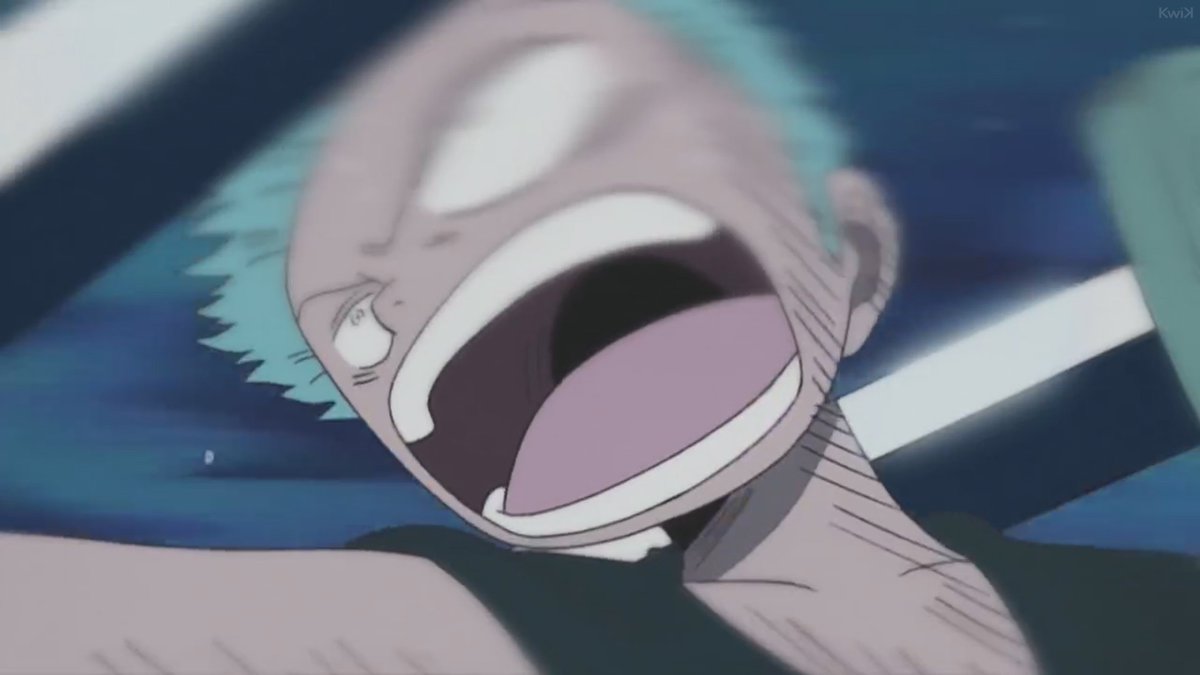
It’s not only here, but many times throughout the series that Zoro takes special acts or exceptions towards women, especially in the way of the sword.
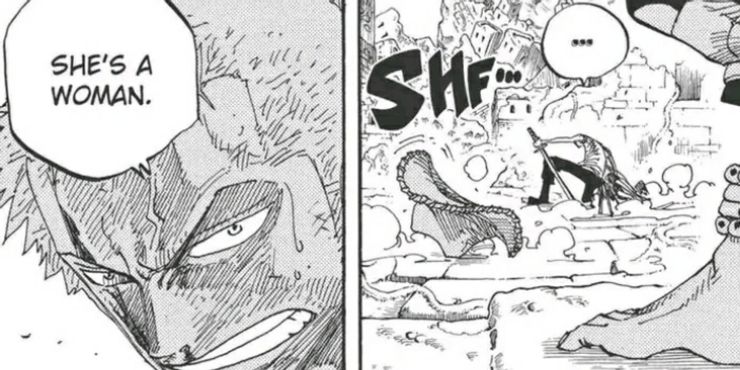
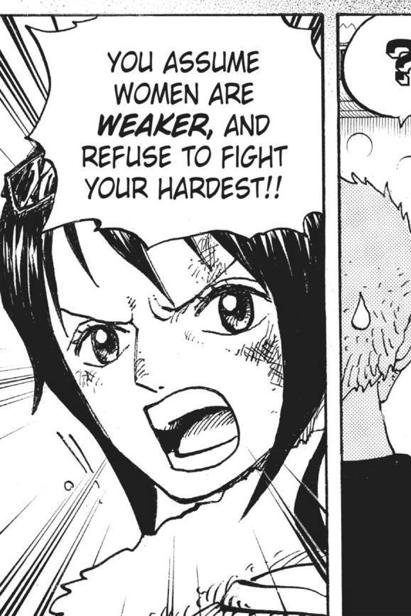
But the most direct and key instance of conflict was against Harpy Monet. With Zoro unable to deny her claims, Tashigi recognized his inability to fight women and stood beside him while he insisted he had no such weakness.
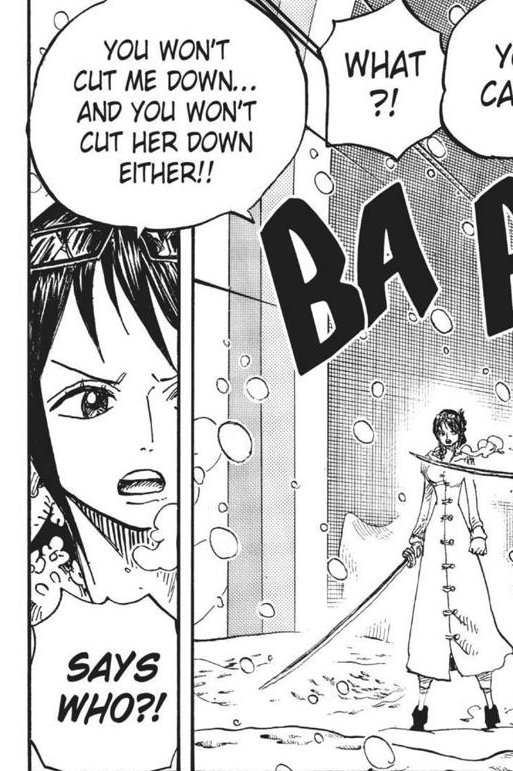
And yet, even as he proclaimed that, he could do no more than scratch Monet. Even when cutting her in two he relied on the fact that she was a Logia, avoiding usage of haki.
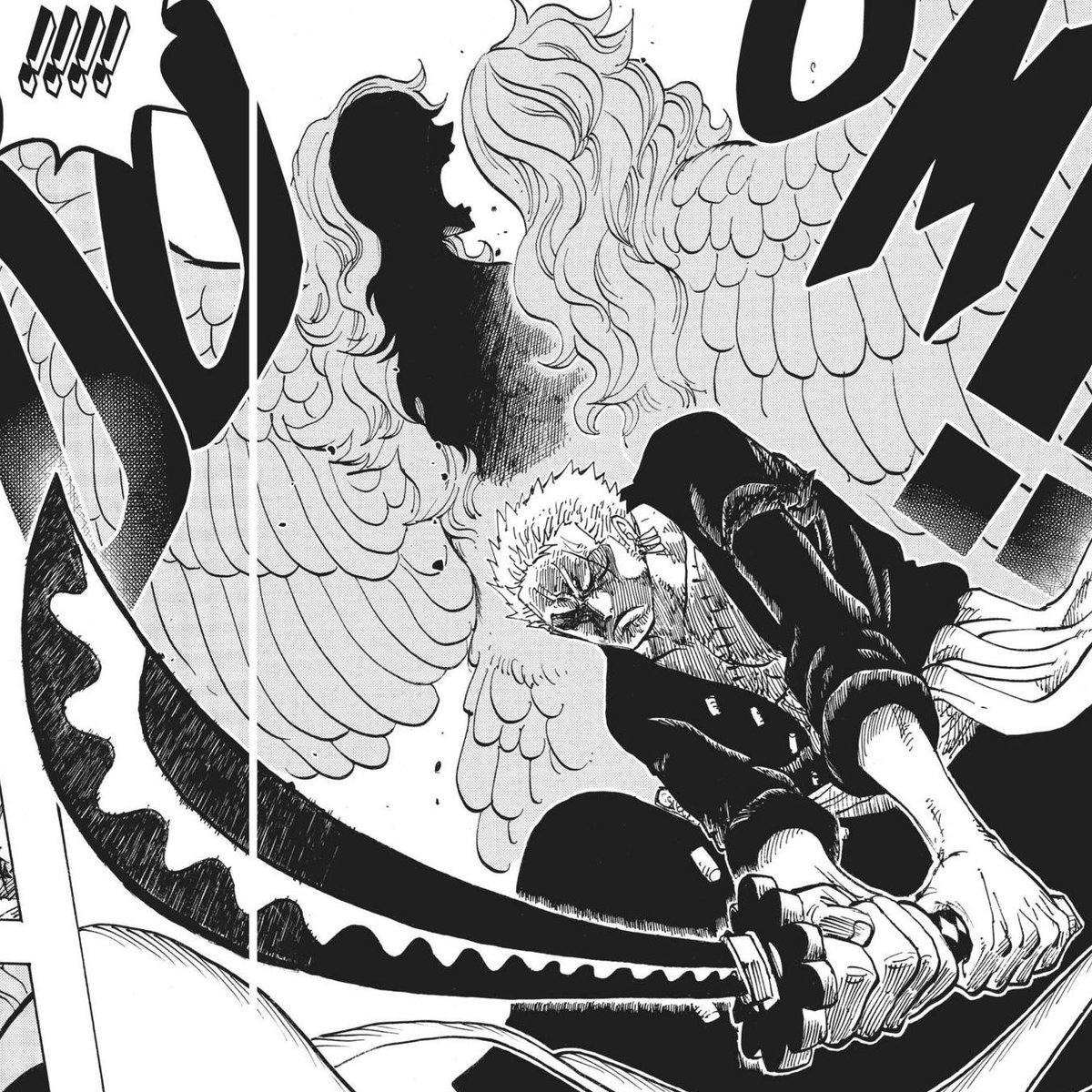
Monet was an opponent who challenged him, yet he did not raise his blade, disrespecting an opponent he ultimately could not defeat. And it was Tashigi who had to do the finishing blow.
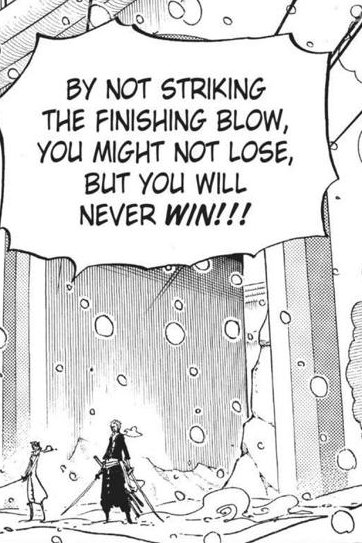
Zoro’s intimidation was as unsuccessful as Sanji’s had been on Enies Lobby and he too needed the assistance of a woman to see that foe defeated. But Sanji was praised for his decision while Zoro was scolded, his hypocrisies clear primarily to the audience.
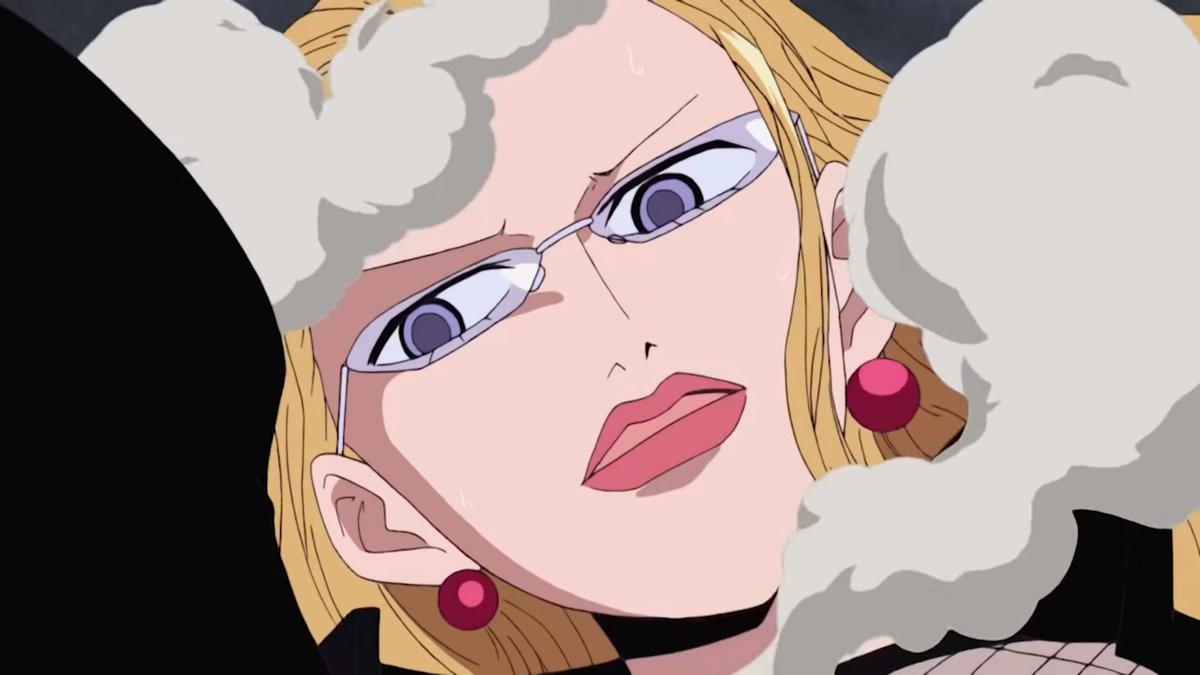
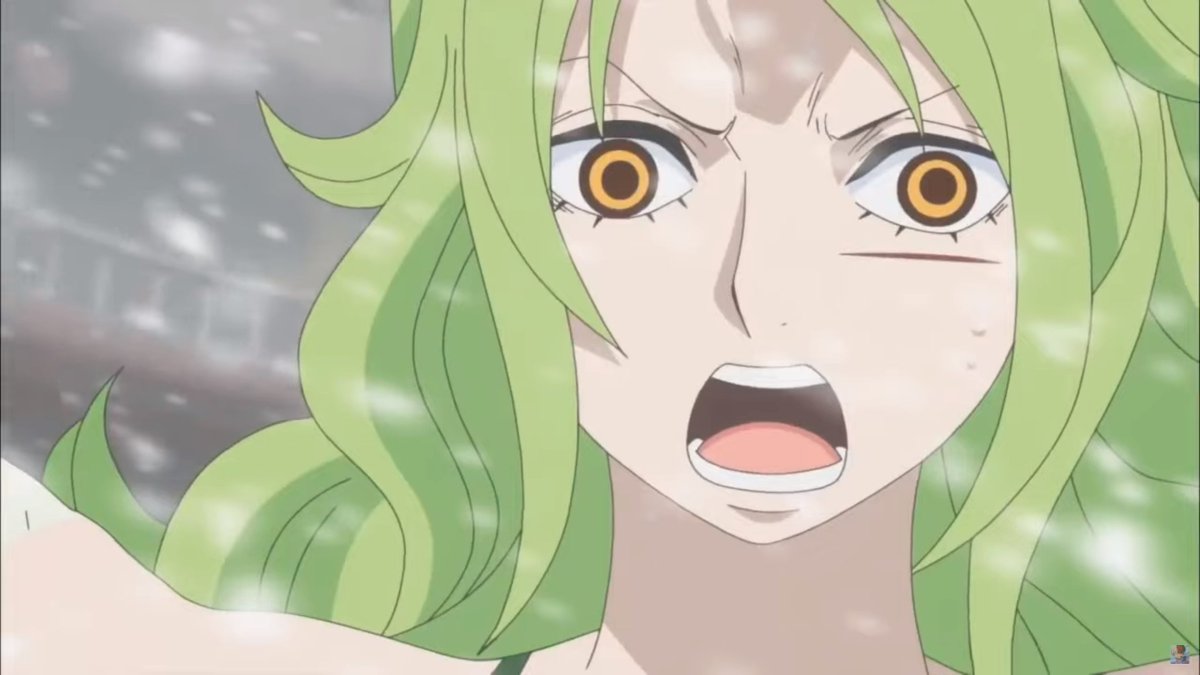
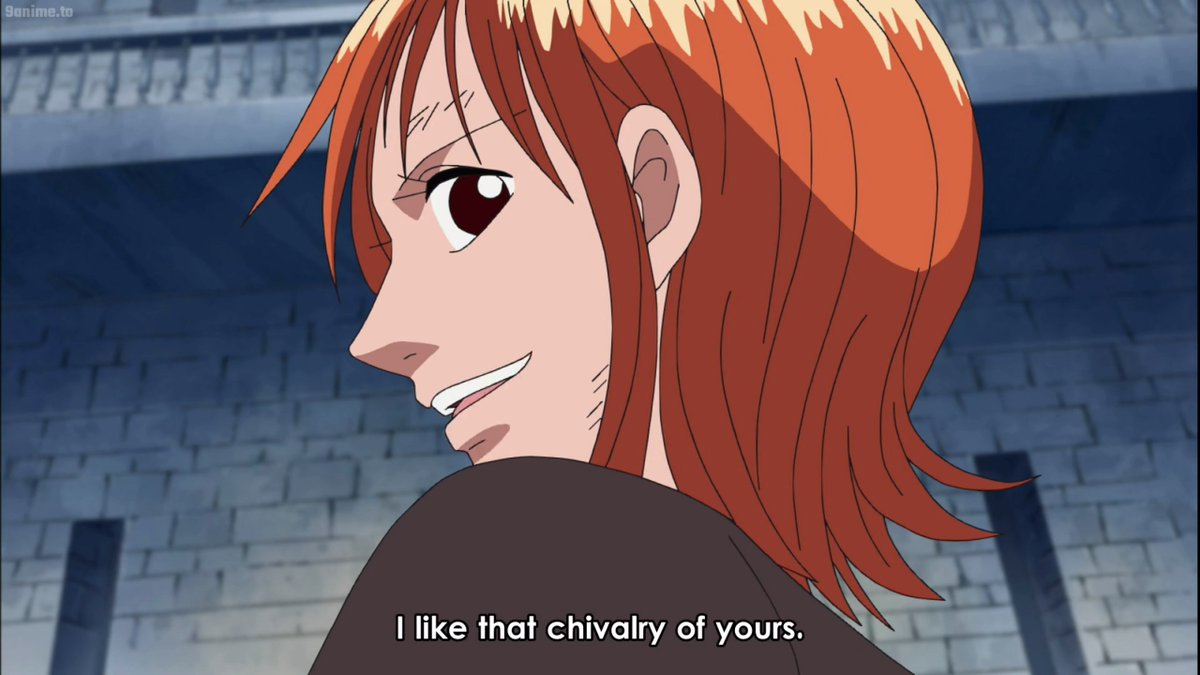
Previously in the arc, he and Luffy faced defeats at the hands of the Yeti Cool Brothers and Caesar Clown. Zoro reminded Luffy that this was the New World and that not being serious just couldn’t cut it anymore.

And yet despite the time sensitive situation with poison gas filling the facility, and a foe who’s strength he far outstripped, Zoro utterly failed to follow his own words.Because Tashigi was absolutely right: Zoro cannot turn his blade on a woman, simply because of their gender.
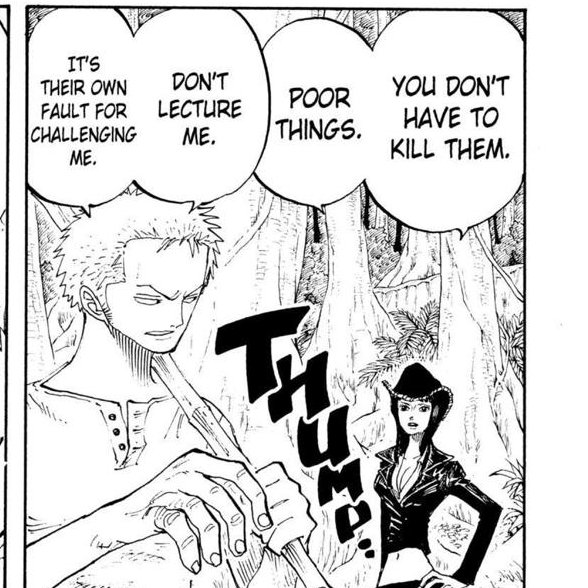
In Jaya at the forest he cut down centipedes without hesitation, and when called out for it by Robin, he argues that “they challenged him”, yet while he does not pity bugs, he does have pity for the likes of Monet or Tashigi.
And it remains in his mind because of his perception that women are simply weaker, at least in part. His statement that gender didn’t matter was never in service of Kuina’s feelings. but Zoro’s.
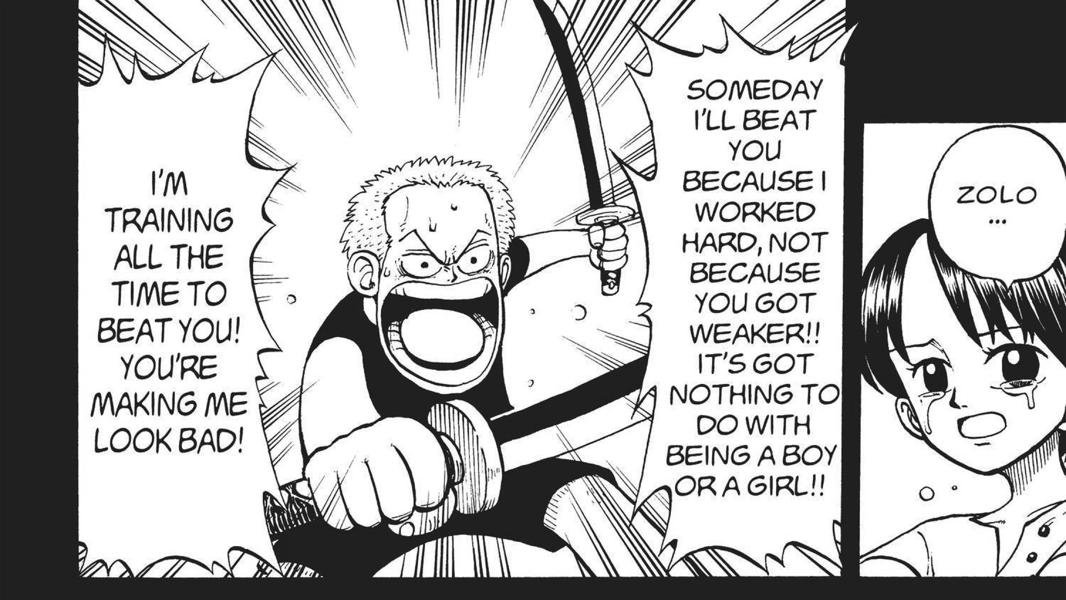
He pushed the idea because if gender did matter, He would not have beaten her because he worked harder or was better as a swordsman, but because she was inherently weaker than him by nature of being a woman.
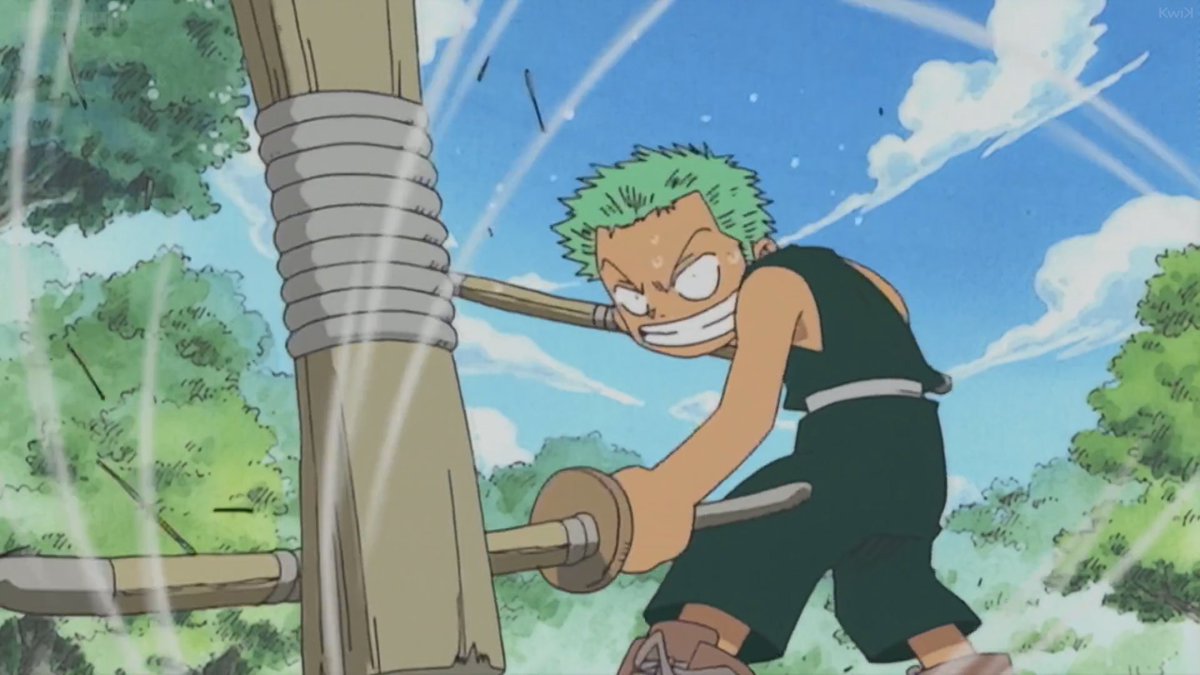
Those 2000 losses he’d had to her were destined to be overwritten by birth, not by effort. But tragedy struck, and Kuina died. Not to the blade, but by a simple accident. Kuina’s simple death, in a sense, proved her fears correct to the young Zoro.
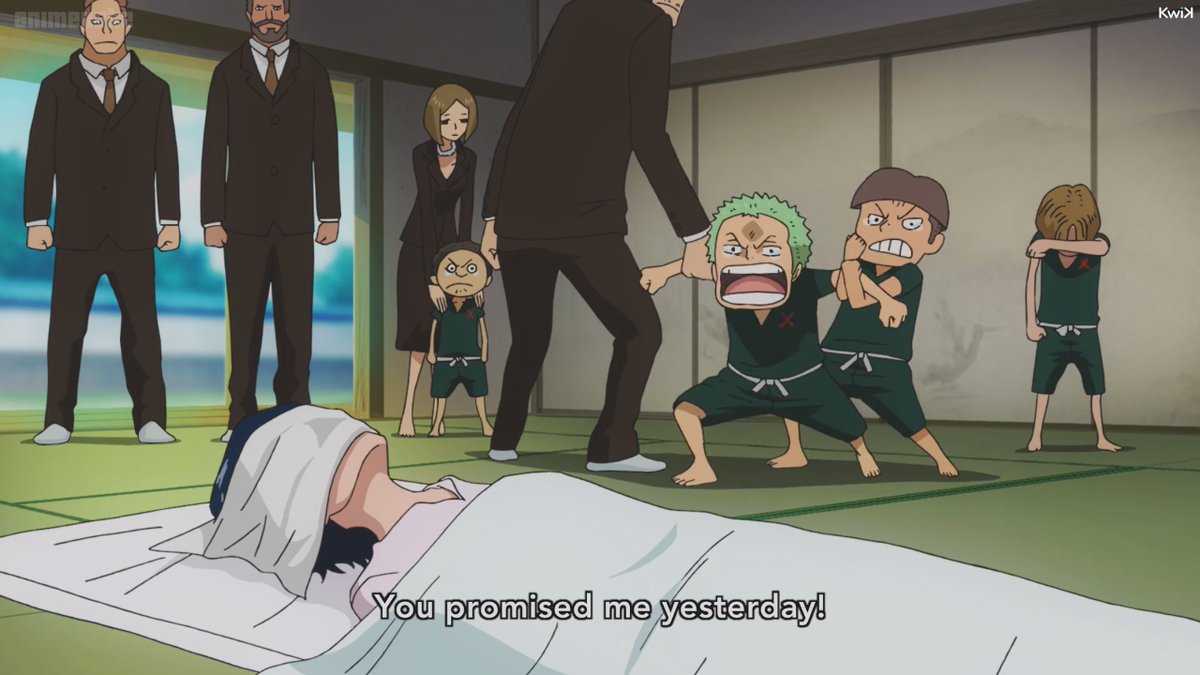
She was weaker simply for the fact that she was a woman. Or at least, in Zoro’s outward expression it might come across that way. Even though his pride might be expressed through what can be read as looking down on women, in actuality it’s that he’s below them.
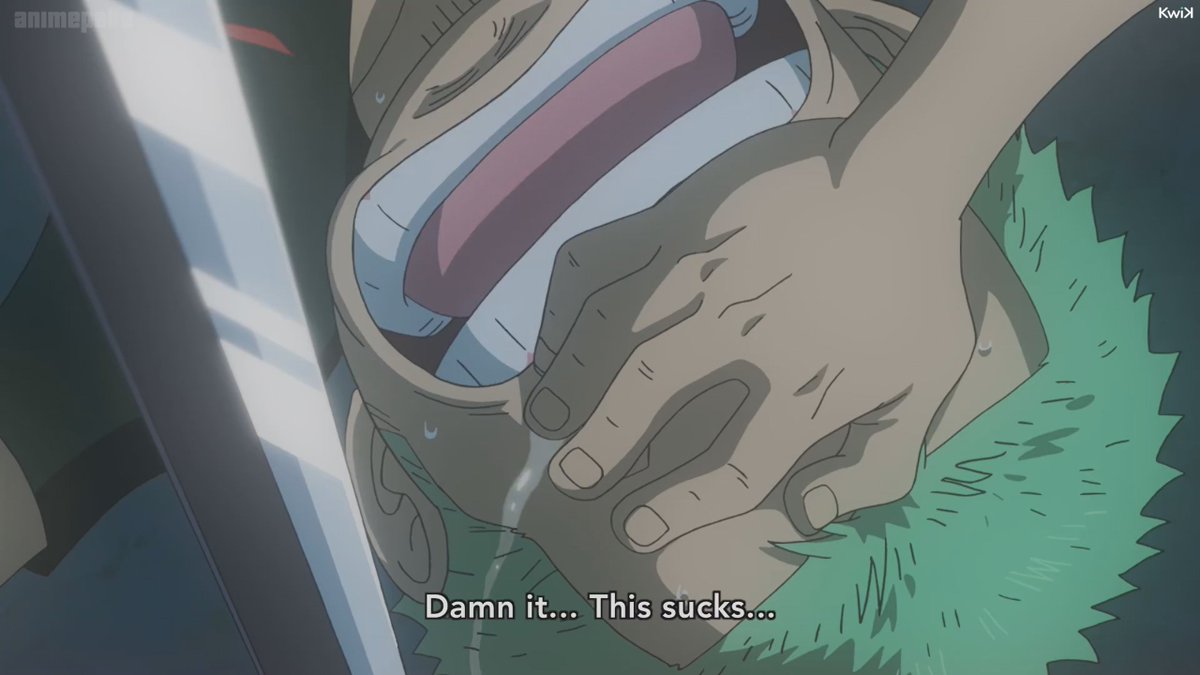
He never defeated Kuina, and by being unable to strike down a female swordsman, in spirit: he still hasn’t. Her death shook him deeply and the grief of which still haunts him 11 years later. Trapped under Kuina’s shadow, he subconsciously cannot surpass her, and dares not try.
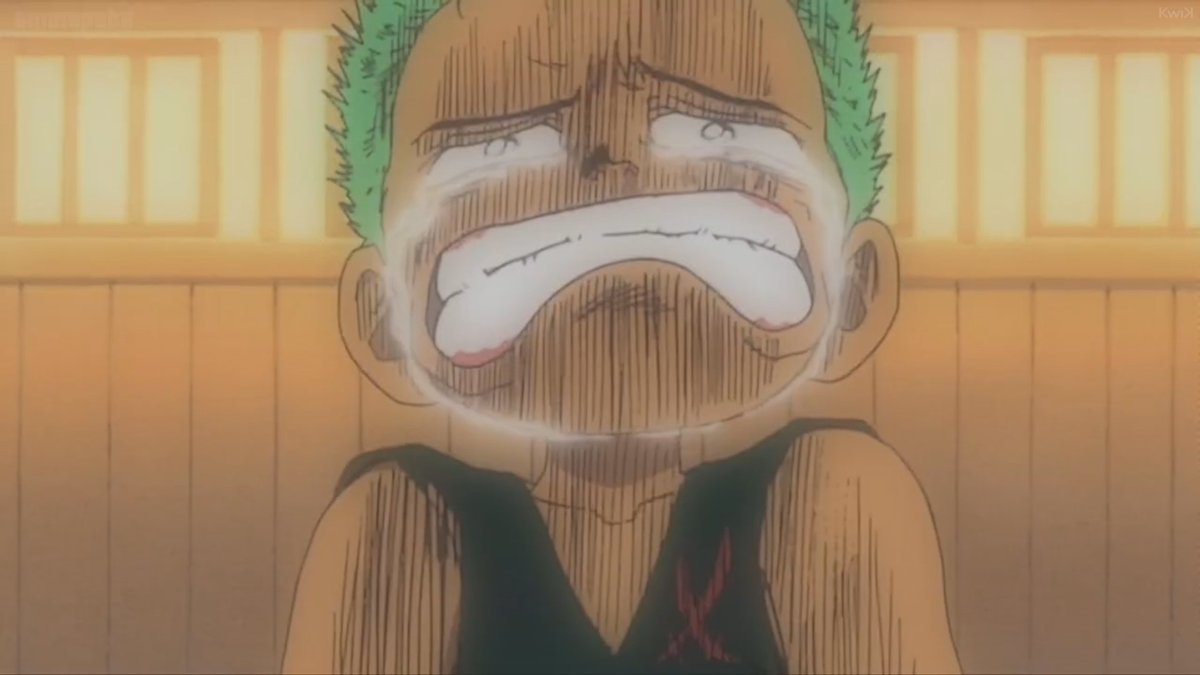
On Enies Lobby, Nami and Chopper called Zoro, but he ignored their direction, avoiding the stairwell that separated them. On Dressrosa, Wicca told Zoro to go up a staircase and he again avoided it.
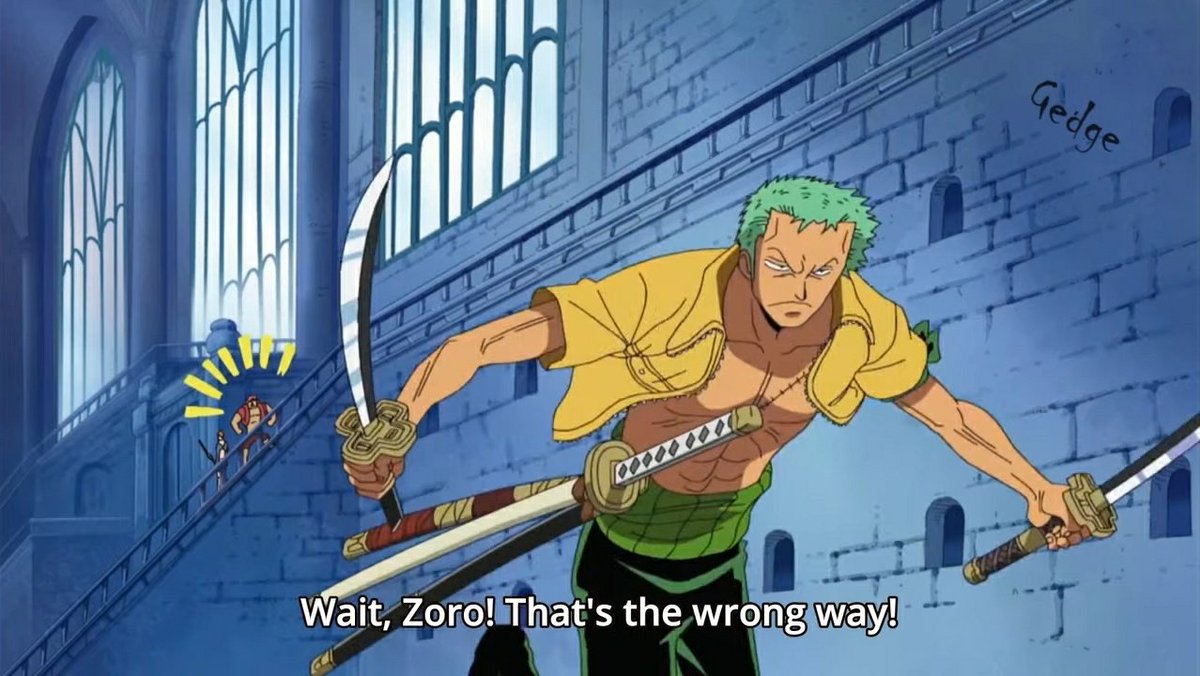
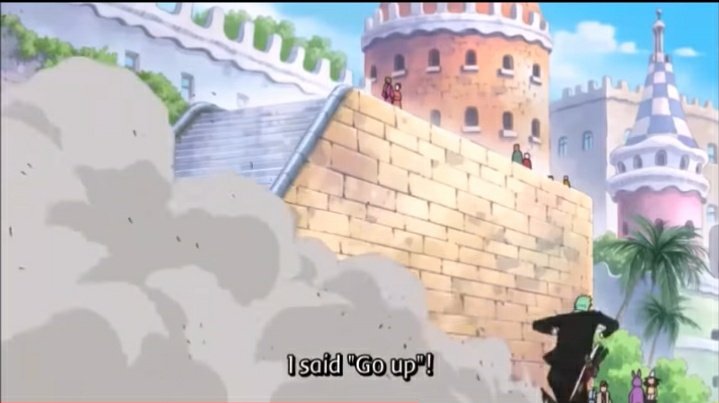
While these could be attributed to his terrible sense of direction, one similar moment that cannot be dismissed that way is the spiral staircase. Rather than climb it to reach Doflamingo’s castle, Zoro went out of his way to make the elevator accessible.
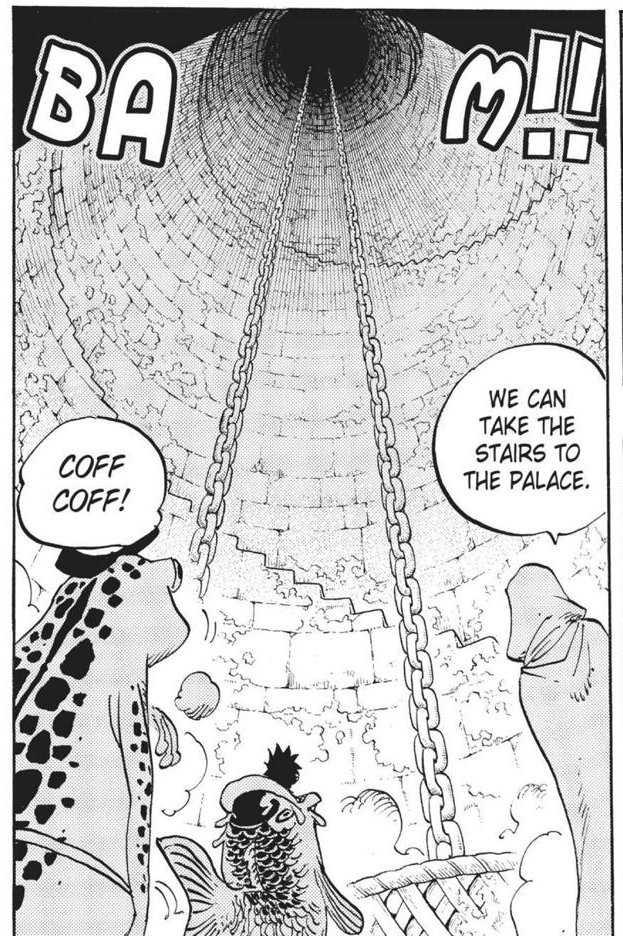
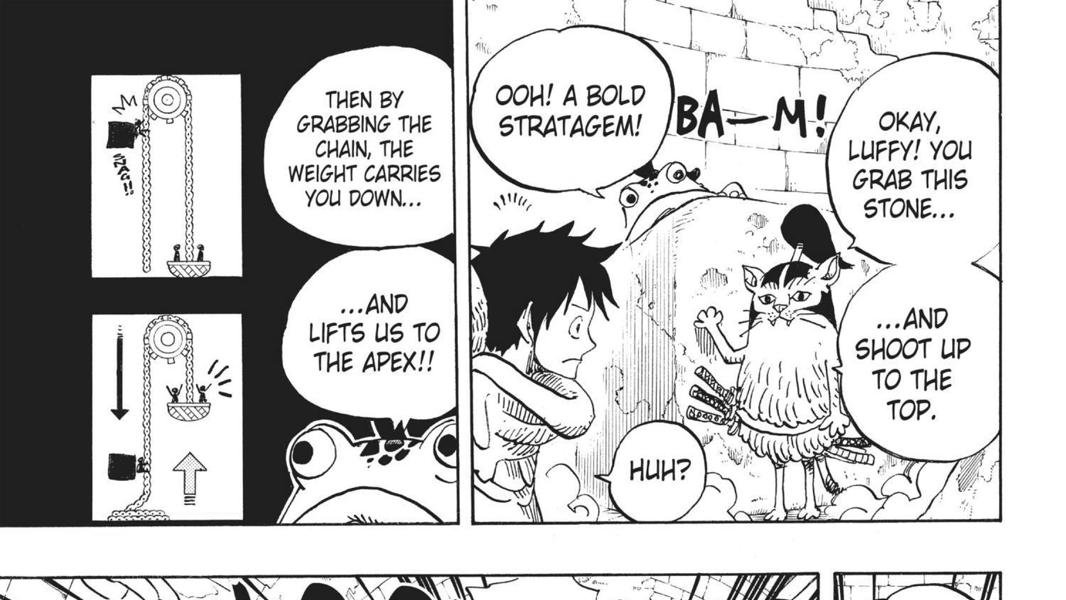
There was no particular time limit to drive a need to speed up, and as shown with Monet, time is secondary to his personal weaknesses. Zoro is ultimately engulfed in Kuina’s shadow despite having far exceeded her in power.
Stairs, Tashigi’s face, other women: a simple association with Kuina gives Zoro a hesitance, his blade held back by 2000 losses left unresolved.
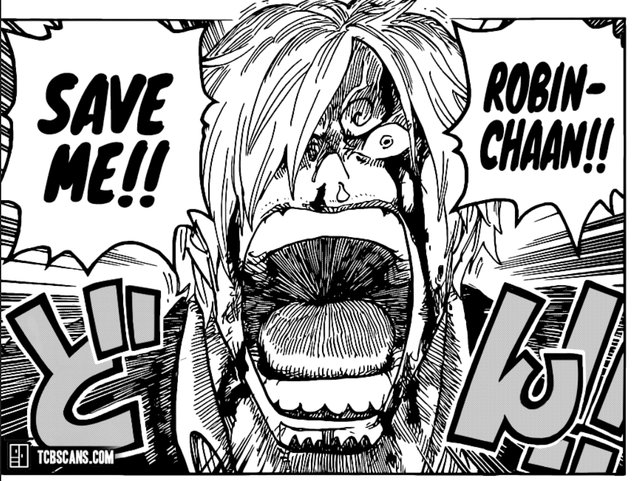
When running by and leaving Zoro to Monet, the G-5 Marines expressed concern about leaving him to fight a woman, but Sanji insisted that he’s softer than they might think. The two are so similar and yet so different.
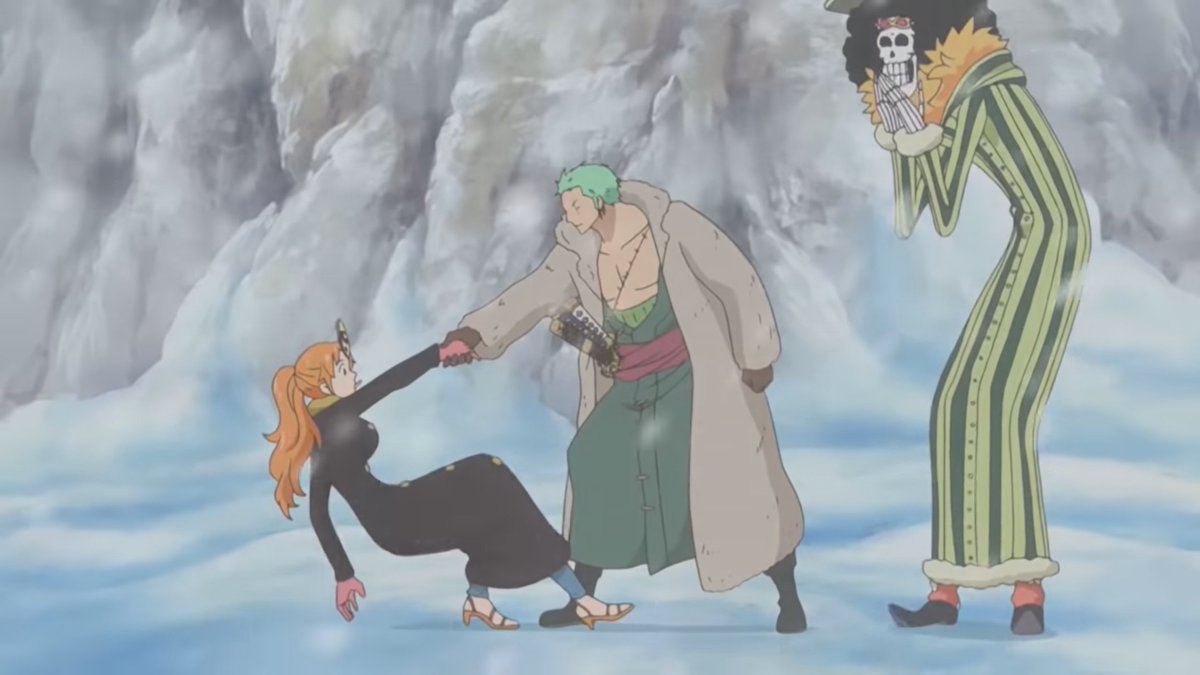
but Sanji is free. He simply wants to find the All Blue. In his kindness he has taken a code of thankfulness and love that breaking means the loss of a father figure, and the Straw Hats will protect that to keep Sanji from losing anything just as they don’t wish to lose him.
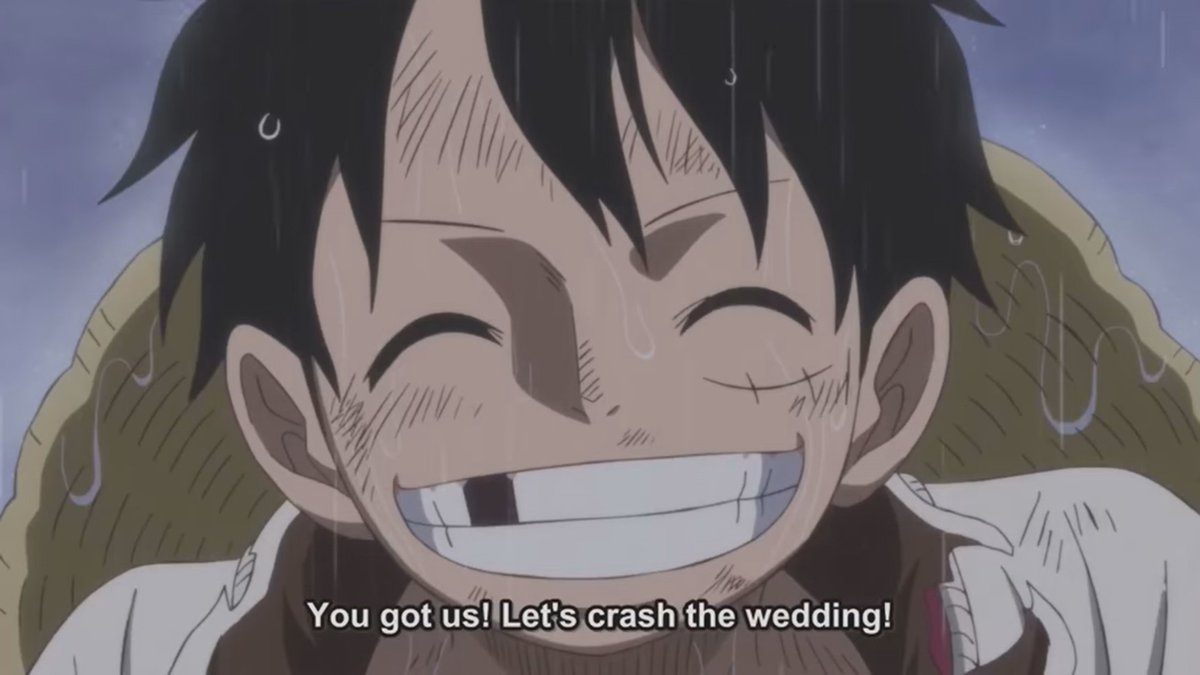
But Zoro can’t be protected. Sanji’s integrity is strength, but Zoro’s aversions are a weakness. If another wins his battles for him then he cannot say he is the stronger, the greatest.
While sanji is strong exactly because he is able to rely on others.
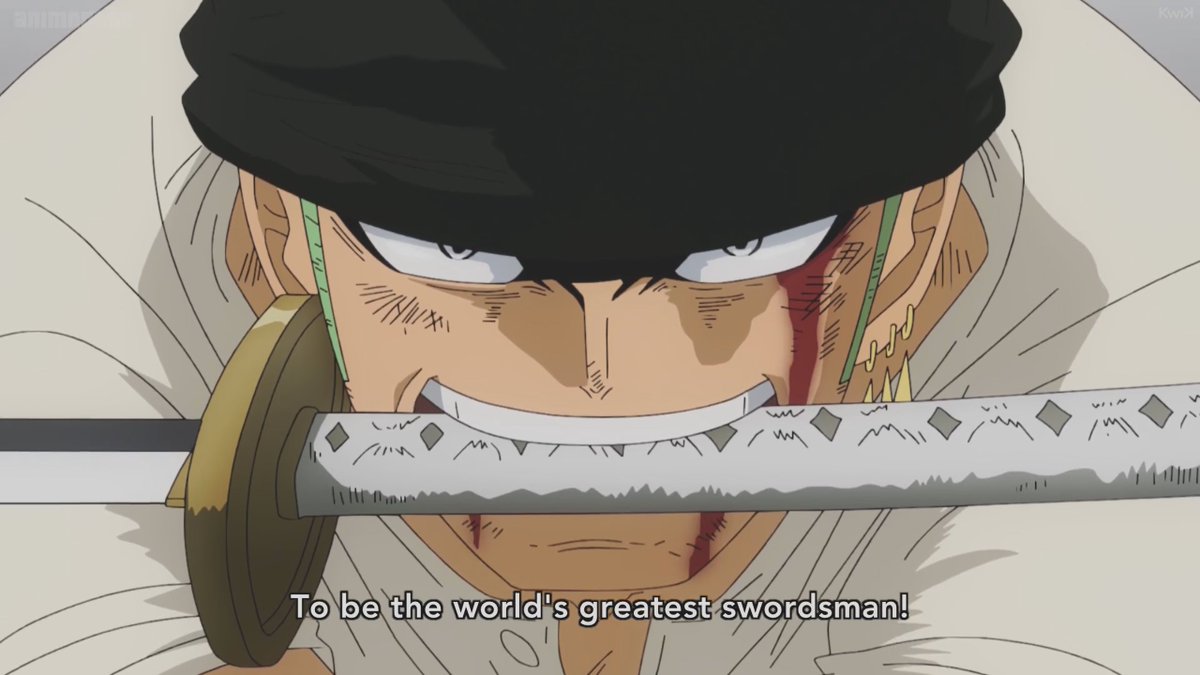
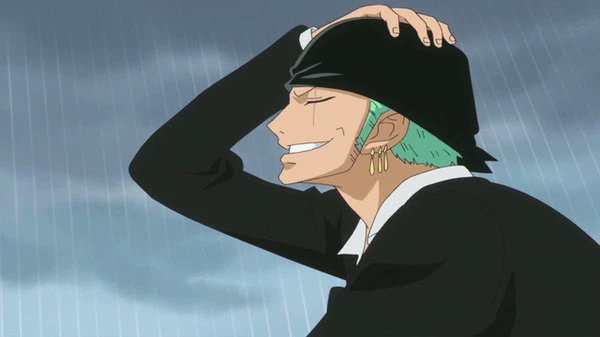
This weakness is something he must overcome to stand at the pinnacle of swordsmanship, respecting all opponents who face him regardless of gender. One day, it’s all too likely that a woman will finally challenge him.
and force Zoro to put in everything he has, to grow once again, and finally climb the staircase.
This is also a semi response to this ig
Loading suggestions...