
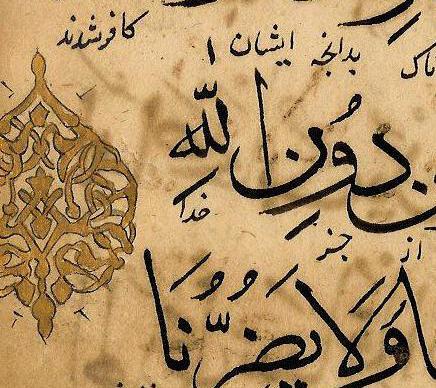
Cordoba treasures in our collection… a thread…
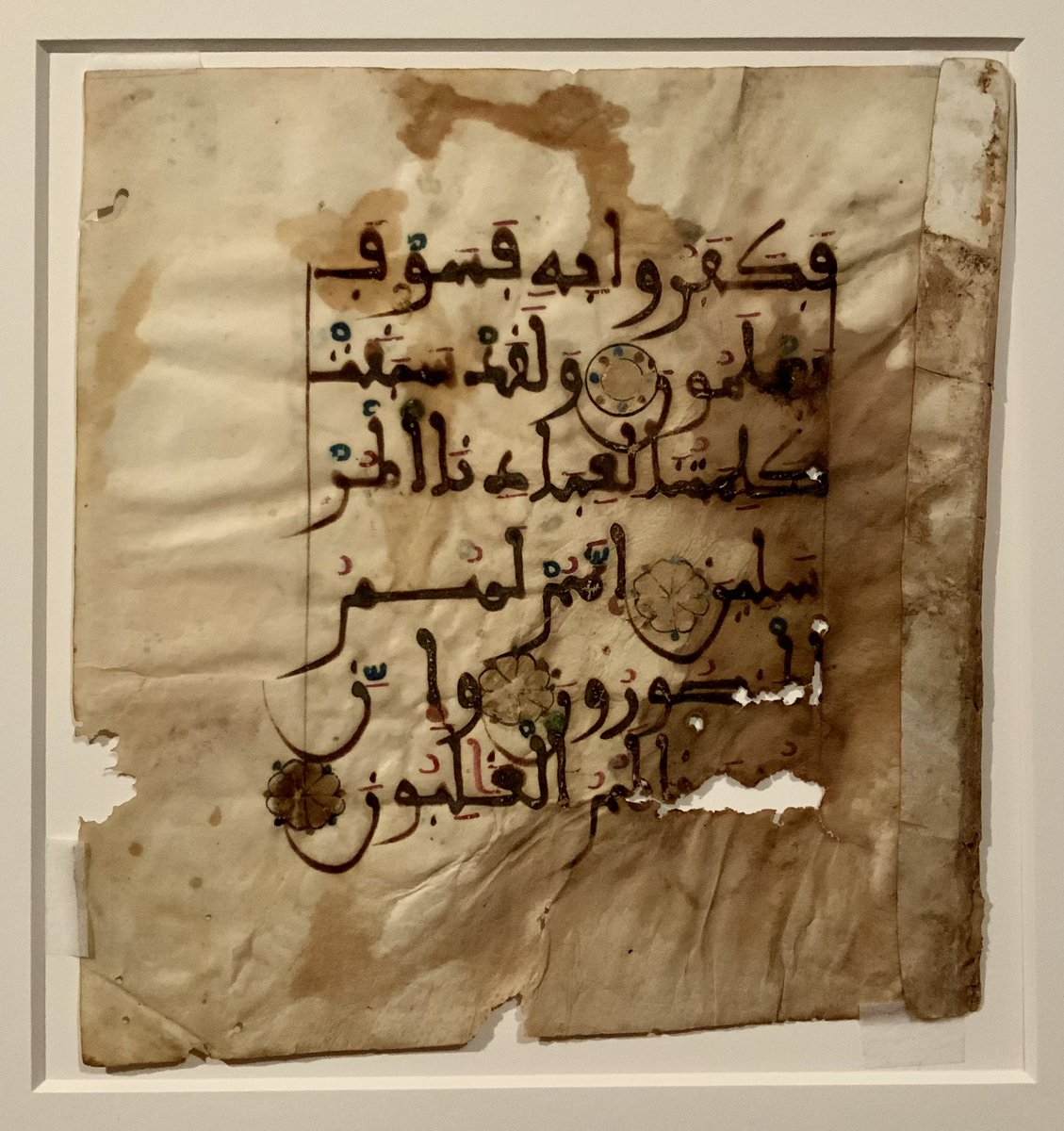
Circa, 10th C A.D, the Andalusians, renowned culturally for basket weaving, began to reshape the Western Kufic script used to scribe the Qur'an, by curving the text’s angles and sub-linear characters.
Circa, 10th C A.D, the Andalusians, renowned culturally for basket weaving, began to reshape the Western Kufic script used to scribe the Qur'an, by curving the text’s angles and sub-linear characters.
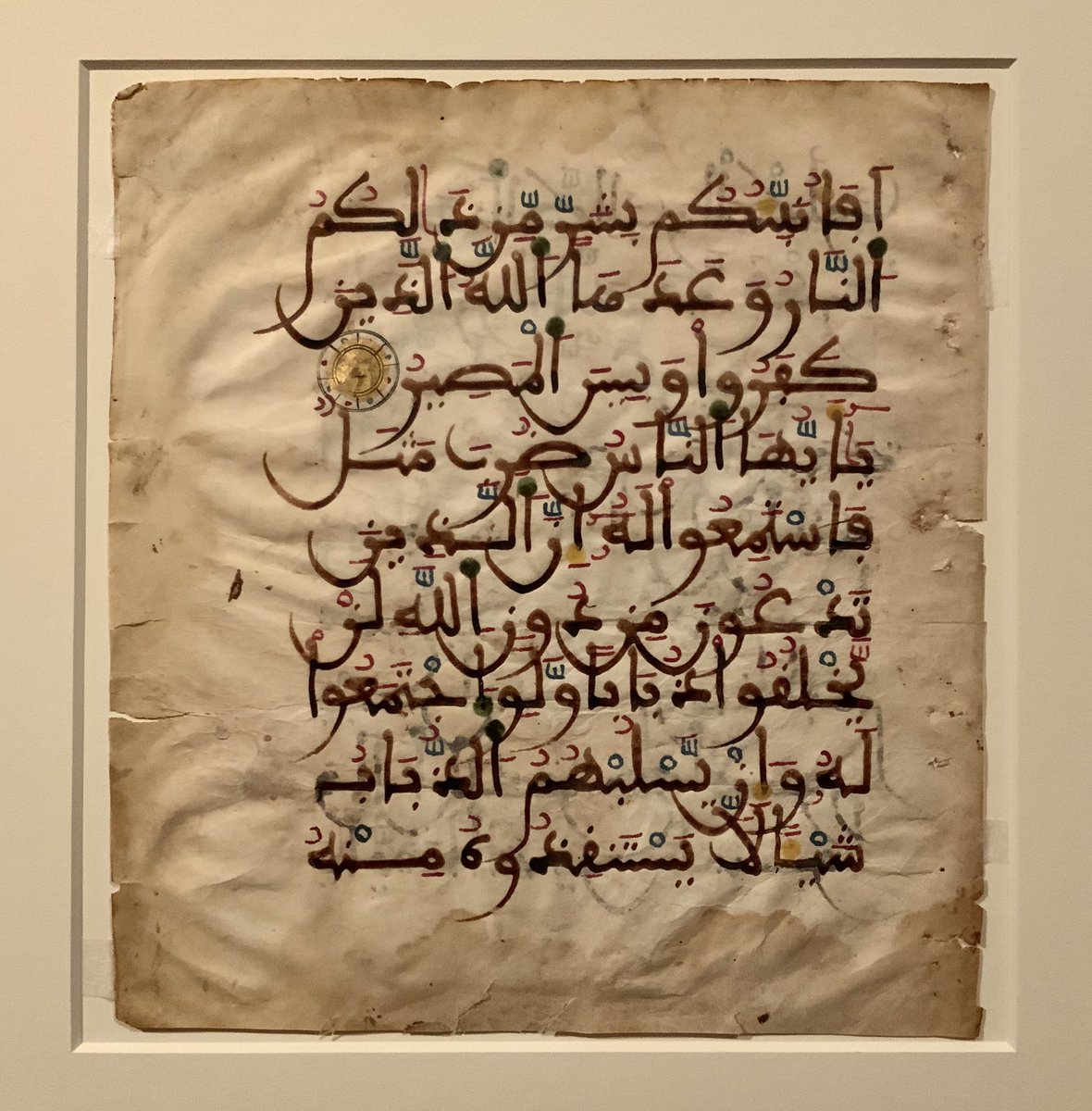
These features, that mimic the basket maker’s craft, developed into Maghrebi.
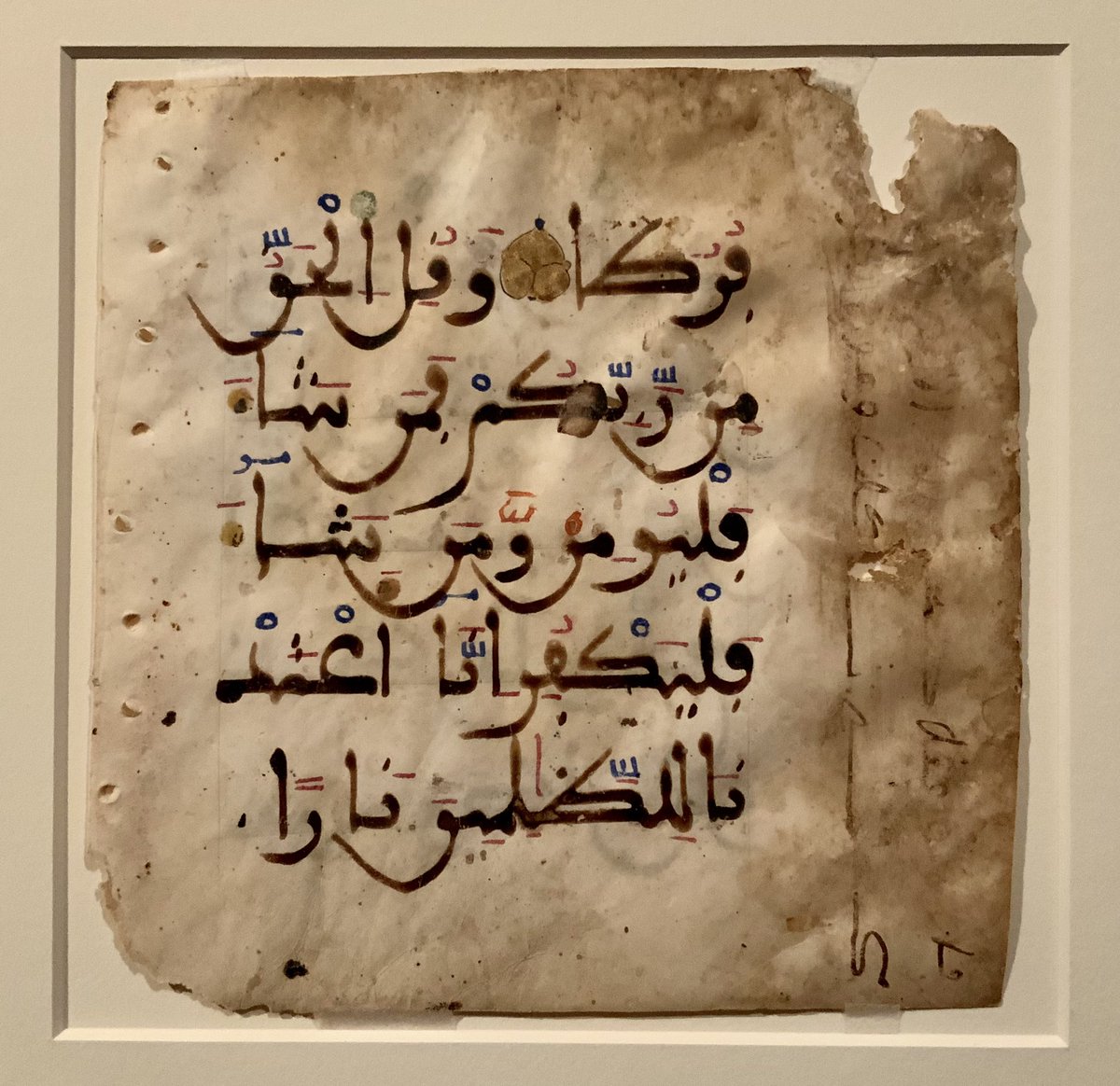
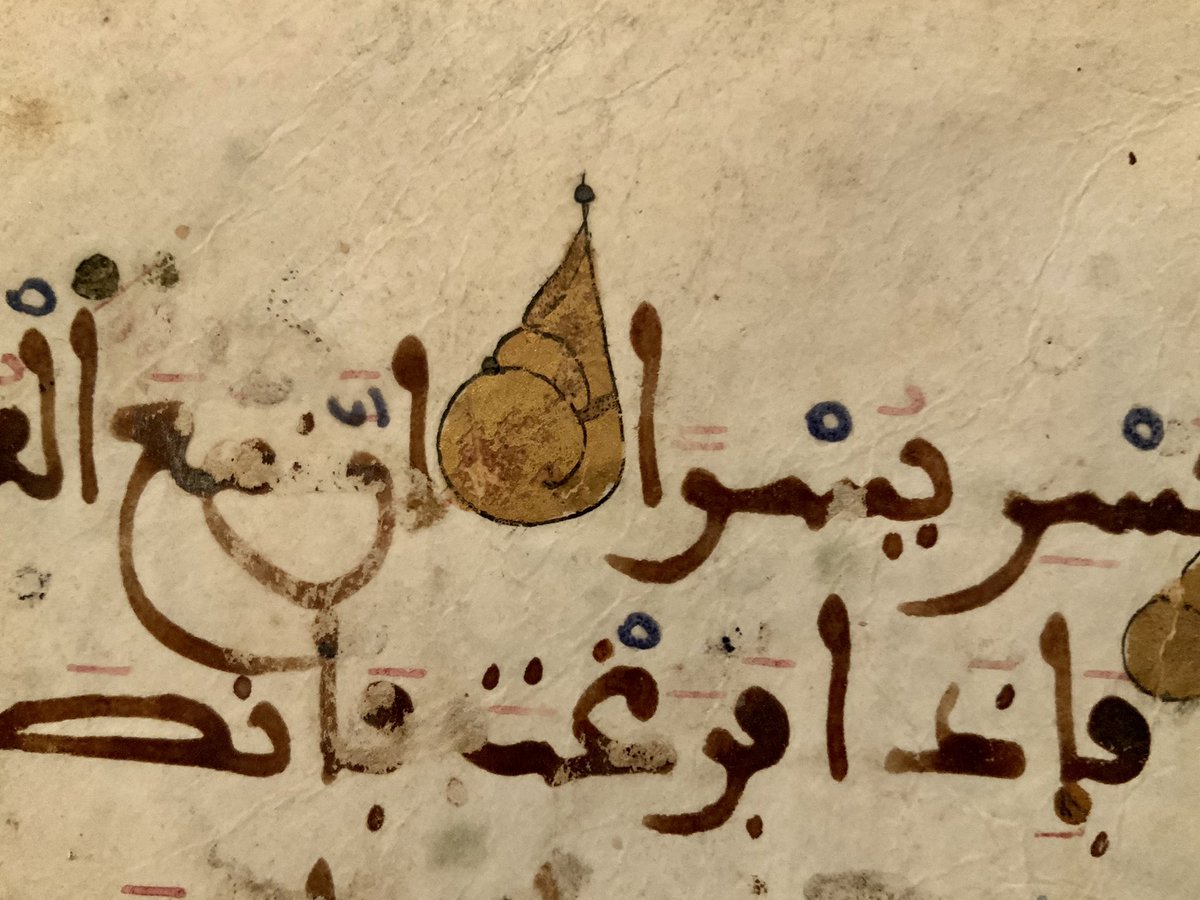
The use of vellum instead of paper was the perfect medium to carry the heavily inked thick arabic characters and their array of coloured diacritics (red, green, yellow, blue and orange were mainly used for the maddah, shaddah, sukun and hamzah).
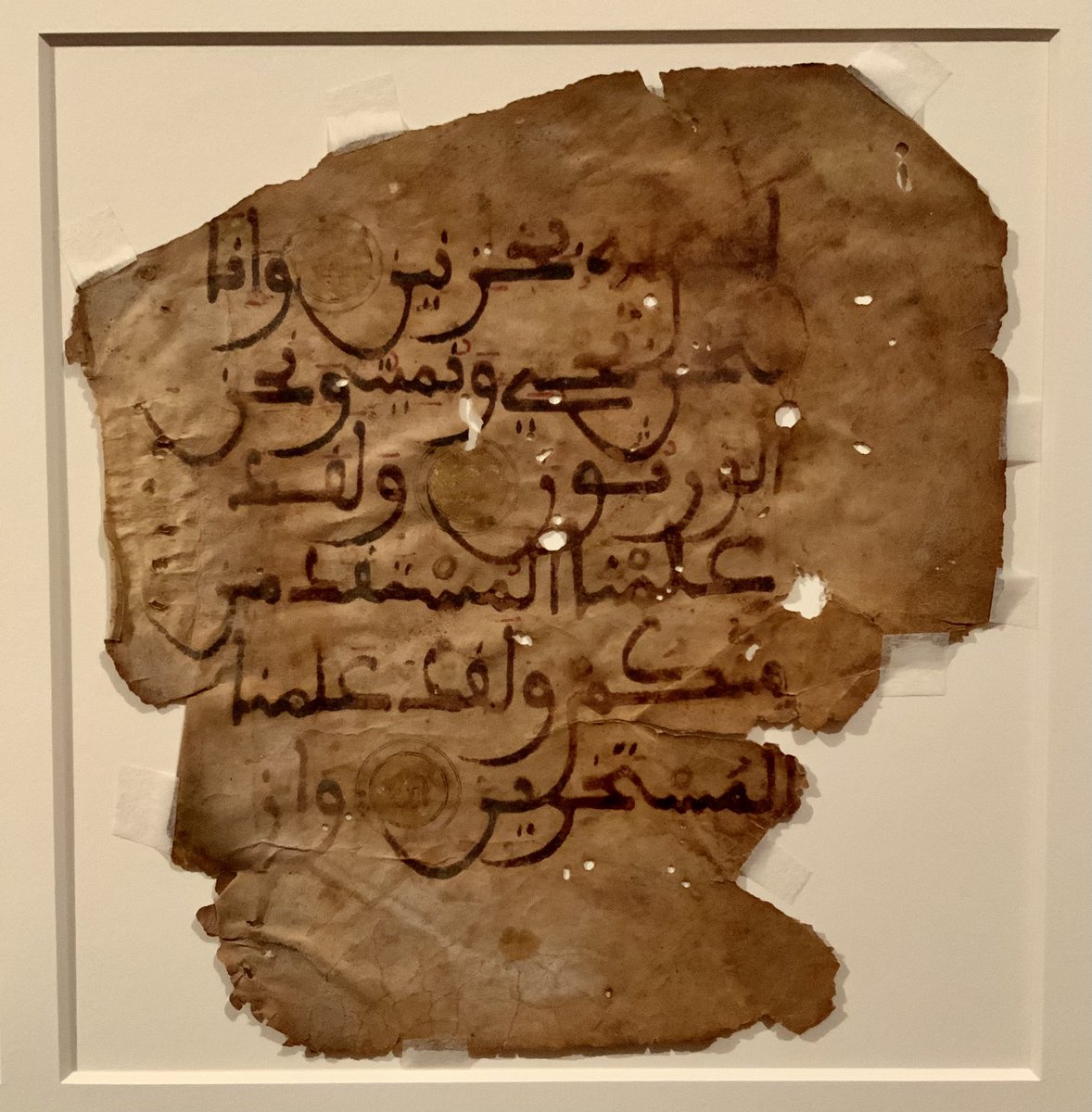
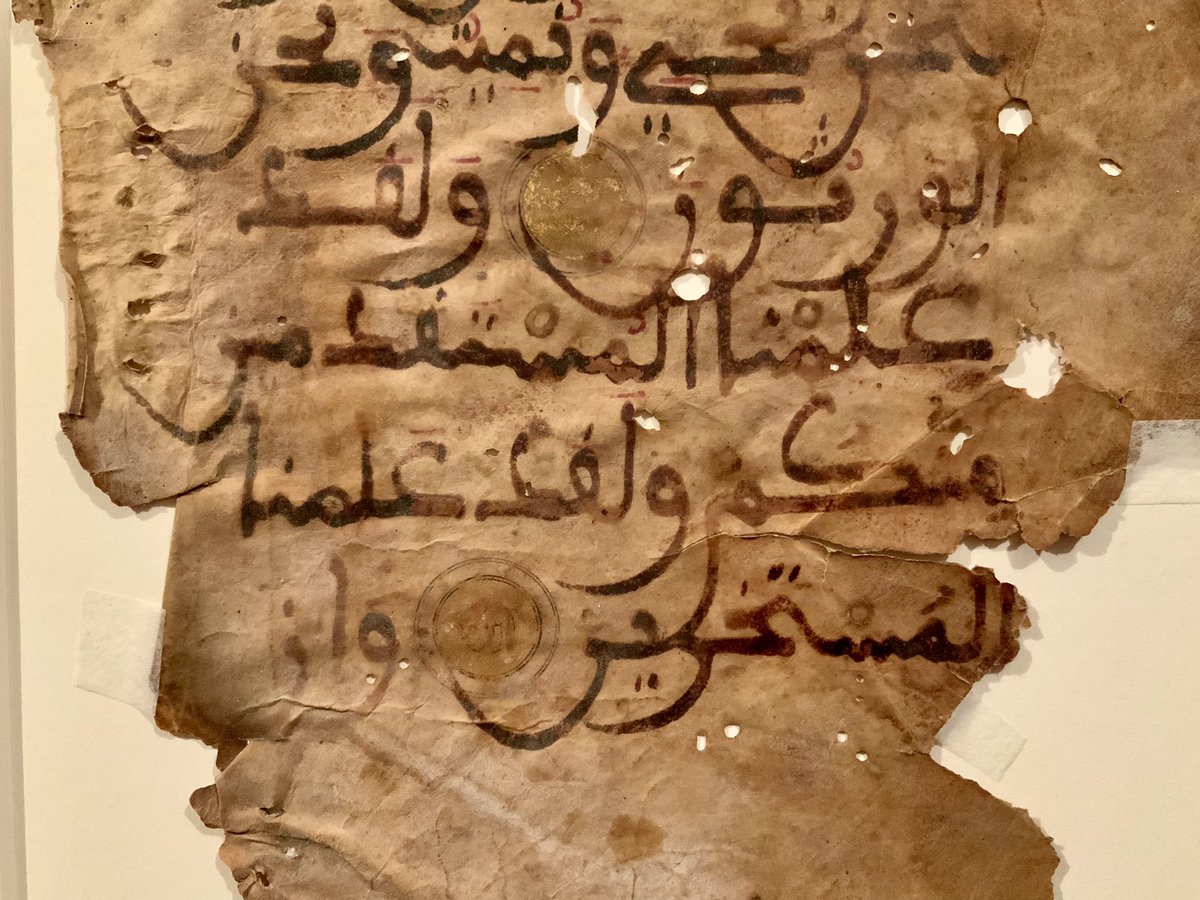
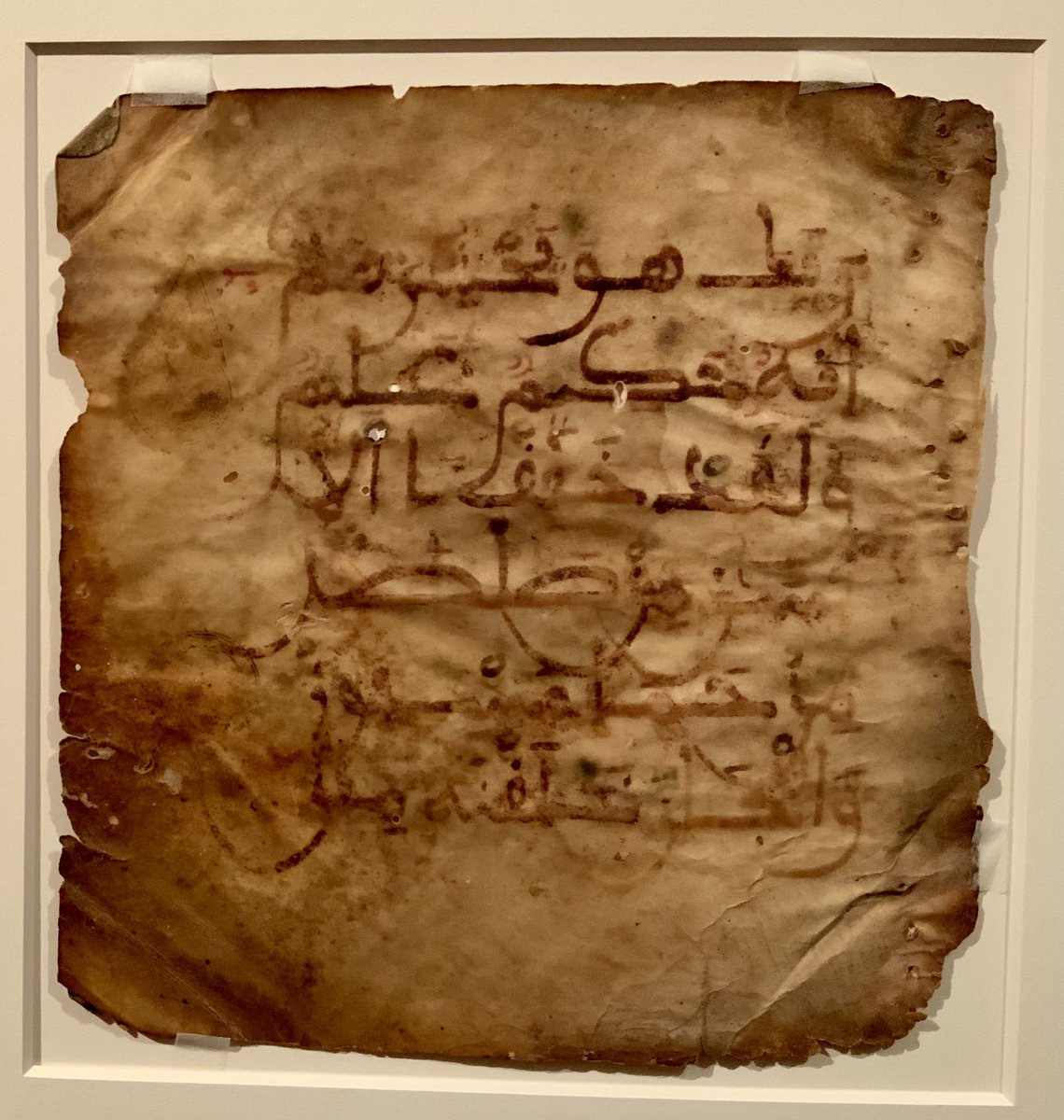
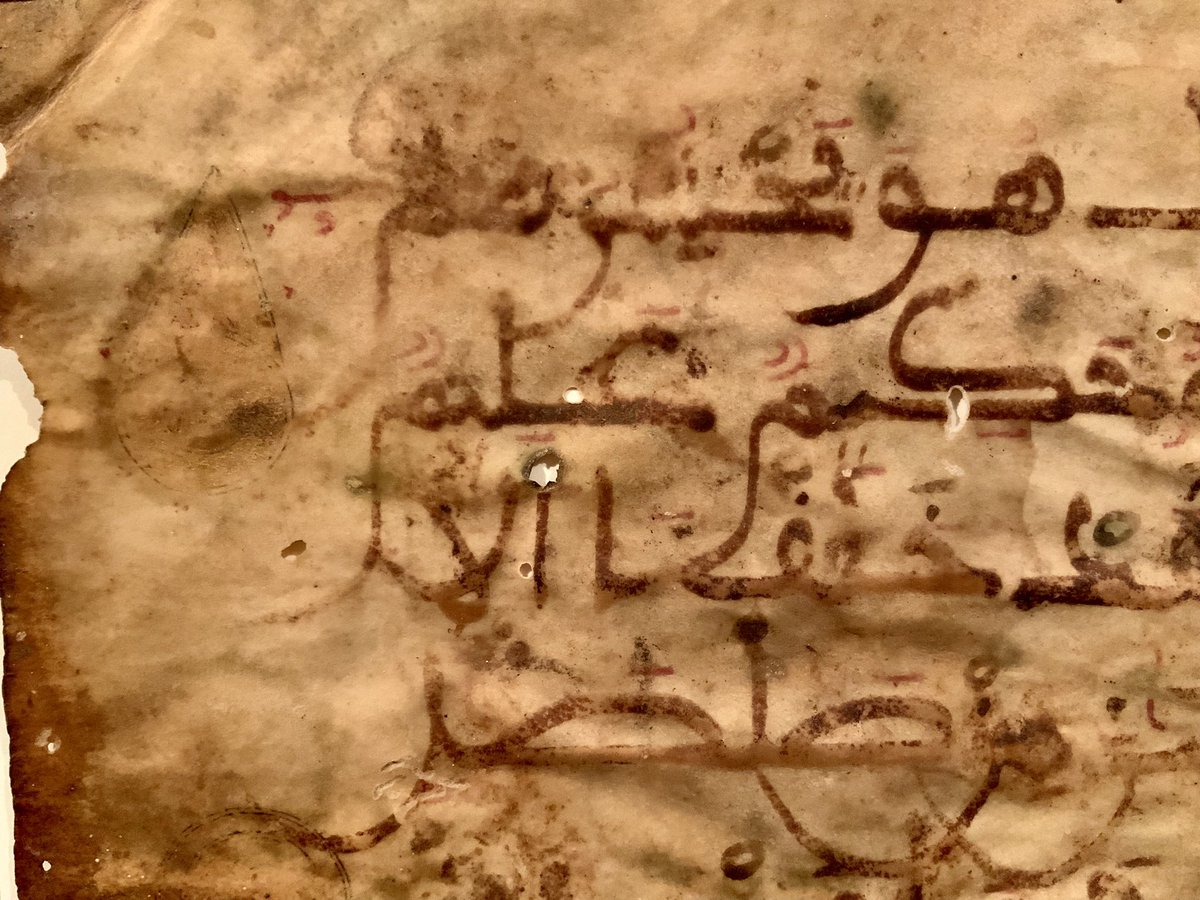
Vellum also helped retain the rich illuminations that marked headings, verse and chapter counters
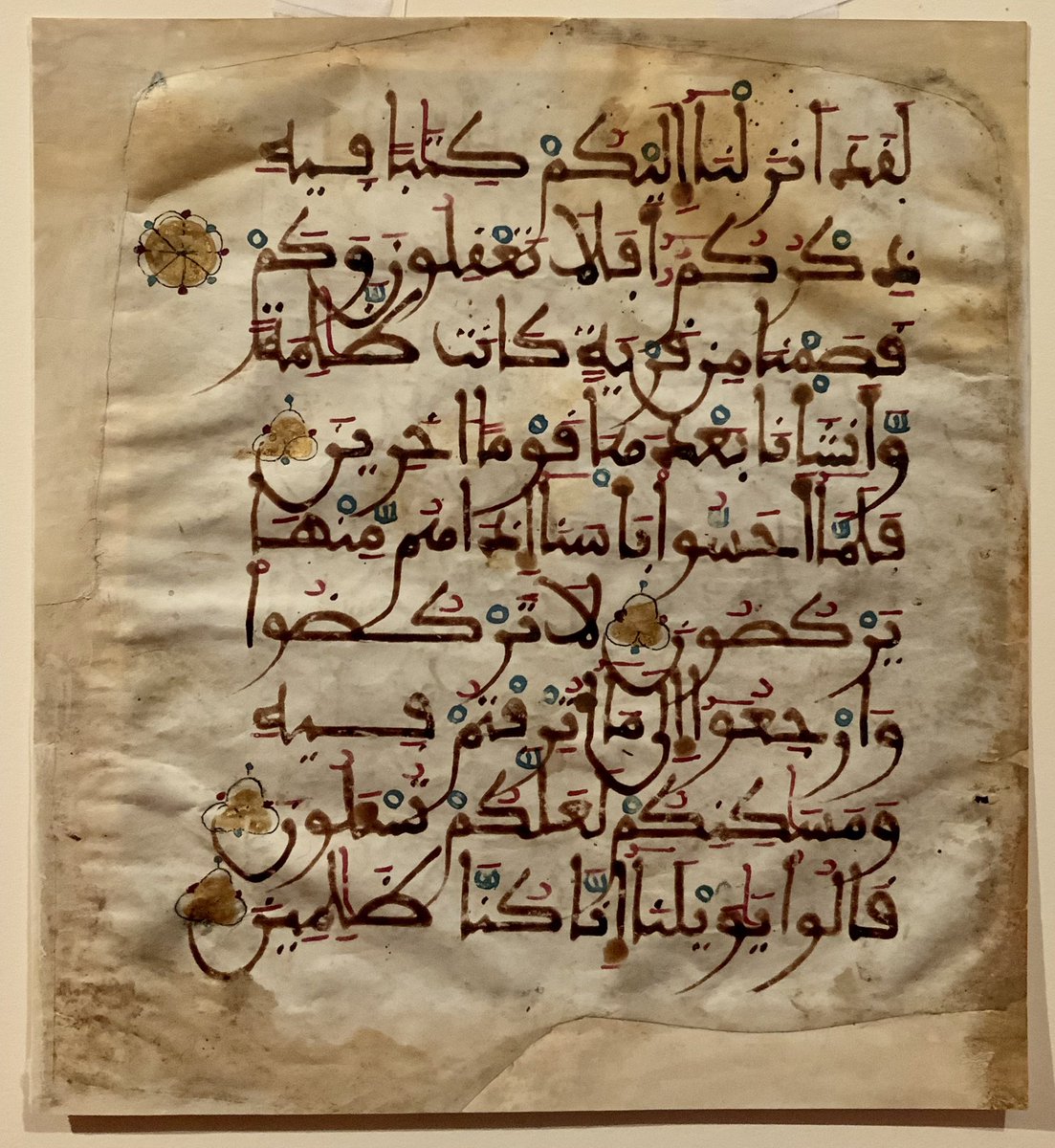
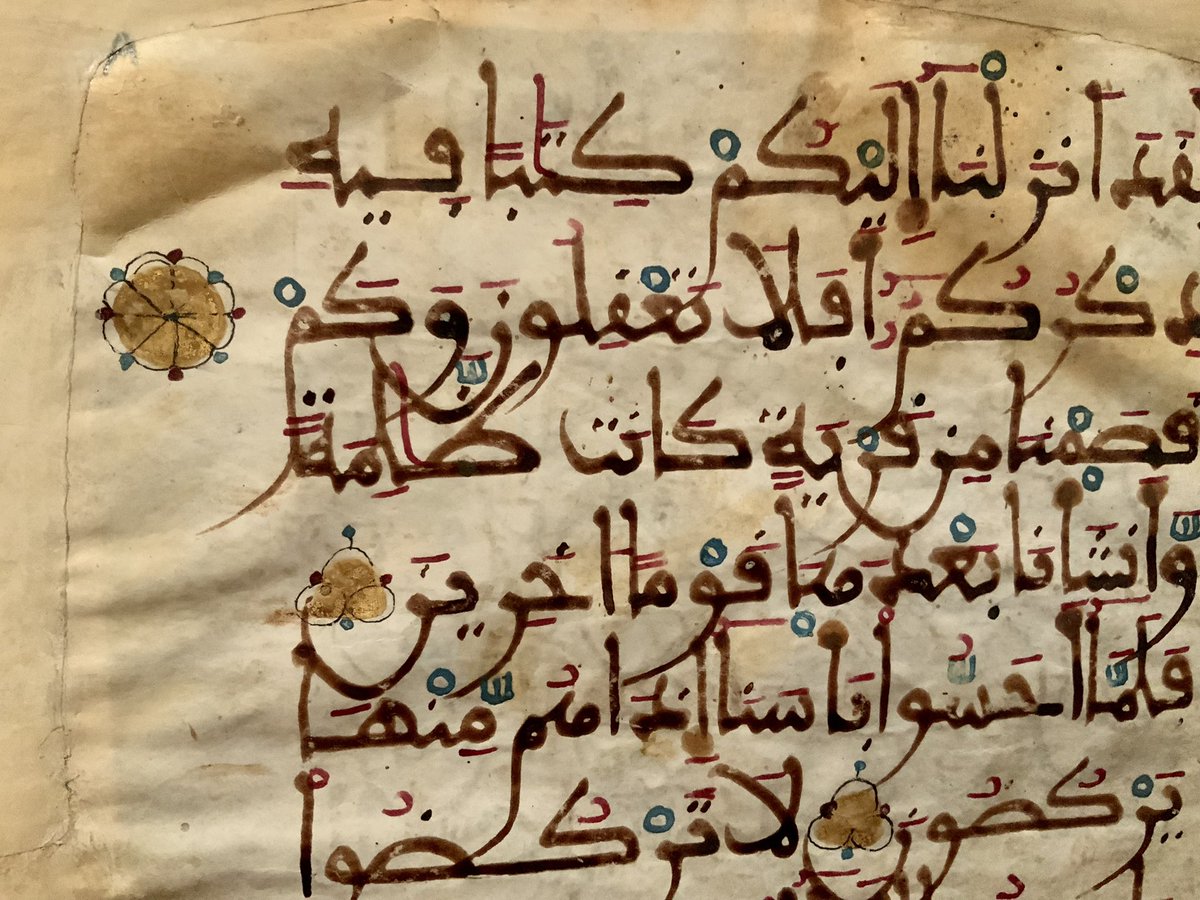
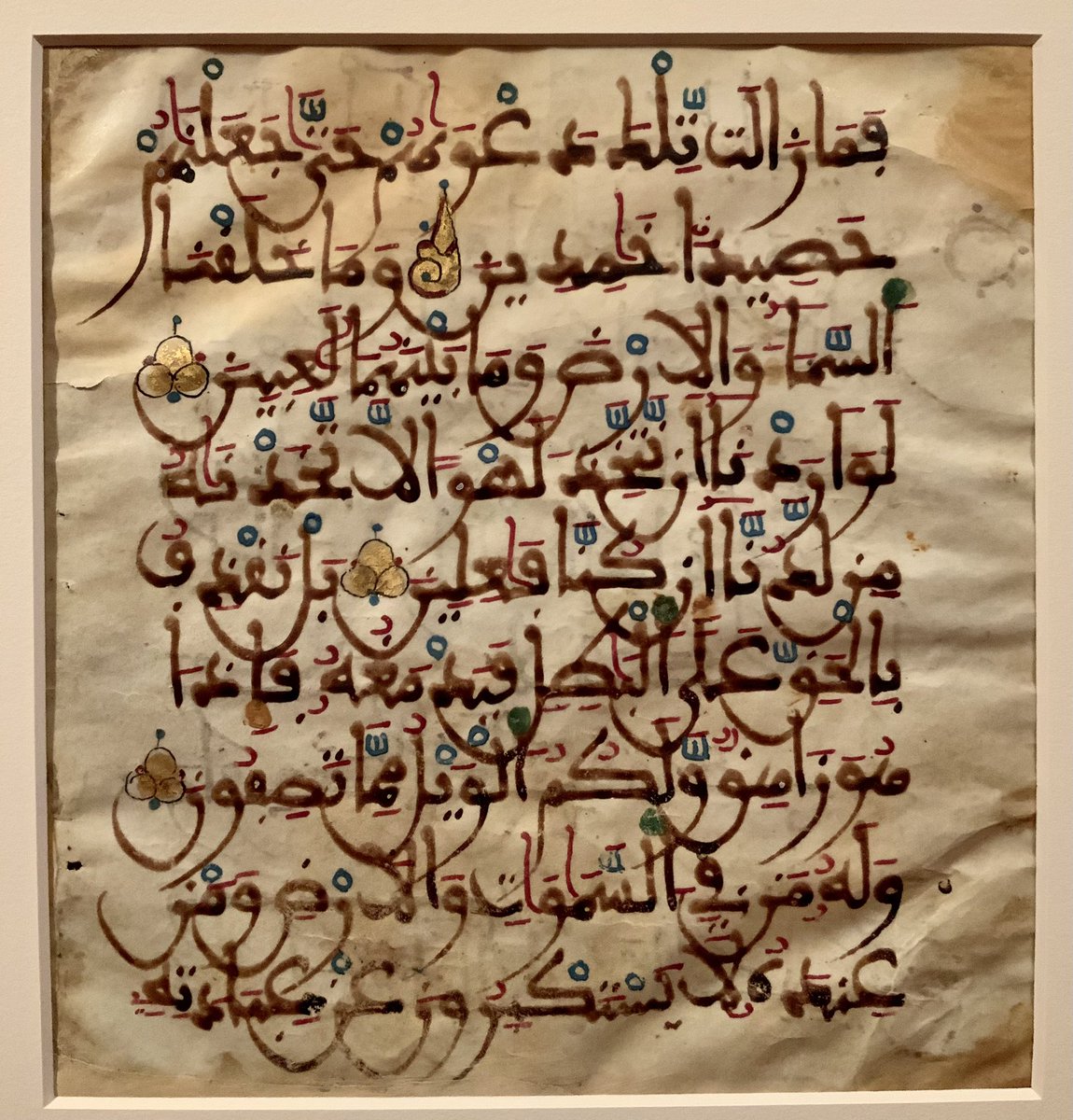
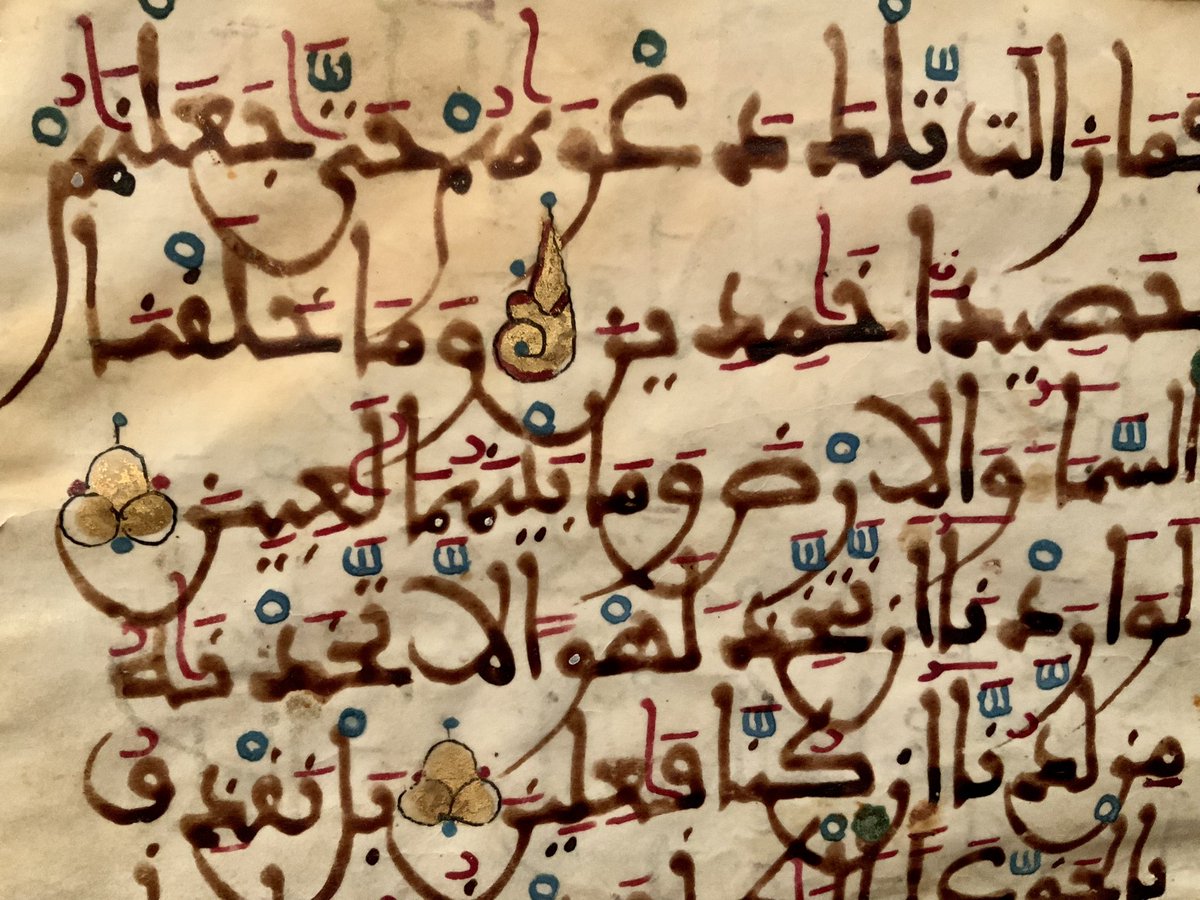
Celestial, geometric and floral illuminations were mostly created by using gold outlined in brown or black, with occasional symmetries coloured in red, green and blue inks.
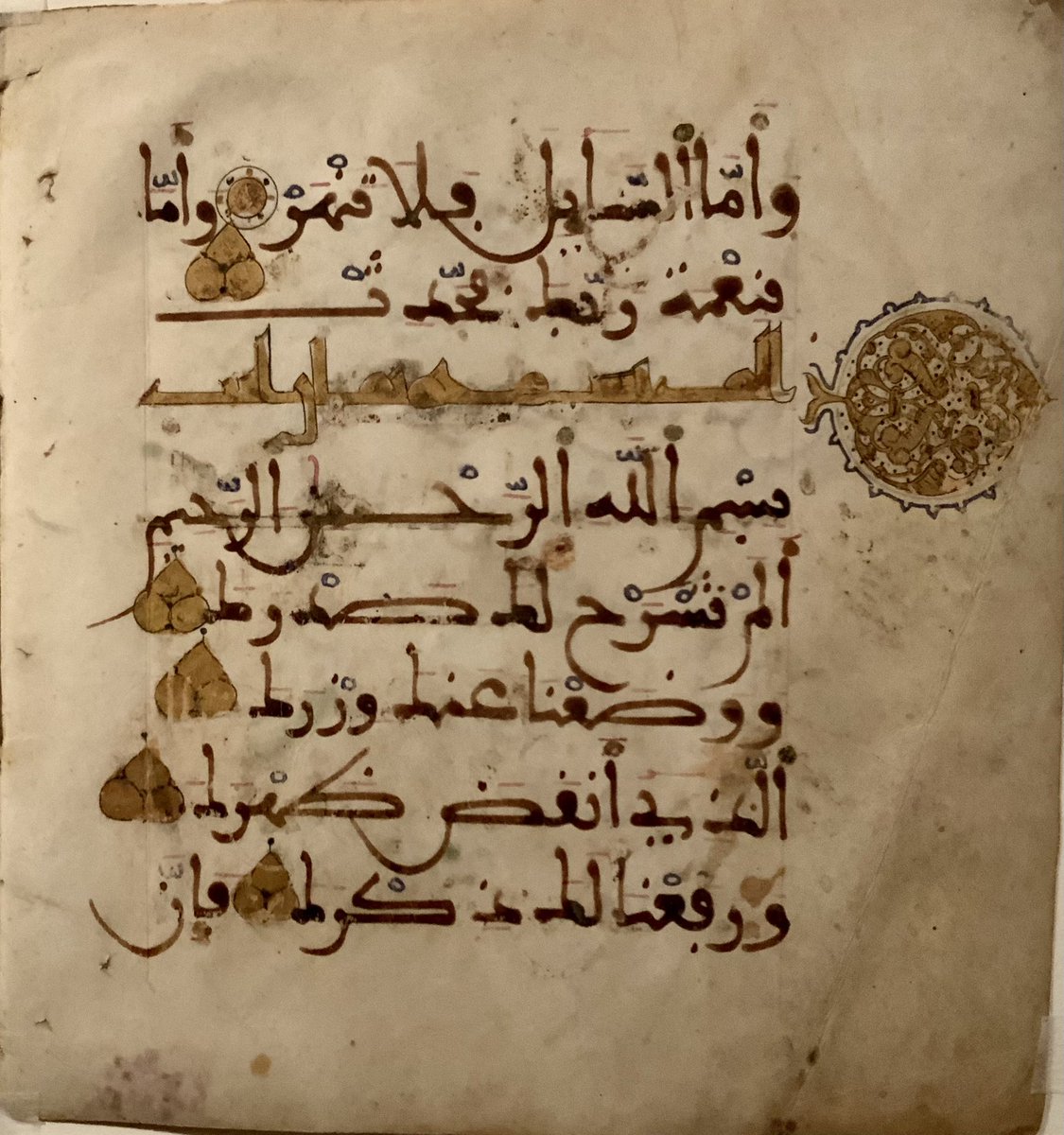
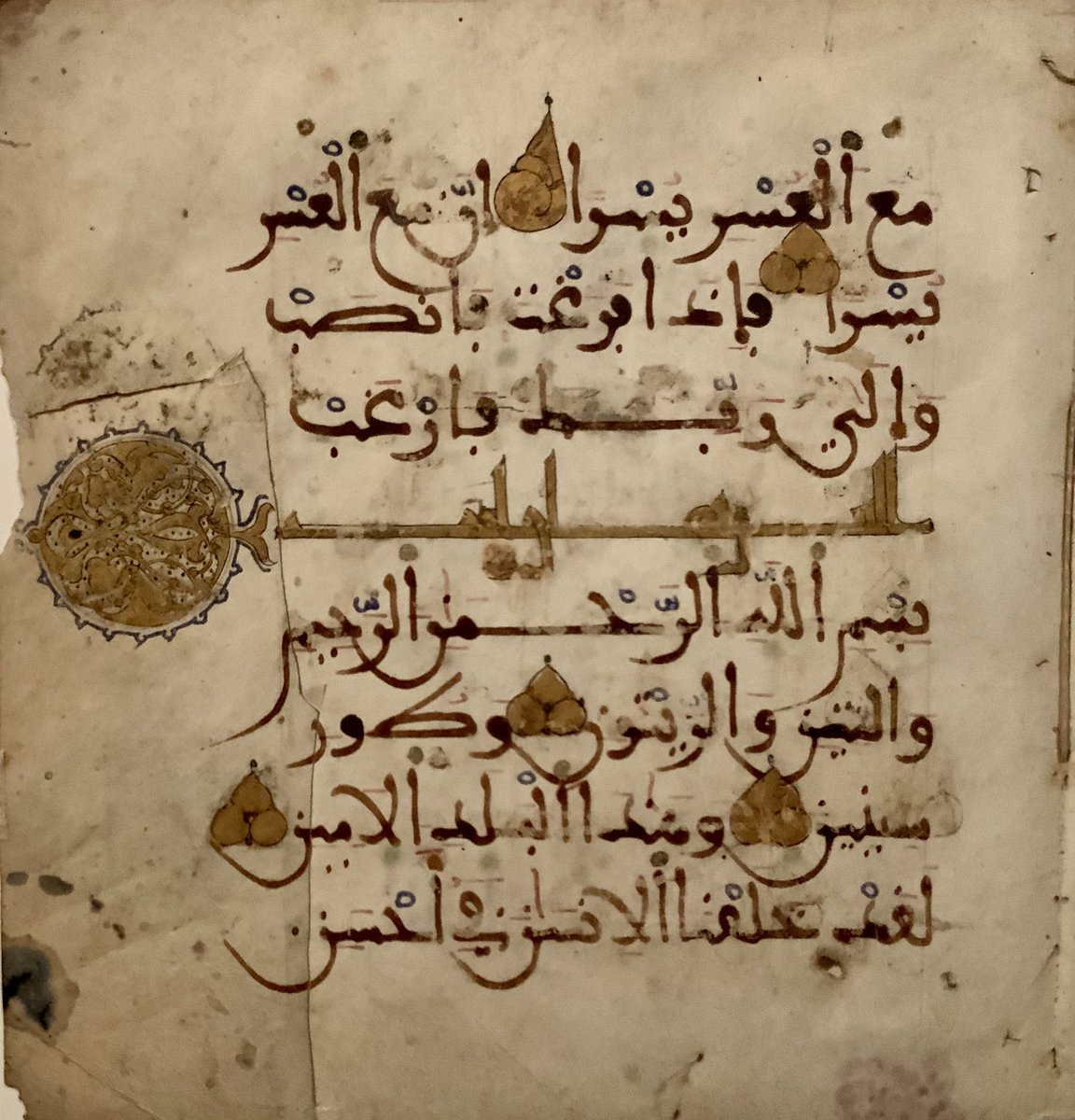
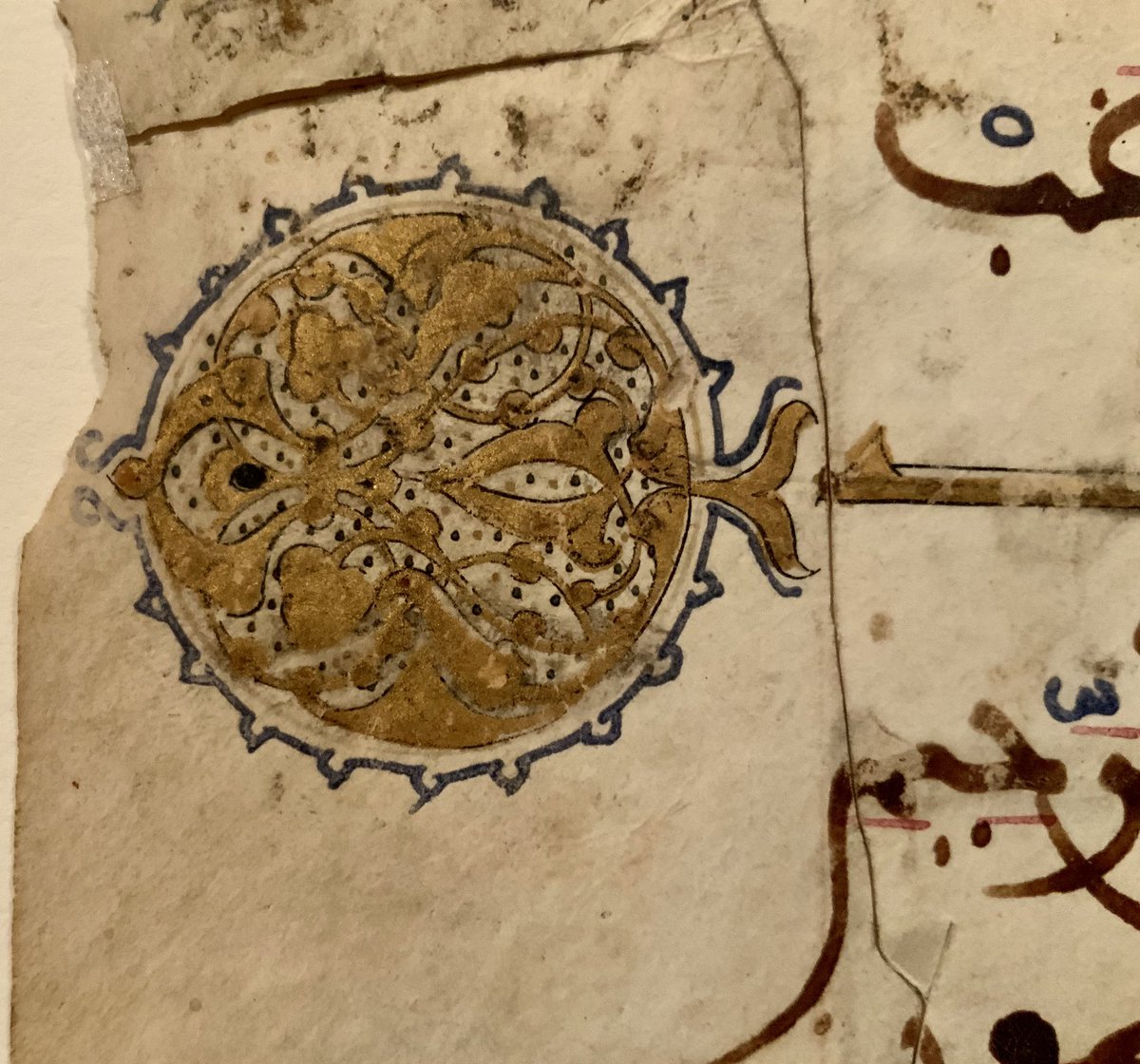
Western Kufic script was still used, but preserved mainly for headings.
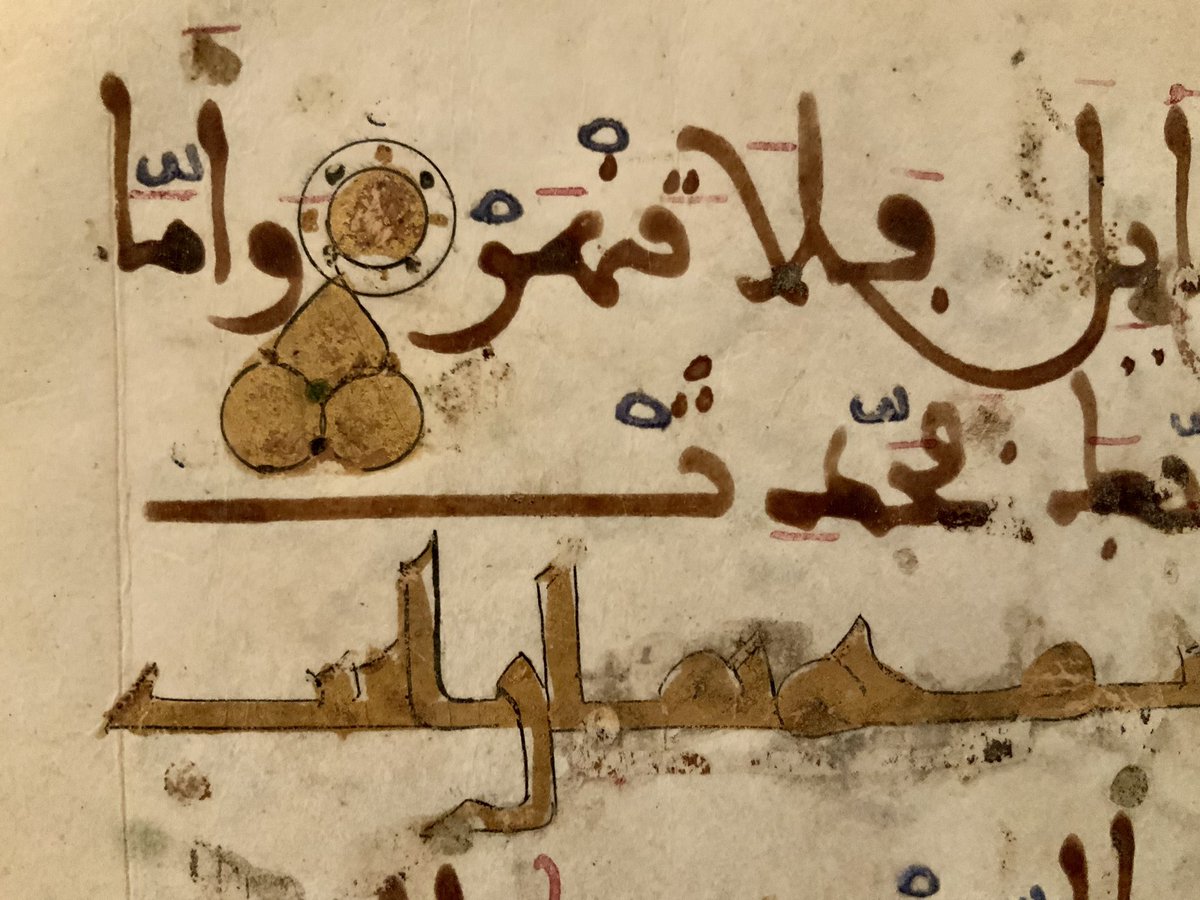
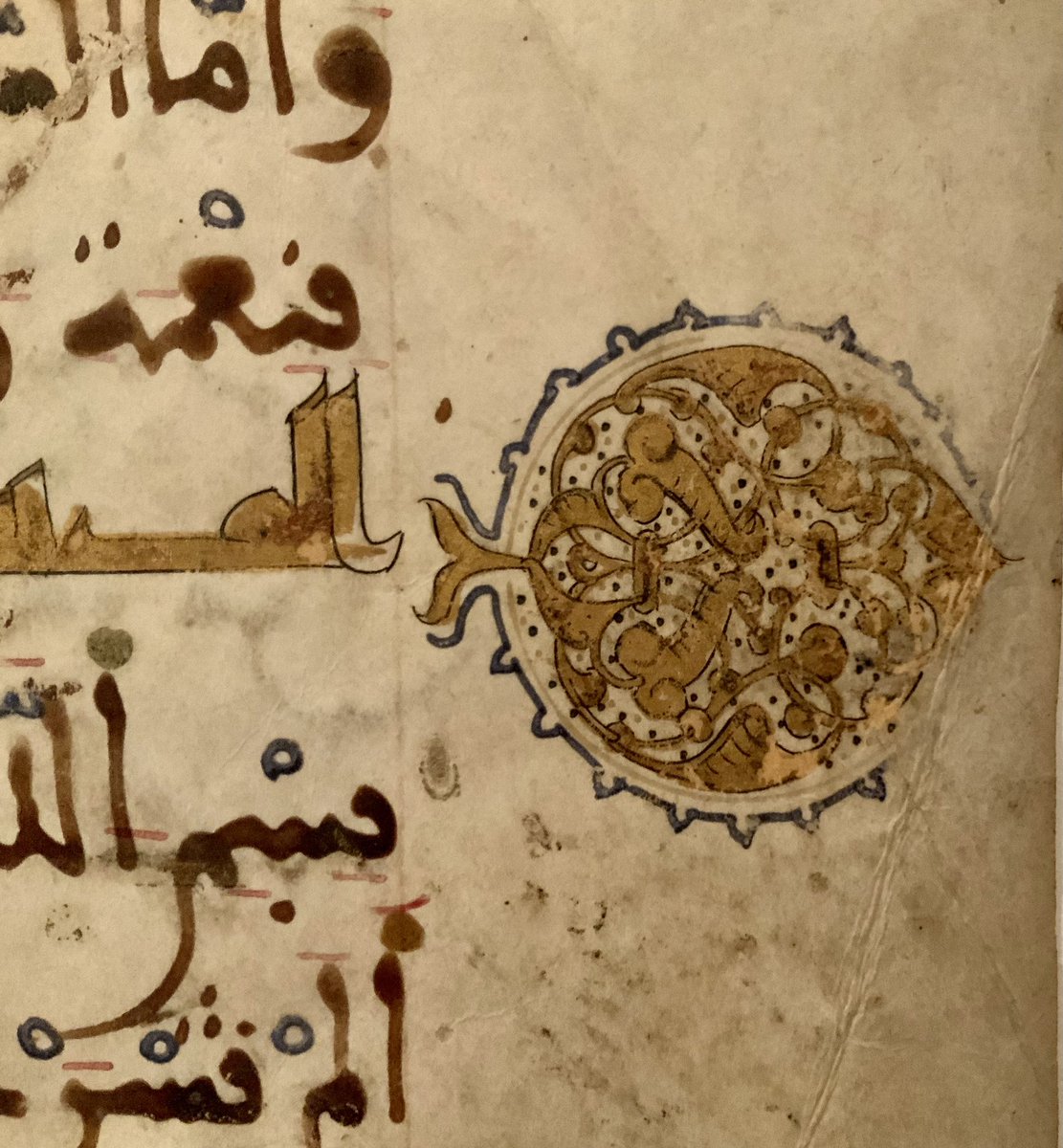
The boldness of the script coupled with the enigmatic verse dividers are what give Maghrebi its prominence amongst important Qur’anic scripts.
Loading suggestions...