

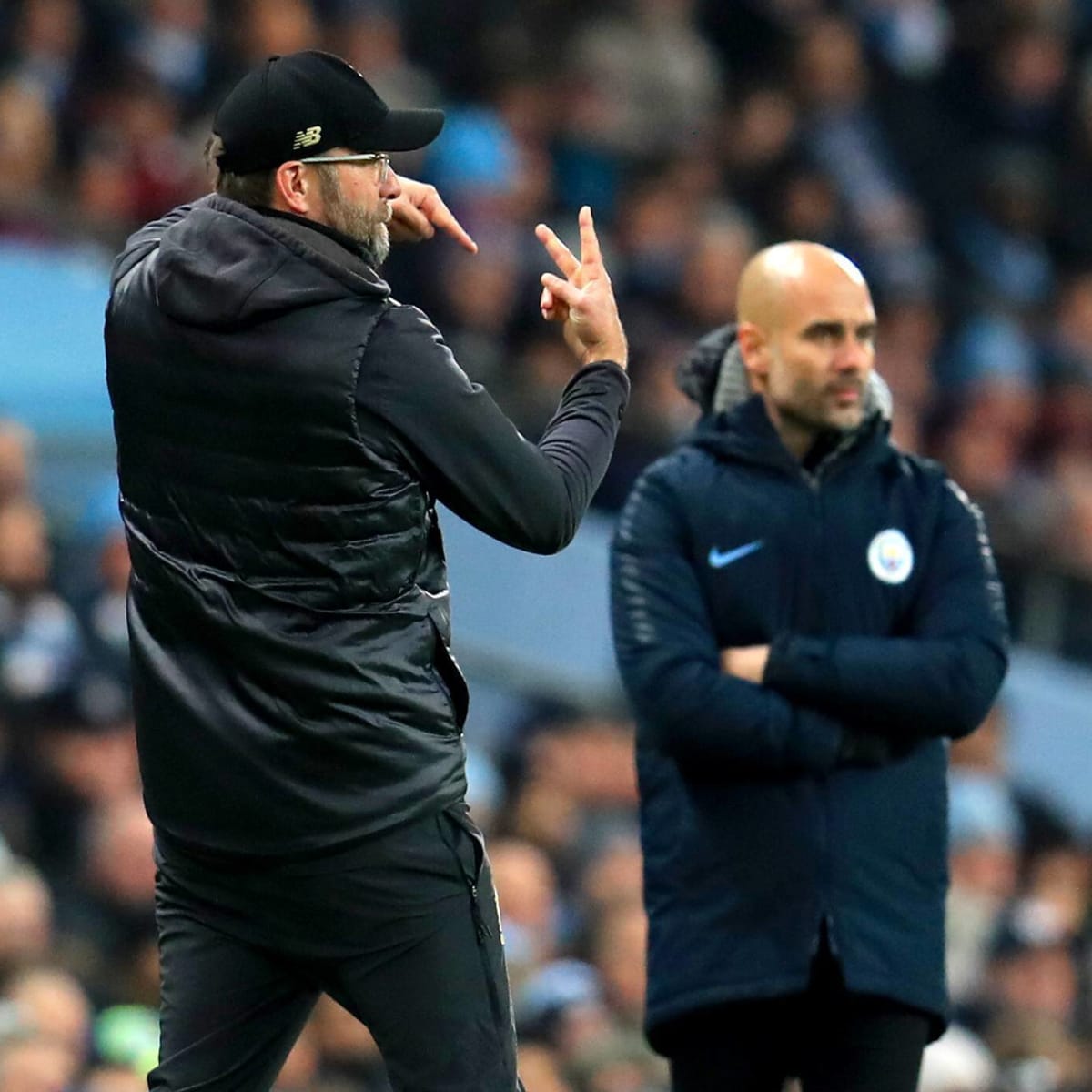
Tactical Trend Thread before #ManCity vs Liverpool: Rondo’s developing transition and possession
A Rondo is a possession-based exercise where the attackers outnumber the defenders.
And the main objective of the Rondo is for the attackers to keep the ball away from the defenders
A Rondo is a possession-based exercise where the attackers outnumber the defenders.
And the main objective of the Rondo is for the attackers to keep the ball away from the defenders
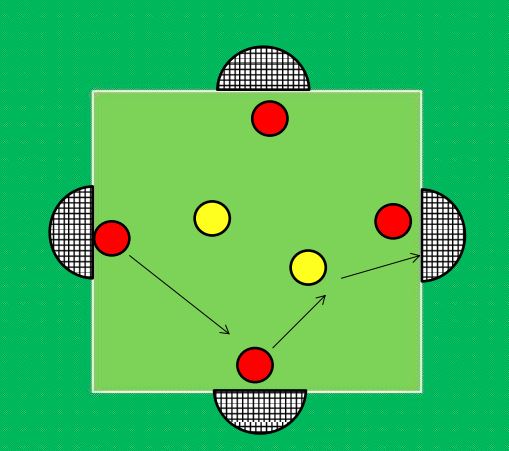
Rondos are played in a set area which can vary in size depending on the number or ability of the players.
Common Rondo formats can be 3v1, 3v2, 4v2, 5v2, 5v3, 6v3 .
Common Rondo formats can be 3v1, 3v2, 4v2, 5v2, 5v3, 6v3 .
Rondo’s are great for developing, speed of play, awareness, passing and receiving techniques, good support play, teamwork, creativity and defending.
Rondo’s are often used as a warm-up activity at the start of the session, however, they can also be used as part of the session.
Rondo’s are often used as a warm-up activity at the start of the session, however, they can also be used as part of the session.
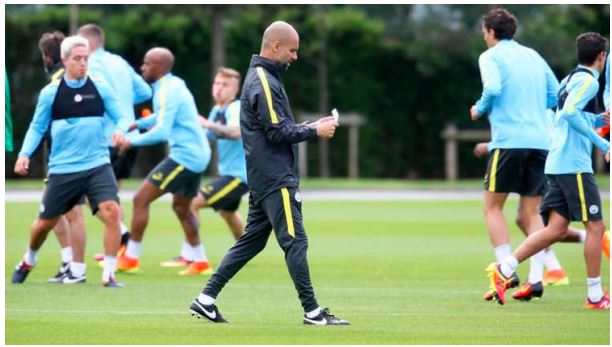
Man City in possession
There is always an extra player, specifically on the Flanks, who gives an advantage.
There is always an extra player, specifically on the Flanks, who gives an advantage.
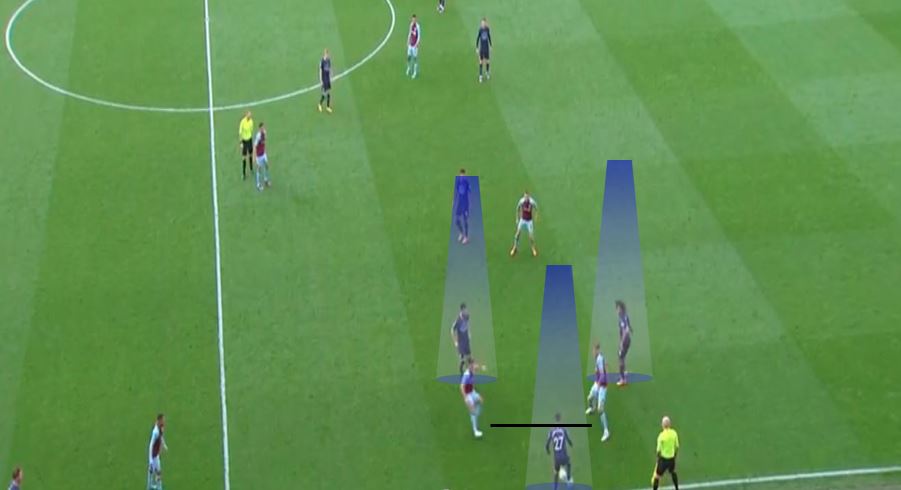
Possession of the ball and moving from one third to another is a constant goal for Manchester City
In this classic 6v2 Rondo warm-up, to successfully
win the ball the 2 defenders must connect a pass
In this classic 6v2 Rondo warm-up, to successfully
win the ball the 2 defenders must connect a pass
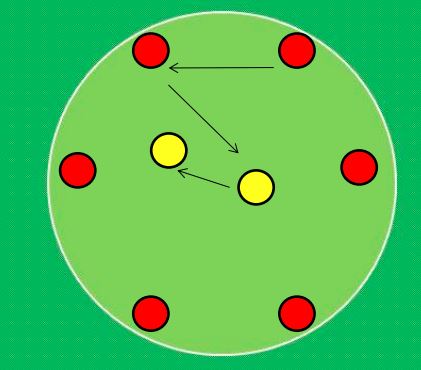
THREE TOUCH RONDOS
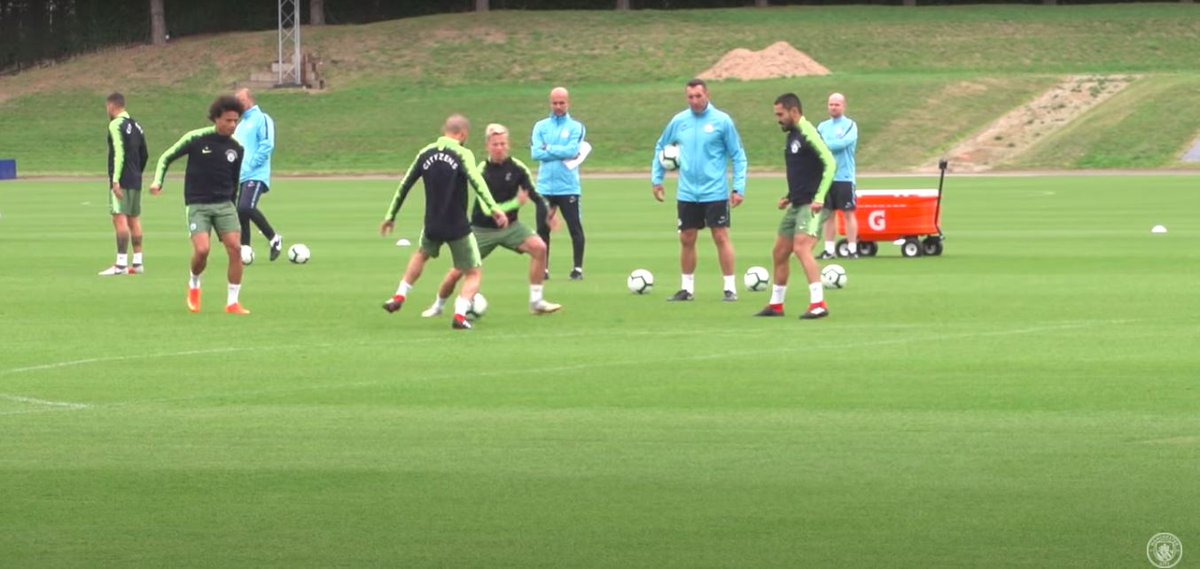
#Liverpool rondo's in transition
It’s no secret that the Gegenpress against the press) has been fundamental to Klopp’s style of play for a considerable period of time. The idea is to win the ball back as high up the pitch and as quickly as possible,
It’s no secret that the Gegenpress against the press) has been fundamental to Klopp’s style of play for a considerable period of time. The idea is to win the ball back as high up the pitch and as quickly as possible,
rather than waiting for a pressing trigger or retreating.
PEPIJN LIJNDERS the assistant of Klopp
PEPIJN LIJNDERS the assistant of Klopp
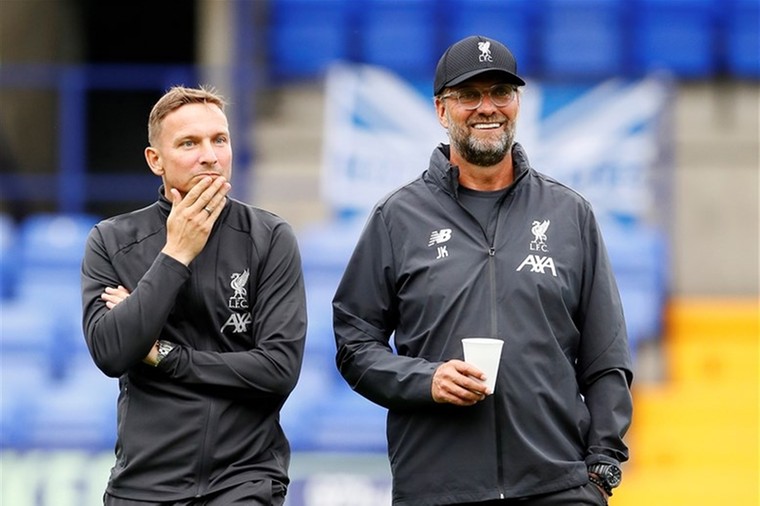
6 v 3 tactical rondo
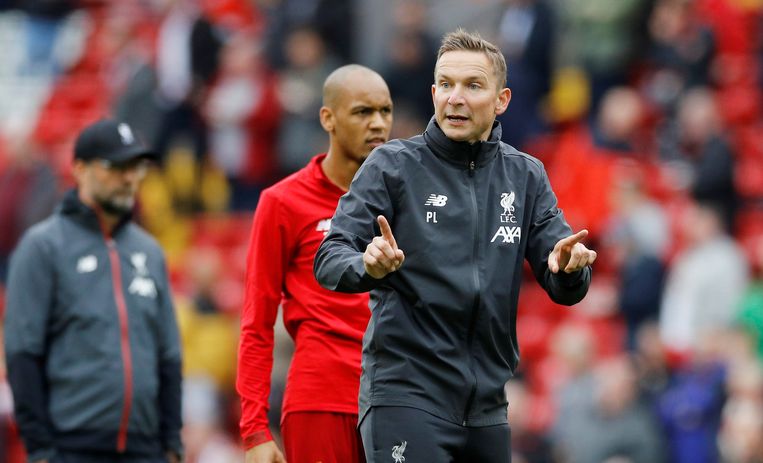
Lijnders, who said he's responsible for the "training process” at Liverpool, described two rondos used to practice counter-pressing at Liverpool.
Lijnders, who said he's responsible for the "training process” at Liverpool, described two rondos used to practice counter-pressing at Liverpool.
“Everything that goes on in a match, except
shooting, you can do in a rondo. The competitive
aspect, fighting to make space, what to do when in
possession and what to do when you haven’t got the
ball, how to play ‘one touch’ soccer, how to
counteract the tight marking
shooting, you can do in a rondo. The competitive
aspect, fighting to make space, what to do when in
possession and what to do when you haven’t got the
ball, how to play ‘one touch’ soccer, how to
counteract the tight marking
and how to win the ball back"
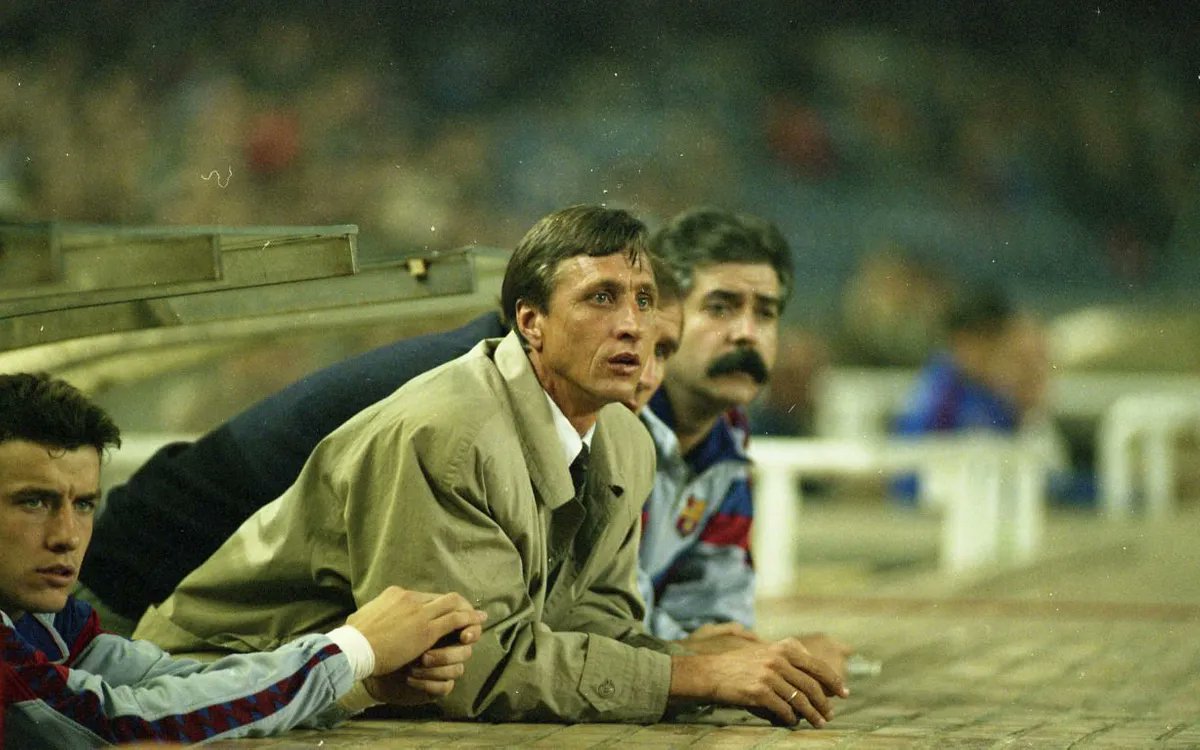
Johan Cruyff
Johan Cruyff
“Transitions have become crucial. When
the opponent is organised defensively, it
is very difficult to score. The moment
the opponent loses the ball can be the
time to exploit the opportunity of
someone being out of position. Similarly
when we lose the ball we must react
the opponent is organised defensively, it
is very difficult to score. The moment
the opponent loses the ball can be the
time to exploit the opportunity of
someone being out of position. Similarly
when we lose the ball we must react
immediately. In training I sometimes
practice keeping a minimum of five
players behind the ball, so that when we
lose it we can still keep a good defensive shape. The players must learn
to read the game – when to press and
when to return to their
practice keeping a minimum of five
players behind the ball, so that when we
lose it we can still keep a good defensive shape. The players must learn
to read the game – when to press and
when to return to their
defensive positions. Everybody says that set plays
win most games, but I think it is more
about transitions.” -
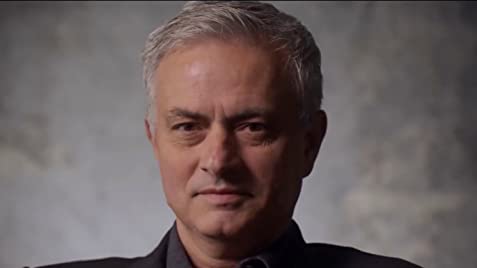
Jose Mourinho
win most games, but I think it is more
about transitions.” -
Jose Mourinho
Loading suggestions...