

Healing Plants Mega THREAD
(Will be updated daily)
(Will be updated daily)
Before I begin
This thread was inspired by the Healing Herbs book by Michael Castleman
Been reading it and realized a lot of you would find value from the information I've been absorbing
Let's begin
This thread was inspired by the Healing Herbs book by Michael Castleman
Been reading it and realized a lot of you would find value from the information I've been absorbing
Let's begin
1) Myrrh
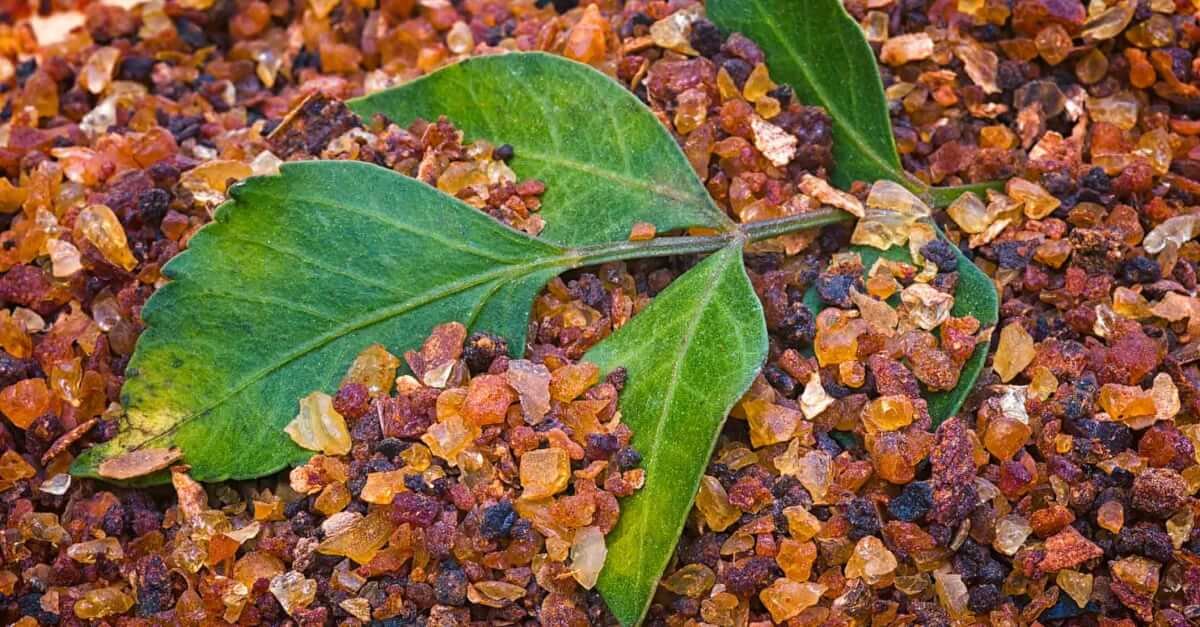
A gum resin extracted from a thorny plant in the middle East(Commiphora Myrrha)
Used by the ancient Egyptians for the embalmment of their dead
This herb eventually became the biblical aromatic often used as a fragrance or at funerals
A gum resin extracted from a thorny plant in the middle East(Commiphora Myrrha)
Used by the ancient Egyptians for the embalmment of their dead
This herb eventually became the biblical aromatic often used as a fragrance or at funerals
The ancient Greeks & Romans also used Myrrh as an antiseptic on wounds to prevent gangrene
In the 19th century, they started using it for dental care as a mouthwash
Its tannins have astringent properties which kill off bacteria and keep your gums healthy
In the 19th century, they started using it for dental care as a mouthwash
Its tannins have astringent properties which kill off bacteria and keep your gums healthy
Today
Myrrh can be found in some toothpaste or mouthwash to fight off cavities
Some Ayurveda studies show it may improve cholesterol levels too
Myrrh can be found in some toothpaste or mouthwash to fight off cavities
Some Ayurveda studies show it may improve cholesterol levels too
2) Gingko Biloba
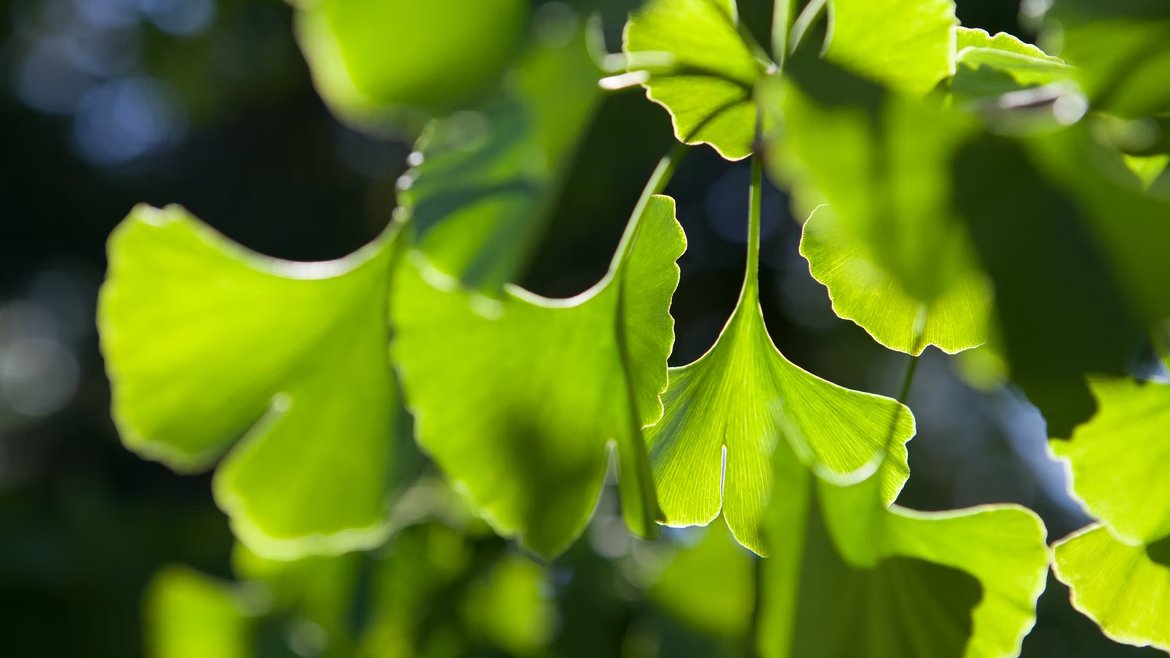
This tree is one of the oldest on the planet
The ancient Chinese Herbalist Pen Tsao Ching used it to treat emperors because it was "good for the heart and lungs"
Indian Ayurvedic practitioners use it in their longevity elixirs
This tree is one of the oldest on the planet
The ancient Chinese Herbalist Pen Tsao Ching used it to treat emperors because it was "good for the heart and lungs"
Indian Ayurvedic practitioners use it in their longevity elixirs
It was only in the 18th century that the western world learned of its healing properties
In 1972, scientists discovered Gingko Biloba flavonoids which could inhibit platelet aggregation
This meant it could be used to improve blood flow throughout your body
Brain
Heart
Eyes
In 1972, scientists discovered Gingko Biloba flavonoids which could inhibit platelet aggregation
This meant it could be used to improve blood flow throughout your body
Brain
Heart
Eyes
Gingko Biloba is used today to support:
Cognitive health (brain)
Macular Degeneration
Memory/Reaction time
Heart attacks
Impotence
Tinnitus
Vertigo
Asthma
Organ Transplant
Cognitive health (brain)
Macular Degeneration
Memory/Reaction time
Heart attacks
Impotence
Tinnitus
Vertigo
Asthma
Organ Transplant
3) Oregano
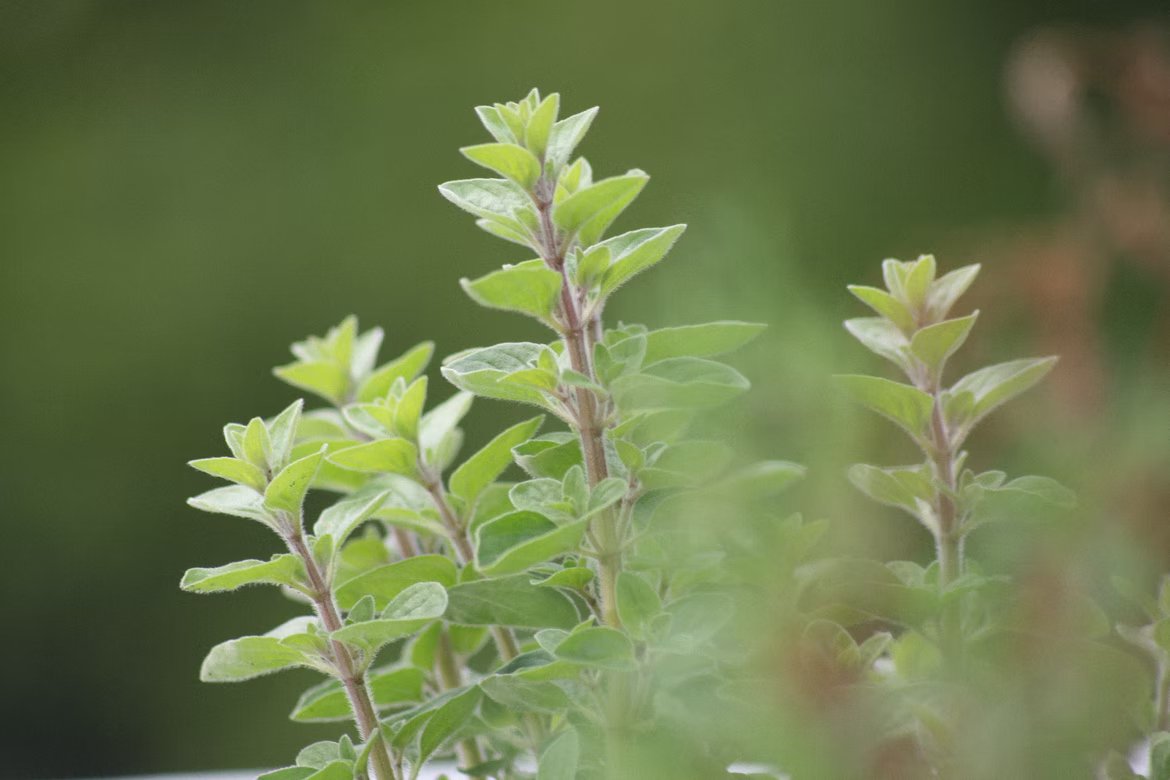
Over 40 different species of this plant exist
Used in Chinese Medicine for centuries to treat colds, GI distress & fevers
19th-century doctors used it as a gentle stimulant tonic to help with toothaches, arthritis & baldness
Over 40 different species of this plant exist
Used in Chinese Medicine for centuries to treat colds, GI distress & fevers
19th-century doctors used it as a gentle stimulant tonic to help with toothaches, arthritis & baldness
Today
It's still used more than just in the kitchen
Herbalists use it as an:
Expectorant
Digestive stimulant
Antimicrobial/parasites
Carvacrol & thymol are the two potent active ingredients that give this plant its healing properties
It's still used more than just in the kitchen
Herbalists use it as an:
Expectorant
Digestive stimulant
Antimicrobial/parasites
Carvacrol & thymol are the two potent active ingredients that give this plant its healing properties
4) Slippery Elm
Grown in the Eastern parts of the US
This tree bark played a huge role in apothecaries in the 18th & 19th centuries
In large part due to European settlers learning of its benefits from the Natives
Grown in the Eastern parts of the US
This tree bark played a huge role in apothecaries in the 18th & 19th centuries
In large part due to European settlers learning of its benefits from the Natives
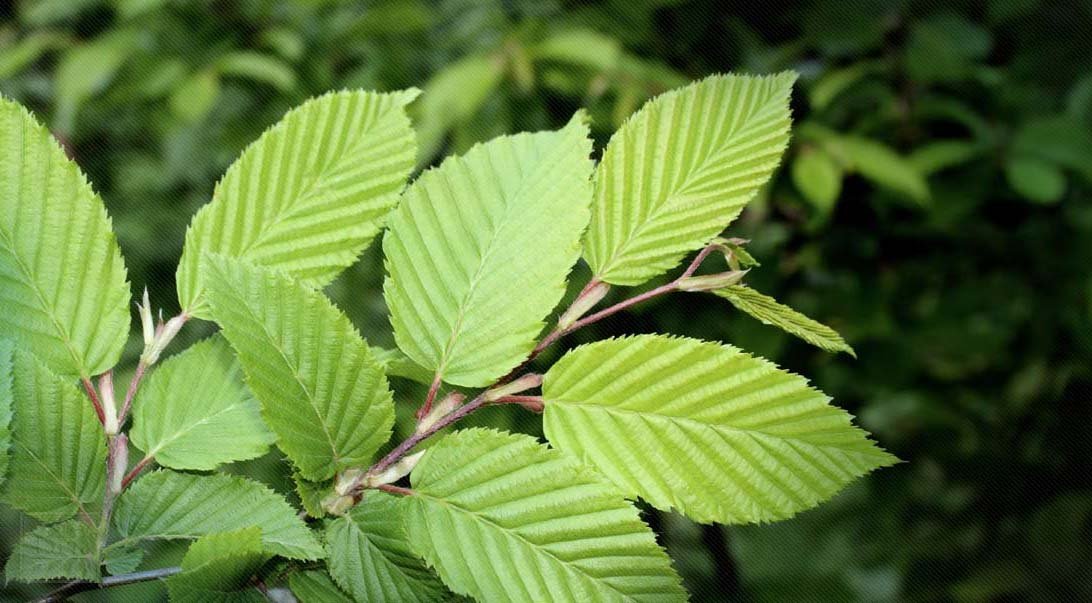
Slippery Elm Bark was used to:
Preserve meats
Bandage wounds
Sore throats
Pain relief
Women's health
Native women would even use Slippery Elm sticks to induce miscarriages
A practice adopted by the colonial women until it became illegal
Preserve meats
Bandage wounds
Sore throats
Pain relief
Women's health
Native women would even use Slippery Elm sticks to induce miscarriages
A practice adopted by the colonial women until it became illegal
Today
Slippery elm is used frequently in gut health due to its mucus-like texture (mucilage)
It coats the lining of your throat, stomach (less heartburn) and your intestines as well (less bowel inflammation)
An excellent tool in your gut rebuild protocols
Slippery elm is used frequently in gut health due to its mucus-like texture (mucilage)
It coats the lining of your throat, stomach (less heartburn) and your intestines as well (less bowel inflammation)
An excellent tool in your gut rebuild protocols
5) Passionflower
Discovered by Dr. Monardez in the Andes mountains of Peru
He initially thought to be an aphrodisiac when in fact it did quite the opposite
The Incas drank it to calm themselves down
Discovered by Dr. Monardez in the Andes mountains of Peru
He initially thought to be an aphrodisiac when in fact it did quite the opposite
The Incas drank it to calm themselves down
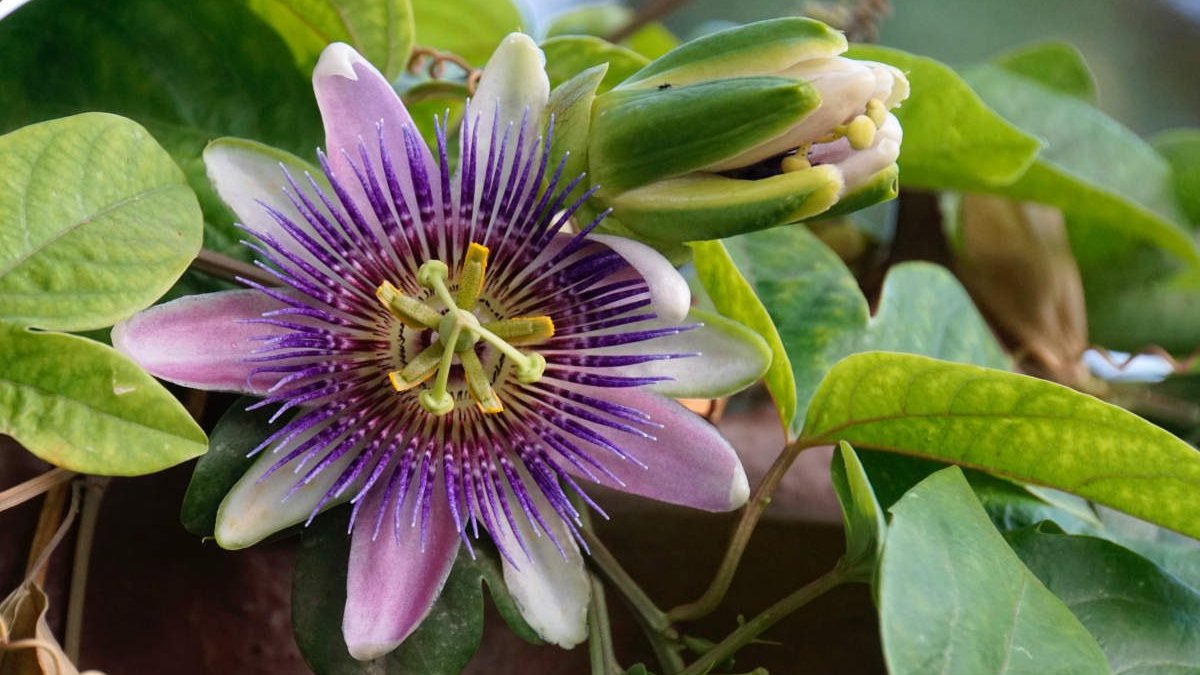
Herbalists today see it as "the best tranquilizing plant" without any addictive properties
Passionflower is a mild sedative that is excellent for:
Anxiety
Stress
Insomnia
Period Cramps
Passionflower is a mild sedative that is excellent for:
Anxiety
Stress
Insomnia
Period Cramps
@LukasikMatej There are more coming lol
6) Lemon Balm
Appreciated by herbalists for over 2000 years
It really became popular in the Middle Ages when it was appreciated by Europeans
They used it to calm nervous and anxious people
Appreciated by herbalists for over 2000 years
It really became popular in the Middle Ages when it was appreciated by Europeans
They used it to calm nervous and anxious people
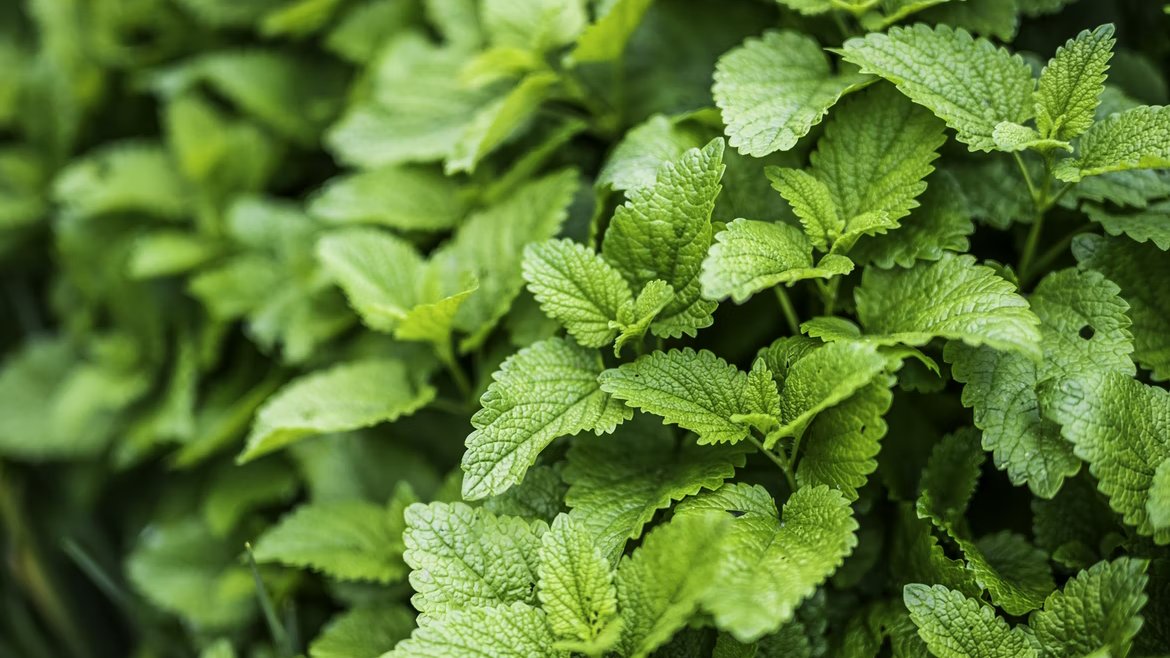
Lemon Balm was seen as a panacea
From insomnia, arthritis, headaches and digestion
They used it for everything
But by the 19th century
It lost its flair in the apothecaries
From insomnia, arthritis, headaches and digestion
They used it for everything
But by the 19th century
It lost its flair in the apothecaries
Today
Lemon Balm's healing power are more appreciated
Research shows it can help with:
Sleep
Digestion
Menstrual pain
Wound healing (antimicrobial)
Lemon Balm's healing power are more appreciated
Research shows it can help with:
Sleep
Digestion
Menstrual pain
Wound healing (antimicrobial)
7) Caraway
Its aromatic grains were found in remains from 3500 BC
Mainly used for digestive troubles
Caraway was used for centuries and is still used today
Its aromatic grains were found in remains from 3500 BC
Mainly used for digestive troubles
Caraway was used for centuries and is still used today
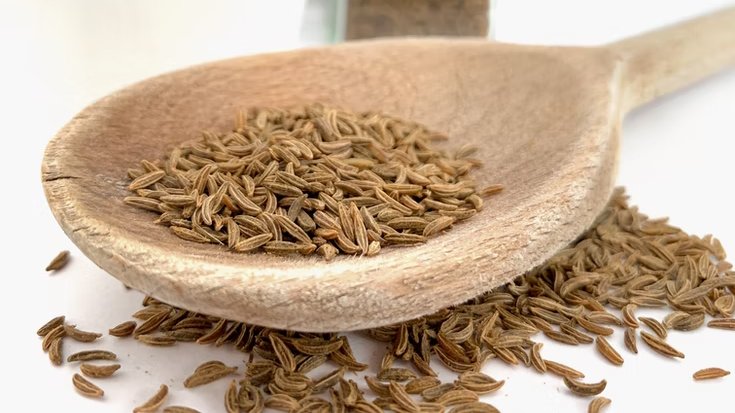
Caraway contains two active ingredients
Carvol and Carvene soothe the smooth muscle lining of your gut
They've also been shown to do the same in the uterus to relieve menstrual pain
Carvol and Carvene soothe the smooth muscle lining of your gut
They've also been shown to do the same in the uterus to relieve menstrual pain
8) Uva Ursi
A potent antiseptic and diurectic
This herb was used for thousands of years by the Chinese as well as the Native American
Marco Polo brought its healing powers to the western world
A potent antiseptic and diurectic
This herb was used for thousands of years by the Chinese as well as the Native American
Marco Polo brought its healing powers to the western world
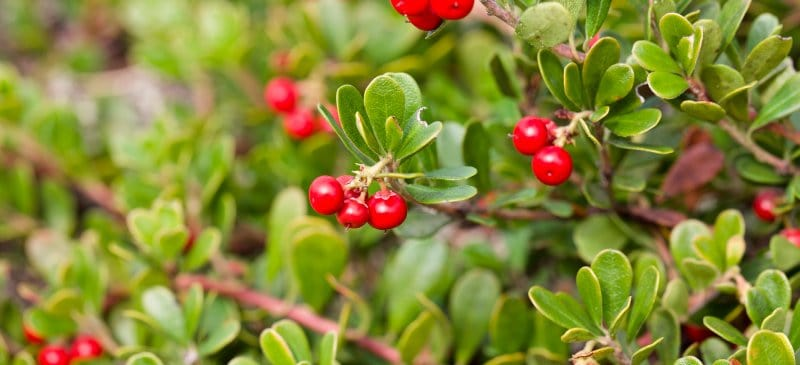
19th-century doctors used it for many ailments that plagued the kidneys and urinary tract
Today its healing properties are far better understood
Arbutin (active component) gets chemically altered into Hydroquinone (strong antiseptic)
Today its healing properties are far better understood
Arbutin (active component) gets chemically altered into Hydroquinone (strong antiseptic)
Ursolic acid (Astringent) & allantoin help soothe your cells
Particularly in your urinary tract
Uva ursi used for:
Urinary tract infections
High blood pressure
Wound healing
Diarrhea
Particularly in your urinary tract
Uva ursi used for:
Urinary tract infections
High blood pressure
Wound healing
Diarrhea
Loading suggestions...