

Spitballing some thoughts on medium calibre turrets & the integration challenges they present. 1/
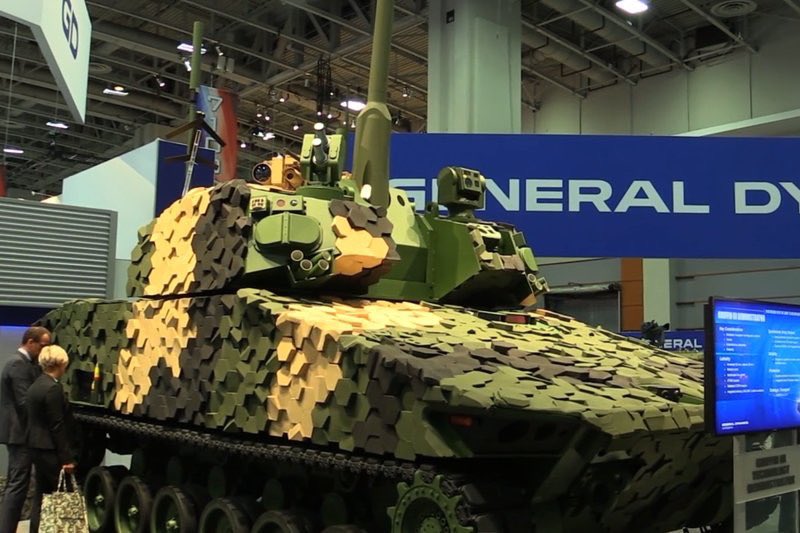
Let’s bound the problem (for the purposes of this exercise)
Turret - armoured capsule capable of rotational movement independent of the hull or body it’s mounted on, w/the primary purpose of mounting a weapon. 2/
Turret - armoured capsule capable of rotational movement independent of the hull or body it’s mounted on, w/the primary purpose of mounting a weapon. 2/
Medium calibre: direct fire gun with a bore that exceeds a HMG (14.5mm), but less than a tank/heavy direct-fire gun (76mm). Ack that this is debatable. 3/
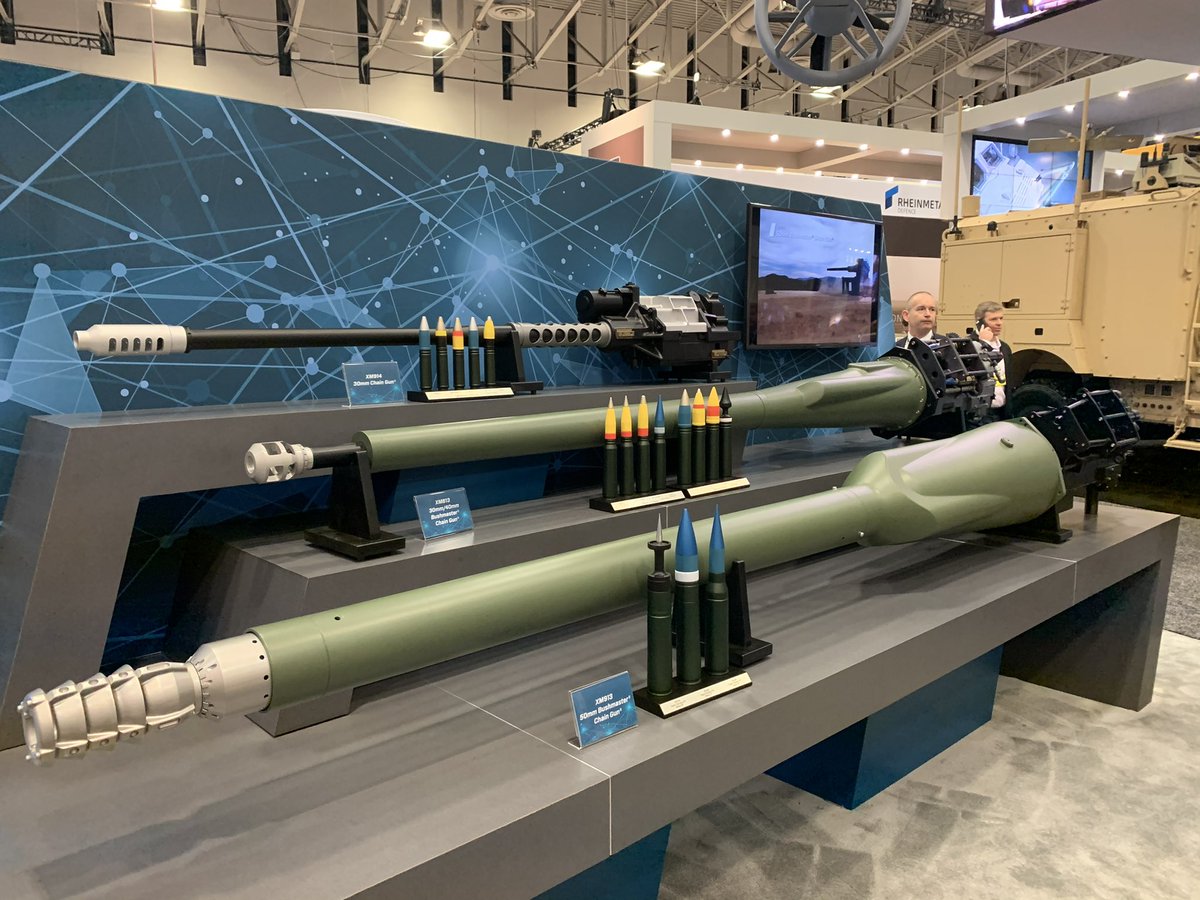
Nb: I’ll throw in some ‘non-negotiable’ minimums for a modern (post ‘75) turret. Power traverse (360/6,400), power elevation (-10/+60), stabilisation, compartmented main armament ammunition, dual-feed main armament, day/night/thermal/reversionary sights, & coaxial machine gun. 4/
So, nothing too controversial so far, most has been available since the late 70’s. So, what’s changed?
Miniaturisation, the democratisation of lethality, & the necessity of integration.
We can incorporate systems to make medium-calibre systems more protected & more lethal. 5/
Miniaturisation, the democratisation of lethality, & the necessity of integration.
We can incorporate systems to make medium-calibre systems more protected & more lethal. 5/
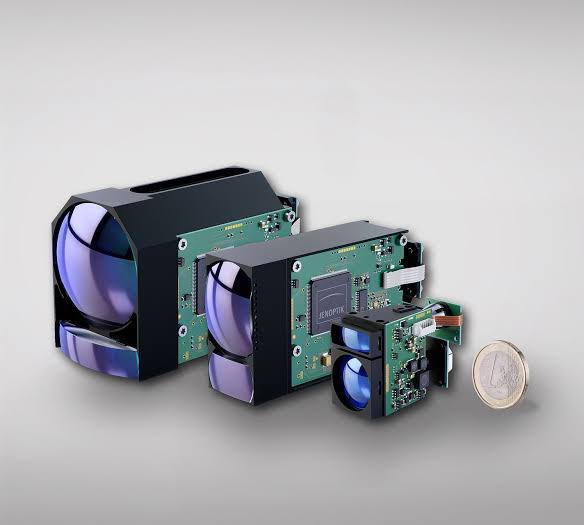
Lethality is useless without adequate cuing. Cuing can be active, passive, & reactive. Active includes emitters, such as LiDAR, RADAR, & lasers. Traditionally, the only lasers on medium calibre turrets have been for range finding devices. This is changing. 6/
Placeholder..standby.
Light Detection & Radar (LiDAR) uses eye-safe lasers to “see” objects at distances ~0.5 - 100 metres, with centimetre-level resolution. Probably better res, these days. With AI, using LiDAR to ID potential threats for the vehicle crew is not beyond the realm of the possible. 7/
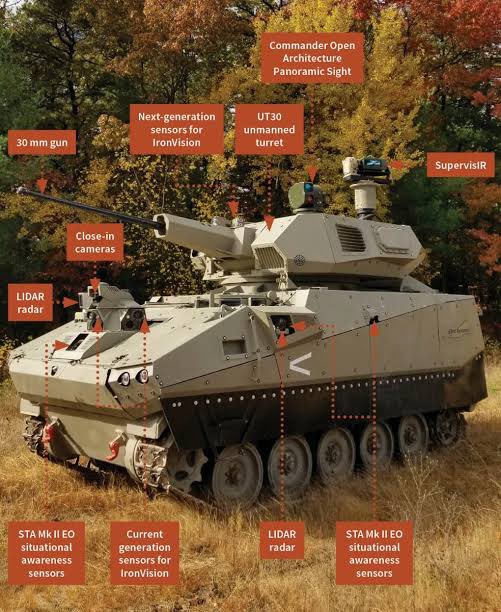
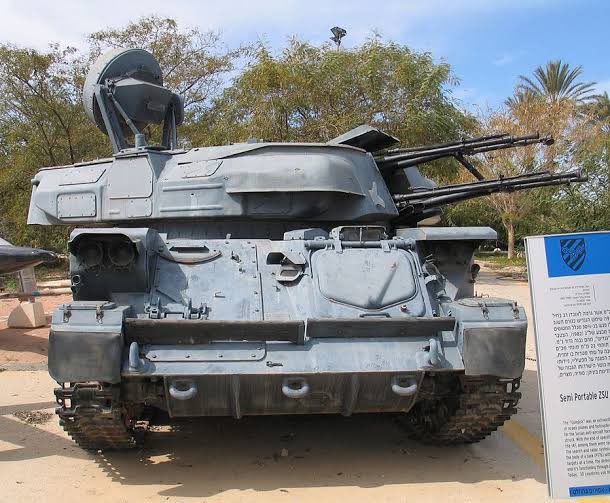
Radar - historically, the only medium calibre turrets fitted with radar/s have been specialist air defence systems that aren’t designed/required to be used in the direct-fire zone.
Again, with the maturation of active protection systems, this is changing. 8/
Again, with the maturation of active protection systems, this is changing. 8/
Let’s shift to reactive. These are comparatively recent & include acoustic, IR, UV, & laser detectors. 9/
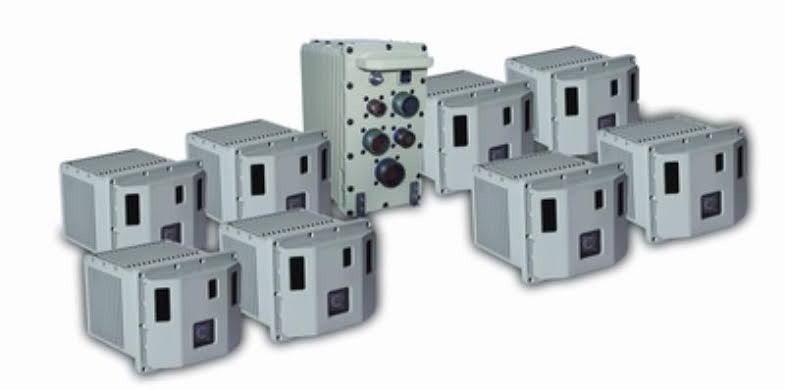
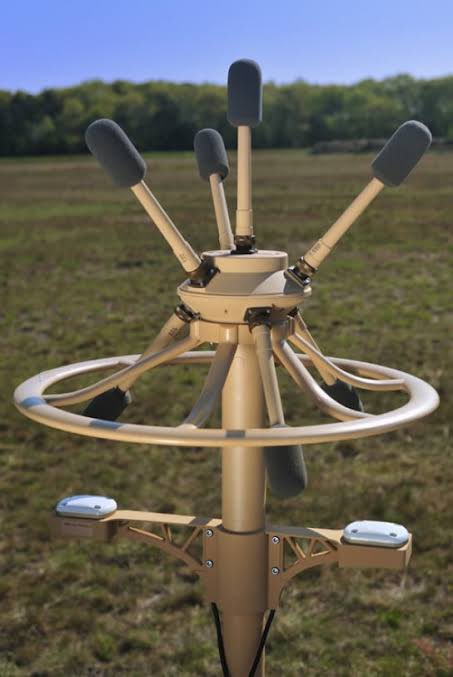
Acoustic sensors - or shot detectors - generally triangulate the acoustic signature of incoming rounds to derive a bearing to & range of the firing point. Other variants detect the shot itself, though reverberation in urban environments may degrade their effectiveness. 10/
IR sensors can use the infrared profile from the launch or in-flight signature for detection in order to cue a response. These can be inhibited by particulate matter in the air & the resolution of their detectors. 11/
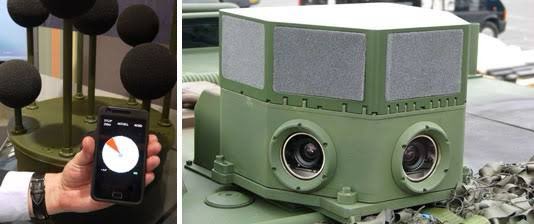
UV sensors work similarly to IR, yay in a different portion of the electromagnetic spectrum. 12/

Laser detectors sense when the sensor is being painted by a defined subset of threat lasers. These could be defined by wavelength, power, or any other relevant parameter. 13/
What other sensors could be a ‘thing?’
Precision location & timing - so, GPS, INS, a turret angle encoders, cant sensors, laser ring gyros etc. etc.
Moving back to the application of lethality, we’ve covered sights, main & secondary armaments, what else is there? 14/
Precision location & timing - so, GPS, INS, a turret angle encoders, cant sensors, laser ring gyros etc. etc.
Moving back to the application of lethality, we’ve covered sights, main & secondary armaments, what else is there? 14/
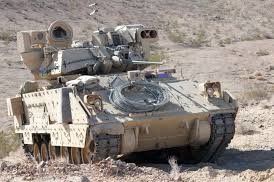
Let’s add a commander’s sight cluster to enable hunter-killer operations. Same functionality as the gunner’s sight, so day/night/thermal/reversionary w/LRF & slew-to-cue. A remote weapon station or RWS seems to becoming more & more the standard. 15/
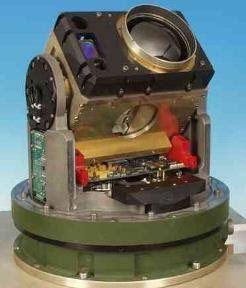
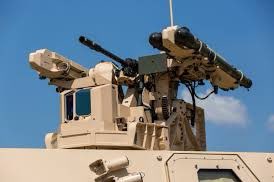
Now add antitank guided weapons. These need to be protected from direct fire, vibration, & environmental conditions, with the controls integral to the turret FCS.
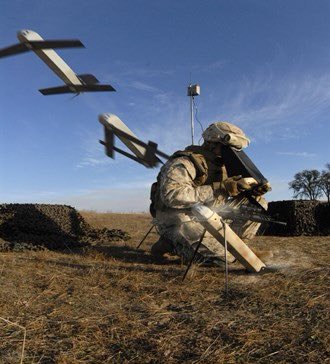
Loitering munitions aren’t out of the question, either. /16
Loitering munitions aren’t out of the question, either. /16
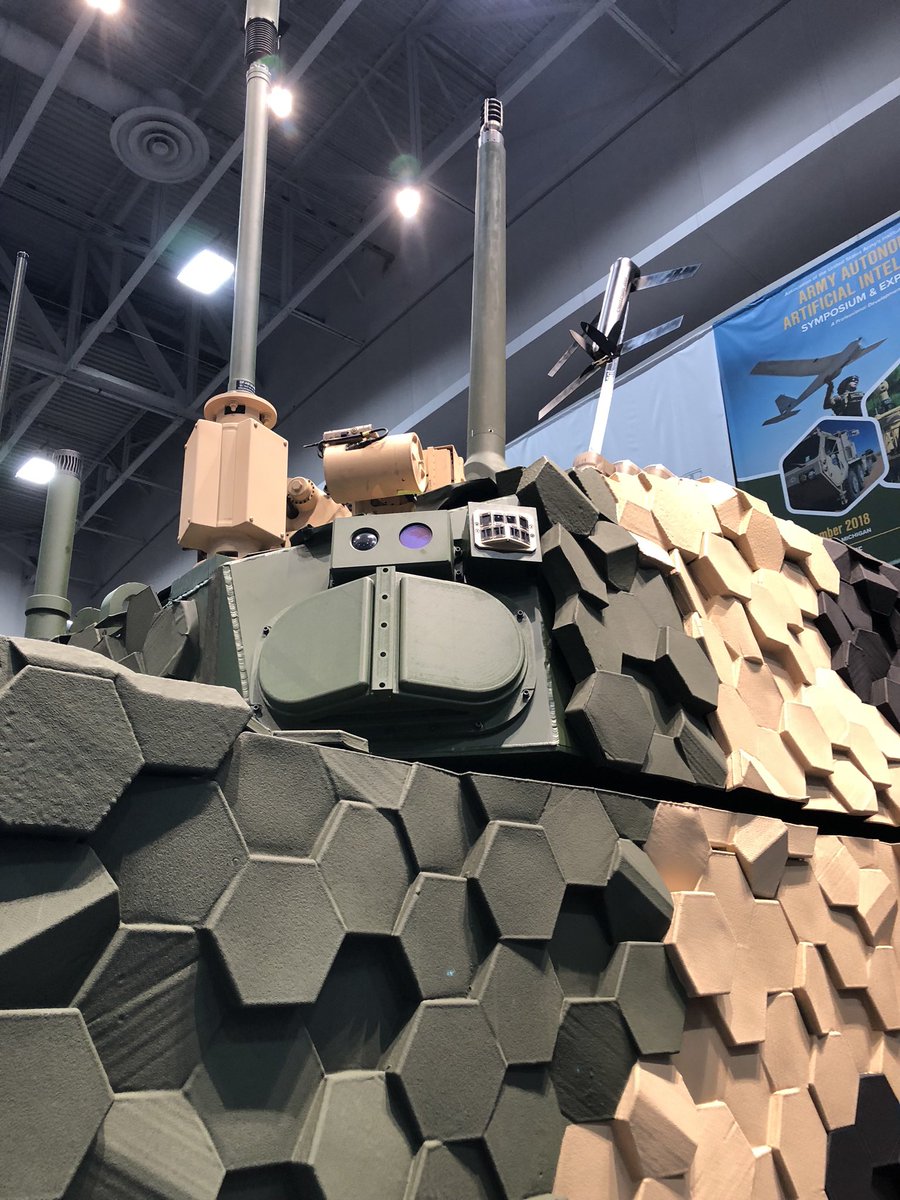
Obligatory TOW pic. /17
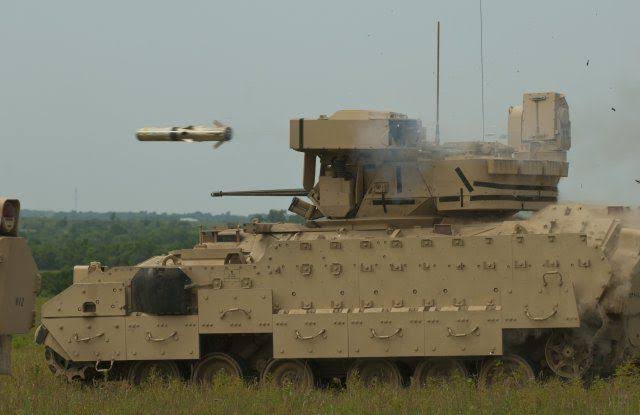
What about comms & self protection ECM? Yep, likely need to integrate them, too. Luckily co-site interference isn’t a thing!
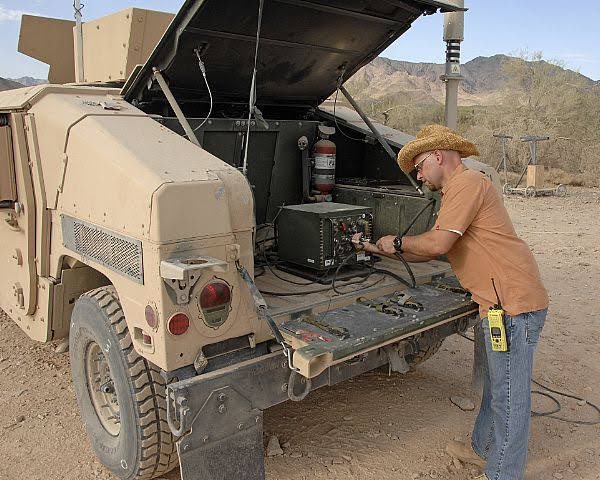
Lots of constituent systems, each with their own constraints for installation, interference, stability, vibration,…and power! Power generation & distribution is now a far larger problem than it has been historically /19
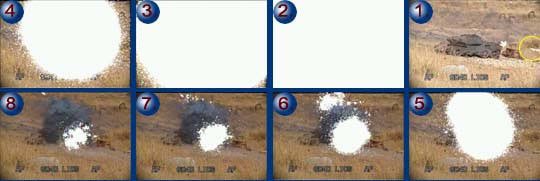
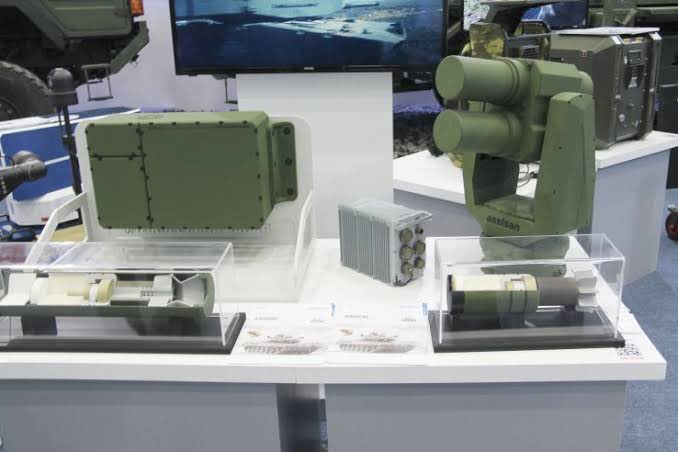
Almost forgot active protection systems! Luckily, we’ve already mentioned their sensors - radar & IR - but not their effectors. Simply put, effectors prevent a warhead from hitting the targeted vehicle to a greater or lesser extent. They may be reloadable or not. 20/
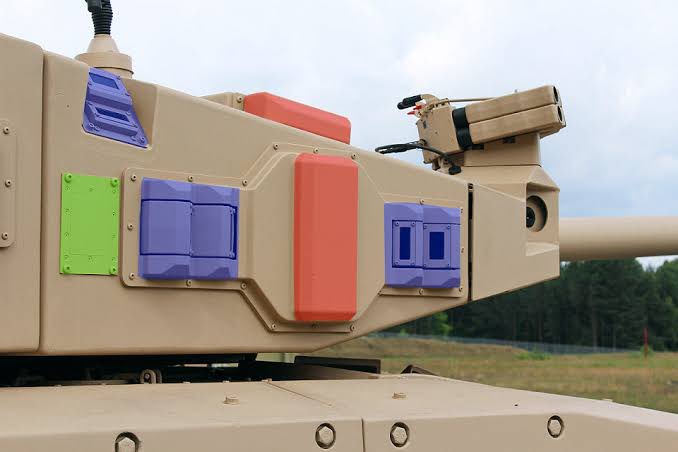
Guess we’re onto multi barrel smoke grenade dischargers. MBSGD rolls off the tongue. Calibres vary from 40mm to 81mm, with the grenades themselves being plain smoke, multispectral, or fragmentation. These have been turret mounted to be trainable, historically speaking. 21/
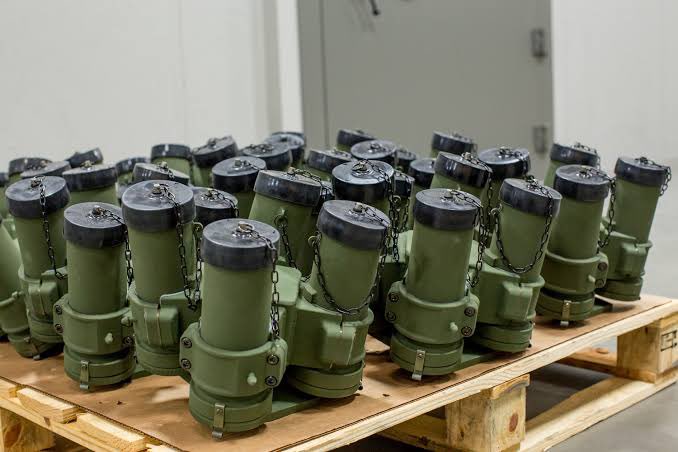
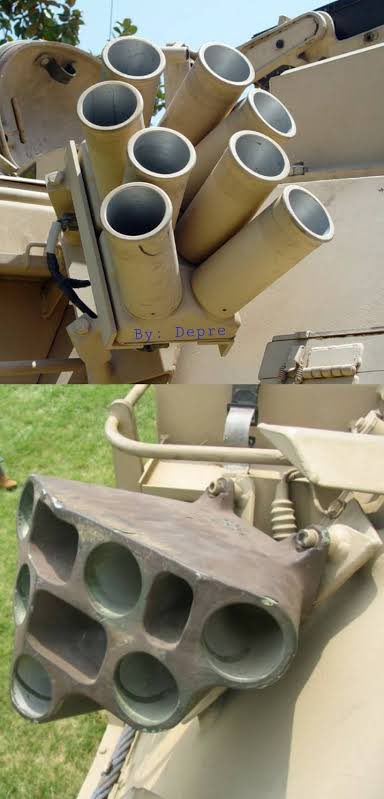
In the alphabet soup of acronyms for systems on a medium calibre turret, we have:
GPS, INS, APS, RWS, HK, ATGM, ECM, IR/UV detector, loitering munitions, coax, TI/12/EO sight, TAE, PLT, and so on.
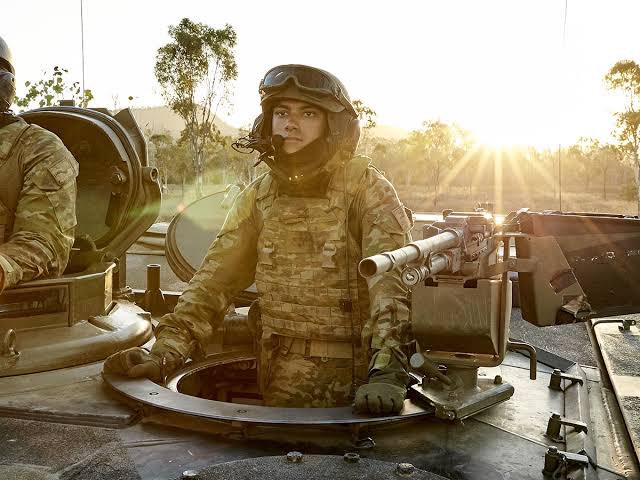
Yet to be discussed is protection & the location of the crew. 22/
GPS, INS, APS, RWS, HK, ATGM, ECM, IR/UV detector, loitering munitions, coax, TI/12/EO sight, TAE, PLT, and so on.
Yet to be discussed is protection & the location of the crew. 22/
Each aforementioned sub-system has their own size, mass, & power draw, in addition to a data feed. Even with a generic vehicle architecture, it’s still an absolute mess of cables, fittings, & fixtures. Having evolved from complicated to truly complex, could it get any worse? 23/
Loading suggestions...