

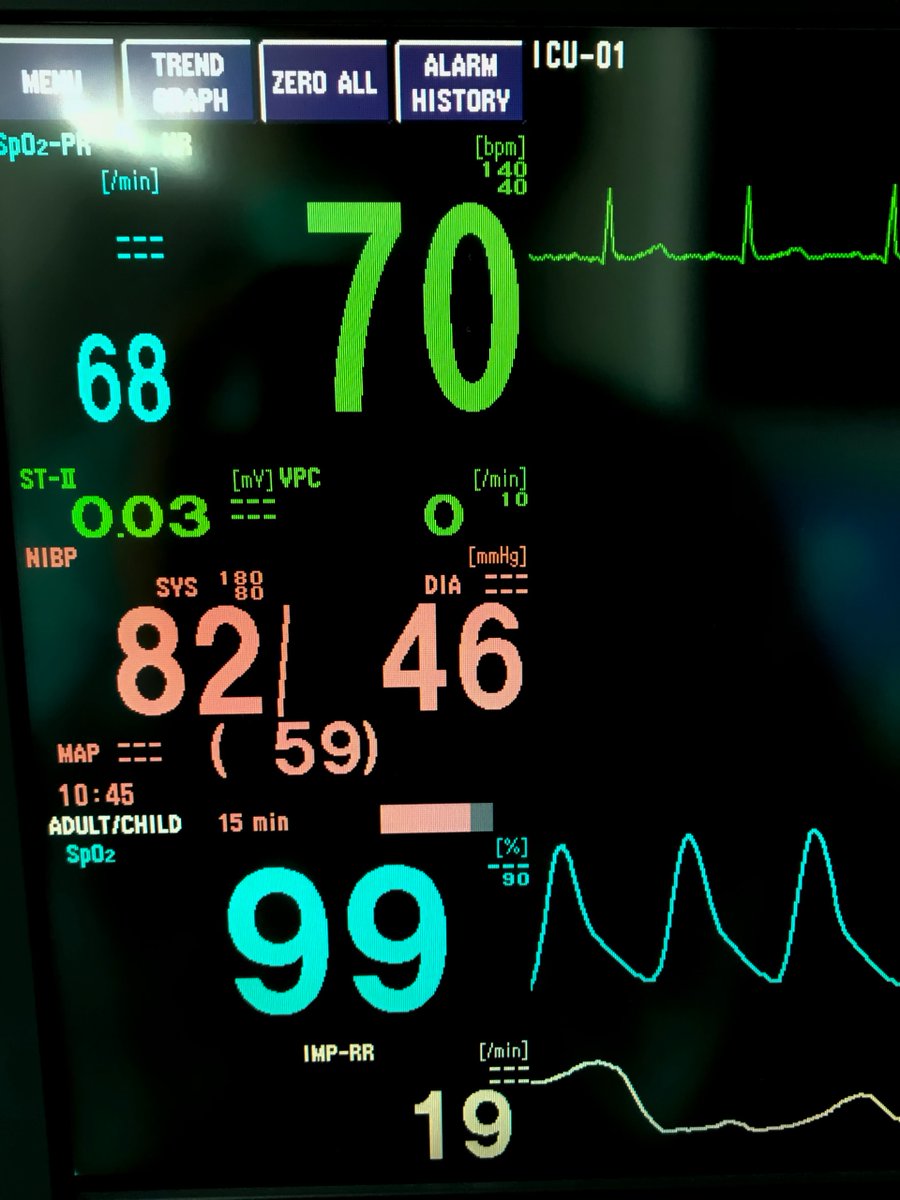
➡️ An estimated 20 million people require mechanical ventilation in an ICU per year (10.1186/s40248-018-0118-7).
➡️ Cardiovascular collapse during intubation of a critically ill patient is a dreaded, yet common, complication
IMG:shutterstock
A thread...
1/15
➡️ Cardiovascular collapse during intubation of a critically ill patient is a dreaded, yet common, complication
IMG:shutterstock
A thread...
1/15
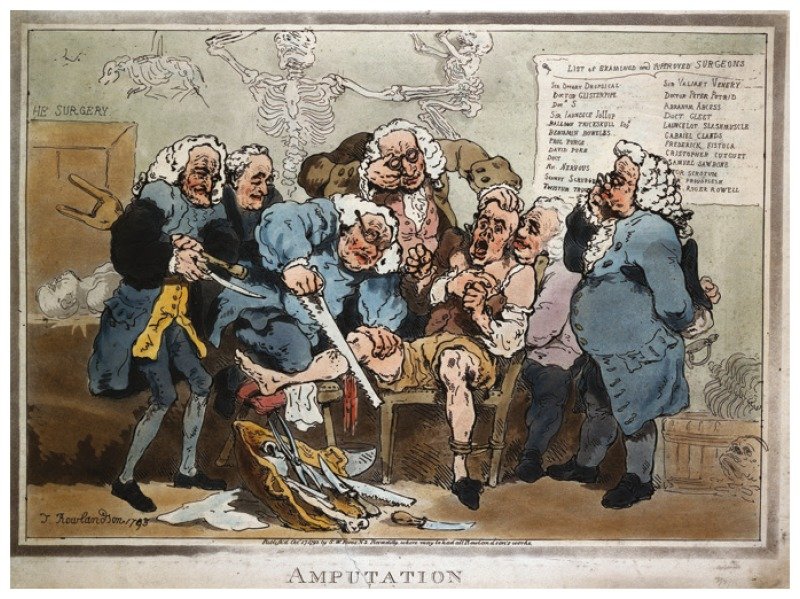
➡️ Surgery in the world before anaesthesia was brutal
➡️ The only mitigation to searing pain was speed
➡️ Surgeon Robert Liston could amputate a leg in 2.5 minutes
➡️ To maximise speed, he reportedly held his bloodied knife between his teeth
(en.wikipedia.org)
2/15
➡️ The only mitigation to searing pain was speed
➡️ Surgeon Robert Liston could amputate a leg in 2.5 minutes
➡️ To maximise speed, he reportedly held his bloodied knife between his teeth
(en.wikipedia.org)
2/15
➡️ Another story about Liston described a terrified patient undergoing removal of a bladder stone fleeing theatre
➡️ He locked himself in a toilet, only for Liston to break down the door, drag the patient back to theatre, & complete the procedure
(wfsahq.org)
3/15
➡️ He locked himself in a toilet, only for Liston to break down the door, drag the patient back to theatre, & complete the procedure
(wfsahq.org)
3/15

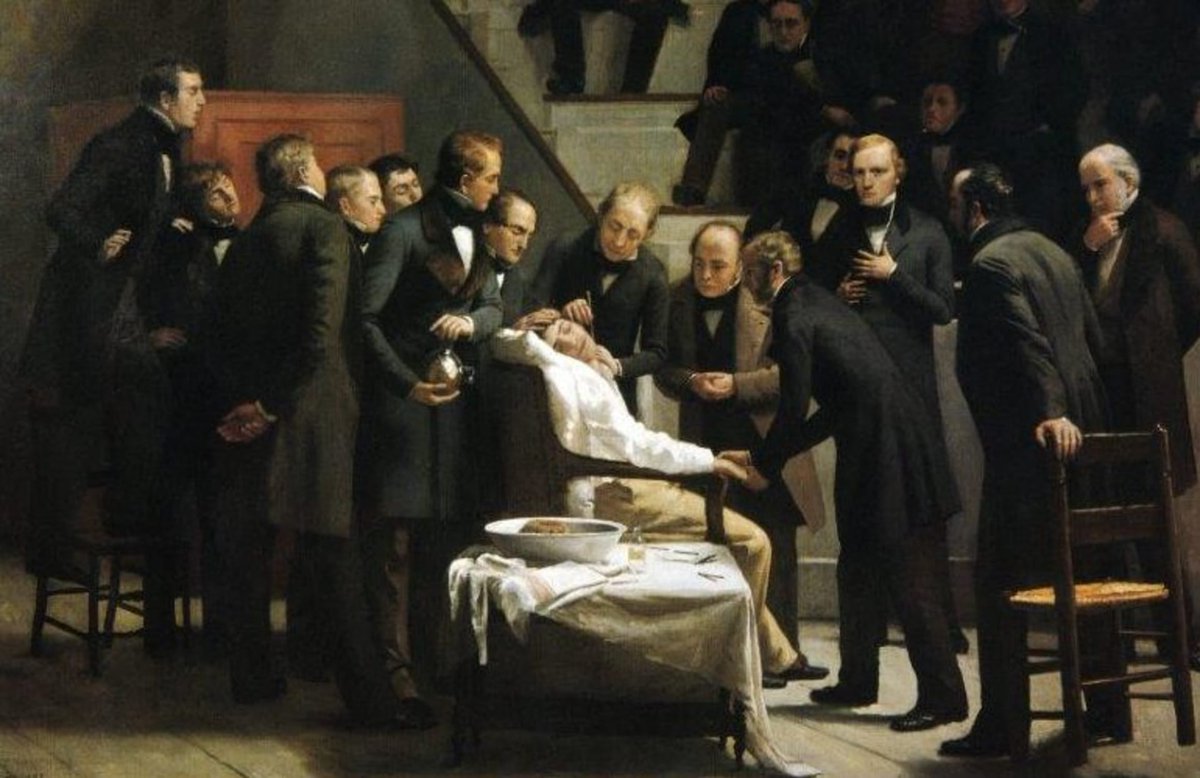
➡️ The first public demonstration of general anaesthesia was on October 16th, 1846, at Massachusetts General Hospital, Boston.
➡️ William Morton delivered an anaesthetic with ether to Gilbert Abbott, who had a tumour removed from his jaw by surgeon John Warren
IMG:wiki
4/15
➡️ William Morton delivered an anaesthetic with ether to Gilbert Abbott, who had a tumour removed from his jaw by surgeon John Warren
IMG:wiki
4/15
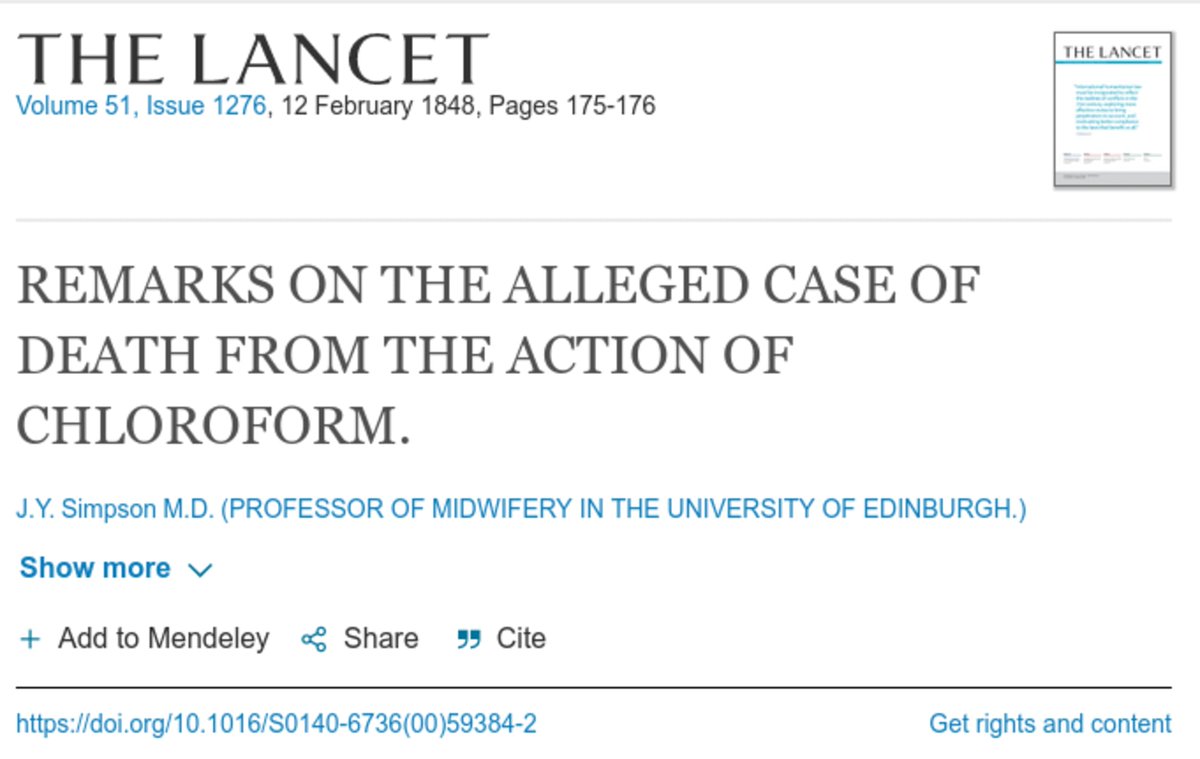
➡️ Very soon after, cases of death from aspiration were being recorded, most notably in the Lancet in February, 1848.
➡️ Attempts to revive this 15 year old girl with brandy were unsuccessful....
(10.1016/S0140-6736(00)59384-2)
5/15
➡️ Attempts to revive this 15 year old girl with brandy were unsuccessful....
(10.1016/S0140-6736(00)59384-2)
5/15
➡️ This lead to a sequence of developments of airway interventions to prevent aspiration
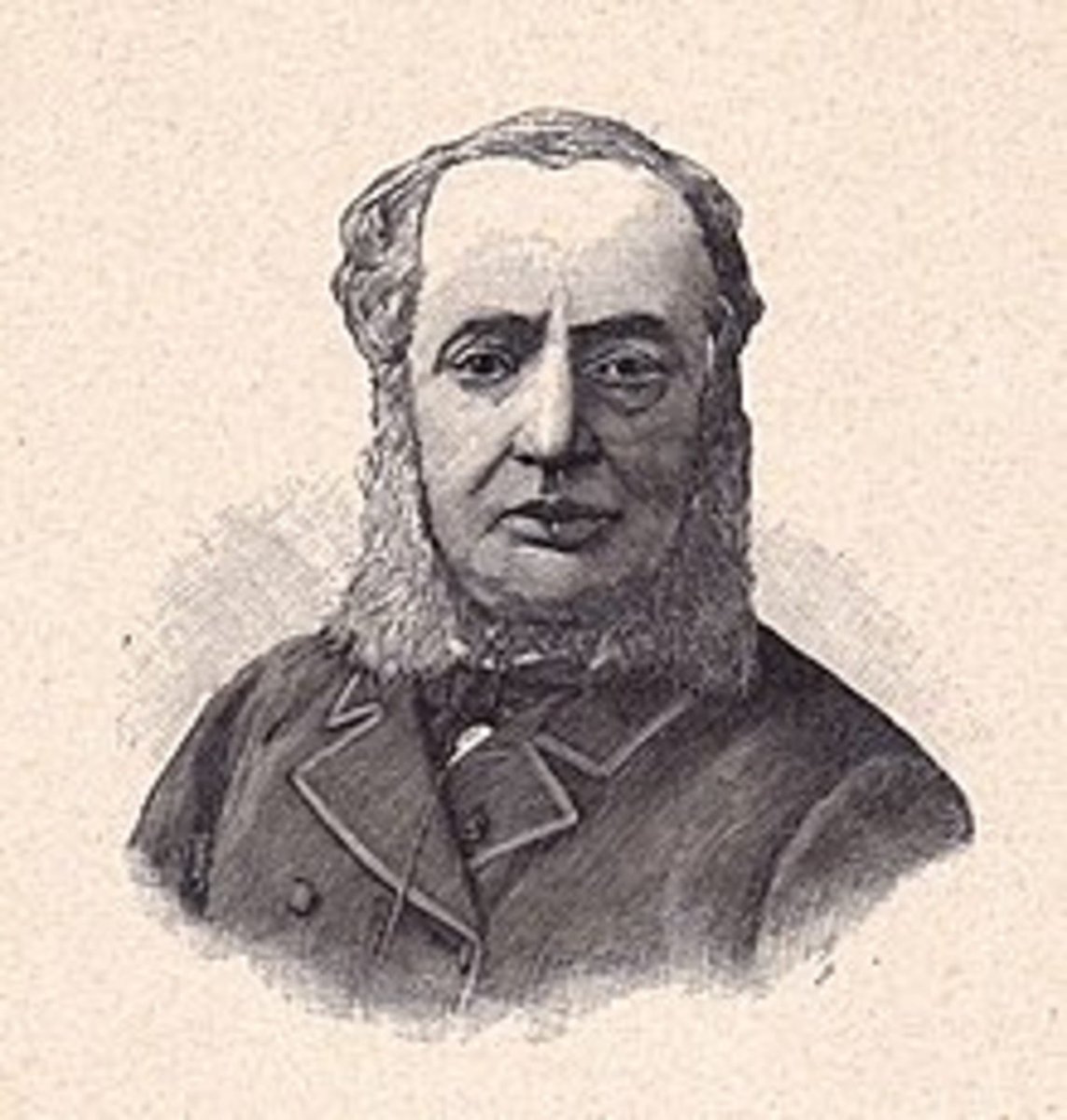
➡️ In 1858, French pediatrician Eugène Bouchut presented a series of 7 patients with diphtheria in whom he had passed a small metal tube into their larynges
en.wikipedia.org
6/15
➡️ In 1858, French pediatrician Eugène Bouchut presented a series of 7 patients with diphtheria in whom he had passed a small metal tube into their larynges
en.wikipedia.org
6/15
➡️ Curare, for centuries used as a paralytic by Amazonian hunters, was initially used medically by psychiatrists during ECT
➡️ A landmark paper by Griffith and Johnson in 1942 described the first use of purified curare during a laparotomy
10.1097/00000542-194207000-00006
7/15
➡️ A landmark paper by Griffith and Johnson in 1942 described the first use of purified curare during a laparotomy
10.1097/00000542-194207000-00006
7/15


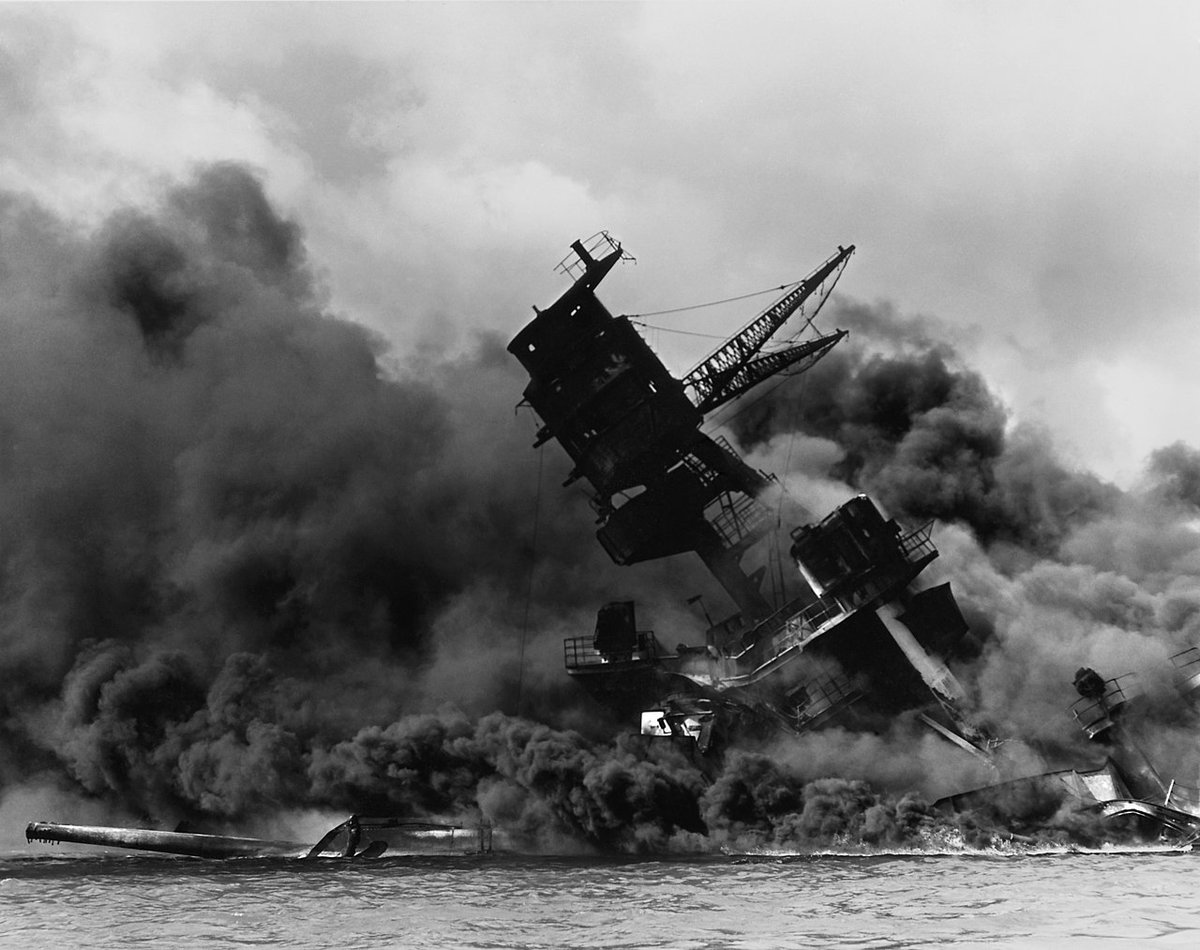
➡️ The danger of rapidly inducing anaesthesia was highlighted during the Pearl Harbour attack in 1941
➡️ Anecdotally, many American soldiers died during induction with IV sodium pentothal, although exact records were not kept
10.1177/0310057X1404201S03
IMG: Wiki
8/15
➡️ Anecdotally, many American soldiers died during induction with IV sodium pentothal, although exact records were not kept
10.1177/0310057X1404201S03
IMG: Wiki
8/15
➡️ This problem of cardiovascular collapse continues to this day
➡️ In an international study of 2964 critically ill patients undergoing intubation
➡️ 42% had cardiovascular instability
➡️ 3% cardiac arrest
podcast - criticalcarereviews.com
10.1001/jama.2021.1727
9/15
➡️ In an international study of 2964 critically ill patients undergoing intubation
➡️ 42% had cardiovascular instability
➡️ 3% cardiac arrest
podcast - criticalcarereviews.com
10.1001/jama.2021.1727
9/15

➡️ In North America and Europe, approximately 50% of critically ill patients undergoing endotracheal intubation receive an IV fluid bolus to stabilise the circulation
10.1016/S2213-2600(19)30246-2
IMG: Shutterstock
10/15
10.1016/S2213-2600(19)30246-2
IMG: Shutterstock
10/15

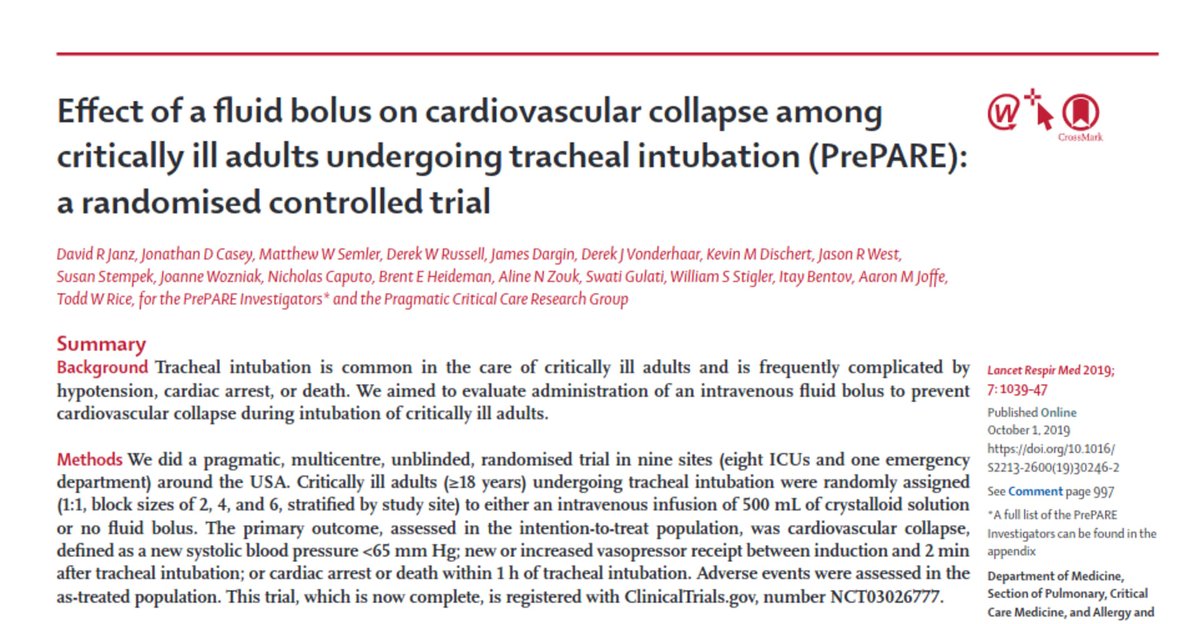
➡️ The multi-centre, open-label, randomised controlled PREPARE I trial tested a 500 ml fluid bolus in 337 critically ill patients undergoing endotracheal intubation
10.1016/S2213-2600(19)30246-2
11/15
10.1016/S2213-2600(19)30246-2
11/15
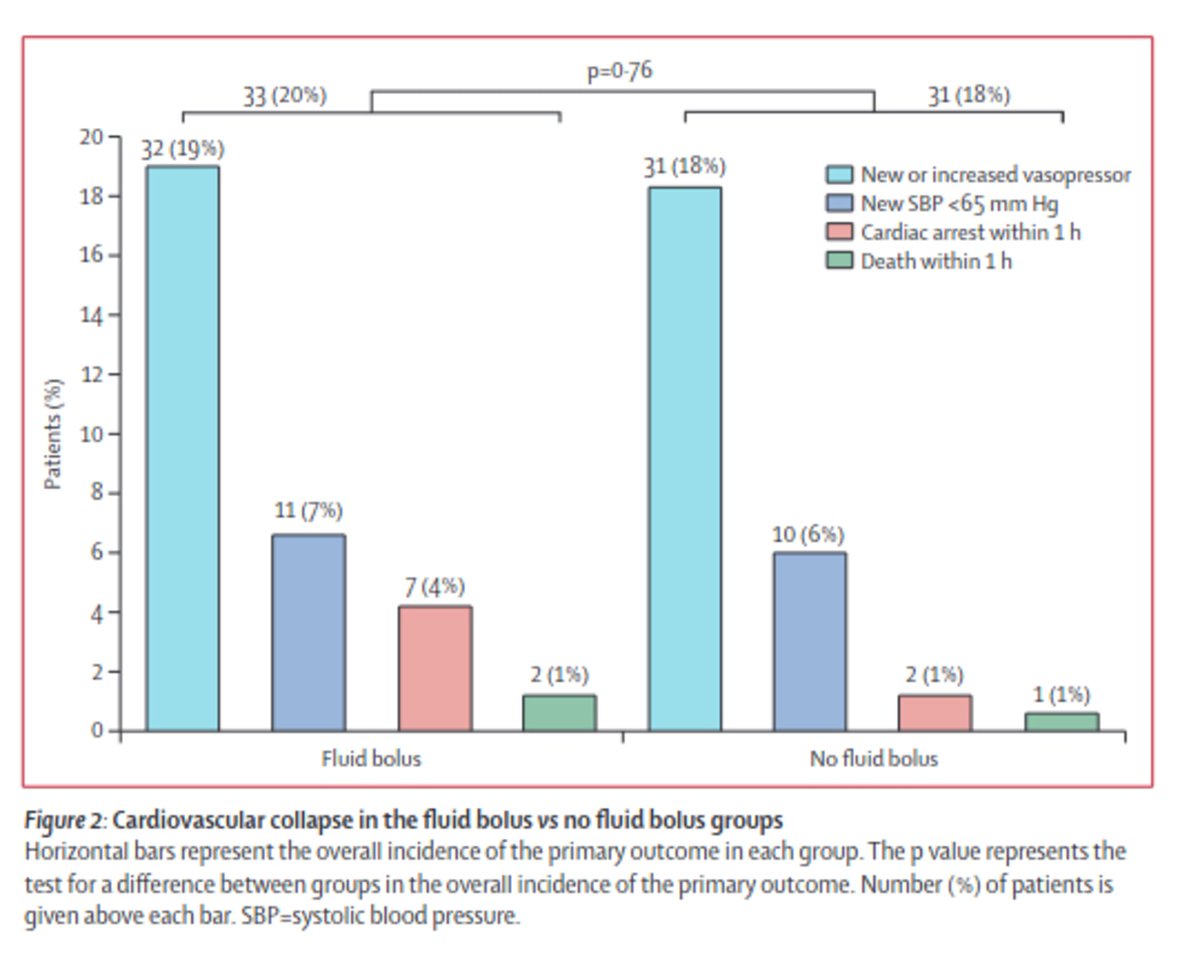
➡️ There was no significant difference in the primary outcome of circulatory collapse (20% FB vs 18% no FB)
➡️ absolute difference 1.3% [95% CI −7.1% to 9.7%]; p=0.76
12/15
➡️ absolute difference 1.3% [95% CI −7.1% to 9.7%]; p=0.76
12/15
➡️ However....
➡️ those receiving positive pressure ventilation for preoxygenation appeared to benefit from IV fluid bolus therapy
➡️ this was also seen in those receiving bag-mask ventilation between induction and laryngoscopy
13/15
➡️ those receiving positive pressure ventilation for preoxygenation appeared to benefit from IV fluid bolus therapy
➡️ this was also seen in those receiving bag-mask ventilation between induction and laryngoscopy
13/15

➡️ Is fluid bolus therapy beneficial in preventing or mitigating circulatory collapse in critically ill patients receiving positive pressure ventilation undergoing tracheal intubation?
IMG: Shutterstock
14/15
IMG: Shutterstock
14/15
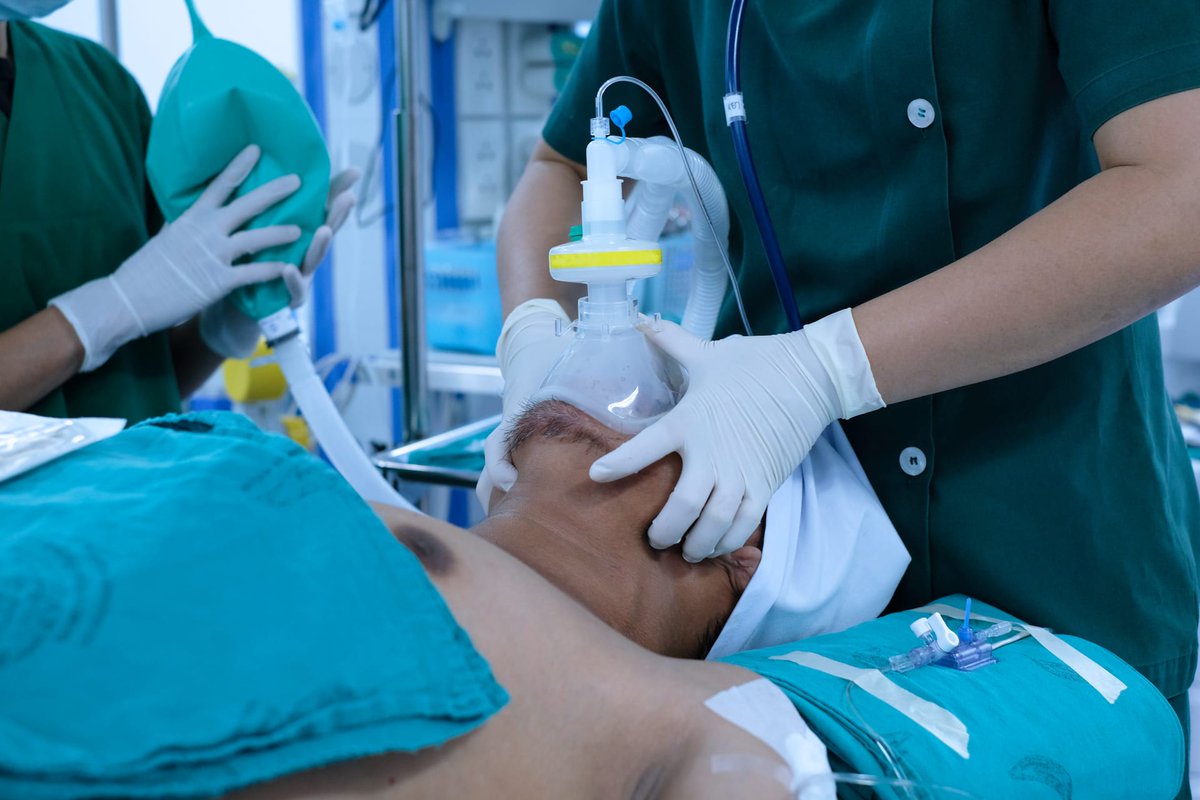
➡️ Enter the PREPARE II trial, investigating a 500 ml fluid bolus in 1065 critically ill patients undergoing tracheal intubation at 13 US centres
➡️ Will a fluid bolus reduce the rate of circulatory collapse?
➡️ Join us at CCR22 to find out 😉
criticalcarereviews.com
15/15
➡️ Will a fluid bolus reduce the rate of circulatory collapse?
➡️ Join us at CCR22 to find out 😉
criticalcarereviews.com
15/15
Loading suggestions...