

[QQT: TWO LETTERS THAT MADE AN EMPIRE]
1/53
Sometime in the spring of 1583, an Englishman named John Newbery arrived in India with a letter from Elizabeth I to an Indian ruler. What happened of him after, is a tad fuzzy but it’s assumed he was robbed and killed on his way back.
1/53
Sometime in the spring of 1583, an Englishman named John Newbery arrived in India with a letter from Elizabeth I to an Indian ruler. What happened of him after, is a tad fuzzy but it’s assumed he was robbed and killed on his way back.
2/53
Newbery wasn’t alone. His expedition carried two merchants named Ralph Fitch and John Eldred, a jeweler named William Leeds, and a painter named James Story.
Nor was he the first Englishman in India. That credit goes to one Father Thomas Stevens of Wiltshire.
Newbery wasn’t alone. His expedition carried two merchants named Ralph Fitch and John Eldred, a jeweler named William Leeds, and a painter named James Story.
Nor was he the first Englishman in India. That credit goes to one Father Thomas Stevens of Wiltshire.
3/53
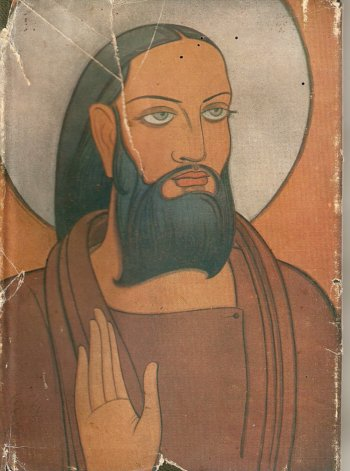
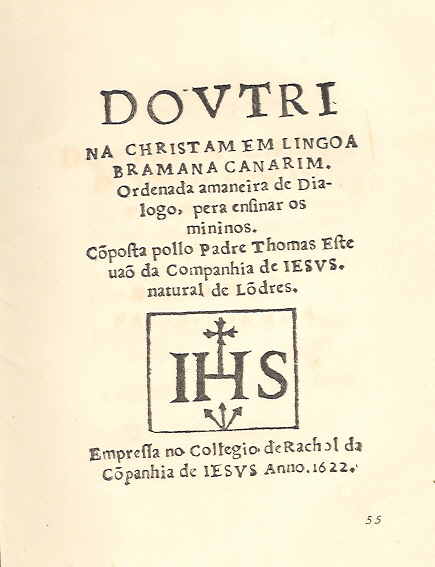
Rev. Stevens was a Jesuit preacher who had recently settled in Goa and authored Dovtrina Christam, the first such work in Konkani.
So what’s an English priest doing in a Portuguese colony and why is the English monarch writing letters to India?
Rev. Stevens was a Jesuit preacher who had recently settled in Goa and authored Dovtrina Christam, the first such work in Konkani.
So what’s an English priest doing in a Portuguese colony and why is the English monarch writing letters to India?
4/53
For answers, we’ll rewind to 1534, the year of the first “Brexit.”
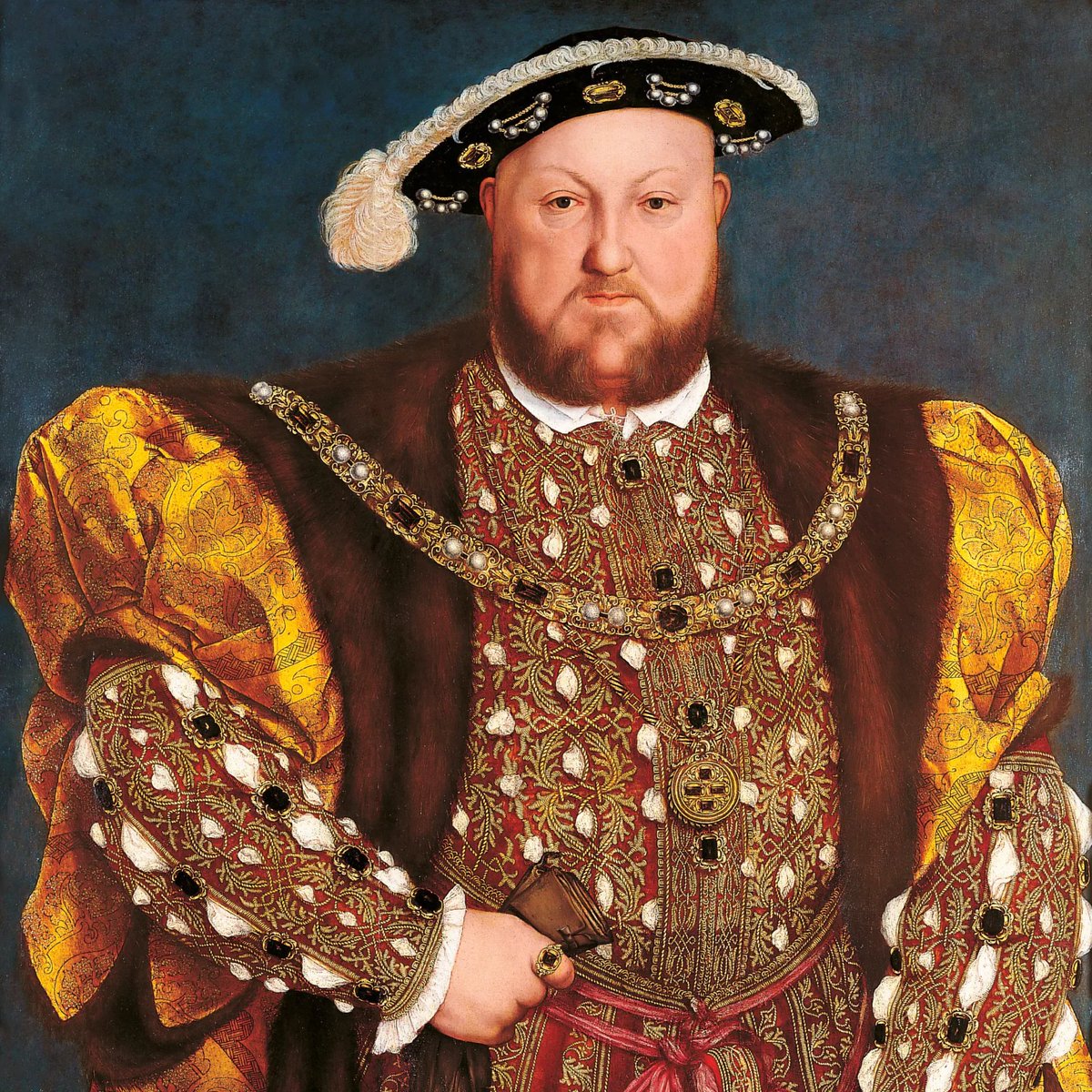
The man on the throne is Henry VIII, Elizabeth I’s father.
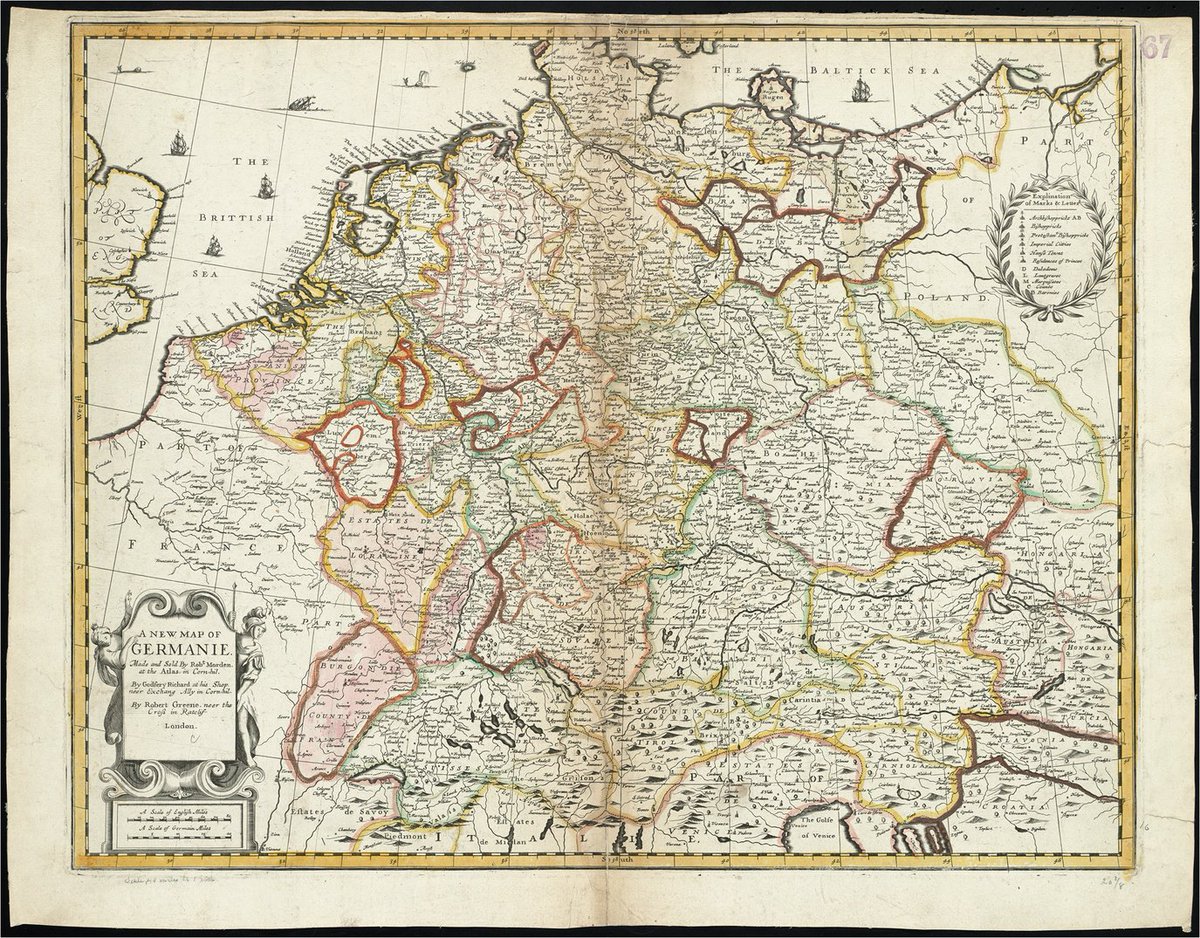
Much of Europe was then the Holy Roman Empire, an entity that was, as they say, neither Holy nor Roman.
For answers, we’ll rewind to 1534, the year of the first “Brexit.”
The man on the throne is Henry VIII, Elizabeth I’s father.
Much of Europe was then the Holy Roman Empire, an entity that was, as they say, neither Holy nor Roman.
5/53
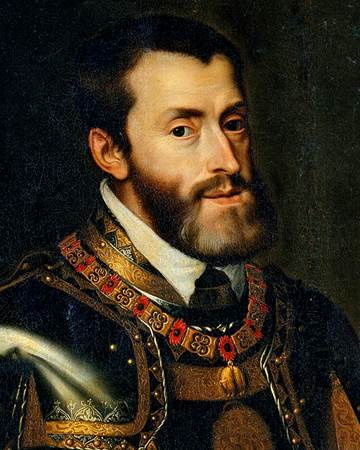
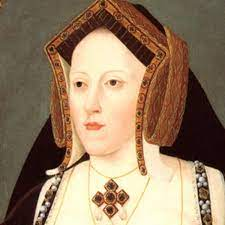
And this entity was under the House of Habsburg, an Austrian dynasty. The man on the throne was Charles V, whose aunt Catherine of Aragon was Henry VIII’s nephew.
And Henry VIII wanted an annulment. Today he would’ve sought divorce but it was not a concept back then.
And this entity was under the House of Habsburg, an Austrian dynasty. The man on the throne was Charles V, whose aunt Catherine of Aragon was Henry VIII’s nephew.
And Henry VIII wanted an annulment. Today he would’ve sought divorce but it was not a concept back then.
6/53
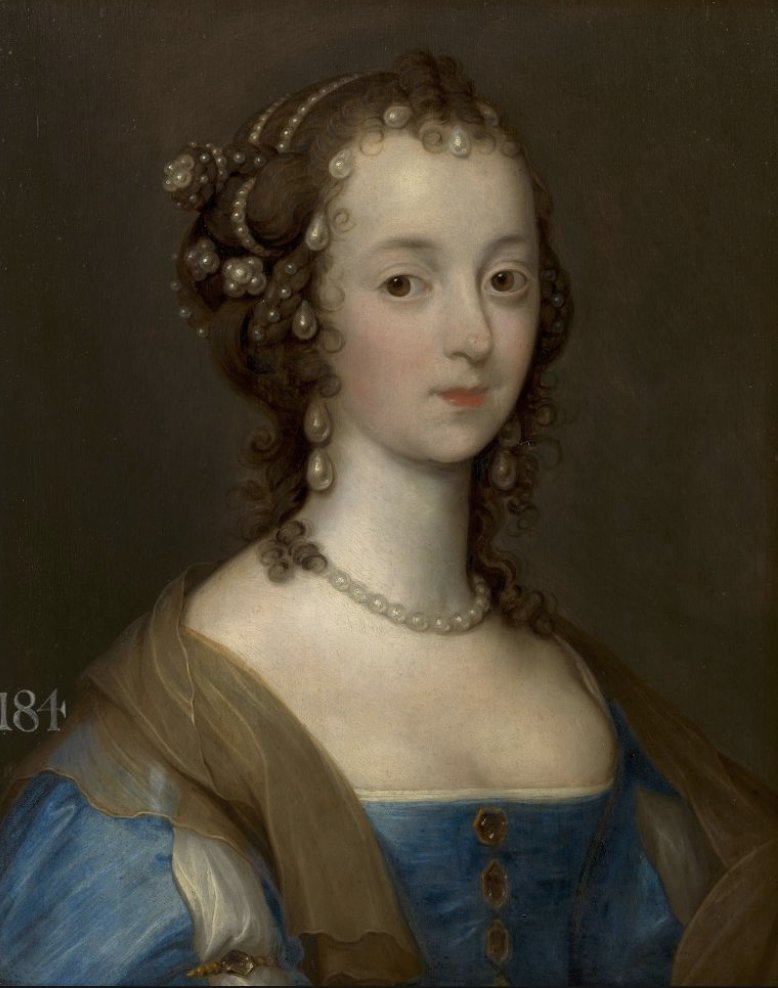
The reason he wanted to leave his wife was that he couldn’t take another wife until she was around. That other woman was Catherine’s lady-in-waiting Mary Boleyn.
And he wanted a son.
The Pope wouldn’t permit that. So the king came up with a solution—leave the Pope.
The reason he wanted to leave his wife was that he couldn’t take another wife until she was around. That other woman was Catherine’s lady-in-waiting Mary Boleyn.
And he wanted a son.
The Pope wouldn’t permit that. So the king came up with a solution—leave the Pope.
7/53
In 1534, while still a devout Catholic, Henry VIII entitled himself the “Protector and Supreme Head of the English Church and Clergy.” England was still Catholic, but no longer subservient to Rome.
And with the subsequent annulment, the first Brexit “completed.”
In 1534, while still a devout Catholic, Henry VIII entitled himself the “Protector and Supreme Head of the English Church and Clergy.” England was still Catholic, but no longer subservient to Rome.
And with the subsequent annulment, the first Brexit “completed.”
8/53
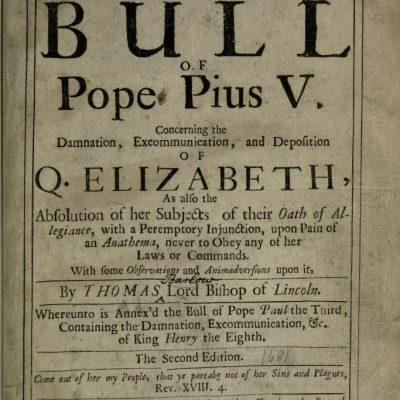
The Pope expectedly excommunicated Henry VIII, who later went on to have no fewer than half a dozen wives in his quest for a son.
Again, England still remained a Catholic nation, just not under the Pope. That’d start to change under his son and successor, Edward VI.
The Pope expectedly excommunicated Henry VIII, who later went on to have no fewer than half a dozen wives in his quest for a son.
Again, England still remained a Catholic nation, just not under the Pope. That’d start to change under his son and successor, Edward VI.
9/53
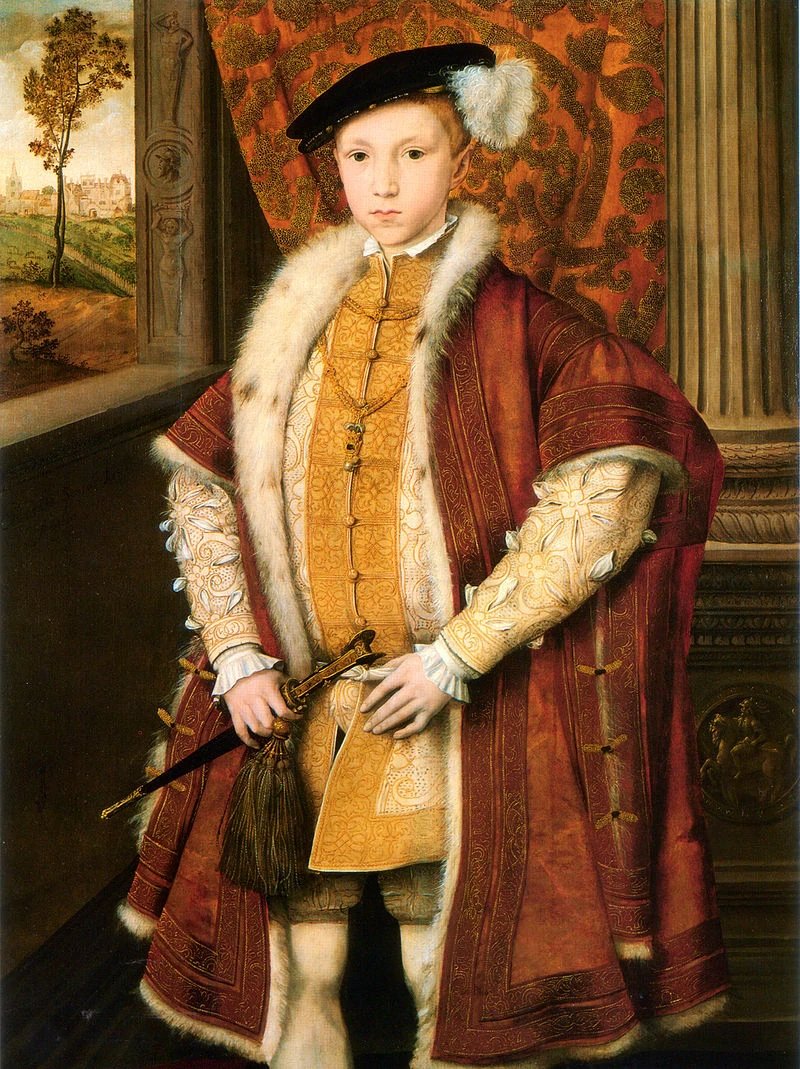
Edward VI, in partnership with the Archbishop of Canterbury, launched a vigorous reformation campaign and introduced many Protestant traditions into the new church.
But he died after a quick six years and was succeeded by Mary I who lasted even less—just five years.
Edward VI, in partnership with the Archbishop of Canterbury, launched a vigorous reformation campaign and introduced many Protestant traditions into the new church.
But he died after a quick six years and was succeeded by Mary I who lasted even less—just five years.
10/53
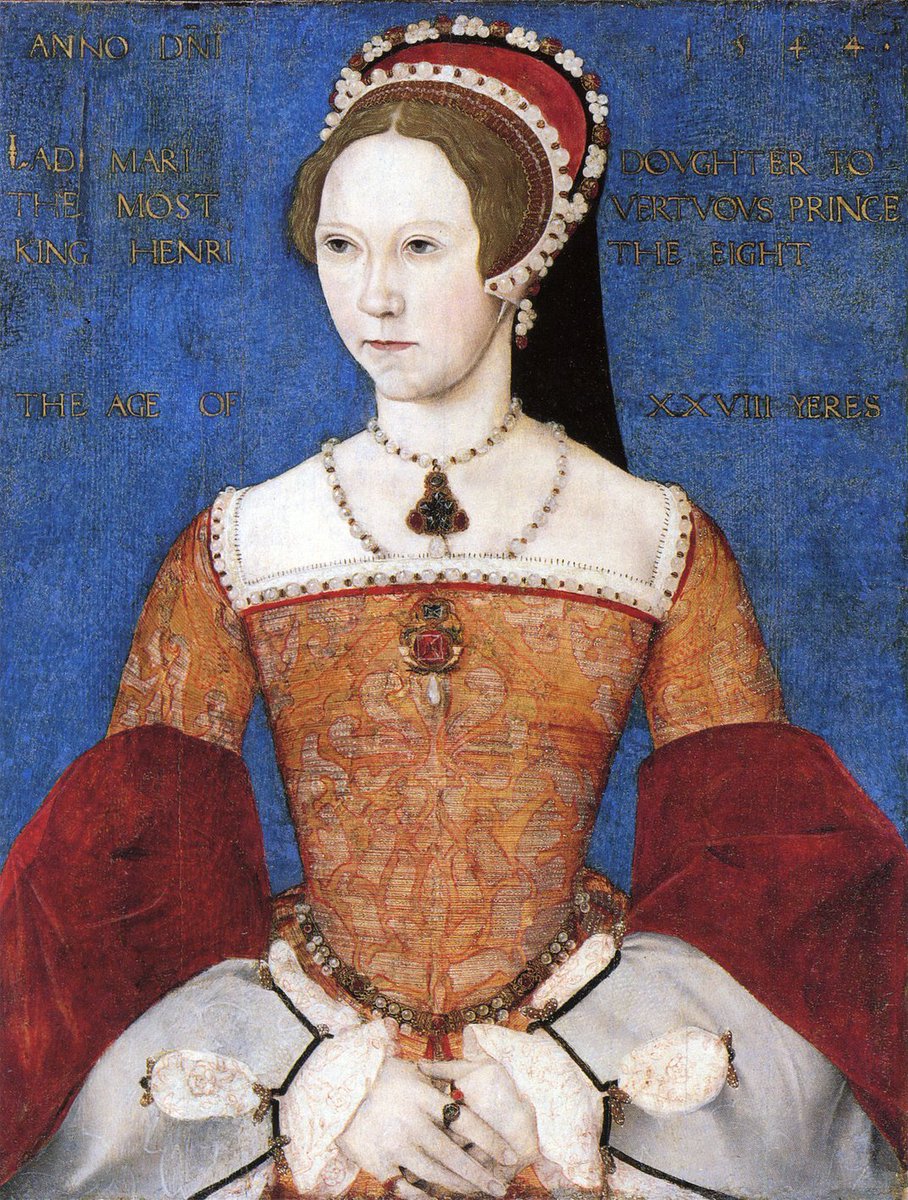
Mary I was Henry VIII’s only child with Catherine of Aragon and initially ineligible for the throne being a girl.
was a devout Catholic and is best known for reversing all her two predecessors’ actions and the whole English Reformation.
By the way, that’s “Bloody Mary.”
Mary I was Henry VIII’s only child with Catherine of Aragon and initially ineligible for the throne being a girl.
was a devout Catholic and is best known for reversing all her two predecessors’ actions and the whole English Reformation.
By the way, that’s “Bloody Mary.”
11/53
We can clearly see her motivations given how her father had treated her Catholic mother.
Then in 1558, she succumbed to influenza after a quick but eventful five years on the throne.
And now comes Elizabeth I, her step-sister, Henry VIII’s daughter with Anne Boleyn.
We can clearly see her motivations given how her father had treated her Catholic mother.
Then in 1558, she succumbed to influenza after a quick but eventful five years on the throne.
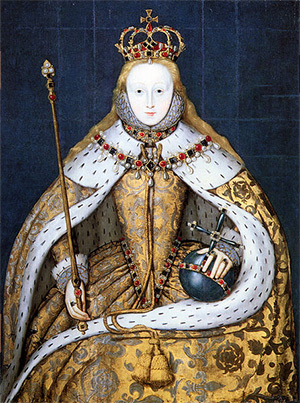
And now comes Elizabeth I, her step-sister, Henry VIII’s daughter with Anne Boleyn.
12/53
Elizabeth because Mary had died childless. The two sisters never liked each other. Elizabeth had rooted for her father, Mary for her mother. So it only follows that the new queen would endeavor to bring back the Reformation.
That’s exactly what she did.
Elizabeth because Mary had died childless. The two sisters never liked each other. Elizabeth had rooted for her father, Mary for her mother. So it only follows that the new queen would endeavor to bring back the Reformation.
That’s exactly what she did.
13/53
This is when the Church of England was born, an entity that leaned more Protestant than Catholic and was entirely outside of Rome’s liturgical jurisdiction.
This would eventually earn her an excommunication, just as it had her father.
This is when the Church of England was born, an entity that leaned more Protestant than Catholic and was entirely outside of Rome’s liturgical jurisdiction.
This would eventually earn her an excommunication, just as it had her father.

14/53
This time, “Brexit” came at a cost. Britain got completely isolated from Catholic Europe and the latter boycotted all business dealings with it.
In other words, Europe placed “sanctions” on Britain. The economy began to suffer. This was Rome’s clout.
This time, “Brexit” came at a cost. Britain got completely isolated from Catholic Europe and the latter boycotted all business dealings with it.
In other words, Europe placed “sanctions” on Britain. The economy began to suffer. This was Rome’s clout.
15/53
And it was tough as Elizabeth I had inherited a financially ruined kingdom. Henry VIII had left England under nearly half a million pounds of debt.
The queen had to quickly scout for new mercantile opportunities to keep her country from sinking.
And it was tough as Elizabeth I had inherited a financially ruined kingdom. Henry VIII had left England under nearly half a million pounds of debt.
The queen had to quickly scout for new mercantile opportunities to keep her country from sinking.
16/53
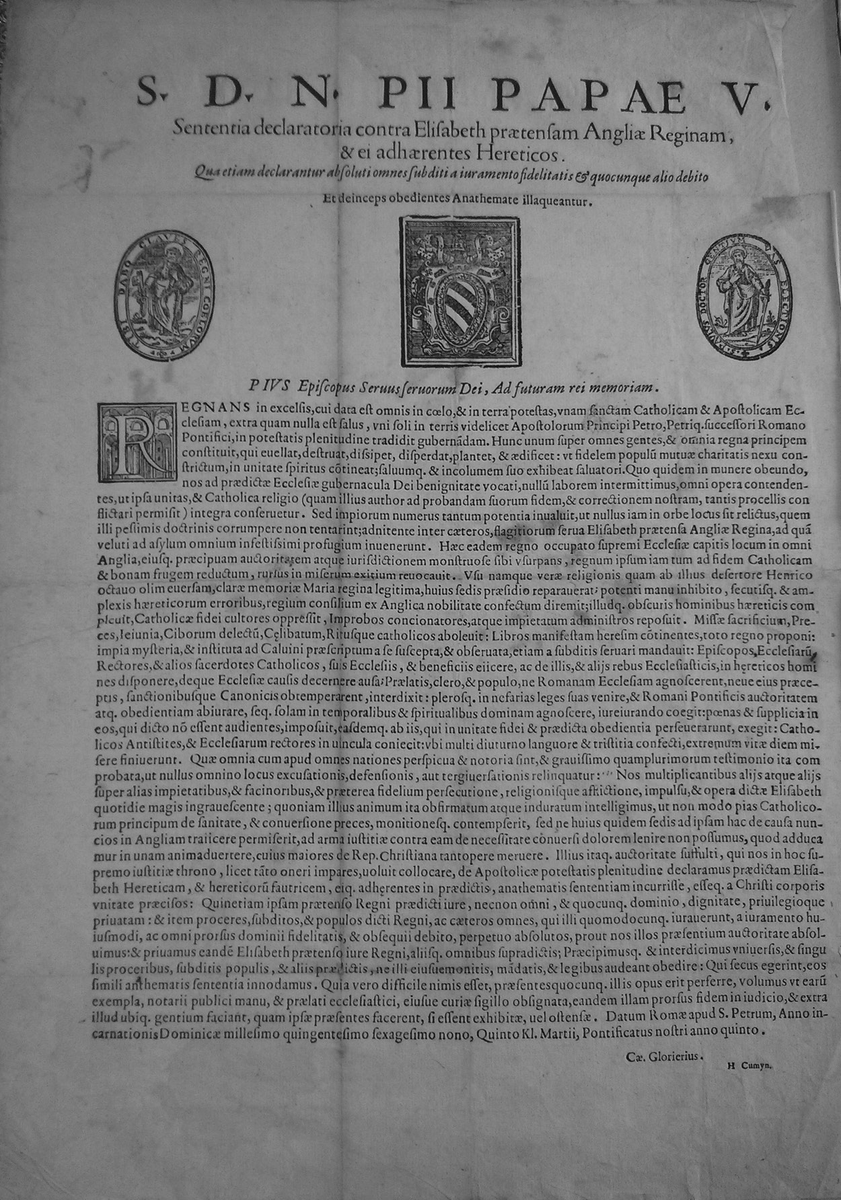
In 1570, the Pope finally issued her excommunication (Papal equivalent of “fatwa,” if you will) which worsened her position as it included a call to dethrone her and made a Spanish invasion imminent. That’s Catherine’s home country.
Elizabeth needed a reboot, pronto.
In 1570, the Pope finally issued her excommunication (Papal equivalent of “fatwa,” if you will) which worsened her position as it included a call to dethrone her and made a Spanish invasion imminent. That’s Catherine’s home country.
Elizabeth needed a reboot, pronto.
17/53
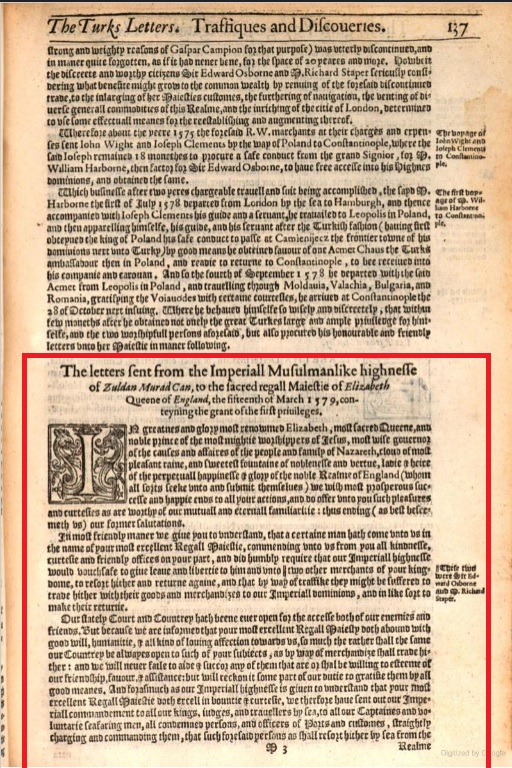
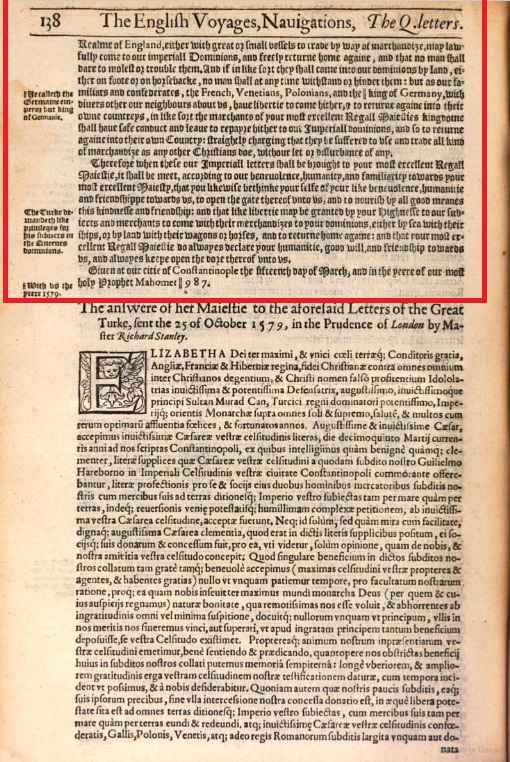
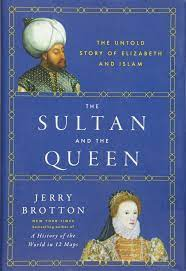
That’s when opportunity showed up in the shape of a letter from Turkey. It was March 1579 and the letter was written by Murad III who had ascended to the Ottoman throne barely five years ago.
The letter opened Turkey to her men and her merchants.
That’s when opportunity showed up in the shape of a letter from Turkey. It was March 1579 and the letter was written by Murad III who had ascended to the Ottoman throne barely five years ago.
The letter opened Turkey to her men and her merchants.
18/53
Having arrived at such a crucial juncture, the letter was more than a windfall to the struggling monarch. The queen responded promptly and kickstarted a correspondence that would last no fewer than seventeen years and help Britain avoid insolvency.
Having arrived at such a crucial juncture, the letter was more than a windfall to the struggling monarch. The queen responded promptly and kickstarted a correspondence that would last no fewer than seventeen years and help Britain avoid insolvency.
19/53
Many letters were exchanged between the two monarchs. Elizabeth wrote to him about how she and Murad both had a common adversary in Catholicism. She reminded him of the Crusades and even drew his attention to the myriad parallels between Protestantism and Islam.
Many letters were exchanged between the two monarchs. Elizabeth wrote to him about how she and Murad both had a common adversary in Catholicism. She reminded him of the Crusades and even drew his attention to the myriad parallels between Protestantism and Islam.
20/53
The two struck quite the chord. Exotic gifts were soon being exchanged and the Sultan’s wife almost became a sister to Elizabeth. The two even exchanged embassies and many Englishmen wound up in Kostantiniyye, the Ottoman capital.
The two struck quite the chord. Exotic gifts were soon being exchanged and the Sultan’s wife almost became a sister to Elizabeth. The two even exchanged embassies and many Englishmen wound up in Kostantiniyye, the Ottoman capital.
21/53
While all was going well, this relationship complicated another.
Russia.
Russia and England had been trying to work out a deal for decades now. Problem is, Turkey and Russia didn’t like each other much. This animosity went back centuries and would endure.
While all was going well, this relationship complicated another.
Russia.
Russia and England had been trying to work out a deal for decades now. Problem is, Turkey and Russia didn’t like each other much. This animosity went back centuries and would endure.
22/53
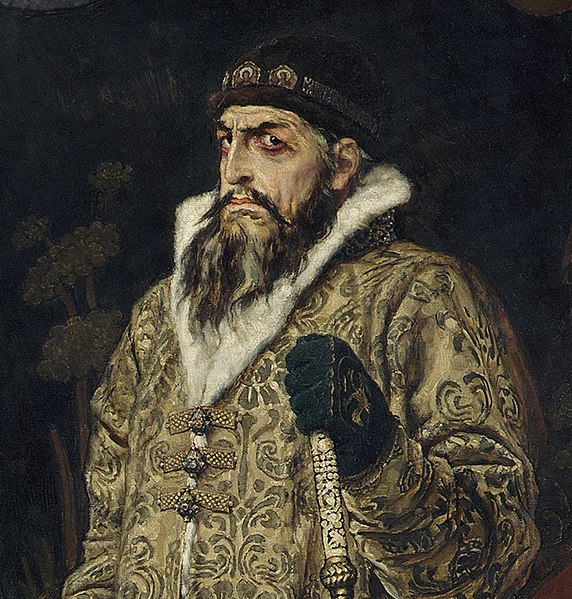
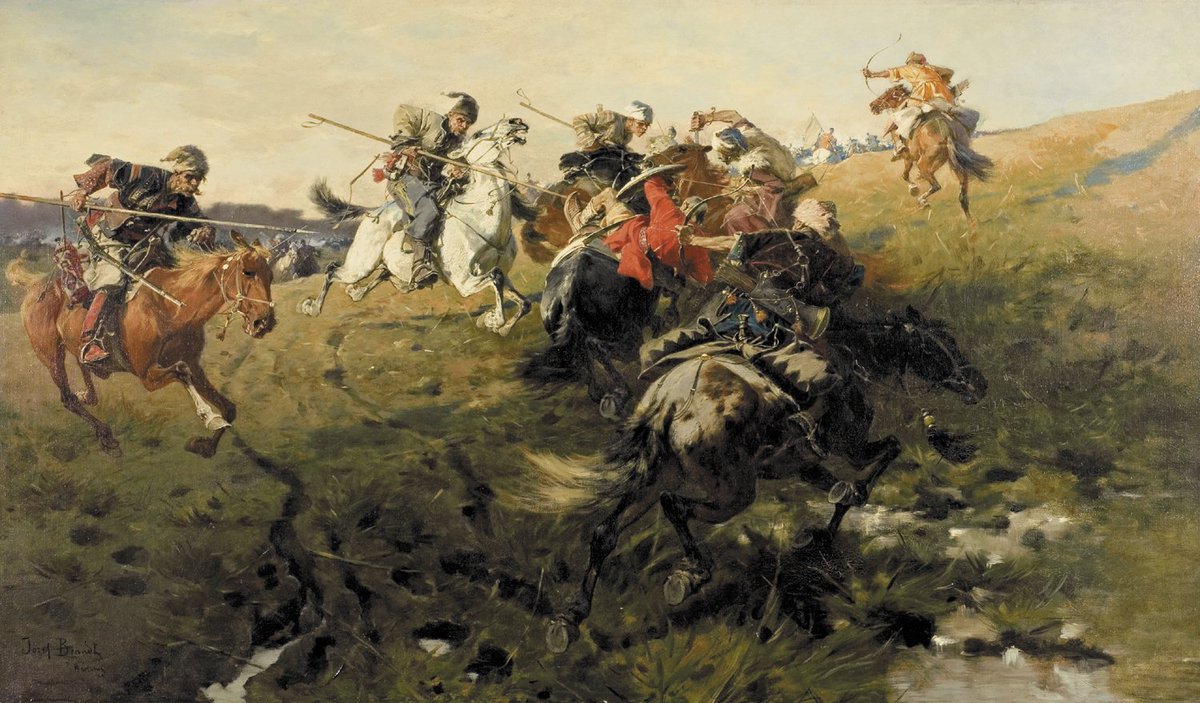
Russia those days was under an extremely violent tyrant, Ivan the Terrible. And the biggest pain in his neck was an equally violent people that inhabited Crimea—the Tatars.
The latter were known for mounting brutal raids on Moscow and being hard to repel.
Russia those days was under an extremely violent tyrant, Ivan the Terrible. And the biggest pain in his neck was an equally violent people that inhabited Crimea—the Tatars.
The latter were known for mounting brutal raids on Moscow and being hard to repel.
23/53
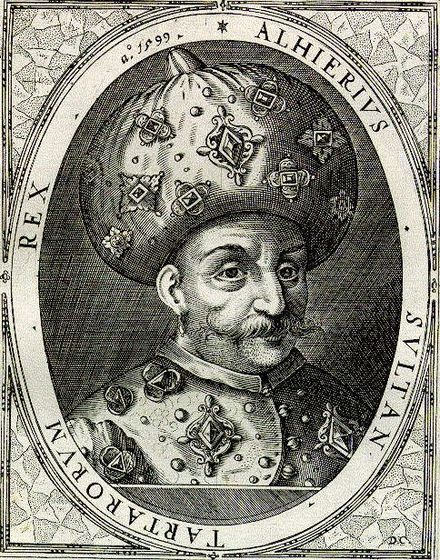
Things came to a head in May 1571 when the khan of Crimea Devlet I Giray invaded Russia with a joint Turco–Tatar army. Ivan asked Elizabeth, who was already in less-than-optimal financial health at the time.
These wars became increasingly frequent and worried England.
Things came to a head in May 1571 when the khan of Crimea Devlet I Giray invaded Russia with a joint Turco–Tatar army. Ivan asked Elizabeth, who was already in less-than-optimal financial health at the time.
These wars became increasingly frequent and worried England.
24/53
It’s under these circumstances that Anthony Jenkins, Elizabeth’s emissary in Moscow returned to England for some time.
Jenkins returned with not only a renewed trade deal but also accounts of Tatar atrocities upon the Russian people.
And a slave.
It’s under these circumstances that Anthony Jenkins, Elizabeth’s emissary in Moscow returned to England for some time.
Jenkins returned with not only a renewed trade deal but also accounts of Tatar atrocities upon the Russian people.
And a slave.
25/53
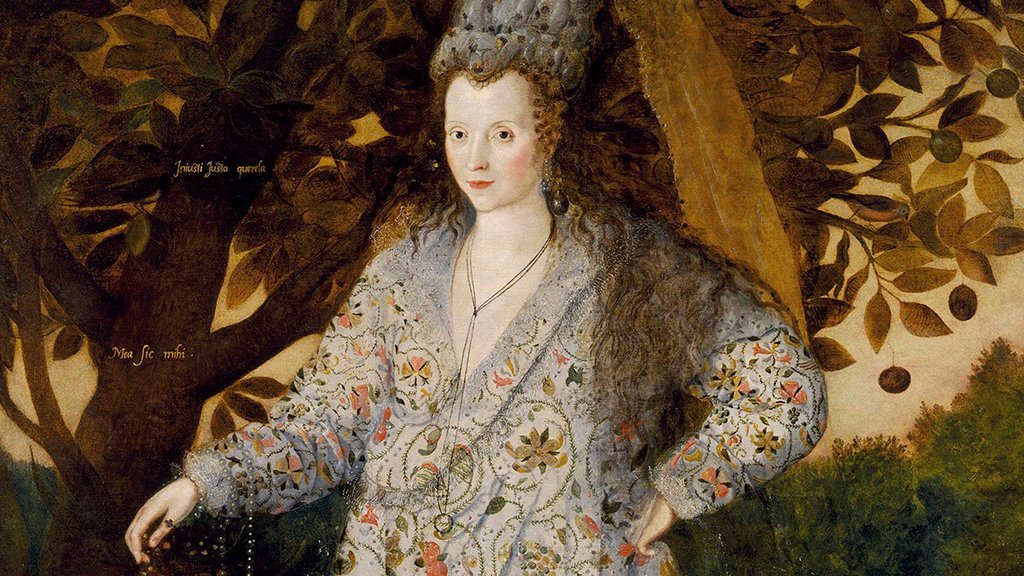
It was a Tatar girl captured as a slave in the aftermath of the Russo-Crimean War. Jenkins brought her to England as a gift for his queen.
The girl’s name was Aura Soltana and they later recorded her as Ipolitan the Tartarian.
She became the first Muslim in England.
It was a Tatar girl captured as a slave in the aftermath of the Russo-Crimean War. Jenkins brought her to England as a gift for his queen.
The girl’s name was Aura Soltana and they later recorded her as Ipolitan the Tartarian.
She became the first Muslim in England.
26/53
Jenkins had bought her from the Russians for, in his words, “a loaf of bread worth sixpence in England.” Brought a Muslim, Aura was quickly ordered baptized by the queen and taken in as a member of her court.
The girl would never return home.
Jenkins had bought her from the Russians for, in his words, “a loaf of bread worth sixpence in England.” Brought a Muslim, Aura was quickly ordered baptized by the queen and taken in as a member of her court.
The girl would never return home.
27/53
Over time, the Tartarian received countless gifts from the queen, each more precious than the last. There were shoes, silk gowns, damask cloaks, fur coats, gold dolls, jewelry, and lots more. Although captured as a slave in Russia, she was living it up in England.
Over time, the Tartarian received countless gifts from the queen, each more precious than the last. There were shoes, silk gowns, damask cloaks, fur coats, gold dolls, jewelry, and lots more. Although captured as a slave in Russia, she was living it up in England.
28/53
While life was now set for Aura, it was only getting complicated for her queen. Elizabeth’s mercantile dependence on an embattled Ivan was problematic. Freshly excommunicated, she needed a quick bailout.
And then came 1579.
And Murad’s letter.
While life was now set for Aura, it was only getting complicated for her queen. Elizabeth’s mercantile dependence on an embattled Ivan was problematic. Freshly excommunicated, she needed a quick bailout.
And then came 1579.
And Murad’s letter.
29/53
Three years after the first letter, the queen granted charter to a new company.
Trade with Turkey seemed promising, but even here she had a complication—Turkey’s relationship with Russia but we’ll come to that after a quick sidenote.
Three years after the first letter, the queen granted charter to a new company.
Trade with Turkey seemed promising, but even here she had a complication—Turkey’s relationship with Russia but we’ll come to that after a quick sidenote.
30/53
Traditionally, the Venetians had dominated all trades with Turkey. They held a virtual monopoly over all trades with the Muslim World. But both Venice and Turkey were highly territorial entities. The two had even gone to war on several occasions.
Traditionally, the Venetians had dominated all trades with Turkey. They held a virtual monopoly over all trades with the Muslim World. But both Venice and Turkey were highly territorial entities. The two had even gone to war on several occasions.
31/53
But these wars failed to affect business.
Then Venice started deteriorating. First came tariff raises and then came the infighting. Long story short, England saw an opportunity in what was increasingly beginning to look like a vacuum.
So a group of merchants moved in.
But these wars failed to affect business.
Then Venice started deteriorating. First came tariff raises and then came the infighting. Long story short, England saw an opportunity in what was increasingly beginning to look like a vacuum.
So a group of merchants moved in.
32/53
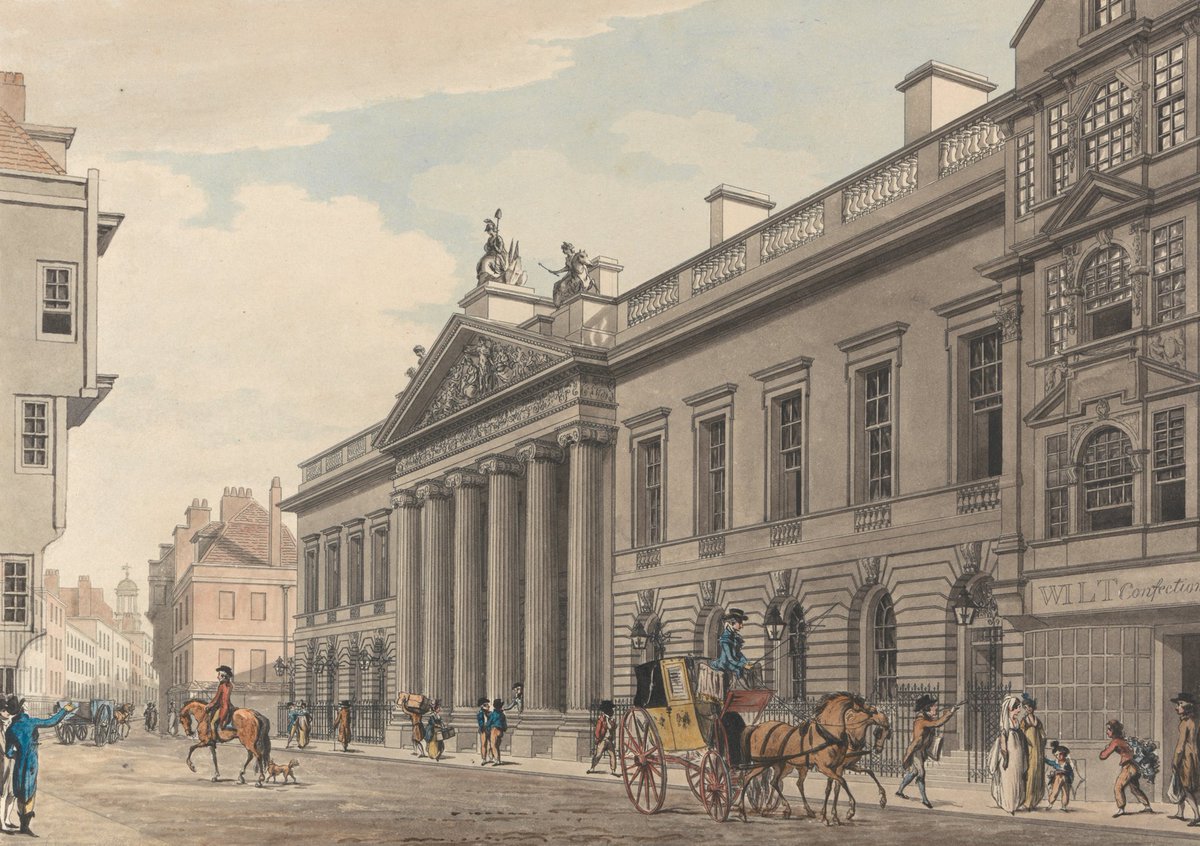
They petitioned Elizabeth I for a charter of monopoly in trade with the Levant. The queen agreed and the charter was granted.
On conditions.
There were conditions of profitability, of course, but her sight was on something far beyond the Levant. Bets had to be hedged!
They petitioned Elizabeth I for a charter of monopoly in trade with the Levant. The queen agreed and the charter was granted.
On conditions.
There were conditions of profitability, of course, but her sight was on something far beyond the Levant. Bets had to be hedged!
33/53
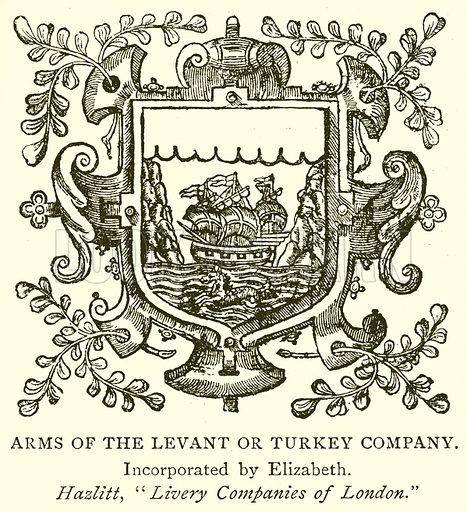
Two years later, the new “Levant Company” launched a voyage to a distant land that was already enriching the Portuguese and still had room for many more. It was the ultimate Orient.
Actually, there were two but we’ll only talk about one for now.
It was India.
Two years later, the new “Levant Company” launched a voyage to a distant land that was already enriching the Portuguese and still had room for many more. It was the ultimate Orient.
Actually, there were two but we’ll only talk about one for now.
It was India.
34/53
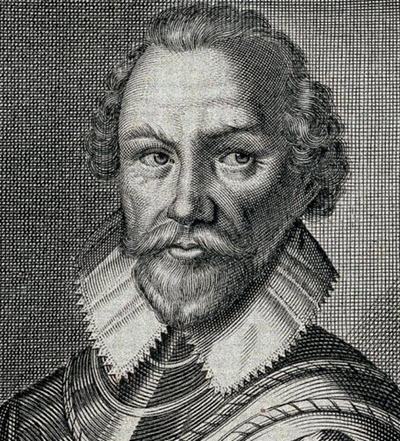
This voyage was headed by a London merchant named John Newbery. The boat was named Tyger.
The voyage carried a very special payload, besides all the gifts and sundry. It was a letter from the queen herself for an Indian king. Newbery was to hand-deliver it to him.
This voyage was headed by a London merchant named John Newbery. The boat was named Tyger.
The voyage carried a very special payload, besides all the gifts and sundry. It was a letter from the queen herself for an Indian king. Newbery was to hand-deliver it to him.
35/53
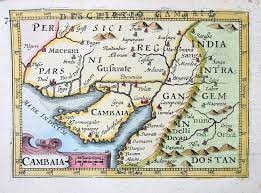
While India was still uncharted territory to the British and Indian kings rather unknown, Elizabeth did have a vague understanding. She knew of this place called Cambay that served as the entreport to the Indian subcontinent. This is where all European merchants flocked.
While India was still uncharted territory to the British and Indian kings rather unknown, Elizabeth did have a vague understanding. She knew of this place called Cambay that served as the entreport to the Indian subcontinent. This is where all European merchants flocked.
36/53
Of course, she’d also heard of Goa but it was a Portuguese bastion and being Catholic, off-limits to her men.
So she decided to use the voyage to scout new opportunities in this land of abundance. She wrote a letter to the king of Cambay introducing herself.
Of course, she’d also heard of Goa but it was a Portuguese bastion and being Catholic, off-limits to her men.
So she decided to use the voyage to scout new opportunities in this land of abundance. She wrote a letter to the king of Cambay introducing herself.
37/53
And also seeking mercantile opportunities.
This is the letter Newbery carried.
If this contact proved successful, England would become unstoppable. Elizabeth wanted to do everything in her capacity to ensure that.
The letter was as polite as it gets.
And also seeking mercantile opportunities.
This is the letter Newbery carried.
If this contact proved successful, England would become unstoppable. Elizabeth wanted to do everything in her capacity to ensure that.
The letter was as polite as it gets.
38/53
Remember I said two letters? The other one was for China. Even hedged bets ought to be hedged.
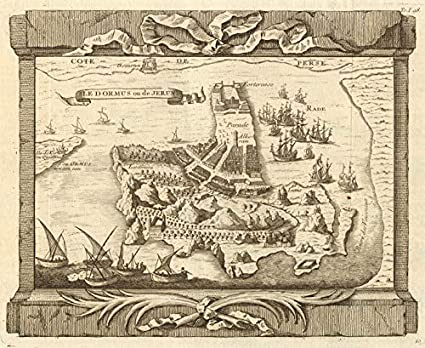
Anyway, so the expedition first sailed to Tripoli, then onward to Aleppo. From there, it was an overland trip to Ormuz (today’s Hormuz) on the Persian Gulf.
Remember I said two letters? The other one was for China. Even hedged bets ought to be hedged.
Anyway, so the expedition first sailed to Tripoli, then onward to Aleppo. From there, it was an overland trip to Ormuz (today’s Hormuz) on the Persian Gulf.
39/53
This is where the second leg of the voyage was to begin. Only one problem, Ormuz was then under Portuguese rule.
The group was arrested and shipped off to the global headquarters of all Portuguese colonies—Goa.
It’s here that they were to be tried for spying and heresy.
This is where the second leg of the voyage was to begin. Only one problem, Ormuz was then under Portuguese rule.
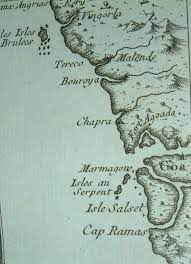
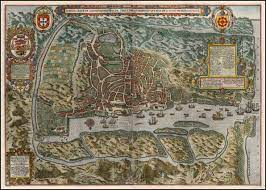
The group was arrested and shipped off to the global headquarters of all Portuguese colonies—Goa.
It’s here that they were to be tried for spying and heresy.
40/53
Finally they were in India!
But under extremely unfortunate circumstances. You do not want to be a Protestant prisoner in a Catholic land in the Middle Ages. Especially when your queen has just been excommunicated by the Pope himself.
This was a very dangerous position.
Finally they were in India!
But under extremely unfortunate circumstances. You do not want to be a Protestant prisoner in a Catholic land in the Middle Ages. Especially when your queen has just been excommunicated by the Pope himself.
This was a very dangerous position.
41/53
And this is where a fellow Englishman comes in. Remember Rev. Stevens, the priest from Wiltshire? He stepped in for their rescue and hired James Story the painter to paint the churches in Goa.
Story took a native wife, opened a store, and never returned home.
And this is where a fellow Englishman comes in. Remember Rev. Stevens, the priest from Wiltshire? He stepped in for their rescue and hired James Story the painter to paint the churches in Goa.
Story took a native wife, opened a store, and never returned home.
42/53
The remaining three sneaked out of Goa while on bail and traveled all over the Deccan in pursuit of trading opportunities.
I say three and not four because John Eldred had already quit the expedition while in Syria. So it was now just Newbery, Fitch, and Leeds.
The remaining three sneaked out of Goa while on bail and traveled all over the Deccan in pursuit of trading opportunities.
I say three and not four because John Eldred had already quit the expedition while in Syria. So it was now just Newbery, Fitch, and Leeds.
43/53
It’s during this journey that they made two discoveries.
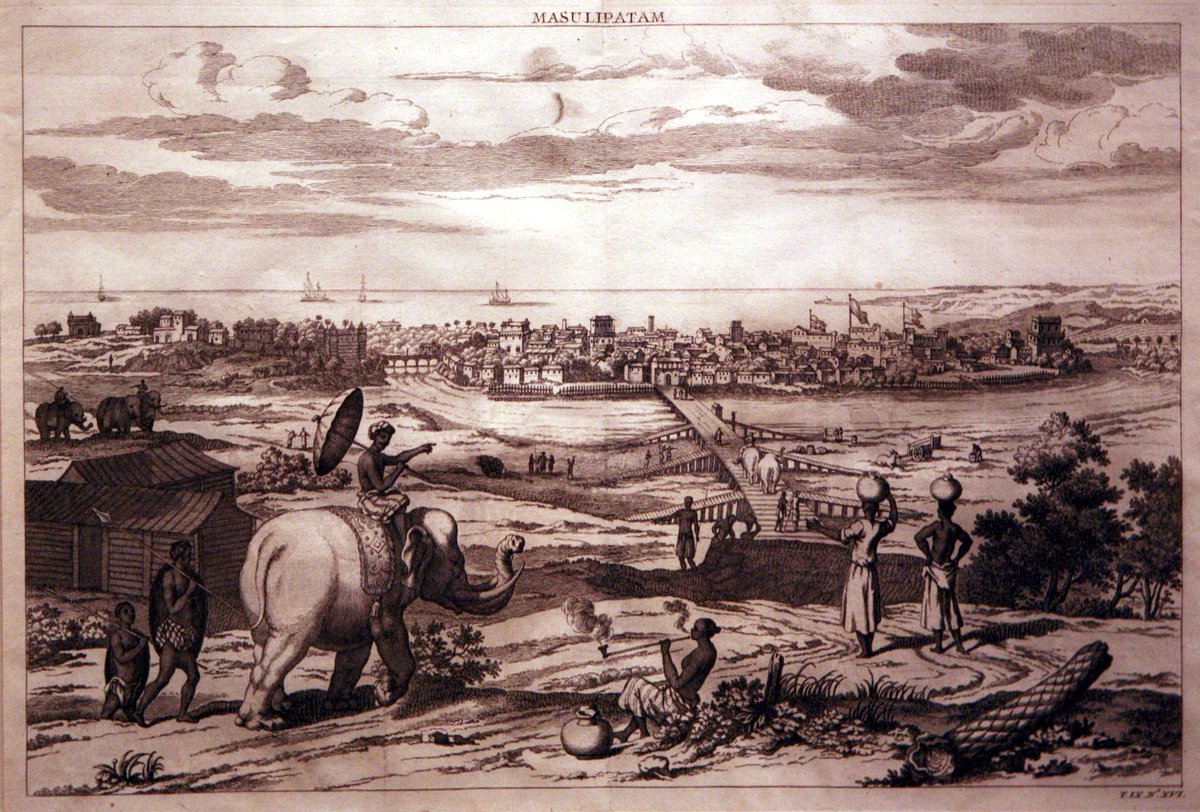
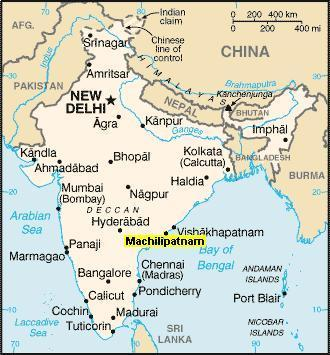
One, they found Masulipatnam (today, Machilipatnam). This was a port town on the eastern coast where ships sailing in from the Malacca Straits unloaded a mind-numbing array of spices.
It’s during this journey that they made two discoveries.
One, they found Masulipatnam (today, Machilipatnam). This was a port town on the eastern coast where ships sailing in from the Malacca Straits unloaded a mind-numbing array of spices.
44/53
Their accounts of Masulipatnam were the reason later English merchants would pick it for their first trading outposts.
Their second discovery was that there was no king of “Cambay”!
Cambay (today, Khambat) was just part of a much larger entity, larger than even Britain!
Their accounts of Masulipatnam were the reason later English merchants would pick it for their first trading outposts.
Their second discovery was that there was no king of “Cambay”!
Cambay (today, Khambat) was just part of a much larger entity, larger than even Britain!
45/53
That entity was the Mughal Empire.
Interestingly, the letter was addressed to the right recipient, just with the wrong designation. What Elizabeth had thought to be the king of Cambay was actually the Emperor of India.
Once aware of their errors, the team left for Agra.
That entity was the Mughal Empire.
Interestingly, the letter was addressed to the right recipient, just with the wrong designation. What Elizabeth had thought to be the king of Cambay was actually the Emperor of India.
Once aware of their errors, the team left for Agra.
46/53
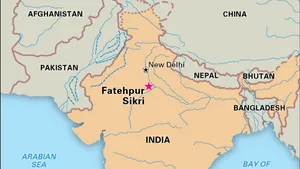
The Mughal capital in those days was a citadel near Agra called Fatehpur Sikri. The man on the throne? Akbar.
Here, Leeds the jeweler was offered a job by Akbar himself and decided to settle down for good.
The other two chose to hand over the letter and return home.
The Mughal capital in those days was a citadel near Agra called Fatehpur Sikri. The man on the throne? Akbar.
Here, Leeds the jeweler was offered a job by Akbar himself and decided to settle down for good.
The other two chose to hand over the letter and return home.

47/53
Unfortunately, only Fitch made it back as Newbery lost his way and got robbed and killed by the bandits in Sindh.
So, was the letter worth the unfortunate adventure? Did it secure Elizabeth the hedge she so desperately needed?
Unfortunately, only Fitch made it back as Newbery lost his way and got robbed and killed by the bandits in Sindh.
So, was the letter worth the unfortunate adventure? Did it secure Elizabeth the hedge she so desperately needed?
48/53
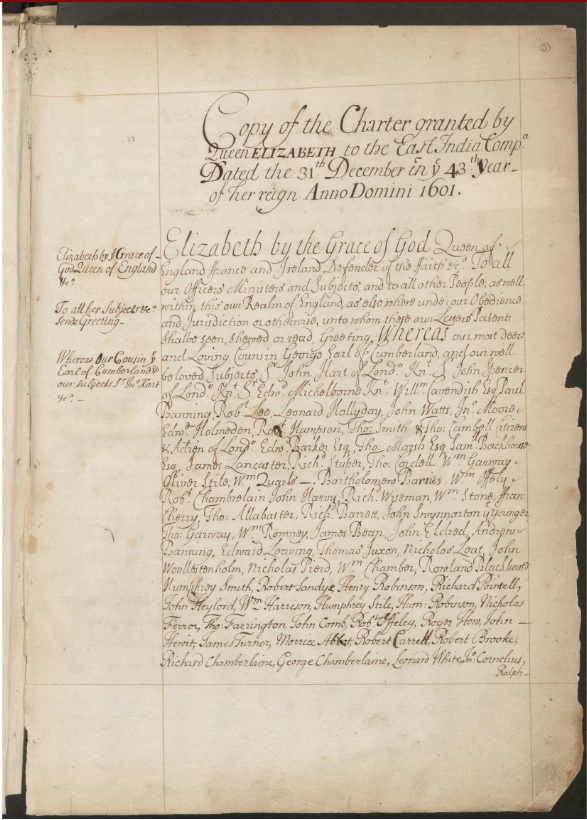
Hard to say because few records exist from the time, but we do know that before the turn of the century, Elizabeth had signed yet another royal charter to one Governor and Company of Merchants of London trading into the East Indies, later renamed the East India Company.
Hard to say because few records exist from the time, but we do know that before the turn of the century, Elizabeth had signed yet another royal charter to one Governor and Company of Merchants of London trading into the East Indies, later renamed the East India Company.
49/53
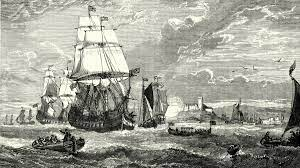
While the queen herself died before the Company set up its first Indian factory in Machilipatnam, she did manage to turn around her country’s fortunes. What she inherited as a 300,000-pound debt, was now well on its way to becoming humanity’s biggest empire ever.
While the queen herself died before the Company set up its first Indian factory in Machilipatnam, she did manage to turn around her country’s fortunes. What she inherited as a 300,000-pound debt, was now well on its way to becoming humanity’s biggest empire ever.
50/53
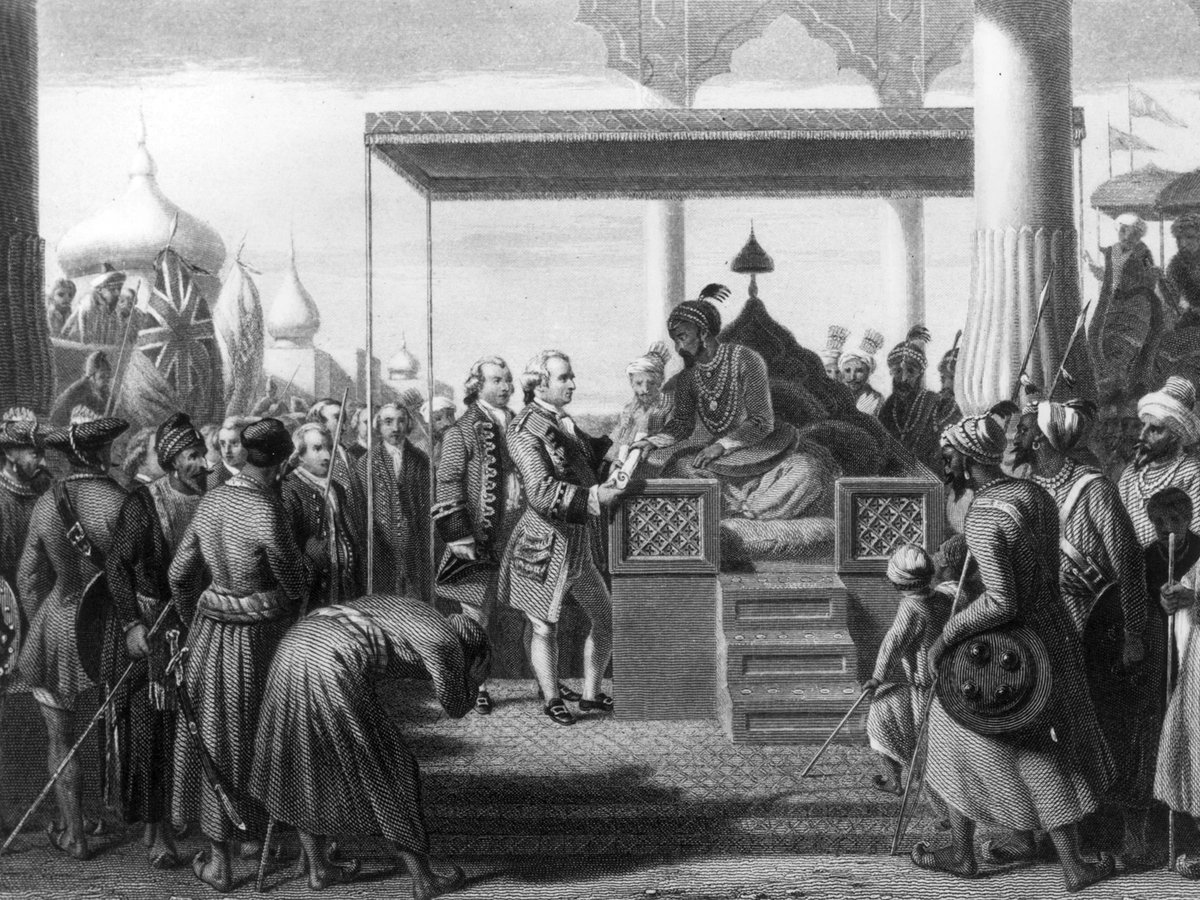
Within four years of the EIC’s entry into India, Sir Thomas Roe was in the Mughal court seeking Jahangir’s patronage for a second factory in Surat. From here on, although Jahangir did not grant the patronage, India’s fate was sealed.
Within four years of the EIC’s entry into India, Sir Thomas Roe was in the Mughal court seeking Jahangir’s patronage for a second factory in Surat. From here on, although Jahangir did not grant the patronage, India’s fate was sealed.
51/53
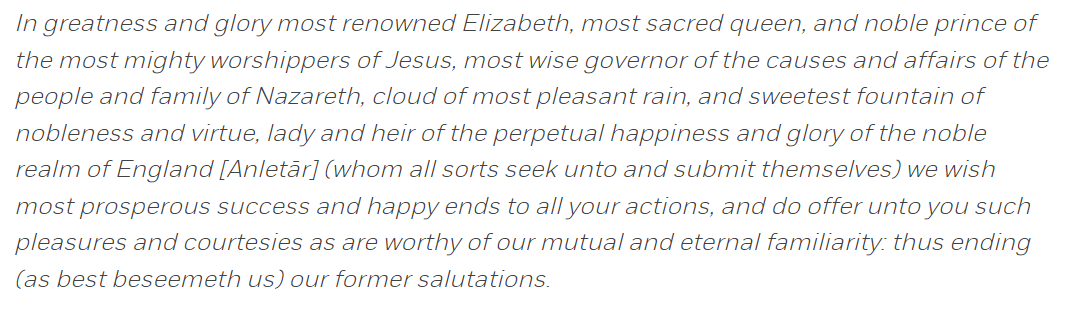
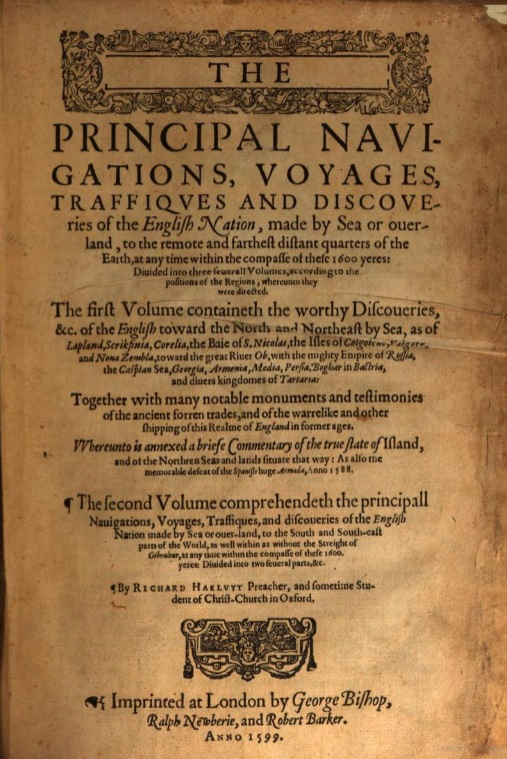
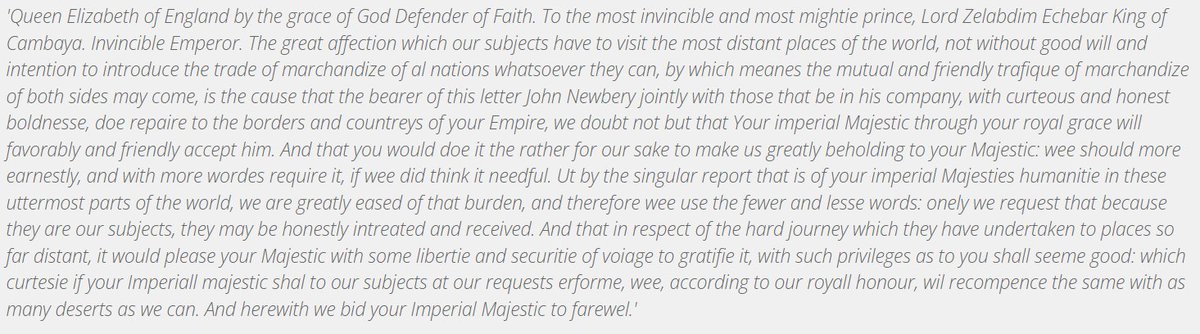
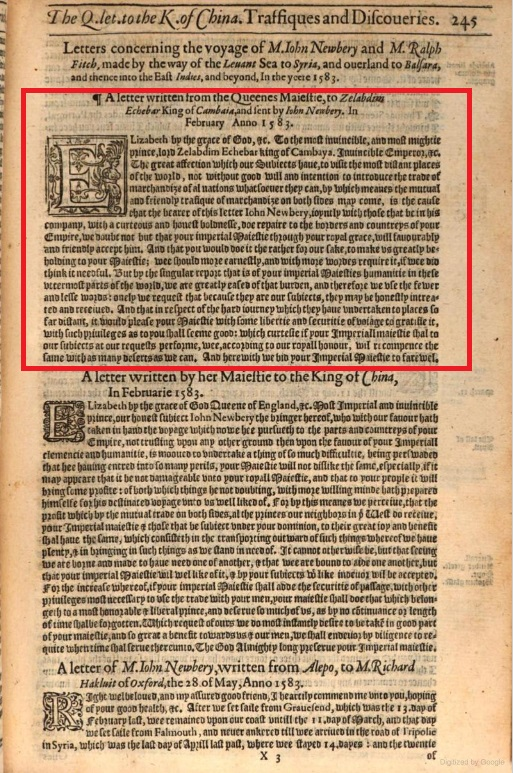
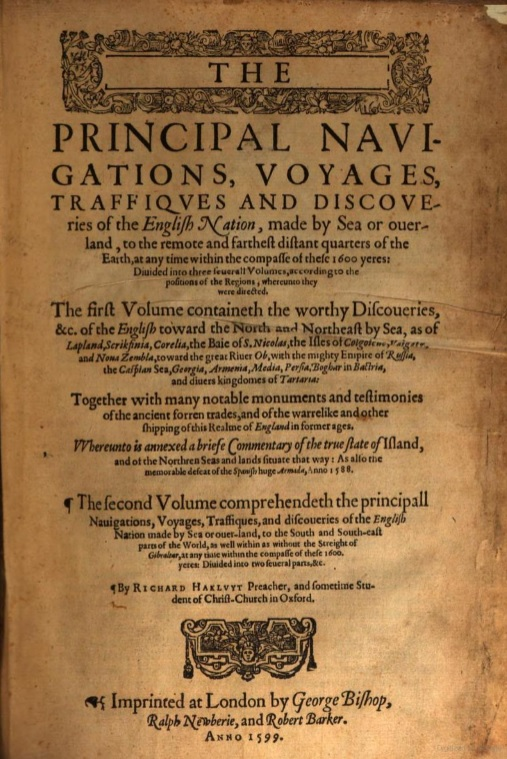
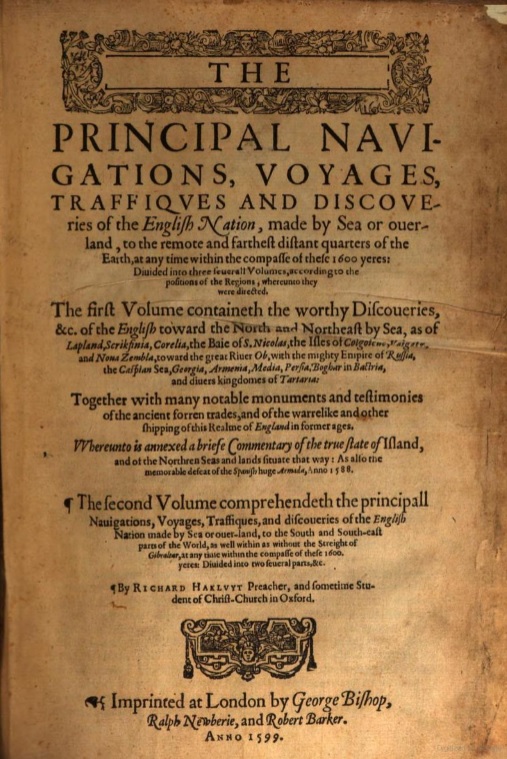
Want to know what Elizabeth had written to Akbar? You’re in luck, for the text was recorded well within her lifetime by an Oxford preacher named Richard Hakluyt. The original text might be hard to read today but you must try anyway. The “typos” are a work of art!
Want to know what Elizabeth had written to Akbar? You’re in luck, for the text was recorded well within her lifetime by an Oxford preacher named Richard Hakluyt. The original text might be hard to read today but you must try anyway. The “typos” are a work of art!
52/53
So this is the story of how one letter from Turkey saved Britain from bankruptcy and another to India catapulted Britain into empirehood. And all this because a king wanted to get rid of his wife. Practically, the most expensive annulment in the history of annulments.
So this is the story of how one letter from Turkey saved Britain from bankruptcy and another to India catapulted Britain into empirehood. And all this because a king wanted to get rid of his wife. Practically, the most expensive annulment in the history of annulments.
53/53
Sources:
Sources:
Loading suggestions...