

The only complete thread on @radixdlt $XRD 👀
How do they have the potential to onboard billions of new DeFi users?
This is a must read!
Let’s get into it🧵👇
1/25
How do they have the potential to onboard billions of new DeFi users?
This is a must read!
Let’s get into it🧵👇
1/25
DeFi mass adoption is inevitable. We all know it.
But as much as we want it to happen, infrastructure today isn’t ready.
How can blockchains handle millions of daily txns when they’re congested after an NFT mint?
2/25
But as much as we want it to happen, infrastructure today isn’t ready.
How can blockchains handle millions of daily txns when they’re congested after an NFT mint?
2/25
On top of this, we see billions of dollars stolen through scams, exploits, rugs, etc.
Is this really the ideal environment for day to day people to put their money?
And no, Ethereum 2.0 isn’t the answer.
Enter @radixdlt 👇
3/25
Is this really the ideal environment for day to day people to put their money?
And no, Ethereum 2.0 isn’t the answer.
Enter @radixdlt 👇
3/25

To quote @PiersRidyard, CEO of Radix:
"Radix is a public ledger dedicated to helping DeFi builders get everything they need to obsolete Traditional finance and decentralize the 360T USD global financial market”
4/25
"Radix is a public ledger dedicated to helping DeFi builders get everything they need to obsolete Traditional finance and decentralize the 360T USD global financial market”
4/25
You’re probably wondering, how does @radixdlt fix some of the biggest issues holding DeFi back?
Let’s break this down step by step👇
5/25
Let’s break this down step by step👇
5/25
Extreme scalability through cross-sharding (and I mean EXTREME):
Well, what is sharding?
In short, the network is split up into shards, with nodes broken down into smaller groups validating only a small portion of the network, allowing for simultaneous txn processing!
6/25
Well, what is sharding?
In short, the network is split up into shards, with nodes broken down into smaller groups validating only a small portion of the network, allowing for simultaneous txn processing!
6/25
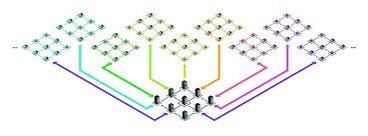
Still don’t get it? @blocmatesdotcom uses a great analogy:
“Think of it as an extremely long train with separate carriages and a few validators in each carriage; in its current state conductors (validators) have to verify every single transaction throughout the whole train.
7/25
“Think of it as an extremely long train with separate carriages and a few validators in each carriage; in its current state conductors (validators) have to verify every single transaction throughout the whole train.
7/25
“All conductors need to vote on every transaction and wait to process them all in order. With sharding, conductors in specific carriages can oversee the transactions in their carriage and then submit a receipt of the activity to the rest of the train when it is done.”
😌
8/25
😌
8/25
Radix is utilizing sharding— but on steroids:
Their sharding mechanism Cerberus has 2^256 shard capability—allowing for INFINITE linear scalability 🤯.
The more nodes added to the network, throughput increases linearly!
9/25
Their sharding mechanism Cerberus has 2^256 shard capability—allowing for INFINITE linear scalability 🤯.
The more nodes added to the network, throughput increases linearly!
9/25

How can other shards be aware of txns done in a specific shard?
Well, every txn is done cross-shard.
Simply put, if there’s a txn involving 2 different shards, only the shard’s validator sets in a transaction need to speak to each other, lightening the transaction load!
10/25
Well, every txn is done cross-shard.
Simply put, if there’s a txn involving 2 different shards, only the shard’s validator sets in a transaction need to speak to each other, lightening the transaction load!
10/25
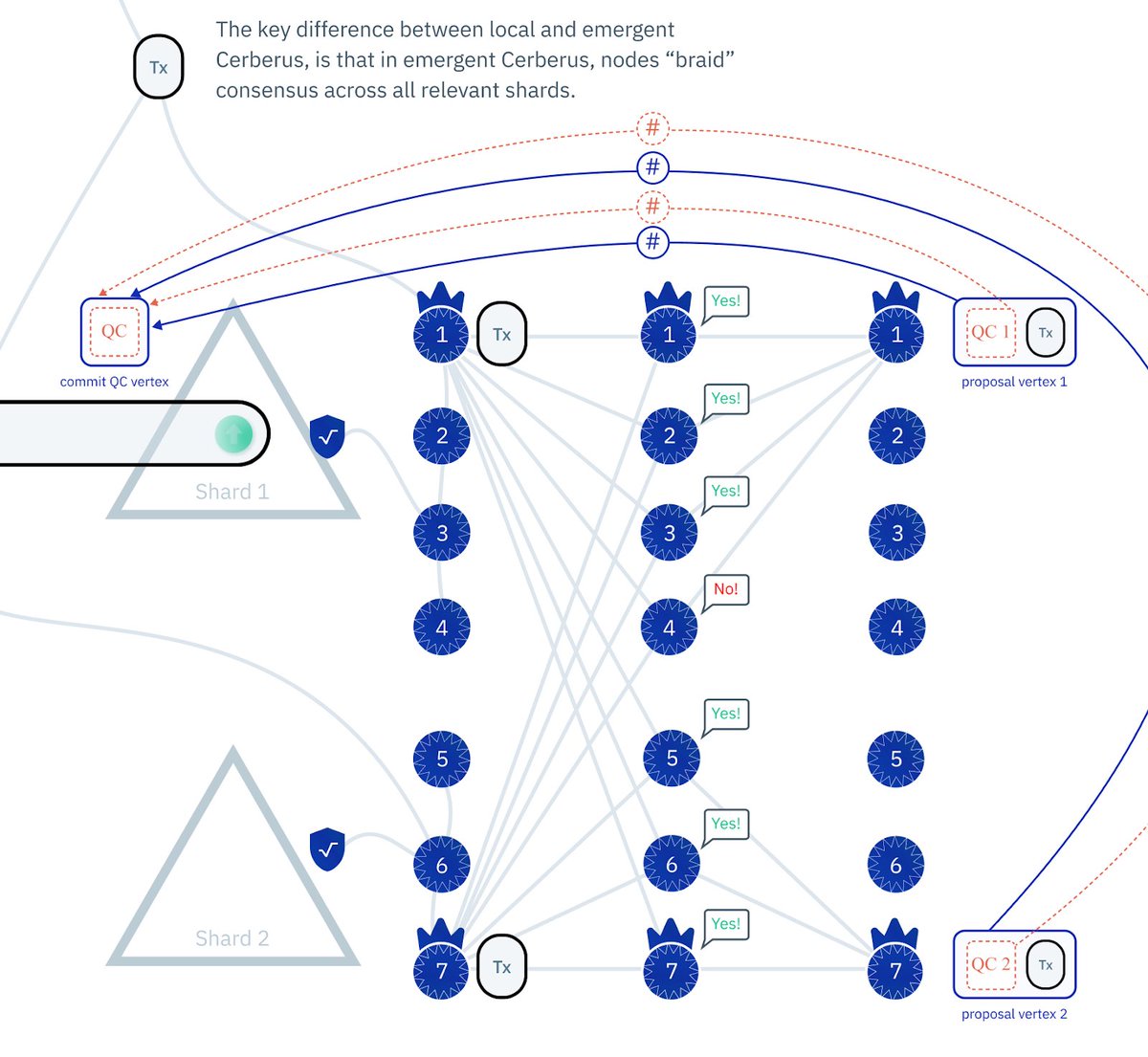
The other billions of shards aren’t aware that this transaction even occurred, and they don’t need to until they interact with said shard!
Think of it as “l’ll tell you when I see you”.
This is the infrastructure layer of @radixdlt, and how it scales basically infinitely!
11/25
Think of it as “l’ll tell you when I see you”.
This is the infrastructure layer of @radixdlt, and how it scales basically infinitely!
11/25
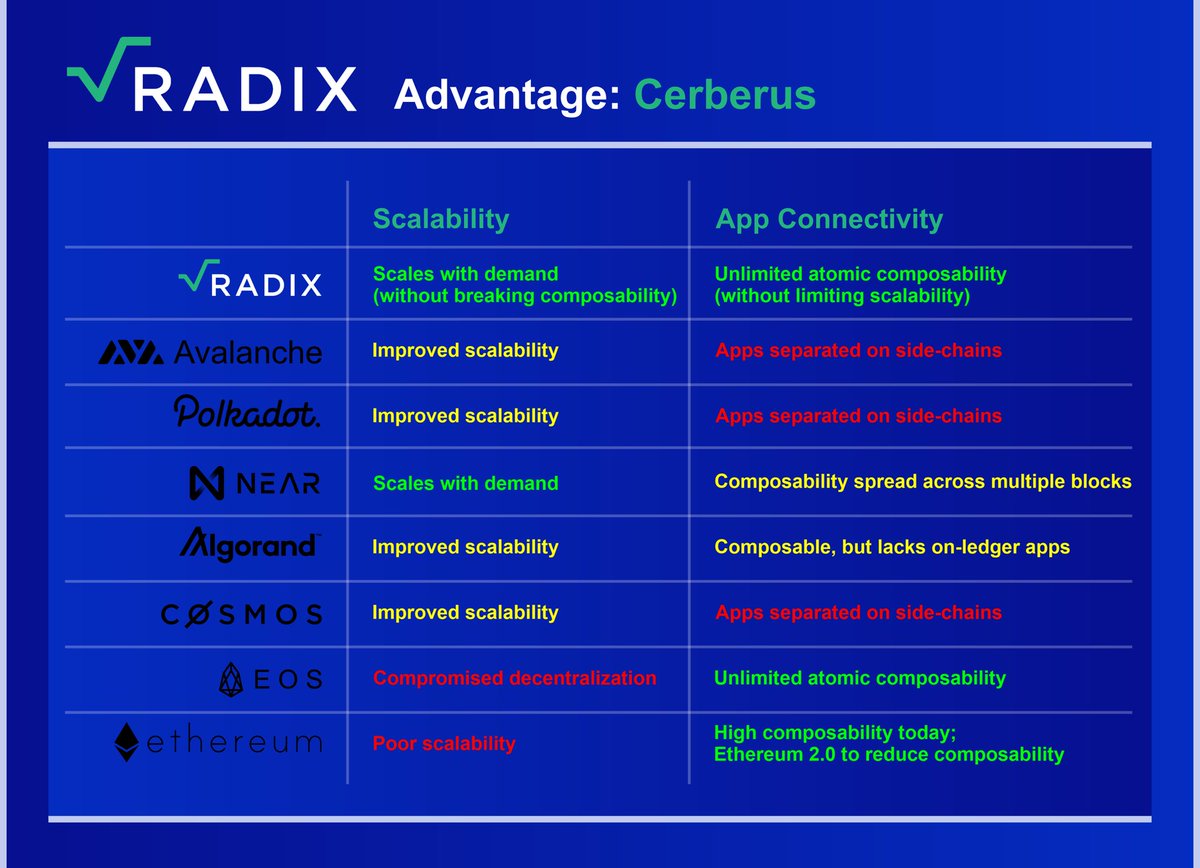
On the other hand, Ethereum 2.0 will only have 64 shards, only allows data to be stored on said shards! (No cross-sharding)
Compare that to Radix’s 2^256 shards, and I think we have a winner here😏
Let’s keep going👇
12/25
Compare that to Radix’s 2^256 shards, and I think we have a winner here😏
Let’s keep going👇
12/25
Radix Engine/Scrypto:
Dapps on Ethereum don’t work as we think.
The reality is, smart contracts are stacked behind the scenes in order to create a better UX.
However, the more smart contracts utilized, the higher the risk of exploit!
What dev wants that work/risk?
13/25
Dapps on Ethereum don’t work as we think.
The reality is, smart contracts are stacked behind the scenes in order to create a better UX.
However, the more smart contracts utilized, the higher the risk of exploit!
What dev wants that work/risk?
13/25
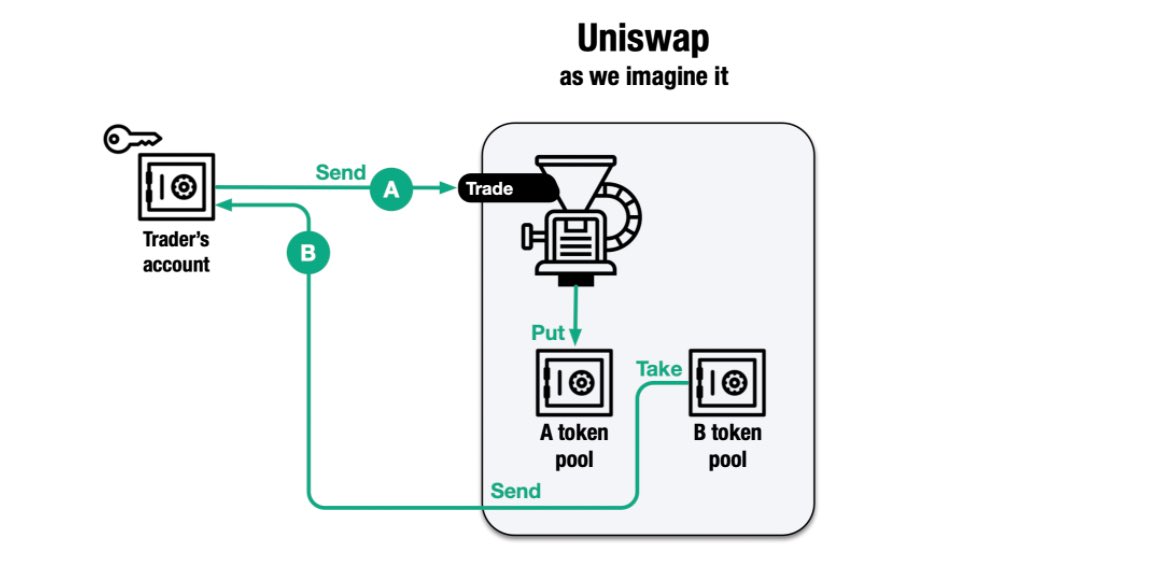
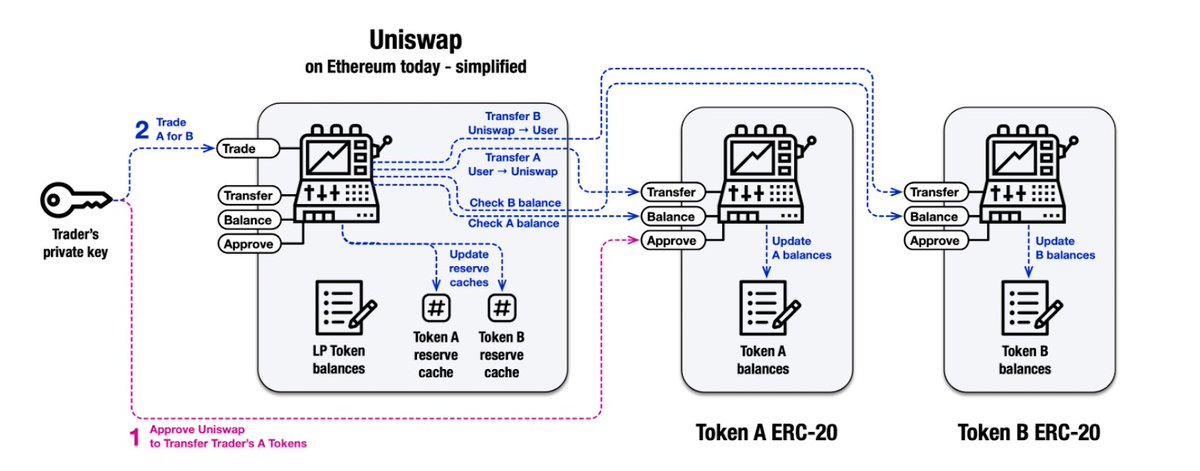
Even an ERC-20 token isn’t technically in your wallet – your address is on a long list of other addresses for that particular smart contract!
There must be a better way…
14/25
There must be a better way…
14/25
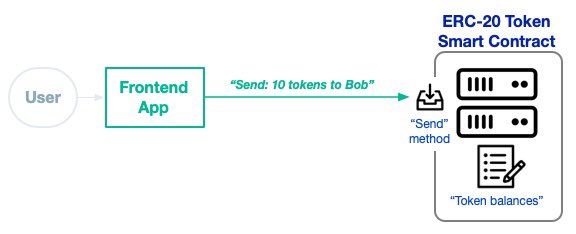
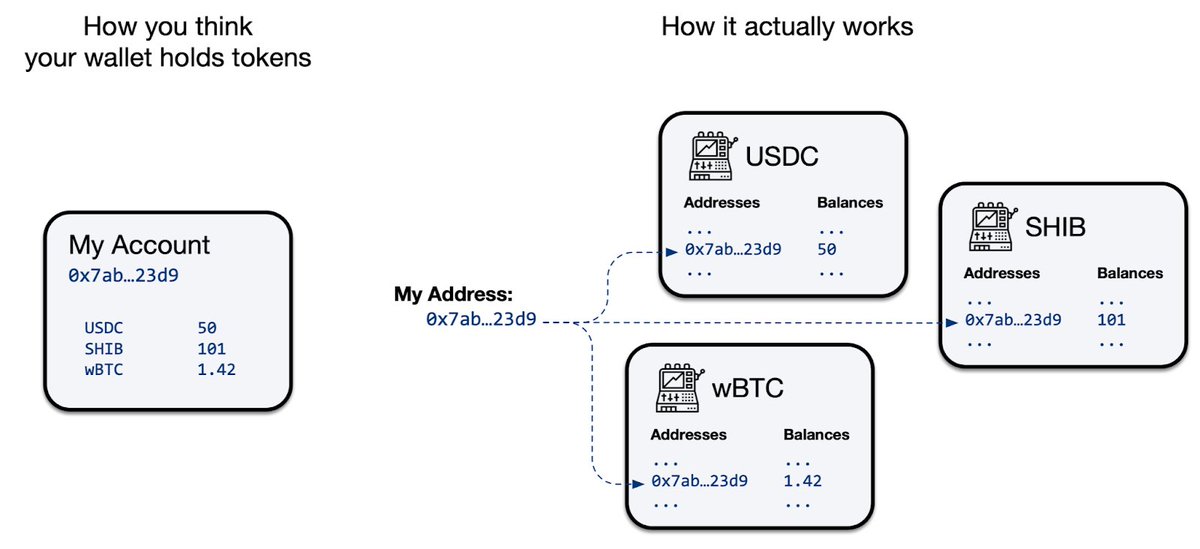
The Radix Engine automates the functions associated with “assets,” “tokens,” and “transactions” and much more, removing the complicated and error-prone elements of building in DeFi!
How does this work?
15/25
How does this work?
15/25
Radix utilizes a finite state machine (FSM), preventing errors by only allowing the things you want to be possible, ensuring predictable outcomes on txns!
16/25
16/25
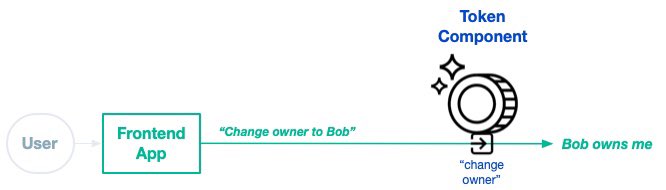
To quote the @radixdlt team themselves, “Radix Engine’s philosophy is based on how assets “physically” behave in the real world – whether we’re talking about cash, art, movie tickets, your driver’s license, or a loan contract.”
17/25
17/25
The Radix Engine uses a SC language called Scrypto. It uses Rust as a basis (Solana is built on Rust), but adds a unique asset toolbox; native concepts for assets (“resources”), asset containers (vaults and buckets), asset functions (take, put, mint, burn), and more!
18/25
18/25
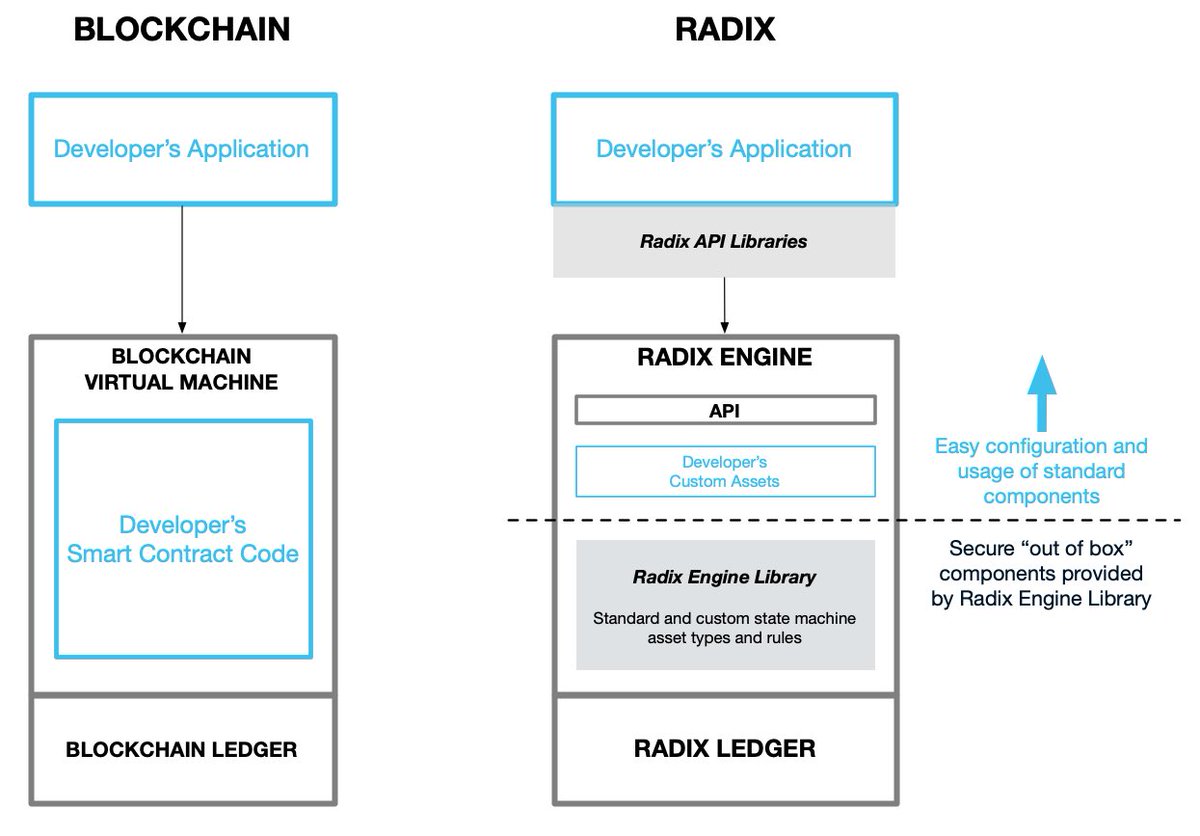
“This means that creating and using tokens, NFTs, and any other kind of asset is easy and safe – and writing cool applications with assets is worry-free and results in simpler, better code.”
19/25
19/25
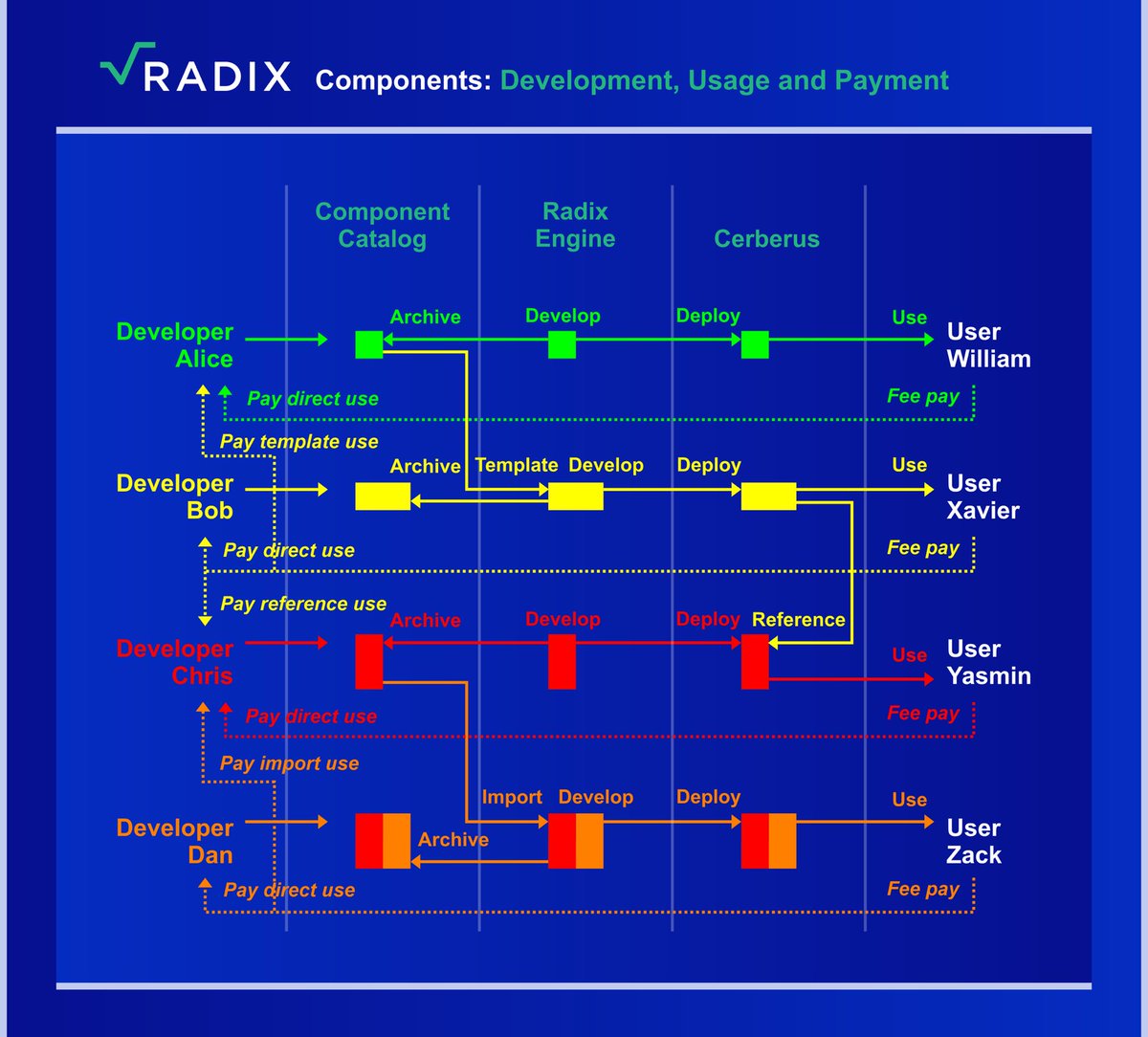
Due to the finite state of assets, tokens, and NFTs, smart contract exploits are not possible, as the developer only needs to focus on what can be possible!
This article by @JakePMai can help you understand this further👇 publish.obsidian.md
20/25
This article by @JakePMai can help you understand this further👇 publish.obsidian.md
20/25
For example, the recent $CASH @CashioApp exploit on Solana could never have happened on Radix🙃
21/25
21/25
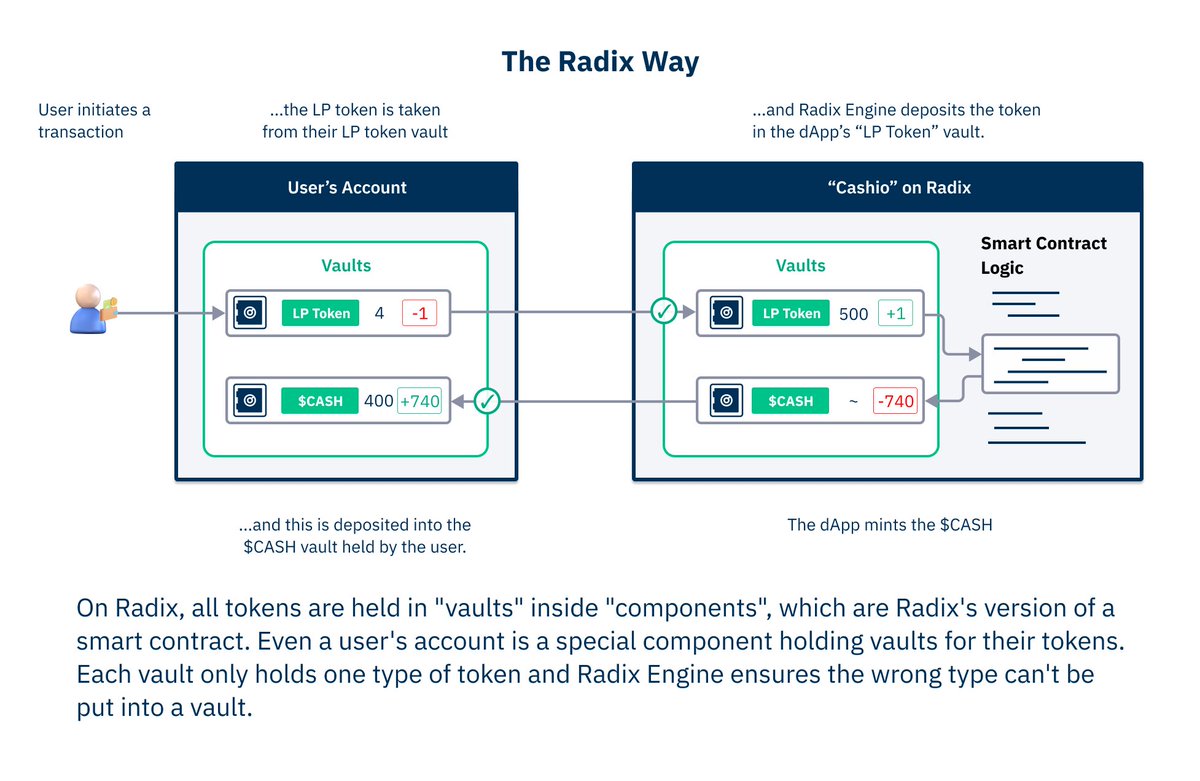
What about the $XRD token?
1. Validators must stake at least 100 $XRD in order to take part in emissions. Nodes with more $XRD staked have a larger say in the consensus vote
2. Tiny txn fees. All gas fees will be burned forever, creating a deflationary mechanism!
22/25
1. Validators must stake at least 100 $XRD in order to take part in emissions. Nodes with more $XRD staked have a larger say in the consensus vote
2. Tiny txn fees. All gas fees will be burned forever, creating a deflationary mechanism!
22/25
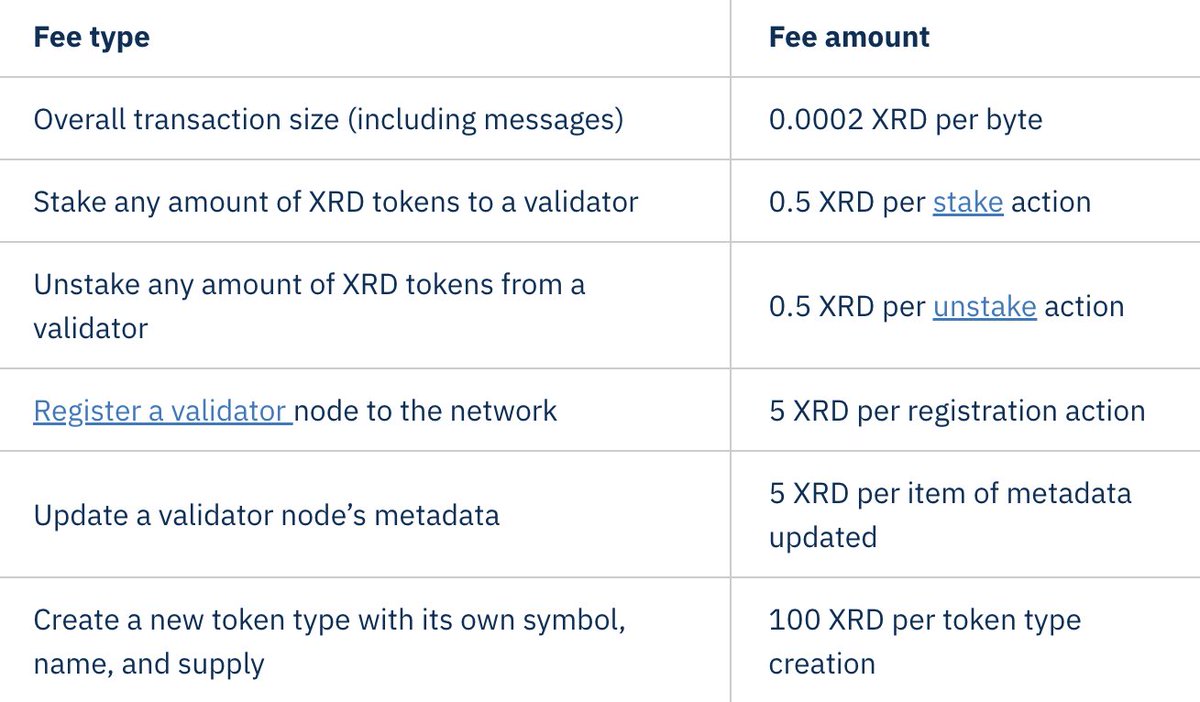
3. The $XRD token will also be used in native DeFi applications
When you think of the potential market size, this will be huge!
The full @radixdlt launch is expected to go live sometime in 2023👀👀
23/25
When you think of the potential market size, this will be huge!
The full @radixdlt launch is expected to go live sometime in 2023👀👀
23/25
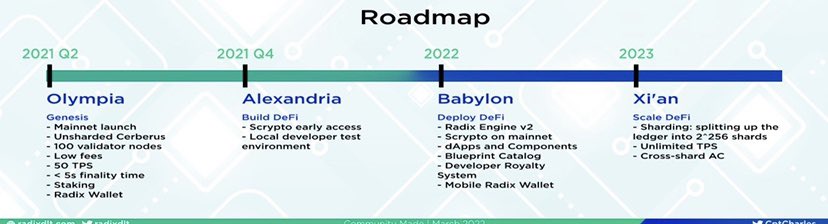
@radixdlt is literally solving all of DeFi’s issues today, and providing the necessary infrastructure for the inevitable billions coming into DeFi👀.
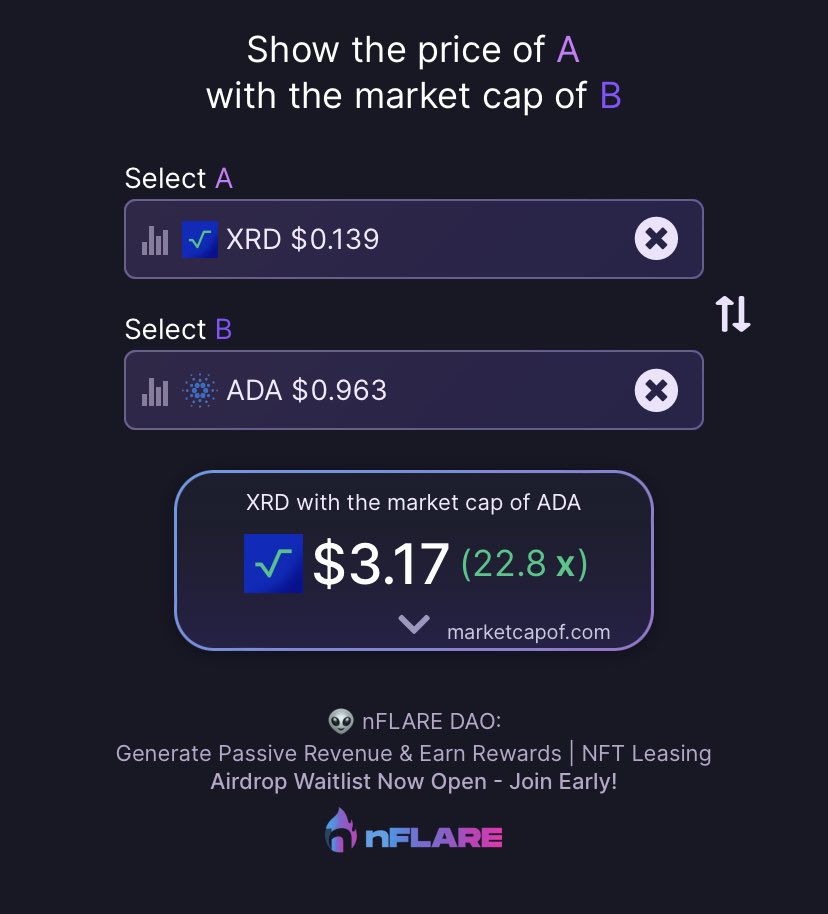
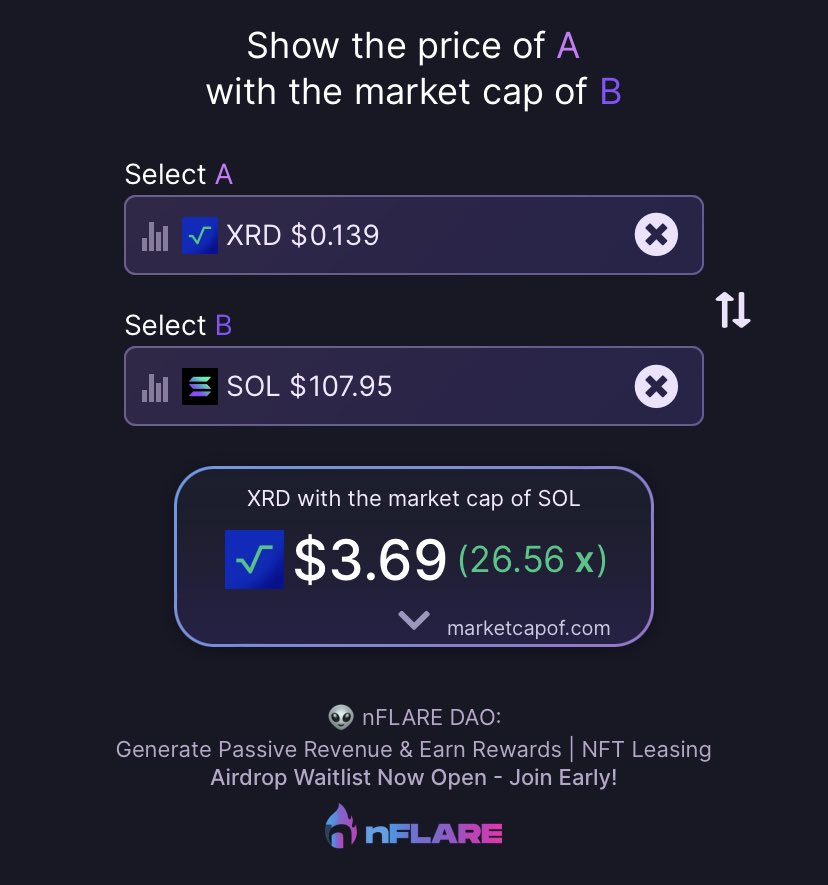
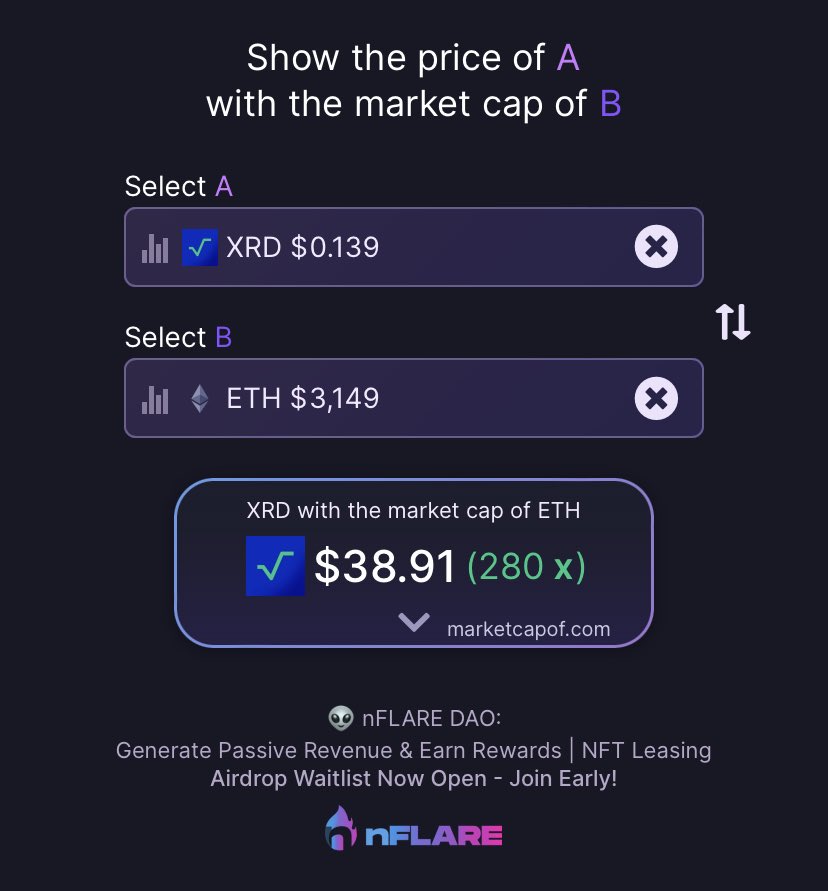
You think a 1.3 billion dollar valuation is fair?!?!
Hold $XRD for 10 years, and I guarantee you’ll be rich😏💸
24/25
You think a 1.3 billion dollar valuation is fair?!?!
Hold $XRD for 10 years, and I guarantee you’ll be rich😏💸
24/25
Thank you for reading.
Would really appreciate a retweet!
Follow for daily crypto threads! Let’s get to 3k😏
@BarryFried1
@PostyXBT
@lu5st
@Radogsnft
@Jacob_XRD
@RadixPlanet
Would really appreciate a retweet!
Follow for daily crypto threads! Let’s get to 3k😏
@BarryFried1
@PostyXBT
@lu5st
@Radogsnft
@Jacob_XRD
@RadixPlanet
Loading suggestions...