

Next up in the #Tweetorial series based on my Hemodynamic Rounds Live lectures I’ll be discussing the basics of mechanical circulatory support (MCS) 📚
There is a lot of info to cover so this #Tweetorial will be broken up into four parts.
Follow along below for part 1. ⬇
There is a lot of info to cover so this #Tweetorial will be broken up into four parts.
Follow along below for part 1. ⬇

In this #Tweetorial I will go through the basics of LV function metrics – how do we measure them; how do we understand them & how do we apply them? 📊
Then we will examine what each device is supposed to do for LV function & understand a couple of pathologic conditions.
Then we will examine what each device is supposed to do for LV function & understand a couple of pathologic conditions.

We’ll start by reviewing shock, its spiral down to death, & the factors involved. ➰ We’ll also see where hemodynamic support really plays a role.

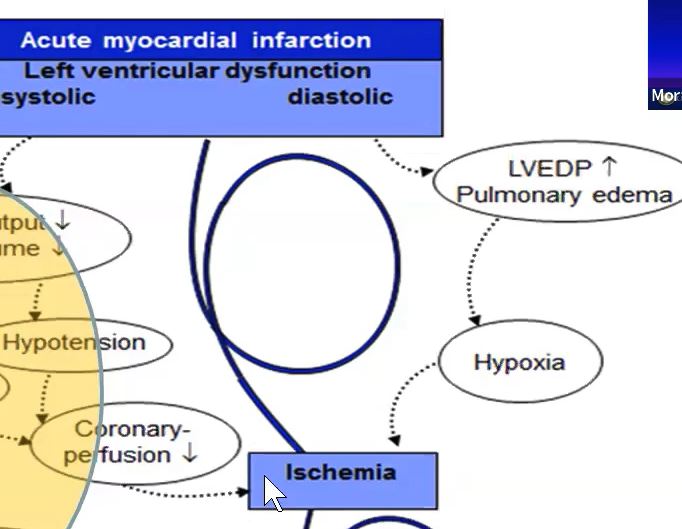
In AMICS, the first event that occurs is myocardial infarction – severe impairment of left ventricular function. 💔
Two things happen - Systolic impairment & diastolic impairment. 🛑
Two things happen - Systolic impairment & diastolic impairment. 🛑
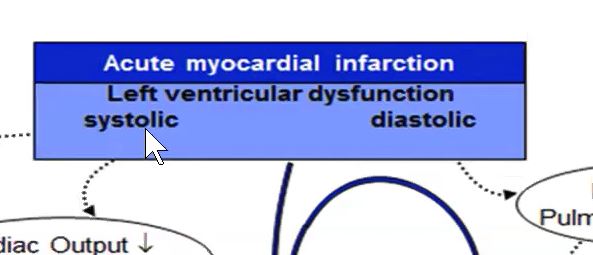
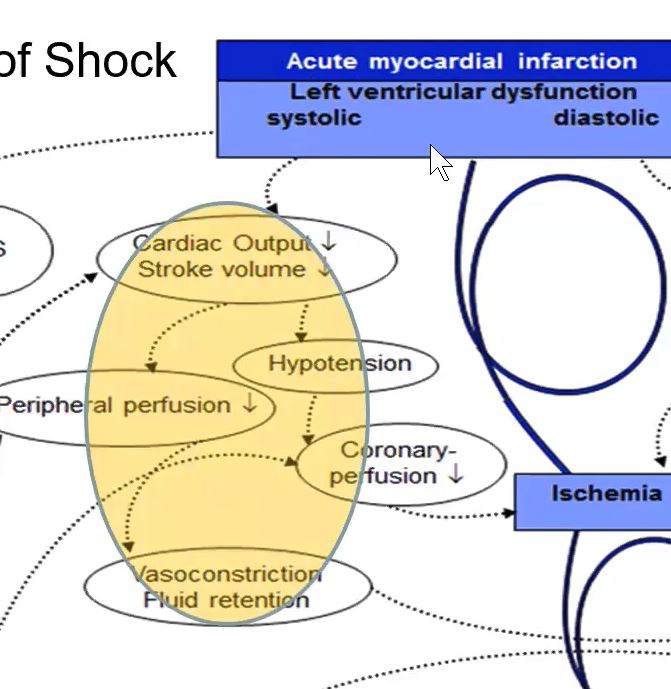
With systolic impairment, cardiac output & stroke volume fall. 📉
Hypotension results. Peripheral & coronary blood flow becomes impaired.
The response to this is systematic vasoconstriction & fluid retention. 💧
Hypotension results. Peripheral & coronary blood flow becomes impaired.
The response to this is systematic vasoconstriction & fluid retention. 💧
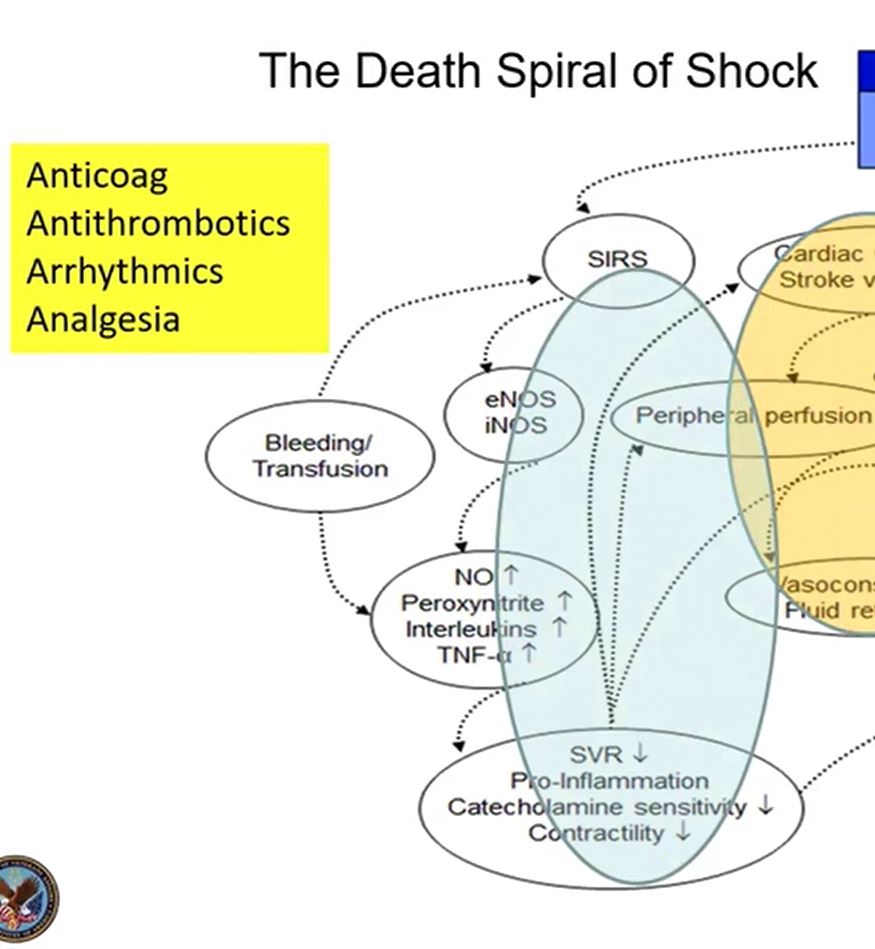
A dramatic fall in the systematic perfusion 💨 & the release of biomarkers & systemic inflammatory response comes next. Biomarkers such as eNOS, iNOS, TNF-a, pro-inflammatory materials reduces further contractility. ⬇
We address these two areas with all medical therapies ⚕ – Anticoagulants, Arrhythmics, etc. and provide volume resuscitation, inotropy & vasopressors, but that doesn’t always work. 💊
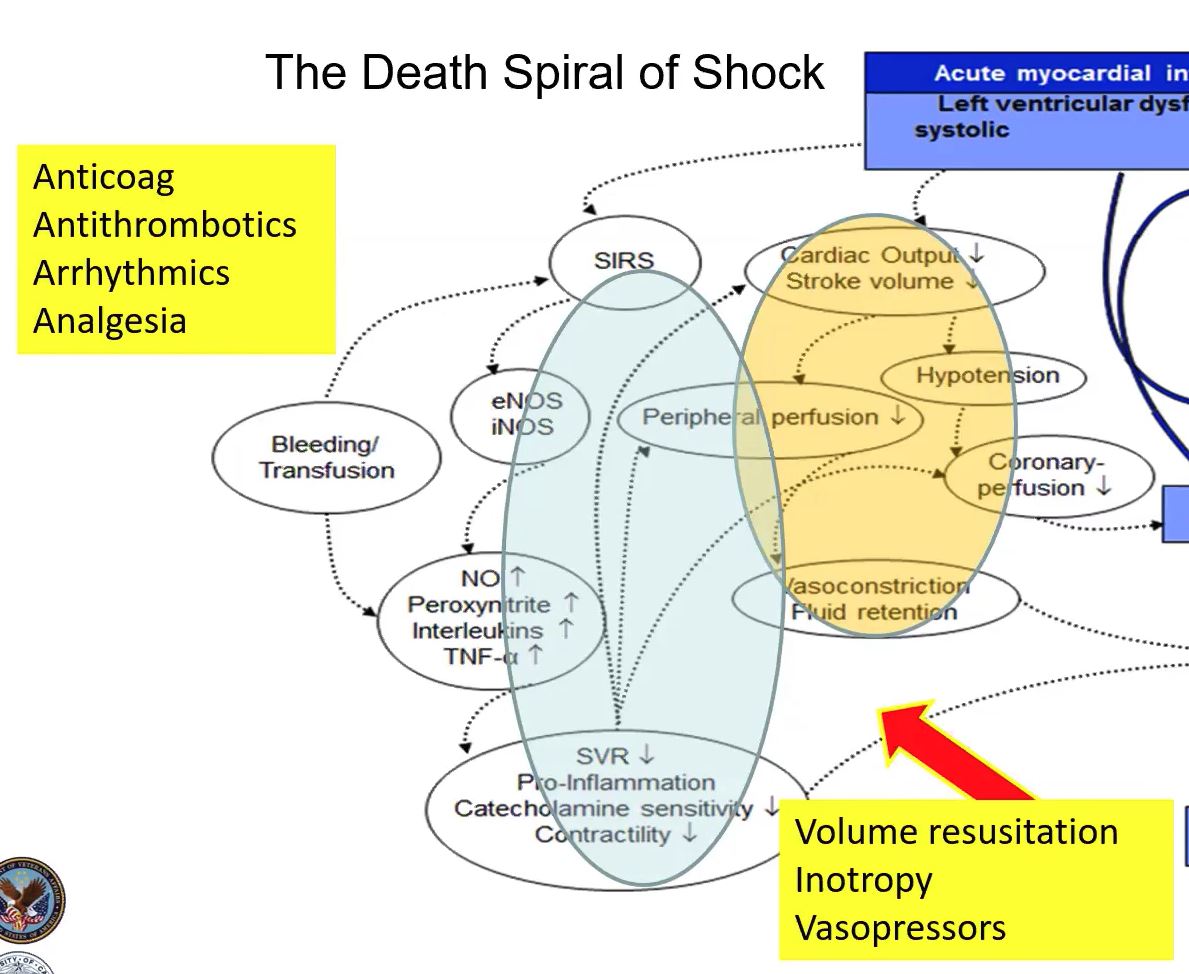
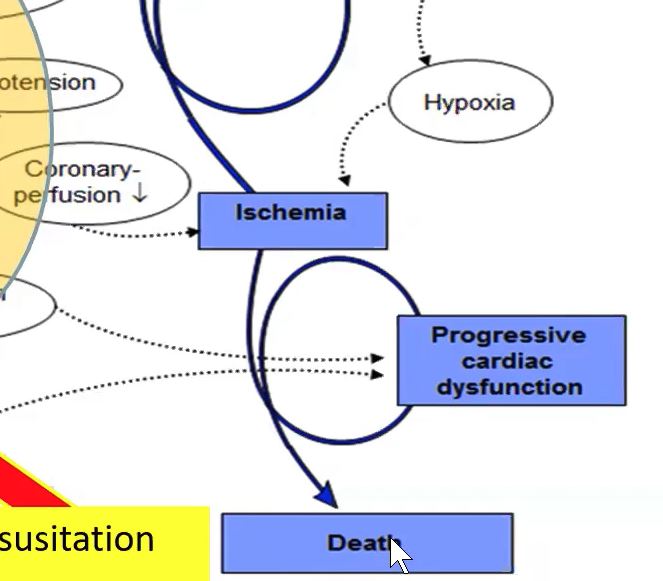
On the LV diastolic side of the shock cascade - LVEDP goes up as a compensatory mechanism.📈 This causes LA & PV pressure to ⬆ which can cause pulmonary congestion. Hypoxia results, which further promotes ischemia in combination with decreased perfusion. This must be stopped.🚫
If this cascade isn’t stopped progressive cardiac dysfunction & death occurs.
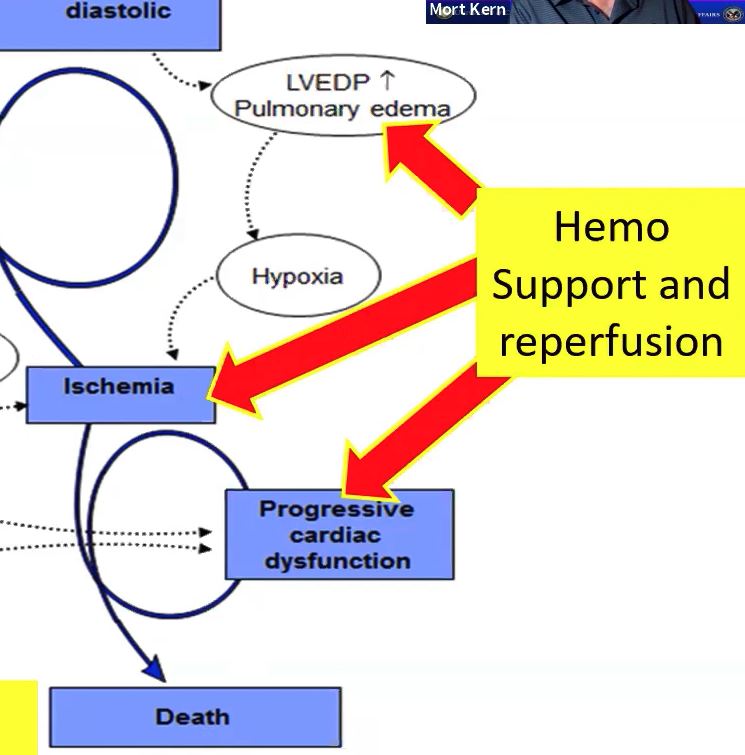
At this point we hemodynamic support can be introduced in addition to coronary reperfusion. ⛽
The hemodynamic syndrome of shock ⚡ evolves into a HemoMetabolic syndrome (a term coined by @NavinKapur4). If left unabated shock produces end organ damage and multisystem failure. 🤕
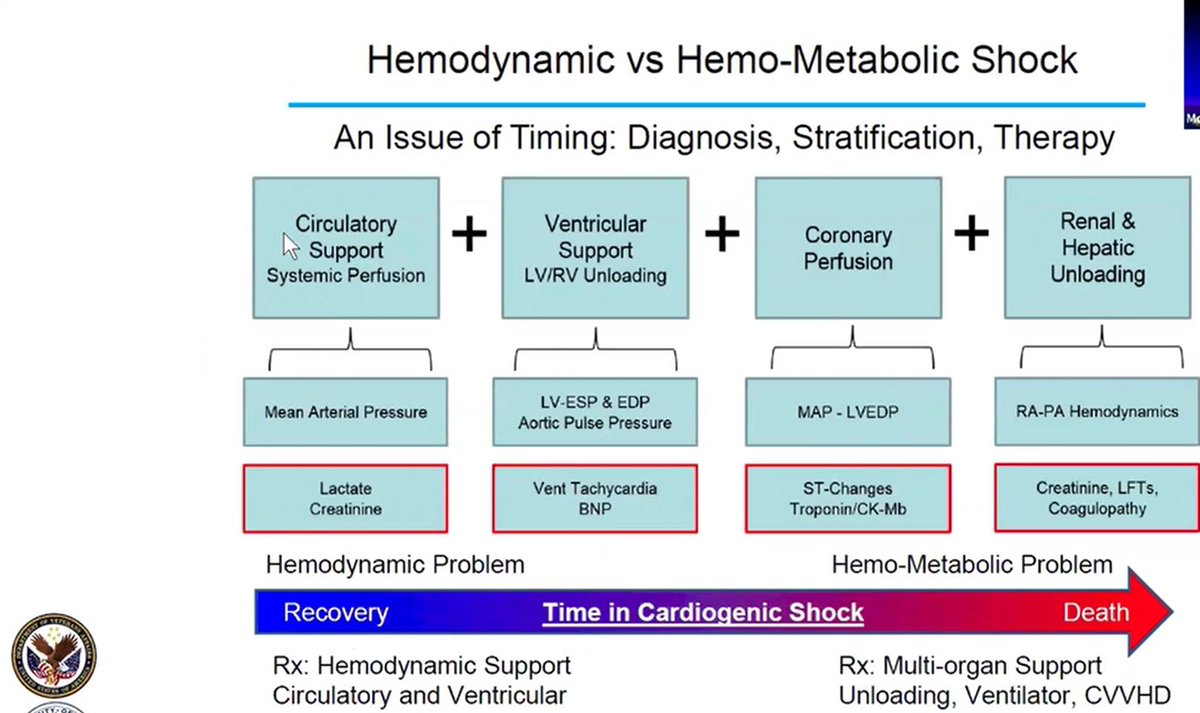
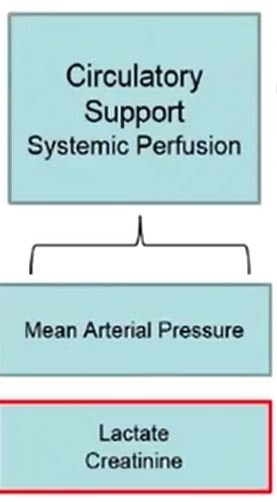
With circulatory support & systemic perfusion as an early goal to achieve recovery, we focus on normalizing mean arterial pressure. We measure lactates & creatinine to assess the HemoMetabolic state and to evaluate the patient’s prognosis. 📊
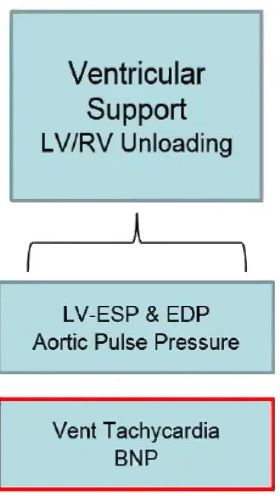
AMI shock necessitates ventricular support & sometimes both LV & RV support & unloading. We measure these looking at filling pressures – The LV with the wedge or PCWP and the RV with RA pressure measurements.
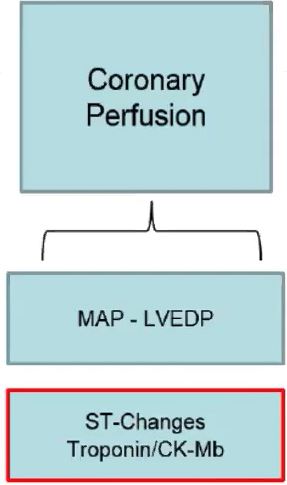
Because of decreased MAP and ⬆ LVEDP there is impairment in coronary perfusion resulting in EKG changes & Troponin 📈.
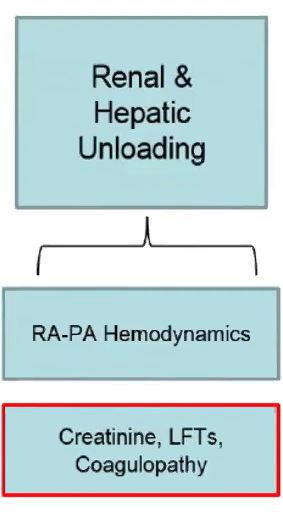
Finally, as impairment of perfusion persists, renal & hepatic unloading is needed - if we can do it. We see elevation of right sided pressures, abnormal PA hemodynamics, abnormal coagulopathy & liver functions. 🌋
The likelihood of heart recovery is much better the earlier we evaluate and intervene on patients with shock. 👈⌛
If the hemodynamic & metabolic events don’t change the patient will die. That again supports the use of MCS. ⚙⛽
If the hemodynamic & metabolic events don’t change the patient will die. That again supports the use of MCS. ⚙⛽

This concludes part 1 of this #Tweetorial on the Basics of MCS.
Stay tuned for part 2, when we will examine different device options.
Stay tuned for part 2, when we will examine different device options.

Loading suggestions...