

April was the first month where I for the first time in approx 5 years switched from day trading to swing trading taking trades from W1, D1 and H4 charts. Let me share some insights about swing trading how it actually reflects the conventional wisdom shared online /cont
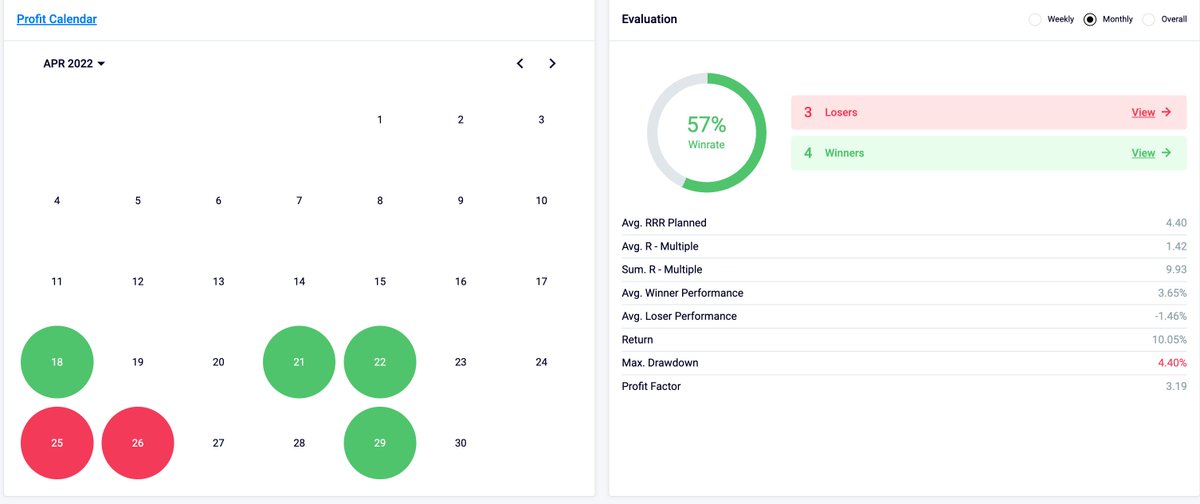
The performance table there are trades missing from the start of the month as I was trading on € account and didn't log them, I took 3 more trades which were 1W, 1L, 1BE making the final results for month at around 12%, that's solid especially since losses I took were avoidable
I was always against swing trading, and I still kinda am, I only switched because I will move and travel in the upcoming months so I won't have that much time to actively monitor trades.
The general issue with swing trading is simple, although I know everyone thinks that they are the best traders alive and the market will obey their s/r lines and indicators and will move for an extended period of time only because there was MA crossover, it's just not true.
Same as with life, if I would ask you what you will do in the next 2 hours you will be pretty certain of the answer, if I ask you what is your plan in the next 2 weeks, well most of you wouldn't be able to tell me. The same applies to markets.
Longer you stay exposed in the positions, the more uncertainty can happen which will influence your positions.On the long scale, markets are moving based on fundamentals, but trading solely based on them is also not the greatest idea as you will have hard time structure the trade
My strategy overall simplified, from reading the tape, looking at footprints, TPO charts and all that to looking at simple horizontal S/R levels in understanding where the fair value of the market is in terms of volume profile and relative volume executed on each bar
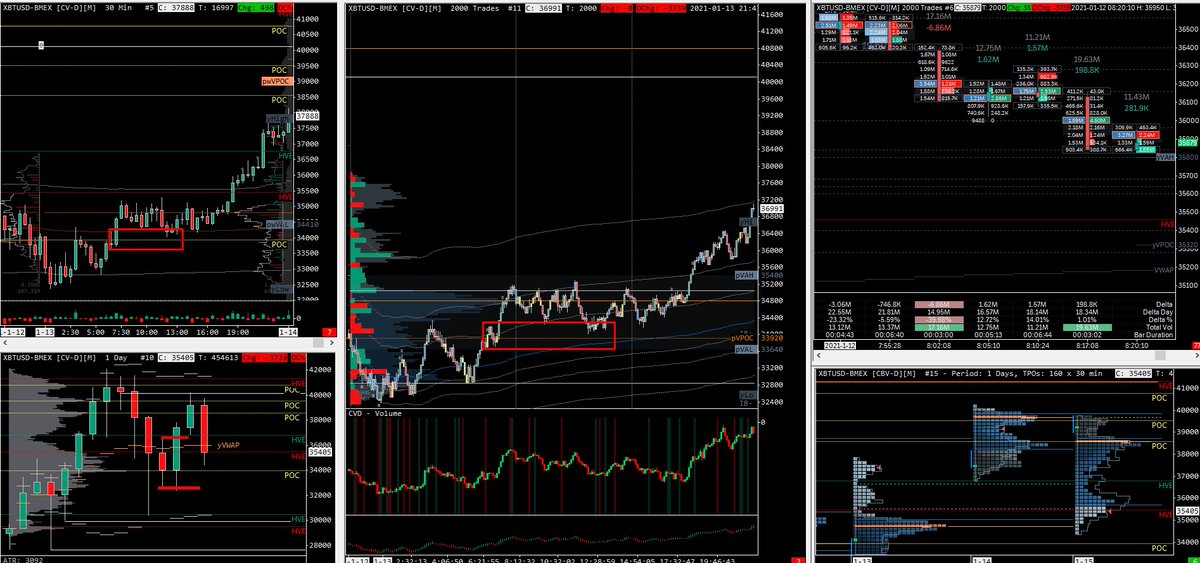
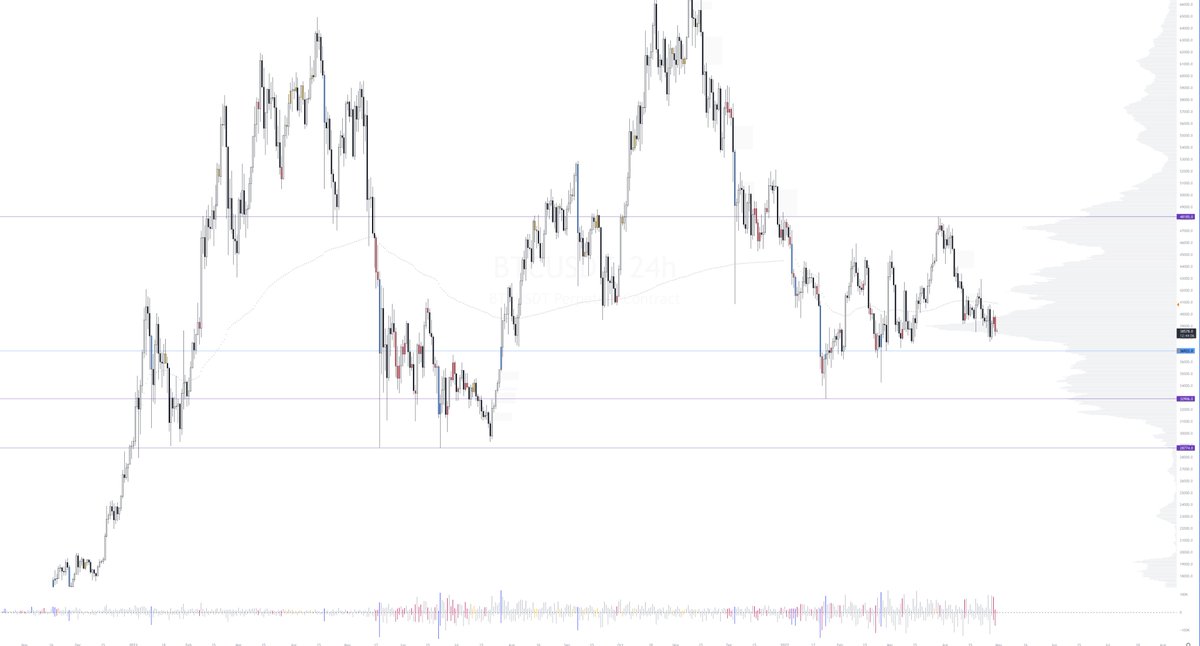
Most people will always talk about "keeping it simple" yet financial markets are everything but simple, without going into too much about how I trade I would say that having realistic expectations is always the most important thing,
if you keeping things simple, you must have sober expectations from your trades, lining up fundamentals with technicals and once in the trade always protecting your risk both to the downside but also watching positions in profit so you won't give back too much
I would still recommend everyone to try and execute trades on lower timeframes tho, you might decrease your win rate a little bit but the R:R will increase highly if you can execute the high timeframe idea on something like 30min chart, ofc if you will go to m1 that's not smart
The few things that are rarely mentioned in swing trading are how much money you actually need and correlations. I ended up with approx 13 markets that are highly correlated all together.
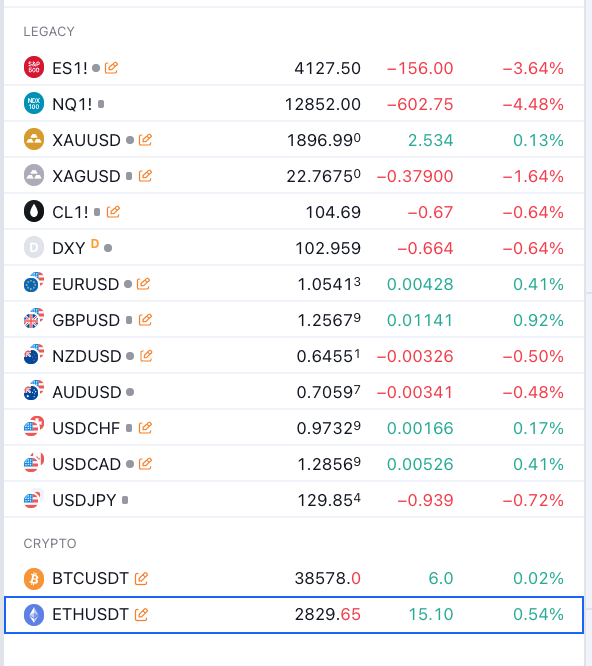
I can't stress enough how important this actually is as for those who don't understand this simple thing can literally ruin your whole account. On day trading basis these correlations tend to very often break, but if you swing long BTC and ETH, you are in one trade
long ES and NQ, or long EUR/USD and GBP/USD are essentially the same things. Because of that you should look at either relationship between two assets or apply more dynamic position sizing to not overexpose yourself.
Money is another topic which not many people tell you about. First of all, I worked way too hard and long to just yolo half my account on trade and hope for the best. I only risked 1% on each trade, I plan to increase this to 2-3% in the next quarter if things go smoothly.
If you daytrade you can run a small account to a big account pretty quickly as you take a lot of trades and everything compounds faster, if you only take a handful of trades in the month it will ofc take much longer.
So if you want to trade this way with very small risk of ruin while making enough money to withdraw something and also compound the account, anything under a 6fig account will be very hard to maintain.
I know this can be harsh truth as people like to sell dreams how you need much money to trade and you can double your account every week but if you actually want to make living out of this without being one trade from liquidation all the time, you need to spread your risk wisely
What I always liked about swing trading is that you get instant feedback from the market, you show up, trade and after couple hours you know if you made or lost money.
Swing trading is pretty much the exact opposite, you just sit and wait, sit more and wait and again wait for more. This is not easy on overall psychology as you might start taking dumb trades just for sake of it.
Every morning I spend around 1-2 hours just looking at charts, really looking at every possibility planning things in advance, writing down things to a physical journal helps a lot.
I briefly look at markets at mid-day mostly to check the watchlist for a day and then around close for the end of the day analysis. In the meantime, I do anything else other than be in front of chats even if I have time for that.
To sum things down, swing trading is definitely not an easy thing that is sold online. Although you are not required to watch charts the whole day, there are much more moving factors coming into your analysis.
As your incoming factors compared to day trading decrease, it gives you much more room to systematize your approach. Now I have much more strict rules that tell me how to mean-revert, trend follow and overall where is good to trade and where it is not.
Half of my losses came from not following those rules. To sum things up I just wanted to highlight something that most people don't mention as you wouldn't be so eager to click on that reff link if you would know trading is actually hard.

Here are some additional resources that can help you in swing trading and tools that you might want to use or not.
tradingriot.com
tradingriot.com
tradingriot.com
tradingriot.com
Loading suggestions...