

Thinking of buying a business?
Read this first:
Read this first:
1/ What should you look for?
Many experts will give you a laundry list of things to look for in a business acquisition
When it comes down to it...
A good business to buy is one that has two things:
1. Financial Stability
2. Opportunity for Growth
Many experts will give you a laundry list of things to look for in a business acquisition
When it comes down to it...
A good business to buy is one that has two things:
1. Financial Stability
2. Opportunity for Growth
2/ Why Financial Stability?
If you’re going to buy a business using a loan,
You need the business to have stable cash flows to repay the loan
If you’re going to buy a business using a loan,
You need the business to have stable cash flows to repay the loan
Buying a business where sales are inconsistent or seasonal,
creates a risk that you might not have the cash to repay the loan
creates a risk that you might not have the cash to repay the loan
Example:
A SaaS business has consistent recurring revenue which makes it stable
A corn farm is very seasonal. If the weather or the crop doesn’t turn out right – you’ve got cash flow problems
A SaaS business has consistent recurring revenue which makes it stable
A corn farm is very seasonal. If the weather or the crop doesn’t turn out right – you’ve got cash flow problems
3/ Opportunity for Growth
When you’re buying a business,
The greatest upside for a buyer lies in growing sales
Sales growth brings higher profits and cash flow
When you’re buying a business,
The greatest upside for a buyer lies in growing sales
Sales growth brings higher profits and cash flow
This is why sometimes buying a business from someone who is about to retire can be a great opportunity
Someone in their 60s isn’t aggressively SELLING and trying to grow the business,
They’re likely “coasting” to retirement
Someone in their 60s isn’t aggressively SELLING and trying to grow the business,
They’re likely “coasting” to retirement
If you’re someone in your 20s, 30s, 40s and have the hustle to SELL and raise prices,
You’ll be able to increase revenues and grow the business
You’ll be able to increase revenues and grow the business
4/ Doing the Analysis
• How do you determine if a business has stability?
• How do you determine if there are growth opportunities?
Your analysis should start with the income statement
Let’s dive into what you should look for
• How do you determine if a business has stability?
• How do you determine if there are growth opportunities?
Your analysis should start with the income statement
Let’s dive into what you should look for
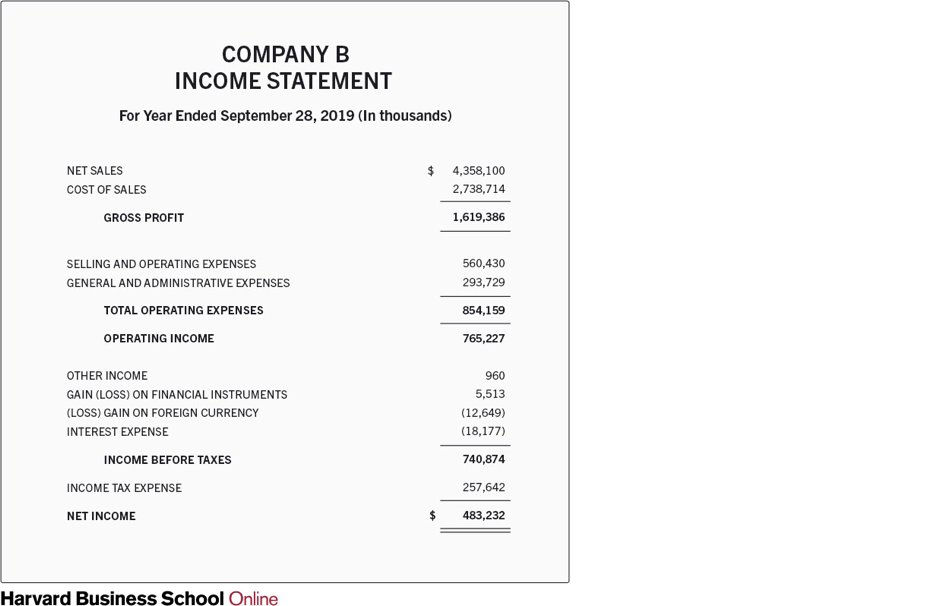
5/ Consistent Financial Performance
When you’re looking at a business to buy,
The first thing you should look for is a CONSISTENT track record of financial performance
When you’re looking at a business to buy,
The first thing you should look for is a CONSISTENT track record of financial performance
What makes LeBron James such a good basketball player?
Because he delivers solid results EVERY night
Because he delivers solid results EVERY night
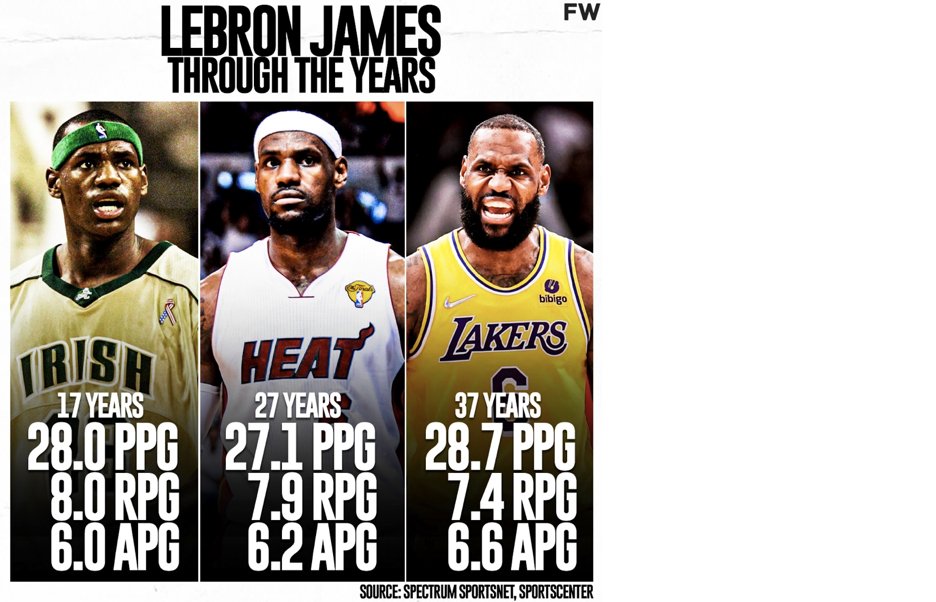
Your target business should do the same thing
Don’t look at just one year of financial performance
Look at the last 3 to 5 years of financial performance
Don’t look at just one year of financial performance
Look at the last 3 to 5 years of financial performance
Ask yourself the following questions:
1. Is revenue growing?
➡️ This is GREAT! 😃
2. If revenue is not growing, is it consistent?
➡️ This is good! 🙂
3. If revenue is decreasing year over year
➡️ This is NOT good 🙁
1. Is revenue growing?
➡️ This is GREAT! 😃
2. If revenue is not growing, is it consistent?
➡️ This is good! 🙂
3. If revenue is decreasing year over year
➡️ This is NOT good 🙁
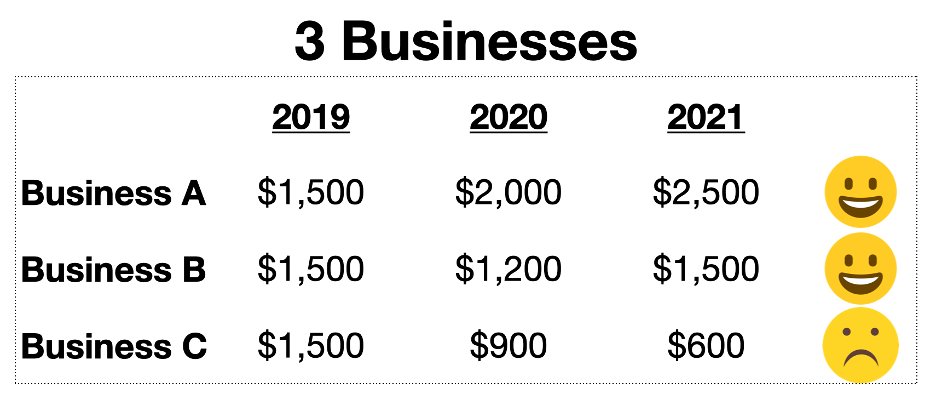
If revenue is down in one year, it can be excused if there is a legitimate reason
For example, a lot of businesses saw their revenues decline in 2020 due to COVID
For example, a lot of businesses saw their revenues decline in 2020 due to COVID
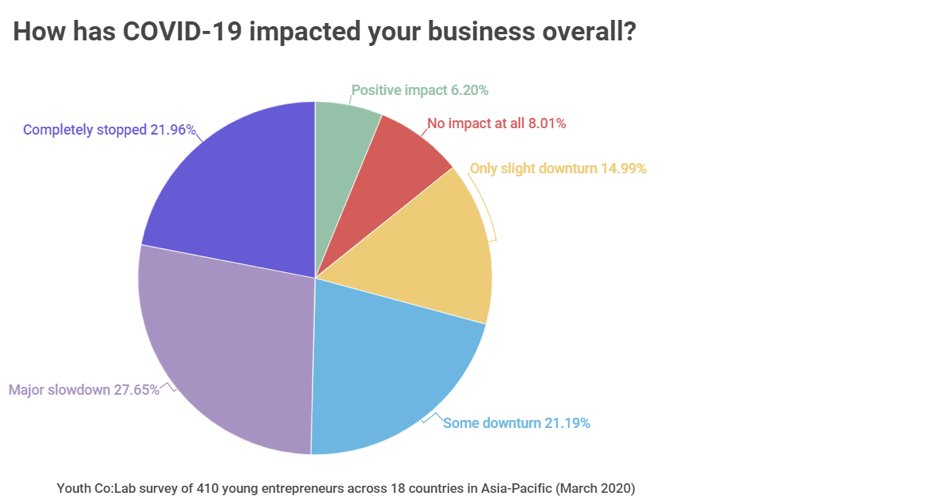
Does this mean there is something wrong with the business?
No.
COVID was an aberration that affected all businesses
If the financial performance of a business normalizes after COVID, it is still a good business
No.
COVID was an aberration that affected all businesses
If the financial performance of a business normalizes after COVID, it is still a good business
5/ Normalizing Financial Performance
Aside from COVID, there are other adjustments that you will need to make to the income statement of a business
In finance speak, these are called “normalization adjustments”
These adjustments are made to:
• Revenues
• Expenses
Aside from COVID, there are other adjustments that you will need to make to the income statement of a business
In finance speak, these are called “normalization adjustments”
These adjustments are made to:
• Revenues
• Expenses
Why make adjustments?
Adjustments seek to eliminate revenue and expense items that are non-recurring or unrelated to the business
They help you see the "true" earnings potential of a business
Adjustments seek to eliminate revenue and expense items that are non-recurring or unrelated to the business
They help you see the "true" earnings potential of a business
6/ Revenue Adjustments
Remove any revenue items that are "one time" in nature and won’t occur again
For example:
• Gains from the sale of an asset
• Sales of goods/services that are not core to the business
• Revenue earned from a one-time order that will not repeat
Remove any revenue items that are "one time" in nature and won’t occur again
For example:
• Gains from the sale of an asset
• Sales of goods/services that are not core to the business
• Revenue earned from a one-time order that will not repeat
Example:
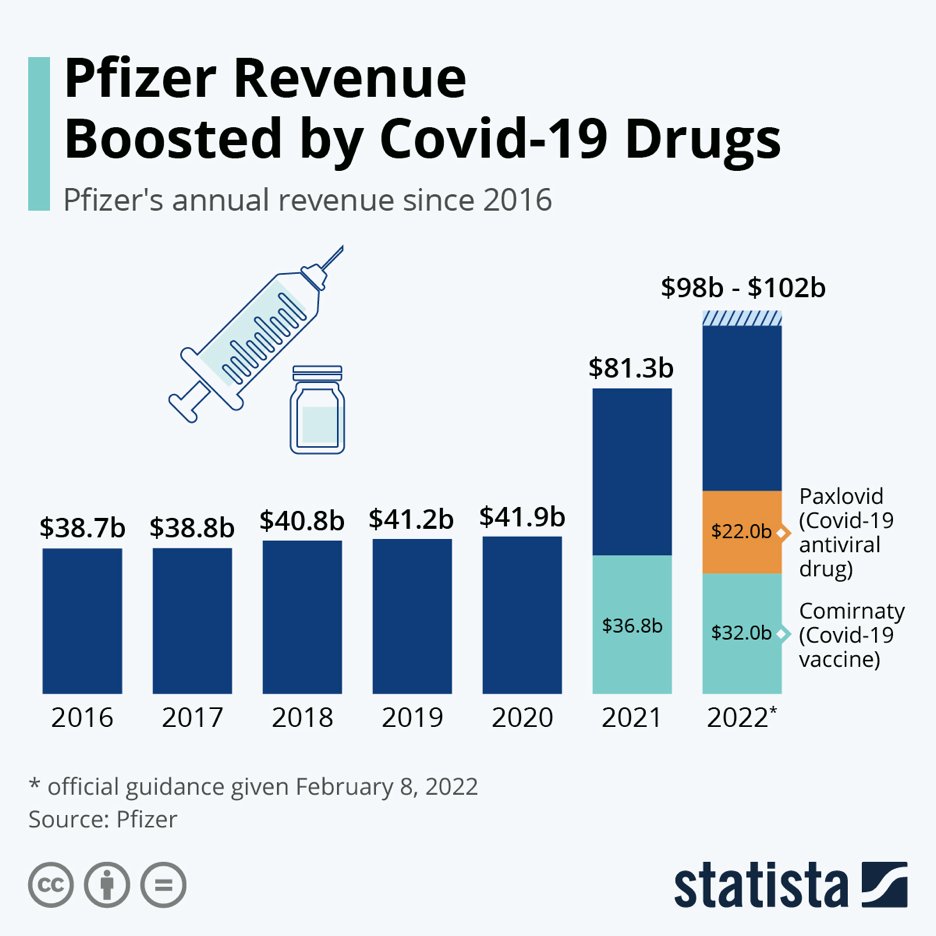
For Pfizer, the sale of the COVID vaccine was something the company didn’t expect to earn
If we don’t need COVID vaccines going forward, the revenue Pfizer earned from COVID vaccines likely won’t be repeated
For Pfizer, the sale of the COVID vaccine was something the company didn’t expect to earn
If we don’t need COVID vaccines going forward, the revenue Pfizer earned from COVID vaccines likely won’t be repeated
7/ Expense Adjustments
Remove any expense items that are "one time" in nature and won’t occur again
For example:
• Owner’s personal expenses
• One-time costs that won’t occur again
Remove any expense items that are "one time" in nature and won’t occur again
For example:
• Owner’s personal expenses
• One-time costs that won’t occur again
If the current owner is paying for personal expenses through their business
Those expenses should be removed as they understate the true profitability of the business
Those expenses should be removed as they understate the true profitability of the business
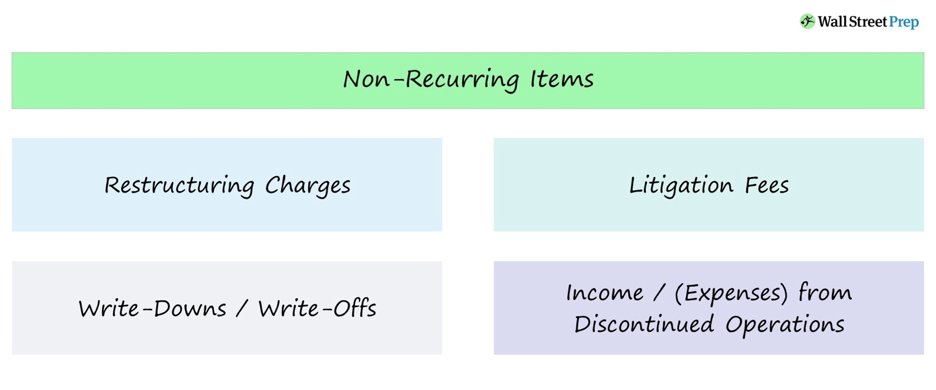
Other examples of one-time expenses that won’t occur again include:
• Litigation fees that won’t repeat
• Write-downs of assets due to a decrease in value
• Litigation fees that won’t repeat
• Write-downs of assets due to a decrease in value
8/ After Normalization
After you’ve made normalization adjustments for revenue and expense items
You will be able to tell if the business you’re thinking of buying is a worthwhile investment
After you’ve made normalization adjustments for revenue and expense items
You will be able to tell if the business you’re thinking of buying is a worthwhile investment
1. Does it have stable cash flows to repay a loan?
2. Are there growth opportunities?
3. Will this be financially rewarding for you as a business owner?
2. Are there growth opportunities?
3. Will this be financially rewarding for you as a business owner?
9/ Information Asymmetry
In every acquisition, the devil is always in the details
Why?
In every acquisition, the devil is always in the details
Why?
Because of “Information Asymmetry”
If you’re buying a business,
As a buyer, you will always have less information than the seller
If you’re buying a business,
As a buyer, you will always have less information than the seller
If the seller has been running the business for a while, they likely know where the skeletons are buried
As a buyer, you can try and unearth these skeletons in due diligence
As a buyer, you can try and unearth these skeletons in due diligence
But sometimes, if a seller really wants to hide something from you, they might be able to do it
It’s just the nature of the game
A business acquisition is not a risk-free endeavor
It has risk
It’s just the nature of the game
A business acquisition is not a risk-free endeavor
It has risk
Example:
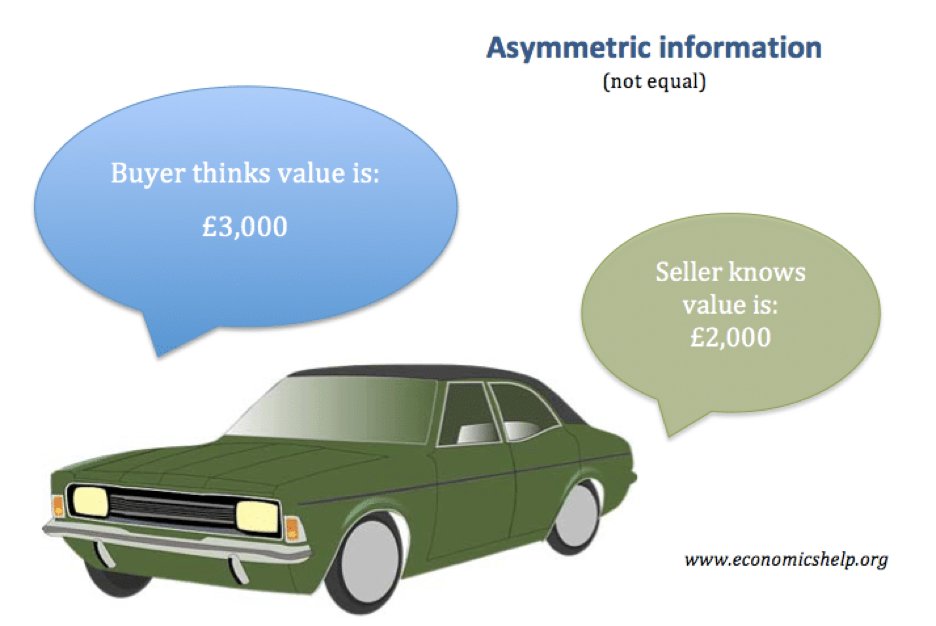
Buying a used car.
You see a car listed for $3,000 and you think it’s a great deal!
The seller knows the car is actually only worth $2,000 but will sell it to you for $3,000
Buying a used car.
You see a car listed for $3,000 and you think it’s a great deal!
The seller knows the car is actually only worth $2,000 but will sell it to you for $3,000
TL;DR
Things to look for when buying a business:
• Stability
• Opportunity for growth
• Consistent Financial Performance
• Make Normalizing Adjustments
• Revenue Adjustments
• Expense Adjustments
• Beware of Information Asymmetry
Things to look for when buying a business:
• Stability
• Opportunity for growth
• Consistent Financial Performance
• Make Normalizing Adjustments
• Revenue Adjustments
• Expense Adjustments
• Beware of Information Asymmetry
If you learned something new in this thread, retweet it!
Make sure you follow @AliTheCFO
I tweet about:
• Finance
• Business
• Personal Growth
Make sure you follow @AliTheCFO
I tweet about:
• Finance
• Business
• Personal Growth
Loading suggestions...