
During the Bush and Obama eras I felt like I was very much in tune with, and part of, coastal urban educated liberal American culture.
Since the Trump era, I've felt increasingly alienated from that culture.
Since the Trump era, I've felt increasingly alienated from that culture.
This is not because I've become more conservative; I haven't.
Nor is it because liberals started supporting political positions I disagree with. There was always some political stuff I disagreed with, and there still is, but overall not a huge amount.
Nor is it because liberals started supporting political positions I disagree with. There was always some political stuff I disagreed with, and there still is, but overall not a huge amount.
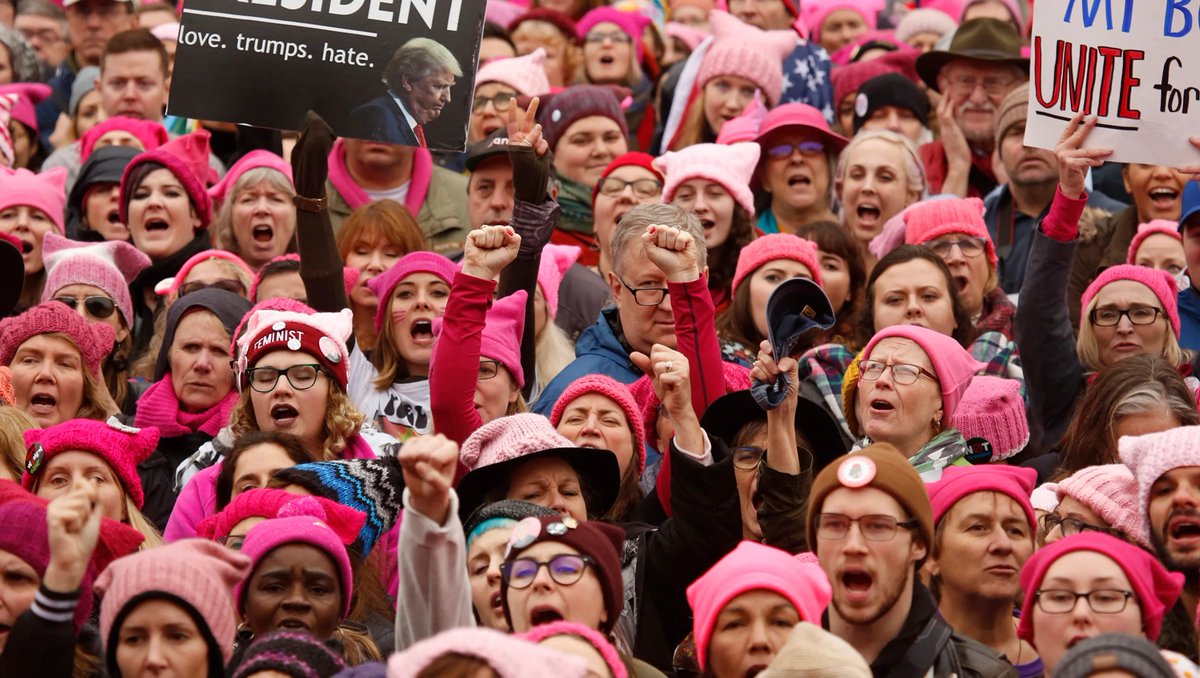
I think this was the first moment I started feeling alienated. These hats. I can't quite articulate why, but I felt that they were offensive and stupid. A little thing, but for some reason the memory stuck with me.
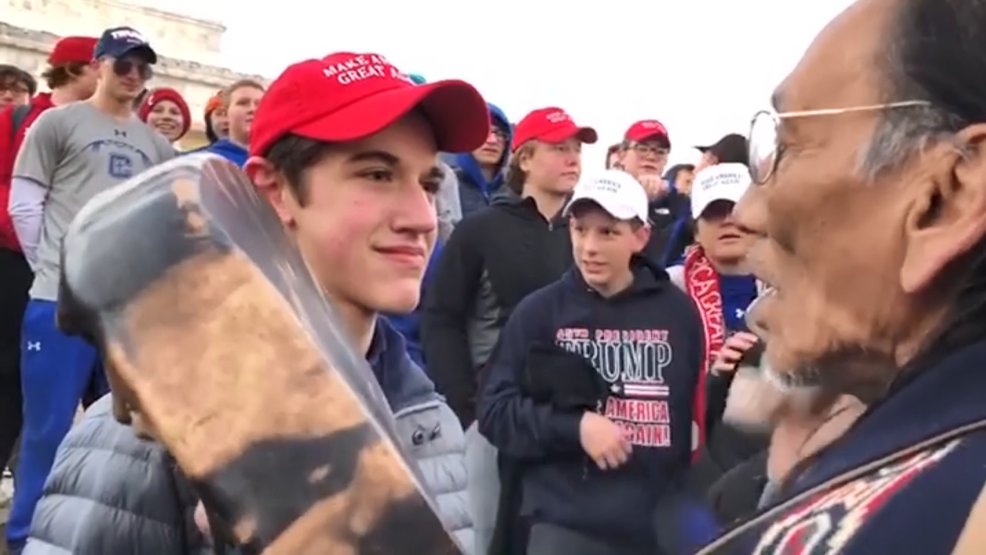
Then there was the obsession with "political" events that I felt had no real political significance. Like when people obsessed over this mildly annoying kid for a week.
Even political events that really *were* important started to be discussed in ways that felt counterproductive and unpleasant. It felt like talking to right-wing Texans in my hometown back in the 90s.
There has always been an element of political performativity in educated liberal culture (and in other American subcultures), but it was tolerable and even pleasant in moderation.
But then it sort of took over everything, often in grossly annoying and hypocritical ways.
But then it sort of took over everything, often in grossly annoying and hypocritical ways.
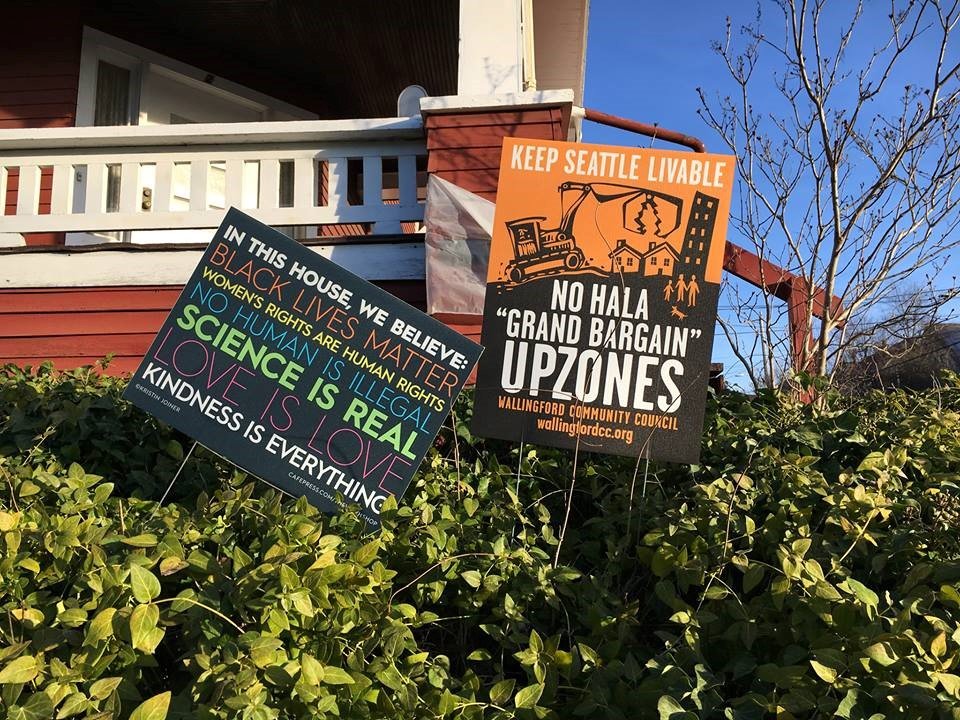
A telling moment came when my friend, a Chinese American woman working at a big-ish tech company, said the word "Latino" and was harshly admonished by her White male boss to say "Latinx".
politico.com
politico.com
Again, the point here is not that liberal politics became worse (though all politics in America became worse to some degree).
The point is that this sort of shallow, Hashtag-Resistance politics started spilling offline and regularly infecting my non-political interactions.
The point is that this sort of shallow, Hashtag-Resistance politics started spilling offline and regularly infecting my non-political interactions.
Increasingly it felt like there was very little in educated liberal circles *besides* politics. People no longer talked much about music or art or economics. Even discussions about personal stuff became somewhat less common, replaced by (or projected onto) political discussions.
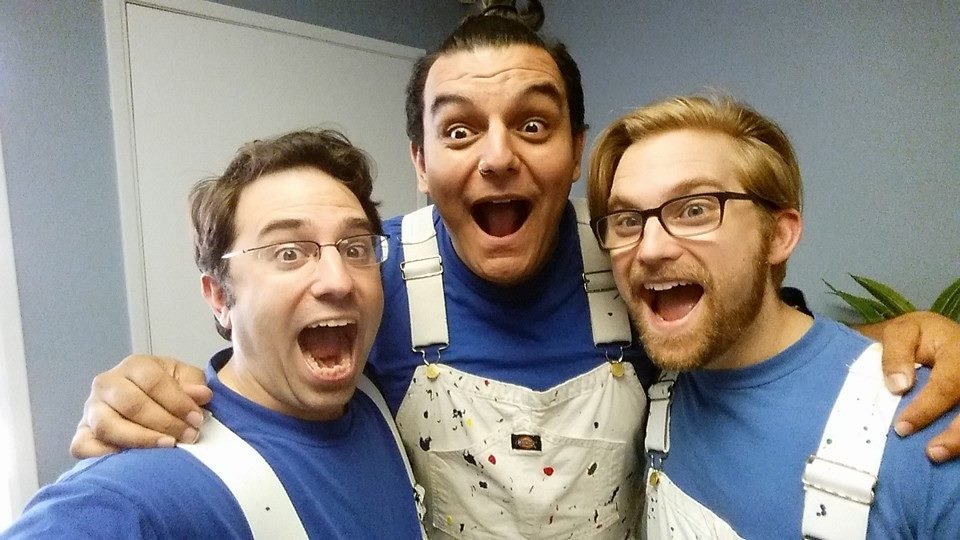
I felt like the "faux-excited white guy face" had become an extended metaphor for the whole culture -- a bunch of people who were not just pretending to care, but for whom forcing others to pretend to care had become an elaborate social game.
Of course, online was far worse. I remember seeing some white girl writing a long dramatic post on FB about how someone had given her a qipao, but wearing it would be appropriation, so she was looking for a person of Chinese descent to take the dress off her hands.
And offline, I did not see any serious attempts to engage with the segments of society that had traditionally been excluded and marginalized.
I didn't see many Black folks at these people's backyard get-togethers.
I didn't see many Black folks at these people's backyard get-togethers.
There was nothing dangerous about this new educated liberal coastal professional culture. Nothing radical. I know some folks with actually radical politics. These were nothing of the sort. They were Episcopalians dressed up for Sunday church.
Part of this is aging -- economically successful 30somethings are inherently less radical than struggling 20somethings. But I do make an effort to hang out with people of various ages, and I felt much more at ease in 30something liberal educated culture in 2011.
Covid intensified the trend. I was a (very vocal) supporter of lockdowns in the early days. But as it became clear that Omicron made lockdowns infeasible and vaccines became available, performatively saying "Oh, if only we would LOCK DOWN" became a common topic of discussion.
Basically, to imagine what these interactions were like, just take Arthur Chu's silliest tweets and dial it down by a factor of 3 or so.

None of these people wanted to lock down, and in fact the ones who had kids all wanted their kids out of the house and back in school ASAP. But at the same time, performatively sighing that we could have stamped Covid out in the early days (LOL!) became de rigueur.
None of this has given me the slightest desire to support Donald Trump, to vote Republican, to embrace conservative culture-war positions, or to join the Intellectual Dark Web.
What it HAS given me the desire to do, is to move out of the country for a while.
What it HAS given me the desire to do, is to move out of the country for a while.
Educated coastal liberals are my people...that is my American subculture. Realistically if I don't fit in there, there's no other place in America I'm going to fit in.
And don't tell me to get with the grill-pilled socialists who sit around shitting on Democrats all day. It's laughable to think that those folks are meaningfully different than the people I'm talking about. (Plus they're only online.)
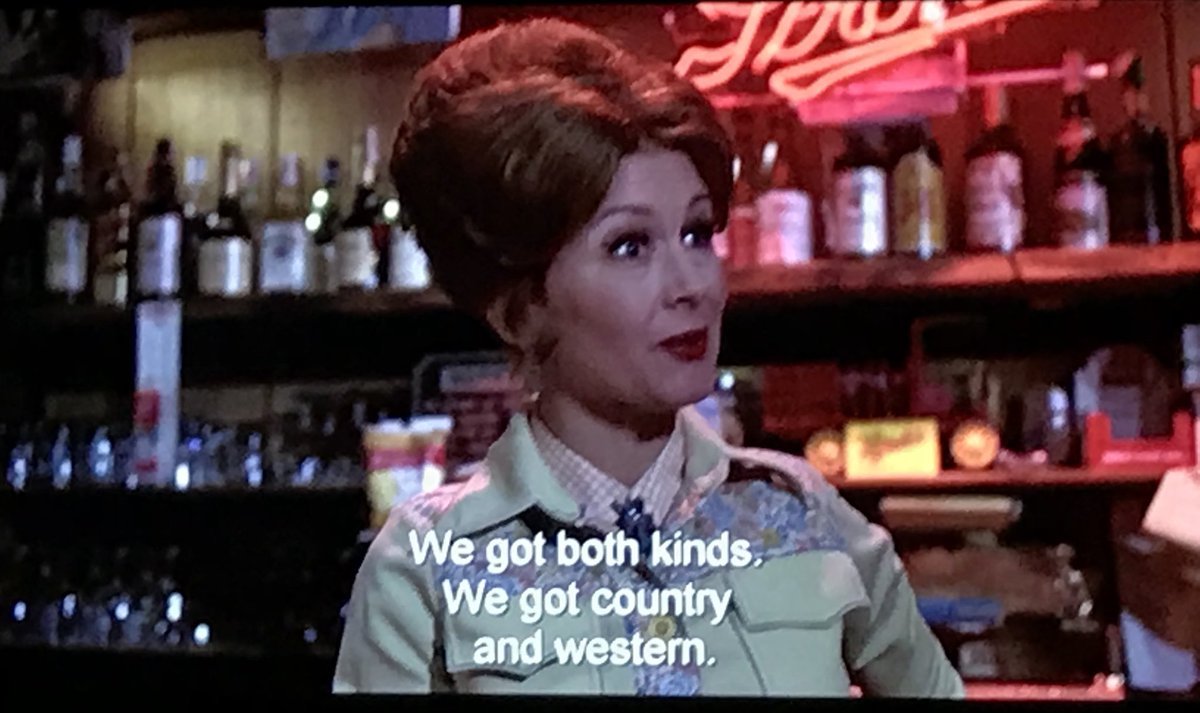
I know that a reasonably large percentage of my fellow coastal urban educated liberals feel the same way I do, but they keep it under their hat, just like if you were a well-to-do Episcopalian in Massachusetts in 1820 you went to church because everyone else went to church.
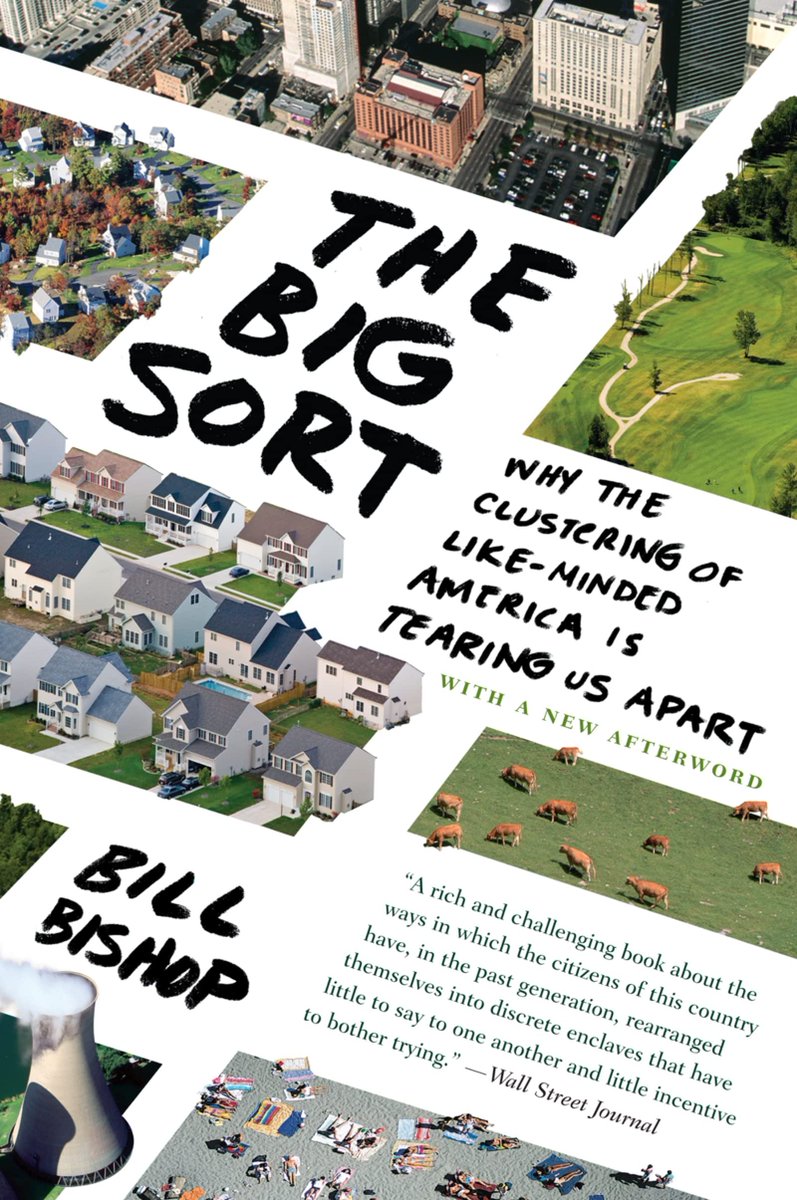
Maybe by segregating ourselves from the rest of America in coastal urban and college-town enclaves, educated liberals escaped conservative flyover country only to turn ourselves into something equally conformist and boring. I don't know.
I don't have any prescriptions or suggestions or takeaways here. And I'm sure my analysis of American culture was clumsier than people who write about this for a living.
But I think lots of other people feel like me, and there's an urge to walk away...somewhere.
(end)
But I think lots of other people feel like me, and there's an urge to walk away...somewhere.
(end)
Loading suggestions...