

The best way to trade any market is understanding its trend direction.
Best way to understand downtrend and trade it
Thread
Best way to understand downtrend and trade it
Thread
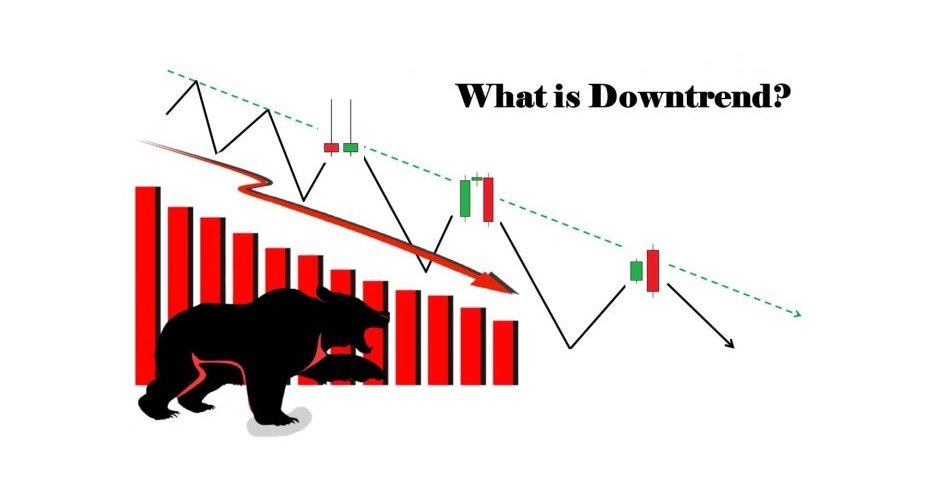
The trend is a favorite dish of professional traders. As long as the market has a clear trend, they will probably make money. I mentioned everything about an uptrend on previous 🧵. And now, I’ll introduce you to the downtrend and how to open safe Forex orders with a downtrend.
What is a downtrend in Forex? What are its common features? A downtrend is the bearish trend of the market. The price keeps falling for a long time. It creates lower troughs after troughs and lower peaks after peaks.

In technical analysis, a downtrend is also known as the Bear market. Common features of a downtrend
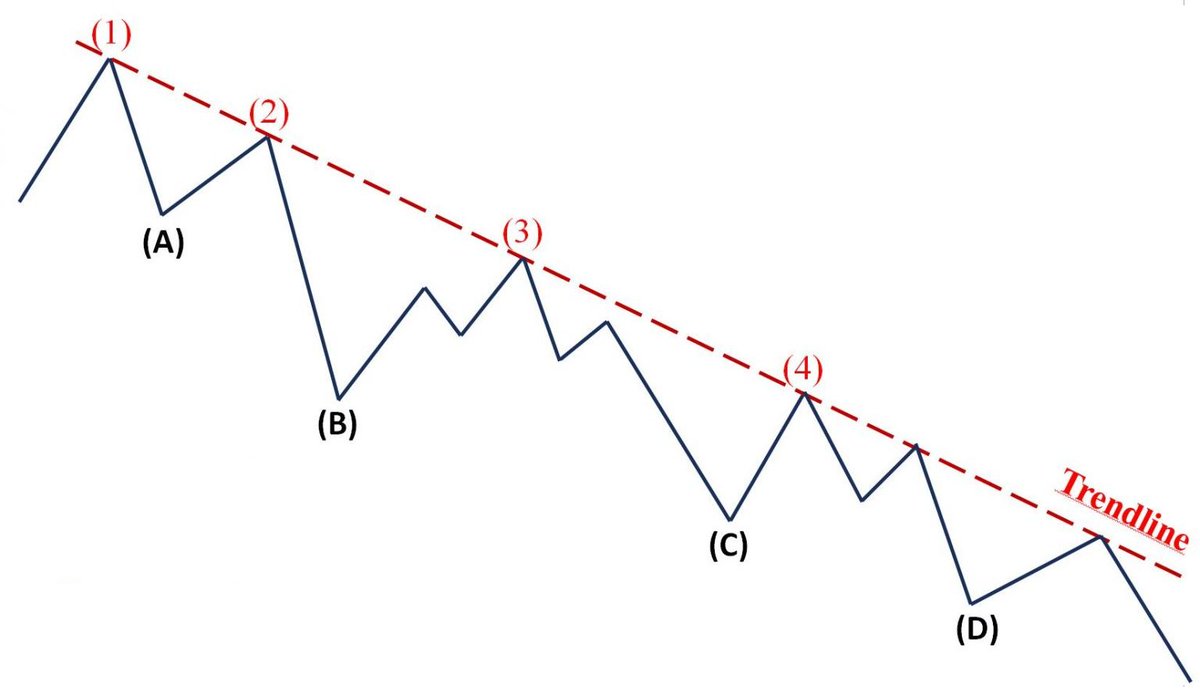
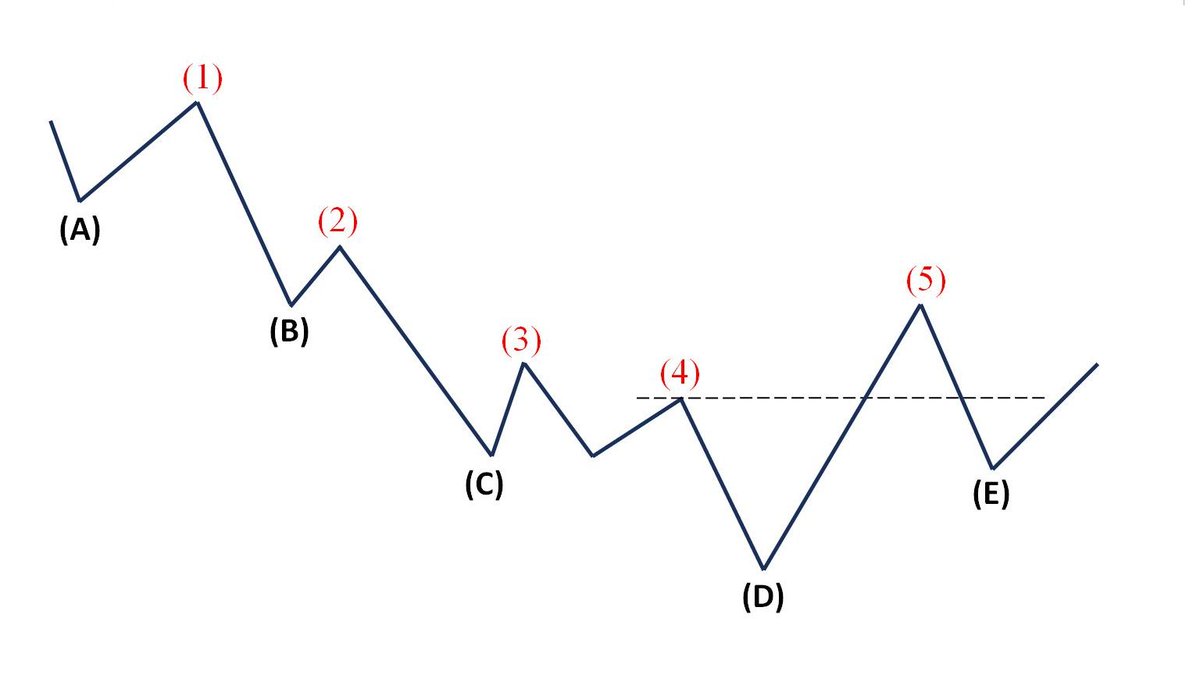
+ The following trough is lower than the previous trough. Trough (B) is lower than trough (A) and trough (C) is lower than trough (B).
+ The following trough is lower than the previous trough. Trough (B) is lower than trough (A) and trough (C) is lower than trough (B).
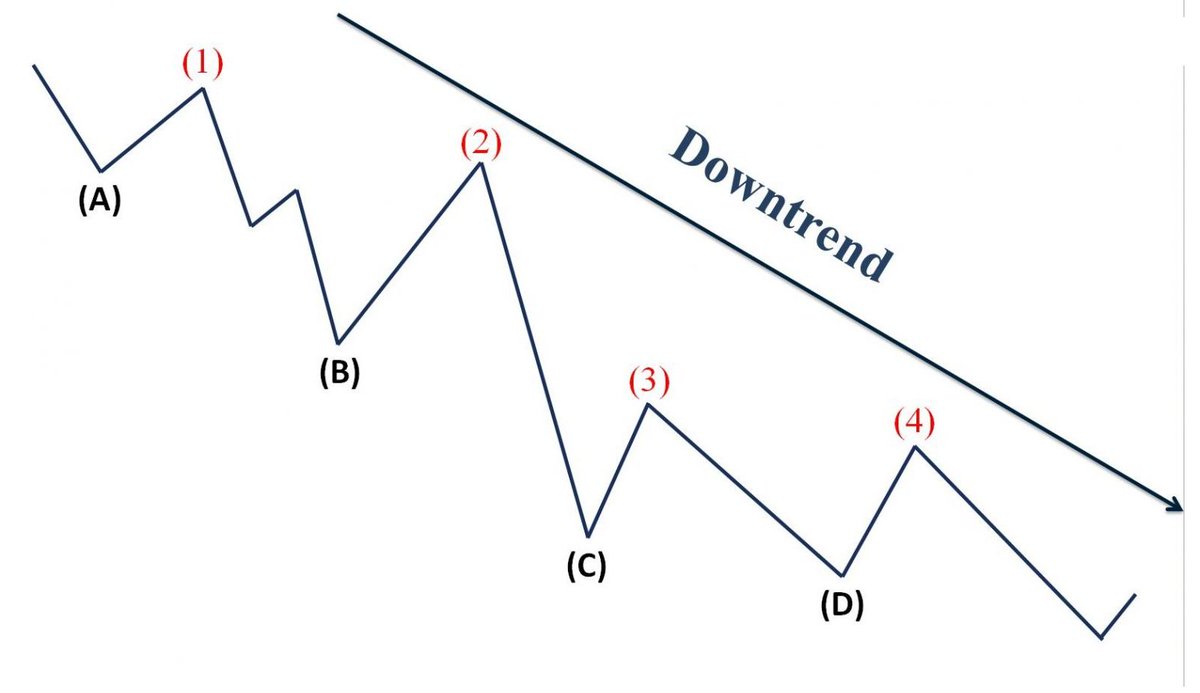
Just like that, the following troughs will be lower than the previous ones. The following peak is lower than the previous peak: Peak (2) is lower than peak (1) and peak (3) is lower than peak (2). The market continuously creates lower peaks after peaks.
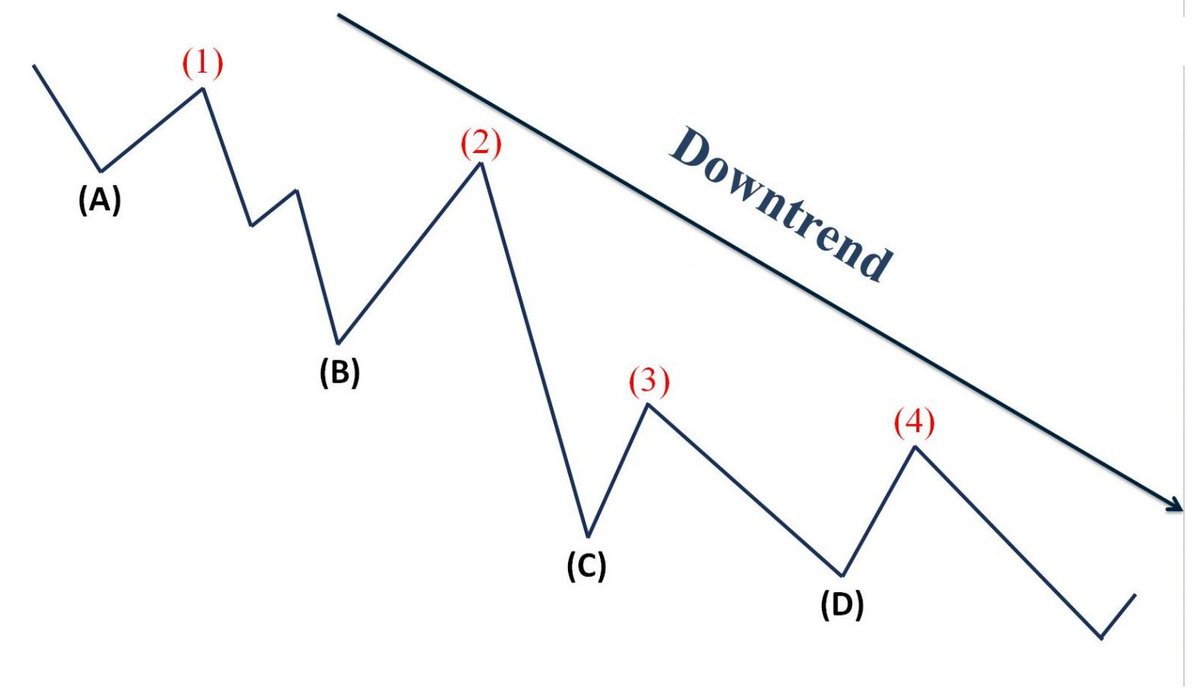
When both signals appear, you can be sure the market has entered a downtrend.
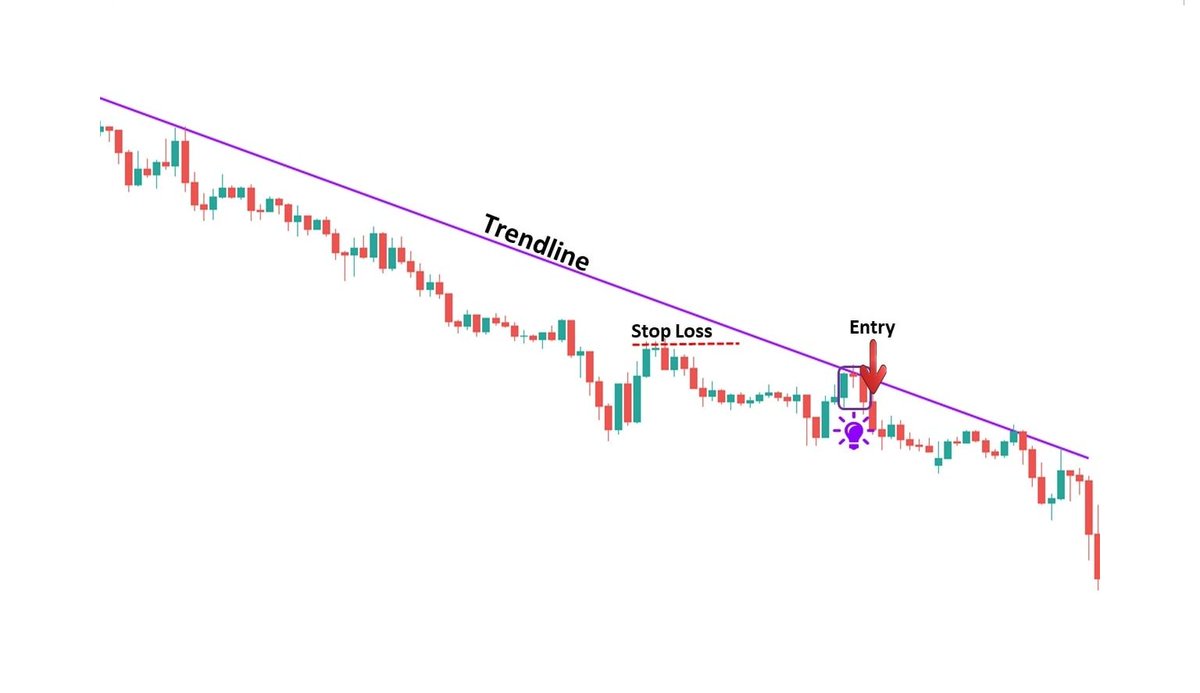
Pattern 1: A downtrend in which you can draw a trendline. This is the most classic downtrend pattern and the most perfect one in technical analysis. What is a trendline? In a downtrend, the bearish trendline will connect the peaks together.
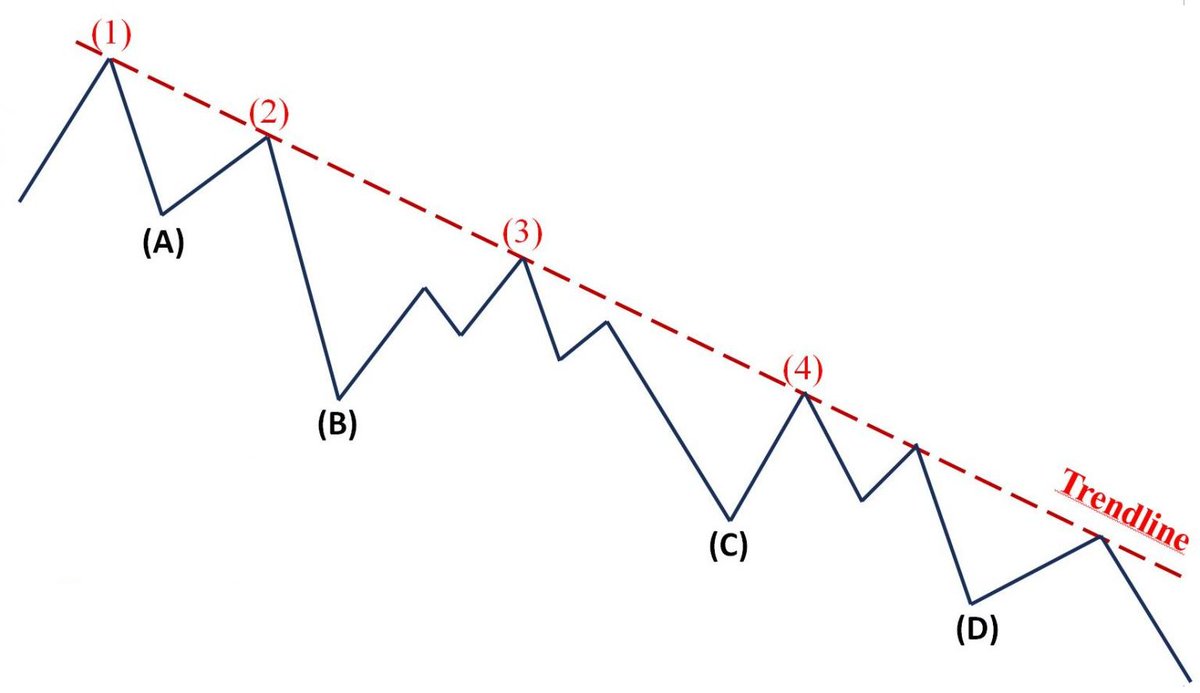
It acts as a resistance level for the market in a downtrend. You just need to draw a straight line downwards connecting the 3 peaks together. So you will have a Trendline in a downtrend. And when the price touches the trendline, it will fall back.
Pattern 2: The price breaks out of the support, drops, and enters a downtrend. This is a recognizable downtrend pattern that is very popular in the market. The price breaks out of the support and goes down. After that, it retests that broken support level
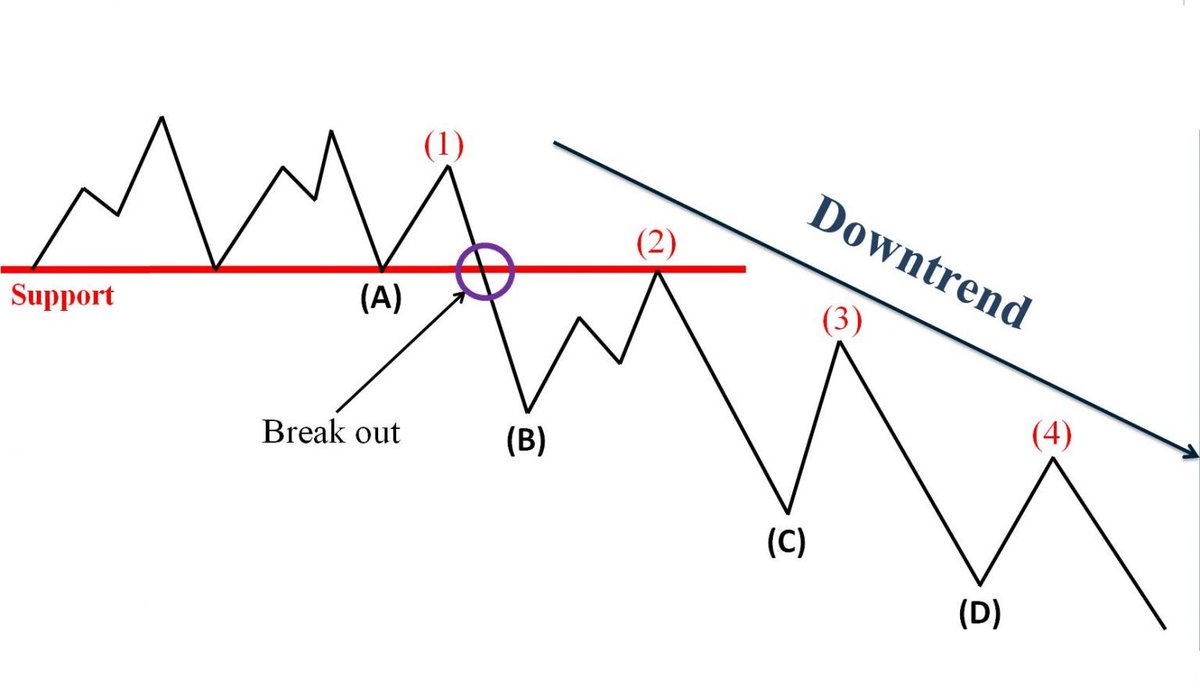
(which becomes a resistance level after the breakout). Pattern 3: Downtrend and Retest
This is also one of the very common patterns when the market forms a downtrend. The price will keep falling, creating lower troughs after troughs.
This is also one of the very common patterns when the market forms a downtrend. The price will keep falling, creating lower troughs after troughs.
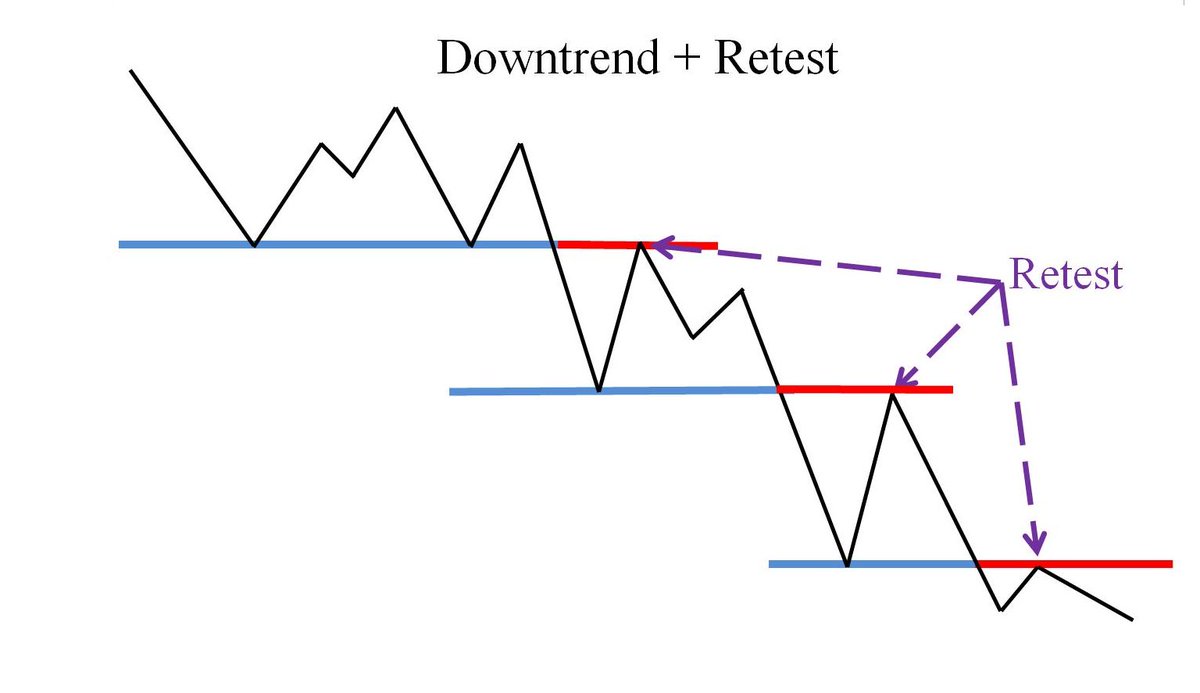
And each time the price falls out of a trough, it will retest the trough just crossed. It will then continue to fall. This process repeats itself many times.
When is a downtrend over?
Answers: It is when the principles of a downtrend are broken. The previous peak and trough are no longer lower than the previous ones => The downtrend has ended. When a downtrend ends, the market will likely fall into two cases.
Answers: It is when the principles of a downtrend are broken. The previous peak and trough are no longer lower than the previous ones => The downtrend has ended. When a downtrend ends, the market will likely fall into two cases.
It will either move sideways or return to an uptrend. Strategy 1: Trade Forex with the Trendline in a downtrend This is the most effective trading strategy in a downtrend when you can draw a Trendline. The only thing you need is for the price to touch the Trendline and go down.
Then, if one of the above 3 signal candles appears, open a SELL order.
Entry Point: Right after the price finishes creating a signal candlestick pattern like Evening Star (or Bearish Engulfing, Bearish Pin Bar) while touching the Trendline.
Entry Point: Right after the price finishes creating a signal candlestick pattern like Evening Star (or Bearish Engulfing, Bearish Pin Bar) while touching the Trendline.
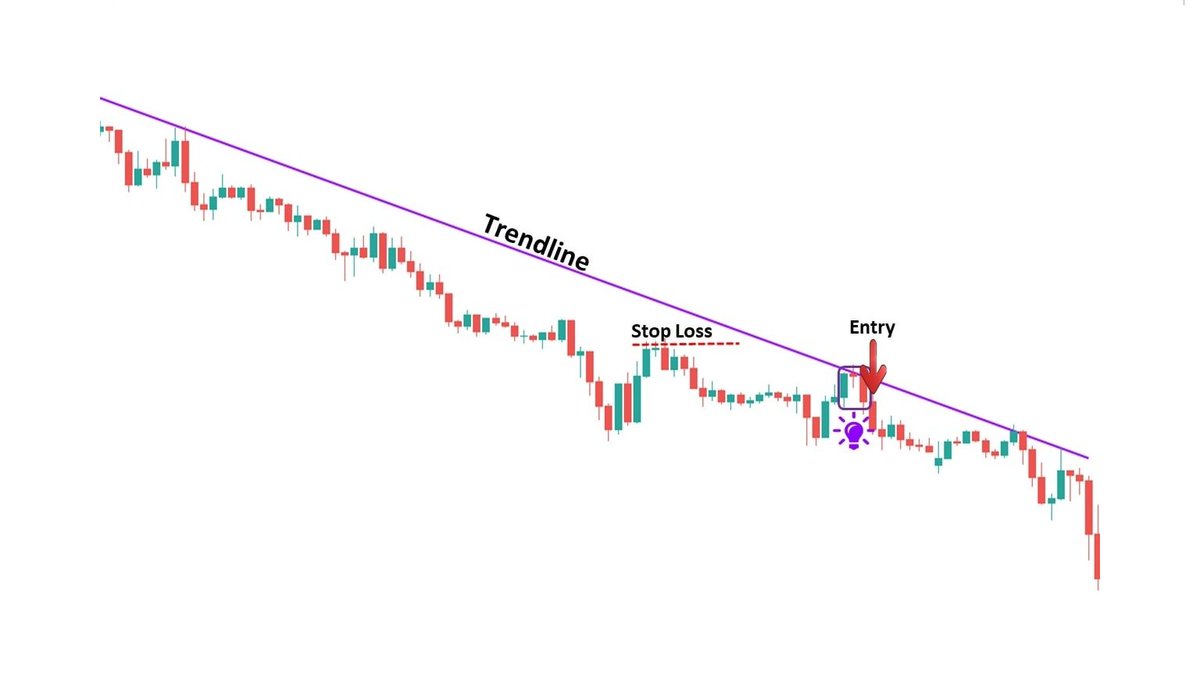
Stop-Loss: At the nearest peak before the price touches the Trendline.
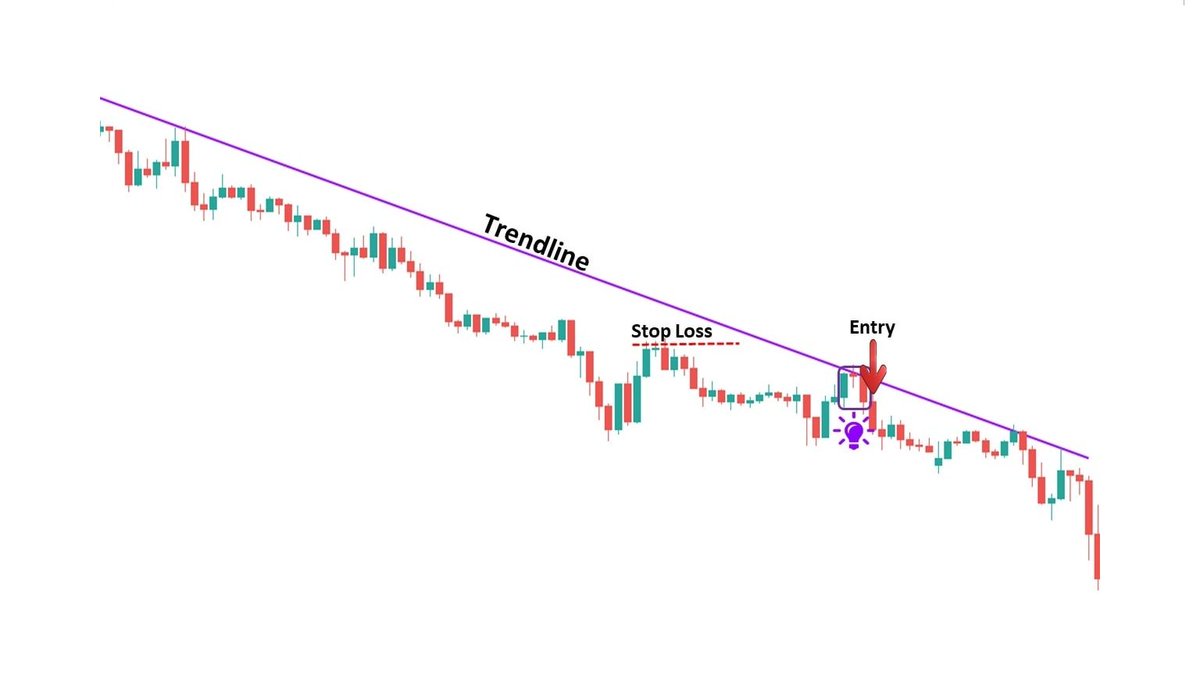
Take-Profit: You should take profits when the price touches support levels that have been formed in the past.
Take-Profit: You should take profits when the price touches support levels that have been formed in the past.
Strategy 2: Trade using Retest and Breakout in a downtrend
This is a very safe trading strategy. It is when the price shows signs of breaking out of the support and going down, creating a downtrend. Wait patiently for the Retest point.
This is a very safe trading strategy. It is when the price shows signs of breaking out of the support and going down, creating a downtrend. Wait patiently for the Retest point.
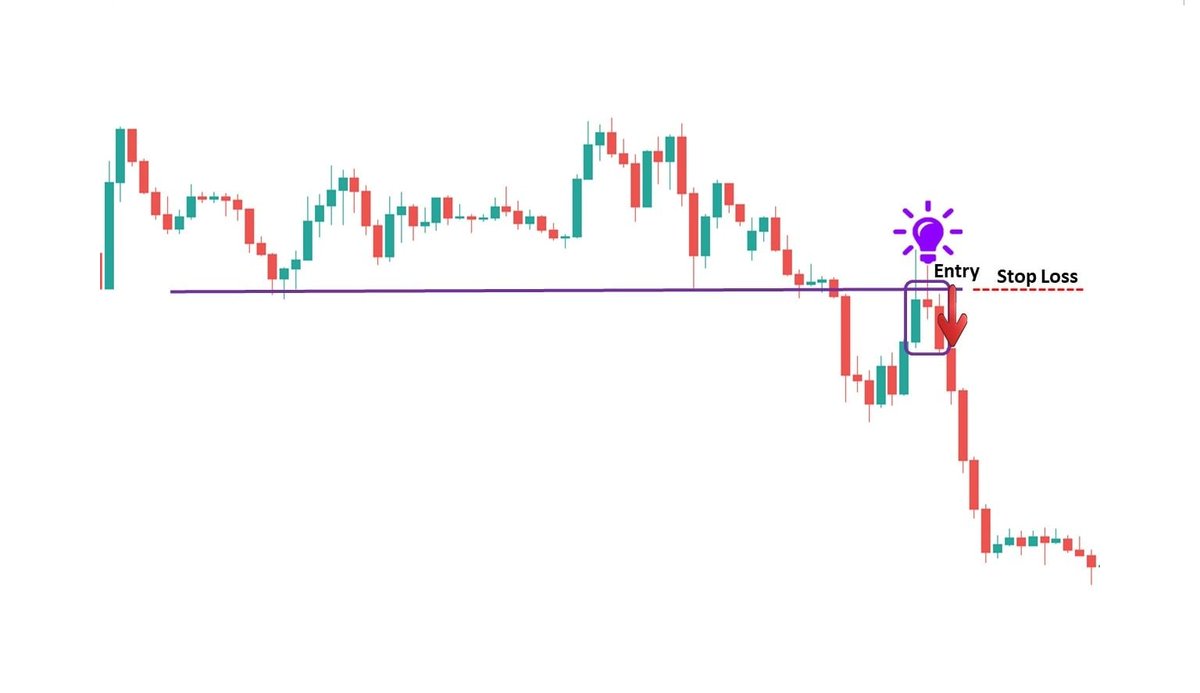
As soon as the retest appears and the price creates one of 3 signal candlestick patterns that I introduced above, you can consider opening a SELL order as follows:
Entry Point: Right after the price finishes creating a signal candlestick pattern like Evening Star (or Bearish
Entry Point: Right after the price finishes creating a signal candlestick pattern like Evening Star (or Bearish
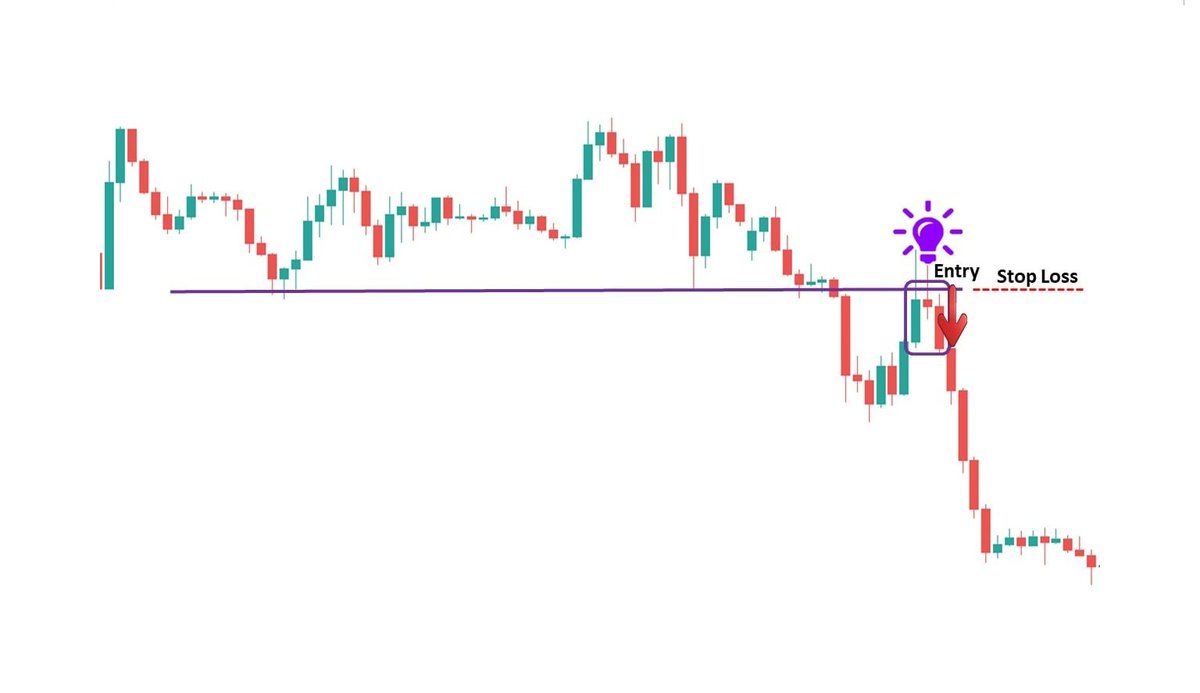
Engulfing, Bearish Pin Bar) while retesting the newly formed resistance (old support).
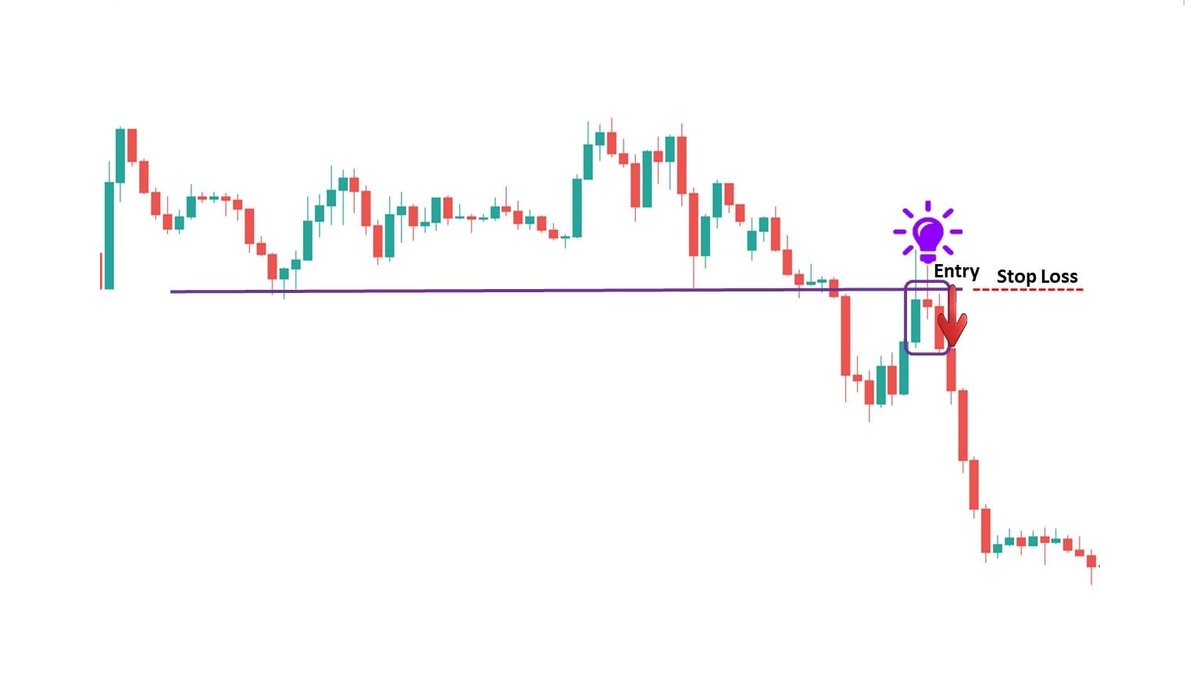
Stop-Loss: At the resistance level that has just been retested by the price.
Take-Profit: You should take profits when the price touches support levels that have been formed in the past.
Stop-Loss: At the resistance level that has just been retested by the price.
Take-Profit: You should take profits when the price touches support levels that have been formed in the past.
Loading suggestions...