
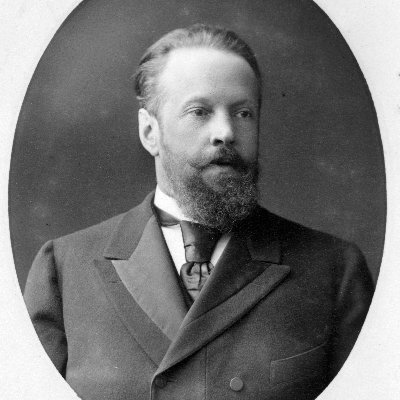
Thread: Russia's Dual Revolution
In the last thread, we looked at how the Tsar was removed from power by the coordinated action of Army leadership and the political elites in Petrograd. Now we will continue following Russia's path to the unlikely Bolshevik monopoly on power. (1)
In the last thread, we looked at how the Tsar was removed from power by the coordinated action of Army leadership and the political elites in Petrograd. Now we will continue following Russia's path to the unlikely Bolshevik monopoly on power. (1)
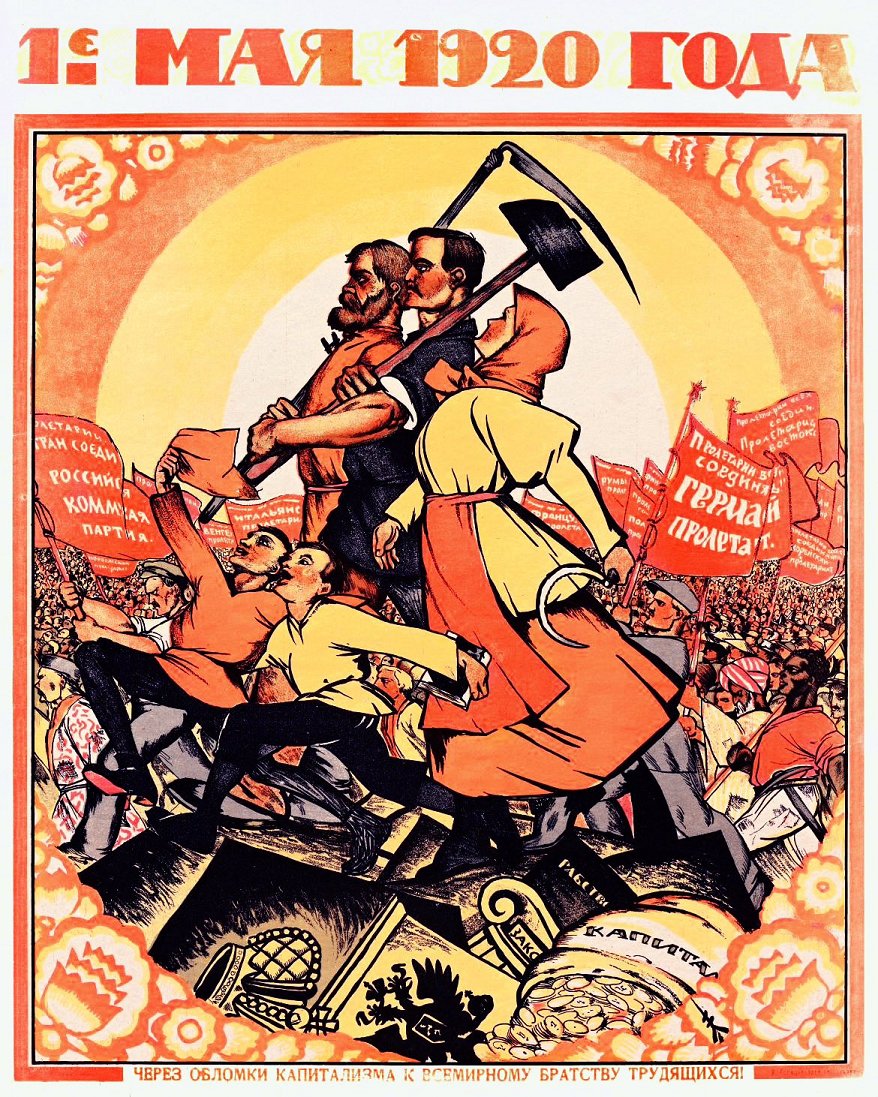
The abdication of Tsar Nicholas II was brought about by Duma elites in the capital, who used a workers' protest and a garrison mutiny to rope army leadership into a plot to remove the monarch. However, these Duma elites quickly found themselves swept away along with the Tsar. (2)
After Nicholas and his son Alexei abdicated, the next man up among the Romanov's was the former Tsar's brother, Grand Duke Michael Romanov. Michael had never expected to rule and wanted no part of the chaos in the capital. Duma leaders quickly converged on him. (3)

Grand Duke Michael was badgered into signing the powers of the autocrat over to an emerging "Provisional Government." This "transfer of power" was a complete farce. Michael was not the tsar and had no powers to hand over, and the Provisional Government did not really exist. (4)

This theatrical transfer of power from the former tsar's brother became the entire legal basis for the authority of the government that was forming on an ad-hoc basis in Petrograd, comprised of Duma members who were predominately classical liberals in the western sense. (5)
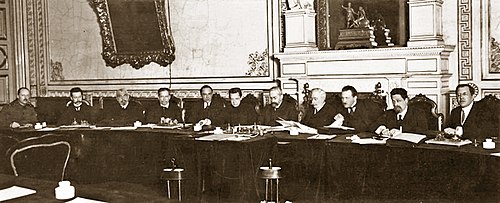
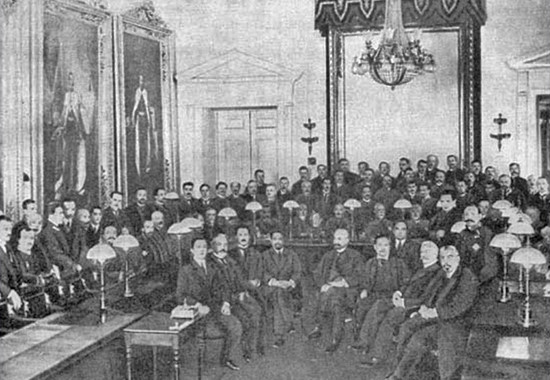
The Provisional Government was essentially nonsense. It was not clear where its authority came from. The Duma was the only nationally elected body in the empire, but the government now attempted to cut the Duma out, leaving them - like the Tsar - without a democratic mandate. (6)
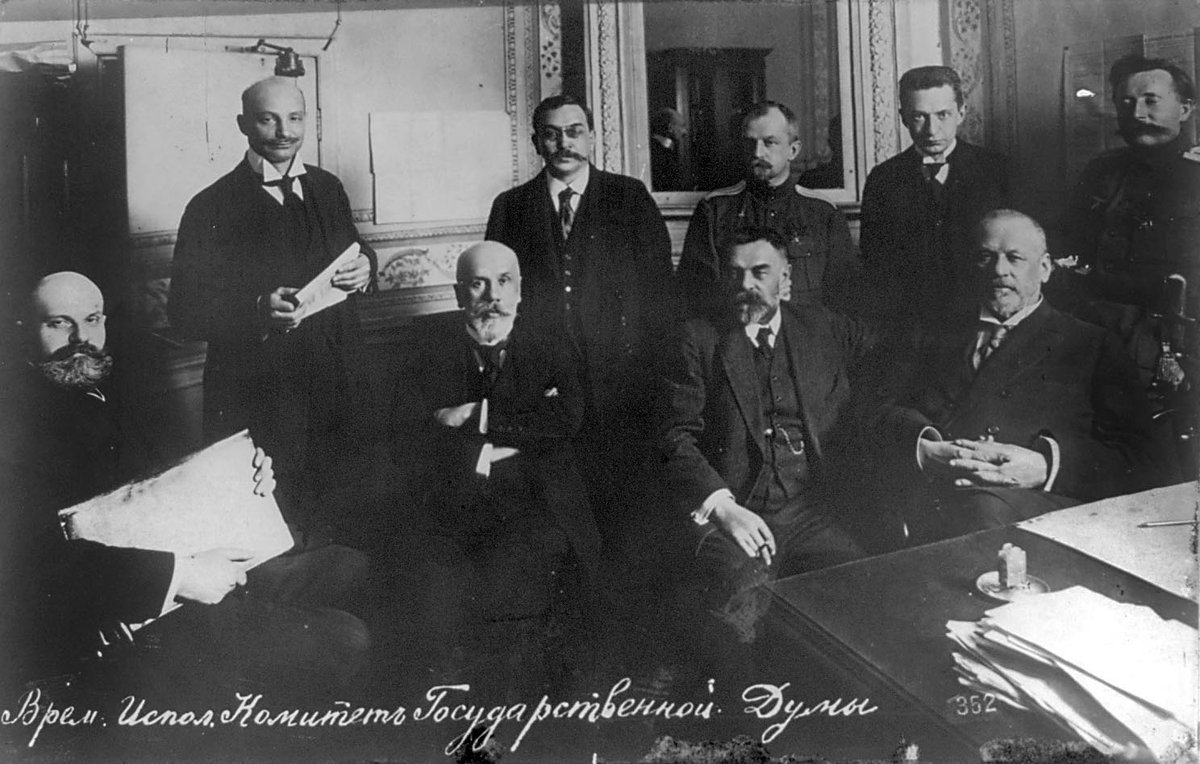
The Provisional Government promised a national election to a "Constituent Assembly", which would meet to decide Russia's constitutional future. But, afraid of the anti war vote of the soldiers, they decided to postpone the election until after they had won the war. (7)
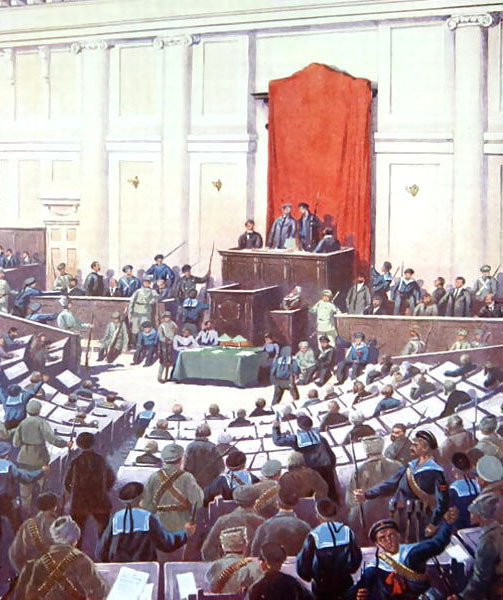
So, in the end, the Provisional Government, like the Tsar, eschewed democracy. When asked by a citizen in the streets who had elected the provisional government, the new "foreign minister", Milyukov, replied "The revolution elected us." This revolution was only ever a coup. (8)

The decision to defer elections and cut out the Duma was unbelievably foolish. What the Liberals in the Provisional Government were blind to was the fact that there was a genuine ethos of revolutionary democracy surging through Russia, first and foremost in the Soviets. (9)
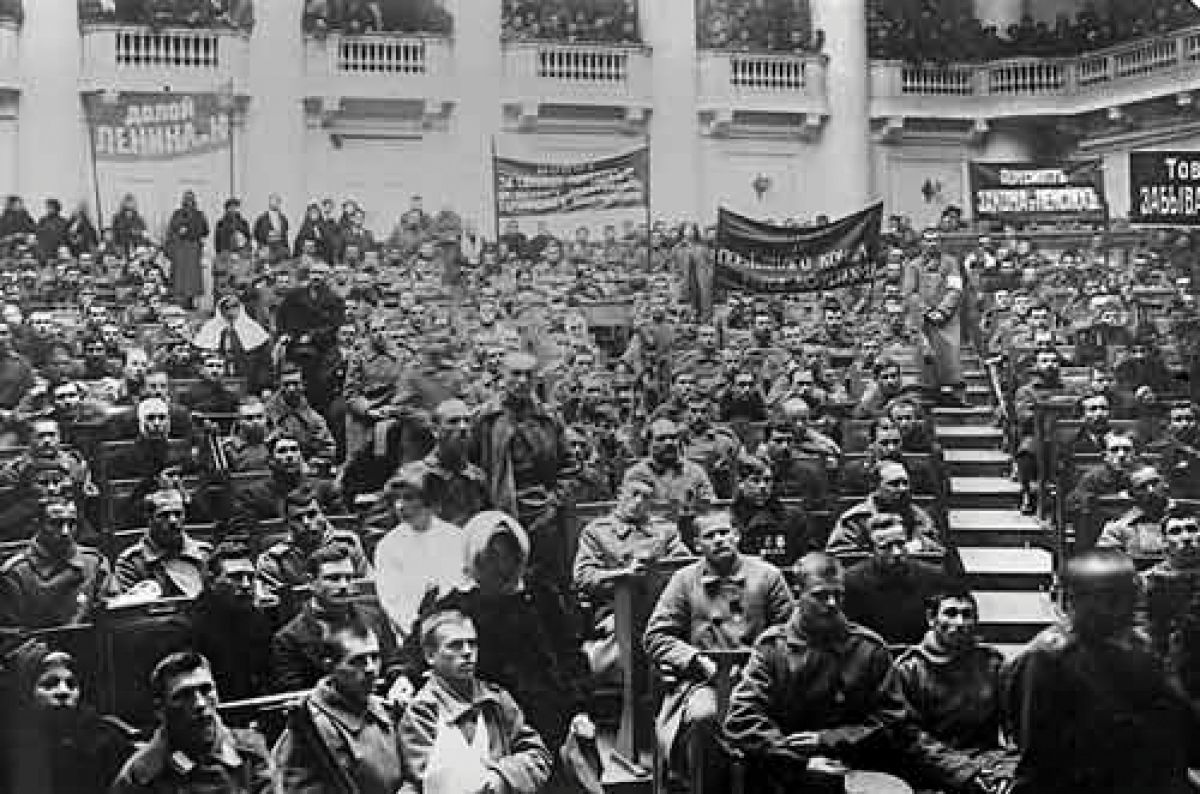
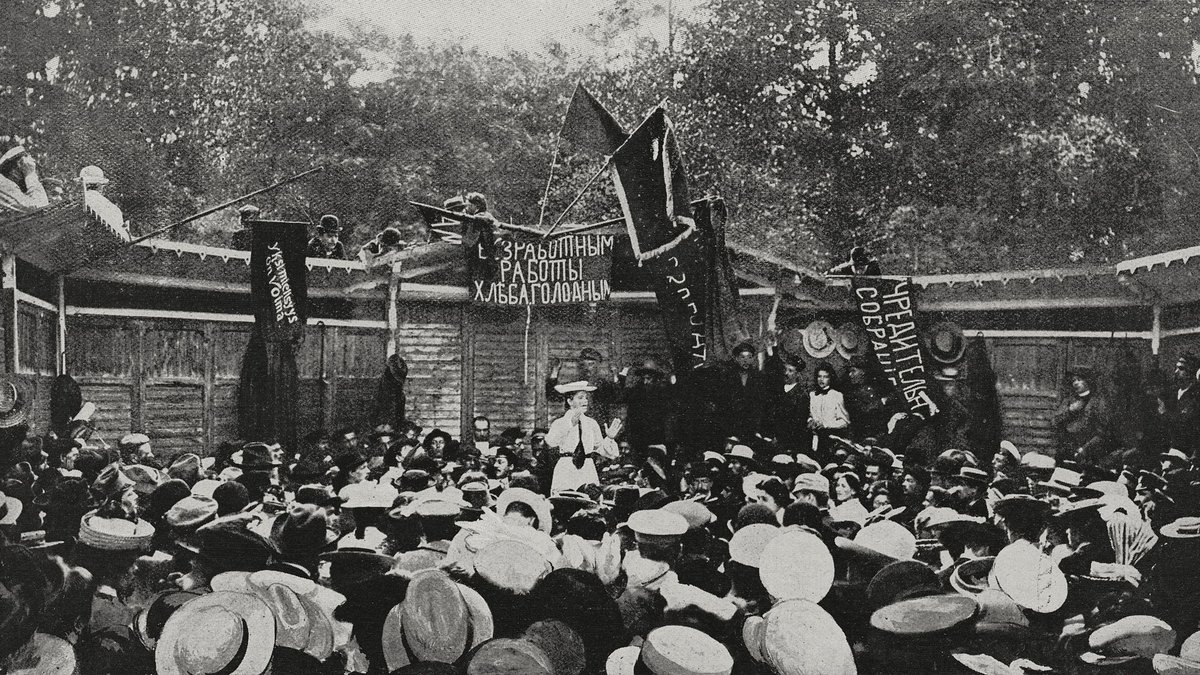
The word Soviet (literally, "council") were committees of workers and soldiers that began to sprang up all over Russia, almost immediately after the fall of the monarchy. These represented a truly grassroots form of democracy. (10)
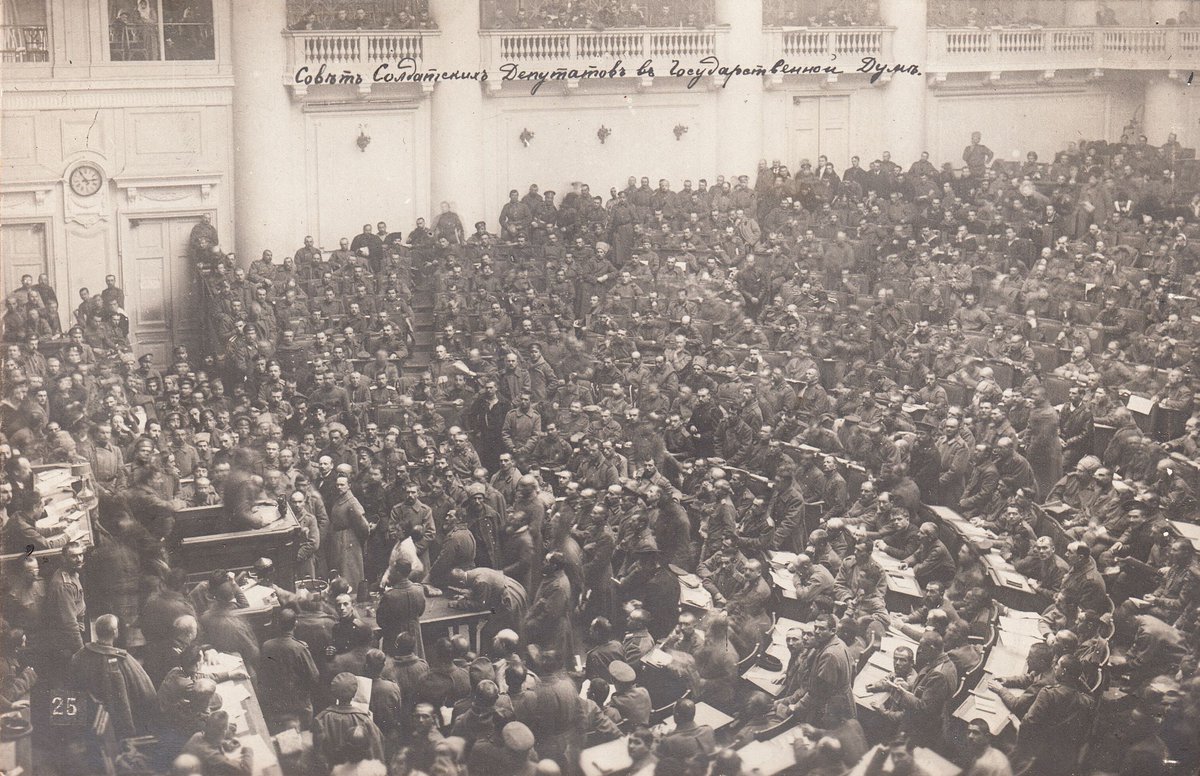
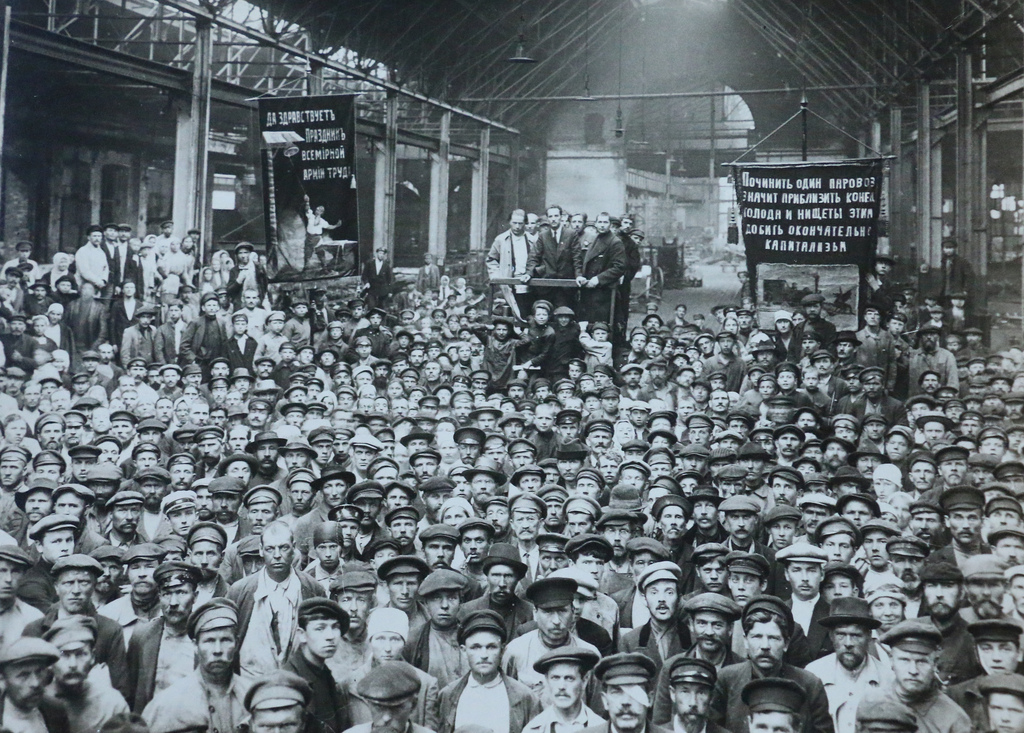
Factories and army units would elect leadership committees (Soviets), which would in turn elect representatives to citywide committees. The Petrograd Soviet emerged parallel to the Provisional Government, and its genuine democratic basis gave it real legitimacy. (11)
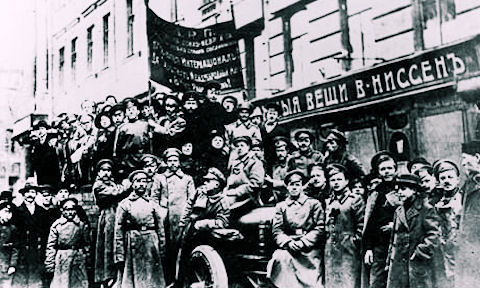
There were two parallel revolutions underway in the city. One was a political coup, with the Liberal political elites forcing out the Tsar and appropriating his powers. But the other was a genuine revolution of grassroots democracy among workers and soldiers. (12)
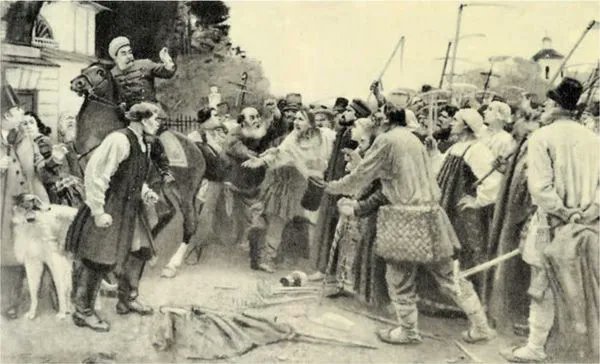
In the countryside, meanwhile, the peasantry had their own notion of revolution, which mainly entailed driving away landlords, seizing the land of the wealthy magnates, and redistributing it among the village. (13)
The Liberals of the Provisional Government were blindsided and shocked by the emergence of the Soviets, and deeply troubled to find that the Petrograd Soviet had more legitimacy and authority than they did. The coup was rapidly going sideways on them. (14)
These former Duma elites had promised Alekseev and the Army brass that they could control the mutinous Petrograd garrison, but in fact, the garrison declared its allegiance to the Soviets and would only obey orders from the Petrograd Soviet's Central Committee. (15)
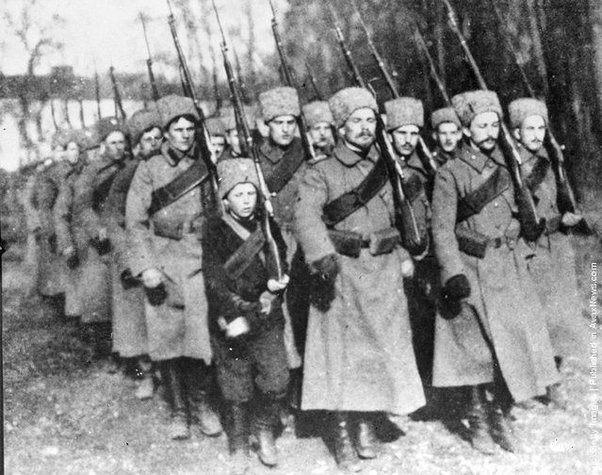
It soon became clear that the Provisional Government had no control over the army. The concentration of millions of young men in army units allowed these soldiers to become politically aware and active. They were deeply attracted to the democratic ethos of the Soviets. (16)
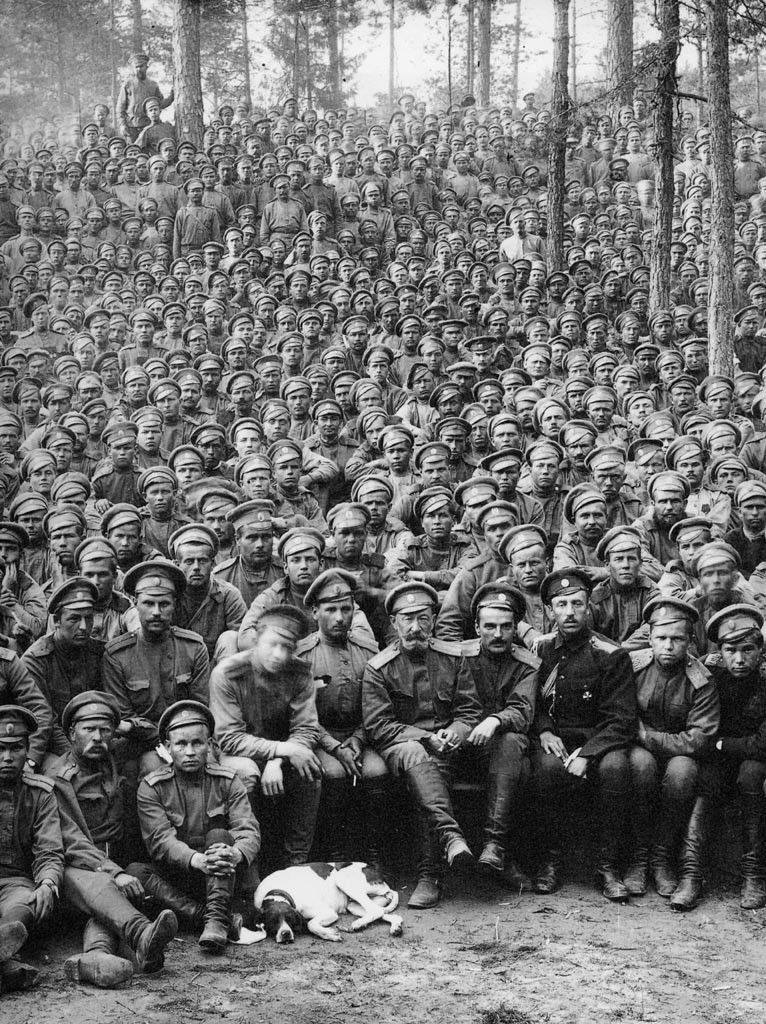
On March 1, the Petrograd Soviet issued "Order #1", stipulated that the Petrograd garrison owed loyalty to the Soviet, instructed soldiers to seize control of weapons and ammunition, and even stripped down military discipline by doing away with punishments and salutes. (17)
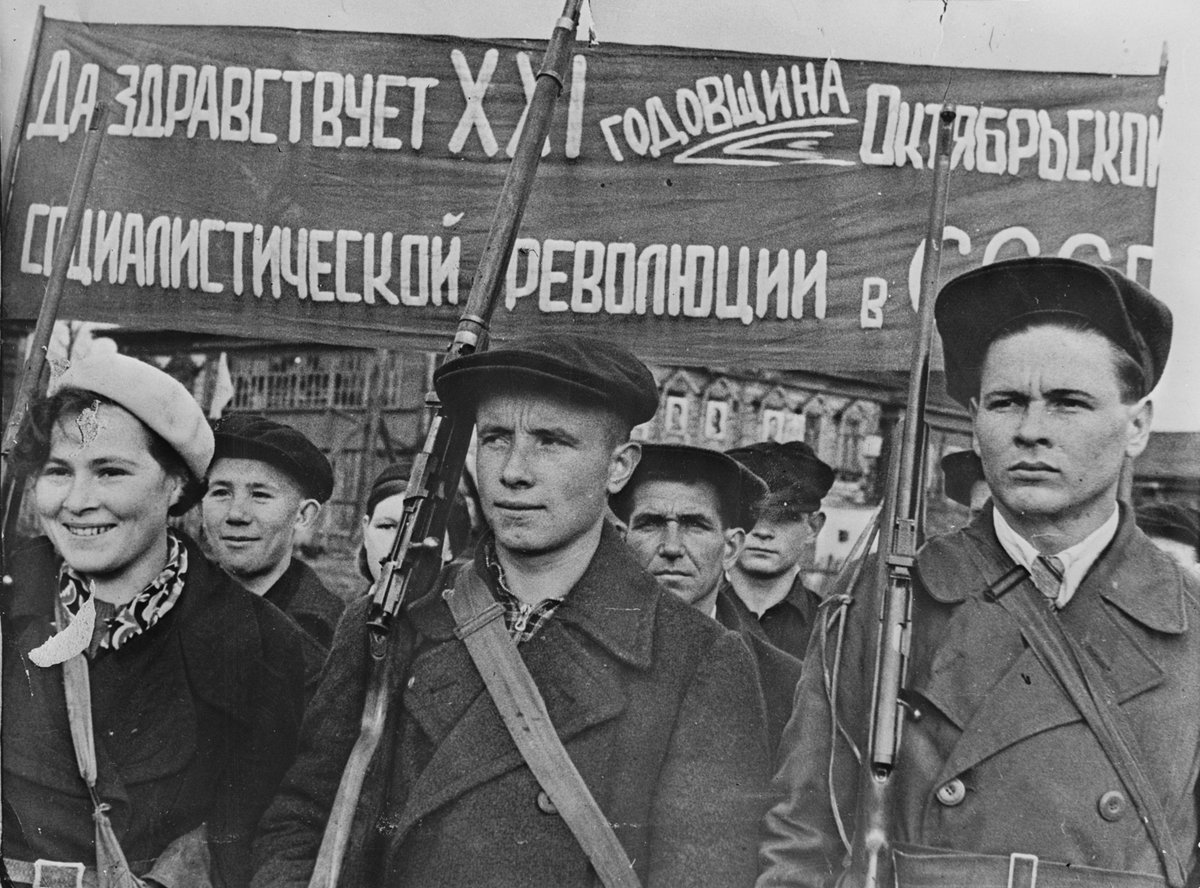
Order 1 reflected the fear from the workers and soldiers of Russia that the officer corps and the political elites of the country would attempt "counter-revolution." It also reflected the divergent revolutionary impulses now pulling at the country. (18)
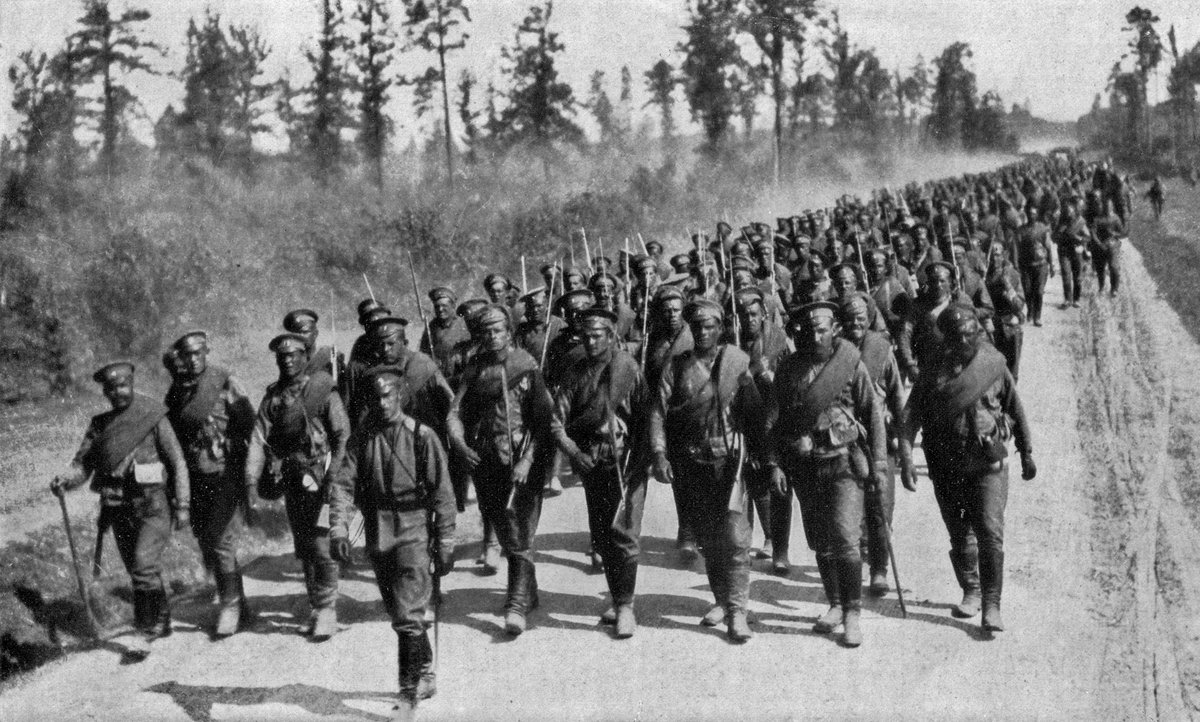
On the one hand, Russia had a genuine democratic and socialist movement underway in the Soviets. This was seen to stand for grassroots democracy, worker control over factories, and soldierly comradery. This movement trended toward the de-centralization of power. (19)
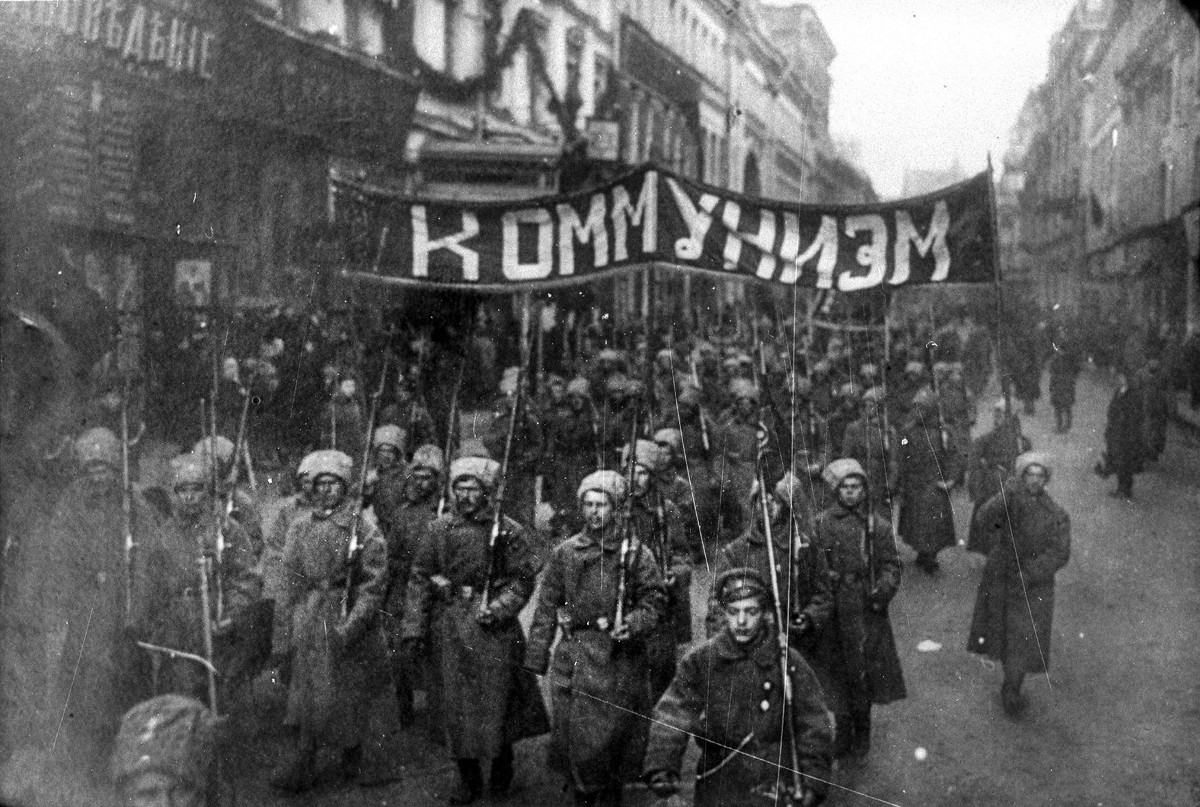
On the other hand, the existence of the enormous Tsarist army at the front, as well as the Tsarist bureaucracies (which remained functional) promoted a move towards centralized power, in the form of the Provisional Government with its appropriated autocratic powers. (20)

The Liberals in the Provisional Government soon grew frustrated by their inability to rule without the cooperation of the Soviet. By mid-April, these men - who had so long desired to take power - simply resigned the government, fearing that Russia was ungovernable. (21)
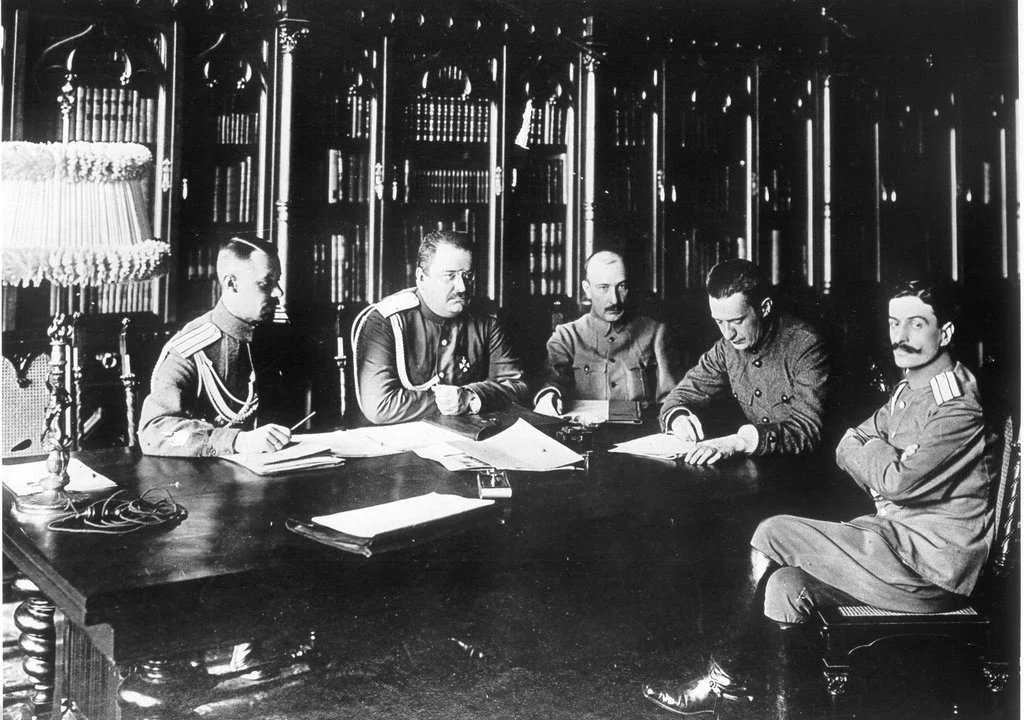
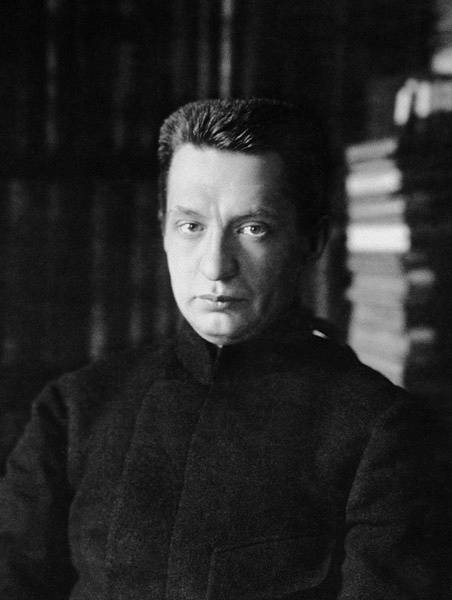
They were replaced for the most part with Socialists, many of whom were also members of the Petrograd Soviet committee. Most notably, a firebrand orator of the Socialist Revolutionary Party named Alexander Kerensky took over both the War and Naval ministries. (22)
The political puzzle in Russia after the fall of the Tsar was how to reconcile the two powerful political impulses pulling the country apart at the seams. On one hand, revolutionary grassroots democracy and workers' power, on the other a hunger for strong central control. (23)
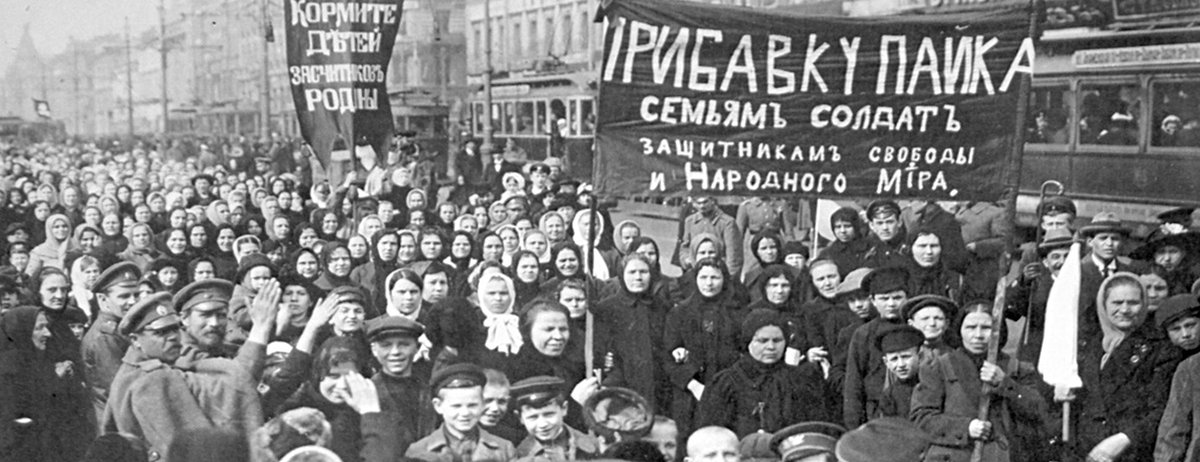
The fall of the Tsar did not just dissolve the authority of the monarchy, but existing ideas of authority as such. New sources of legitimacy and power were being created spontaneously out of the anarchy and revolutionary fervor. Navigating this storm was a daunting task. (24)
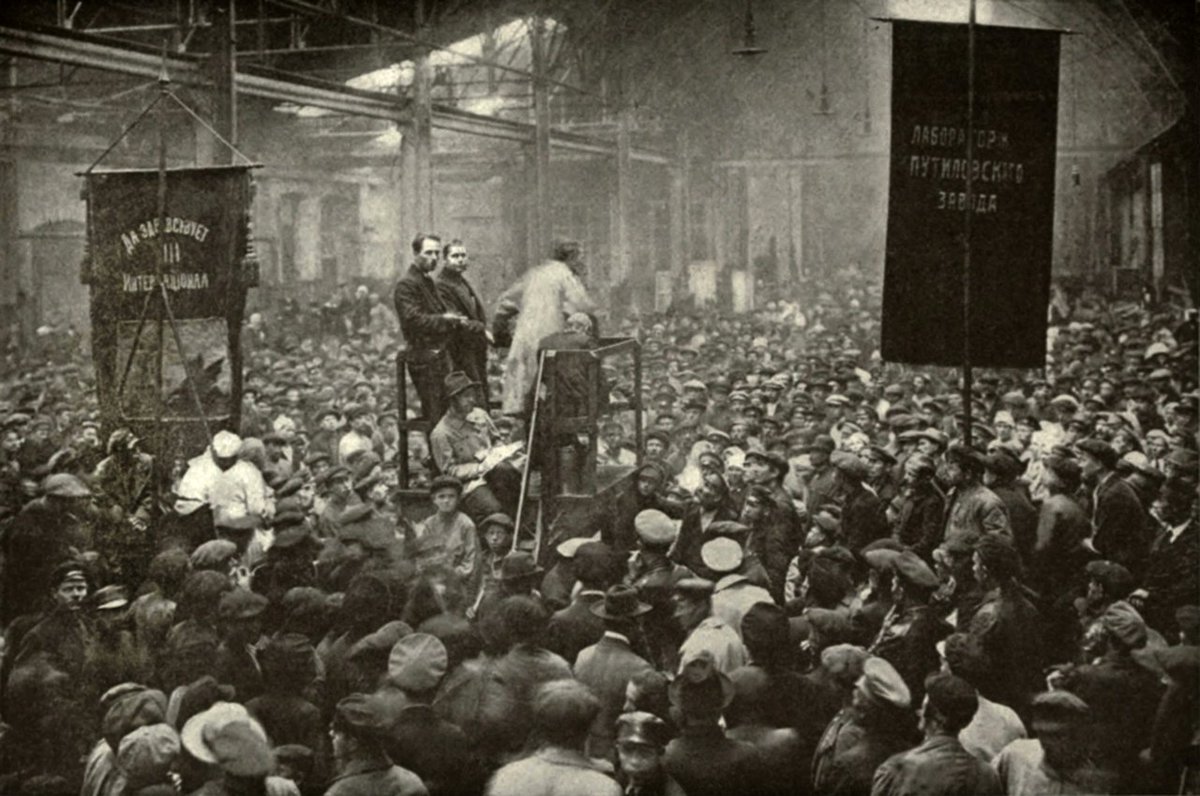
However, one fringe Socialist party did have a leader who saw how the collapse of authority could offer a path to power for a motivated group. Lenin and the Bolsheviks would come to monopolize power by being the only group to successfully mediate the two revolutions. (25)
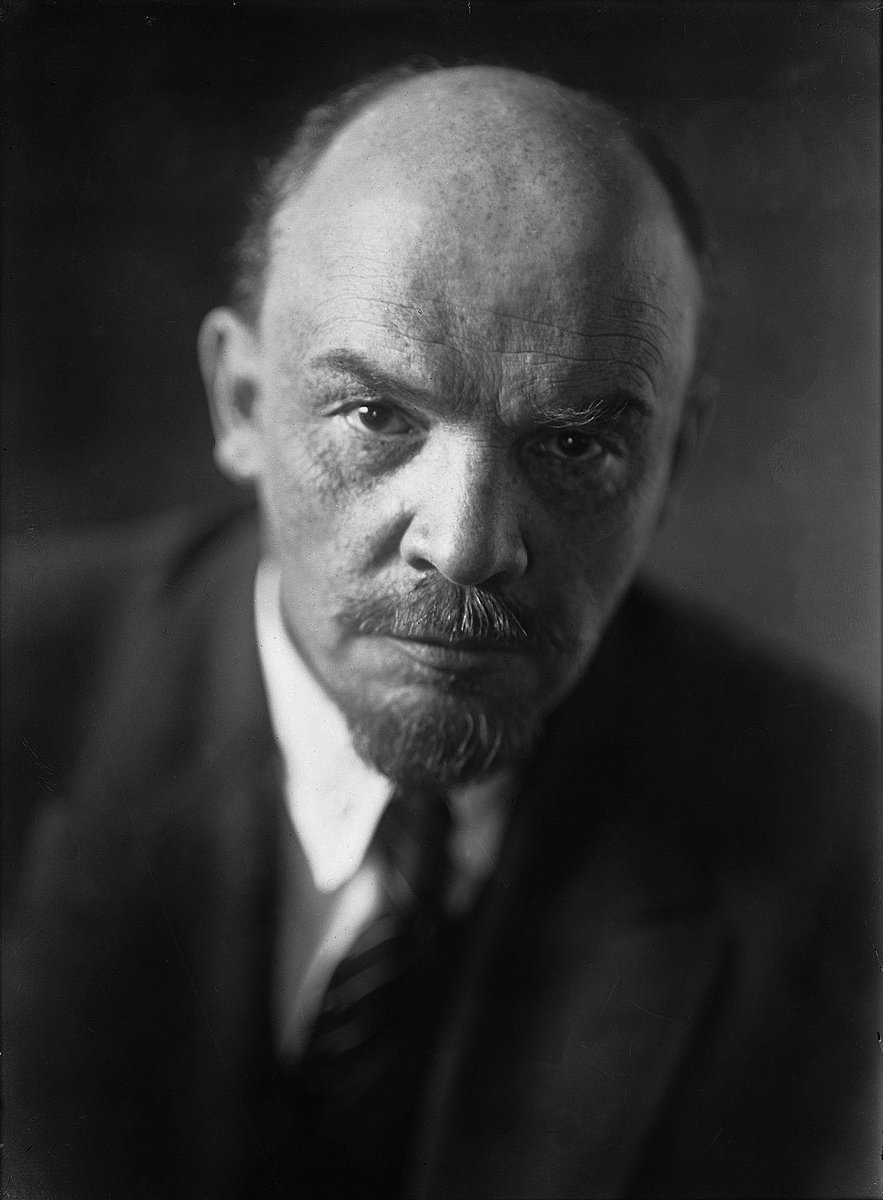
Bolshevik success would be owed to their success mediating the many revolutionary strands now ricocheting every which way round the country. They, uniquely, thrived amid apparent anarchy. (26/Fin)
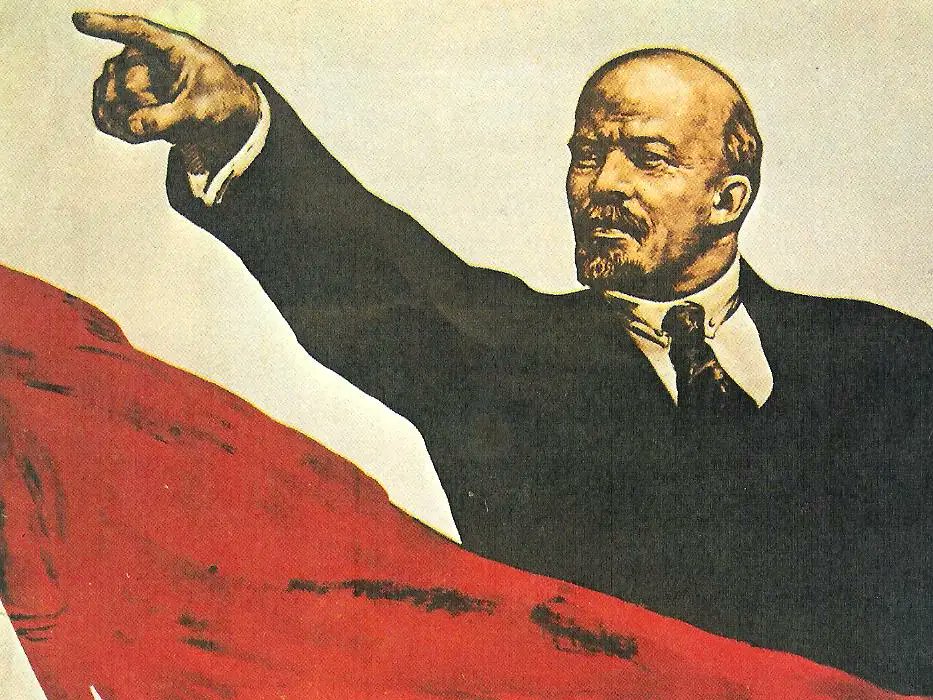
This concludes part 2 of our look at the path to Bolshevik power in Russia. Thanks for reading all the way down. Part 3 will look at the Bolsheviks and how their strategy was designed to thrive in the conditions of revolutionary Russia.
Loading suggestions...