

This is an extraordinarily important point when it comes to the maintenance & packaging requirements of guided missiles.
If you don't do either right, between 1 in 5 and 1 in 3 fail.
Russia didn't🧵👇
1/
If you don't do either right, between 1 in 5 and 1 in 3 fail.
Russia didn't🧵👇
1/
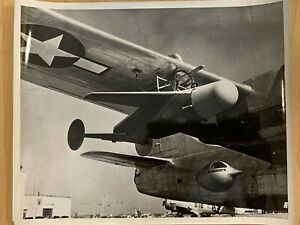
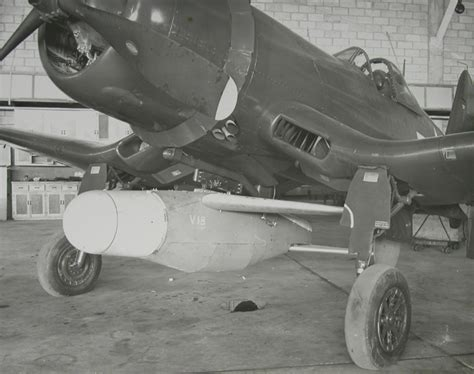
Failures of guided missiles due to packaging date back to the US Navy's ASM-N-2 Bat active radar homing guided missile in 1945.
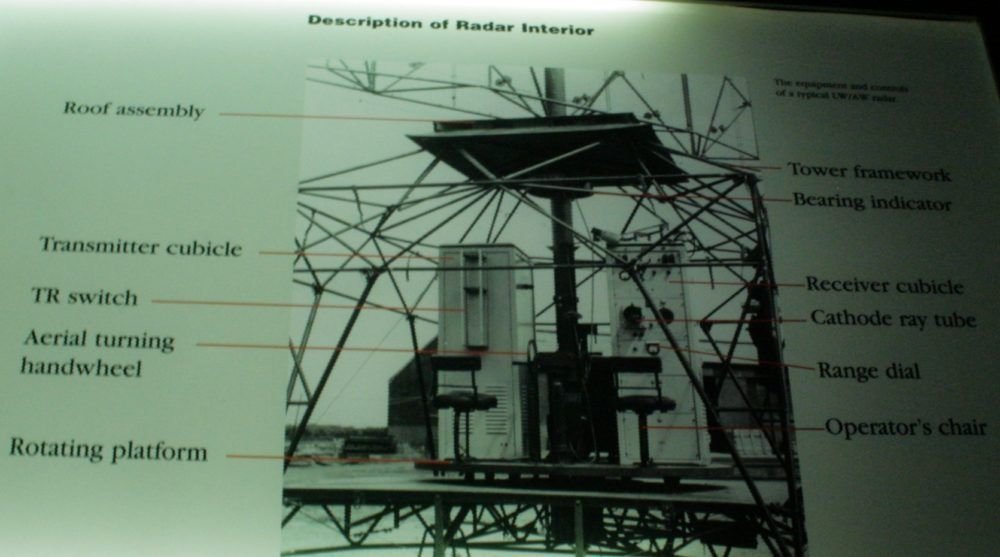
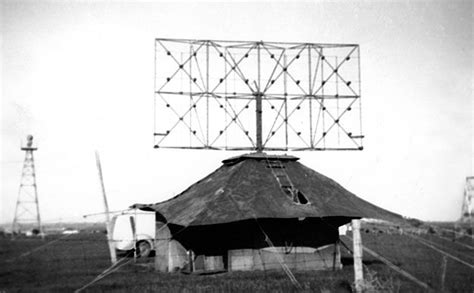
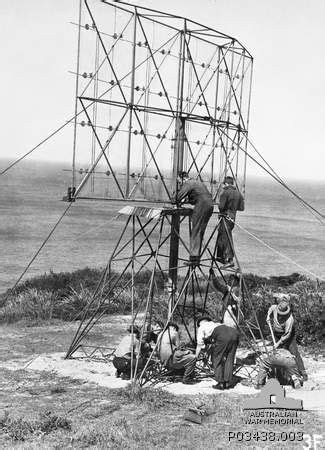
Properly packaging vacuum tube electronic radar was an art not yet mastered. You needed desiccant in a sealed containers or a heating element
2/
Properly packaging vacuum tube electronic radar was an art not yet mastered. You needed desiccant in a sealed containers or a heating element
2/

...engineered into the basic vacuum tube electronics radar set to dry out condensation like the Australians did with their LW/AW radar.
The Bat had neither, plus the ground crews weren't properly trained all the maintenance evolutions between unboxing & placing the missile
3/
The Bat had neither, plus the ground crews weren't properly trained all the maintenance evolutions between unboxing & placing the missile
3/
...onto and off of the planes.
Today's AIM-120 AMRAAM manuals teach ground crew about taking the missile off the plane and properly safe/store the missile after hours of carriage.
Then do all the preventive maintenance to assure it will be operational for the next sortie.
4/
Today's AIM-120 AMRAAM manuals teach ground crew about taking the missile off the plane and properly safe/store the missile after hours of carriage.
Then do all the preventive maintenance to assure it will be operational for the next sortie.
4/
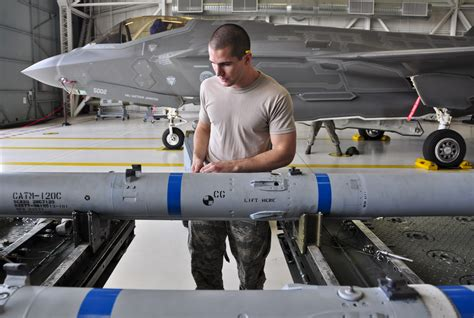
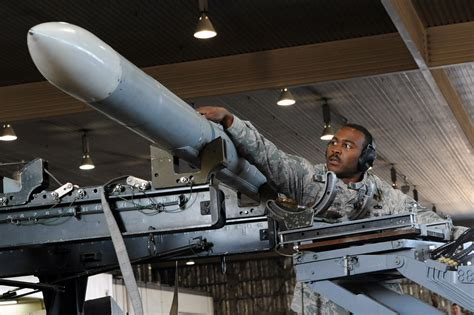
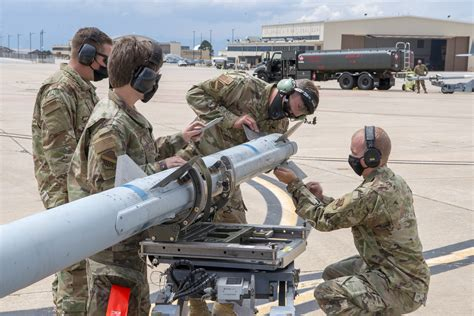
The US military and most other western aligned militaries build guided missile preventative maintenance programs around long service, highly trained non-commissioned officers (NCO's).
These NCO's are highly trained in costly due to low production numbers diagnostic tools &
5/
These NCO's are highly trained in costly due to low production numbers diagnostic tools &
5/
...electronics to keep guided missiles operational.
Russia does not have a professional NCO corps as the West understands the term.
There are contract Praporshchik & Senior Praporshchik and junior officers who do a lot of technical subject related maintenance, but it is
6/
Russia does not have a professional NCO corps as the West understands the term.
There are contract Praporshchik & Senior Praporshchik and junior officers who do a lot of technical subject related maintenance, but it is
6/
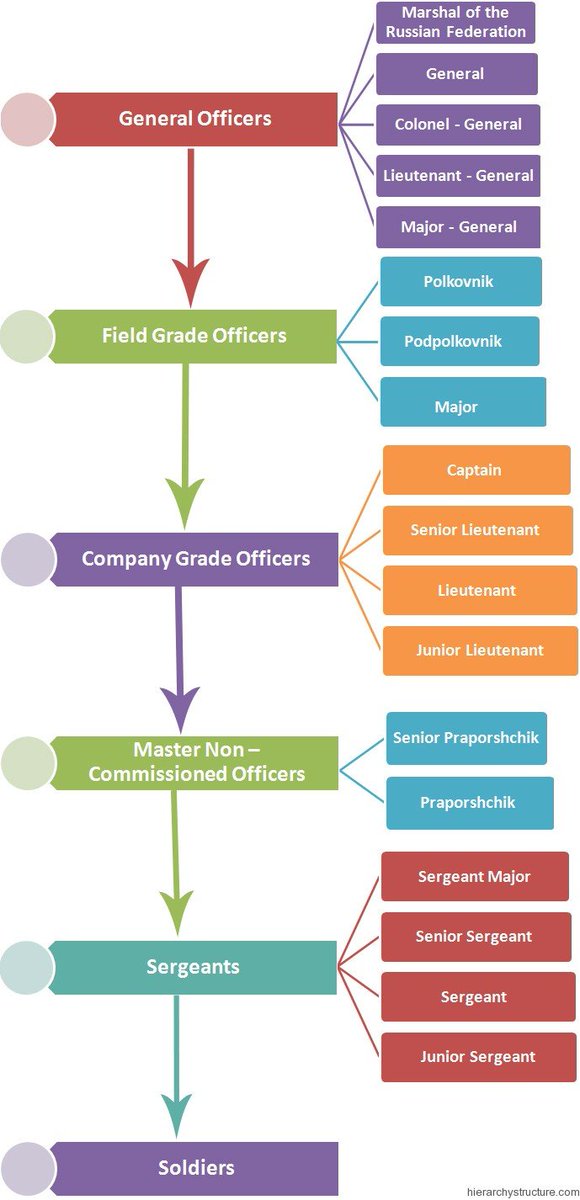
...simply not the same.
And the levels of Kleptocracy rampant in the Russian military since the 2012 ascension of Defense Minister Shoigu means training & expensive diagnostic equipment have been defrauded.
7/
And the levels of Kleptocracy rampant in the Russian military since the 2012 ascension of Defense Minister Shoigu means training & expensive diagnostic equipment have been defrauded.
7/
There are twin realities that emerge from this: first is that bad maintenance being de rigeur in Russia these days and overhauling an ICBM is expensive in a nation filled with corruption.
The cost of doing a liquid fuelled R-36(SS-18) SATAN would be way, way, up there.
8/
The cost of doing a liquid fuelled R-36(SS-18) SATAN would be way, way, up there.
8/
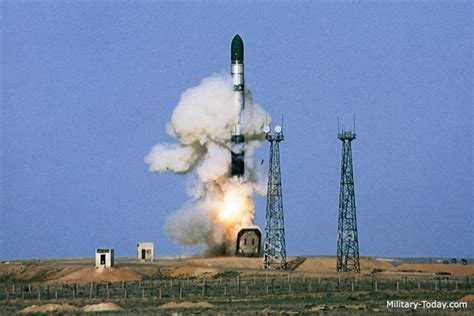
The S-36 missile entered service in the mid-1970's.
It's supply chain fell apart in the in the early 1990's with the collapse of the Soviet Union.
And there was no money at all for three years in the mid-1990's and it uses UDMH as fuel and nitrogen tetroxide.
9/
It's supply chain fell apart in the in the early 1990's with the collapse of the Soviet Union.
And there was no money at all for three years in the mid-1990's and it uses UDMH as fuel and nitrogen tetroxide.
9/
Unsymmetrical dimethylhydrazine (UDMH) is highly corrosive & turns aluminium into toxic waste.
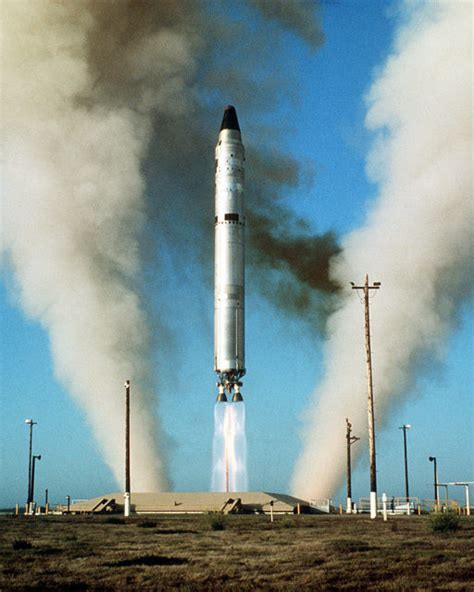
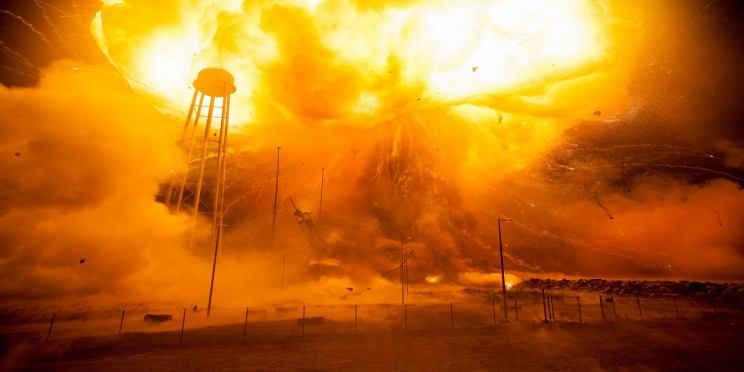
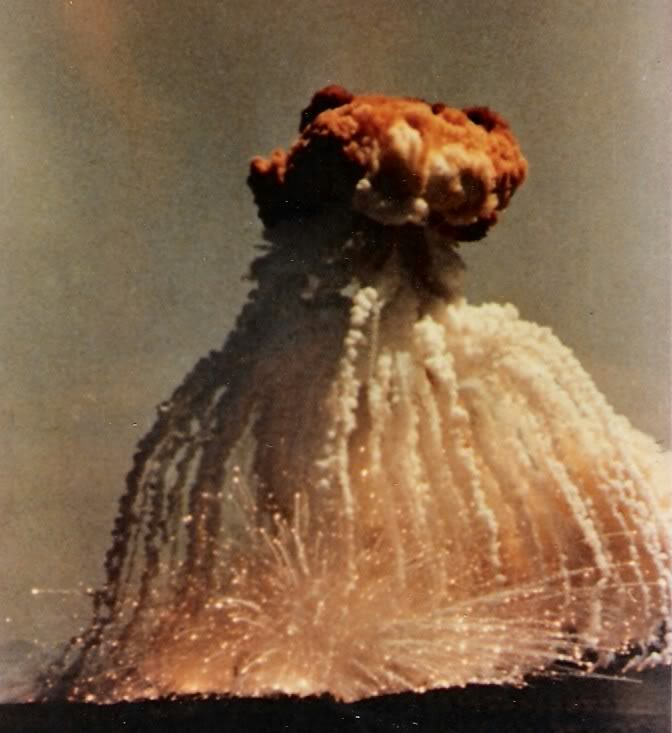
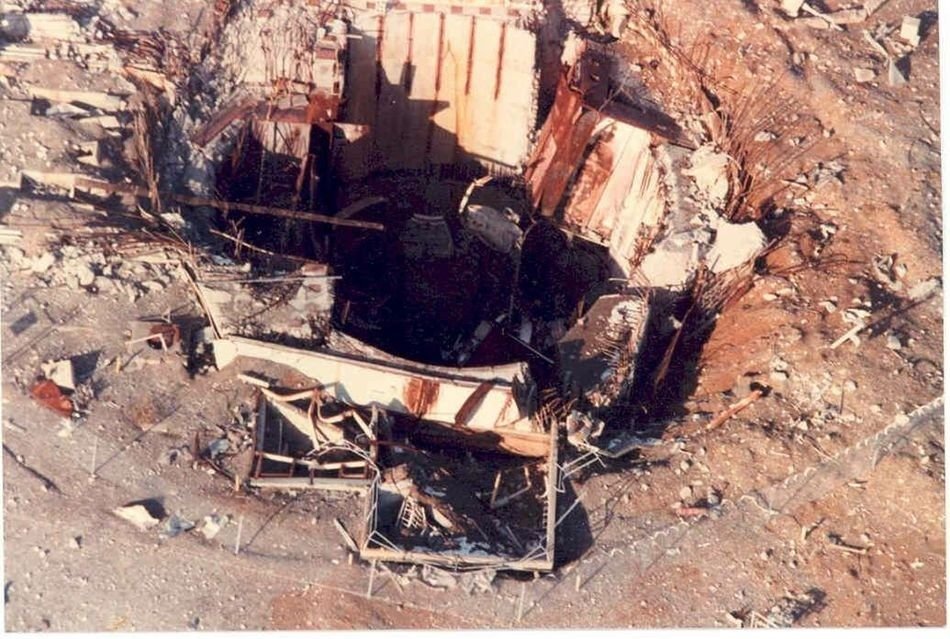
In 1980, a US Titan II technician dropped a wrench inside a missile silo which bounced off the wall & penetrated the corrosion weakened wall of a similarly fueled tank.
Photos:
10/
In 1980, a US Titan II technician dropped a wrench inside a missile silo which bounced off the wall & penetrated the corrosion weakened wall of a similarly fueled tank.
Photos:
10/
The Russian UR-100N (SS-19) is of a similar fuel system, original design age and suffered a similar supply chain collapse.
The UR-100N missiles was commissioned in 1975 with a guarantee operational life of 10 years.
11/
The UR-100N missiles was commissioned in 1975 with a guarantee operational life of 10 years.
11/
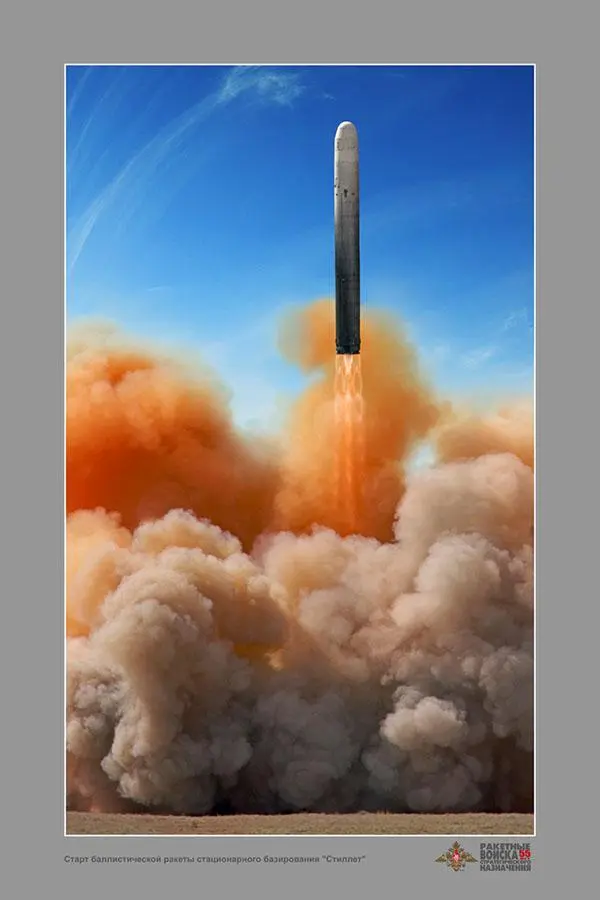
The Global Security website states the UR-100N was upgraded from a service life of 10 years to 15 to 25 years and then to 25 to 30 years.
The Shoigu era Russian MoD now claims the UR-100N lasts over 36 years.
globalsecurity.org
12/
The Shoigu era Russian MoD now claims the UR-100N lasts over 36 years.
globalsecurity.org
12/

Since the Avanguard hypersonic glide vehicle (HGV) is mounted on an UR-100N/SS-19. It means the former is a very questionable new wine because of the age of it's old, corroded, wine skin.
I am an HGV weapon skeptic. They are not 1st strike weapon.
13/
I am an HGV weapon skeptic. They are not 1st strike weapon.
13/
Avanguard HGV are a highly payload inefficient (trades six MIRV warheads for a single HGV) form of depressed trajectory ICBM intended as a ABM battle control radar defense suppression munition so USN Aegis DD's with SM-3 IIA ABM's could not bounce
14/
14/
...a Russian 2nd strike nuclear attack after a US 1st strike.
If Avanguard HGV were on new solid fueled ICBM's in silos they would be credible in this role.
On a really old UDMH fueled missile design under Russian Defense Minister Shoigu?
15/
If Avanguard HGV were on new solid fueled ICBM's in silos they would be credible in this role.
On a really old UDMH fueled missile design under Russian Defense Minister Shoigu?
15/

ICBM silos are made the way they are for reasons of maintenance access w/environmental heat & humidity control.
Everything an ICBM needs accessed has structures letting you get to the proper panels with the right tools.
A mobile missile launcher doesn't give you that.
16/
Everything an ICBM needs accessed has structures letting you get to the proper panels with the right tools.
A mobile missile launcher doesn't give you that.
16/
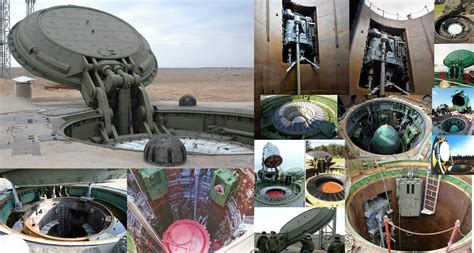
You simply can't do the same level of preventive maintenance you can in a silo.
The heat & humidity extremes are larger.
And importantly, you are putting a whole lot of horizontal axis gee-forces into an orbital class launcher that is only strong in the vertical axis.
17/
The heat & humidity extremes are larger.
And importantly, you are putting a whole lot of horizontal axis gee-forces into an orbital class launcher that is only strong in the vertical axis.
17/
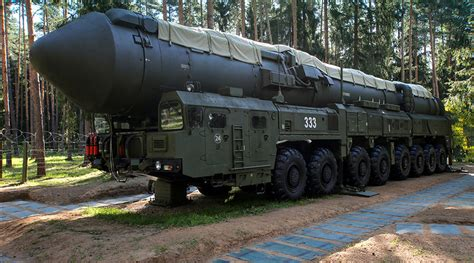
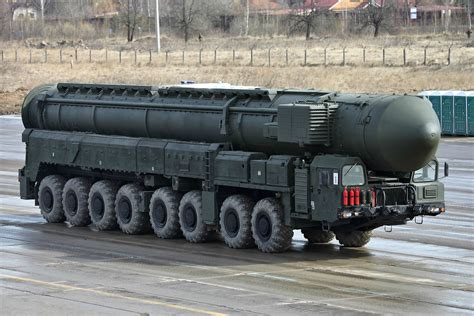
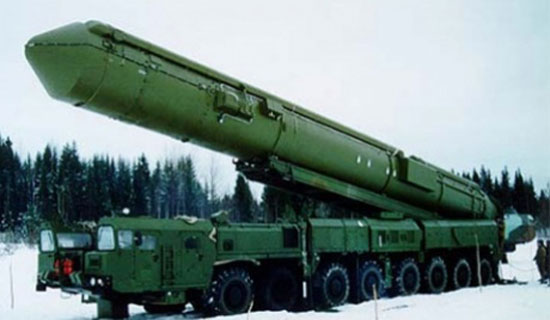
In the pre-Defense Minister Shoigu Russian military these issues would not have been major concerns with a solid fueled missile.
We cannot think that now given the Iskander's performance in the Russo-Ukraine War, especially the ones transported from Siberia👇
18/
We cannot think that now given the Iskander's performance in the Russo-Ukraine War, especially the ones transported from Siberia👇
18/
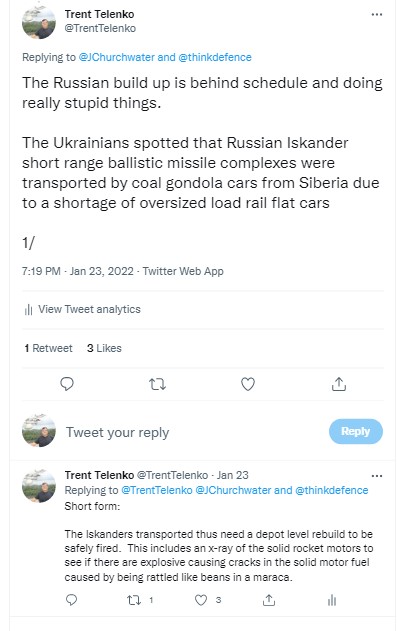
That a long distance Trans-Siberian railway trip in a gondola car rattled tough tactical missiles like the Iskander to between 1-in-5 to 1-in-3 unreliable...
...things just don't look good for Russian ICBM reliability and maintainability in train or road mobile launchers.
19/
...things just don't look good for Russian ICBM reliability and maintainability in train or road mobile launchers.
19/
One wonders how many ICBMs and SLBMs are serviceable and how many would get close to their Designated Mean Point of Impact (DMPIs) if launched.
20/End
20/End
P.S. This didn't work out:
R-36 (missile) - Wikipedia
"In March 2006 Russia made an agreement with Ukraine that will regulate cooperation between the two countries on maintaining the R-36M2 missiles. It was reported that the cooperation with Ukraine will allow Russia to extend
R-36 (missile) - Wikipedia
"In March 2006 Russia made an agreement with Ukraine that will regulate cooperation between the two countries on maintaining the R-36M2 missiles. It was reported that the cooperation with Ukraine will allow Russia to extend
...the service life of the R-36M2 missiles by at least ten to 28 years."
en.wikipedia.org
en.wikipedia.org
Loading suggestions...