

Real talk
Ponzinomic protocols are the bread and butter of PVP DeFi. This is an unfortunate truth.
They're the most profitable plays if timed correctly but earnings come at the expense of later investors.
So what do we do about them? 🧵
Ponzinomic protocols are the bread and butter of PVP DeFi. This is an unfortunate truth.
They're the most profitable plays if timed correctly but earnings come at the expense of later investors.
So what do we do about them? 🧵
1/
For the sake of this thread, I'm defining ponzinomics as tokenomic models where >98% of yield comes from new or compounded investments OR >98% of revenue is generated by investors.
For the sake of this thread, I'm defining ponzinomics as tokenomic models where >98% of yield comes from new or compounded investments OR >98% of revenue is generated by investors.
2/
Why are these models unsustainable?
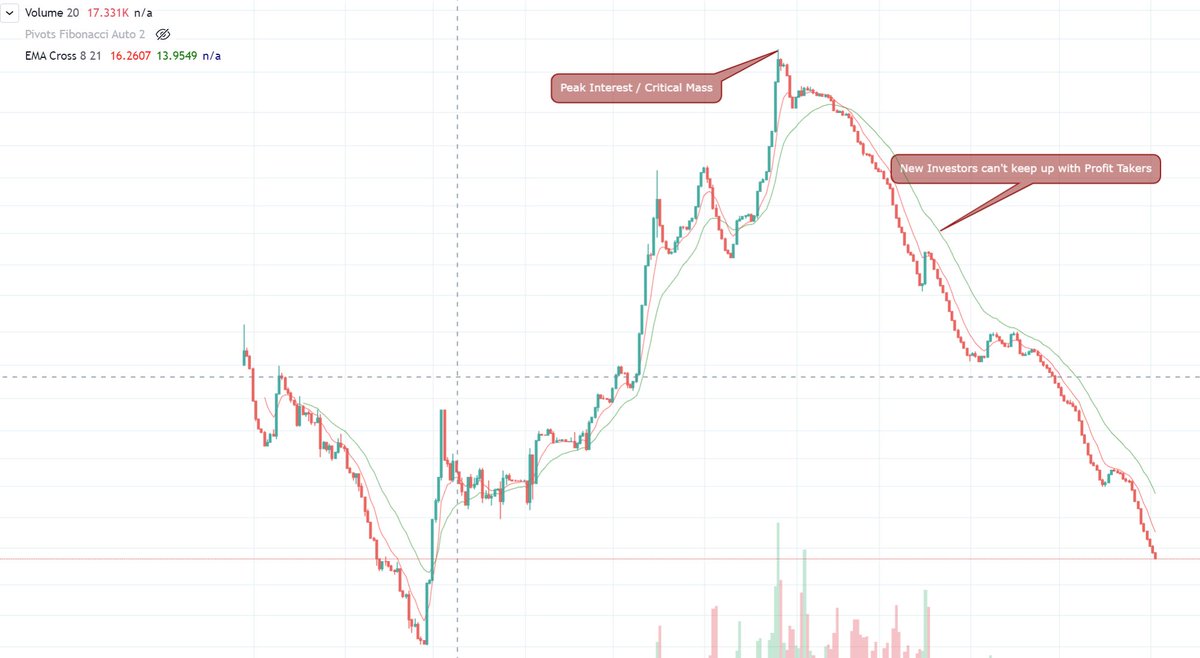
Because these models rely on new investment instead of external revenue models, new investment must outpace profit taking to keep the ponzi-asset stable.
I.E., sell pressure overcomes buy pressure as investment reaches a critical mass.
Why are these models unsustainable?
Because these models rely on new investment instead of external revenue models, new investment must outpace profit taking to keep the ponzi-asset stable.
I.E., sell pressure overcomes buy pressure as investment reaches a critical mass.
3/
It's important to understand that a ponzi-asset is used to realize APY/APR.
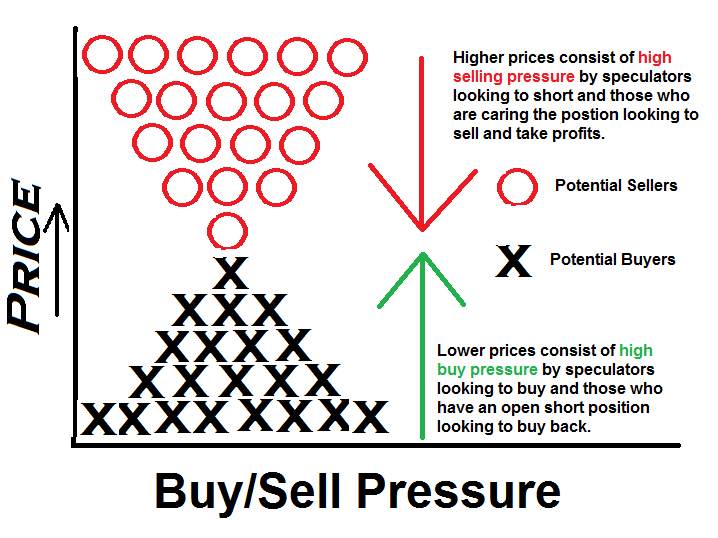
Because it must be sold at some point, as more investors pile into a ponzinomic model, more future sell pressure is put on the asset until new investment can't keep up.
It's important to understand that a ponzi-asset is used to realize APY/APR.
Because it must be sold at some point, as more investors pile into a ponzinomic model, more future sell pressure is put on the asset until new investment can't keep up.
4/
Early investors are the constant "winners" in ponzinomic models.
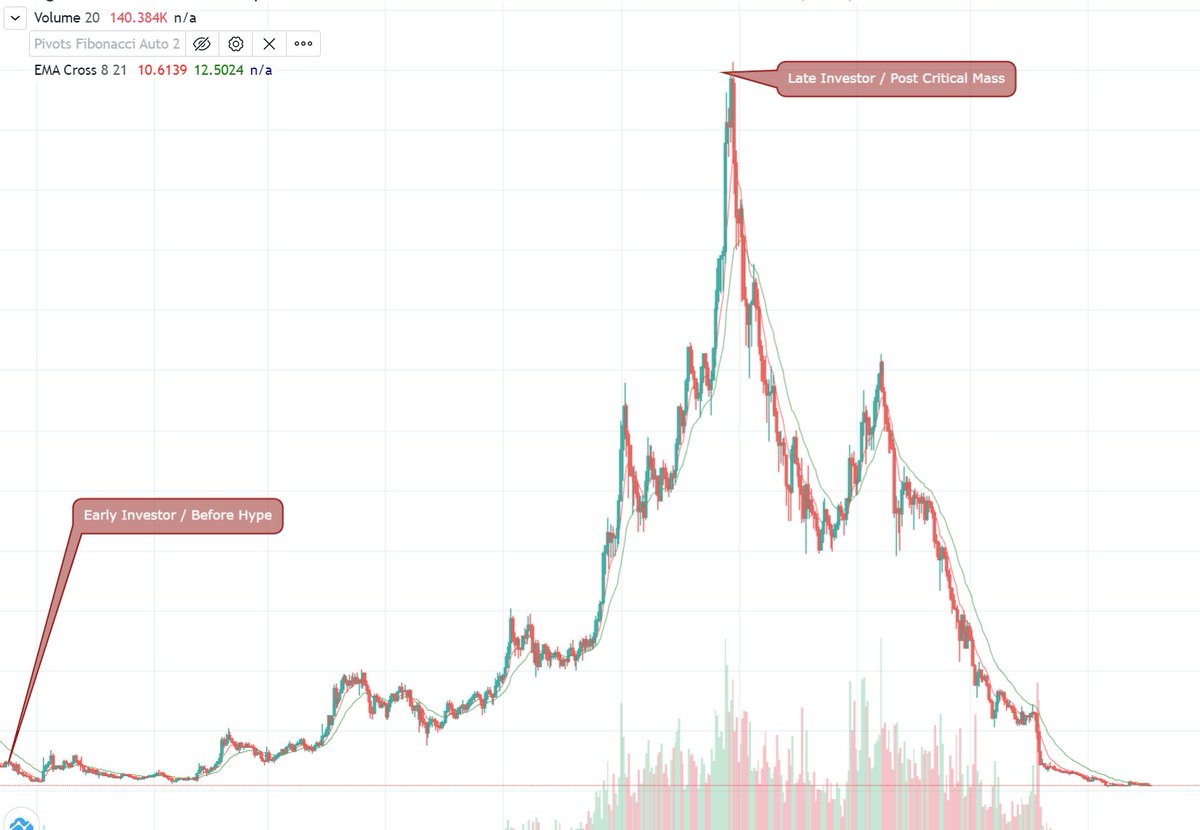
They're able to invest early on "alpha" or insder information, then use late investors as exit liquidity as the ponzi asset appreciates in value.
But which models are ponzi in DeFi and which aren't?
Early investors are the constant "winners" in ponzinomic models.
They're able to invest early on "alpha" or insder information, then use late investors as exit liquidity as the ponzi asset appreciates in value.
But which models are ponzi in DeFi and which aren't?
5/
Seigniorage "boardroom" models are one example.
De-pegging is an indicator that you're approaching critical mass.
While peg can be regained, these models are inherently unstable as 100% of boardroom comes from new investment/buy-pressure on the ponzi asset.
Seigniorage "boardroom" models are one example.
De-pegging is an indicator that you're approaching critical mass.
While peg can be regained, these models are inherently unstable as 100% of boardroom comes from new investment/buy-pressure on the ponzi asset.

6/
"Nodes as a service" where treasuries' revenue or "DaaS" accounted for less than 2% of payout to node runners is another example.
I'll admit that I got caught up in some of these narrators. This is why I no longer invest in future promises of revenue models (in DeFi).
"Nodes as a service" where treasuries' revenue or "DaaS" accounted for less than 2% of payout to node runners is another example.
I'll admit that I got caught up in some of these narrators. This is why I no longer invest in future promises of revenue models (in DeFi).
7/
Tokenomic models where you lock up or burn your initial and then have it slowly dripped back to you over time also rely purely on new investment to keep the price high enough for you to ROI while early investor sell pressure reaches critical mass and price begins to tank.
Tokenomic models where you lock up or burn your initial and then have it slowly dripped back to you over time also rely purely on new investment to keep the price high enough for you to ROI while early investor sell pressure reaches critical mass and price begins to tank.

8/
There are many different models. Effectively the rule is this:
If the yield primarily comes from new investors or compounders, it's ponzinomics. If the yield comes from a service provided (swap fees, borrow fees, liquidation fees, etc.) then it's not ponzinomics.
There are many different models. Effectively the rule is this:
If the yield primarily comes from new investors or compounders, it's ponzinomics. If the yield comes from a service provided (swap fees, borrow fees, liquidation fees, etc.) then it's not ponzinomics.

9/
So...should you invest in ponzinomics?
I like to use a gaming analogy. Imagine you're playing fortnite (or some equivelent) for money.
Players who understand the game and who have experience are going to win more often, but market conditions dictate who wins money.
So...should you invest in ponzinomics?
I like to use a gaming analogy. Imagine you're playing fortnite (or some equivelent) for money.
Players who understand the game and who have experience are going to win more often, but market conditions dictate who wins money.

10/
In a bull market, maybe the top 70 (out of 100) players are net positive. In a bear market, maybe only the top 10 players (out of 100) are. Are you a top ten player in DeFi?
If so, go for it, as long as investors are consensually competing for yields, try your hand.
In a bull market, maybe the top 70 (out of 100) players are net positive. In a bear market, maybe only the top 10 players (out of 100) are. Are you a top ten player in DeFi?
If so, go for it, as long as investors are consensually competing for yields, try your hand.
11/
My major concern is that these PVP models are not being marketed or understood as PVP. So more than half the players don't know they're being shot at.
My major concern is that these PVP models are not being marketed or understood as PVP. So more than half the players don't know they're being shot at.

Loading suggestions...