
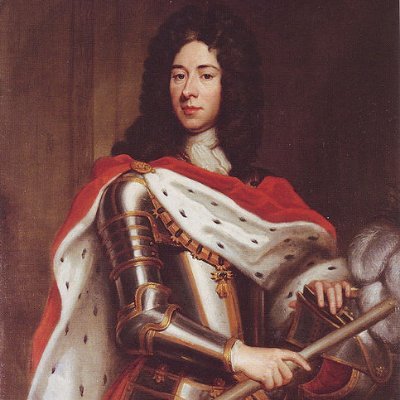
The Swiss execute the prisoners of war!
The famed Swiss mercenaries were notorious for their ruthlessness towards surrendered enemies.
But this attitude had deep roots in how warfare in medieval Europe was conducted.
Let's explore the dark side of medieval warfare.
THREAD
The famed Swiss mercenaries were notorious for their ruthlessness towards surrendered enemies.
But this attitude had deep roots in how warfare in medieval Europe was conducted.
Let's explore the dark side of medieval warfare.
THREAD
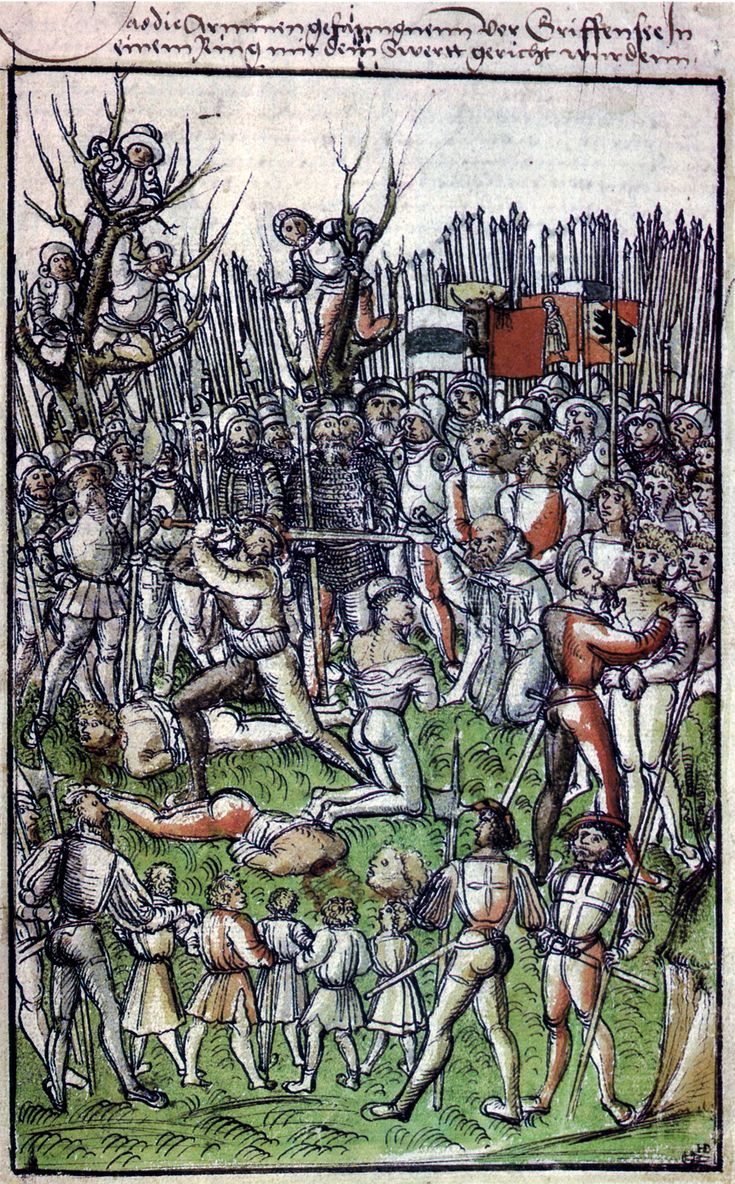
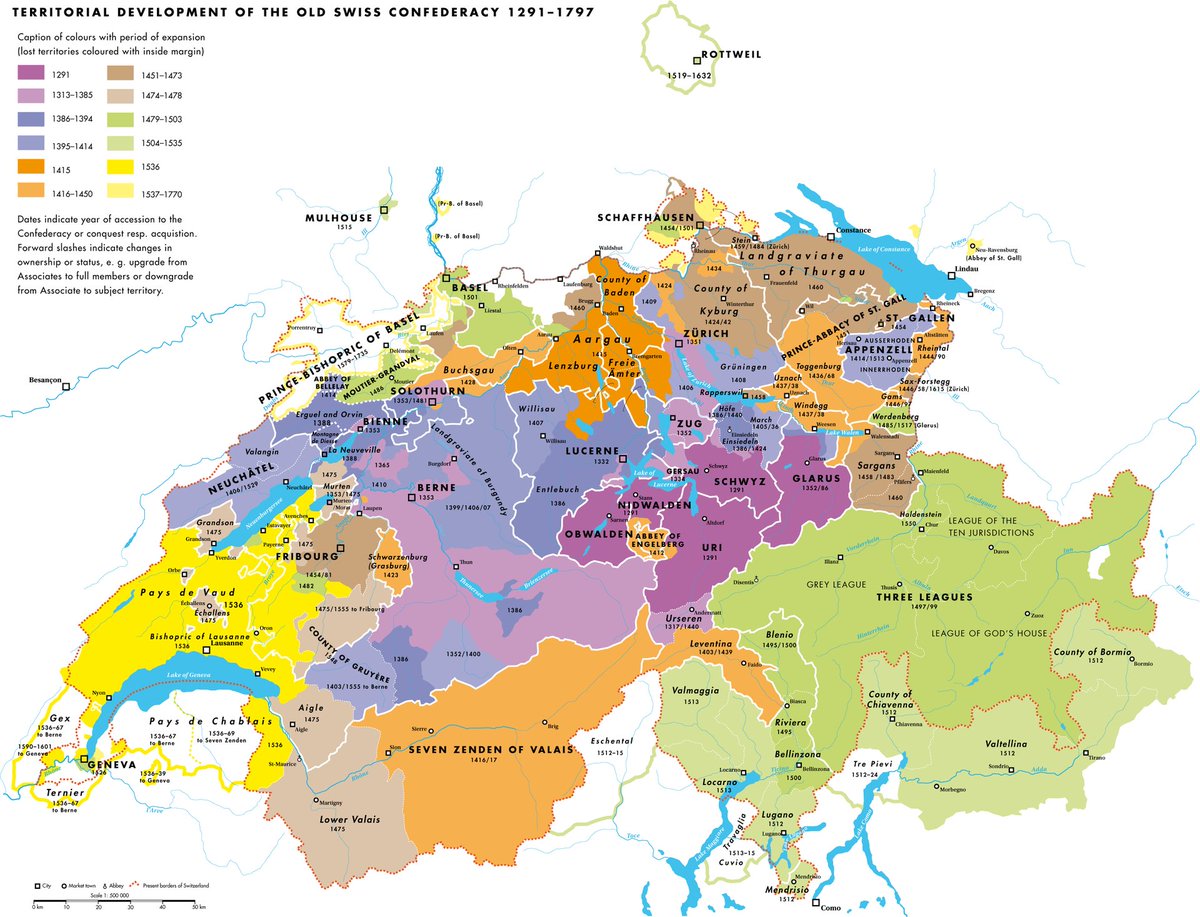
During the middle ages the Swiss often had to defend their lands against invasions. They gained a great reputation for being able to defend against mighty enemies and began serving as mercenaries. But they also became notorious for being absolutely ruthless.
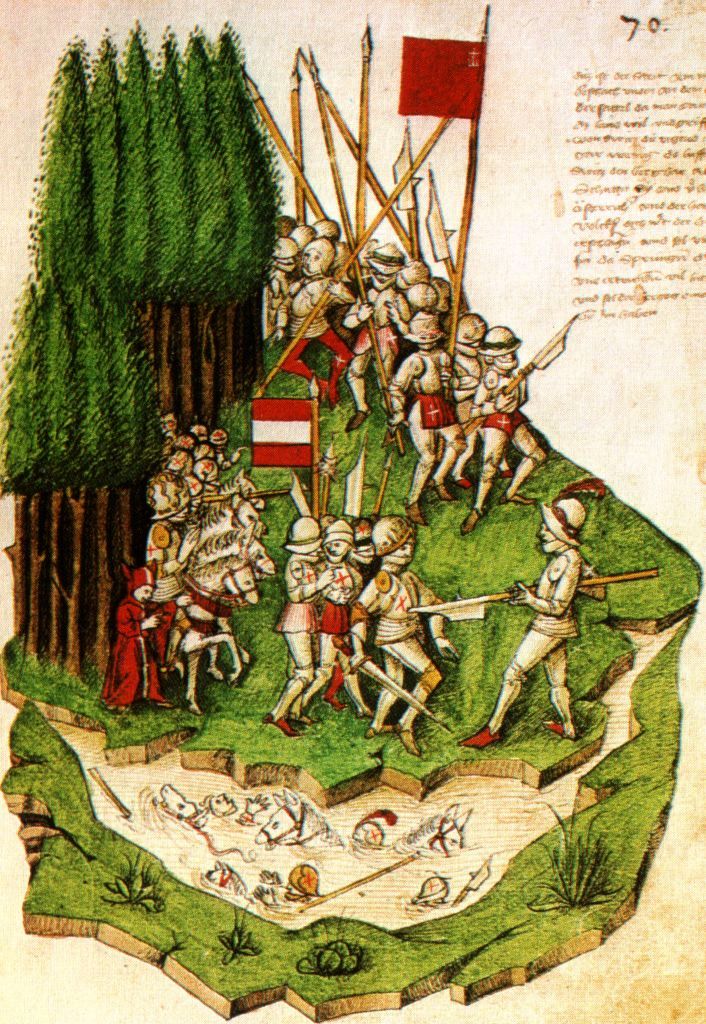
"In the capture of prisoners there is more humanity to be found among Turks and Bohemians than among the Swiss." German philosopher Jakob Wimpfeling commented in 1499.
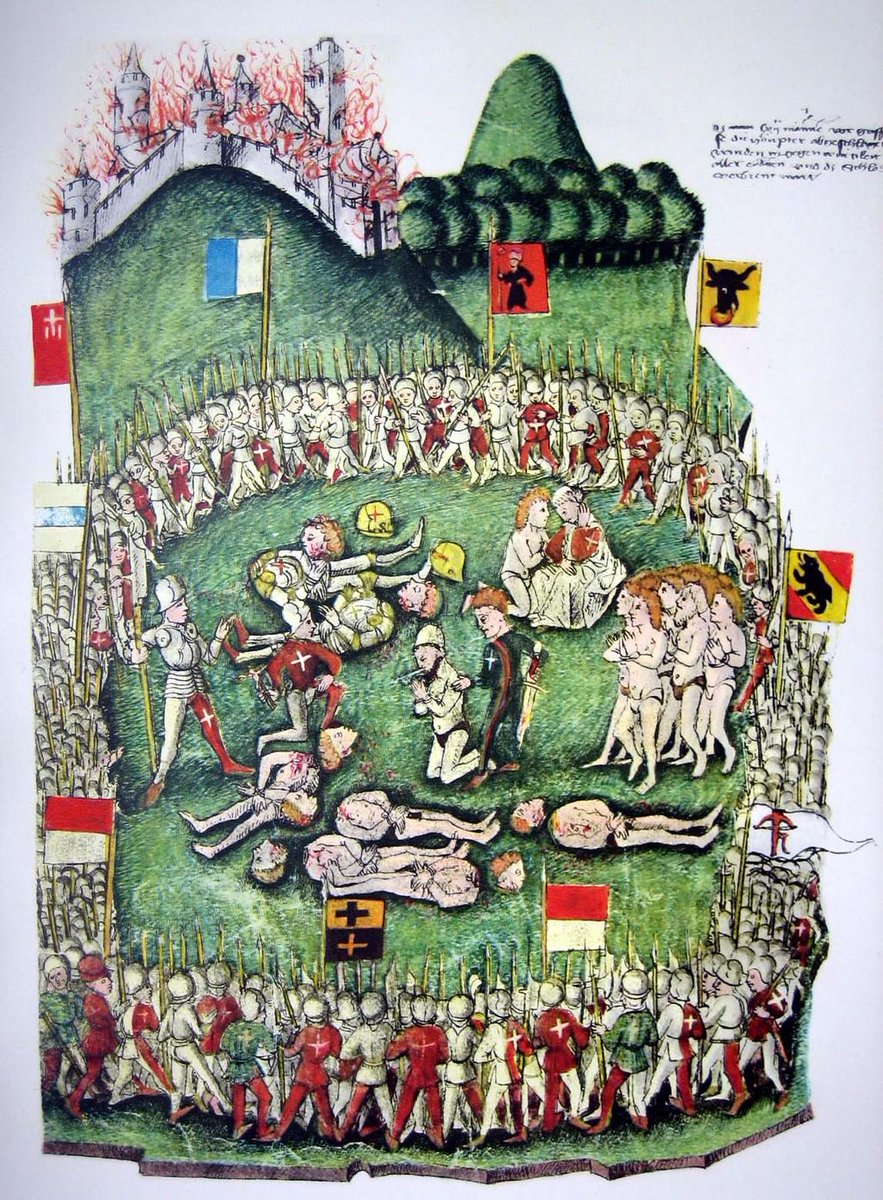
That year the Swiss were in war with the Swabian League and the Habsburgs who had invaded them.
The citizens of various Swiss cantons took a special oath before this war to take no prisoners but to kill them all instead, "as our pious ancestors have always been accustomed."
The citizens of various Swiss cantons took a special oath before this war to take no prisoners but to kill them all instead, "as our pious ancestors have always been accustomed."
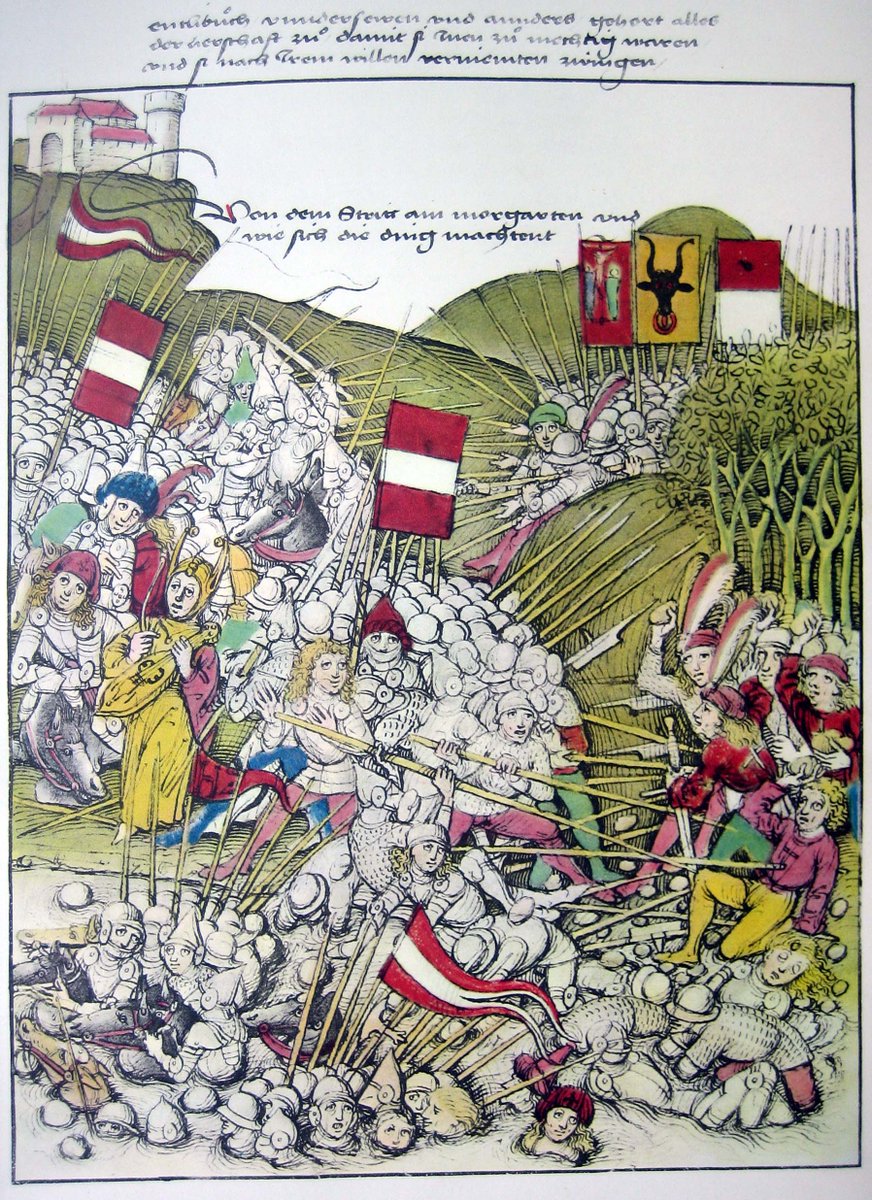
So clearly, this was a custom that went way back.
No prisoners, no mercy.
This attitude developed in the 14th century when the Old Swiss Confederacy was formed and fought against the Habsburgs. The Swiss were victorious in the battles of Morgarten (1315) and Sempach (1386).
No prisoners, no mercy.
This attitude developed in the 14th century when the Old Swiss Confederacy was formed and fought against the Habsburgs. The Swiss were victorious in the battles of Morgarten (1315) and Sempach (1386).
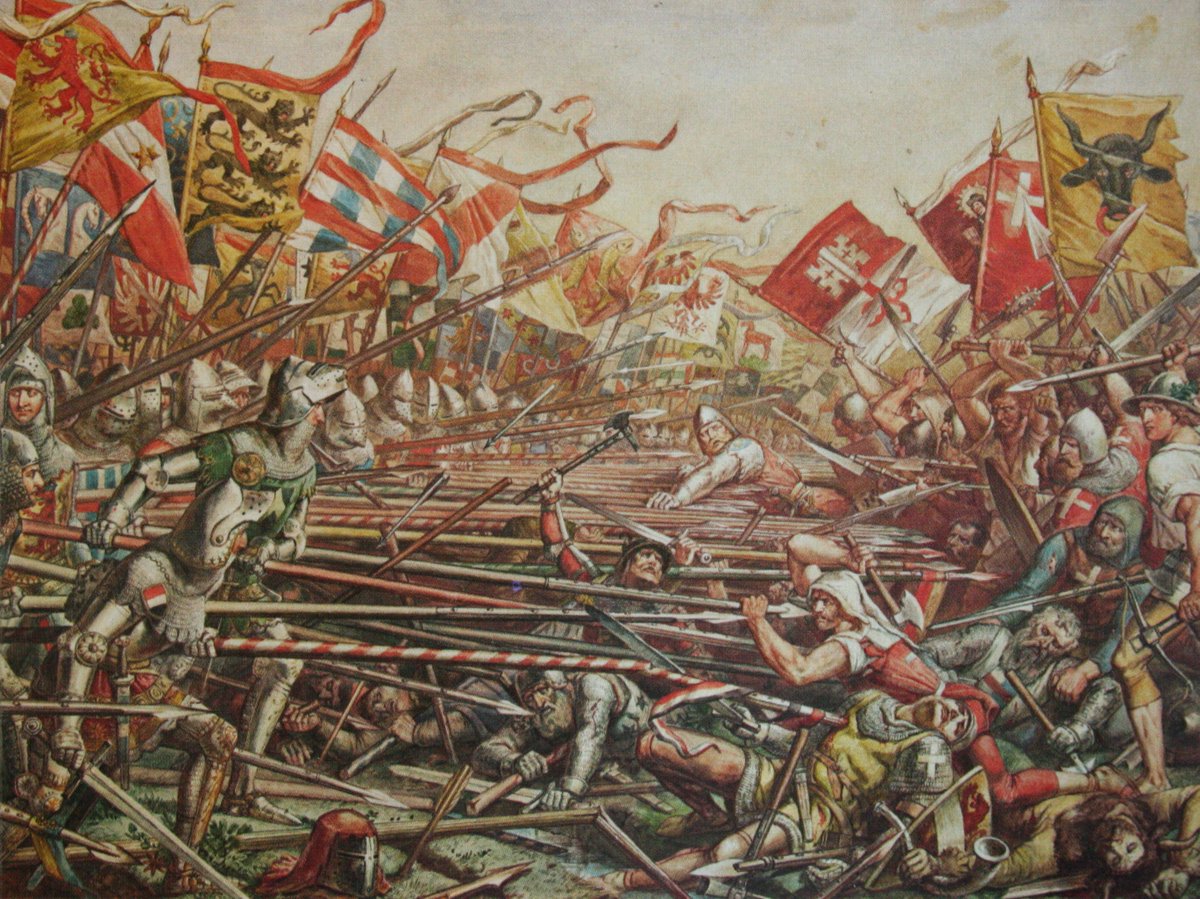
Why did the Swiss take such a brutal approach?
At the time, prisoners of war in Europe would often be kept alive and ransomed.
But this only applied to nobility. There was no gain in keeping non-nobles who could not be ransomed as prisoners and waste resources on them.
At the time, prisoners of war in Europe would often be kept alive and ransomed.
But this only applied to nobility. There was no gain in keeping non-nobles who could not be ransomed as prisoners and waste resources on them.
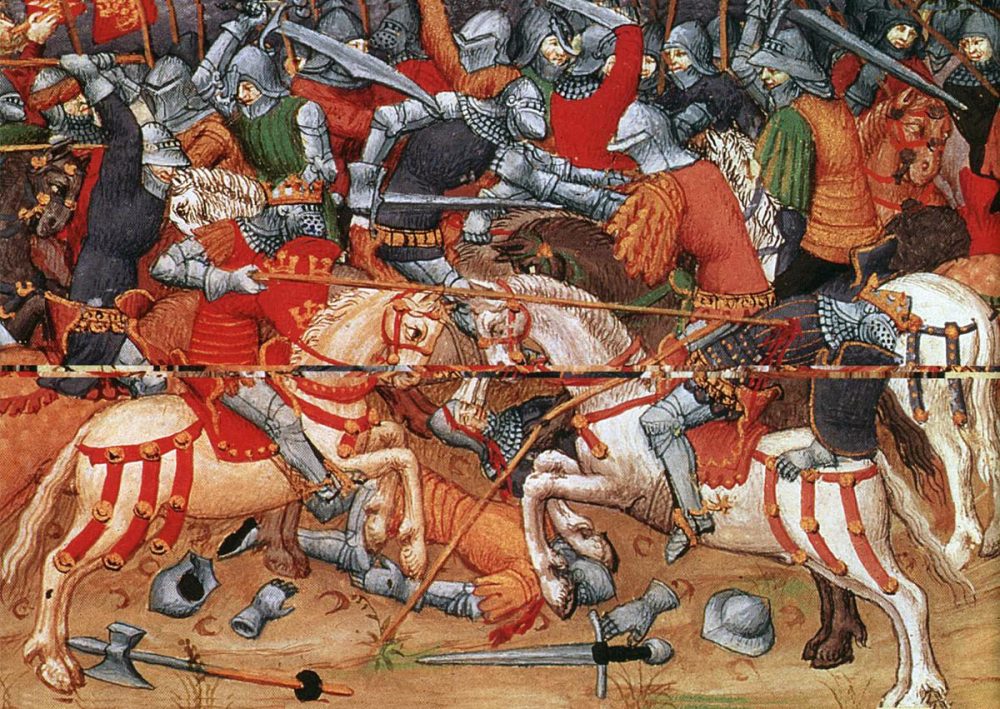
Because of this, soldiers who were not of noble blood and didn't have the prestige, the connections and the money to get themselves ransomed had to literally flee for their lives after losing a battle and were often hunted down and slayed like animals by the victorious armies.
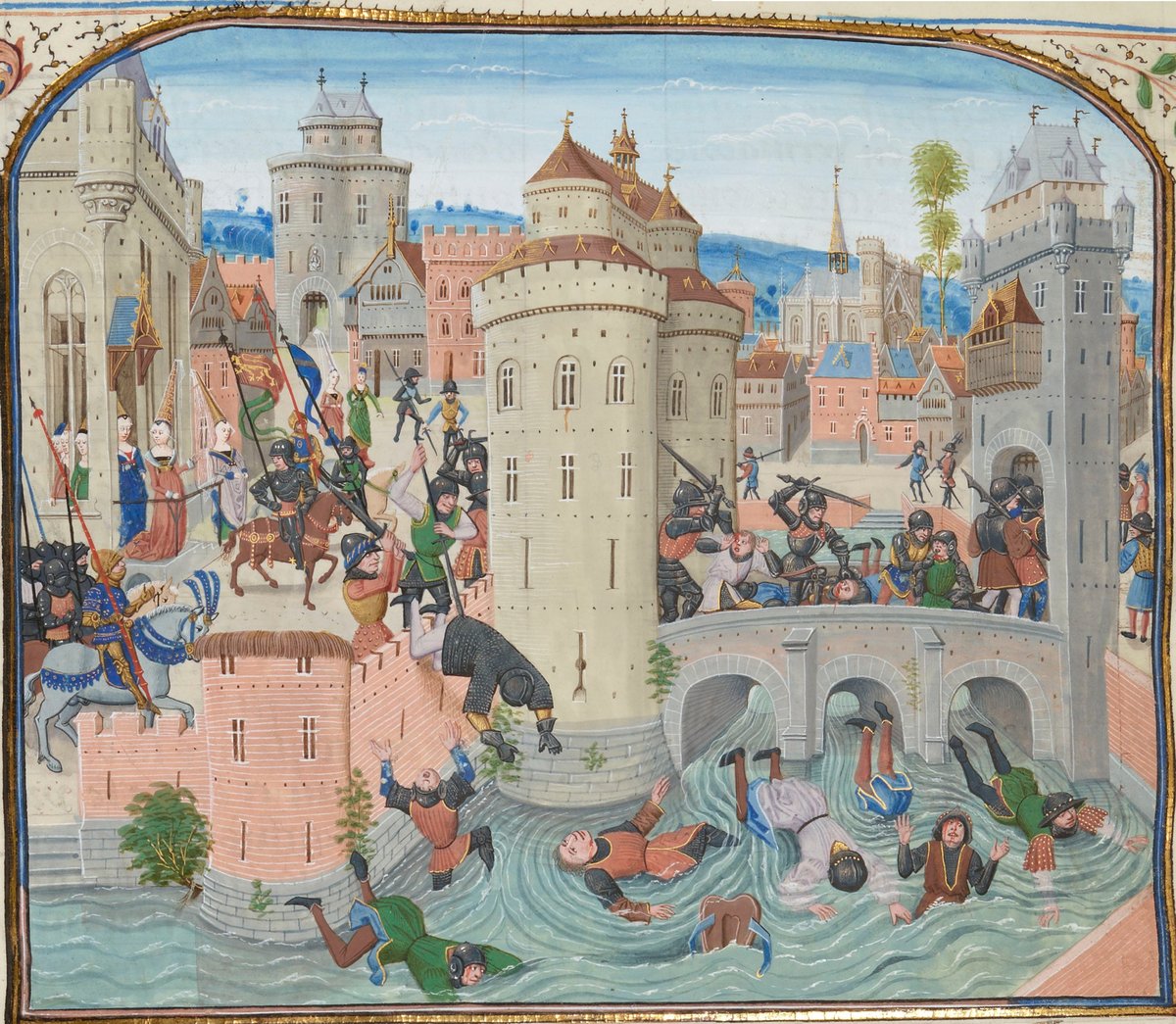
This was done even by knights who were considered as some of most chivalrous and pious like for example Simon de Montfort. After the battle of Muret in 1213 he had the fleeing Toulouse citizen militia cut down without mercy by his knights. They killed everyone they could catch.
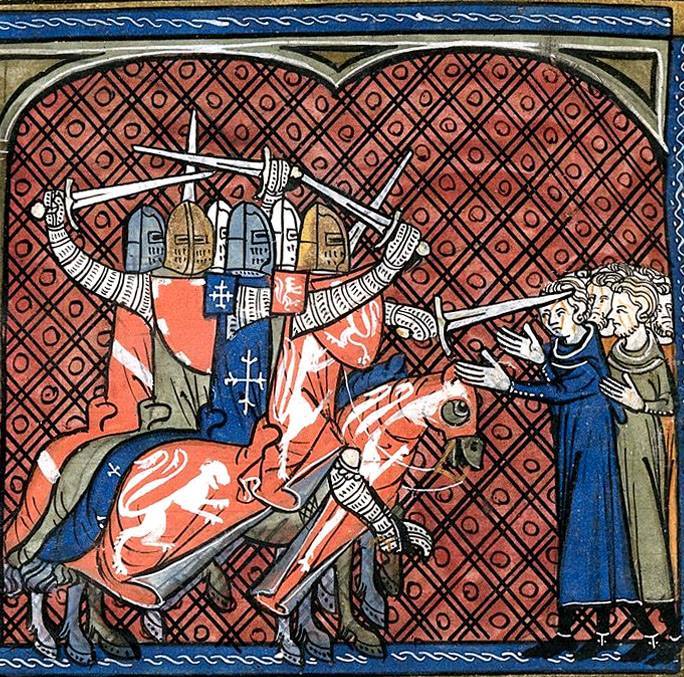
So the "no prisoners" attitude was rather a rule than exception in middle ages.
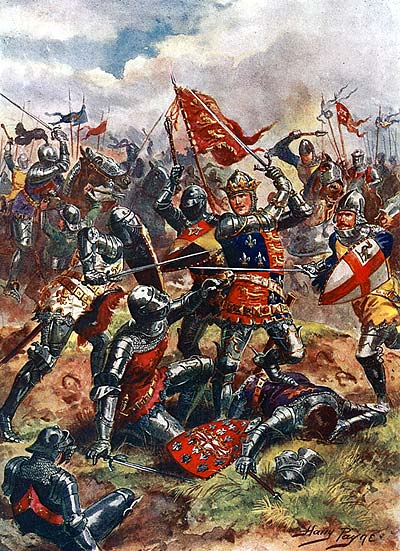
For example after the battle of Agincourt in 1415 King Henry V killed thousands of French prisoners, sparing only the highest ranked nobles. No contemporary chronicler criticized him for it.
For example after the battle of Agincourt in 1415 King Henry V killed thousands of French prisoners, sparing only the highest ranked nobles. No contemporary chronicler criticized him for it.
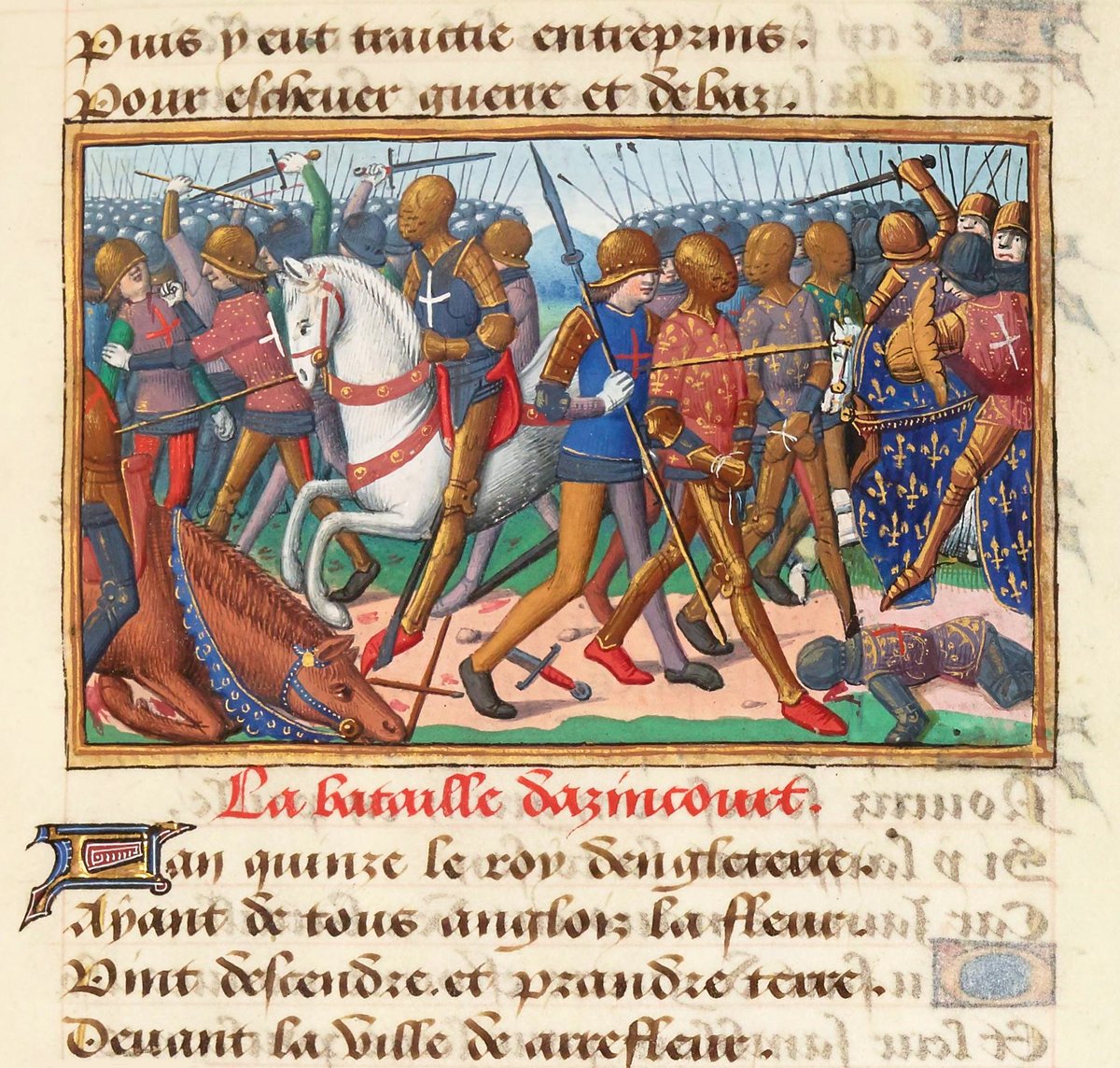
It was seen as normal and rational. He could not have kept them as prisoners when his own army was starving and he could not let them go so that they would fight him again. From his point of view the only choice he had was to kill them all in cold blood.
Those were brutal times.
Those were brutal times.
Now you might look at this totally cynically and think, why and when did we even start keeping prisoners of war then?
It started as the states became more centralized and prisoners of war effectively became a property of the state which could use them for prisoner exchanges.
It started as the states became more centralized and prisoners of war effectively became a property of the state which could use them for prisoner exchanges.
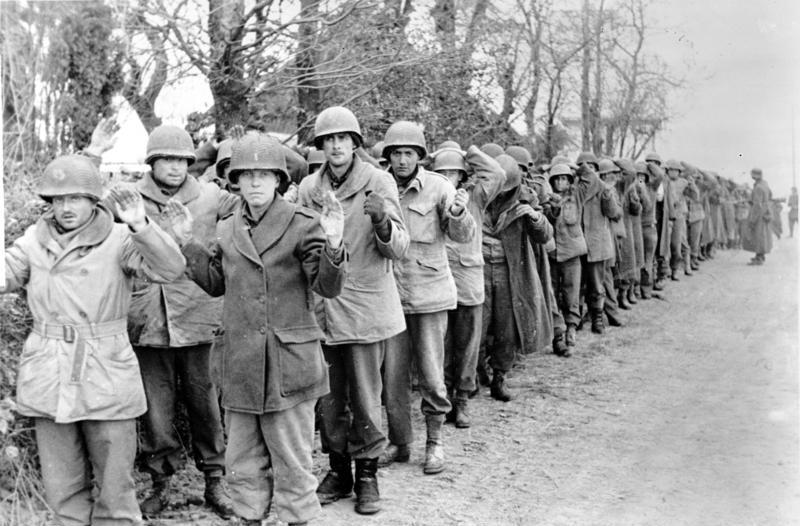
This development happened in the early modern era. For example in the 1640s France kept the Spanish they captured in Flanders as prisoners of war. These were the veteran tercio troops which were valuable to Spain and French would later ransom them when they were at peace again.
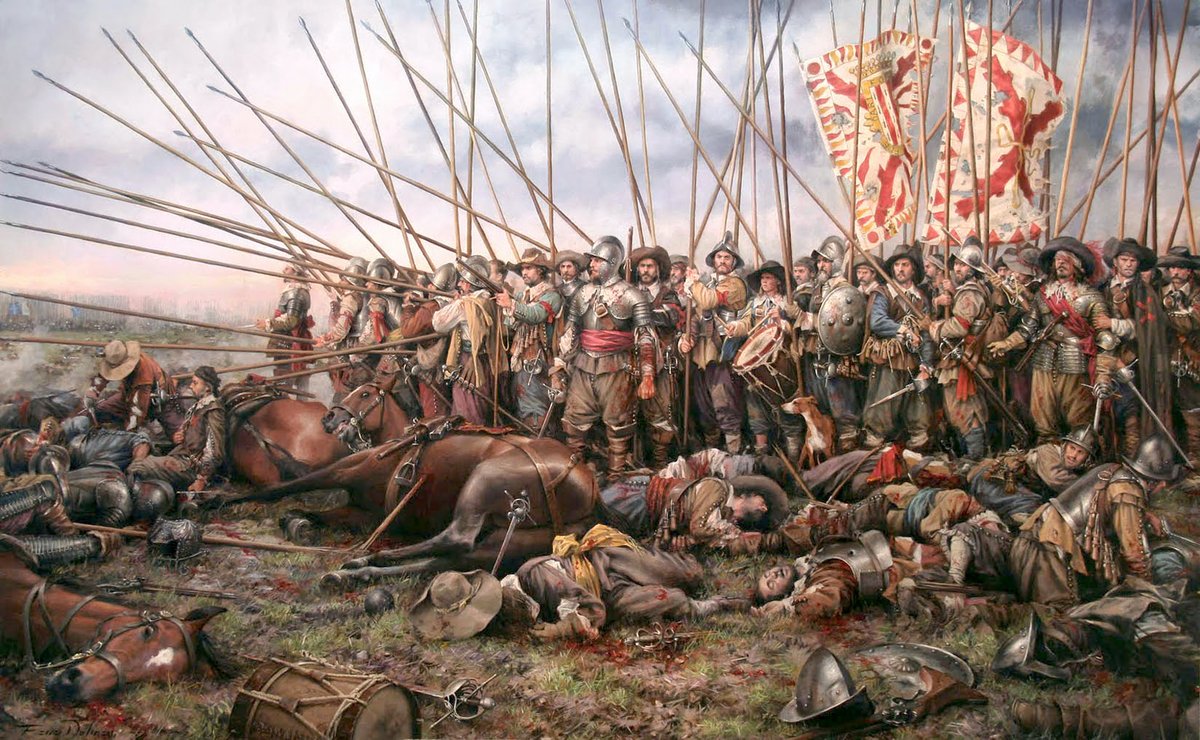
France could afford this because at the time France was centralized and powerful enough to keep a large number of men as captives in this way.
But in the middle ages, prisoners who were taken were essentially the property of the person who captured them.
But in the middle ages, prisoners who were taken were essentially the property of the person who captured them.
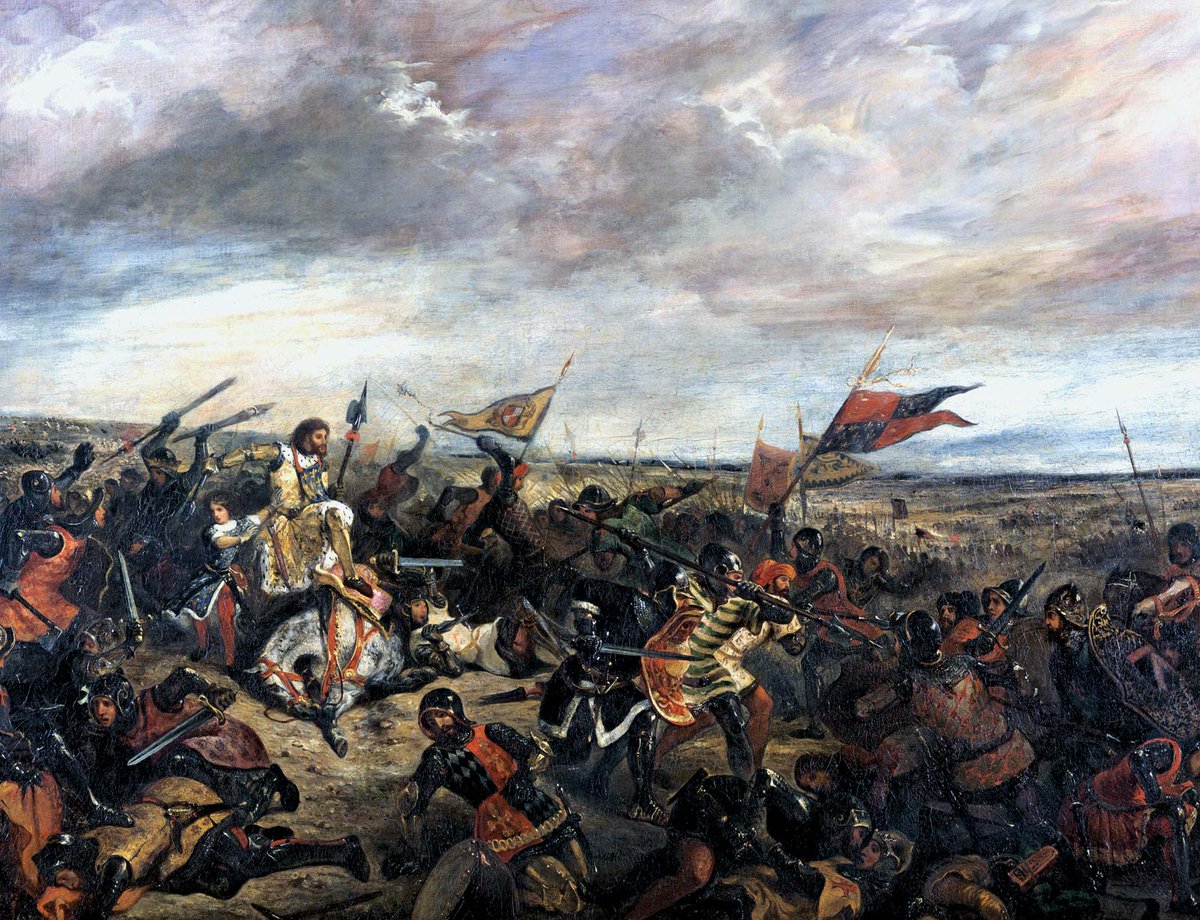
Ransoms of prisoners in the middle ages were actually a lucrative business and an individual warrior could earn a fortune if he captured the right prisoners. Edward the Black Prince received £20,000 for prisoners he took at Poitiers in 1356 which was an enormous sum of money.
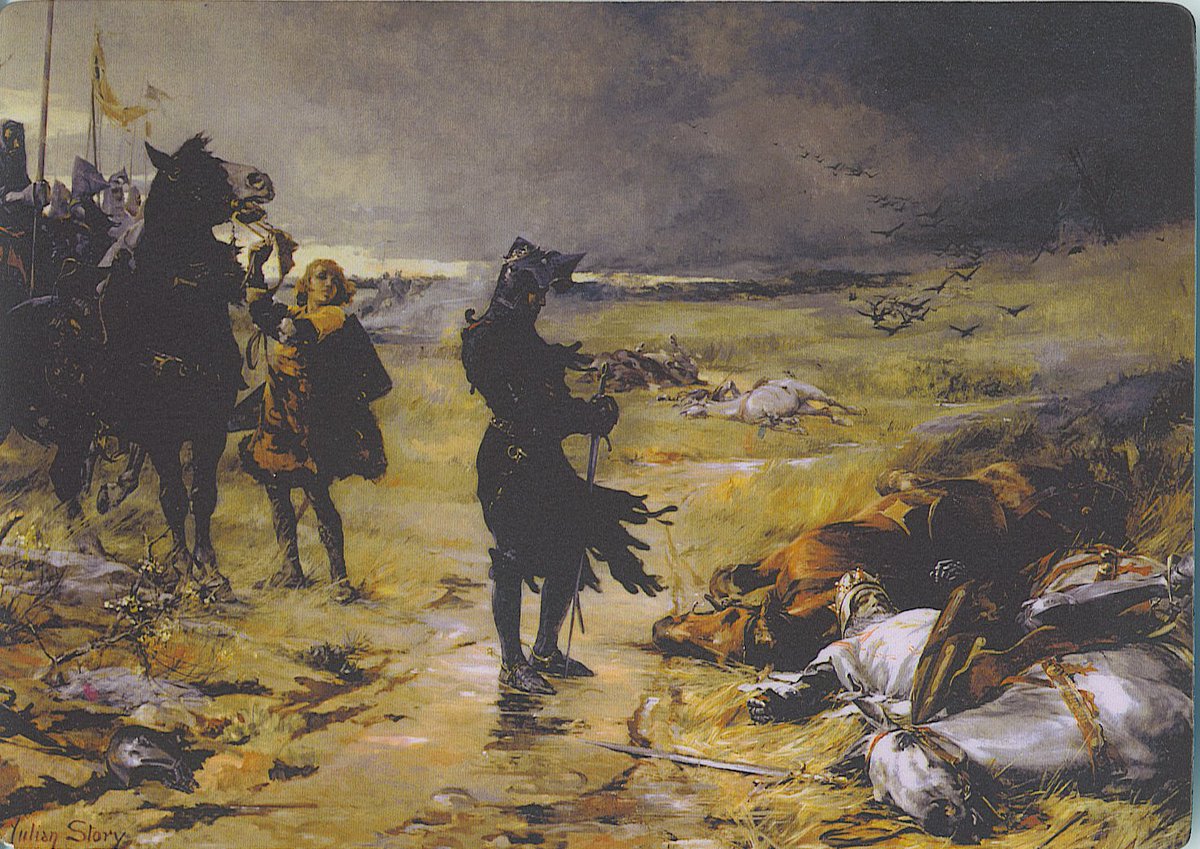
The kings would sometimes demand their share of ransom money but generally whoever captured the prisoners received the bulk of the ransom or even all of it. There were some cases where peasants also managed to capture rich noblemen and took money from ransoms.
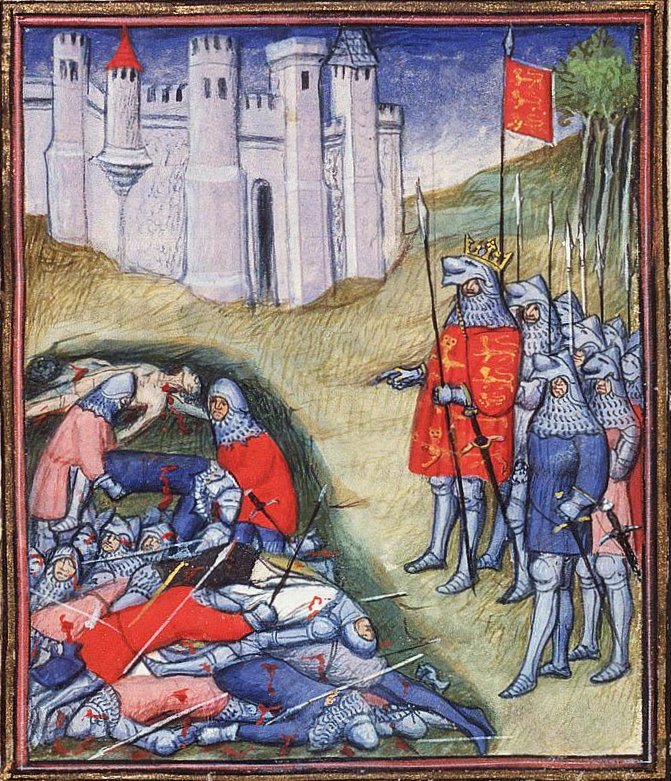
In fact there was a famous case in 1285 when a Catalan peasant woman called Mercadera managed to capture a French knight after she ambushed him during French invasion of Aragon. King Peter III allowed her to collect the ransom money paid by the French knight's family.
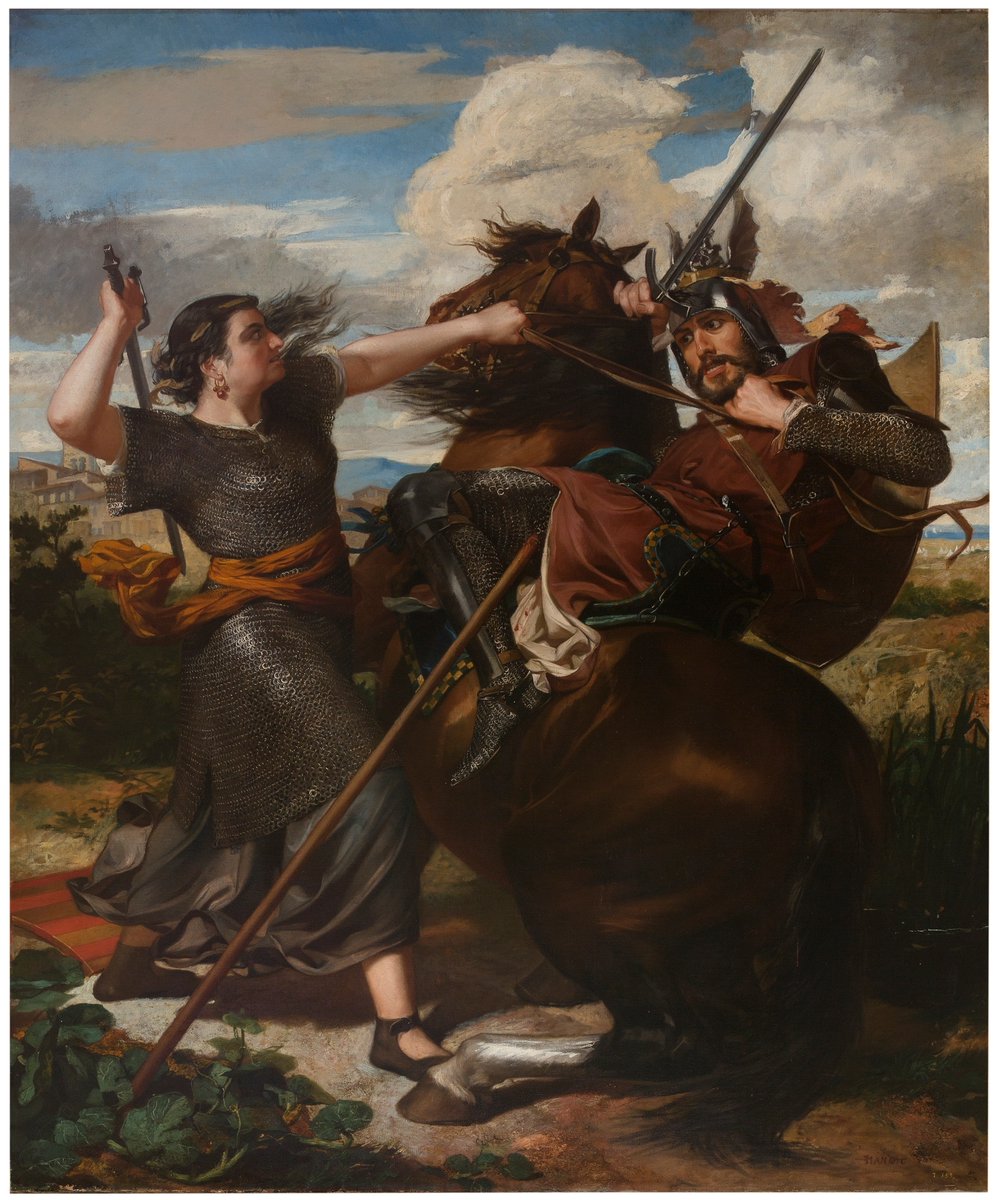
So capturing enemy noblemen carried rich rewards for anyone who could capture them. But there was an obvious problem with that. It meant that some soldiers became more concerned with capturing prisoners than actually fighting the enemy, creating a problem for discipline.
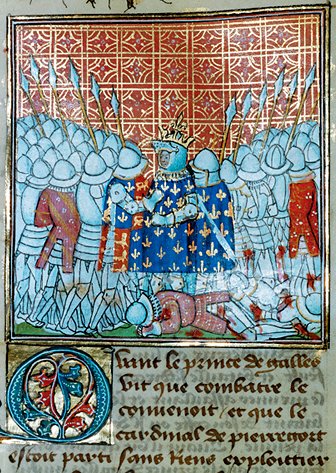
We see a funny case of this at the battle of Poitiers in 1356 where the English soldiers kept going back and forth from the frontline to their wagons as they were tying the French knights they captured to the trees and wheels of wagons while the battle was still raging on.
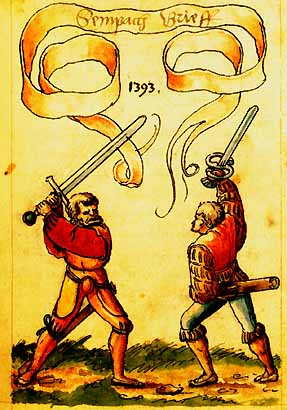
The Swiss realized this and it was one of the reasons why the Swiss prohibited capturing prisoners in their military conduct written down in the Sempach letter of 1393. They did not want their ranks to break in discipline. But there was also another more important reason.
The main base of power of Old Swiss Confederacy were landowning peasants and burghers of prosperous Swiss cities. They were not nobles and they knew that if they faced defeat against the Habsburg army they would all be hunted down like animals and killed without mercy.
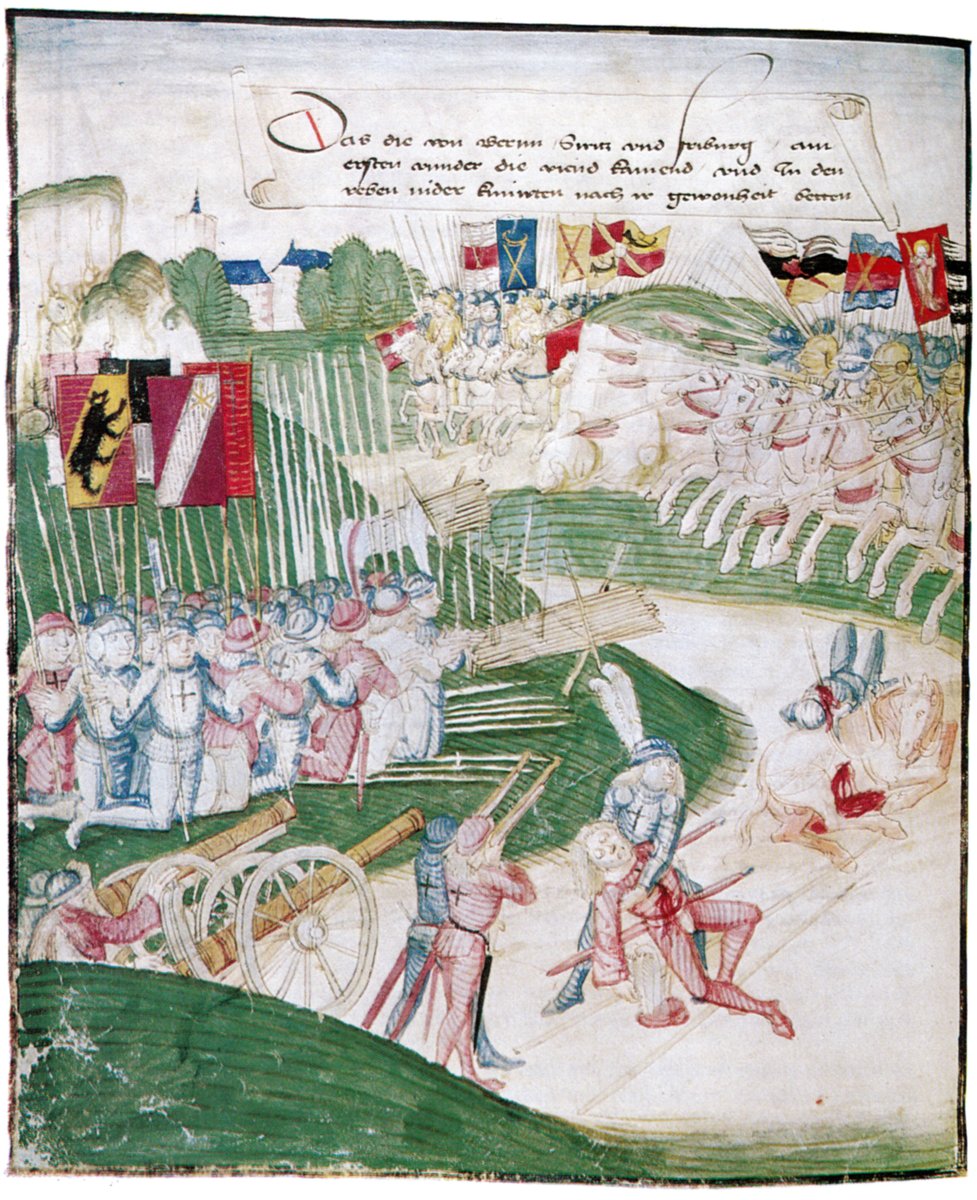
And not just Habsburgs but any invading army of nobles. Before the battle of Grandson in 1476 the Swiss knelt to pray which the Burgundian knights mistook for surrender and charged at the Swiss shouting "You will get no mercy, you must all die." But the Swiss were ready and won.
And while the Swiss could have extracted ransom from capturing the enemy nobles, playing by such rules would be disadvantageous for them. It would mean that the war was a matter of life and death for them but just a sport for the enemy nobles who could buy their way out of it.
So the Swiss mentality was basically this. If you will not take our men as prisoners we'll definitely not take you as prisoners either. Peasant, rich nobleman or Emperor himself, it doesn't matter, if we get our hands on you, you're going down! There would be no mercy.
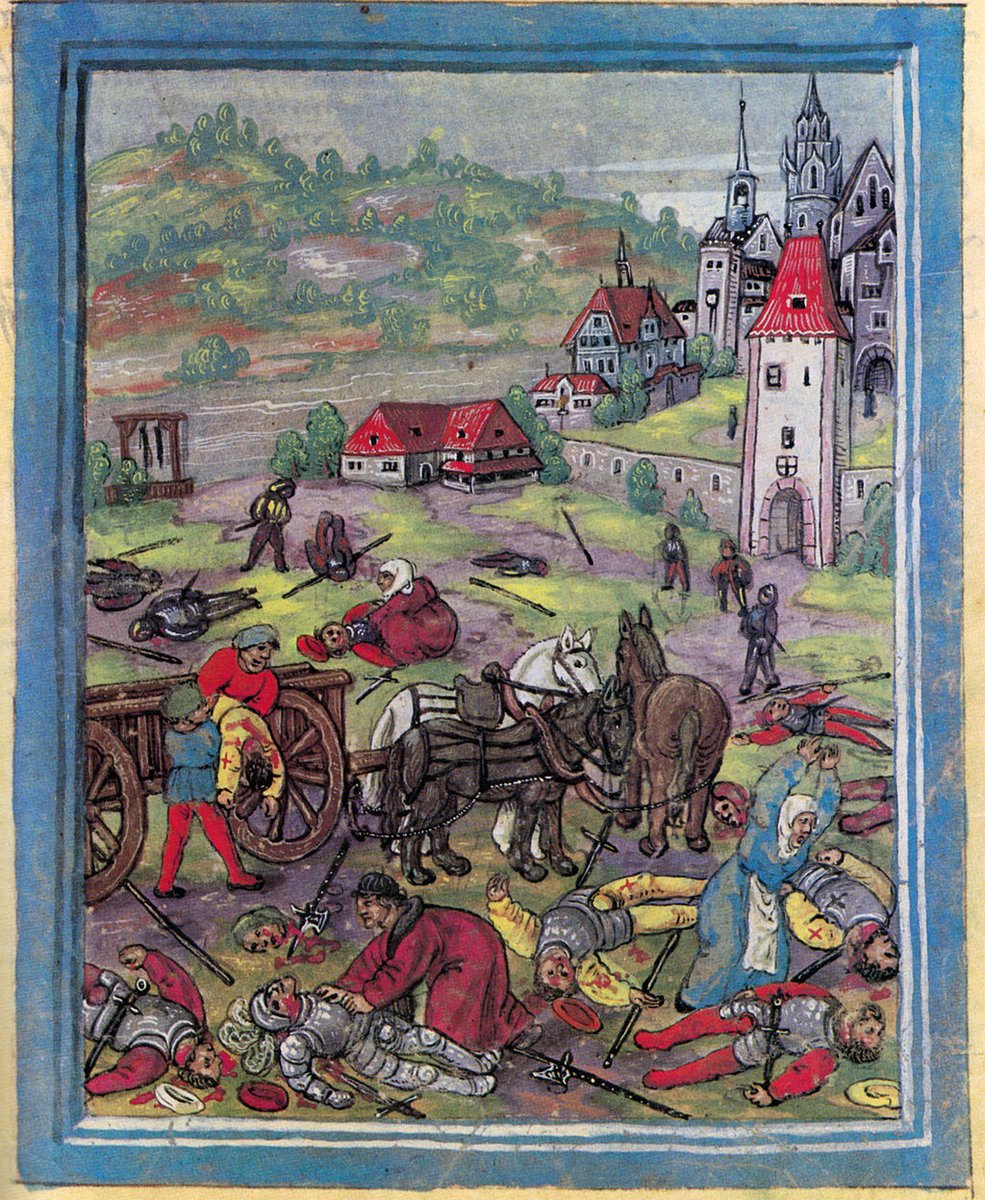
This is how the Swiss took the brutality of an already brutal age to a whole new level.
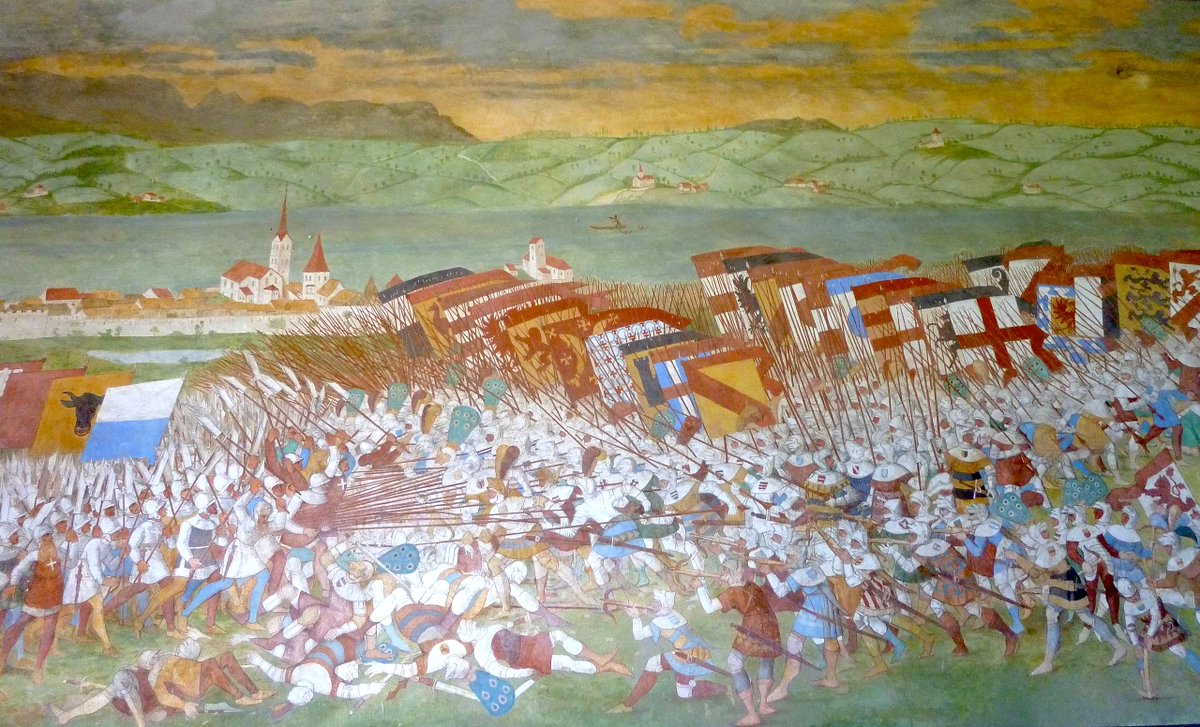
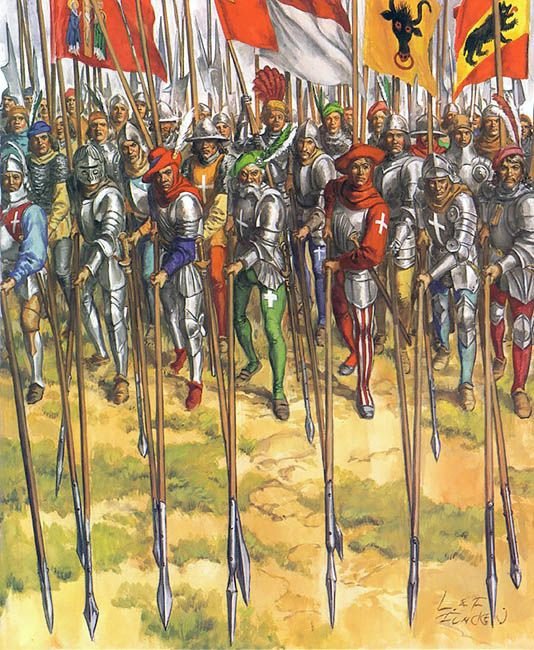
But a lot of this was also because of how they fought. They perfected the pike infantry tactics where they fought with polearm weapons like pikes and halberds in disciplined squares.
But a lot of this was also because of how they fought. They perfected the pike infantry tactics where they fought with polearm weapons like pikes and halberds in disciplined squares.
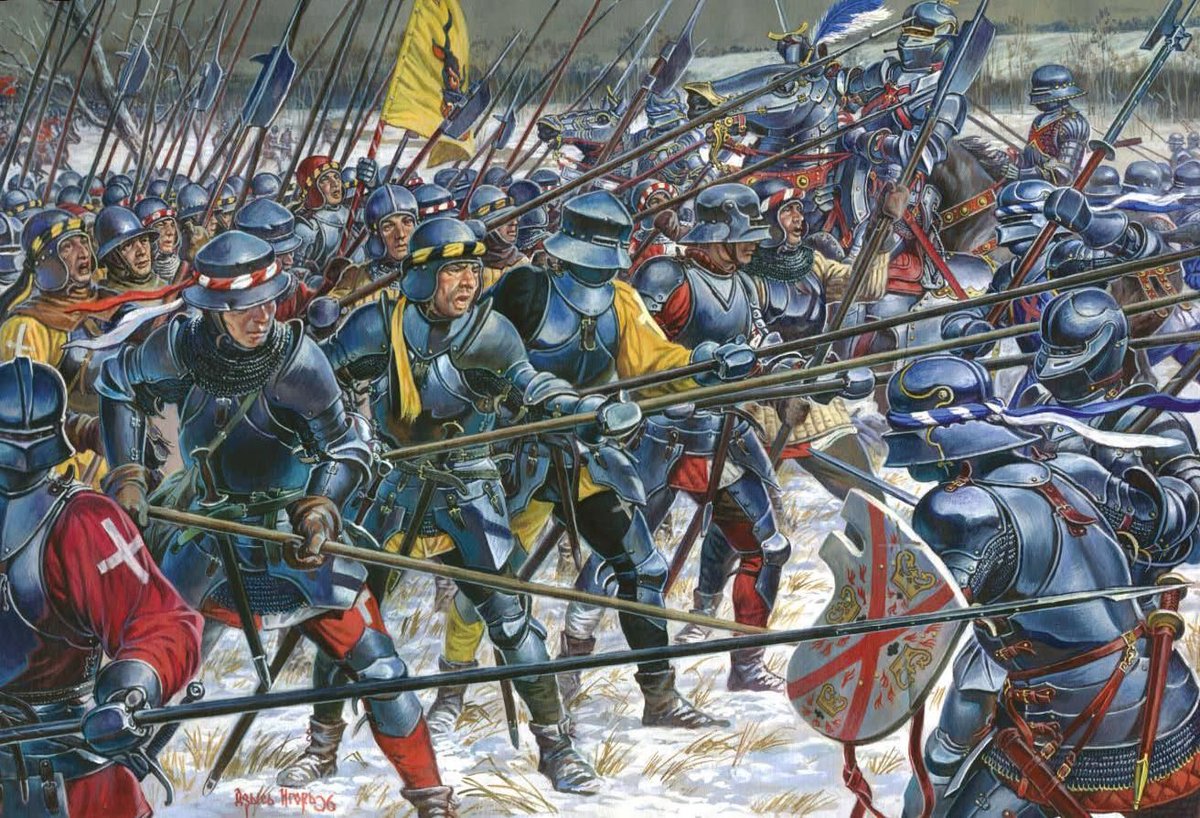
This way the Swiss could defend from cavalry charges with pikes but also had halberds in case they got locked in a close "push of pike" with enemy infantry. This was a very gruesome way of combat which the Italians simply called "bad war" which always resulted in a bloodbath.
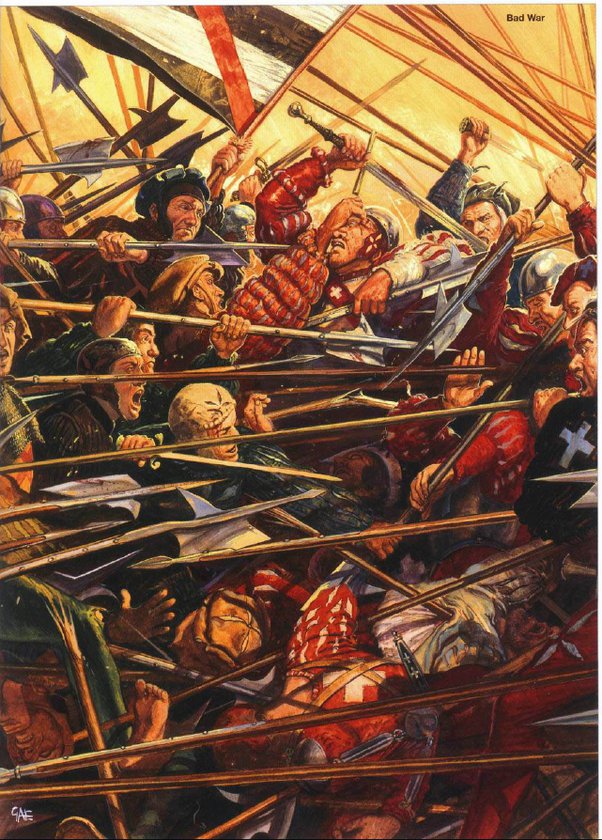
These tactics made the Swiss praised as warriors and they started serving as mercenaries in foreign armies. As mercenaries they stayed true to their "no prisoners" code and were greatly feared for that. In this way, taking no prisoners became a great psychological weapon.
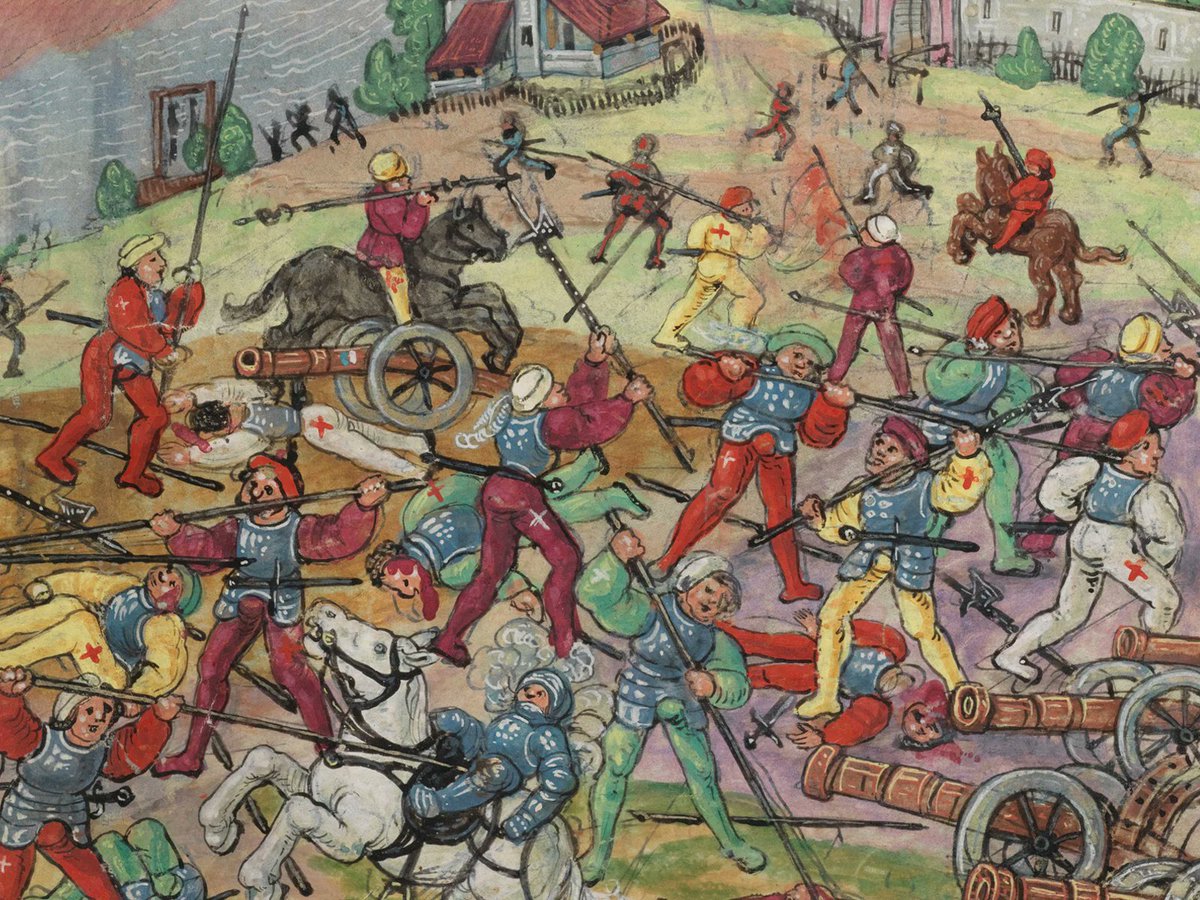
The Swiss were not just the most skilled in pike warfare as pioneers of such style, but they were also the most brutal. Besides taking no prisoners they also had an ancient code outlined in the same letter of Sempach in 1393 which prohibited retreat. It was strictly forbidden.
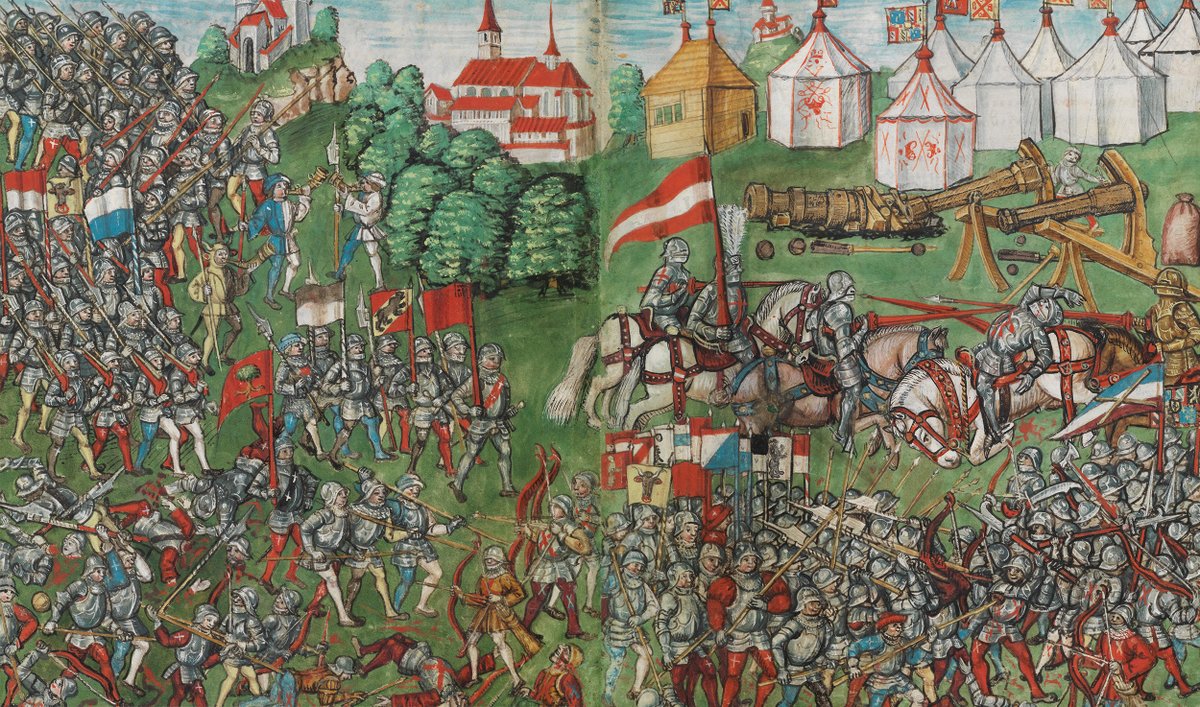
If anyone tried to flee or called for the unit to retreat the soldier next to him was obliged to kill him on the spot.
We like to imagine slogans like "no retreat, no surrender, no prisoners" as empty catchphrases, but for the Swiss these were real and how they were perceived.
We like to imagine slogans like "no retreat, no surrender, no prisoners" as empty catchphrases, but for the Swiss these were real and how they were perceived.
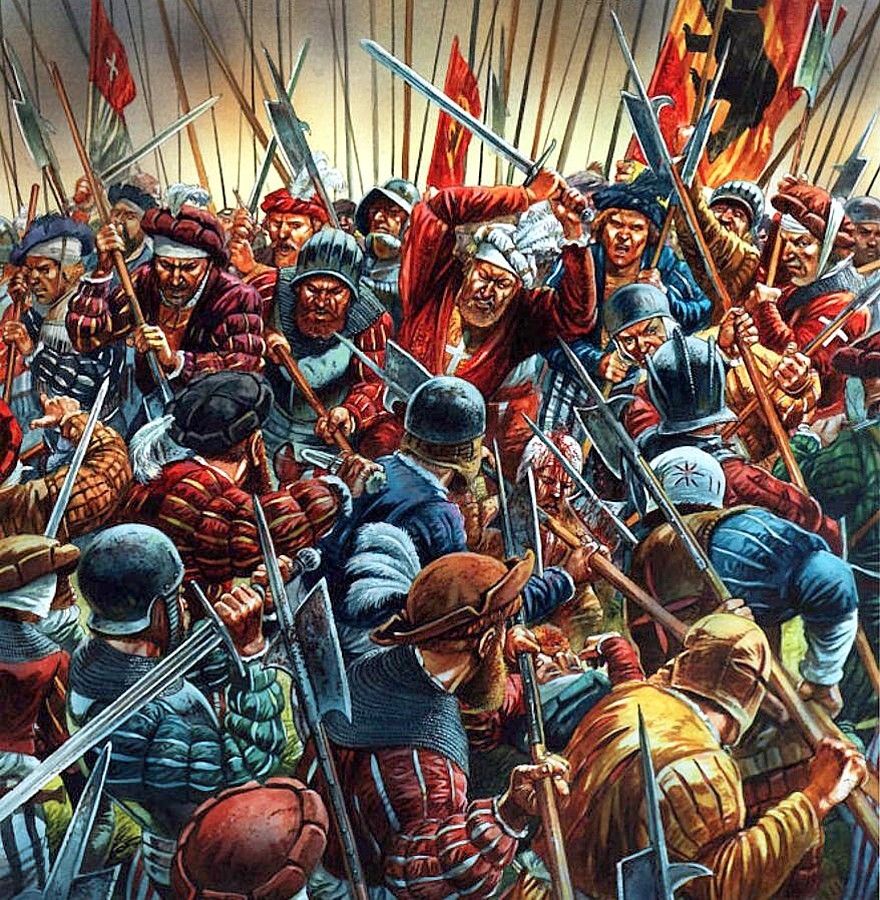
Despite being infantrymen, the Swiss pikemen were also able to charge very quickly and in most battles they simply overwhelmed the enemy before the enemy could employ any sort of tactical plan. In many ways their enemy simply broke psychologically facing such an intimidating foe.
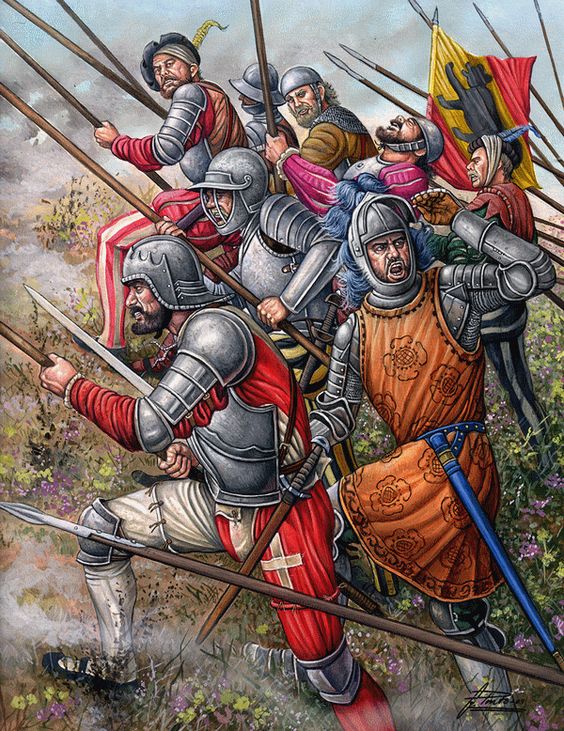
I honestly can't imagine a more intimidating sight in military history than Swiss mercenaries charging at you in a disciplined formation with their pikes pointed directly at you, knowing their reputation.
And it was this reputation why they were worth a fortune as mercenaries.
And it was this reputation why they were worth a fortune as mercenaries.
Loading suggestions...