

It's tough to stay alive in Crypto. There are a million ways to get rekt.
Here are some important risks & pitfalls in Crypto to beware of 👇
Here are some important risks & pitfalls in Crypto to beware of 👇
1. Price Risk 🔻
This is the risk that the price of the asset may go down.
Example: You bought ETH at $3,000. It's now at $1,800.
This is the risk that the price of the asset may go down.
Example: You bought ETH at $3,000. It's now at $1,800.

2. De-peg risk 💔
The risk that a pegged asset loses its peg.
For a USD-pegged stablecoin, this would be the risk that the stablecoin is worth less than $1.
The risk that a pegged asset loses its peg.
For a USD-pegged stablecoin, this would be the risk that the stablecoin is worth less than $1.

This is what happened to UST.
This risk also exists with synthetic or wrapped assets.
This risk also exists with synthetic or wrapped assets.
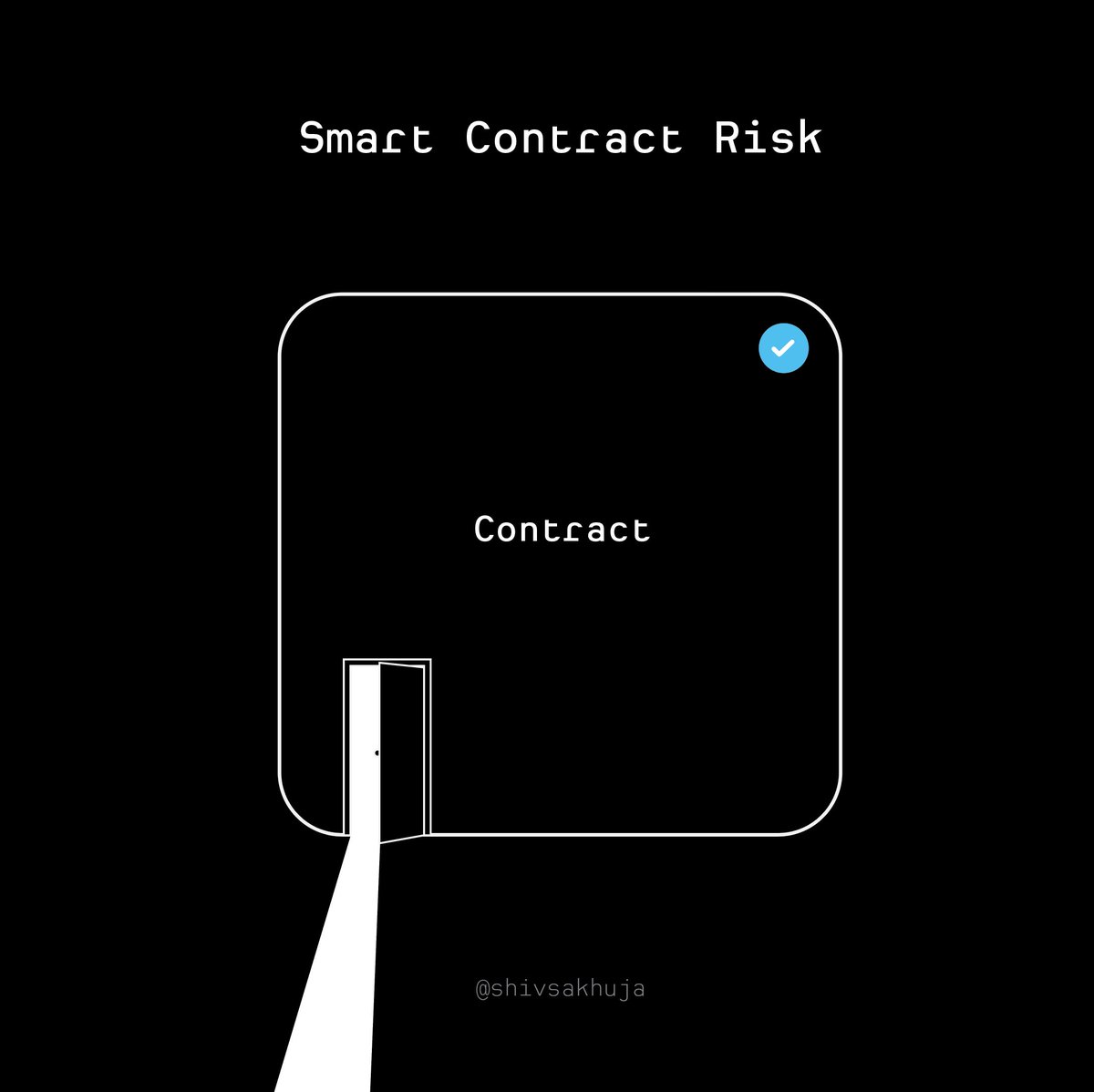
3. Smart Contract risk 🥷
This is the risk that the smart contract has a bug or vulnerability that allows an attacker to access and steal the funds.
This is the risk that the smart contract has a bug or vulnerability that allows an attacker to access and steal the funds.
This is what happened with @screamdotsh
@Screamdotsh Every DeFi app has smart contract risk, and it can be hard to foresee.
You can always inspect smart contract code yourself, but that requires knowing how to read smart contracts and it's unlikely you'll catch a mistake no one else did.
You can always inspect smart contract code yourself, but that requires knowing how to read smart contracts and it's unlikely you'll catch a mistake no one else did.
@Screamdotsh Audits give some level of assurance (knowing that someone has inspected the contracts thoroughly), but audited protocols also get exploited.
Eventually, the industry will mature and smart contract risk will reduce as we have more reliable, battle-tested DeFi building blocks.
Eventually, the industry will mature and smart contract risk will reduce as we have more reliable, battle-tested DeFi building blocks.
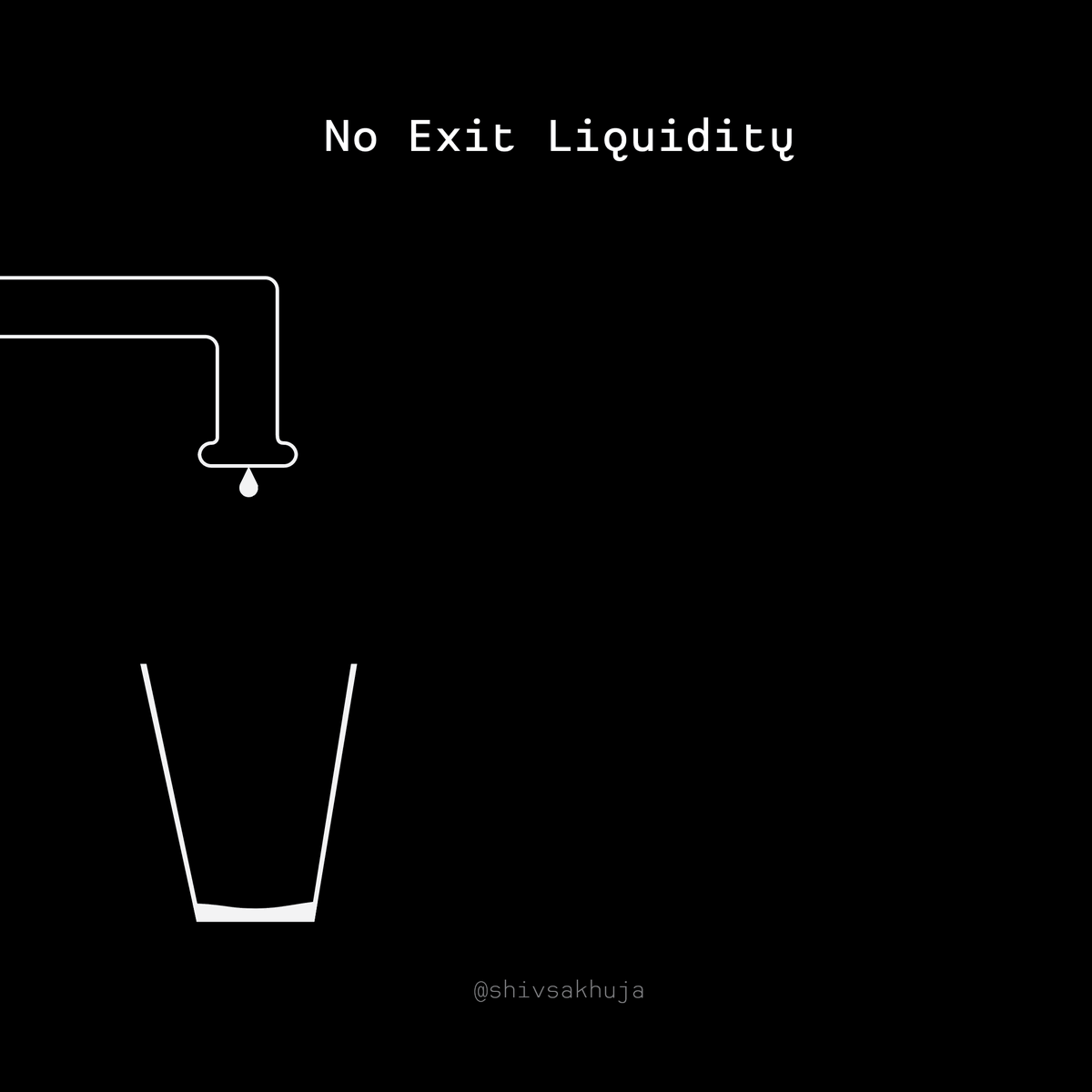
@Screamdotsh 5. No Exit Liquidity 🚰
🚰 This is the risk that you want to sell your coins, but there’s no DEX or CEX with enough liquidity.
Example: slippage is 90% for your sell size on a DEX, meaning you’ll only get 10% of the value.
🚰 This is the risk that you want to sell your coins, but there’s no DEX or CEX with enough liquidity.
Example: slippage is 90% for your sell size on a DEX, meaning you’ll only get 10% of the value.
@Screamdotsh 6. Illiquid assets (NFTs) 🏆
A similar risk exists with assets like NFTs.
NFTs are only liquid if you can find an individual buyer who is willing to pay you ETH for your JPEG.
Tougher in bear markets.
A similar risk exists with assets like NFTs.
NFTs are only liquid if you can find an individual buyer who is willing to pay you ETH for your JPEG.
Tougher in bear markets.
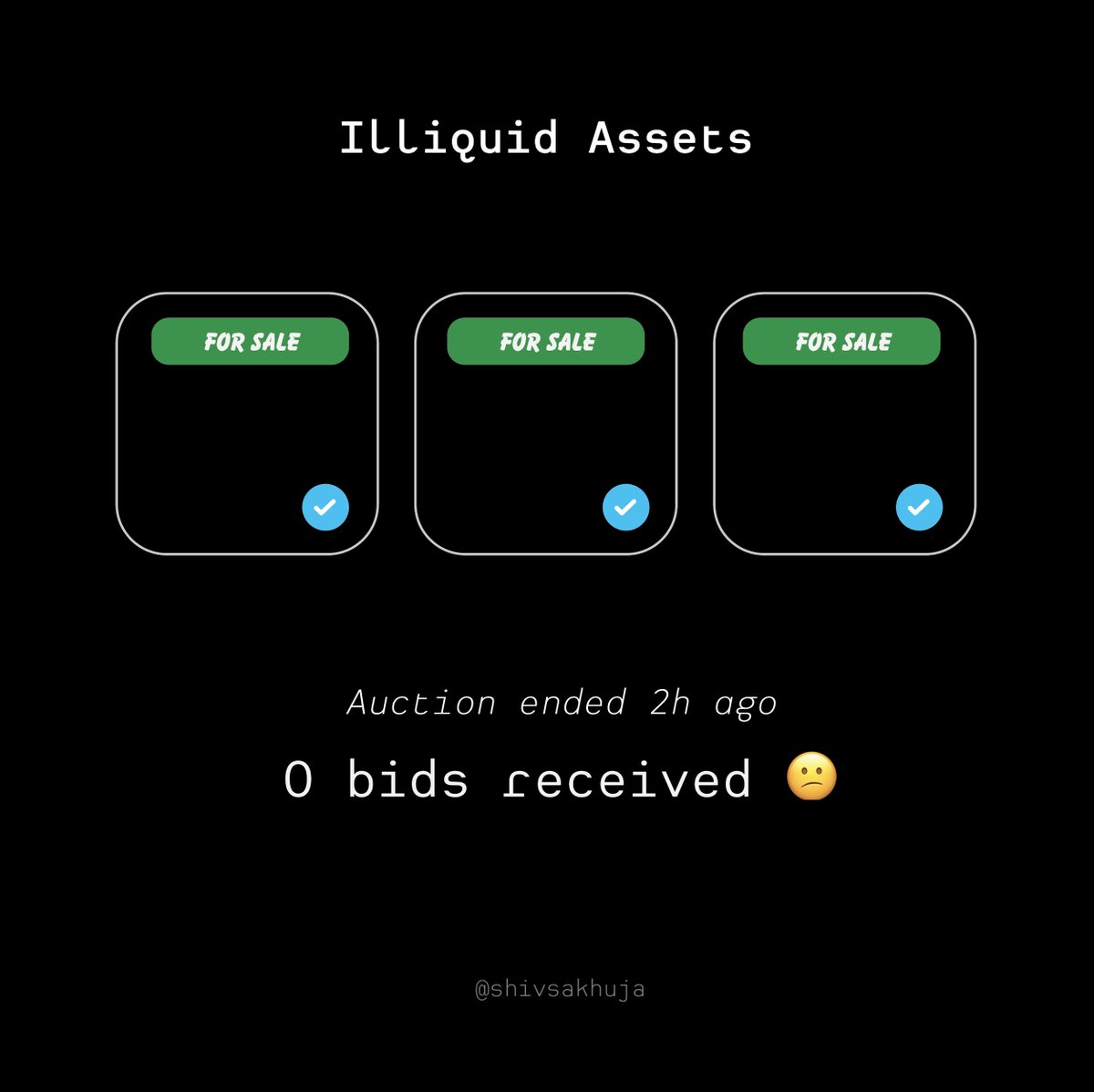
@Screamdotsh If you can't find a buyer, your NFTs are worth $0.
@Screamdotsh 7. Wallet loss risk 😱
One risk with self-custodying crypto is the possibility of losing your keys.
This could happen if you misplaced your seed phrase, sold your laptop, got hacked or phished, etc.
One risk with self-custodying crypto is the possibility of losing your keys.
This could happen if you misplaced your seed phrase, sold your laptop, got hacked or phished, etc.
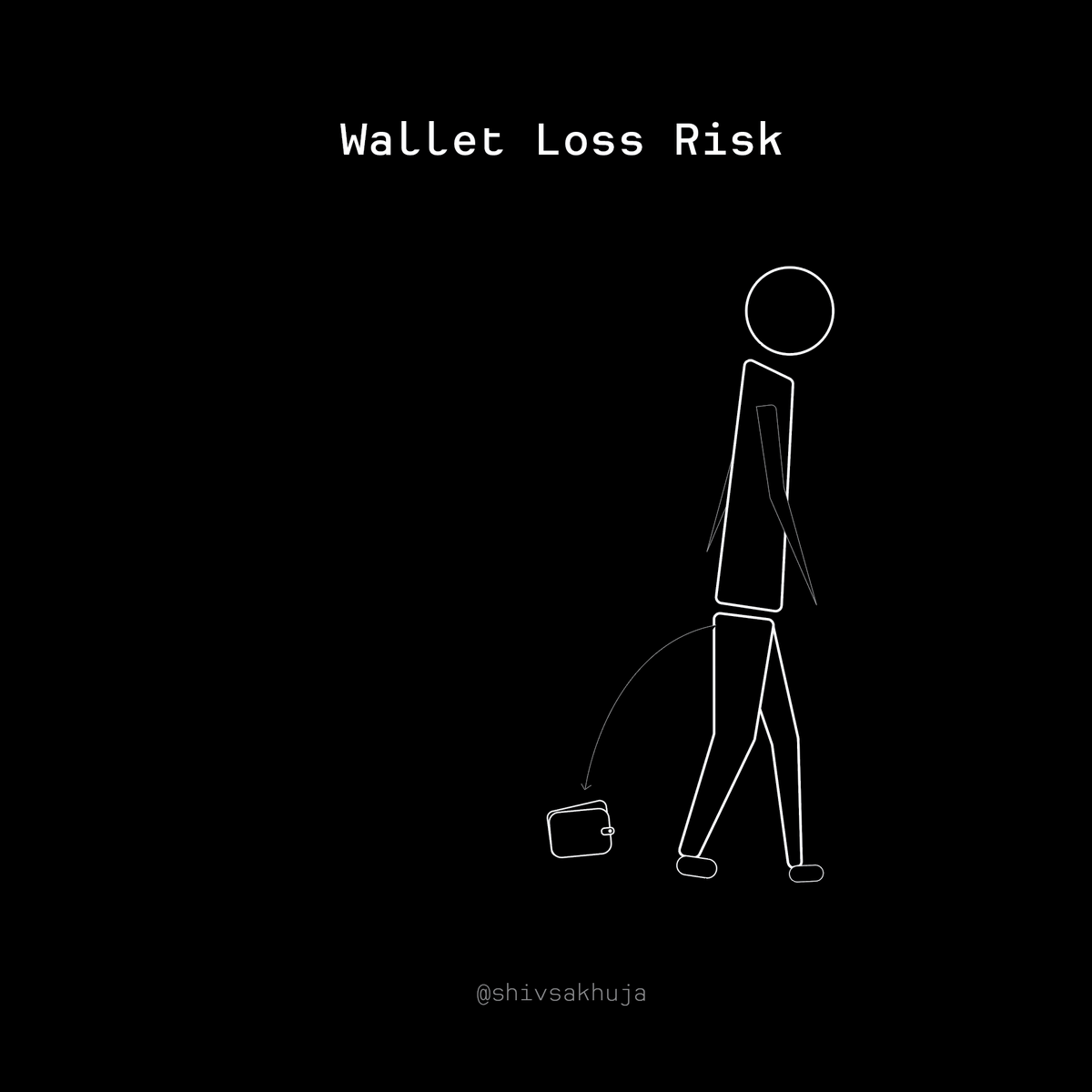
@Screamdotsh An estimated 4 million Bitcoin are lost forever because people misplaced the keys to their wallet.
Example:
• Tim bought 100 Bitcoin in 2011, and kept them on a wallet on his Mac, but he bought a new computer and wiped his old one.
Tim doesn’t have a backup of his seed phrase.
Example:
• Tim bought 100 Bitcoin in 2011, and kept them on a wallet on his Mac, but he bought a new computer and wiped his old one.
Tim doesn’t have a backup of his seed phrase.
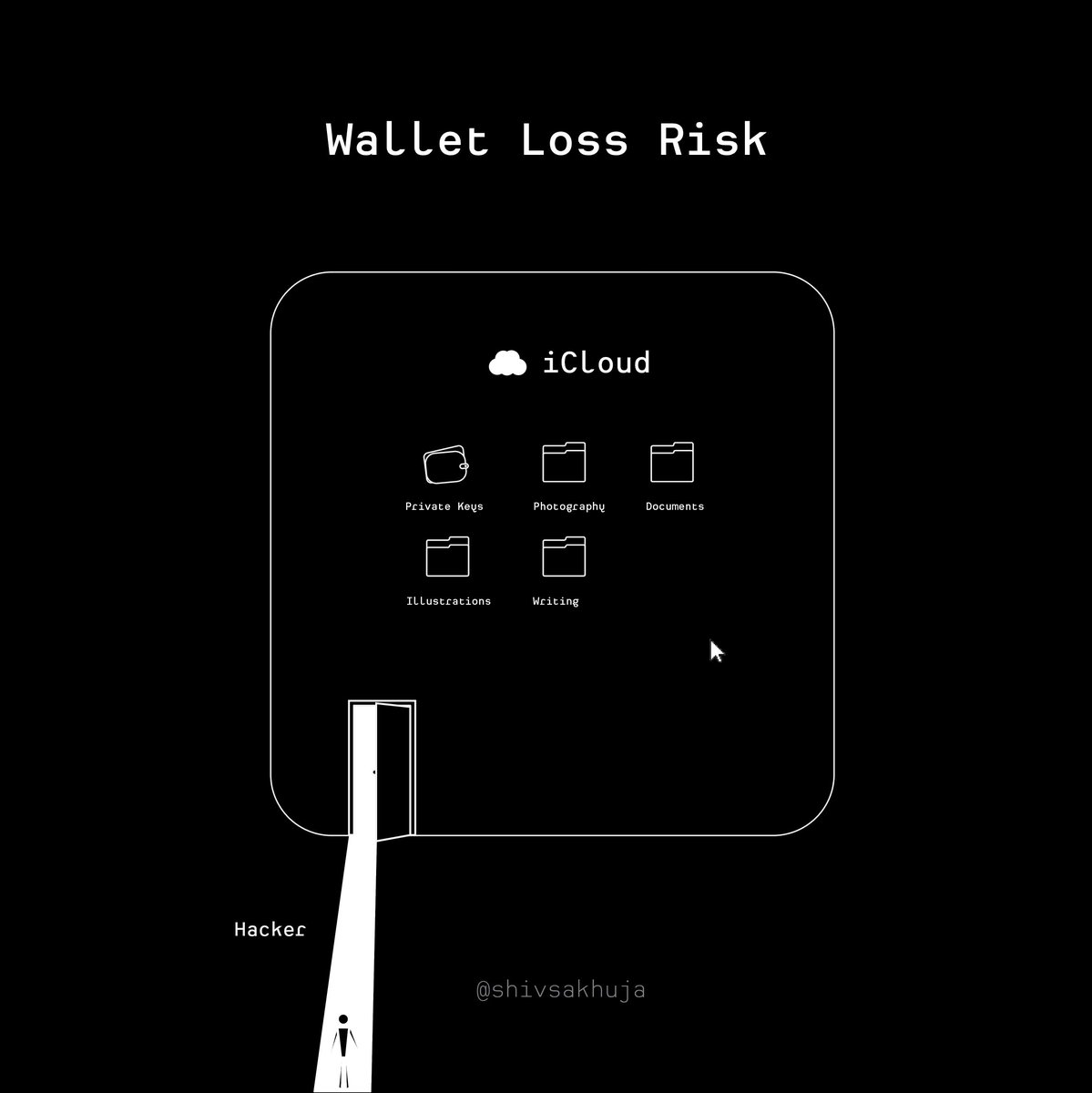
@Screamdotsh Another (more common) example of wallet loss risk:
• Seif kept his seed phrase on iCloud. His iCloud recently got hacked, and he lost all his crypto.
• Seif kept his seed phrase on iCloud. His iCloud recently got hacked, and he lost all his crypto.
@Screamdotsh 8. Hacking / Phishing / Scams
This is the risk that you get scammed, hacked, phished, etc and you lose your coins.
Crypto scams come in many shapes and sizes:
This is the risk that you get scammed, hacked, phished, etc and you lose your coins.
Crypto scams come in many shapes and sizes:
@Screamdotsh @0x_illuminati And you can find the rest of my writings there as well: shivsak.0xilluminati.com
@Screamdotsh @0x_illuminati Follow me @shivsakhuja for more illustrated guides.
If you found this thread helpful, I'd really appreciate a retweet on the tweet below ♻️
If you found this thread helpful, I'd really appreciate a retweet on the tweet below ♻️
Loading suggestions...