
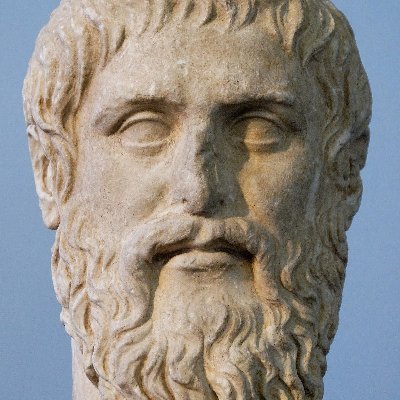
How to think and act like a Medieval knight. Thread:
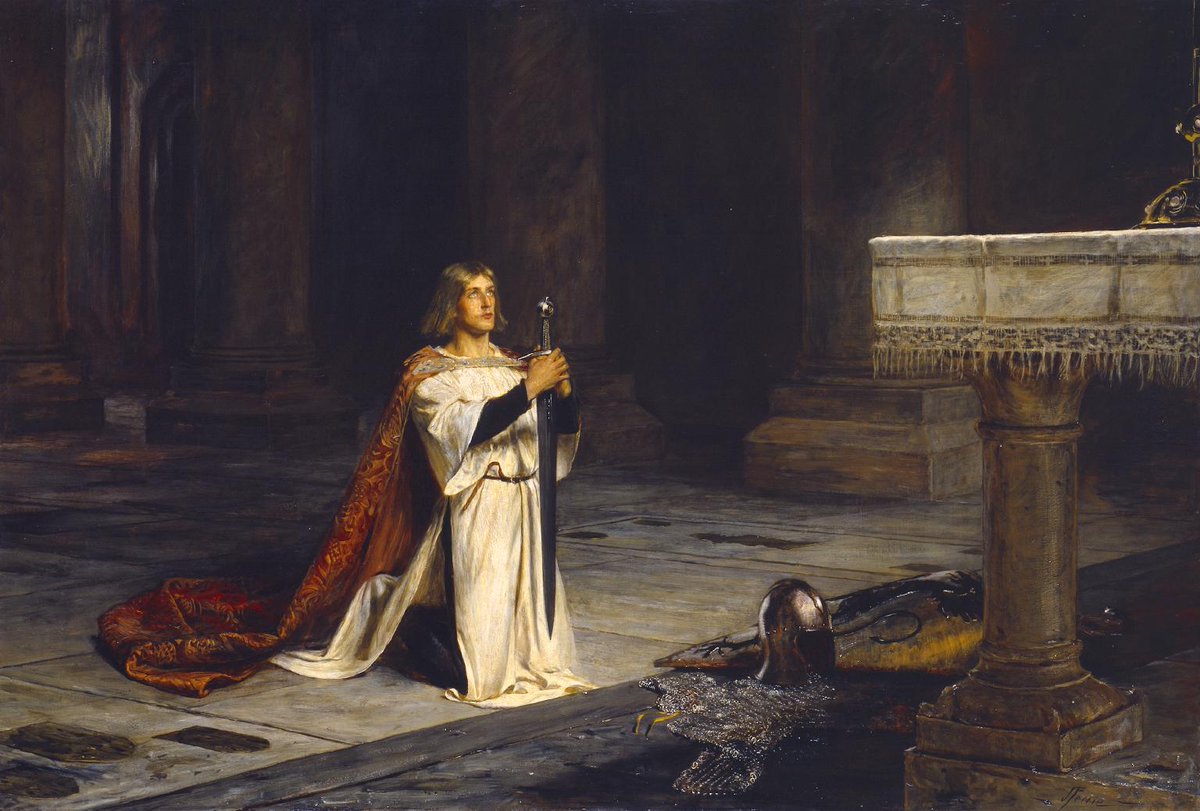
1. Chivalry
Before we get to your sword & duties, your heraldry & ceremony, we need to address chivalry.
It is THE defining factor in a knight.
A code of behaviour which shapes your actions and thoughts. In two words: knightly virtue.
Before we get to your sword & duties, your heraldry & ceremony, we need to address chivalry.
It is THE defining factor in a knight.
A code of behaviour which shapes your actions and thoughts. In two words: knightly virtue.
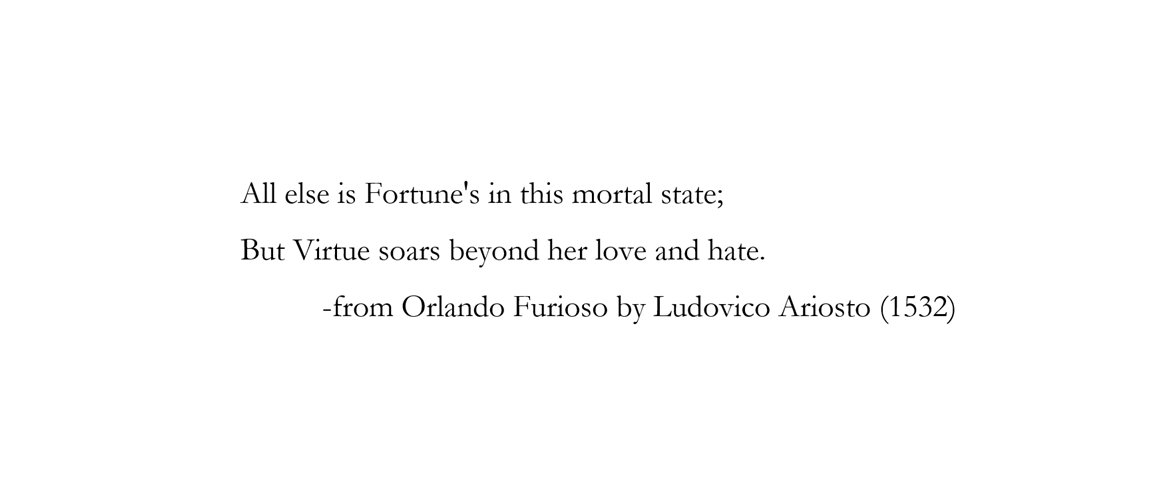
Honour
You must be willing to die for your honour. Disgrace & shame are worse than death. It is a principle you must place above the value of your own life.
What is honour? Your reputation, created by your valour, truthfulness, piety, & behaviour.
You must be willing to die for your honour. Disgrace & shame are worse than death. It is a principle you must place above the value of your own life.
What is honour? Your reputation, created by your valour, truthfulness, piety, & behaviour.
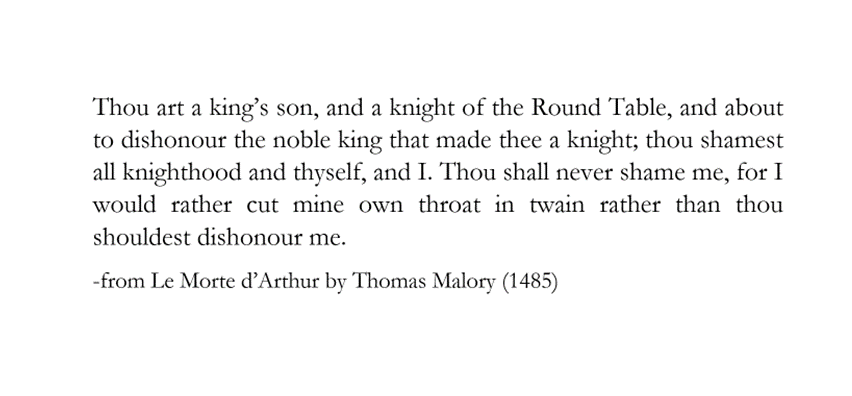
Loyalty
Once your word is pledged - to a king, a maiden, or a friend - you cannot break it.
And you must respect the feudal hierarchy.
Like William Marshal (1146-1219) who served five English kings, and led the army of Henry III at the age of 70.
Once your word is pledged - to a king, a maiden, or a friend - you cannot break it.
And you must respect the feudal hierarchy.
Like William Marshal (1146-1219) who served five English kings, and led the army of Henry III at the age of 70.
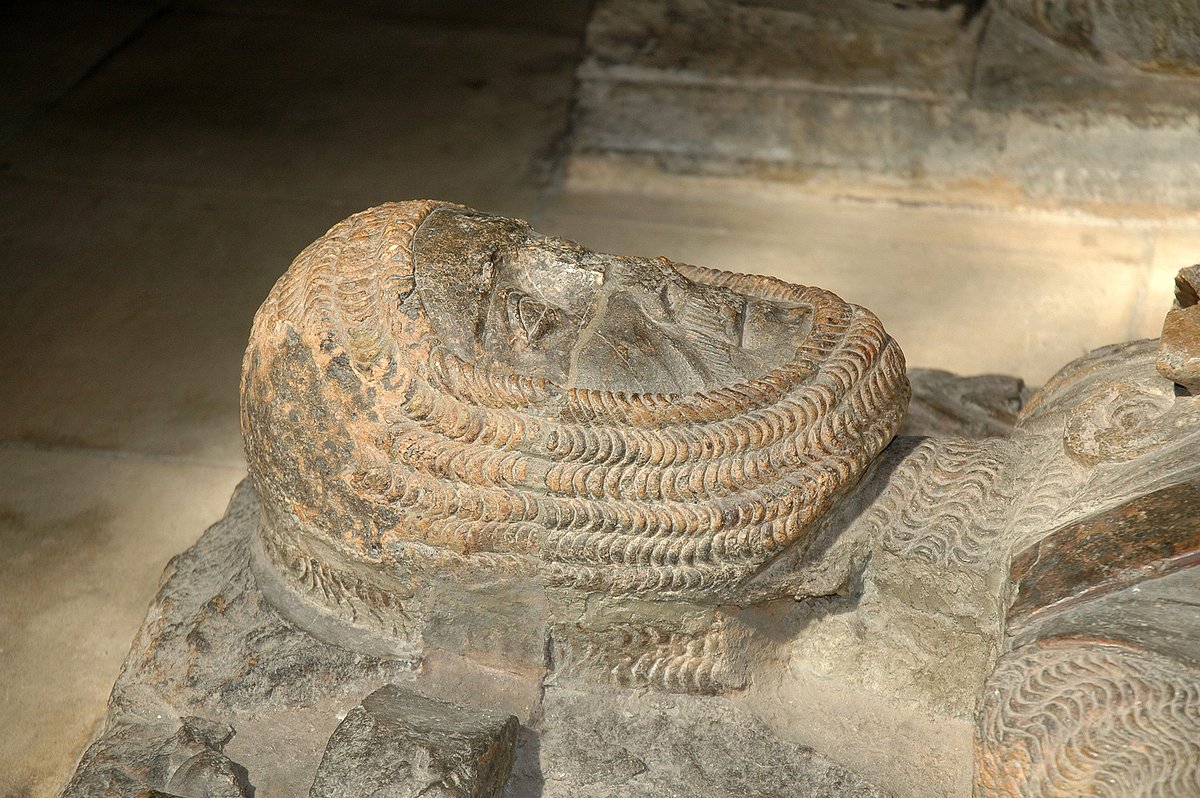
Bravery
Feeling fear is fine, but you must conquer that fear. There is no challenge or enemy you should be unwilling to face if you are required to do so.
Battle & blood-shed, even in the face of overwhelming odds, are unavoidable.
This is also about enduring hardship.
Feeling fear is fine, but you must conquer that fear. There is no challenge or enemy you should be unwilling to face if you are required to do so.
Battle & blood-shed, even in the face of overwhelming odds, are unavoidable.
This is also about enduring hardship.
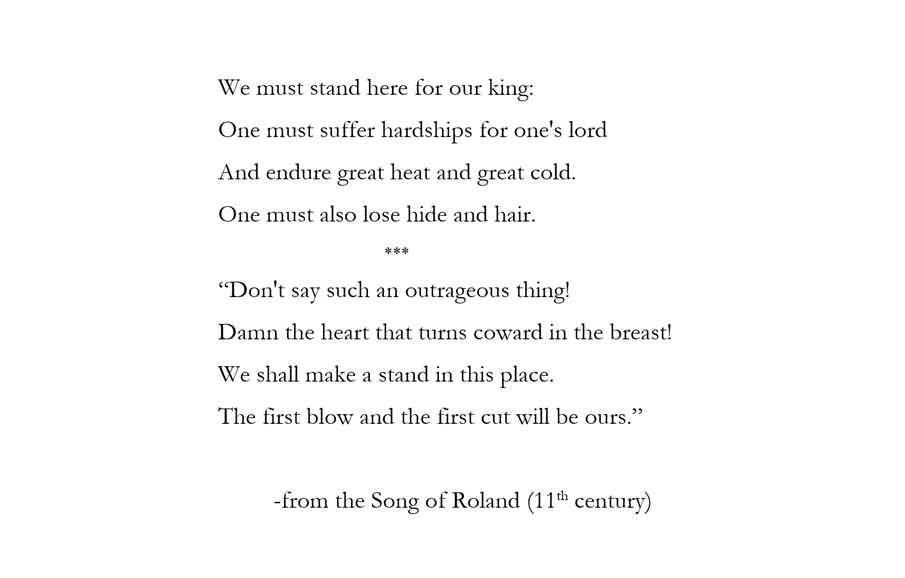
Generosity
This isn't just about giving away gifts - though knights should do so often - it is about rising above material gain.
Money, gold, & treasure must have no bearing on you. The promise of reward should be meaningless.
This isn't just about giving away gifts - though knights should do so often - it is about rising above material gain.
Money, gold, & treasure must have no bearing on you. The promise of reward should be meaningless.
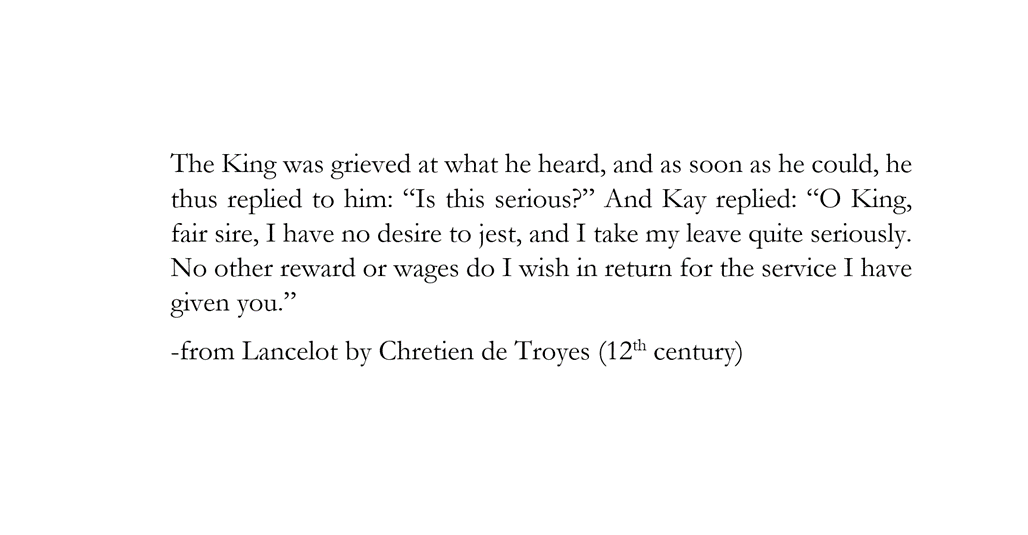
Self-Control
A knight must not be reckless, seeking danger for danger's sake. And you must be courteous & humble in the company of others.
Do not boast. Do not be disorderly. Be composed & gracious. And resist temptation, always.
A knight must not be reckless, seeking danger for danger's sake. And you must be courteous & humble in the company of others.
Do not boast. Do not be disorderly. Be composed & gracious. And resist temptation, always.
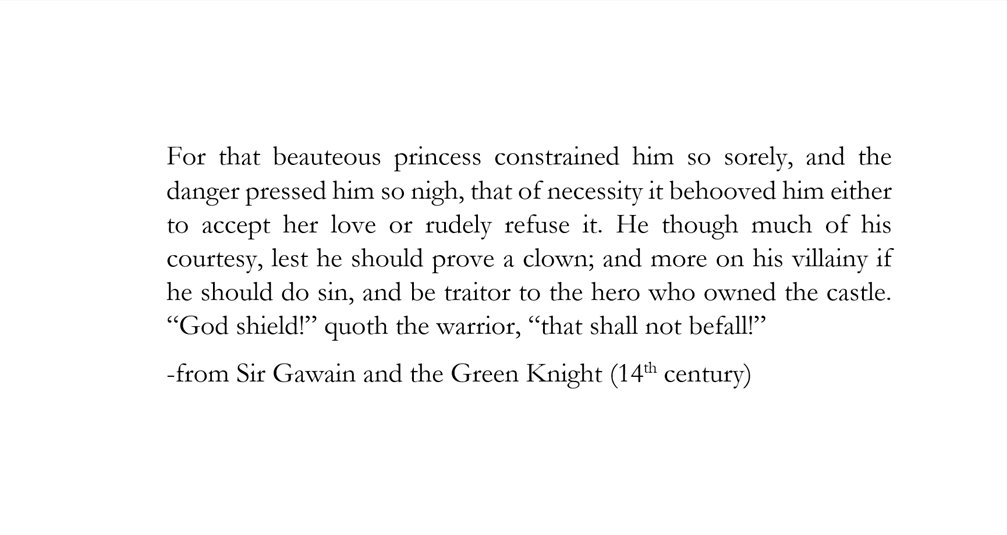
Benevolence
This is about becoming strong and then using that strength to protect the weak.
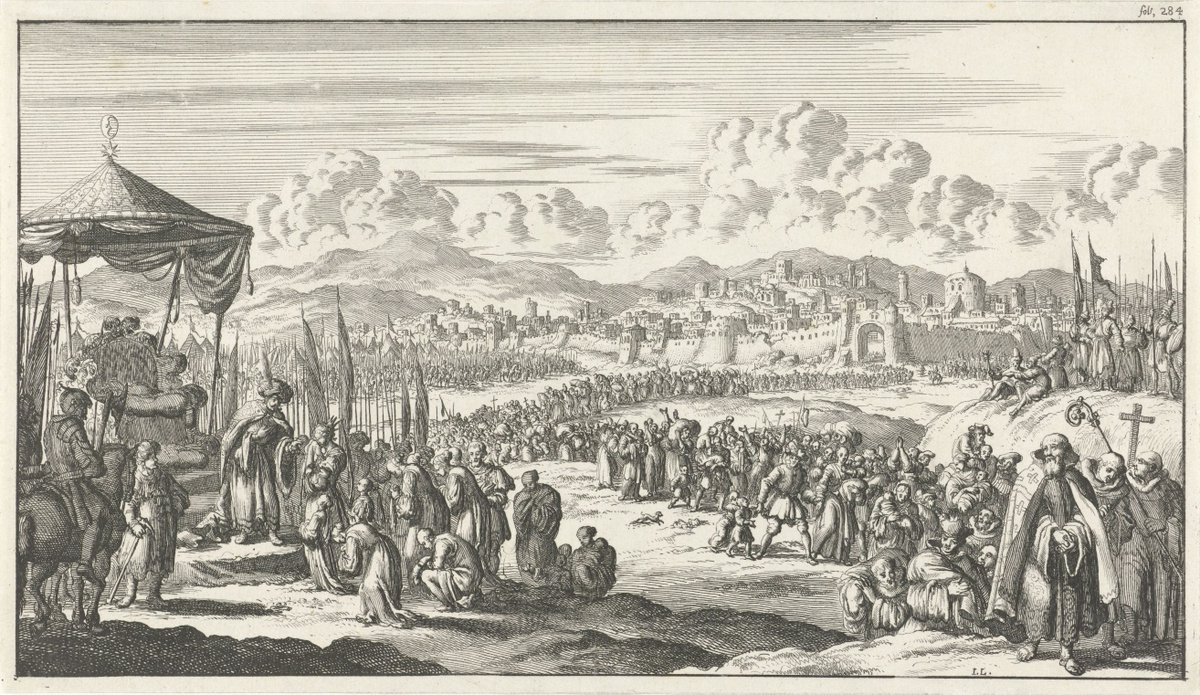
Like Balian de Ibelin, who defended Jerusalem from Saladin in 1187. He negotiated to hand the over the city in return for the safe passage of the common people.
This is about becoming strong and then using that strength to protect the weak.
Like Balian de Ibelin, who defended Jerusalem from Saladin in 1187. He negotiated to hand the over the city in return for the safe passage of the common people.
Piety
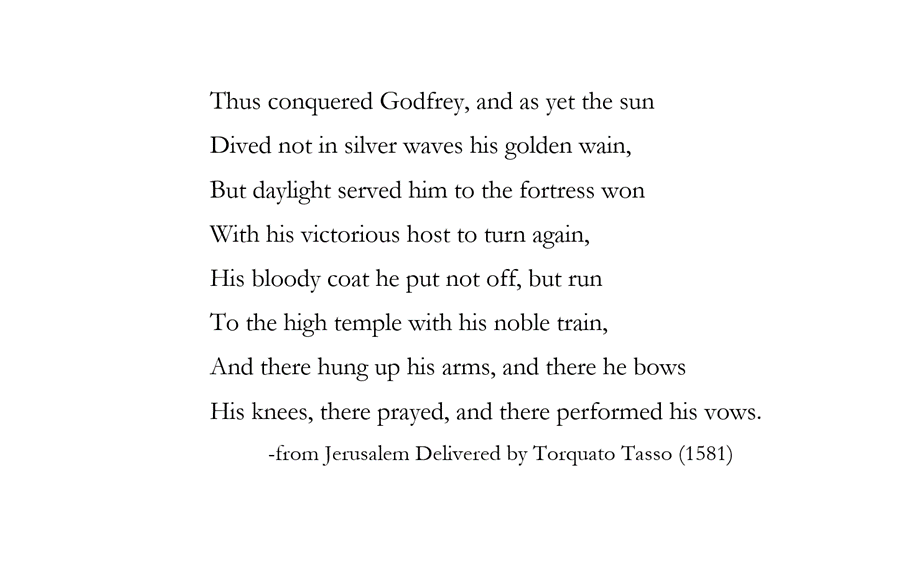
Religious faith is a crucial part of chivalry. You must recognise your subservience to God, aim to glorify Him, thank Him for your sufferings, & praise Him for your victories.
Like Godfrey, who after capturing Jerusalem in 1099 immediately went to pray, covered in blood.
Religious faith is a crucial part of chivalry. You must recognise your subservience to God, aim to glorify Him, thank Him for your sufferings, & praise Him for your victories.
Like Godfrey, who after capturing Jerusalem in 1099 immediately went to pray, covered in blood.
Countenance
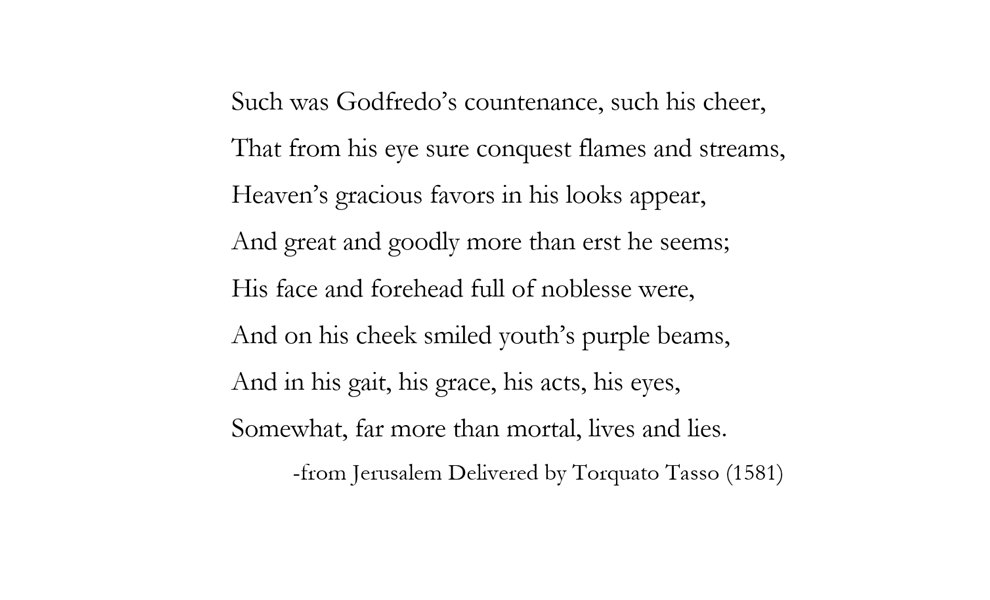
You must conduct yourself like a knight; in how you walk, talk, and even the expression on your face.
Again, like Godfrey of Bouillon, leader of the First Crusade.
You must conduct yourself like a knight; in how you walk, talk, and even the expression on your face.
Again, like Godfrey of Bouillon, leader of the First Crusade.
Emotion
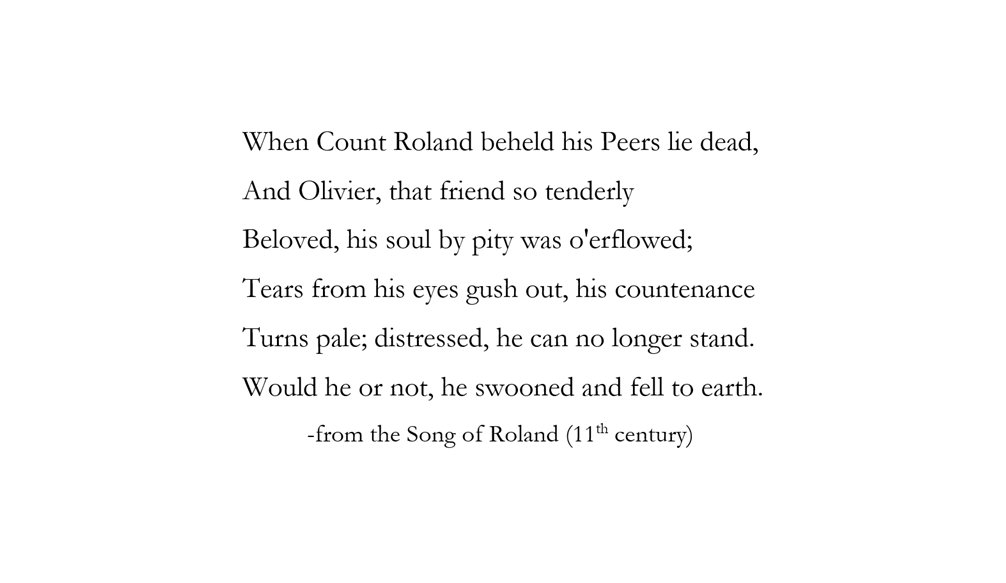
Knights show emotion. They weep & they grieve.
It's about when and how you show such emotion. The appropriate time to do so is when your friends & brothers have fallen in battle.
Do not hold back the tears.
Knights show emotion. They weep & they grieve.
It's about when and how you show such emotion. The appropriate time to do so is when your friends & brothers have fallen in battle.
Do not hold back the tears.
2. Apparel
So now you've learned the code of chivalry. Time to get yourself looking like a knight.
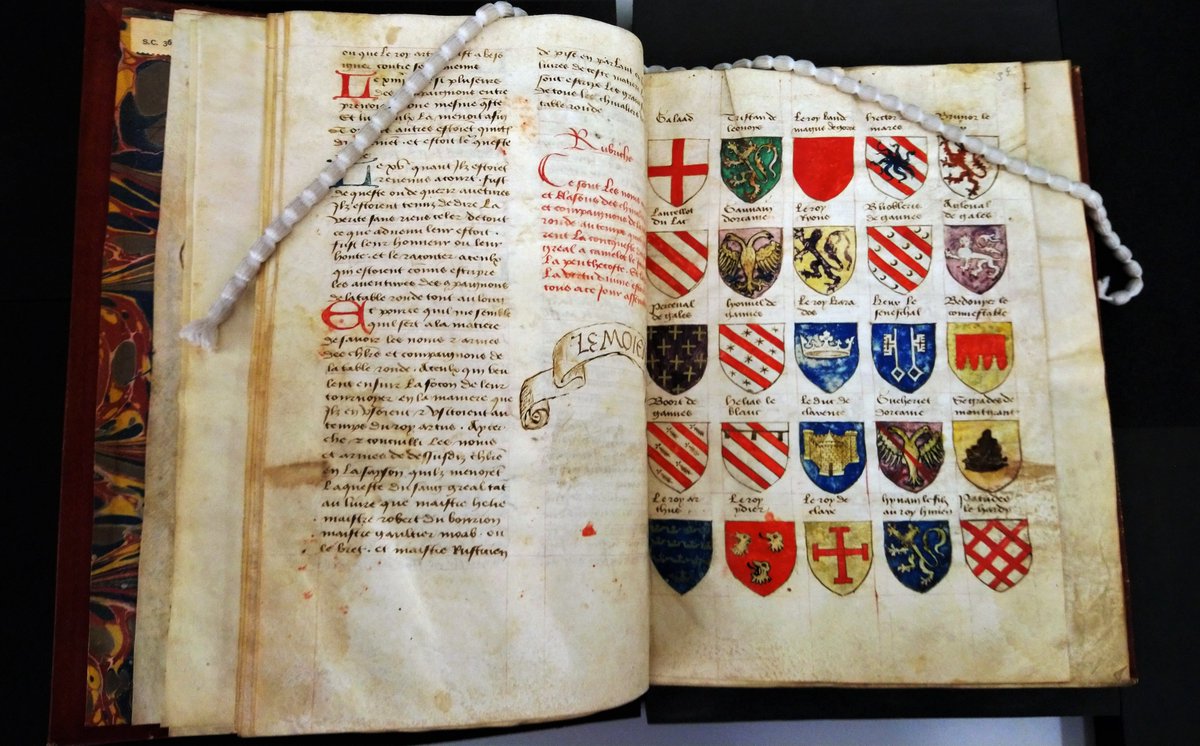
First, heraldry.
You must have a coat-of-arms to represent your name & your lineage, to be displayed on your shield & banner, and for posterity to remember.
So now you've learned the code of chivalry. Time to get yourself looking like a knight.
First, heraldry.
You must have a coat-of-arms to represent your name & your lineage, to be displayed on your shield & banner, and for posterity to remember.
Sword
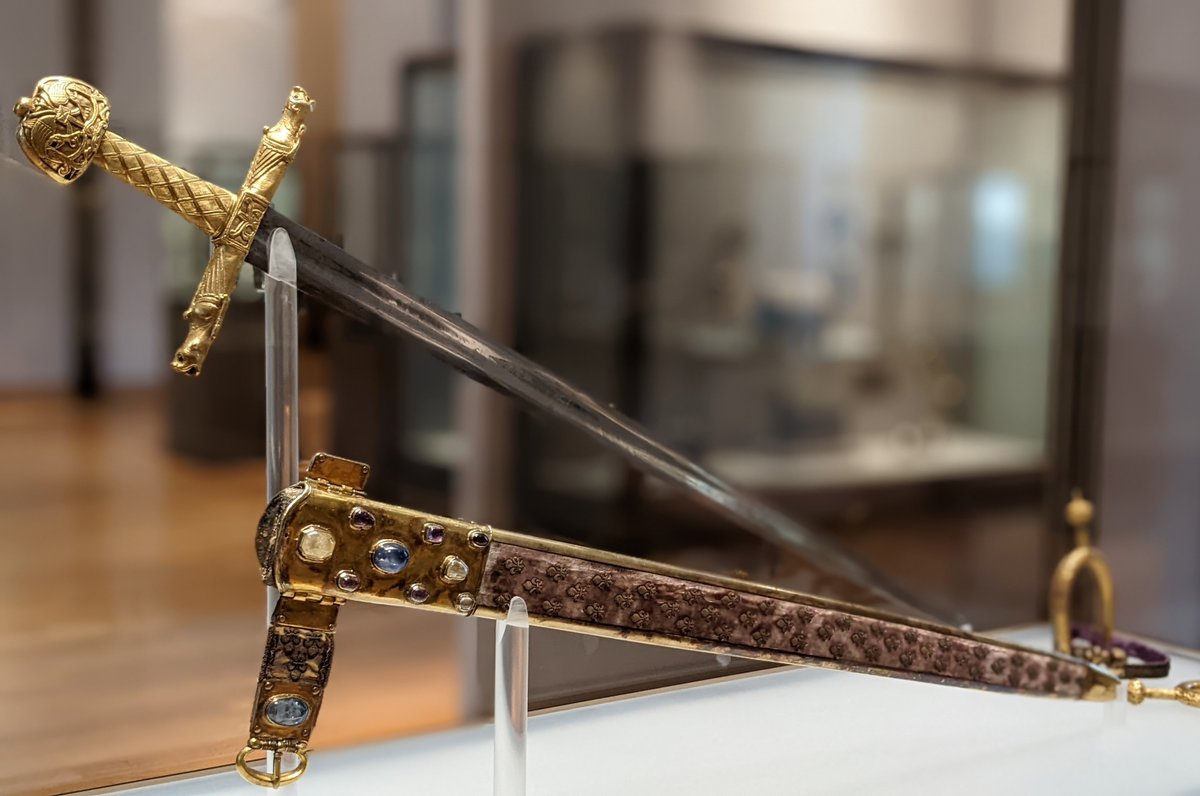
Every knight has a sword.
Give it a name. Like Roland's Durendal, Charlemagne's Joyeuse, or Arthur's Excalibur.
Allow its name to signify your own qualities. Like Olivier's "Hauteclaire", meaning bright & clear, to reflect Olivier's purity of character.
Every knight has a sword.
Give it a name. Like Roland's Durendal, Charlemagne's Joyeuse, or Arthur's Excalibur.
Allow its name to signify your own qualities. Like Olivier's "Hauteclaire", meaning bright & clear, to reflect Olivier's purity of character.
Shield & Banner
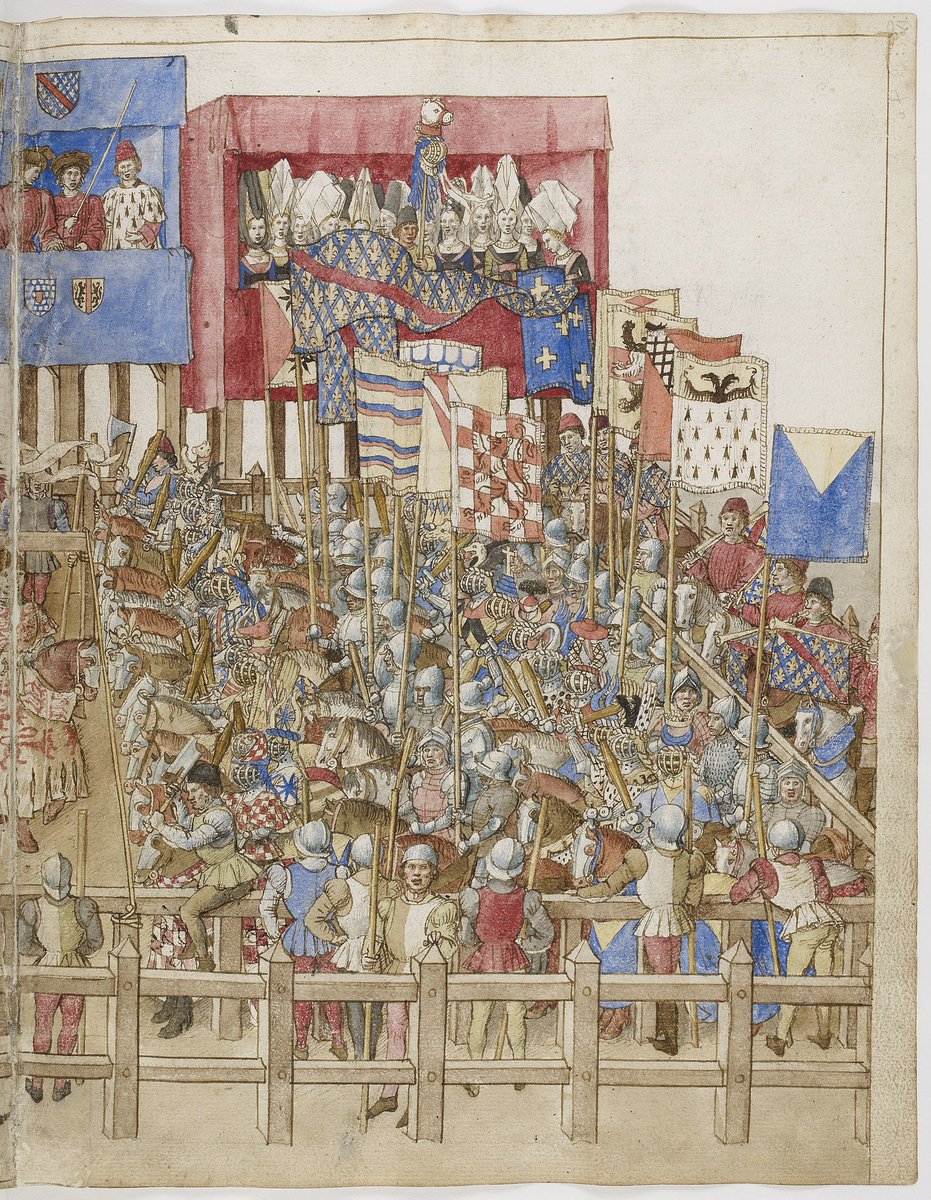
They will display your coat-of-arms, so that other knights, soldiers, maidens, & common people will recognise you.
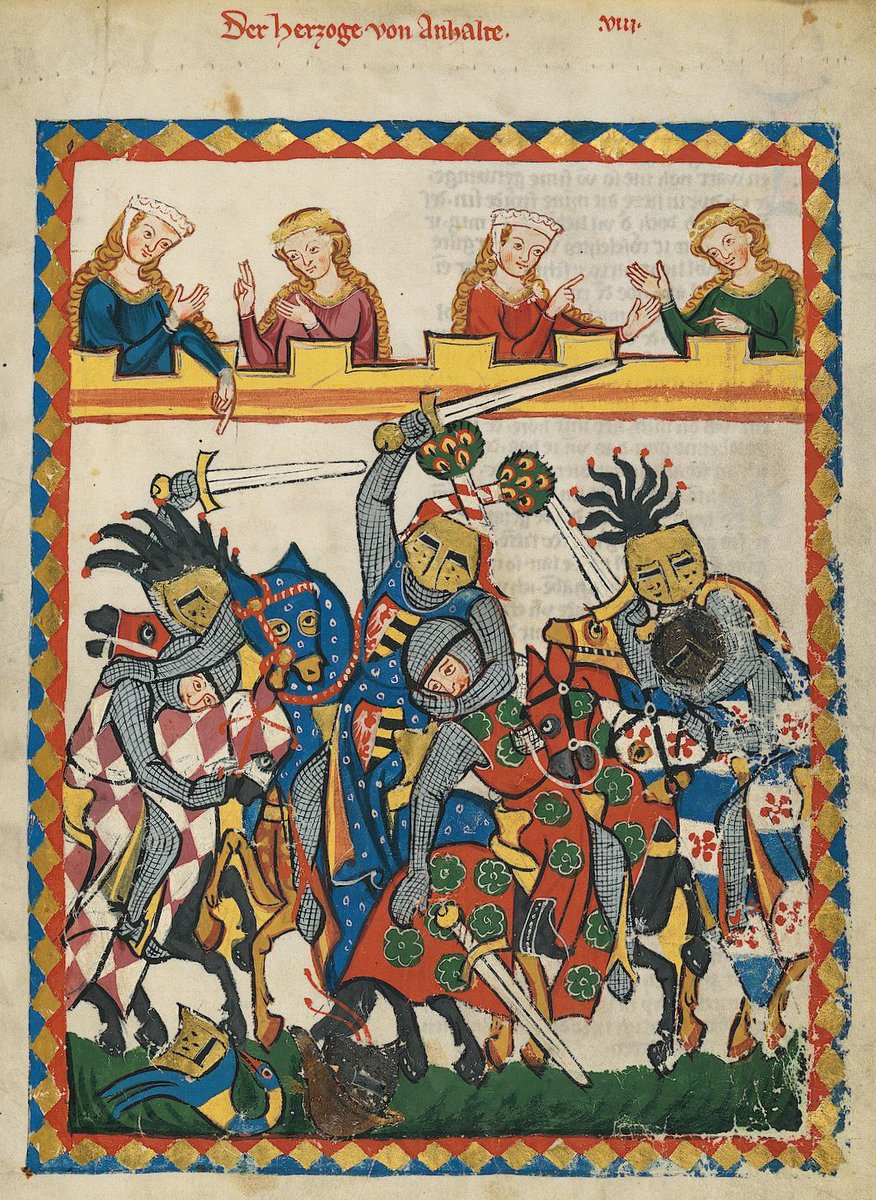
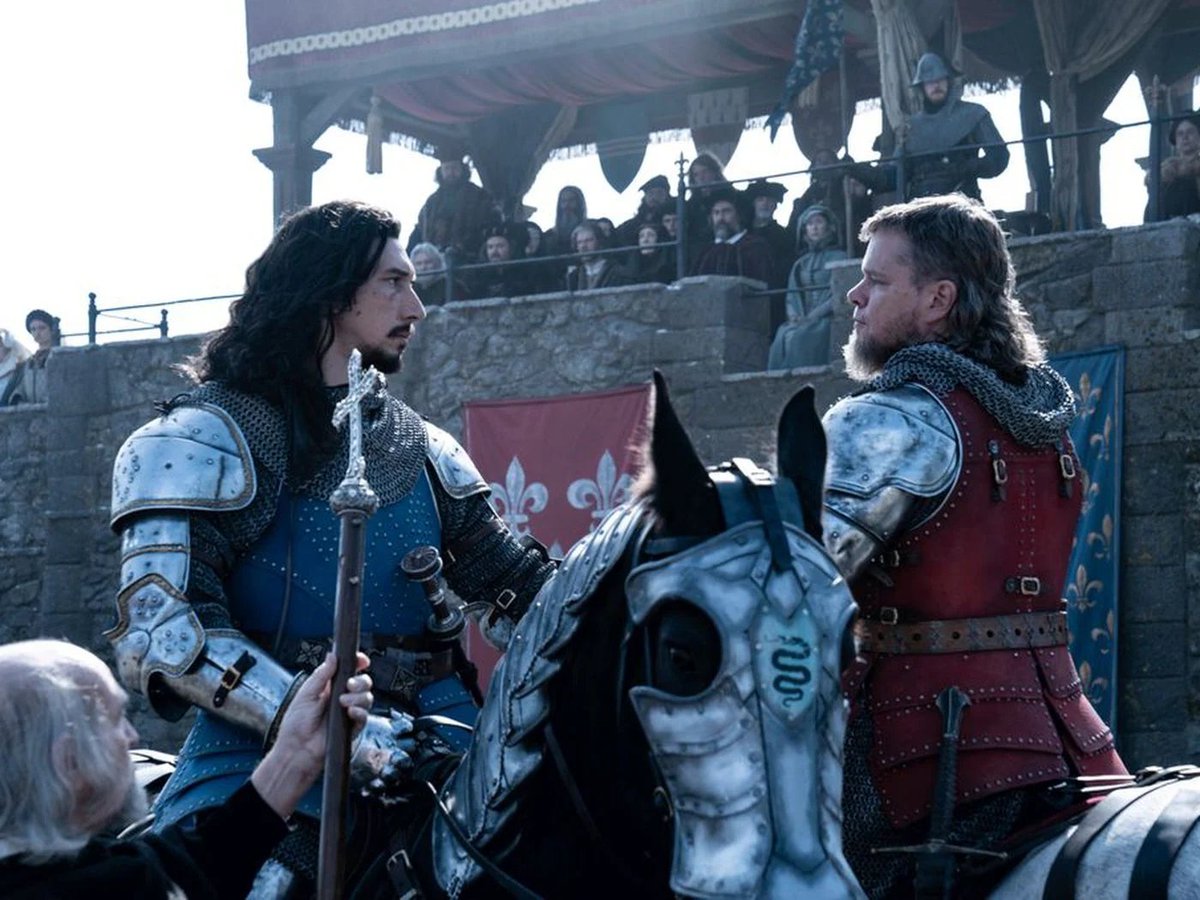
(See how each knight at the tournament can be identified by his banner)
They will display your coat-of-arms, so that other knights, soldiers, maidens, & common people will recognise you.
(See how each knight at the tournament can be identified by his banner)
Armour
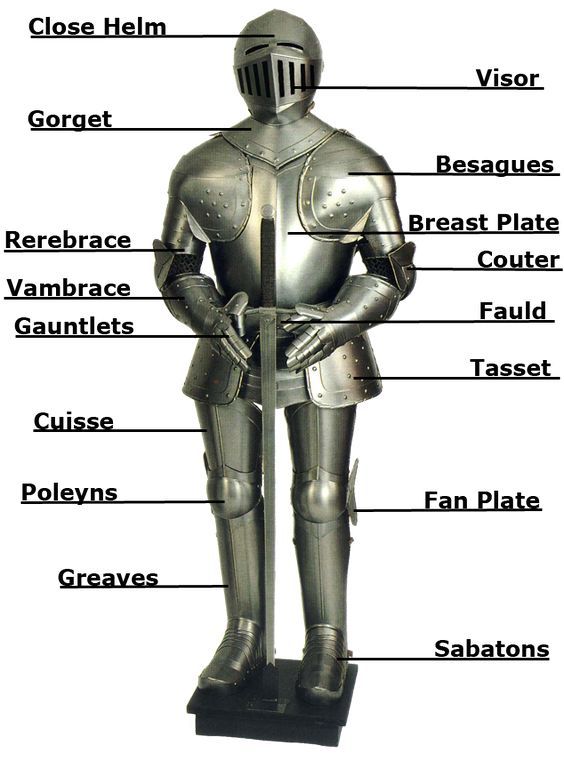
Get yourself a suit of armour. Perhaps have it engraved with symbols important to you, such as eagles, lions, or angels.
Beware that your armour is very heavy. Wearing it all day shall not be an easy task.
Get yourself a suit of armour. Perhaps have it engraved with symbols important to you, such as eagles, lions, or angels.
Beware that your armour is very heavy. Wearing it all day shall not be an easy task.
Steed
A knight must have a horse. Like Orlando's Bayard, Charlemagne's Tencendur, or Roland's Veillantif.
Treat it will & take care, for this steed shall carry you all across the land and also in battle.
A knight must have a horse. Like Orlando's Bayard, Charlemagne's Tencendur, or Roland's Veillantif.
Treat it will & take care, for this steed shall carry you all across the land and also in battle.
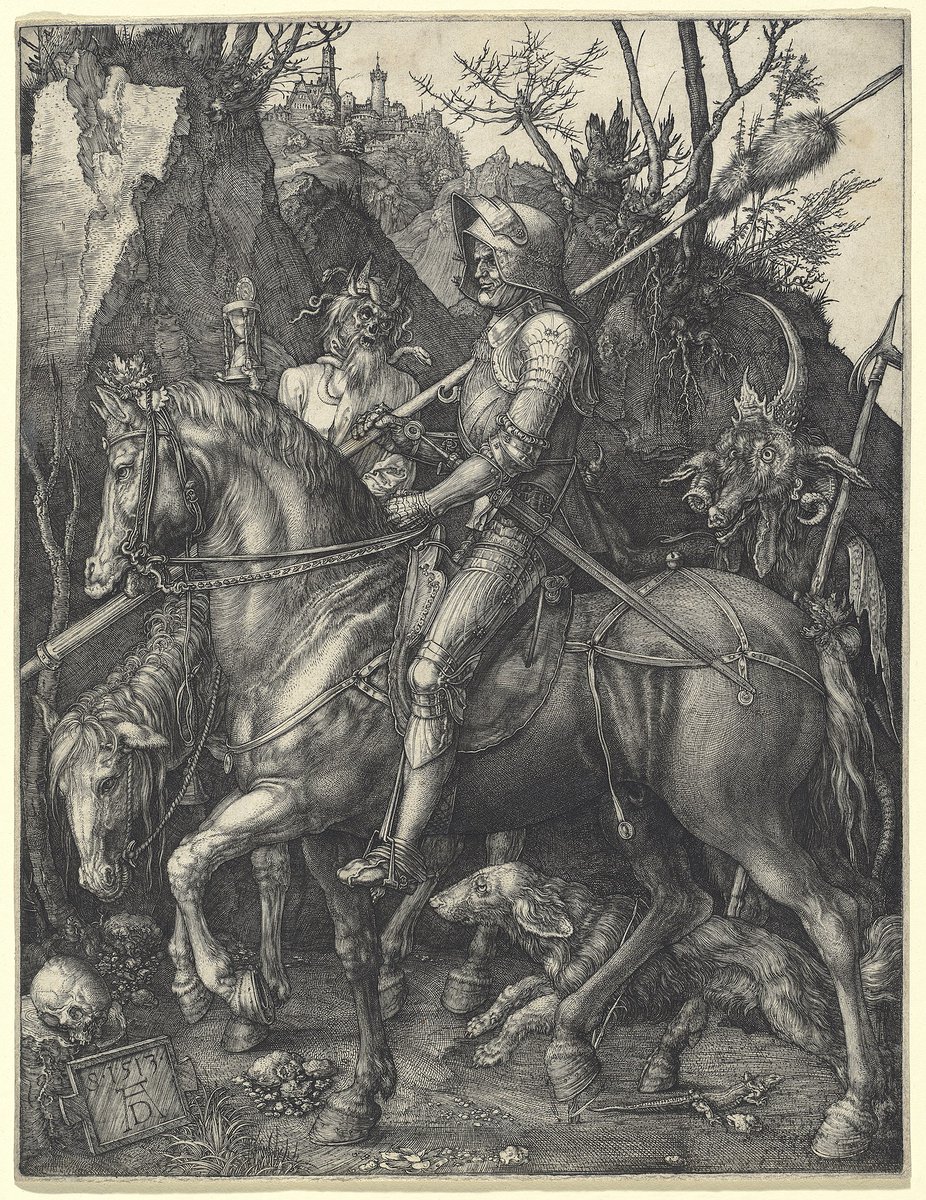
So now you have the equipment. But remember, none of these things make you a knight.
Chivalry makes you a knight.
The sword, shield, and steed simply allow you to perform your knightly duties.
Chivalry makes you a knight.
The sword, shield, and steed simply allow you to perform your knightly duties.
3. Accolade
This is how you become, officially, a knight.
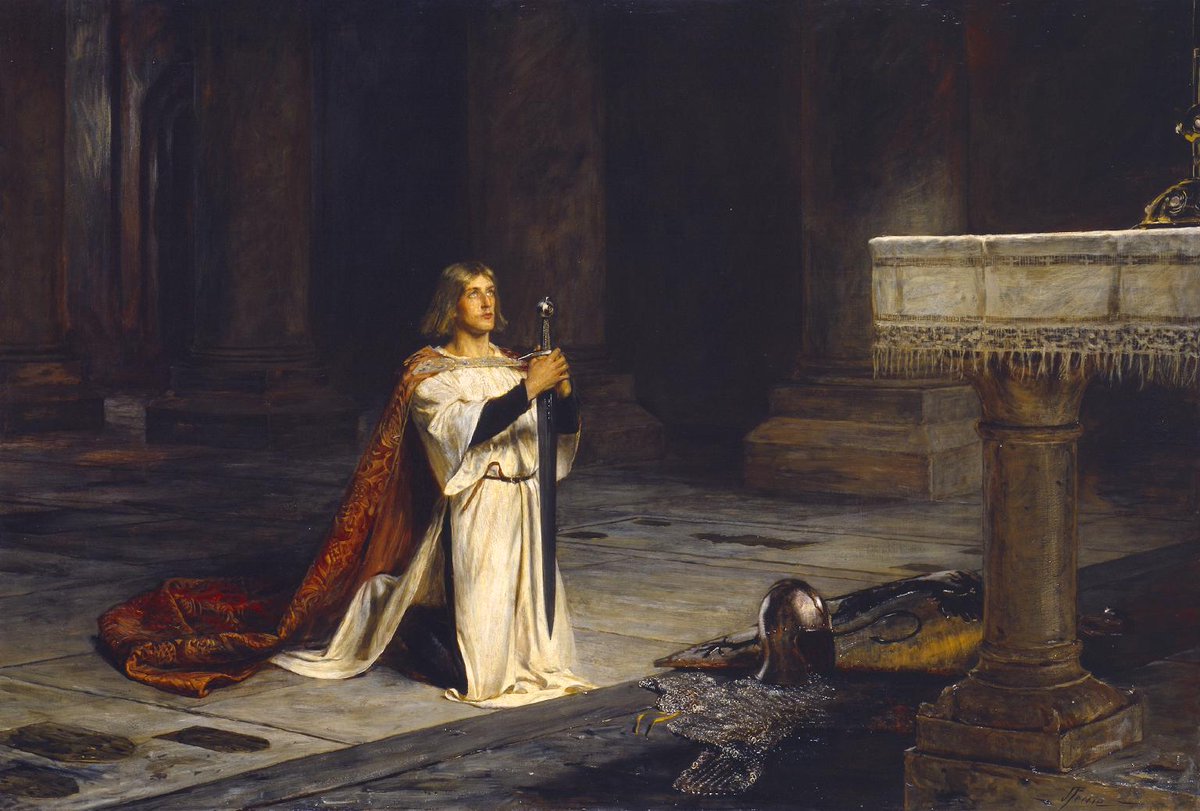
You bathe, fast, take confession, and pray in the chapel all night (vigil).
Then you dress in white (purity), red (bloodshed) and black (willingness to die). Your lord taps your shoulder with a sword.
You are a knight.
This is how you become, officially, a knight.
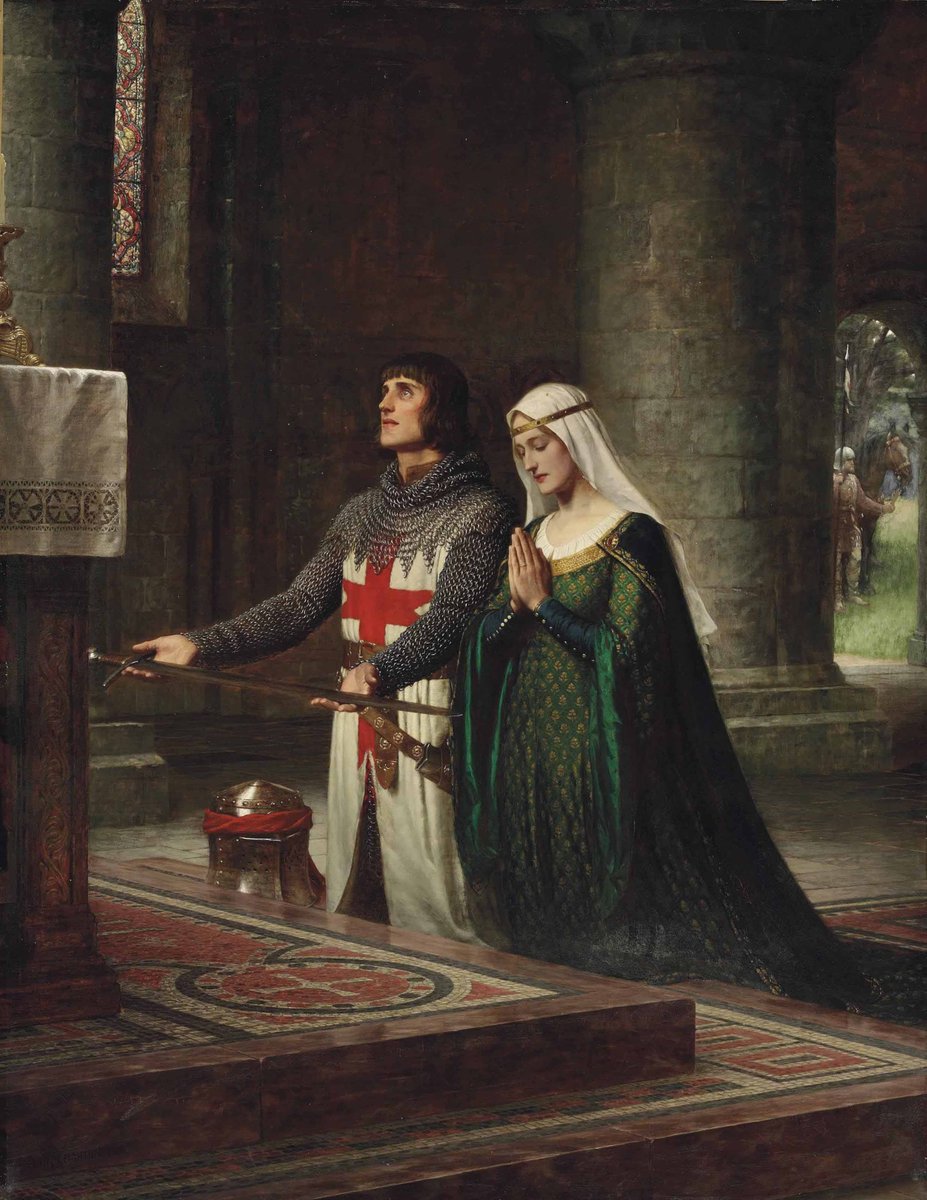
You bathe, fast, take confession, and pray in the chapel all night (vigil).
Then you dress in white (purity), red (bloodshed) and black (willingness to die). Your lord taps your shoulder with a sword.
You are a knight.
4. The Life of a Knight
You've been knighted. What now? Make a name for yourself as a knight-errant.
Attend tournaments, travel the land, seek out those in need of help, offer your services, serve God, fall in love, prove your virtue.
You've been knighted. What now? Make a name for yourself as a knight-errant.
Attend tournaments, travel the land, seek out those in need of help, offer your services, serve God, fall in love, prove your virtue.
War
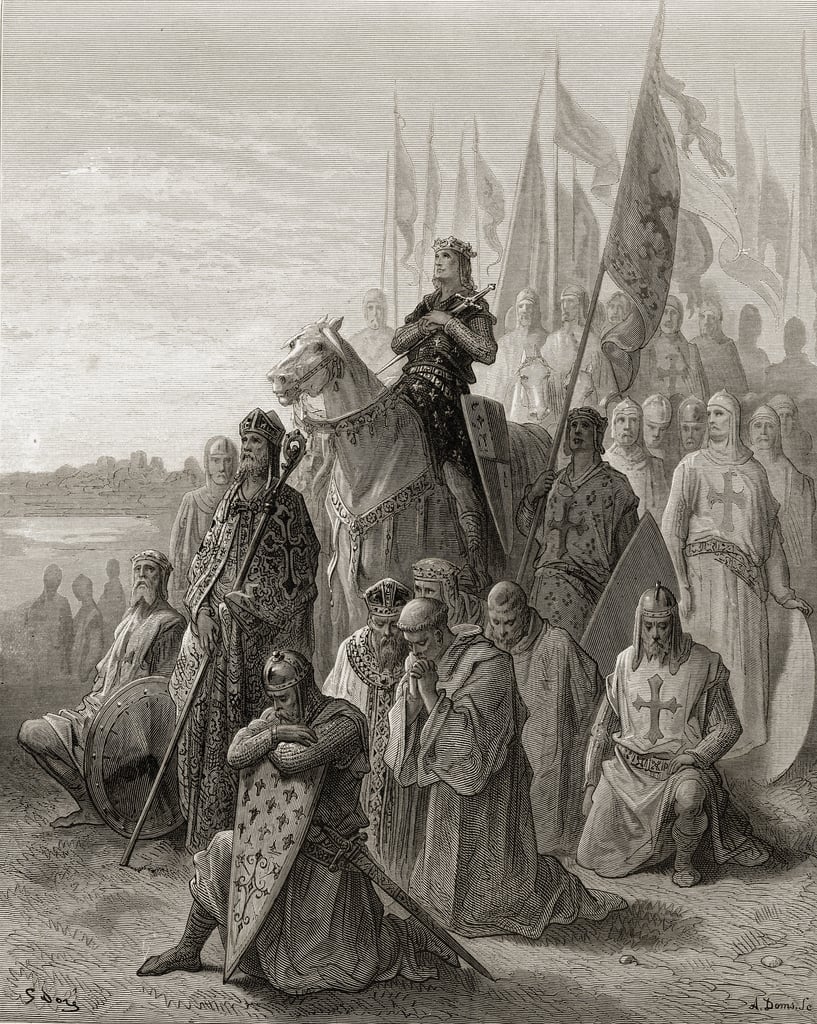
As a knight you may be called to war by the king. You will raise your own soldiers, lead then in battle, and advise your lord in his campaign.
It may even be a Holy War, and you may embark to sail across the continents. In some ways the culmination of a knight's journey.
As a knight you may be called to war by the king. You will raise your own soldiers, lead then in battle, and advise your lord in his campaign.
It may even be a Holy War, and you may embark to sail across the continents. In some ways the culmination of a knight's journey.
Duels
In war or when travelling you may be challenged to a duel. You must never refuse a challenge from an equal.
If a dispute has arisen and a fellow knight has challenged you over it, to refuse would be disgrace.
Better to die honourably than live in shame.
In war or when travelling you may be challenged to a duel. You must never refuse a challenge from an equal.
If a dispute has arisen and a fellow knight has challenged you over it, to refuse would be disgrace.
Better to die honourably than live in shame.
Romance
Falling in love is part of being a knight. But even love does not override the chivalric code.
“I fain would follow love, if that could be;
I needs must follow death, who calls for me;
Call and I follow, I follow! let me die.”
-from Idylls of the King by Lord Tennyson
Falling in love is part of being a knight. But even love does not override the chivalric code.
“I fain would follow love, if that could be;
I needs must follow death, who calls for me;
Call and I follow, I follow! let me die.”
-from Idylls of the King by Lord Tennyson
5. Examples
Here are some knights you may wish to emulate:
-William Marshal
-Roland
-El Cid
-Reynaud de Montauban
-Godfrey of Bouillon
-Richard the Lionheart
-Balian de Ibelin
-Sir Galahad
-Bertrand du Guesclin
-Henry 'Hotspur' Percy
-Clorinda
-Baldwin IV
-William Wallace
Here are some knights you may wish to emulate:
-William Marshal
-Roland
-El Cid
-Reynaud de Montauban
-Godfrey of Bouillon
-Richard the Lionheart
-Balian de Ibelin
-Sir Galahad
-Bertrand du Guesclin
-Henry 'Hotspur' Percy
-Clorinda
-Baldwin IV
-William Wallace
6. Reading List
Here are some texts you may wish to read:
-The Bible
-The Song of Roland
-The Four Sons of Aymon
-Willehalm
-Chanson d'Antioche
-Le Morte d'Arthur
-Orlando Furioso
-Jerusalem Delivered
-In Parenthesis (a WW1 take on knighthood)
Here are some texts you may wish to read:
-The Bible
-The Song of Roland
-The Four Sons of Aymon
-Willehalm
-Chanson d'Antioche
-Le Morte d'Arthur
-Orlando Furioso
-Jerusalem Delivered
-In Parenthesis (a WW1 take on knighthood)
And we're done.
As ever, detail has been elided. This has been but an introduction the mindset of the Medieval knight.
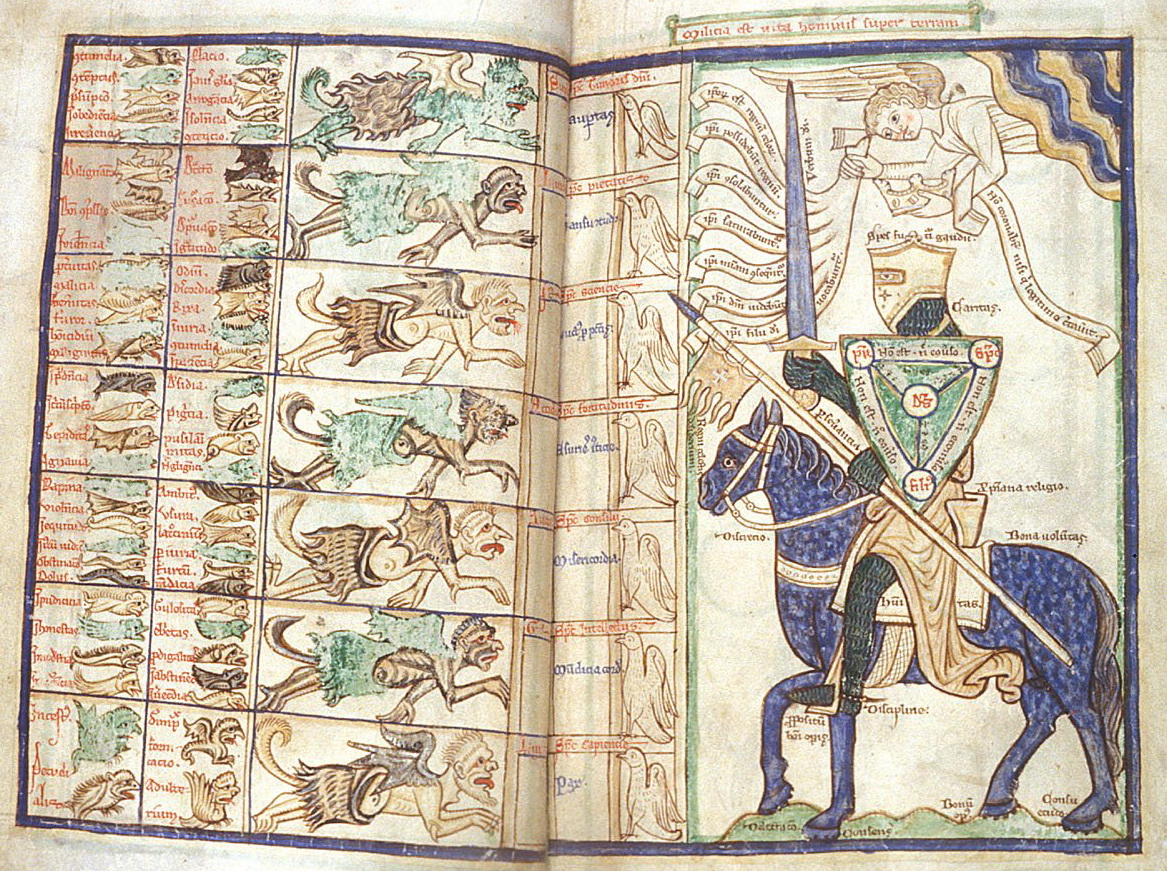
And here you are now, no doubt, a chivalrous knight facing the Seven Deadly Sins, prepared to die for your honour.
🙏
As ever, detail has been elided. This has been but an introduction the mindset of the Medieval knight.
And here you are now, no doubt, a chivalrous knight facing the Seven Deadly Sins, prepared to die for your honour.
🙏
Loading suggestions...