

Neuroplasticity
Your brain's ability to literally rewire itself
//A Thread//
Your brain's ability to literally rewire itself
//A Thread//

Neuroplasticity, also known as brain plasticity or neural plasticity, is the ability of the brain to change continuously throughout an individual’s life.
Neuroplasticity is an umbrella term and an entire field of study but for the sake of this thread a simple definition:
"the ability of the nervous system to change its activity in response to intrinsic or extrinsic stimuli by reorganizing its structure, functions, or connections"
"the ability of the nervous system to change its activity in response to intrinsic or extrinsic stimuli by reorganizing its structure, functions, or connections"
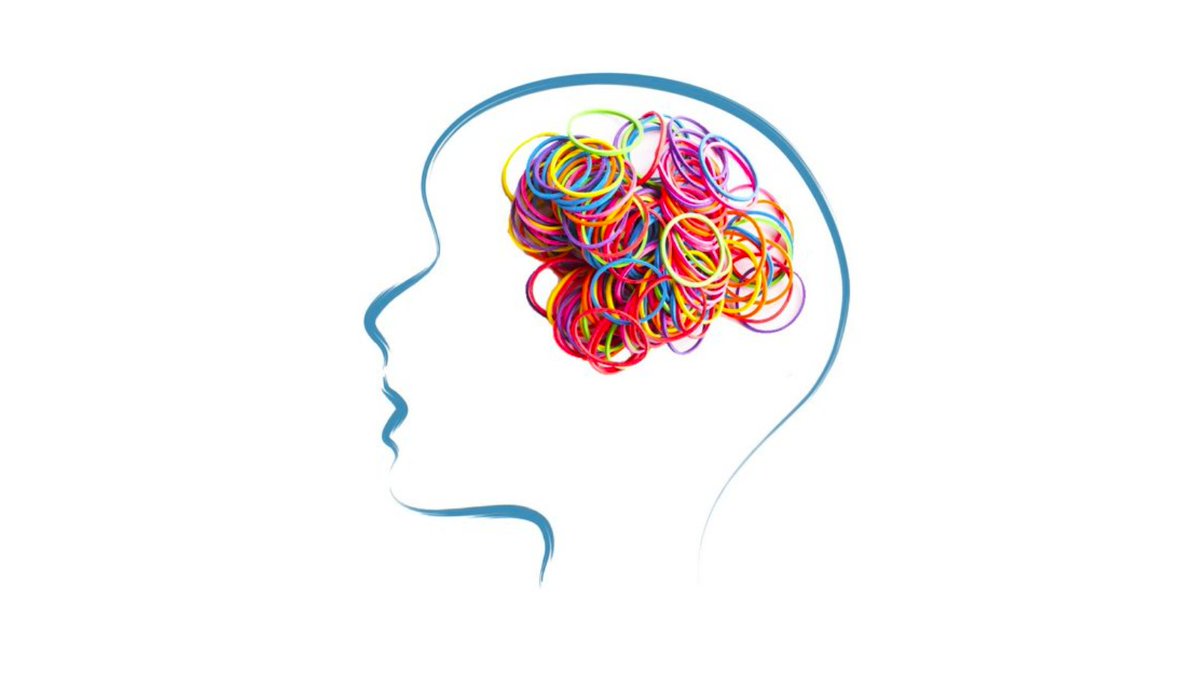
Your laptop is built to certain specifications and can receive software updates.
But our brains can actually receive hardware updates in addition to software updates. Different pathways form and fall dormant, are created, and are discarded, according to our life and experiences
But our brains can actually receive hardware updates in addition to software updates. Different pathways form and fall dormant, are created, and are discarded, according to our life and experiences
When we learn something new, we create new connections between our neurons. We rewire our brains to adapt to new circumstances. This happens on a daily basis, but it’s also something that we can encourage and stimulate.
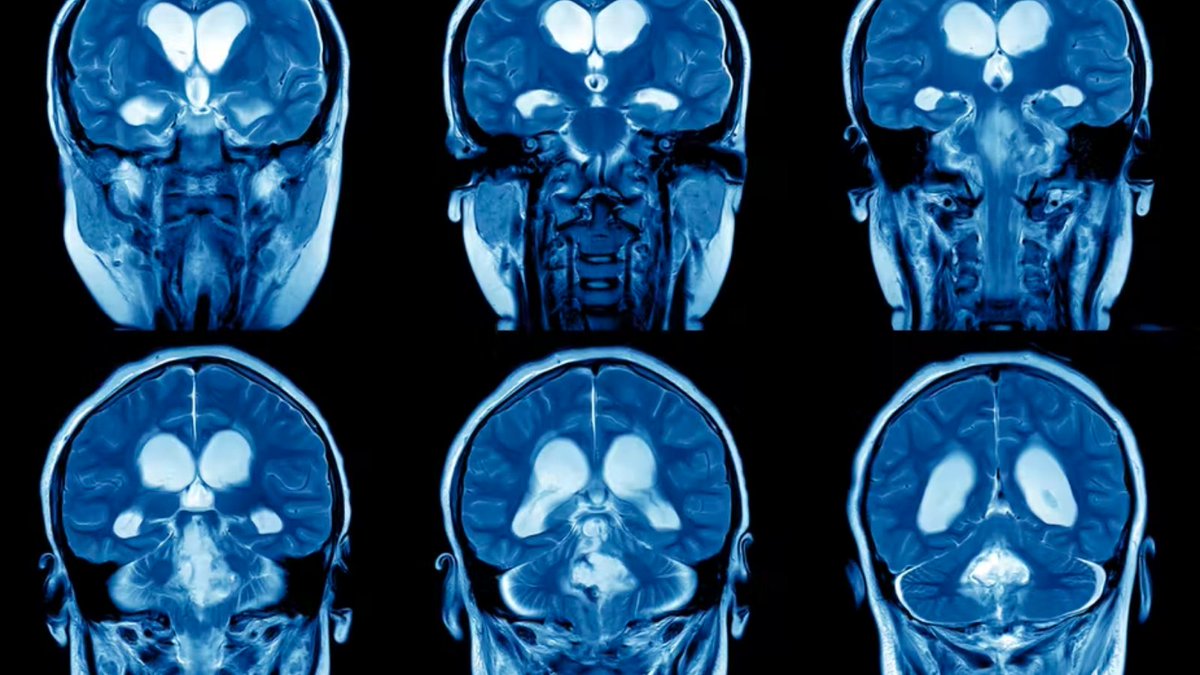
Benefits of Neuroplasticity:
- Recovery from brain events like strokes;
- Recovery from traumatic brain injuries;
- Ability to rewire functions in the brain
- Losing function in one area may enhance functions in other areas
- Enhanced memory, learning, and cognitive ability
- Recovery from brain events like strokes;
- Recovery from traumatic brain injuries;
- Ability to rewire functions in the brain
- Losing function in one area may enhance functions in other areas
- Enhanced memory, learning, and cognitive ability
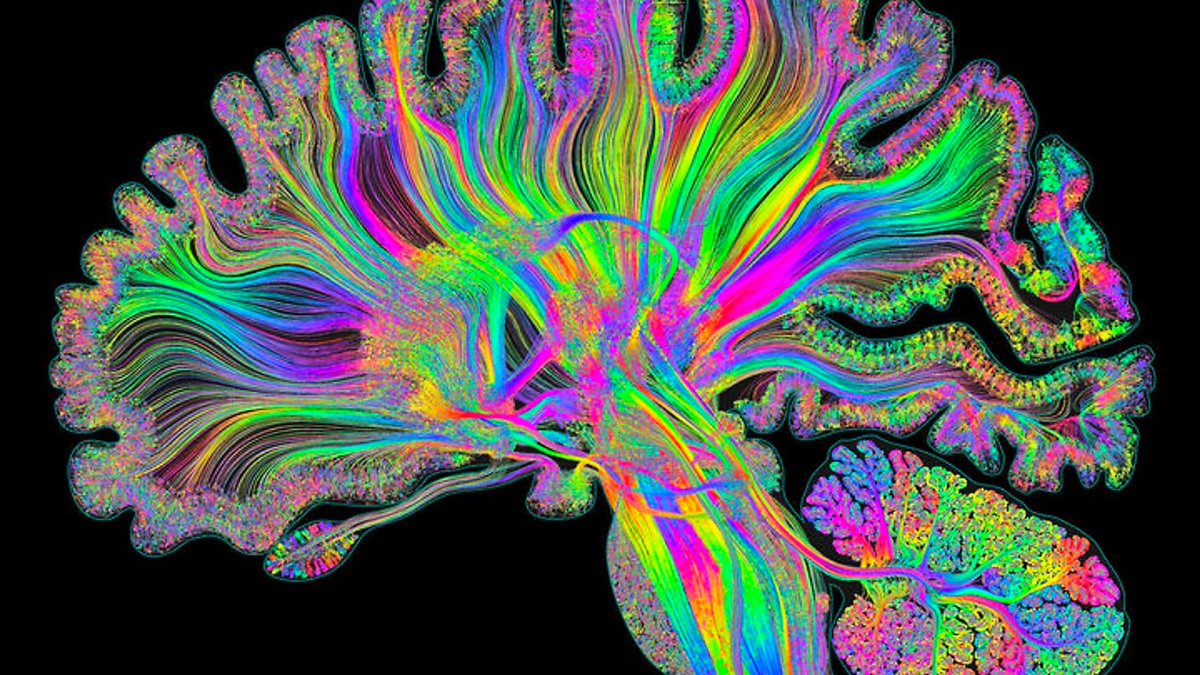
For years, it was thought that the brain was a “nonrenewable organ,” that brain cells are bestowed in a finite amount and they die as we age, whether we attempt to keep them around or not.
Newer research has revealed that the brain never stops changing in response to learning.
Newer research has revealed that the brain never stops changing in response to learning.
Although plasticity within sensory systems is greatest during our youth, regulators in even the adult brain can be manipulated by acting on various neuromodulators and by precisely regulating sensory input.
pnas.org
pnas.org
It’s important to note that passive learning does become less possible as we grow older, but there is no material change in the neurology and physiology that governs our capacity to actively learn, we just need to develop specific strategies in order to induce that process.
That is to say, as we get older we don’t lose our capacity for neuroplasticity, rather our brains develop in a way that prevents it from happening passively.
Of course, not all learning is the same and the right environment needs to be created for this neurological adaptation.
Of course, not all learning is the same and the right environment needs to be created for this neurological adaptation.
Stimulating events that may encourage neuroplasticity:
- Learning a new language
- Learning how to play an instrument
- Traveling and exploring new places
- Creating art and other creative pursuits
- Reading
- Rest, recovery & deep Sleep
- Exercise & Movement
- Learning a new language
- Learning how to play an instrument
- Traveling and exploring new places
- Creating art and other creative pursuits
- Reading
- Rest, recovery & deep Sleep
- Exercise & Movement
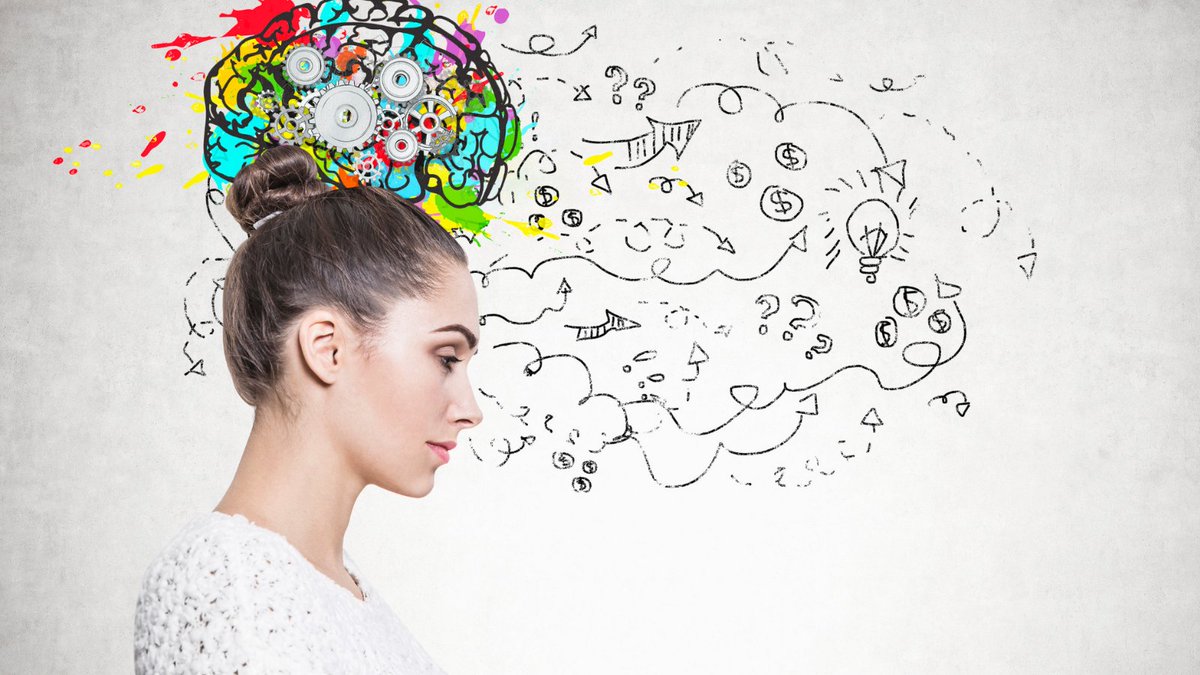
Enriched environments (saturated with novelty, focused attention, and challenge) are critical for promoting neuroplasticity and can provoke growth and positive adaptation long after the “critical learning period” of early childhood and young adulthood is over.
It's important to highlight this fact. Your brain is capable of far more than you think and absolutely has the potential to change and transform, no matter what your current circumstances or situation.
@hubermanlab has a fantastic podcast and associated protocol on neuroplasticity, I highly recommend checking it out. Andrew lays out exactly how to create an environment that encourages neuroplasticity.
hubermanlab.com
hubermanlab.com
Loading suggestions...