

By the 1060s the cracks in the Byzantine Empire were apparent. The thematic armies wasted away while expensive mercenaries replaced them. The riches of the imperial treasury were fritted away by vapid emperors. Frequent coups encouraged constant instability.
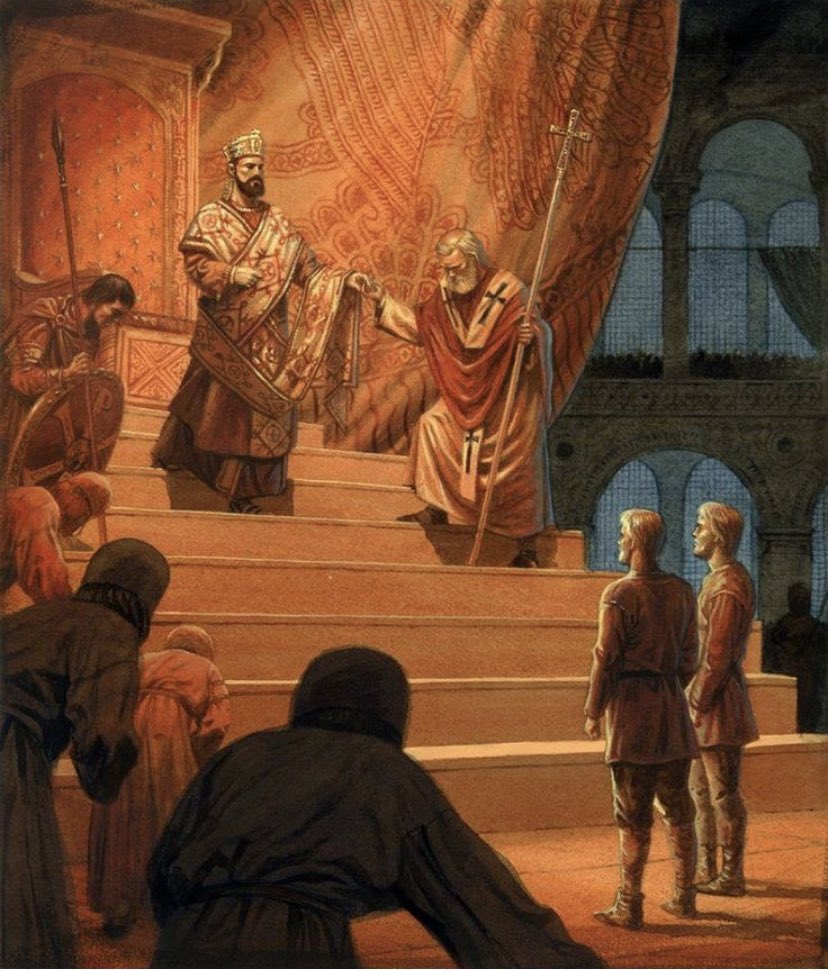
To add to the Empire’s troubles, new threats had emerged on the borders. The Normans were slowly claiming Italy for themselves. The Pechenegs crossed the Danube, fleeing the Cumans & destabilizing Byzantine rule.
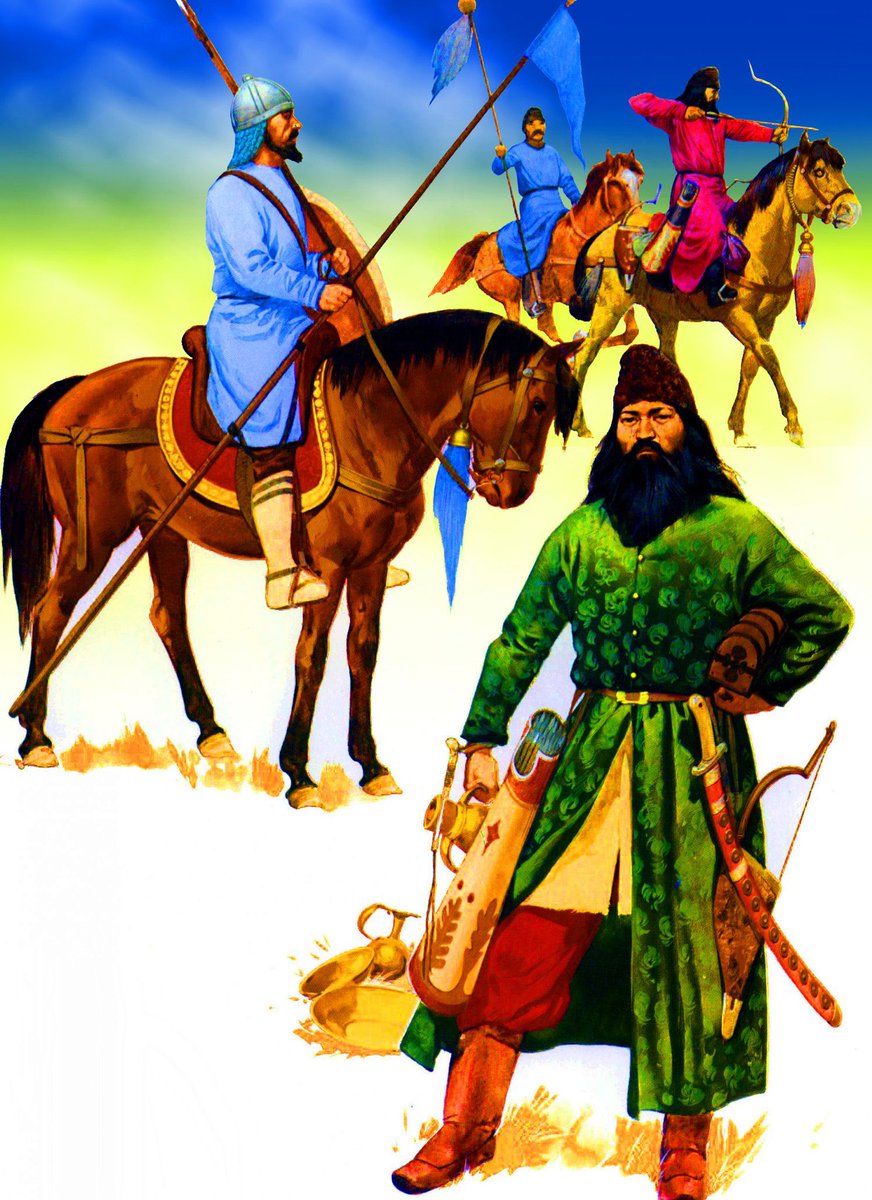
However, the greatest threat to the Empire was the Seljuks. After sweeping through Iran & toppling every state in their way, these steppe warriors seemed unstoppable. Several forays & large raids were made by the Seljuks into Anatolia. The Byzantines felt powerless against them.
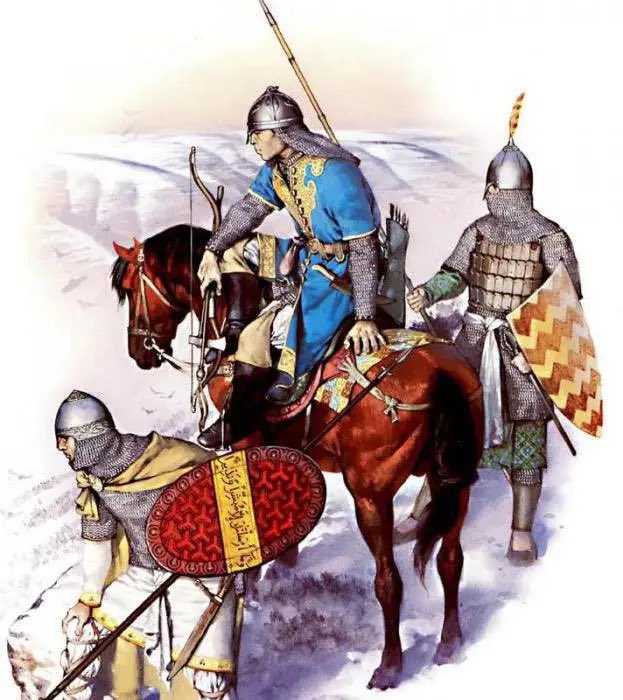
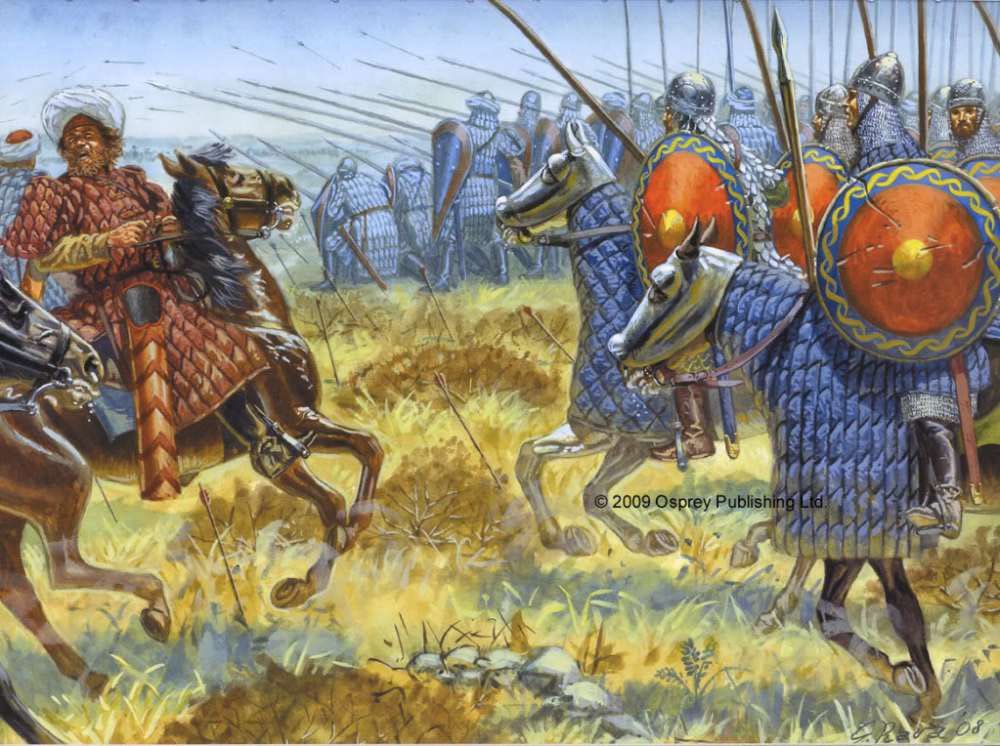
As a mobile & hardy steppe people, the Turks posed an immediate threat. Their hit & run tactics & skilled horse archers were a nightmare to deal with tactically. Strategically, their lightning speed & low logistical needs made them difficult to track down for a pitched battle.
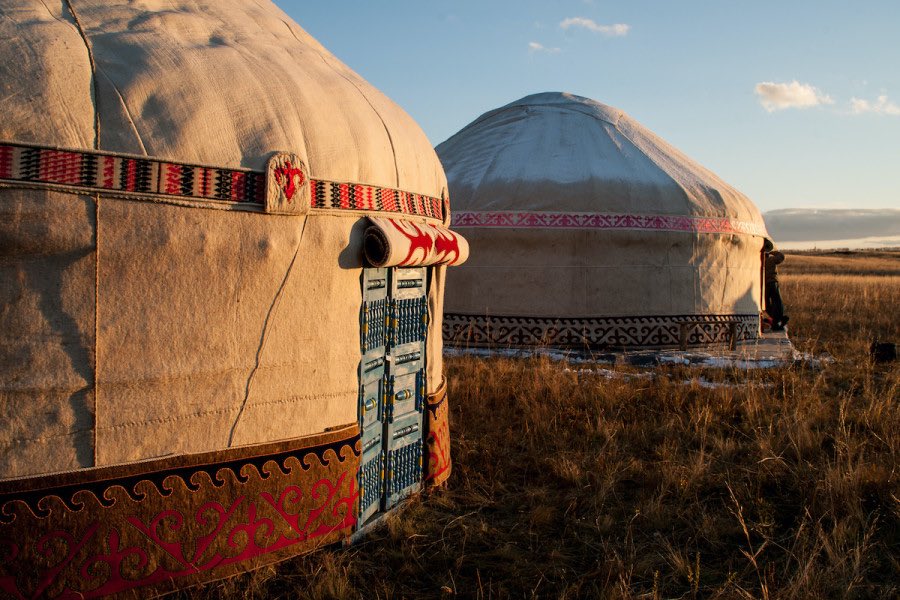
During the early Arab conquests the Byzantines faced a similar threat in the nomadic Bedouins who frequently raided Anatolia. To deal with the threat the Theme system was created.
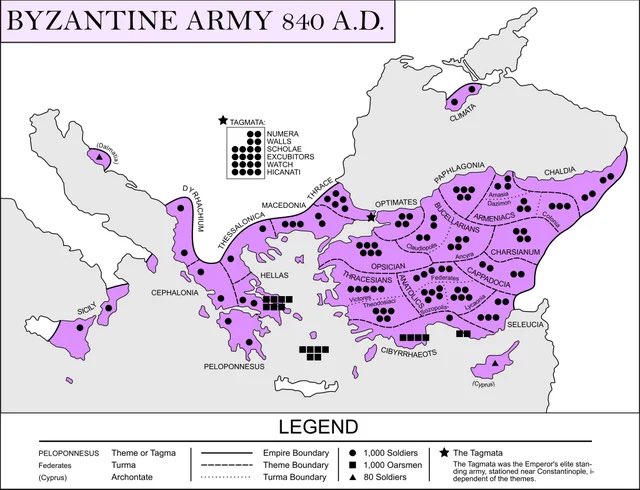
The themes created farmer militias that would stalk the raiders & look for any opportunity to ambush or harass them, minimizing the damage the Razzias caused.
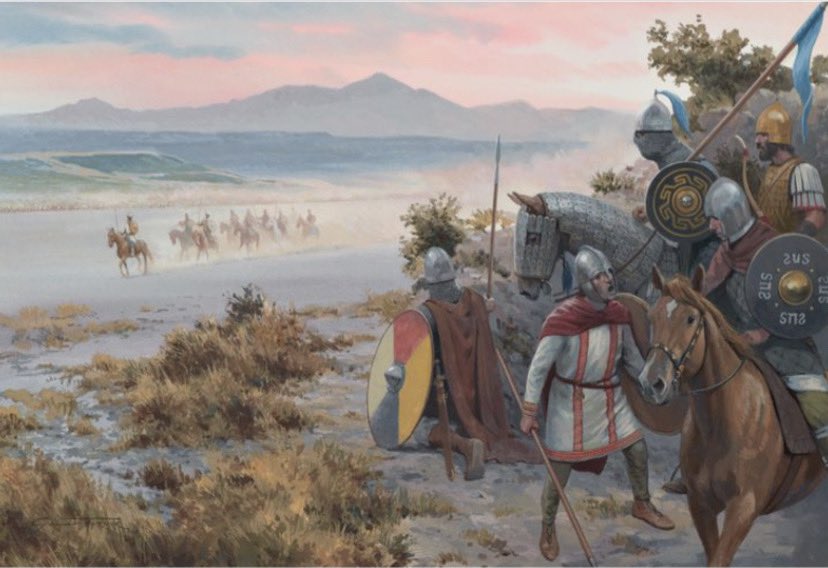
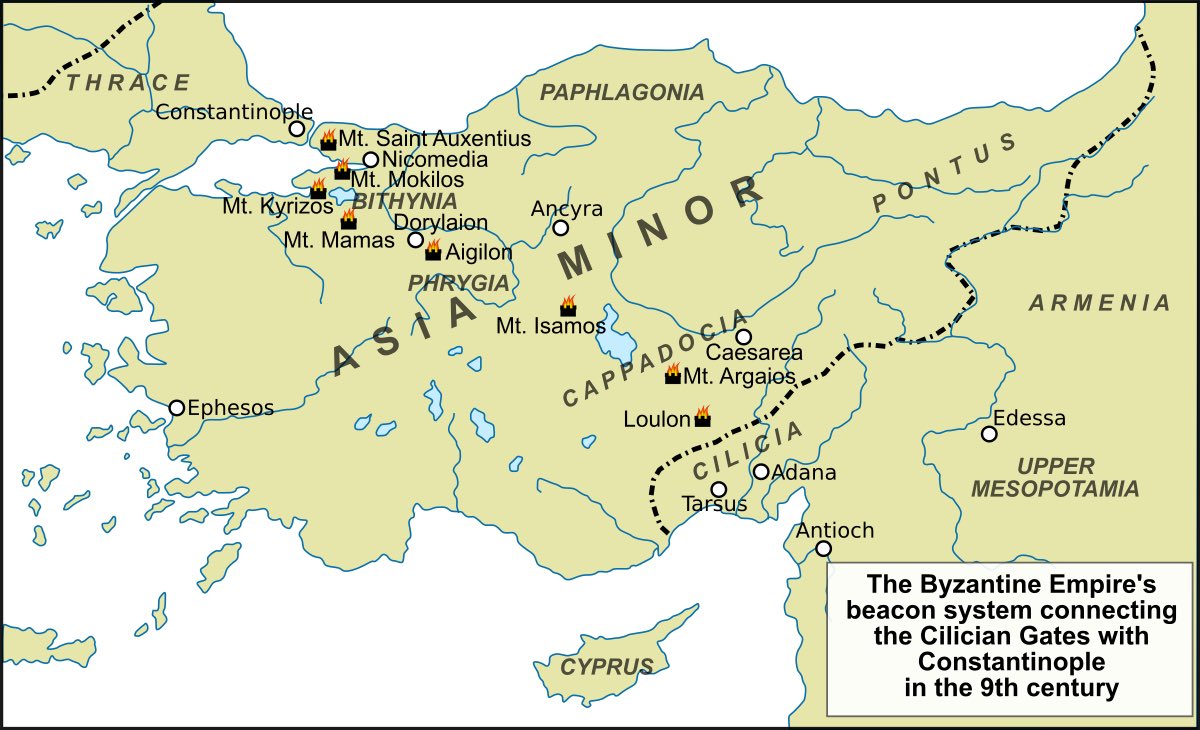
These thematic troops were augmented by a system of fortresses, beacons, and troglodyte settlements in which the Byzantines could hide & organize. By staying decentralized the Byzantines remained flexible in the defense.
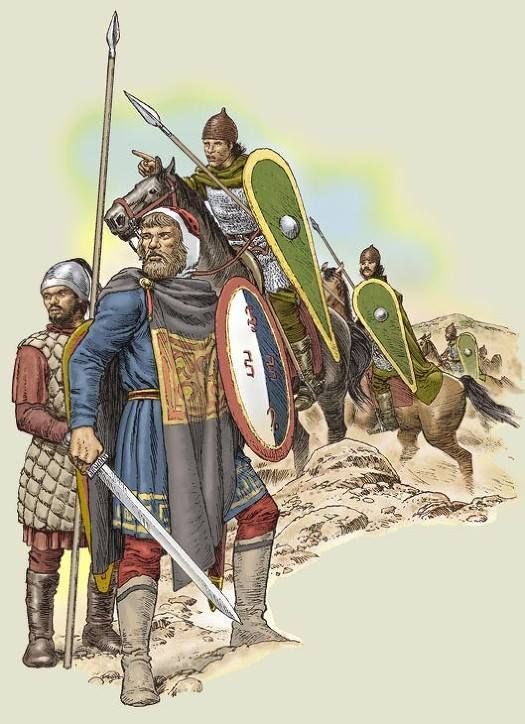
Beyond this the Akritai, border ruffians, helped reconnoiter, launch counter raids, and harass smaller enemy formations, while the elite, professional Tagmatic troops would muster in case the threat warranted more soldiers or a pitched battle.
When the Arab raids began to fade, Byzantium found an opportunity to go on the offense, but it’s decentralized & largely unprofessional army lacked the skill. Nikephoros Phokas reformed the army into a professionalized, elite force and the Byzantines quickly expanded.
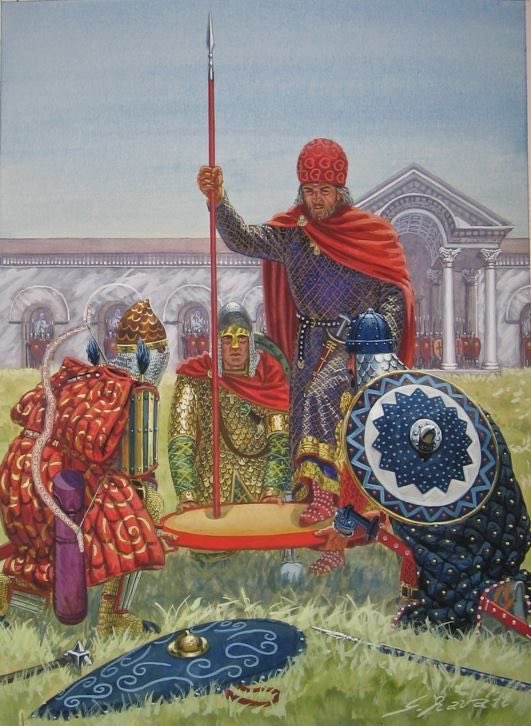
However, this led to the loss of the citizen soldiery & neglect of the Anatolian defenses. When it became more convenient to hire mercenaries to quickly boost the army with a large number of quality troops, the tagmatic army began to weaken as well.
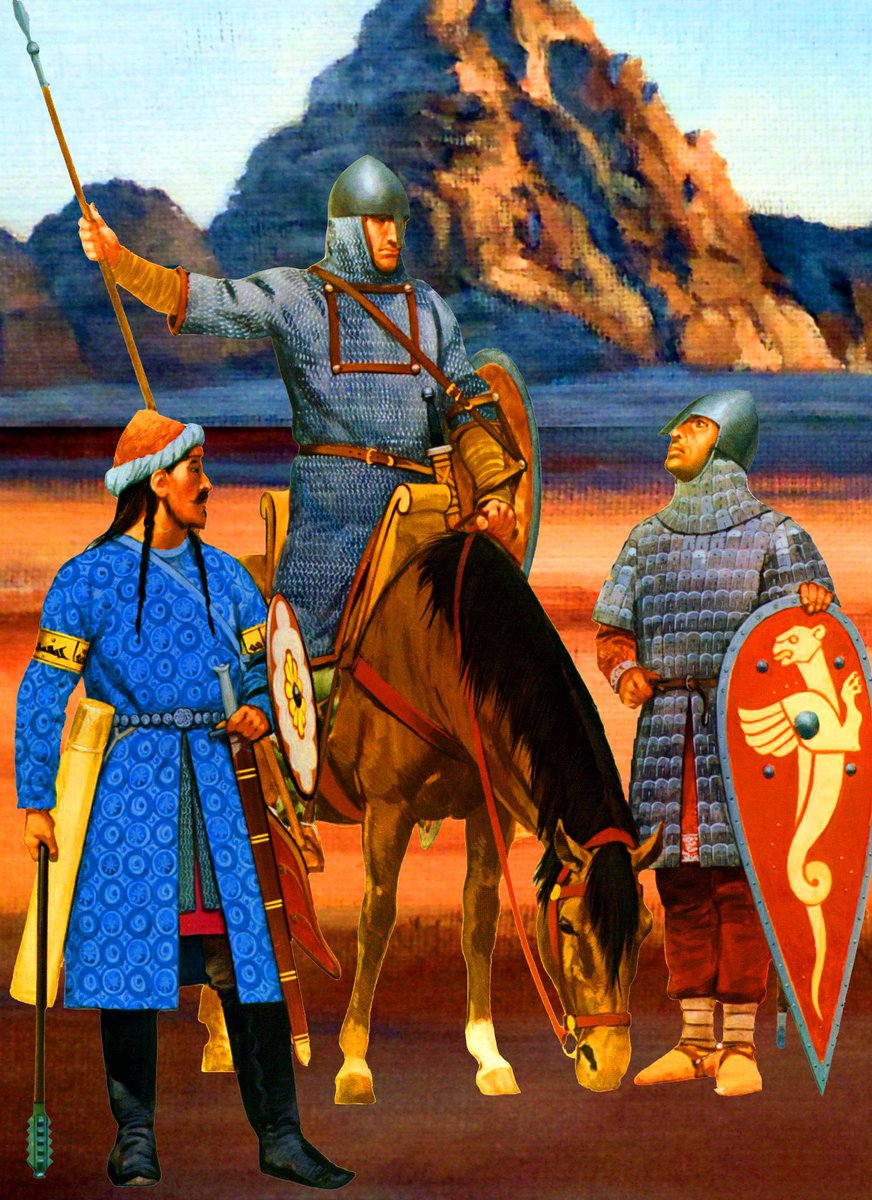
Seljuk raids compounded the problem. Ani, the wealthiest & largest Armenian city, was sacked in 1064. Even Caesarea, the great fortress city & mustering ground, was taken in 1067. The Turks plundered the magnificent Church of St. Basil in a shocking blow to Byzantine prestige.
Romanos Digenes was a promising military commander. Courageous, generous, earnest, yet impetuous. Romanos, the then Dux of the Bulgarian Theme & veteran of the wars in the Danube was convinced to attempt a coup in 1067.
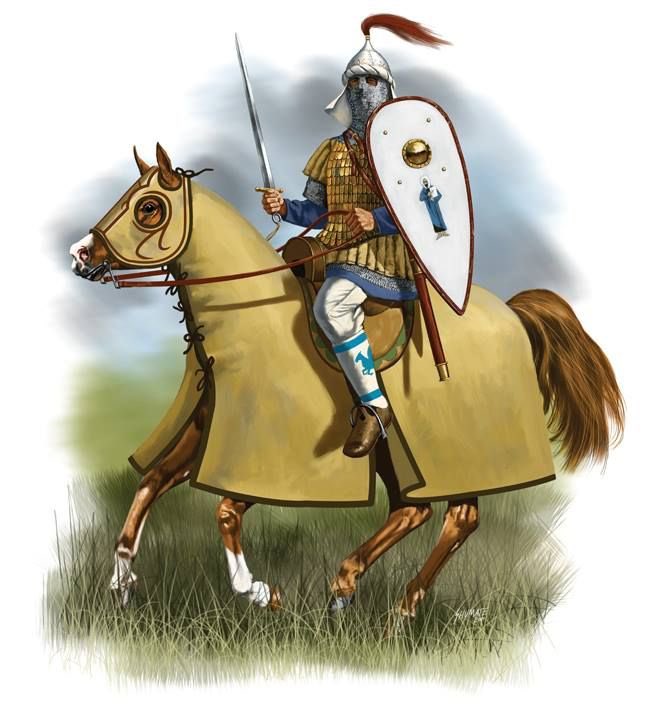
After the coup went awry, Romanos was summoned to the presence of Empress Eudokia Makrembolitissa. Expecting his sentencing, he was shocked to hear he was pardoned & that the empress intended to marry him.
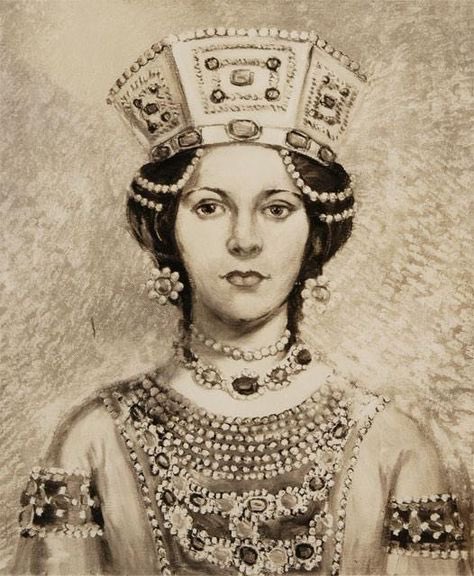
Eudokia was infatuated with the charismatic Romanos & saw this marriage as a way to stave off a powerful nobles like him that might try to depose her & her sons. Romanos ruled instead of her son, Michael Doukas, who at 17 was already old enough to rule.
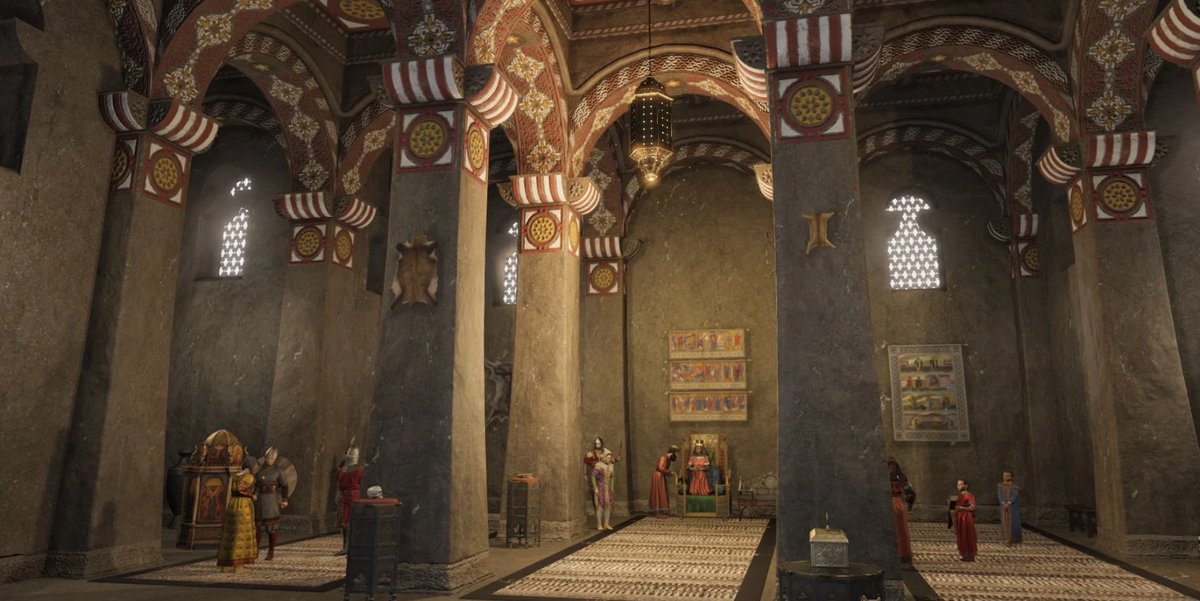
As the Seljuks had overrun Cappadocia, little complaint was made at court in favor of the boy. The people wanted a strong military leader to see off the threat. Only the loyal Varangians protested the usurpation, falling in line when Michael told them he approved of Romanos.
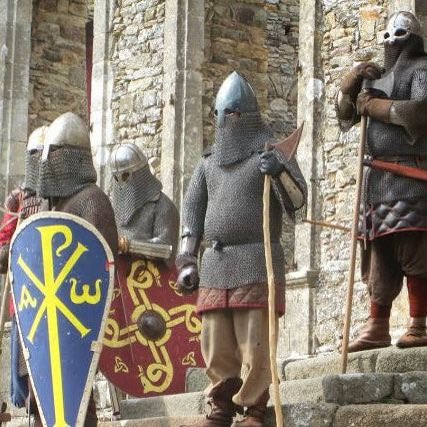
However, the Doukas clan would not forgive this usurpation, & Romanos failed to see the danger in this. Romanos was an energetic leader, placing himself at the head of the armies and focusing all the might of the Empire on the Turks.
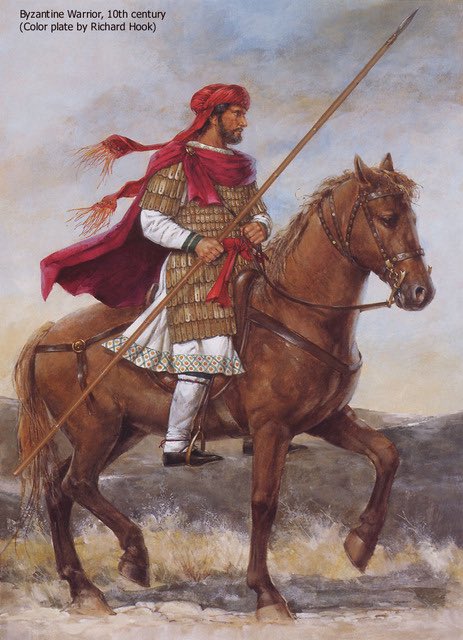
Despite his energy, Romanos was impatient & arrogant. Romanos saw the Turks as little more than bandits & failed to recognize the serious degradation of the Byzantine Army. Instead of investing time & energy in rebuilding, he rushed headlong into war, determined to win.
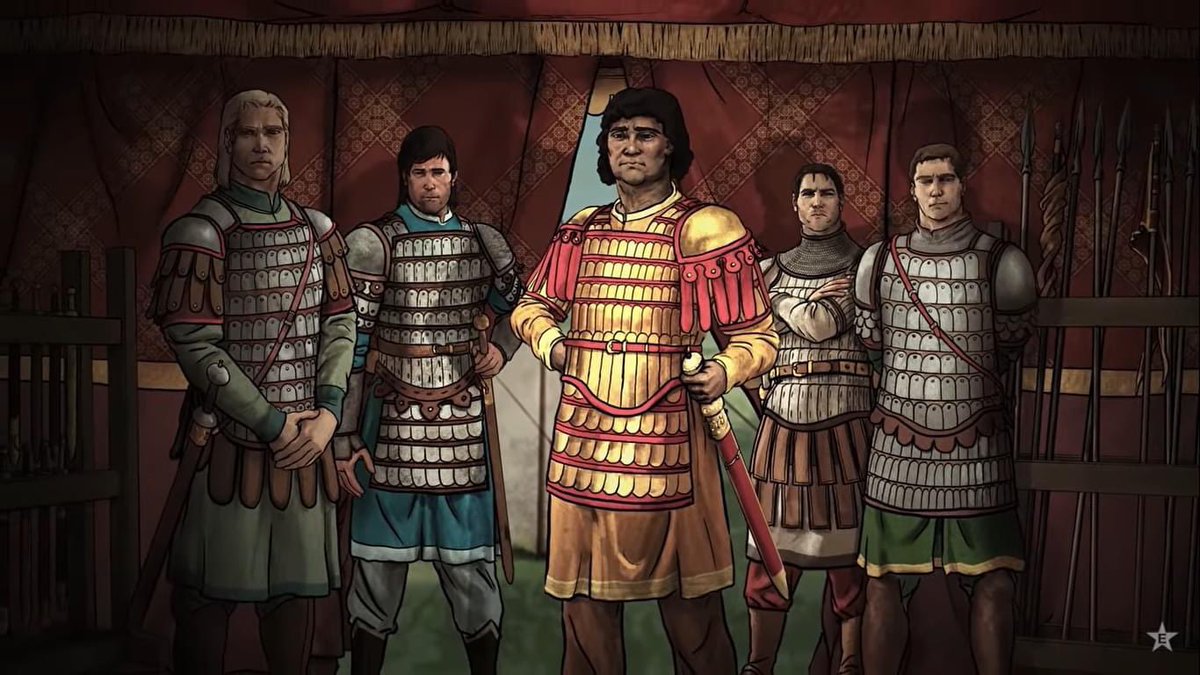
The Turks wintered on the Byzantine frontier, prepared for the next campaign season, one army in the north & one in the south. The Arab rulers in Syria had enlisted Turkish troops & were moving to conquer Byzantine territory in the region, eying the wealthy city of Antioch.
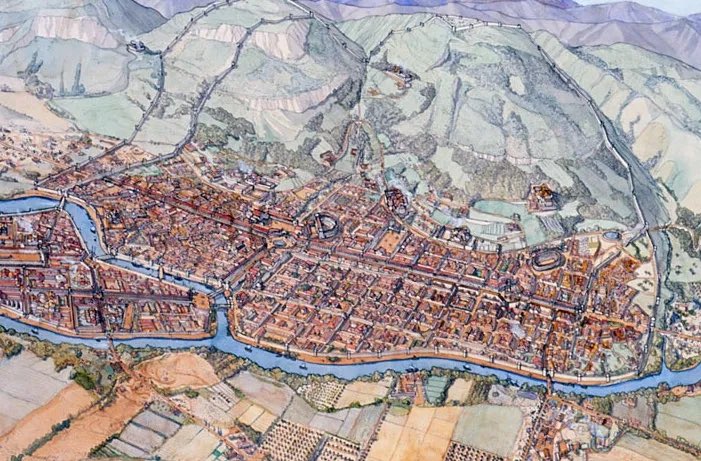
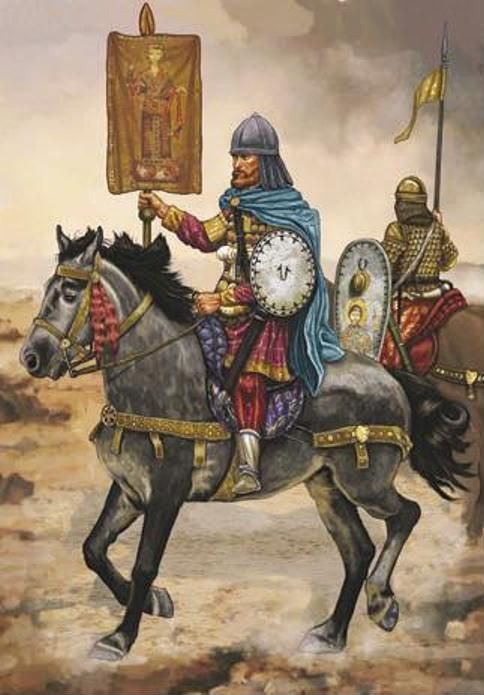
Romanos marched to the region’s defense, but as he passed over the mountains an urgent message reached him. A Seljuk army had entered Pontus & plundered Neocaesarea. Romanos selected a small force of elite cavalry & led them on a breakneck pace to Tephrike to intercept the Turks.
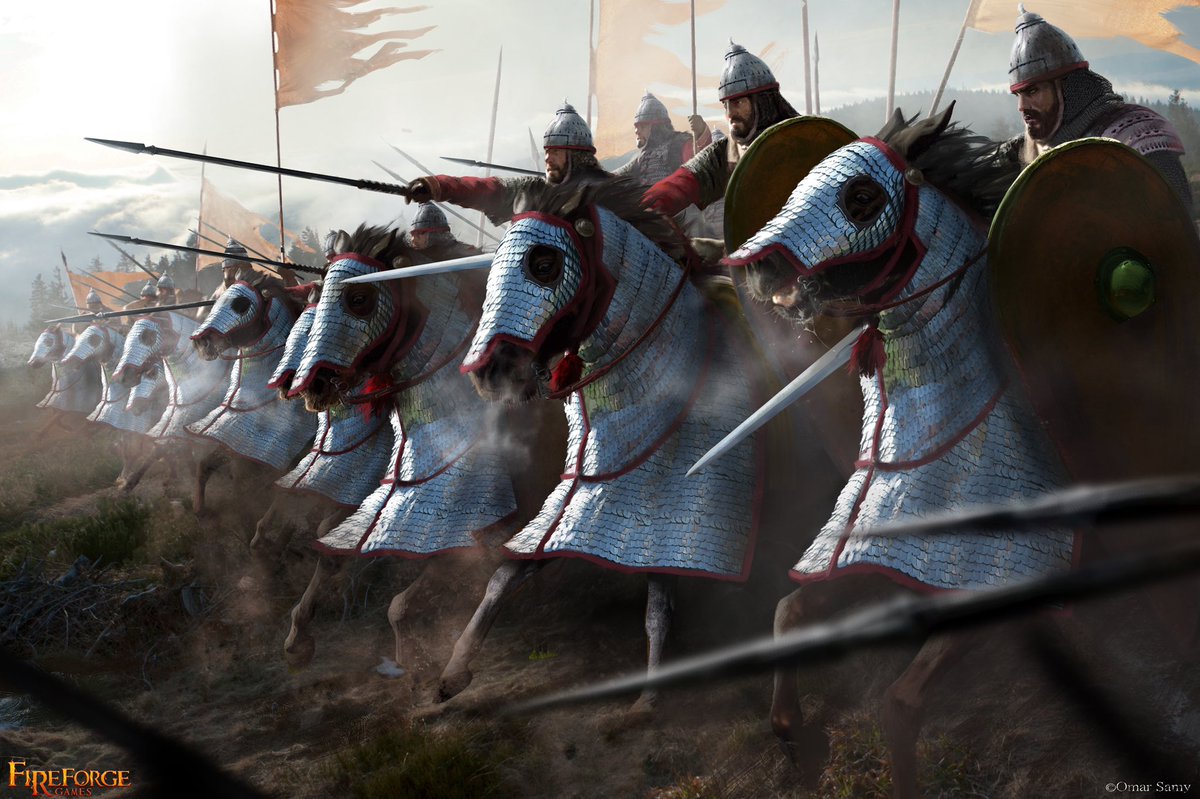
After eight days of hard riding Romanos found them. Shocked by the Emperor’s appearance, they fled from the exhausted troops. Romanos killed many of the raiders but most escaped. Of great importance, Romanos stopped the raid & liberated countless prisoners & retook valuable loot.
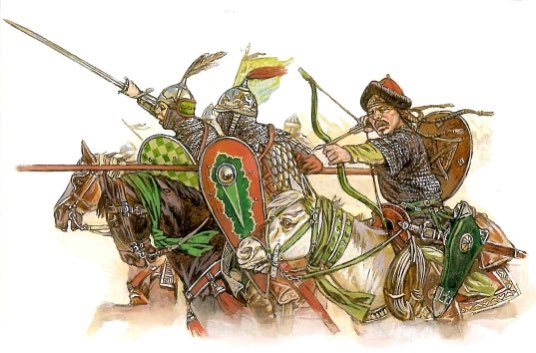
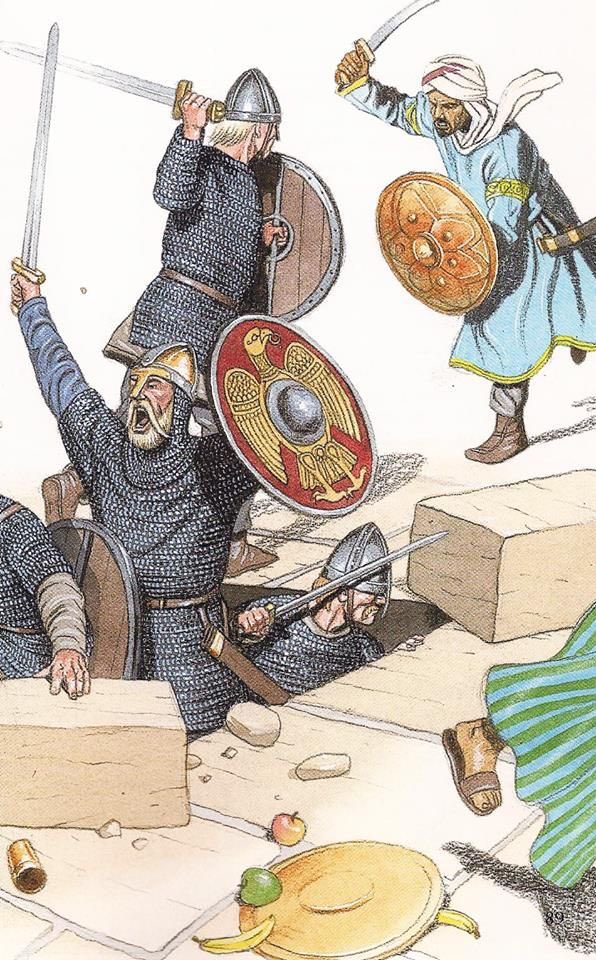
Romanos raced back to the army and laid siege to Heirapolis in Syria. The Varangians & Armenians immediately stormed the walls & took them with ease; however, the defenders locked themselves in the citadel & proved difficult to dislodge.
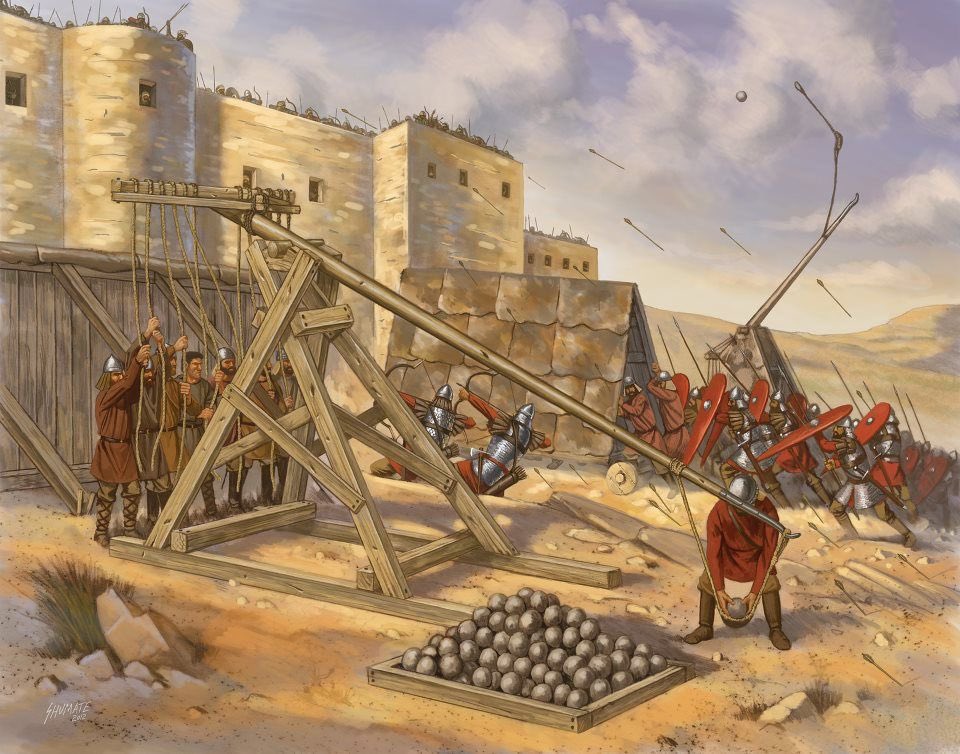
An officer from Antioch, Petros Libellisios, led a detachment of Varangians up to the gates of the citadel & took them through the strength of “Rus arms,” securing the citadel & capturing the city for Romanos. Romanos fortified the city & began the march home.
As Romanos trekked across Anatolia he received news that another Turkish raid had sacked Amorium. The offenders returned to their base too quickly for Romanos to intercept them, learning from the mistakes of those at Tephrike. Romanos entered Constantinople in January of 1069.
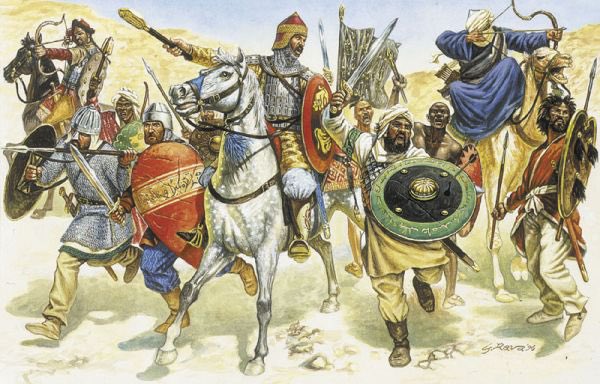
Romanos’s measure of success on this campaign emboldened him to take more aggressive action against the Seljuks; however, the mobility & aggression of the Seljuk armies proved to be a serious threat to Byzantine military strategy, one that Romanos would not address adequately.
In the next thread we will cover Romanos’s further campaigns against the Seljuks & issues at home in the lead-up to his disaster at Manzikert.
Loading suggestions...