
One of the most admirable and moving endangered language projects of recent years: A Belgian professor completed the first dictionary of the indigenous Aboriginal language of Umpithamu after 17 years of research – but sadly not before its last two active speakers passed away. 1/
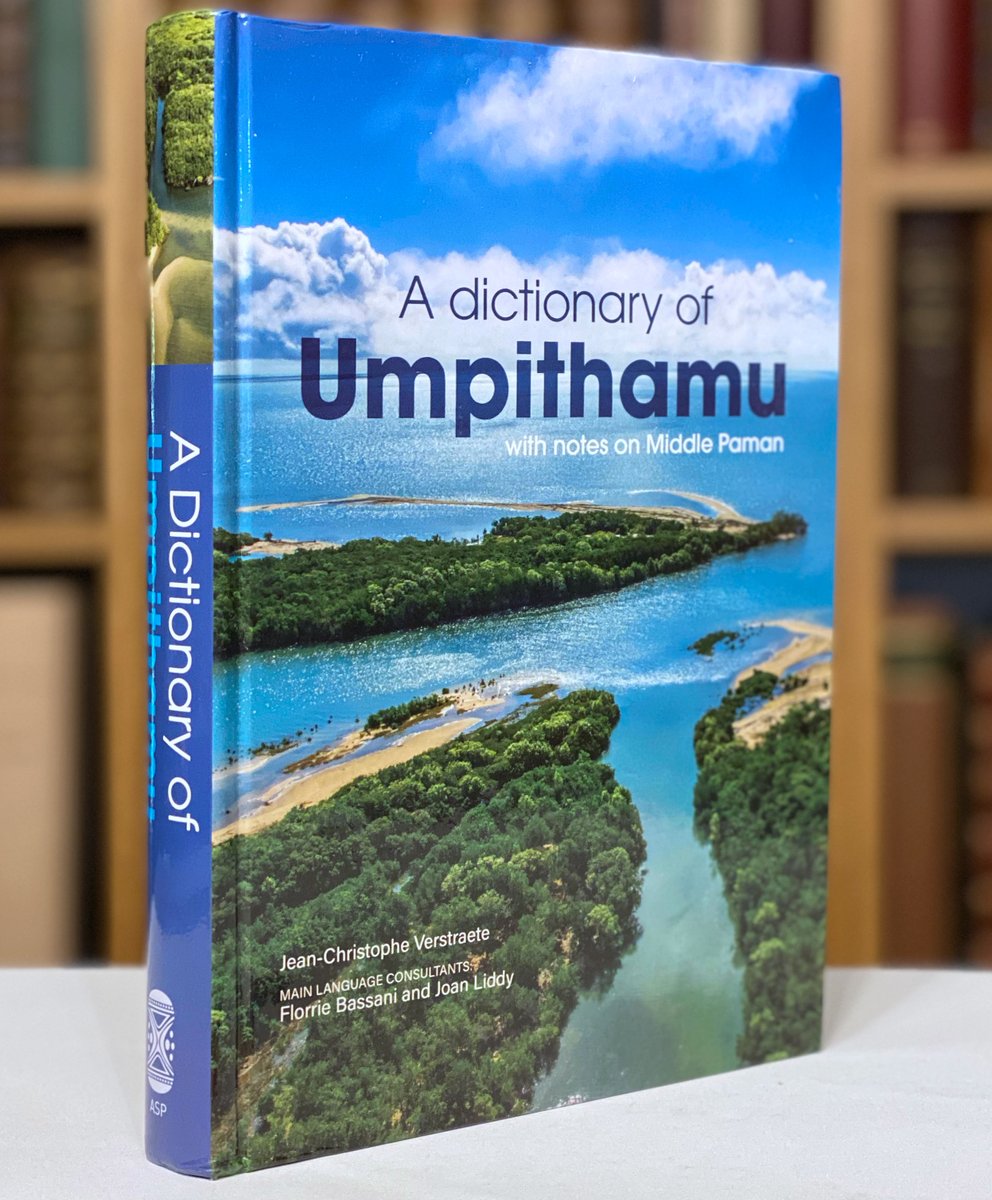
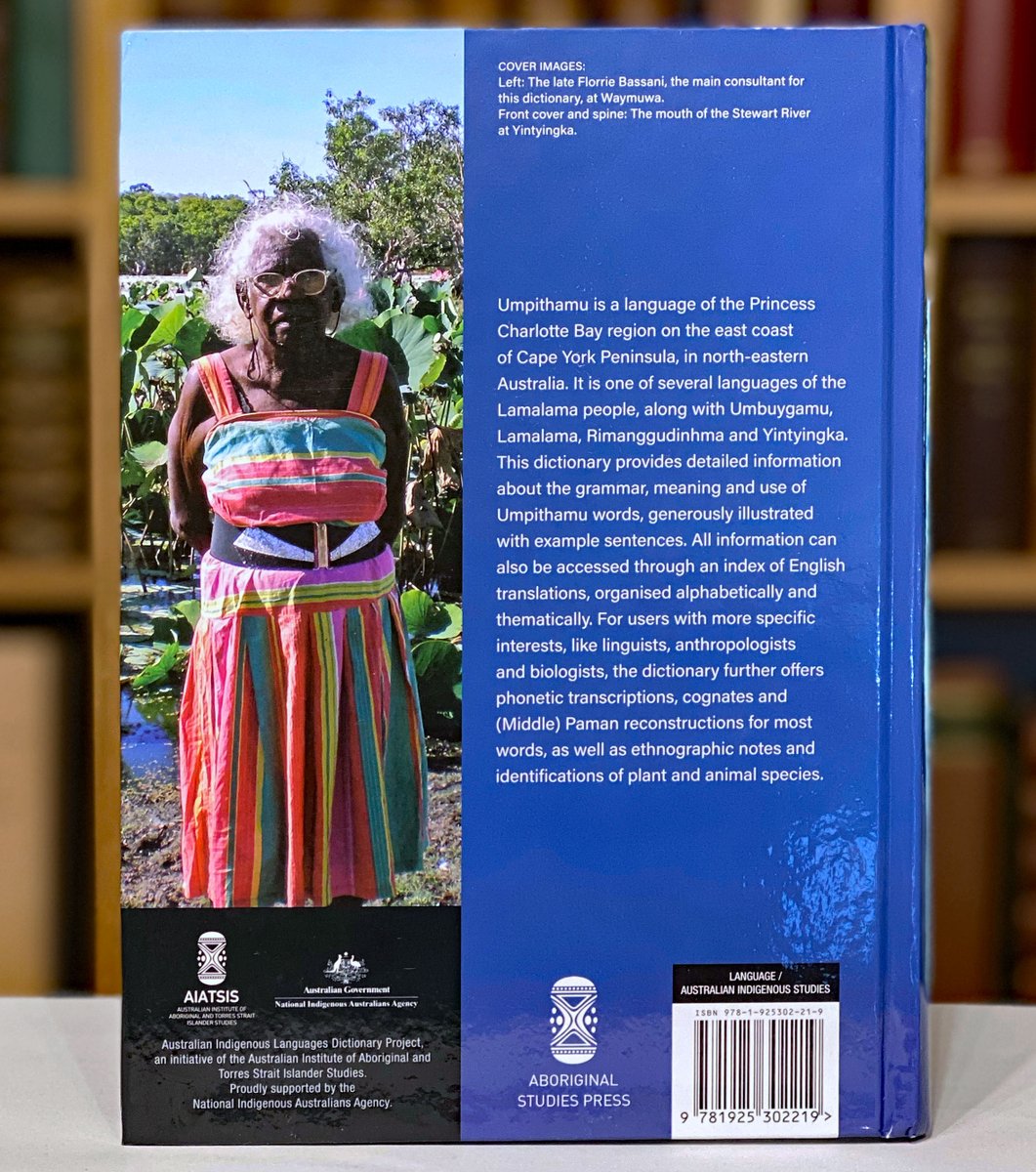
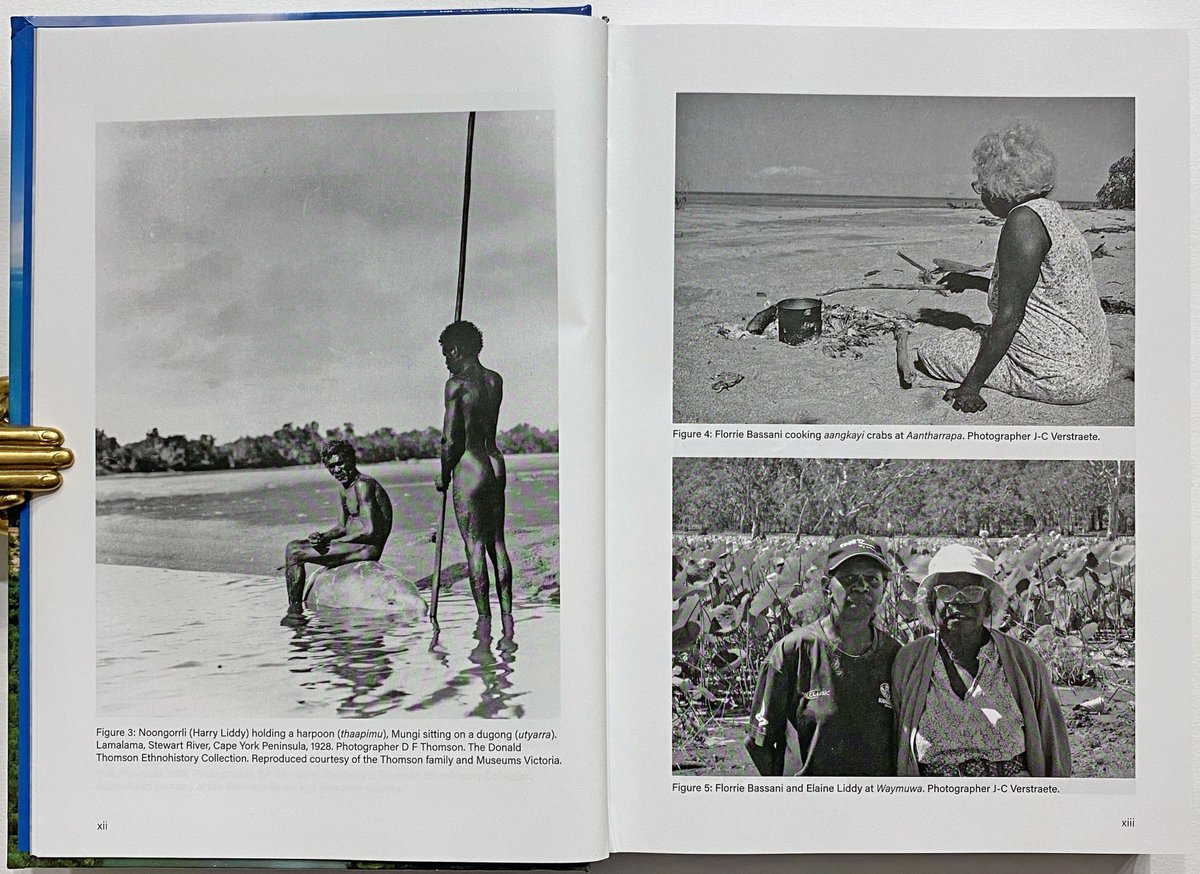
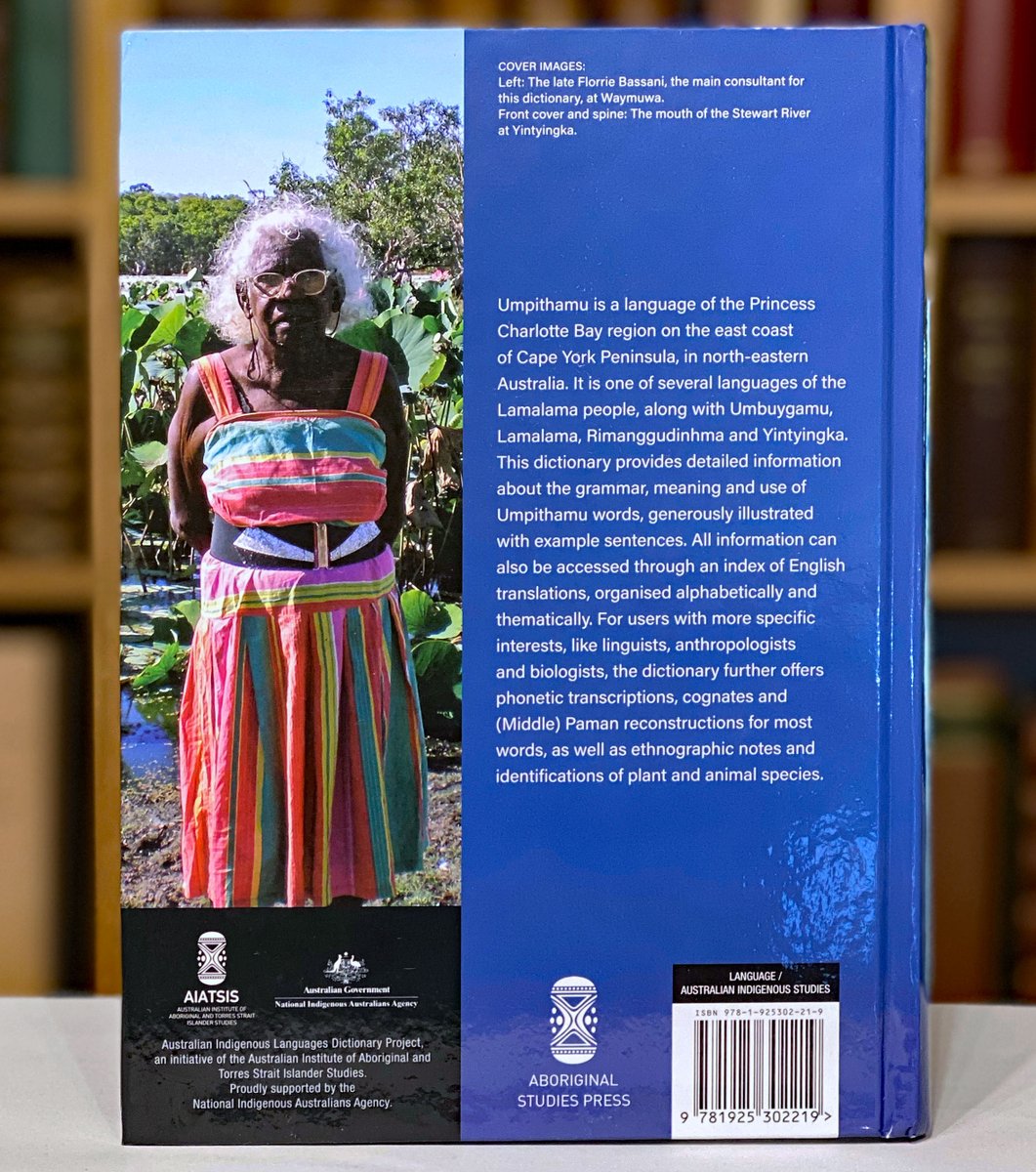
The women - two sisters - were the last two active speakers of Umpithamu, one of five languages deriving from the Lama Lama people of Princess Charlotte Bay, on the eastern coast of Cape York peninsula in north-east Australia. 2/
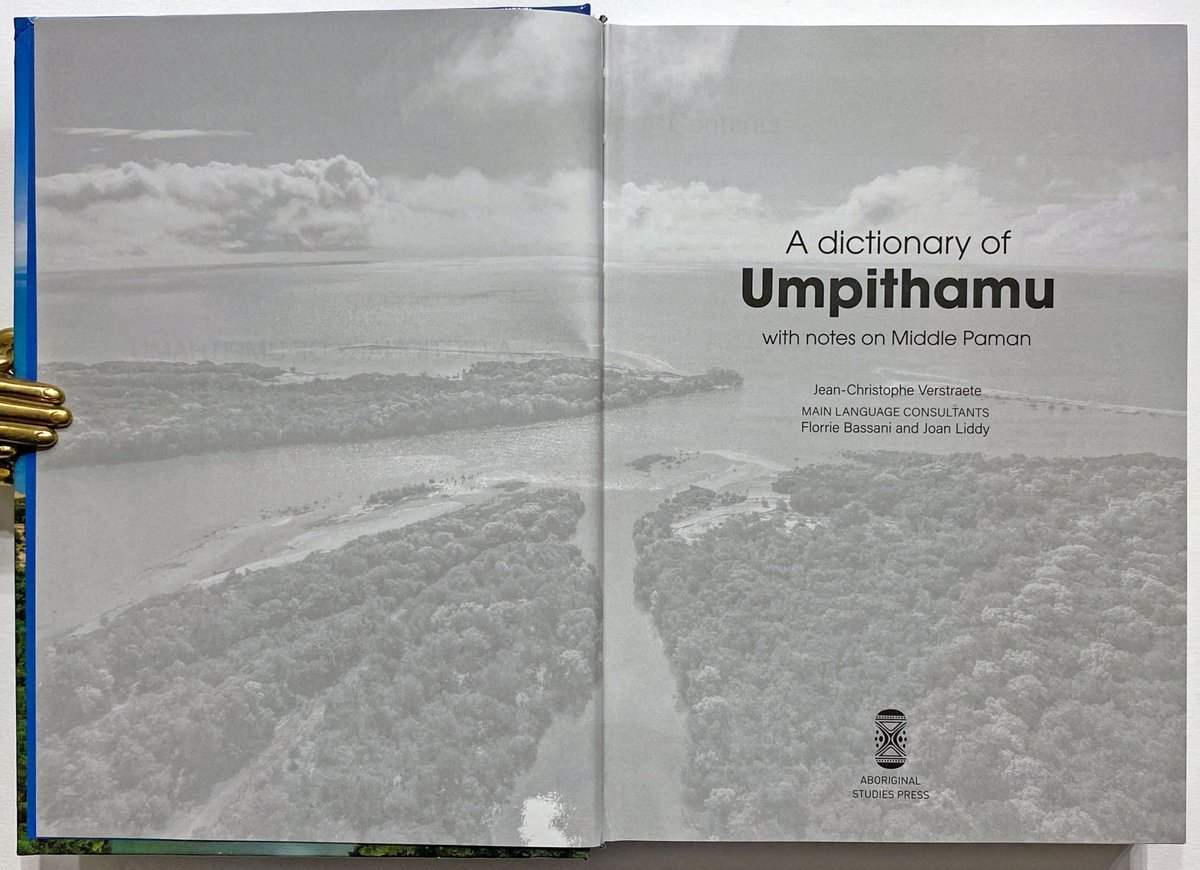
Jean-Christophe Verstraete, professor of linguistics at Leuven, said the women, for whom he gave eulogies at their funerals in 2009 & 2012, were convinced of the importance of the project but that they knew that they would likely die before the dictionary could be completed. 3/
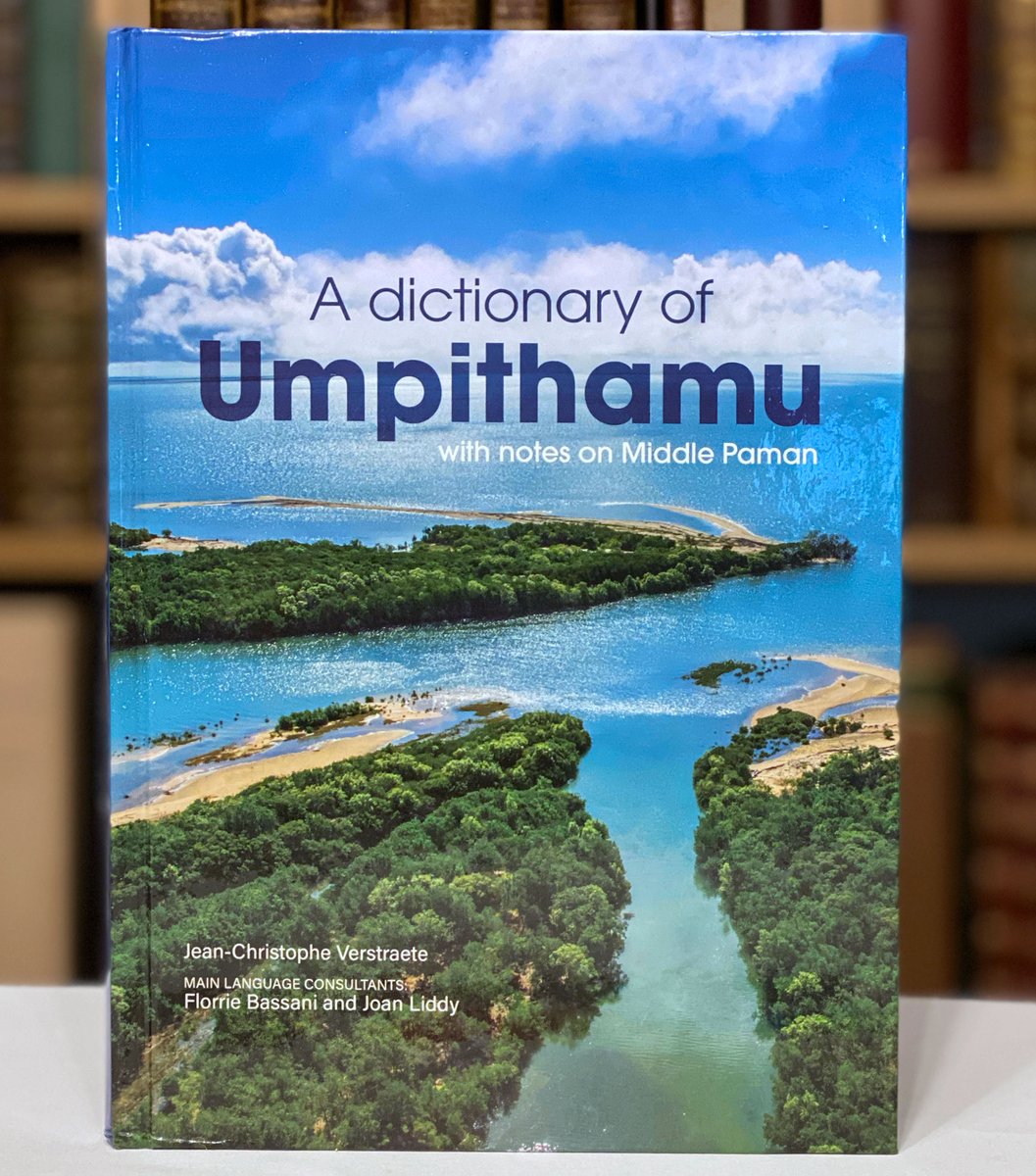
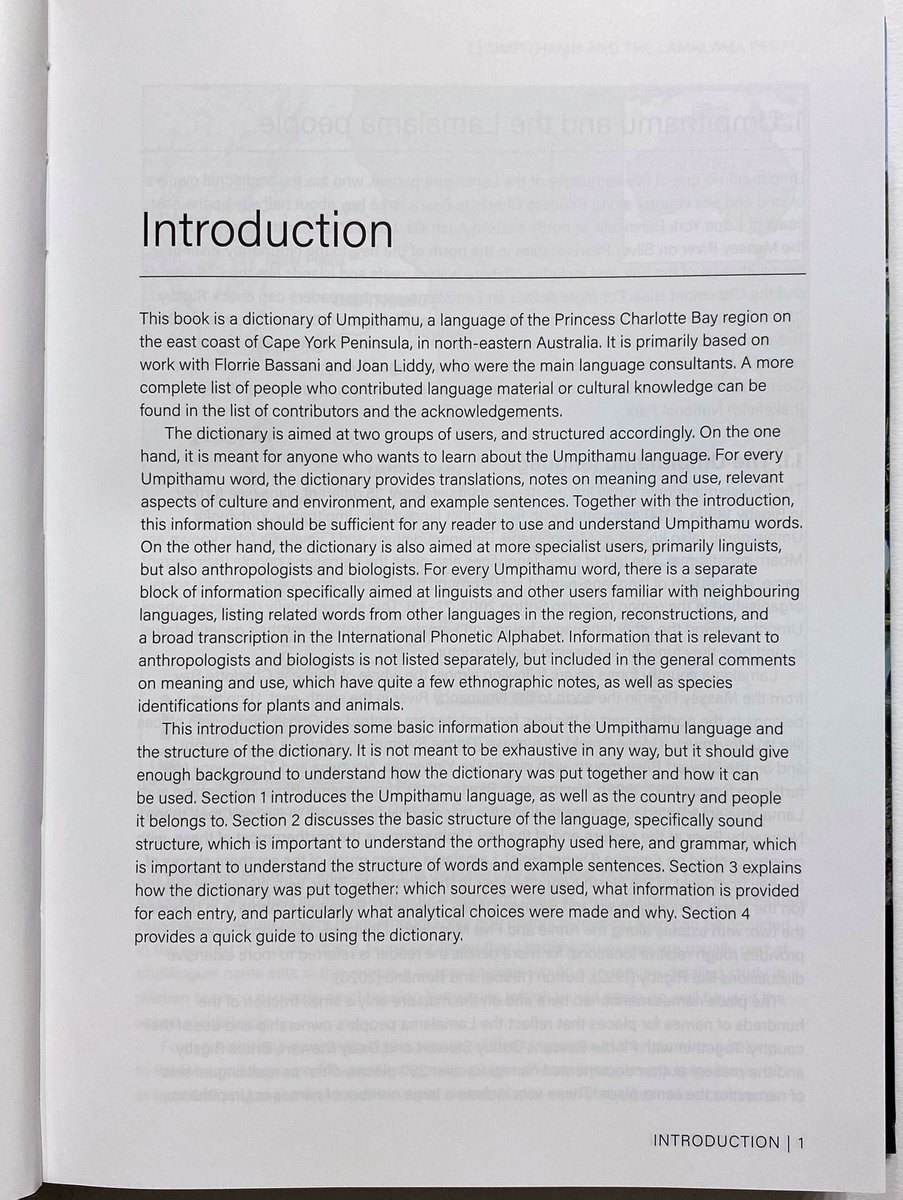
“They knew how important this was,” said Verstraete, who grew so close to the sisters that he called them amitha, meaning mother in Umpithamu. “The two women spoke it among themselves all the time and they would speak it to their children who always responded back in English.” 4/
The Lama Lama people were forcibly removed from their ancestral lands in the 1960s and forced to live on reserves, where many died. Under the Cape York tenure resolution program in Queensland, 3.7m hectares have been transferred back to Aboriginal ownership in the last decade. 5/
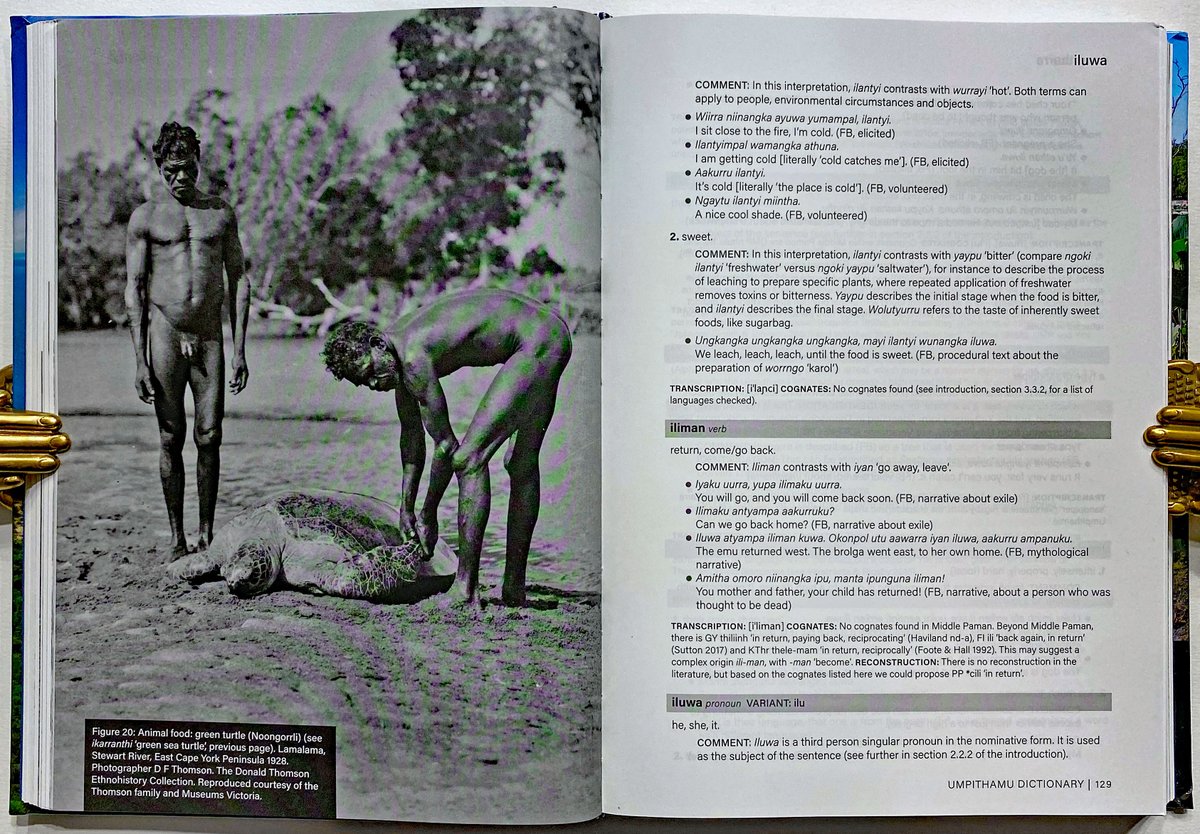
Of about 250 different Indigenous Australian languages, there are only about a dozen in active use today. “The dictionary is therefore a form of heritage,” Verstraete says. “There are 600 copies for the community. It is a way of passing on the language to the descendants.” 6/
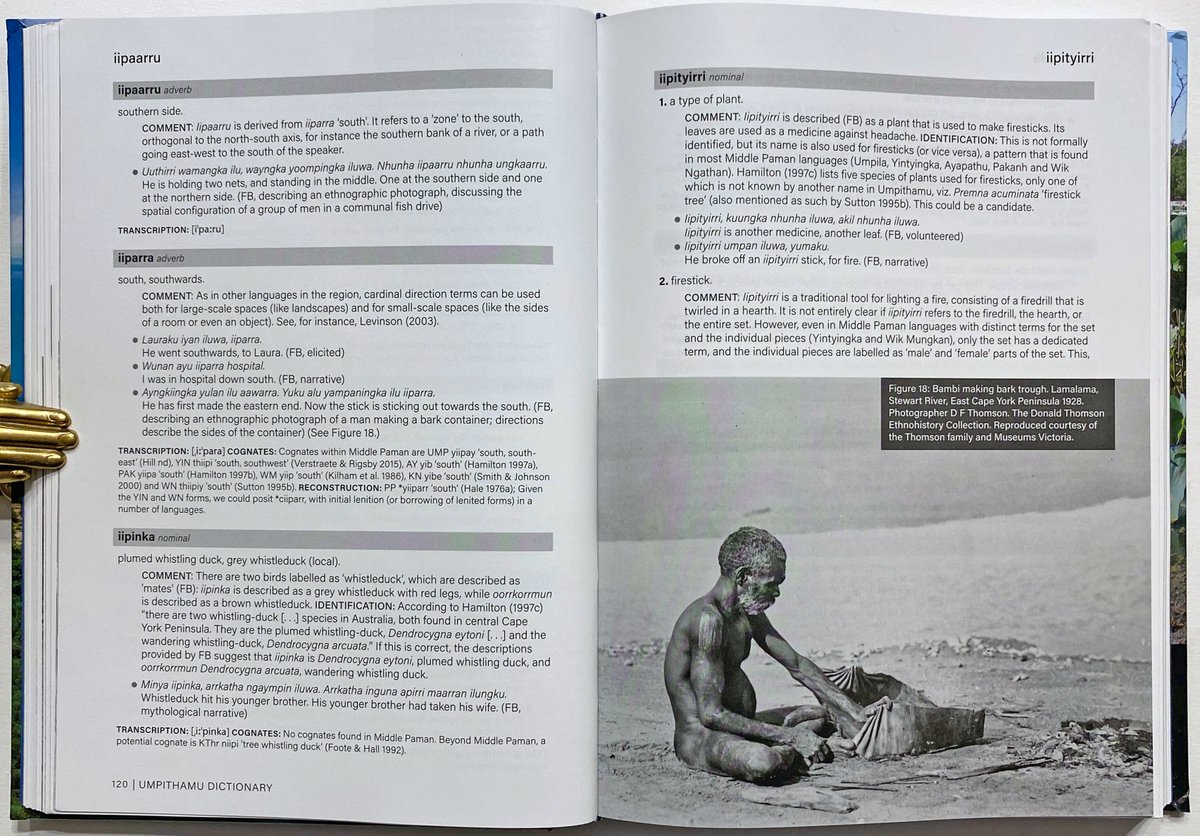
Though generally accepted as a branch of the Paman languages, some linguists believe Umpithamu to be an isolate. It shares some grammatical features with the other languages spoken by the Lamalama people, but it shares more vocabulary with Ayapathu and Umpila. 7/
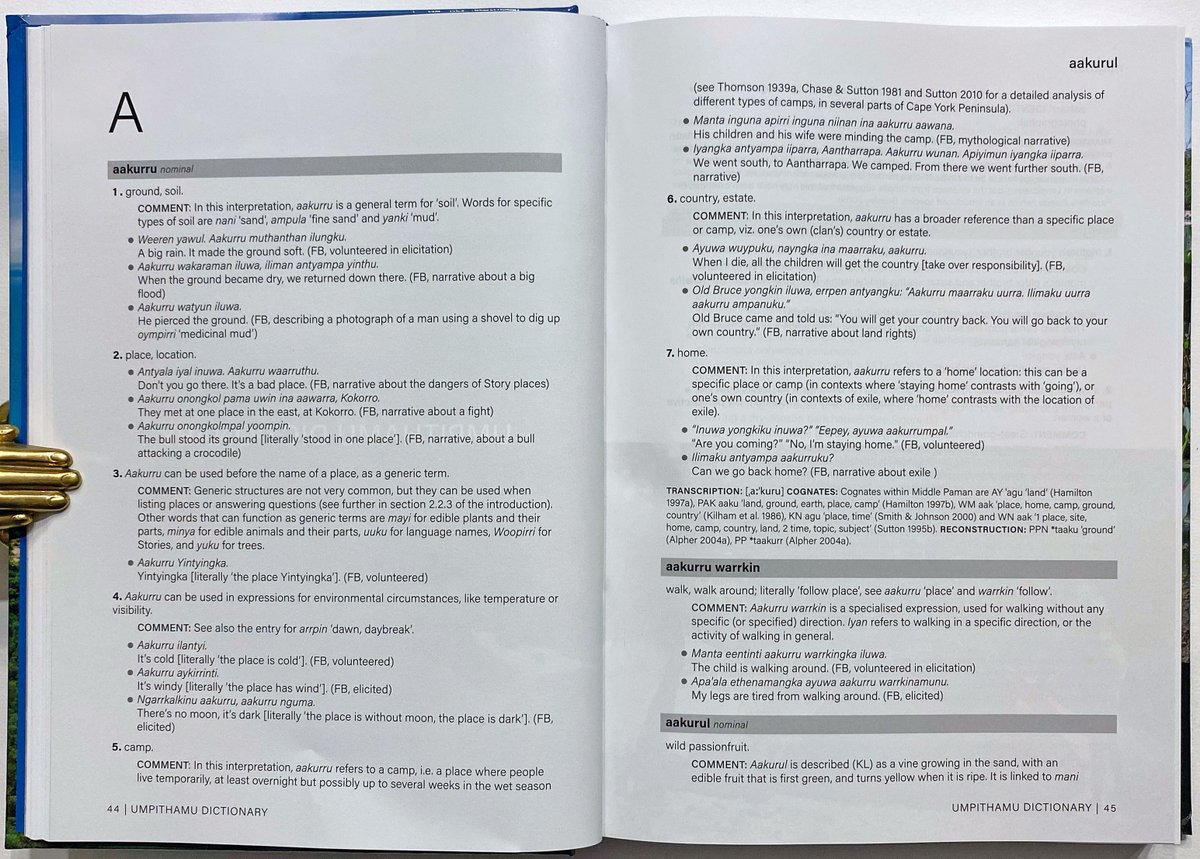
A niece of one of the sisters, Elaine Liddy, who works as a cultural officer for the Lama Lama people, said she had been moved by the publication of the book: "Myself, my siblings and the younger generations haven’t been taught our language. Our first language was English." 8/

“This will help us hold on to our culture a lot more. It’s an emotional time though, because my late auntie is not here to see the book but I know she’s with us, standing beside us, guiding us.” 9/
Loading suggestions...