
Anatomy Crash Course: The Diaphragm
The most underappreciated muscle in the human body
//A Thread//
The most underappreciated muscle in the human body
//A Thread//
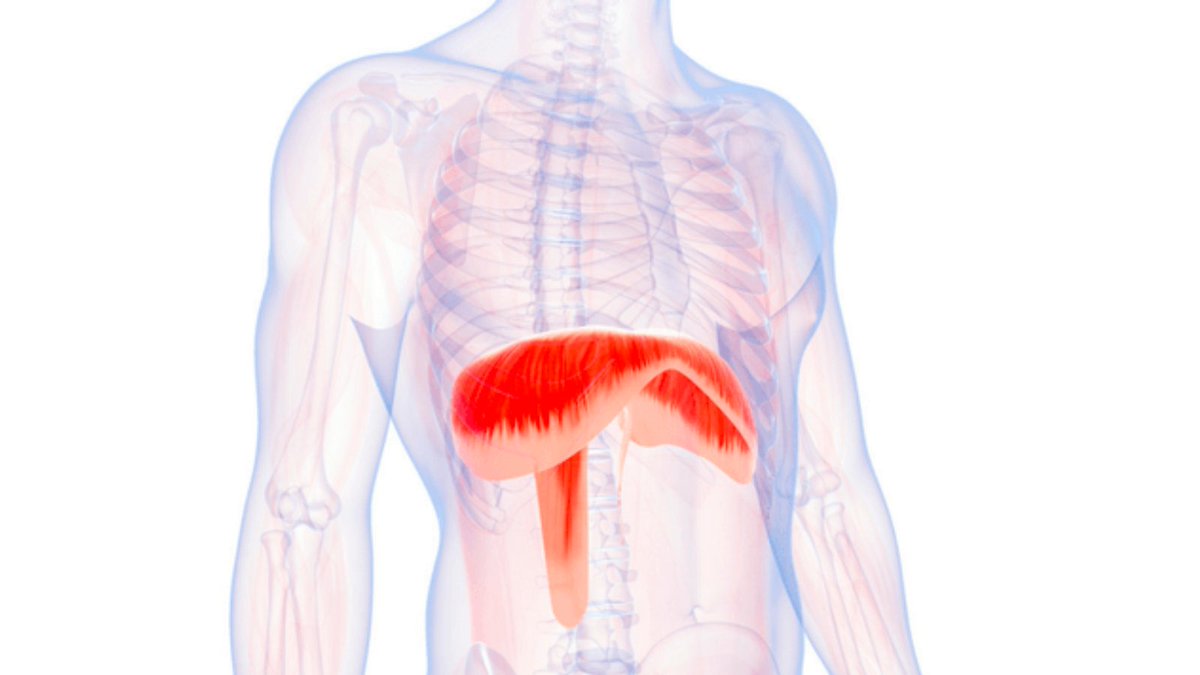
The diaphragm is one of the only muscles in the body that never rests from the moment you are born because, without it, we do not breathe.
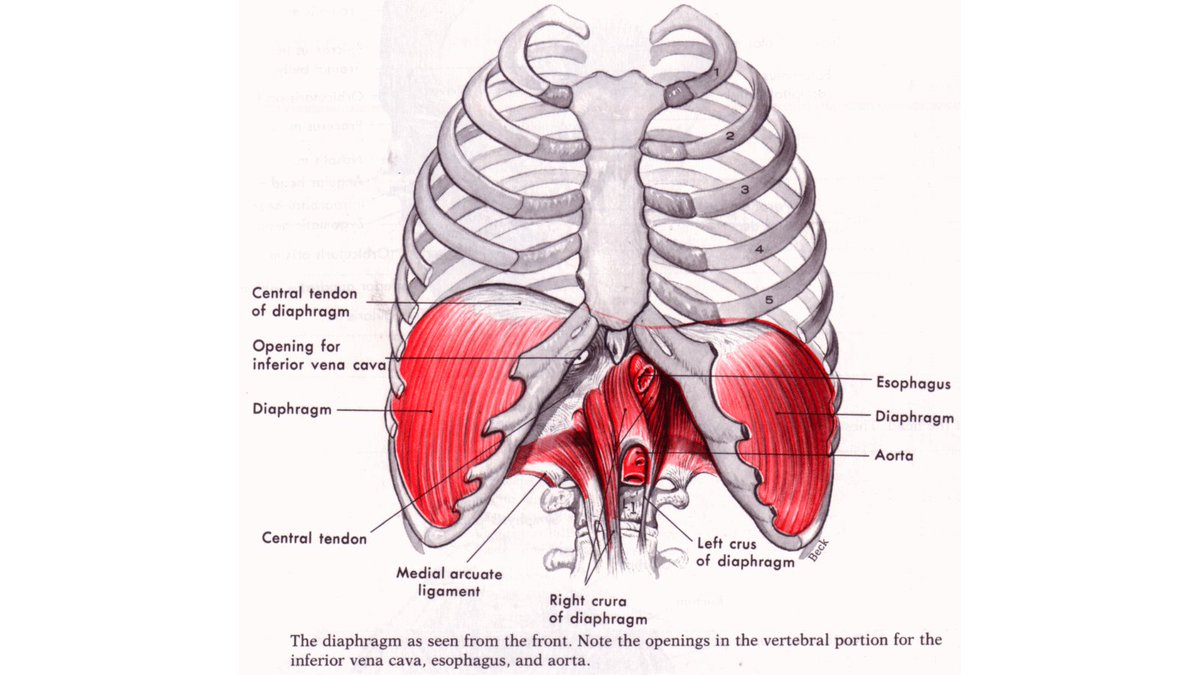
The diaphragm is both the physical barrier that separates the thorax from the abdomen and the primary muscle of ventilation.
The diaphragm is both the physical barrier that separates the thorax from the abdomen and the primary muscle of ventilation.
Despite its importance, the diaphragm is often underappreciated and incompletely evaluated by clinicians and healthcare providers.
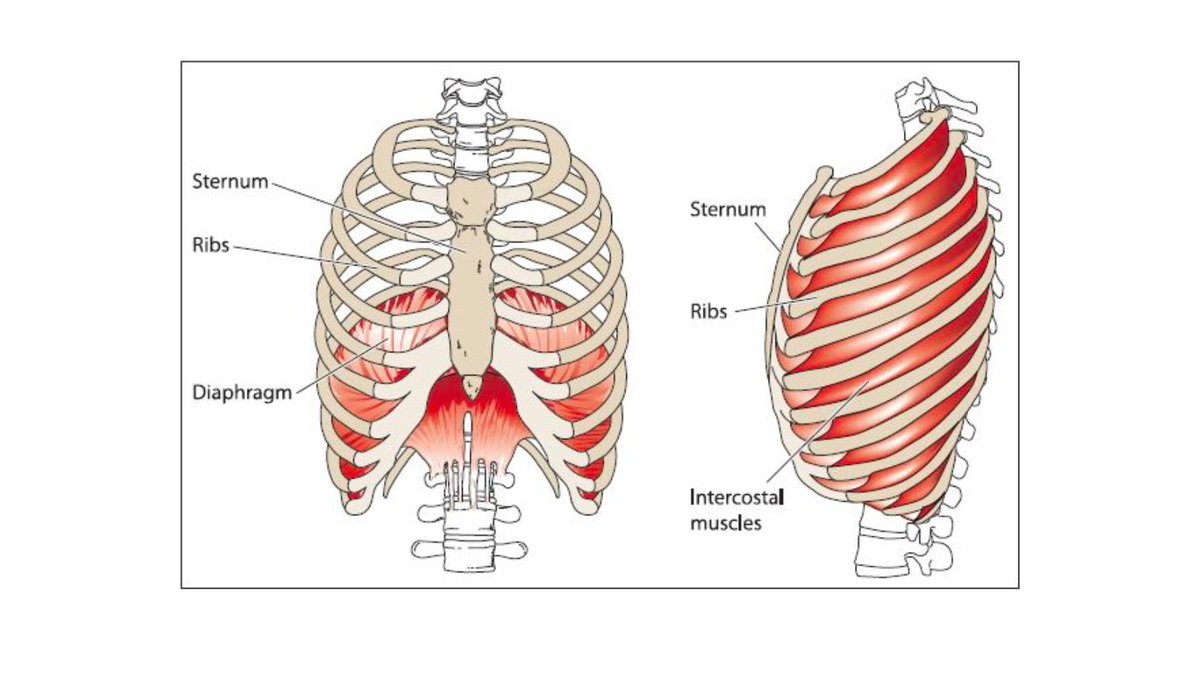
Muscle is actually very misleading. Through various fascial connections, the diaphragm interacts with over 30 muscles.
Those muscles interact with other muscles, ligaments, tendons, and bones affecting your body structure.
Those muscles interact with other muscles, ligaments, tendons, and bones affecting your body structure.

If you want to learn more about fascia, read below:
Diaphragmatic functions include:
- Proper cardiovascular pump (Blood pressure)
- Lymphatic flow (clearing toxins)
- Gut motility (proper metabolism)
- Cerebrospinal fluid movement
- Stability (alignment and strength)
- Locomotion (movement)
- Proper cardiovascular pump (Blood pressure)
- Lymphatic flow (clearing toxins)
- Gut motility (proper metabolism)
- Cerebrospinal fluid movement
- Stability (alignment and strength)
- Locomotion (movement)
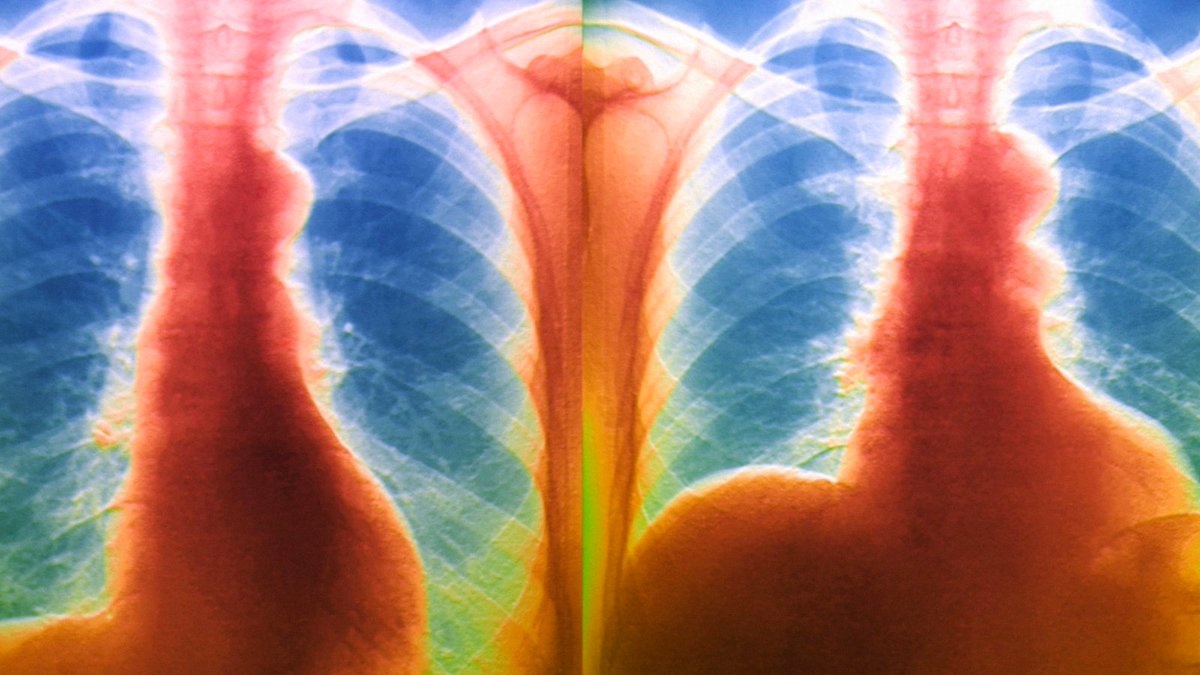
In addition, the diaphragm aids in emesis, urination, and defecation by increasing intraabdominal pressure and helps prevent gastroesophageal reflux by exerting external pressure at the esophageal hiatus.
Improper pumping action of the diaphragm can chronically activate your sympathetic nervous system (fight or flight reaction) and cause a biochemical release of cortisol and adrenaline.
A vicious cycle ensues with improper functioning that can affect your entire body.
A vicious cycle ensues with improper functioning that can affect your entire body.
You may have also noticed that your diaphragm is not symmetrical.
In fact, the right diaphragm is bigger than the left with different positional attachments to the spine.
In fact, the right diaphragm is bigger than the left with different positional attachments to the spine.
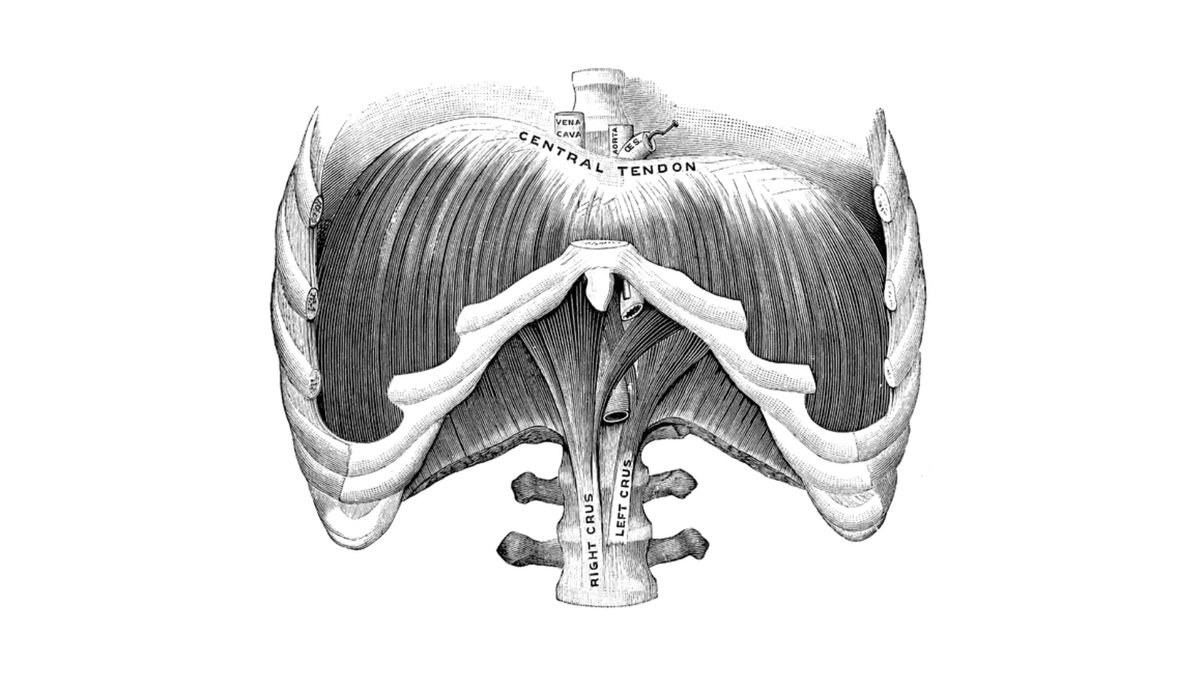
This provides leverage for the right diaphragm to behave more as a postural stabilizer and instead biases the left to act as more of a muscle of inhalation.
You can imagine where this may cause issues for those biasing one side of the body vs the other over time.
Our musculature is not symmetrical and when pushed to an extreme, this can and will cause many problems..
Our musculature is not symmetrical and when pushed to an extreme, this can and will cause many problems..
When working with patients in chronic pain, I have found that breathing needs to be the starting point, especially highlighting the importance of control and position.
The diaphragm is the foundation, and when addressed can introduce more variability into the entire system.
The diaphragm is the foundation, and when addressed can introduce more variability into the entire system.
Some additional notes on what happens when you breathe:
- Diaphragm descends during inhalation; pulling the central tendon down.
- Abdominal viscera resist the diaphragm from descending and the ribs displace laterally.
- The sternum moves forward, allowing thoracic expansion
- Diaphragm descends during inhalation; pulling the central tendon down.
- Abdominal viscera resist the diaphragm from descending and the ribs displace laterally.
- The sternum moves forward, allowing thoracic expansion
Loading suggestions...