
Romanos’s measured success in the campaign of 1068 did not give the Empire the breathing room it needed. Rebellions, invasions, and intrigue spread & Romanos was powerless to meet the challenge.
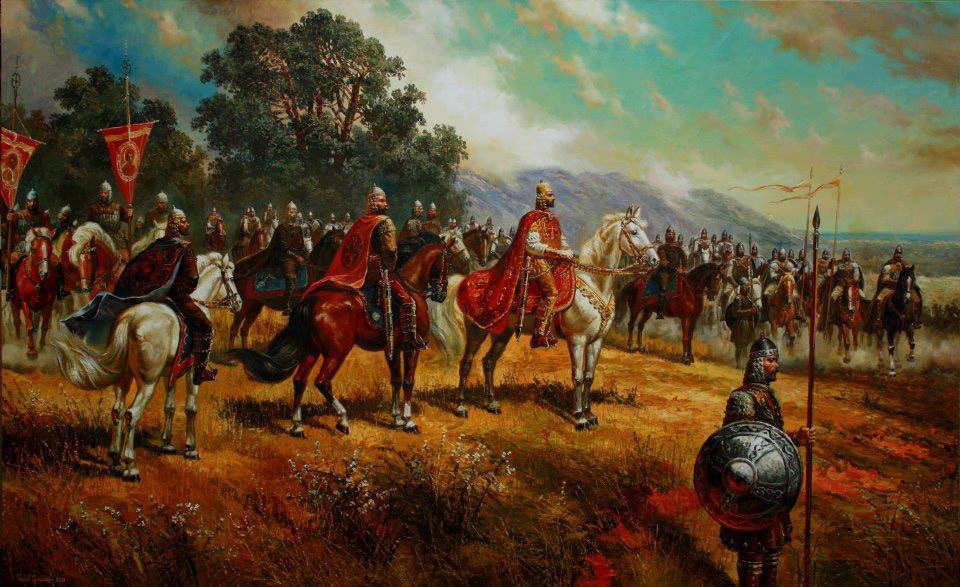
Romanos had planned to use the campaigning season of 1069 to build on his modest success from the year before but things were quickly thrown into chaos. Robert Crispin, a Norman mercenary, began a rebellion with his men near Edessa, forcing Romanos to pivot.
This allowed for the Turks to invade & lay waste to Cappadocia. After dealing with the Normans, Romanos attacked the Turks. Defeating the raiders, Romanos executed all the prisoners including a Turkic chieftain who offered a hefty ransom price for his freedom.
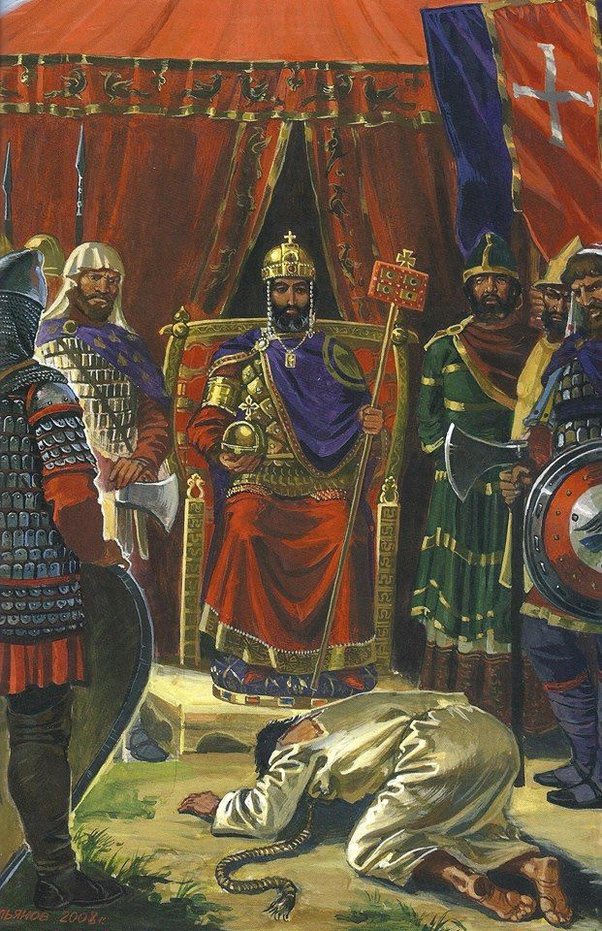
After his gruesome warning to would-be raiders, Romanos marched toward Lake Van. Romanos hoped to reassert Byzantine authority in the region and better protect the heartland by placing a garrison in the city of Akhlat, a critical location for controlling the Lake Van region.
Romanos, ever conscious of Turkish raids, placed the bulk of his army under the command of Philaretos Brachamios with orders to guard the mountain passes of Eastern Anatolia from potential raiders. Brachamios was soon defeated by a large raiding party.
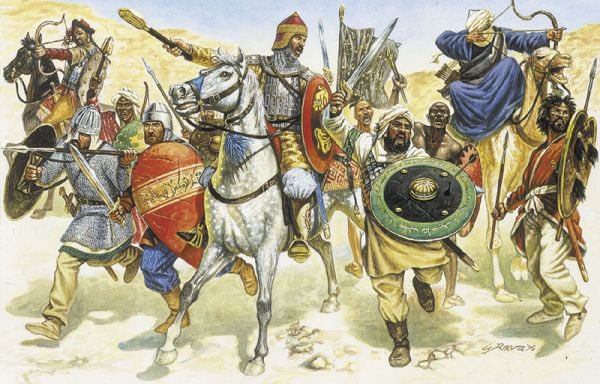
The Turks sacked Iconium & when Romanos caught word he was forced to turn around and face this threat. Romanos ordered the Dux of Antioch to move his men to the passes at Mopsuestia in an attempt to bottle the raiders up and crush them.
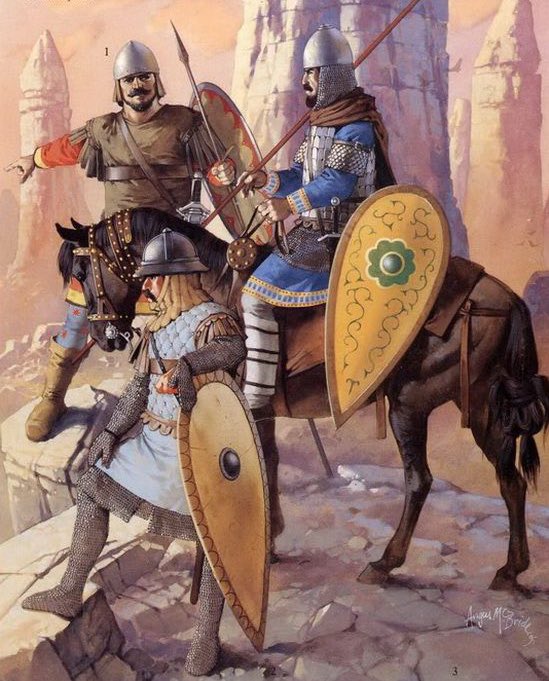
Romanos caught them in the mountains of Cilicia; however, the wily Turks slipped through his fingers by abandoning their loot & fleeing quickly to Aleppo. This was reminiscent of the Turkish escape at Tephrike the previous year.
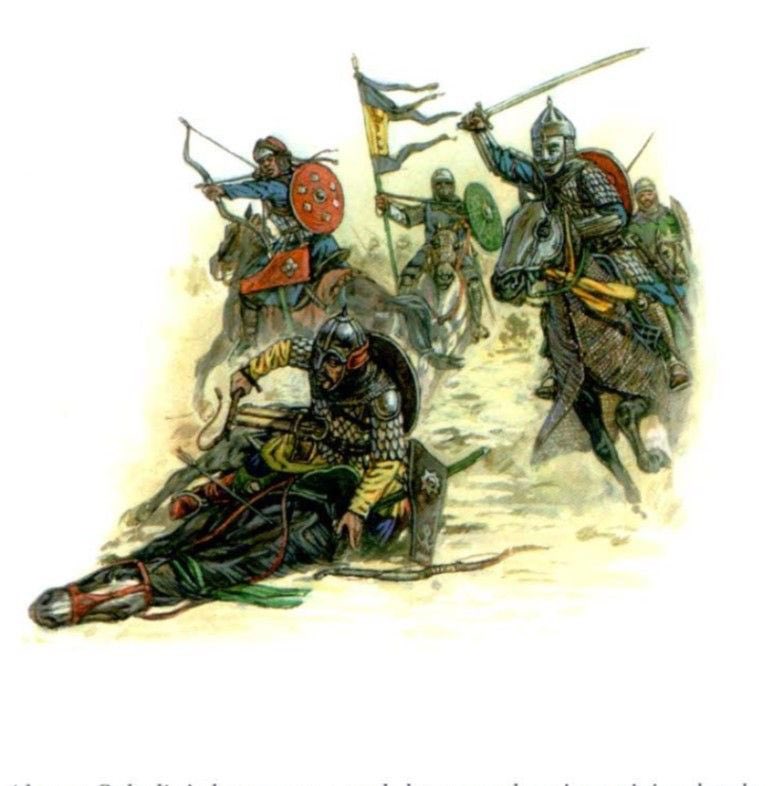
Romanos once again returned to Constantinople without the decisive victory he yearned for. Anatolia remained vulnerable despite his efforts. Worse, other issues began to bubble over in Constantinople. Romanos spent the entirety of 1070 in the City, shoring up his administration.
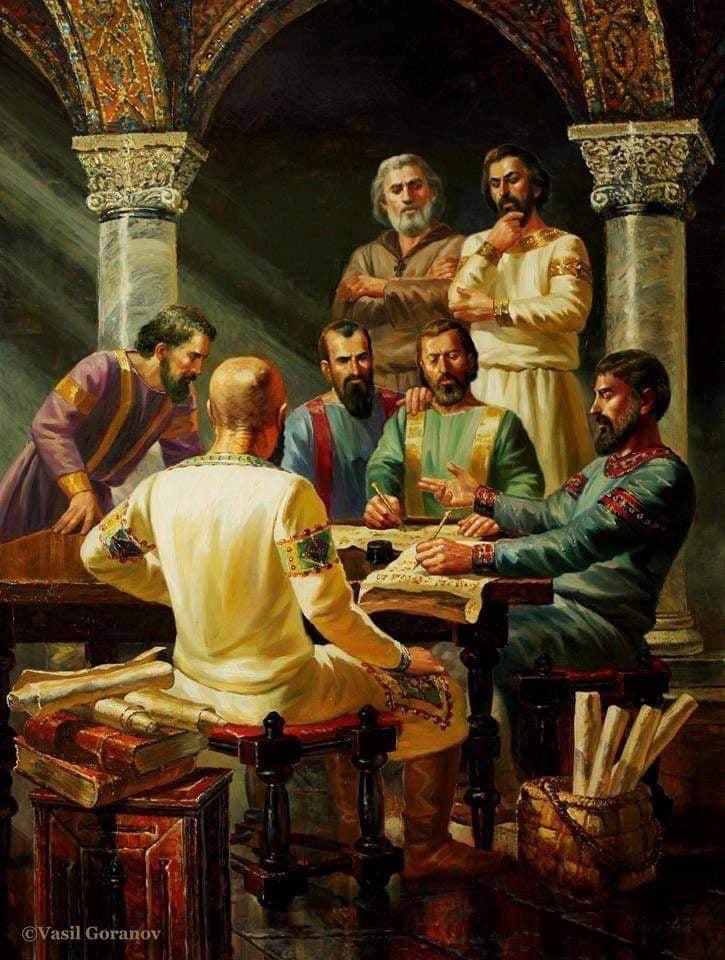
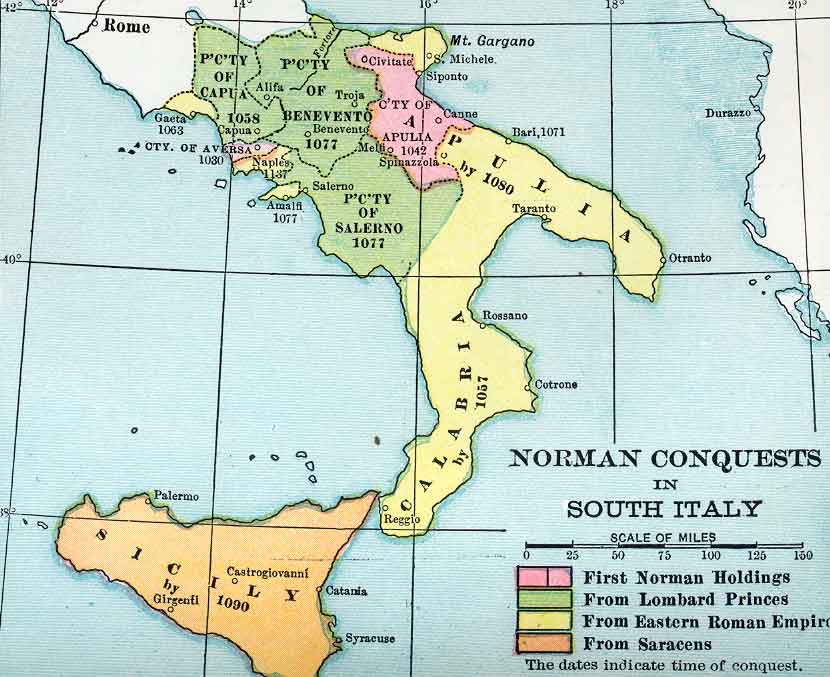
Pressingly, Romanos sent a relief fleet to Bari, under siege since 1068. The Varangians had been hyperactive in this theater, making up many of non-local forces. The Guard held back the Normans outnumbered & with little support for years.
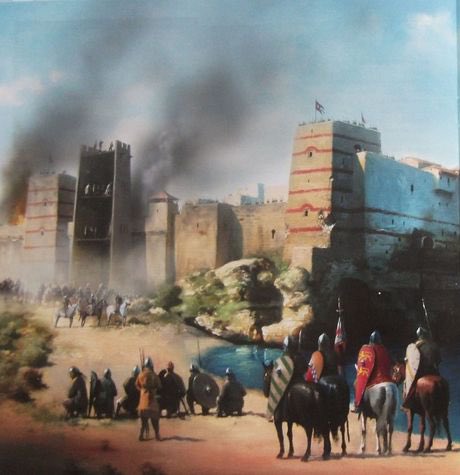
More Varangians were dispatched with the fleet, but they were defeated enroute by Norman forces. The starving garrison of Bari surrendered on April 16th, 1071 after almost three years under siege. The Empire’s continuous presence in Italy, tracing back to Justinian, was over.
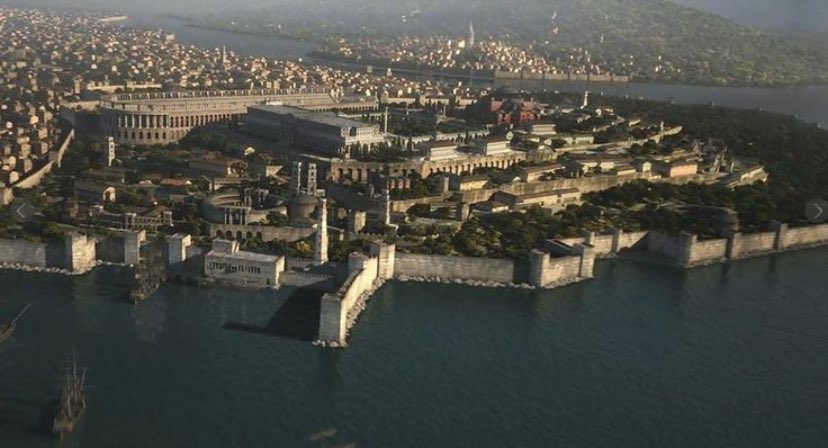
The troubles in Italy were the least of Romanos’s worries. His unpopularity continued to grow as he reduced spending on court pageantry & beautification projects in the City. Romanos also reduced the salaries of government officials & capped the profits of merchants.
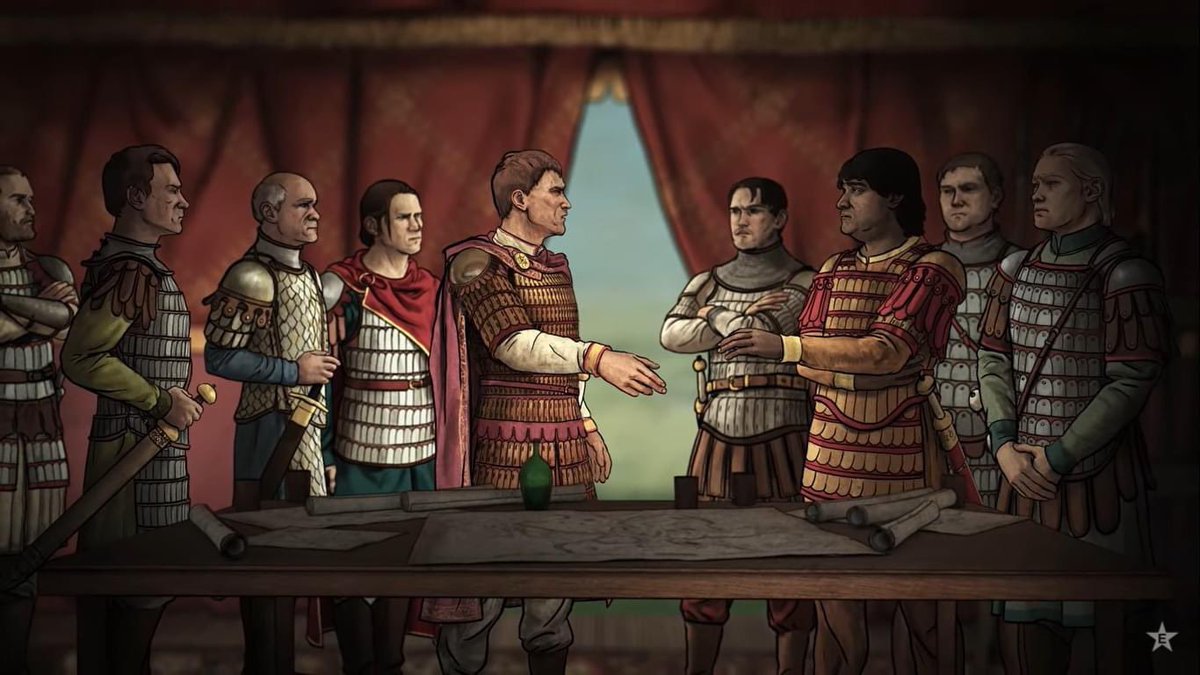
Romanos also alienated the elites by his vigorous interest in good administration, preventing military & government officials from abusing their offices and cracking down on corruption. His focus on military discipline made many of the mercenaries displeased. (See Crispin)
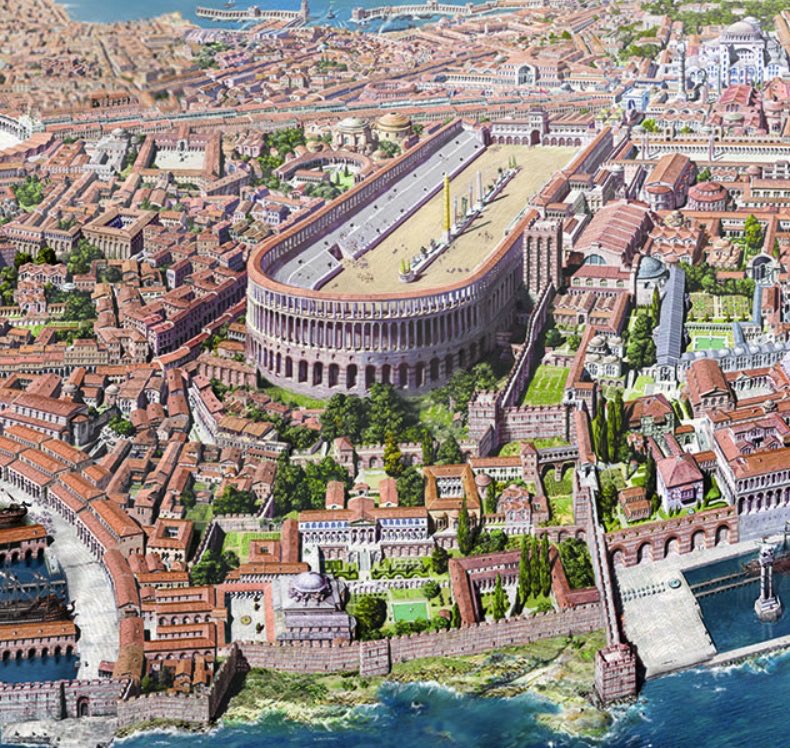
Even the common folk learned to hate him. Romanos did not indulge the urban poor with festivals and games at the Hippodrome, nor did he alleviate the heavy tax burdens of the peasants.
Not willing to let the Turks have free reign in Anatolia, Romanos dispatched general Manuel Komnenos, older brother of the future Emperor Alexios, with the armies. Manuel met the Turks in battle but was defeated and taken prisoner by the Turkish general Khroudj.
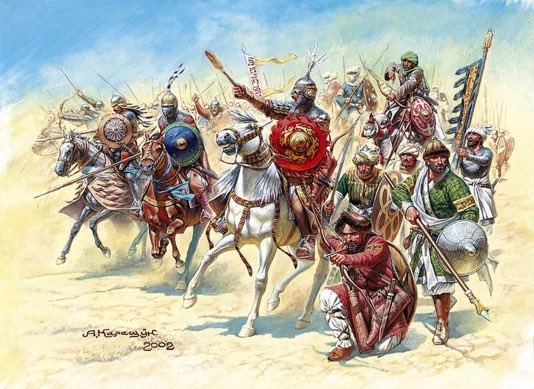
Manuel convinced Khroudj to travel to Constantinople and form an alliance with Romanos, which he did. This act drew the ire of a greater threat, the Seljuk Sultan Alp Arslan, who would suffer nothing so dangerous as Turkish warriors going rogue and allying with the Byzantines.
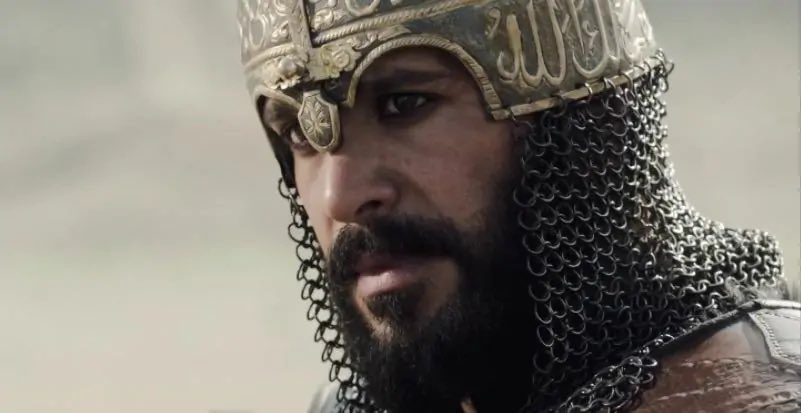
Arslan captured the Byzantine strongholds of Manzikert & Archesh. Romanos offered to exchange Heiropolis for the cities, holding out some small measure of hope for peace.
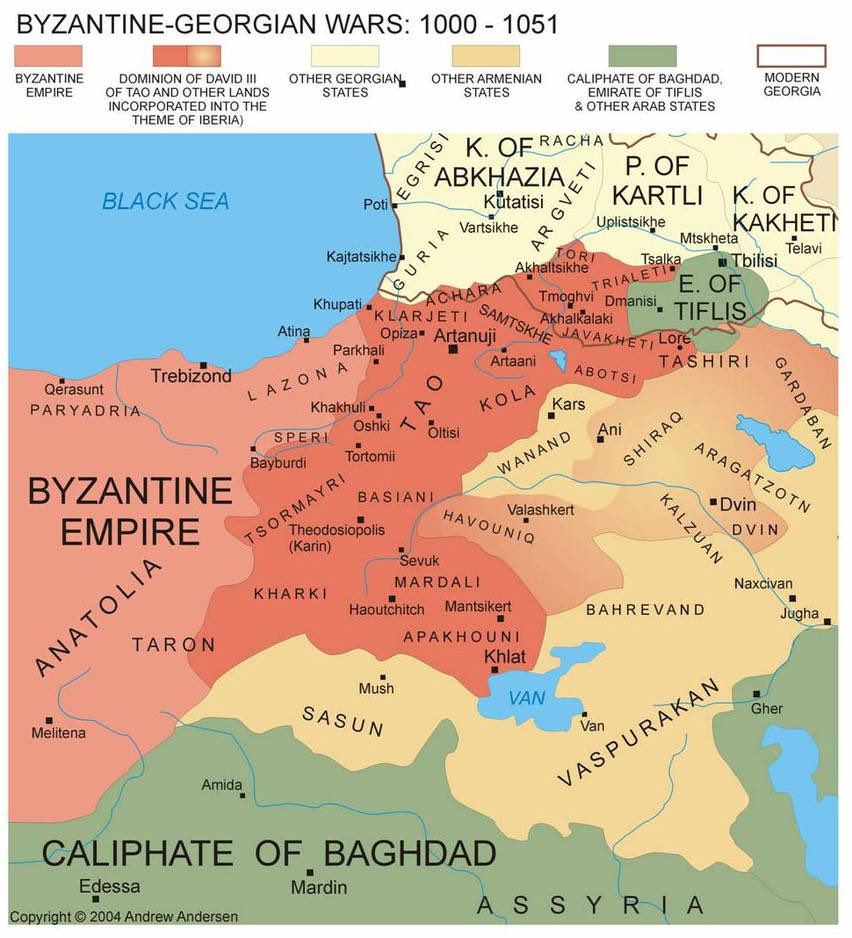
Romanos did not rely on this hope. After decades of raids & years of his reign locked in futile struggle with the raiders, Romanos yearned to smash the threat once and for all. He began to assemble a great army for the 1071 campaign season and set his sights on Manzikert…

Loading suggestions...