

"A warning for everyone watching the [🇷🇺-🇺🇦 war] to brace for a protracted, sanguinary conflict.”
My piece in the @washingtonpost offers the data underpinning that claim. Let's elaborate on and give broader context to that claim.
[THREAD]
washingtonpost.com
My piece in the @washingtonpost offers the data underpinning that claim. Let's elaborate on and give broader context to that claim.
[THREAD]
washingtonpost.com
You can think of my @washingtonpost piece as the empirical complement to my recent @ForeignAffairs piece:
- The FA piece is on how we *think* about the war.
- The WP piece is on what we *see* about the war.
foreignaffairs.com
- The FA piece is on how we *think* about the war.
- The WP piece is on what we *see* about the war.
foreignaffairs.com
Early in the war, I spoke with @DKThomp (both on @Ringer's "Plain English" podcast & in @TheAtlantic) about where I saw the war heading. From the beginning, I was struck by the war's intensity. That has not abated.
theatlantic.com
theatlantic.com
Recently, @Prof_BearB and @MZLopate wrote an excellent piece for @WarOnTheRocks on how direct NATO-Russia fighting could result in the war escalating to sudden and unpredictably high levels of devastation.
warontherocks.com
warontherocks.com
My goal in the @washingtonpost piece is to make clear that this war's intensity puts it on track to be historically deadly, even absent NATO-Russia escalation. I do so using data from @correlatesofwar.
Link: correlatesofwar.org
Link: correlatesofwar.org
When it comes to international wars (what IR scholars refer to as "inter-state" wars), many folks use the deadliness of the 20th Century World Wars as their comparison point.

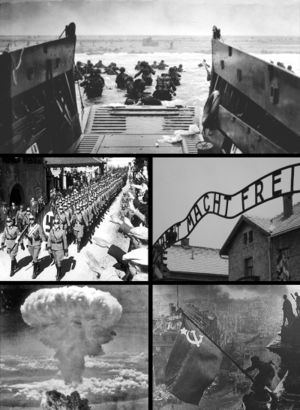
But the World Wars are outliers in almost every way one can think about war.
This is why @cullenhendrix in @PVGlance described the World Wars, particularly World War II, as the "charismatic megafauna of conflict studies"
politicalviolenceataglance.org
This is why @cullenhendrix in @PVGlance described the World Wars, particularly World War II, as the "charismatic megafauna of conflict studies"
politicalviolenceataglance.org
The World Wars each lasted approximately 4 to 5 years and witnessed an average of over 5,000 battlefield deaths a day (civilian deaths, which are extremely difficult to capture, are not included in the war data).
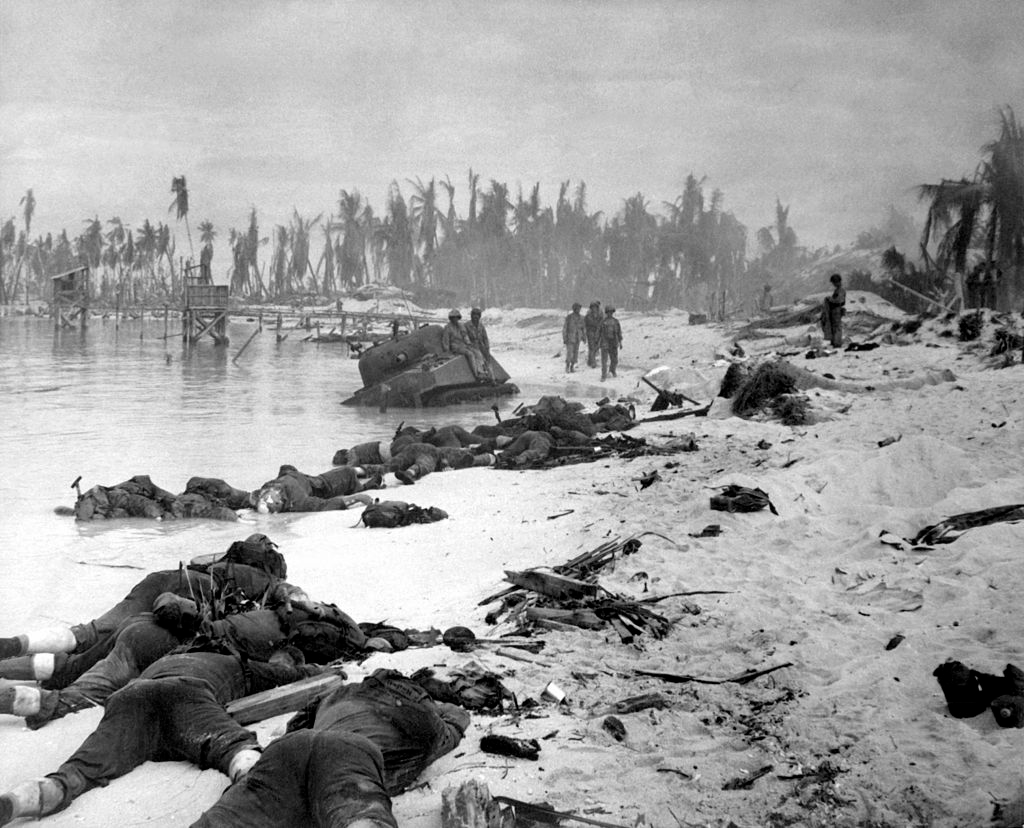
To be clear, not EVERY DAY of those war witnessed that number deaths. For many days, nothing much would happen. Everyday life would be quite mundane (as Peter Jackson's outstanding documentary w/ @I_W_M illustrates).
youtube.com
youtube.com
But those "quiet days" were punctuated by incidents like the Battle of the Somme: on the first day, over 19k British soldiers were killed.
This crystalizes the war's violence for many people.
amazon.com
This crystalizes the war's violence for many people.
amazon.com
The reason the World Wars are outliers is that the typical war is not nearly as long and, in particular, as intense as the World Wars.
For length, think 4 to 5 months, not 4 to 5 years.
For length, think 4 to 5 months, not 4 to 5 years.
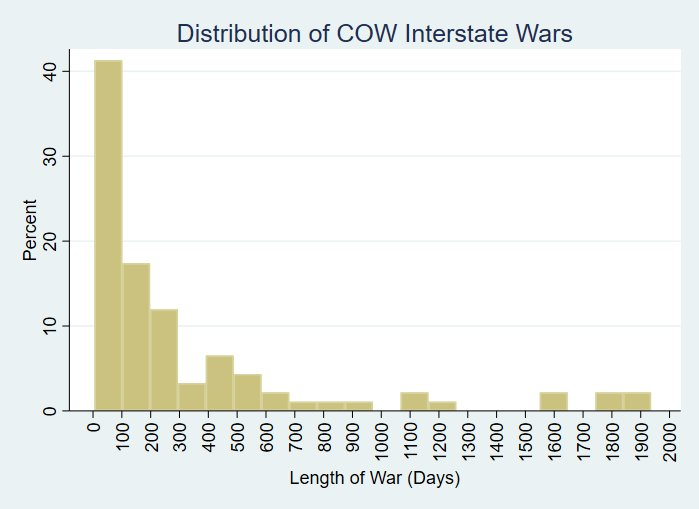
For average deaths/day, think closer to 50, not 5,000.
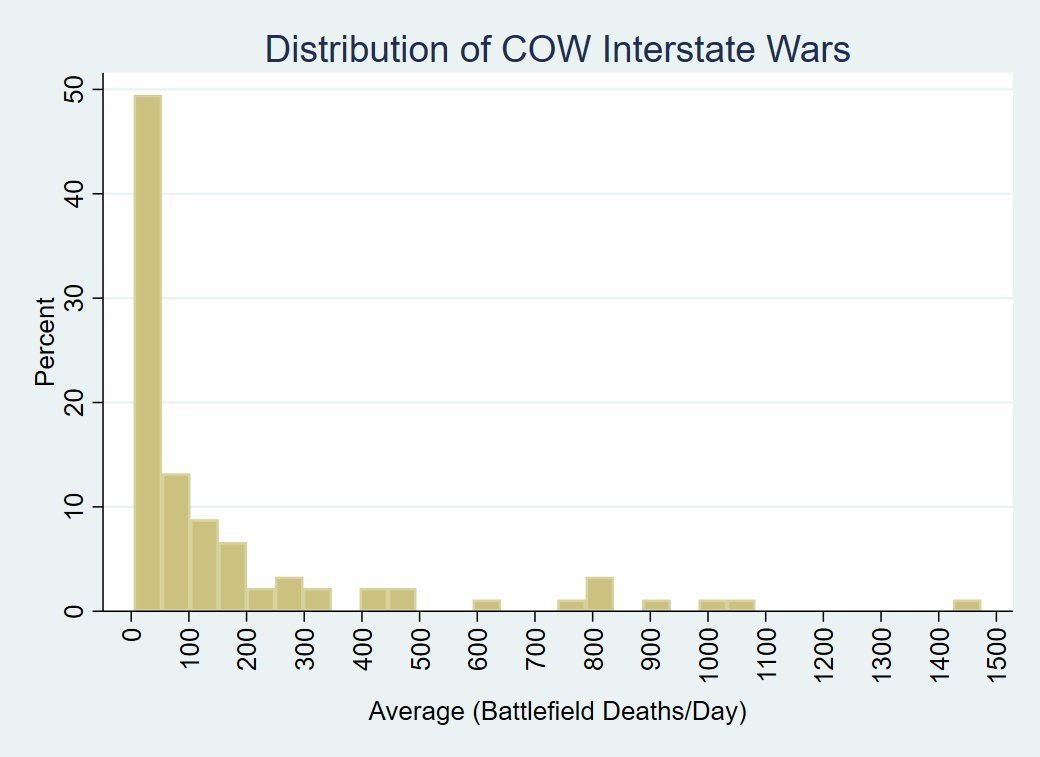
As I discuss in the WP piece, the best available estimates of battlefield deaths during this war -- such as those tracked by @dupuyinstitute -- show this war is WELL above that rate: 200 to 300 battlefield deaths/day is likely a conservative estimate.
dupuyinstitute.org
dupuyinstitute.org
As I also explained in the @washingtonpost piece, that pace already places this war in the top quartile of interstate wars.
But I don't see the war ending soon, which seems to be the view that observers and policy makers are coming to as well.
washingtonpost.com
But I don't see the war ending soon, which seems to be the view that observers and policy makers are coming to as well.
washingtonpost.com
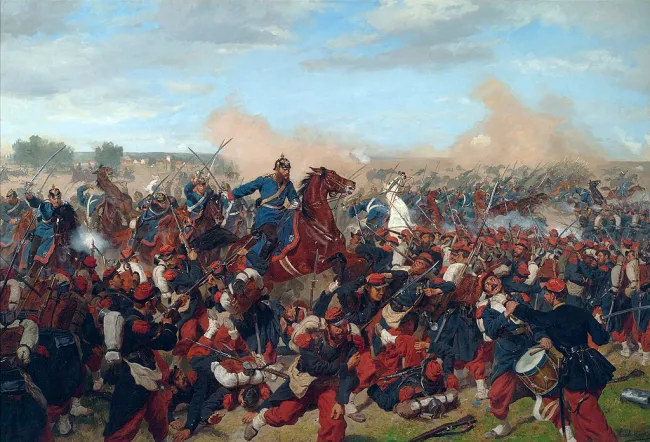
My expectation is that the war will exceed the deadliness of other large non-World War European Wars, like the 1870-71 Franco-Prussian War...
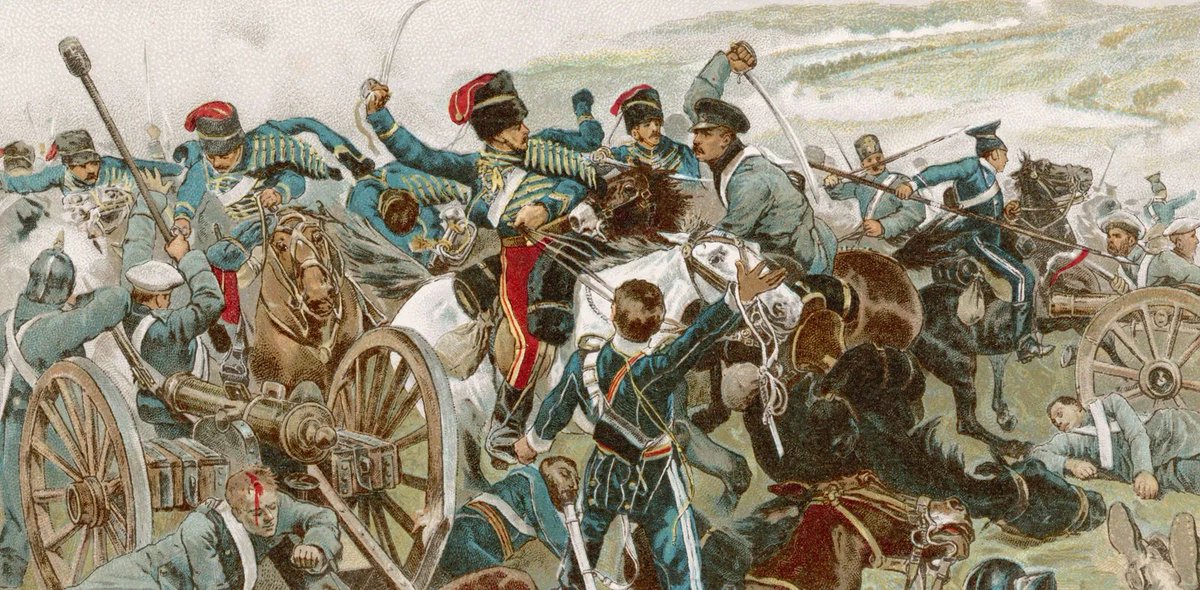
...and the Crimean War of the 1850s. Yes, we're in 19th century territory folks.
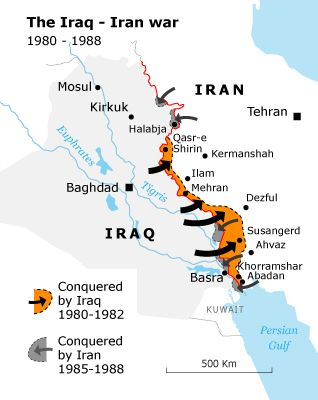
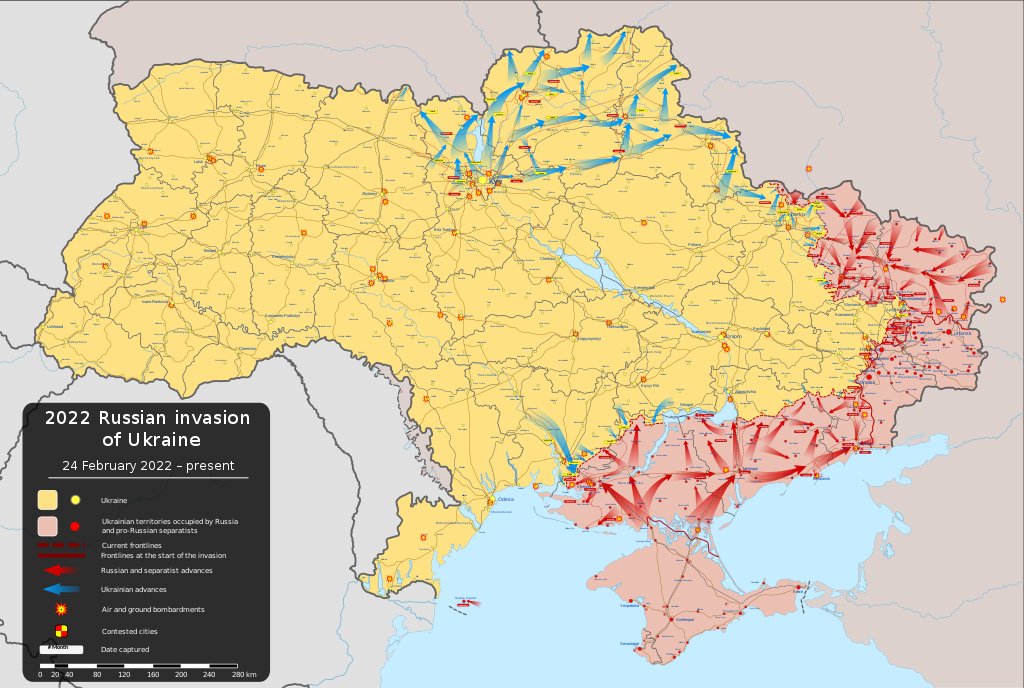
Indeed, something I didn't include in the piece is that I see the most useful potential model for this war as NOT a European war: instead, it's the Iran-Iraq War of 1980-1988.
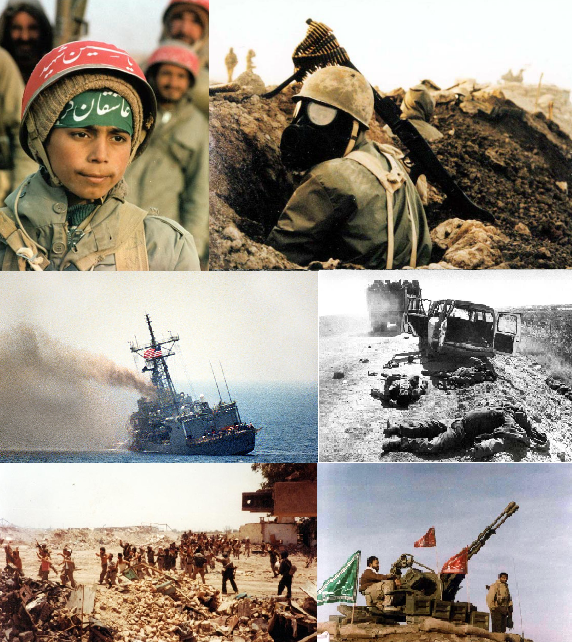
That was a VERY long war. Like the dynamics of the Ukraine-Russia war, it bogged down into staled fighting: trench warfare became a representative image of that war.
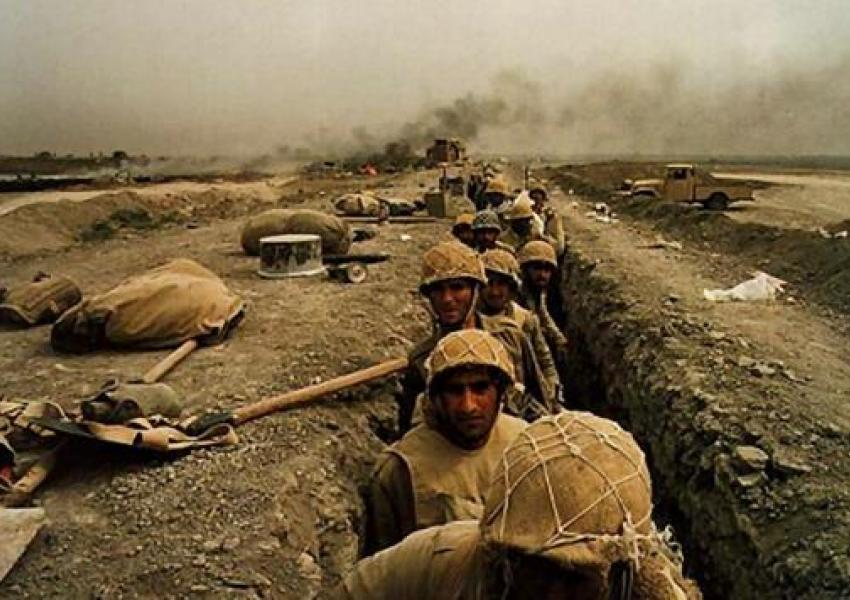
The war resulted in over a million battlefield deaths. And, most notably, it essentially ended in a stalemate. It truly illustrates the tragedy and banality of war. The Russia-Ukraine war is heading in that direction.
More generally, this war's deadliness is just the latest example of how, as @tanishafazal & I wrote in @ForeignAffairs, war is indeed not over and claims otherwise (say, from @sapinker) were premature (if not flat out wrong).
foreignaffairs.com
foreignaffairs.com
In sum, this war is already shocking in its lethality. That lethality will only continue, potentially making it one of the deadliest wars in history. The "better angles of our nature" have not, sadly, gotten the better of us.
[END]
[END]
P.S. A ENORMOUS thank you to @cshea4 for all of his work to bring this piece to light.
Loading suggestions...