

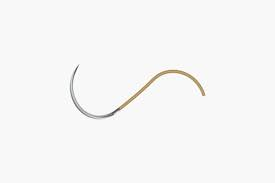
🧵regarding the chromic suture: a 'classic' older suture material that still remains in use today.
We'll go over some properties, a little history, and some of what each of the sizes are (and were) used for.
(1/ )
We'll go over some properties, a little history, and some of what each of the sizes are (and were) used for.
(1/ )

Chromic is made of catgut treated with chromic acids and alcohols to make it last longer.
It's used when you want a suture to be strong, and yet you either want it to dissolve quickly or you don't mind that it does.
It loses strength in 2-3 weeks and is gone in 2-3 months.
It's used when you want a suture to be strong, and yet you either want it to dissolve quickly or you don't mind that it does.
It loses strength in 2-3 weeks and is gone in 2-3 months.
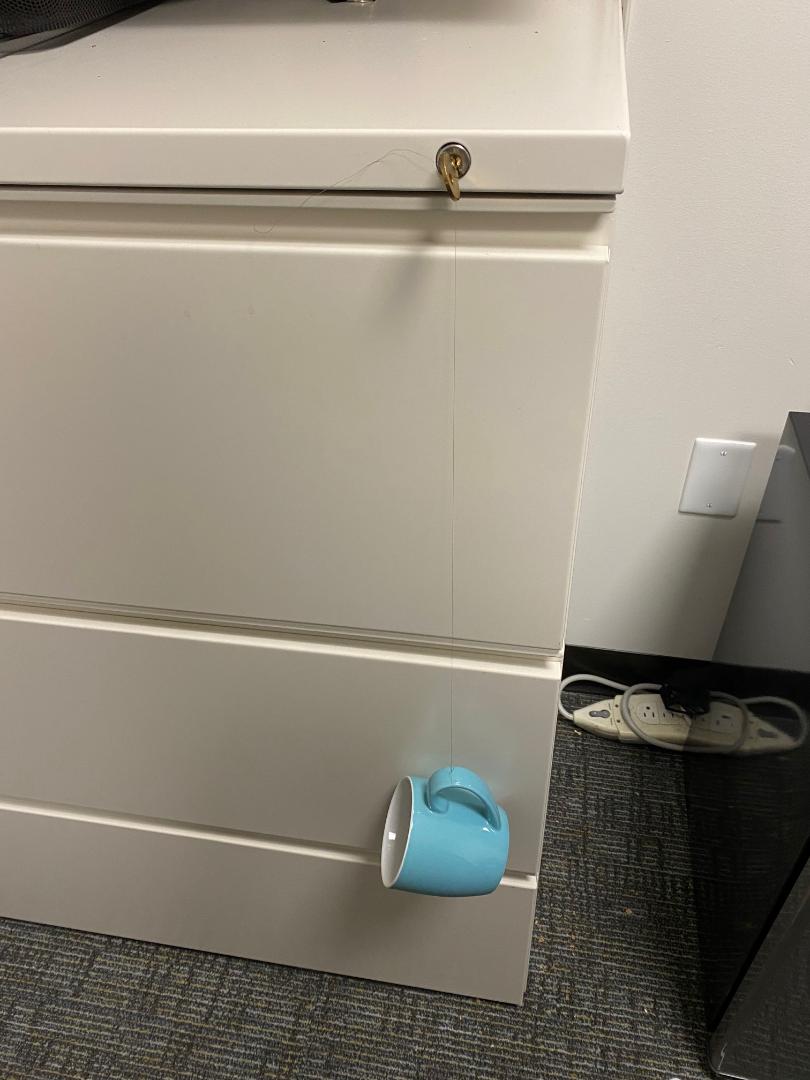
Chromic suture is stronger than you may think:
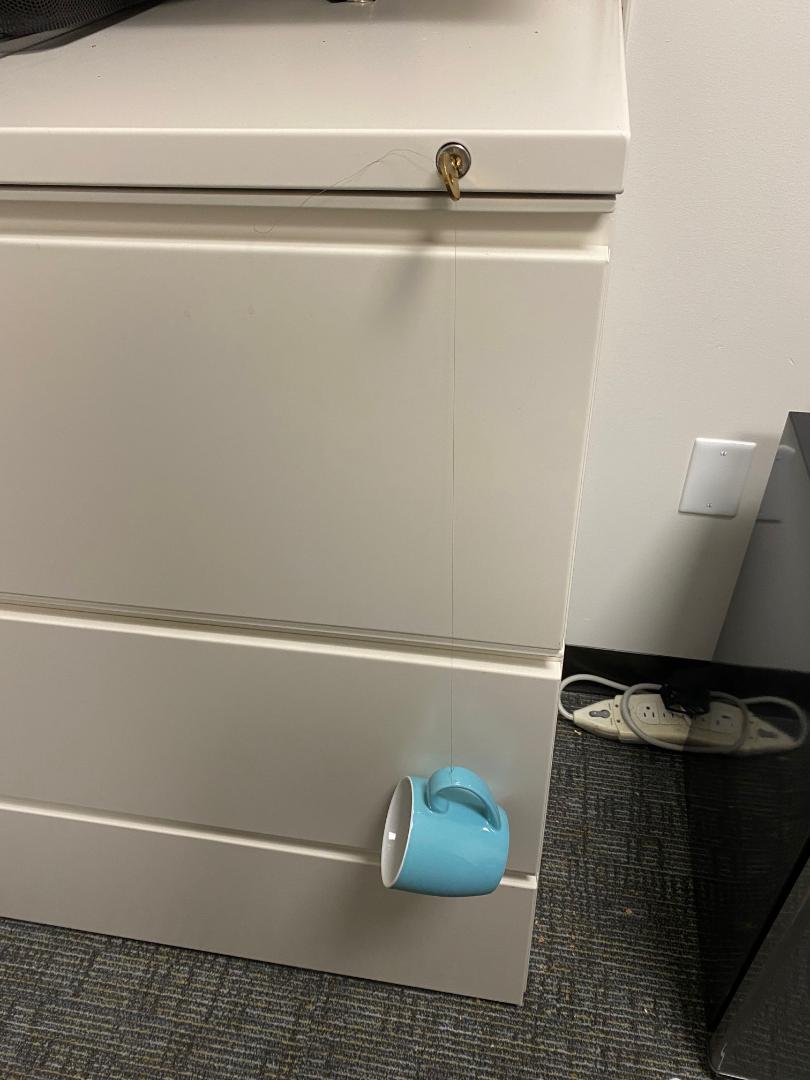
Here is my relatively heavy ceramic coffee mug suspended by a 5-0 Chromic thread.
Here is my relatively heavy ceramic coffee mug suspended by a 5-0 Chromic thread.
In the 1880's, Lister took catgut and then found the chemical solution that would make it last longer.
He sent some to Oliver Pemberton, who ligated an external iliac artery aneurysm with it.
Lister's 'address on the catgut ligature' is seen here:
ncbi.nlm.nih.gov
He sent some to Oliver Pemberton, who ligated an external iliac artery aneurysm with it.
Lister's 'address on the catgut ligature' is seen here:
ncbi.nlm.nih.gov
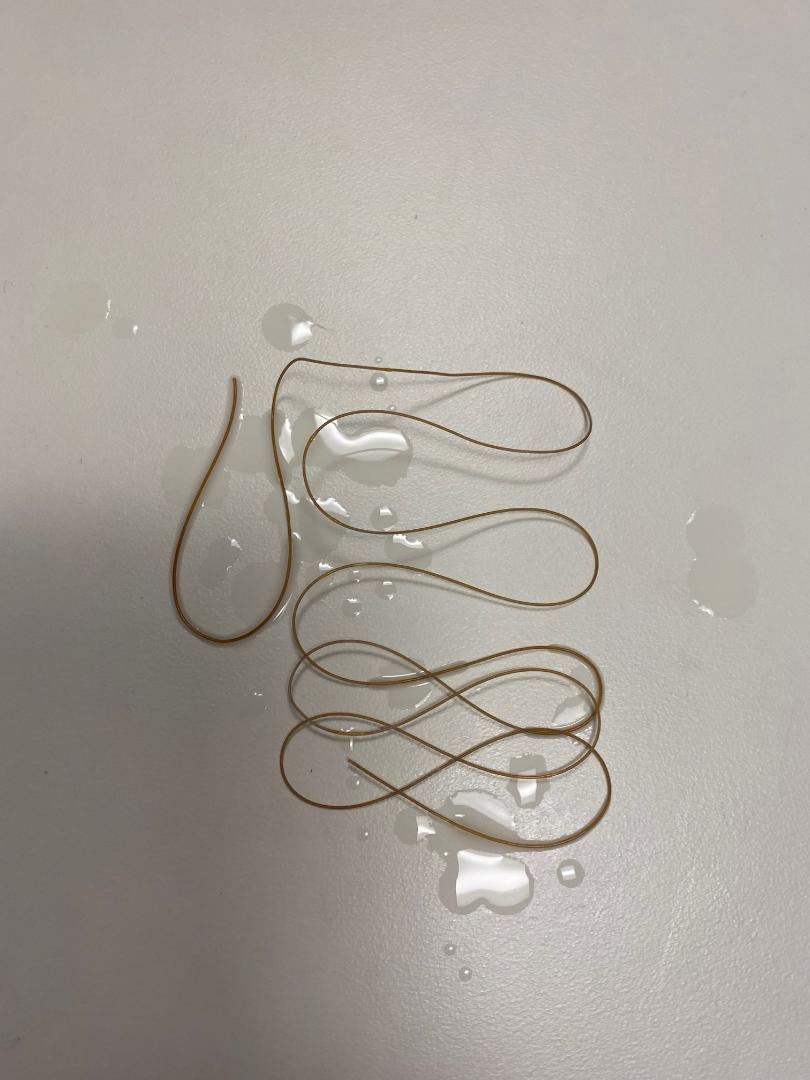
When you take one out of the package, it is wet from the solution. It has quite a bit of memory to it even after you try to stretch it.
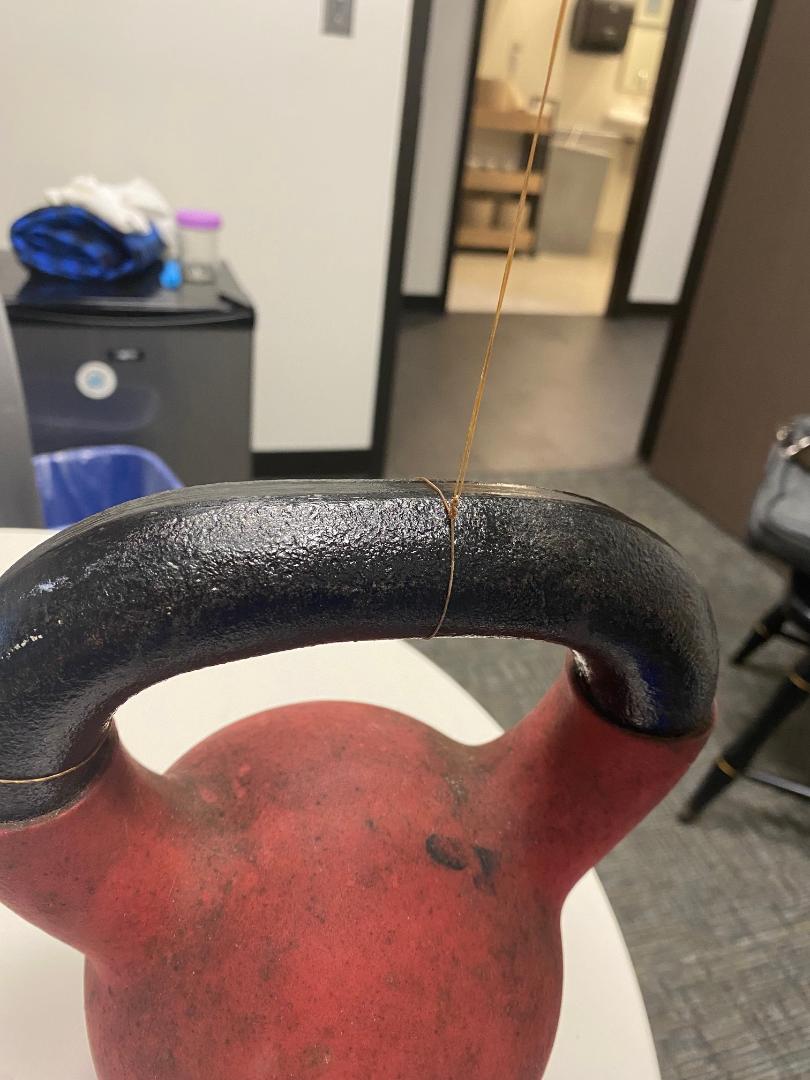
The knots stick down very well and it is *very* easy to get them to stay down in place. It feels even easier to do this than for silk sutures.
The knots stick down very well and it is *very* easy to get them to stay down in place. It feels even easier to do this than for silk sutures.
#1 and 0 Chromic sutures come on a variety of needles.
In trauma surgery, we occasionally will use a #1 or 0 Chromic on a BP-1 ('blunt point') needle to repair liver lacerations. The blunt point allows the suture to go through the liver parenchyma with less injury.
In trauma surgery, we occasionally will use a #1 or 0 Chromic on a BP-1 ('blunt point') needle to repair liver lacerations. The blunt point allows the suture to go through the liver parenchyma with less injury.
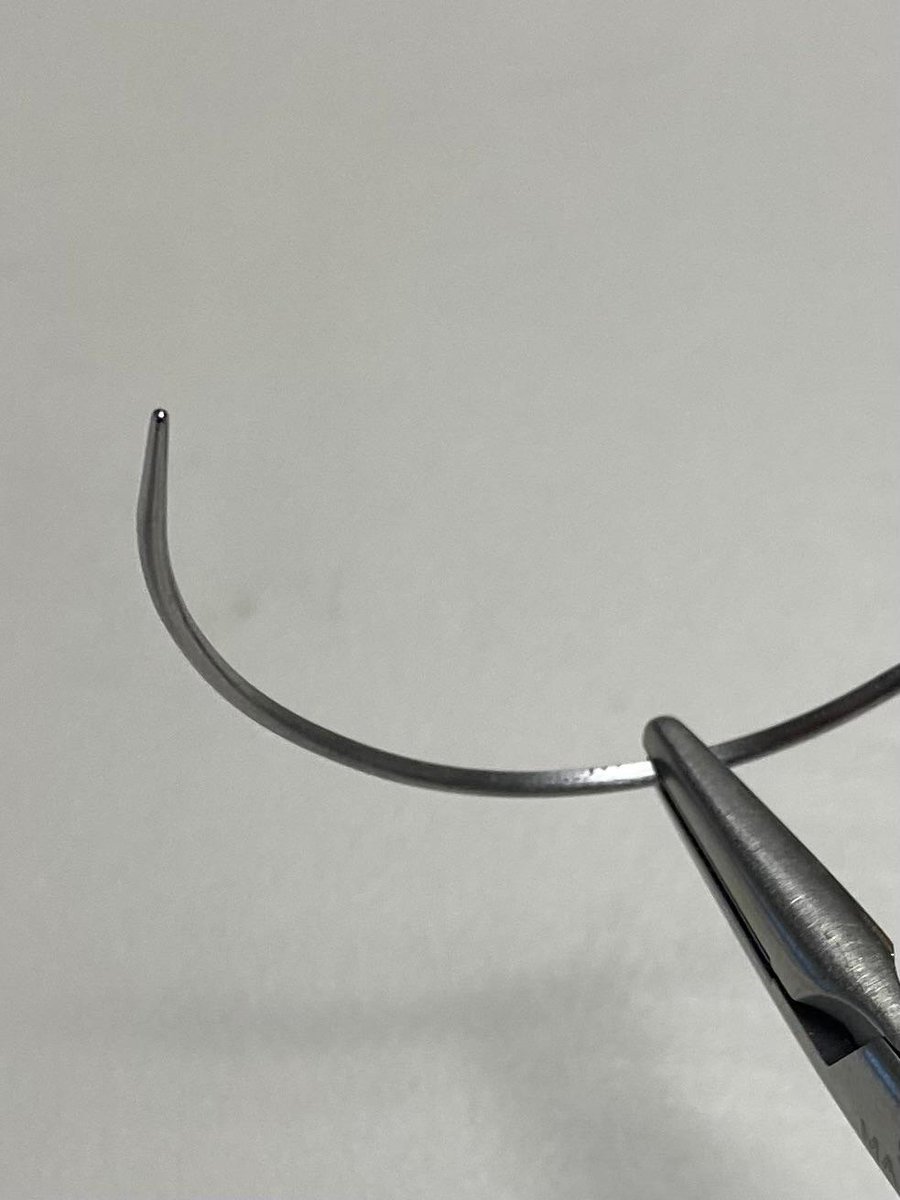
2-0 Chromic is popular enough that it comes in more than 30 configurations, including free strands and double armed versions.
I can find references to its use in urology, ob/gyn, orthopedics, and presumably others.
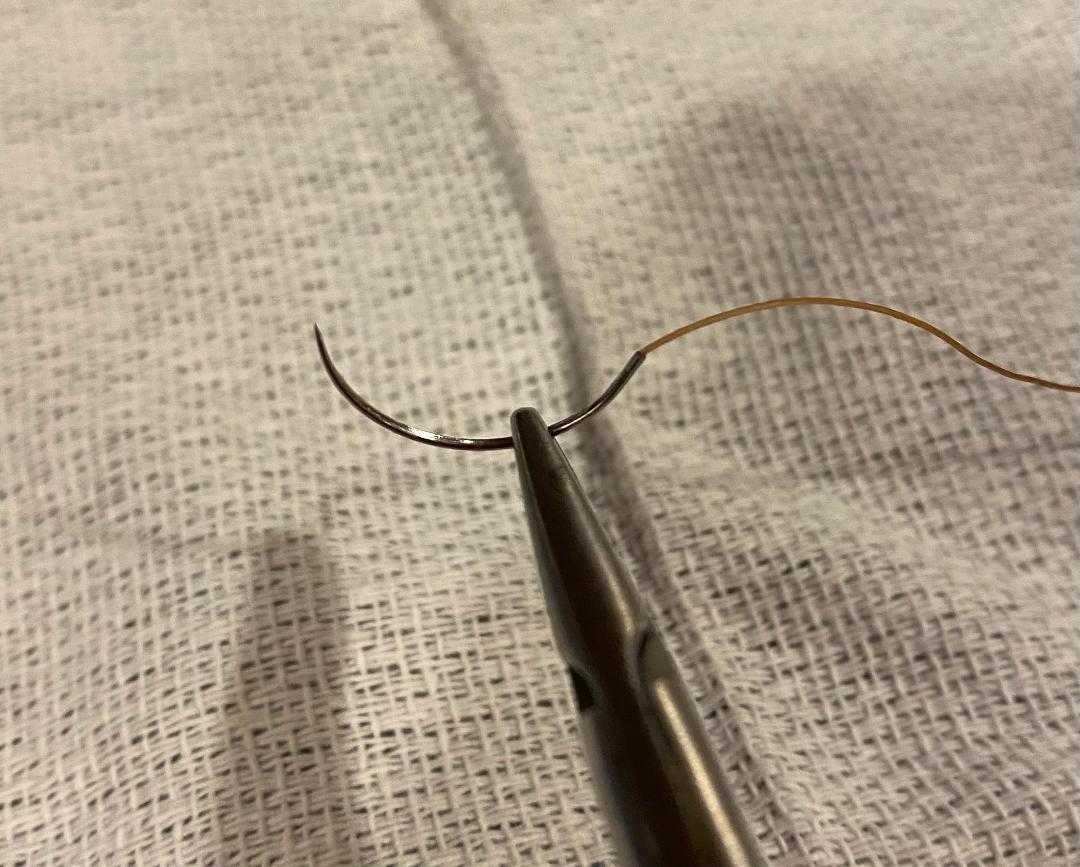
This is a 2-0 on an SH ('short half') needle (see the needle🧵).
I can find references to its use in urology, ob/gyn, orthopedics, and presumably others.
This is a 2-0 on an SH ('short half') needle (see the needle🧵).
3-0 Chromic also comes in many varieties, with many needle sizes including double armed versions, free strands, a Keith needle, and even a reel.
Uses may include urology, ob/gyn, orthopedics, oral surgery, and others. Historically, it has been used in the GI tract also.
Uses may include urology, ob/gyn, orthopedics, oral surgery, and others. Historically, it has been used in the GI tract also.
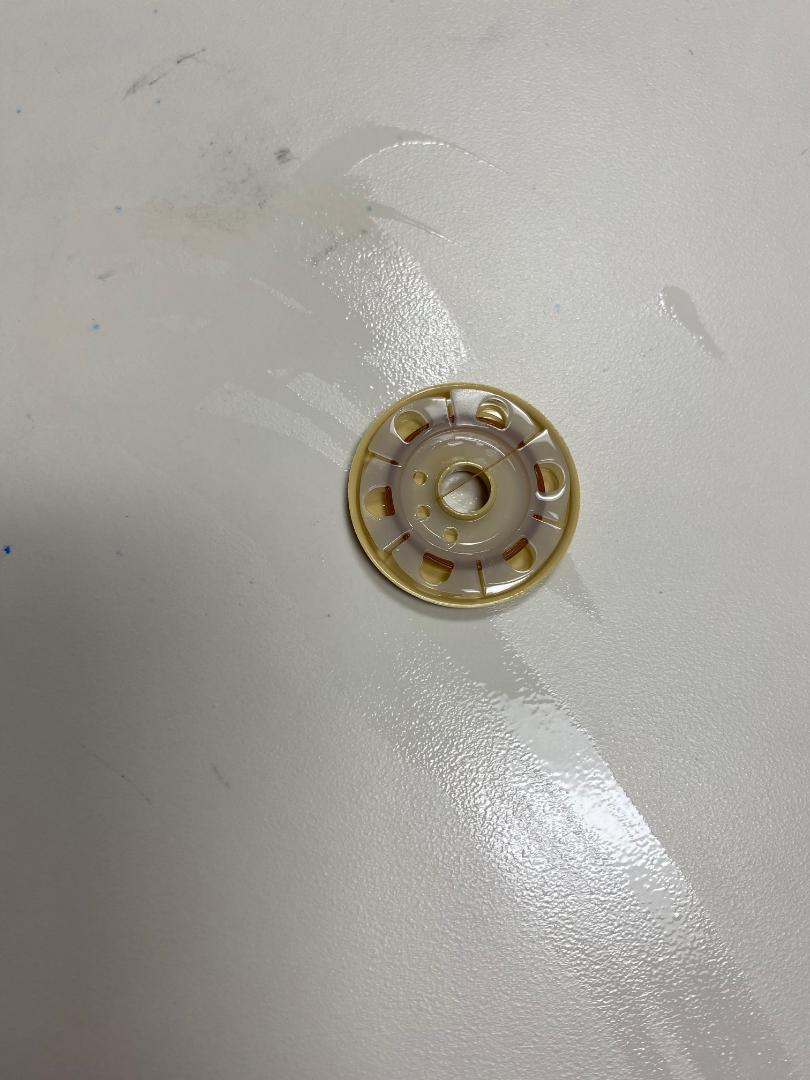
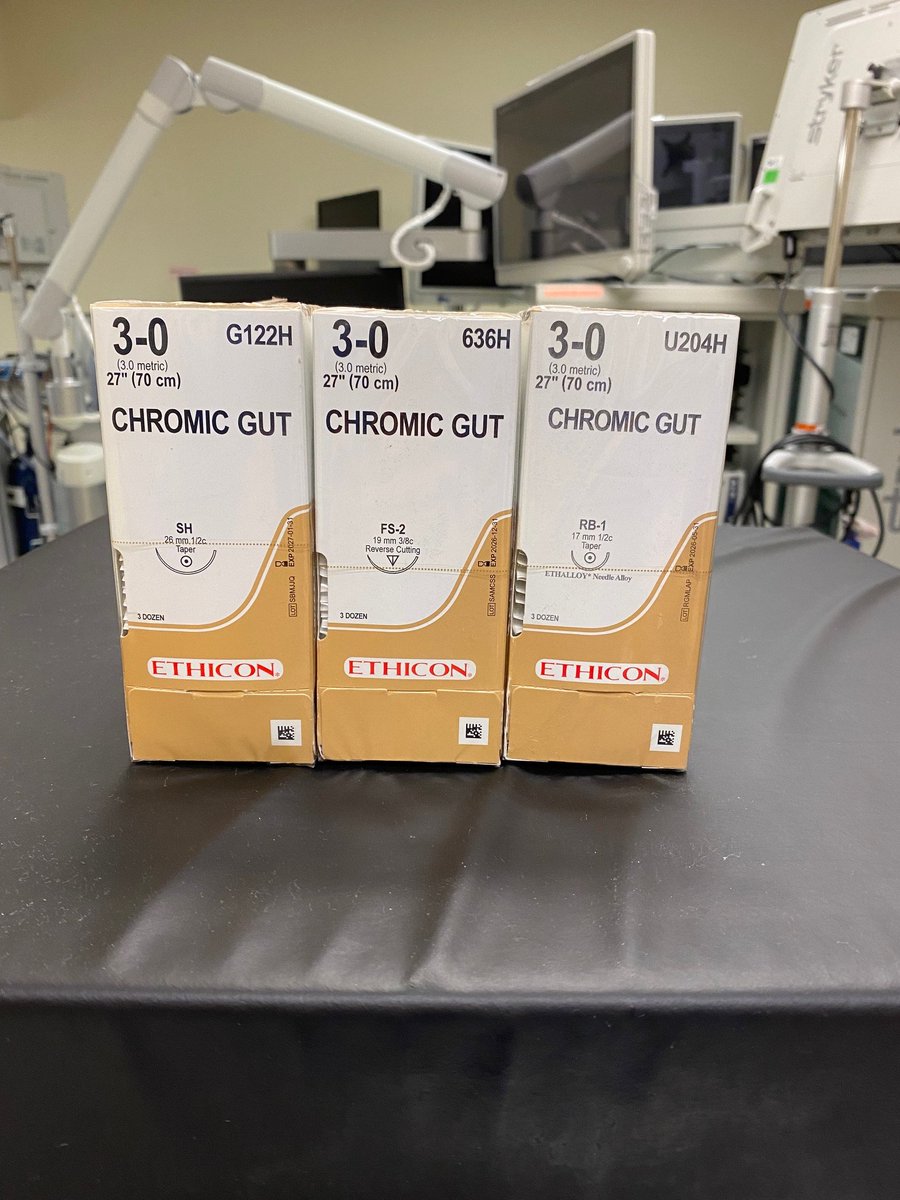
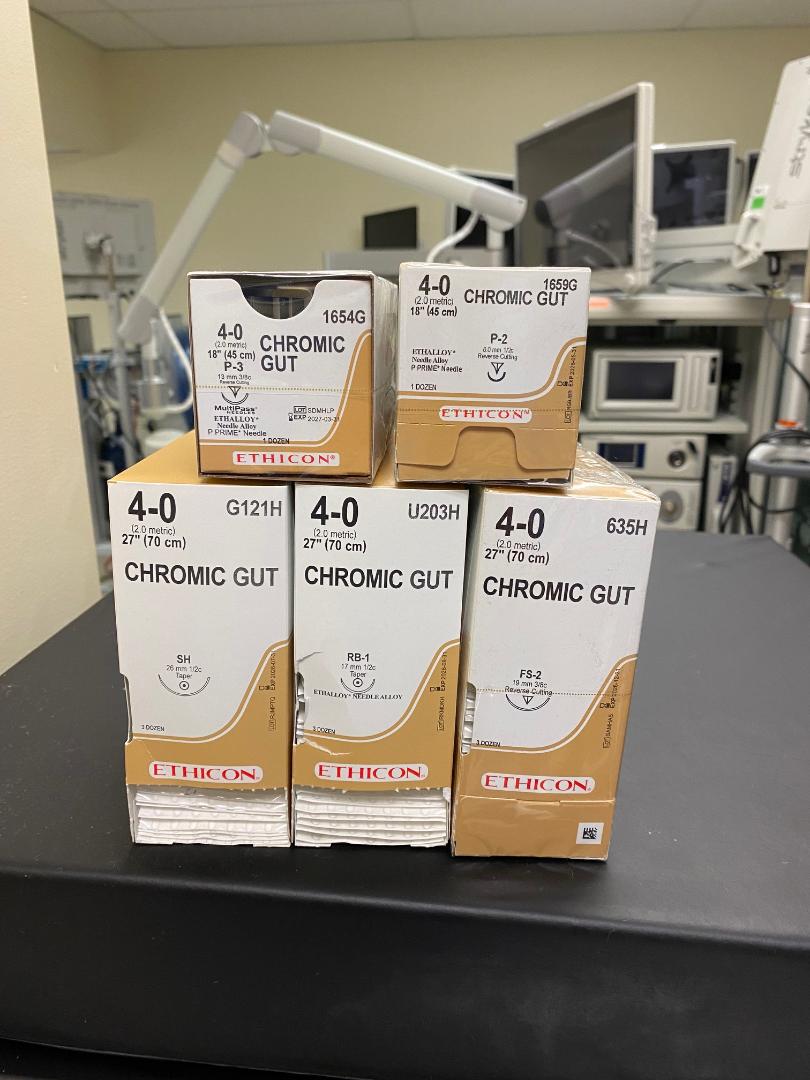
4-0 Chromic still comes in >20 formats and here we begin to see small needles and double armed sutures.
It is often used to repair lacerations inside the mouth.
On the right is our facial fracture cart, where it features heavily.
It is often used to repair lacerations inside the mouth.
On the right is our facial fracture cart, where it features heavily.

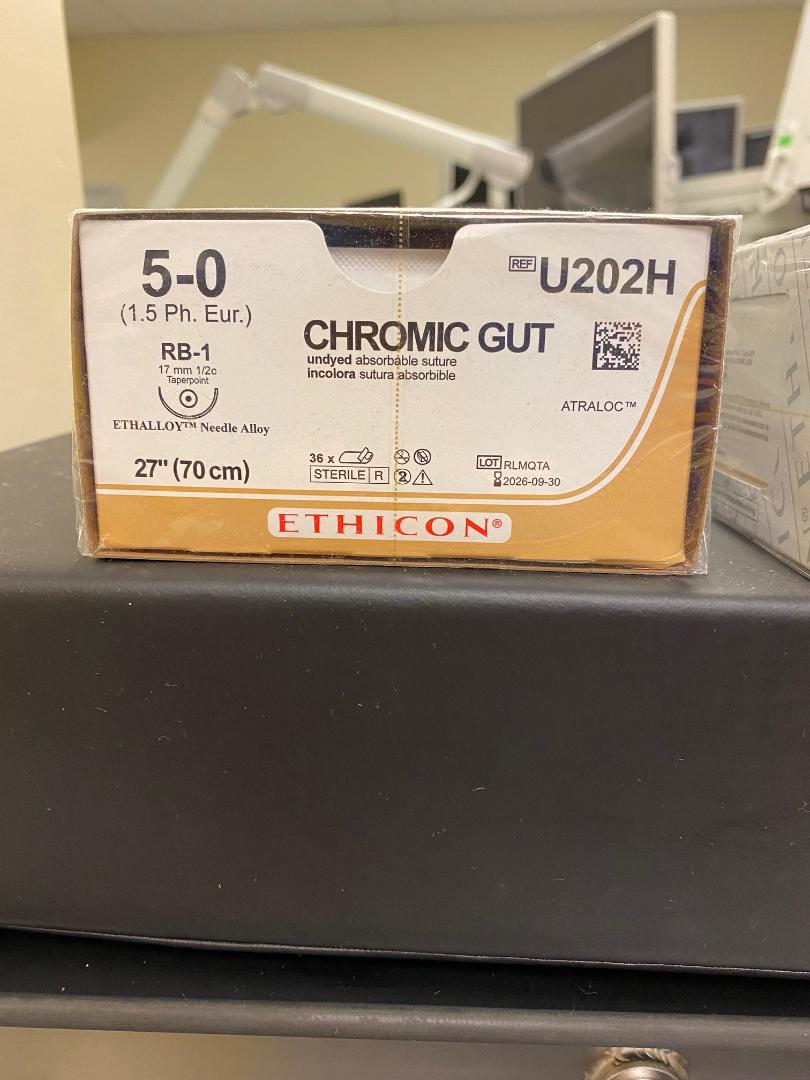
5-0, 6-0 and 7-0 Chromic sutures exist, and as you might expect these all have small needles. Many are double armed. I believe most uses are in ophthalmology and ENT surgery.
As you may recall, the 5-0 is strong enough to suspend my heavy ceramic coffee cup. The 6-0 could not.
As you may recall, the 5-0 is strong enough to suspend my heavy ceramic coffee cup. The 6-0 could not.
Now for the BIG versions.
The largest available ones are #2 and #3
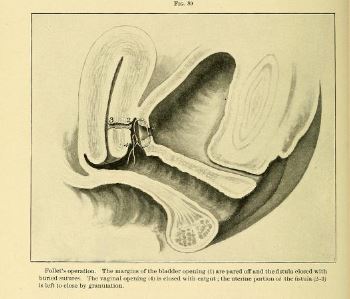
I can find historical references to using interrupted #3 to close the uterus after C-section.
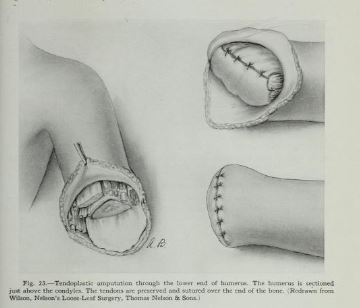
#3 and #2 was also used occasionally for closure in amputations.
#3 exists today only as strands (not sure the use)
The largest available ones are #2 and #3
I can find historical references to using interrupted #3 to close the uterus after C-section.
#3 and #2 was also used occasionally for closure in amputations.
#3 exists today only as strands (not sure the use)
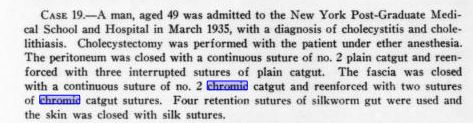
Finally, I'll finish the 🧵 by torturing @VNikolian @andrewswright @Trules25 and many others by letting them know that #2 Chromic was once used to close abdominal fascia.
Yes, that really does say fascia (note: other materials are now preferred).
Yes, that really does say fascia (note: other materials are now preferred).
Loading suggestions...