

You’re an intern called to review a patient with an isolated BP of 170/100.
They're admitted with community-acquired pneumonia.
Would you prescribe an antihypertensive? Open this thread and I’ll share my approach.
#HighValueCare #ChoosingWisely
#MedTwitter #MedStudentTwitter
They're admitted with community-acquired pneumonia.
Would you prescribe an antihypertensive? Open this thread and I’ll share my approach.
#HighValueCare #ChoosingWisely
#MedTwitter #MedStudentTwitter

Blood pressure monitoring in hospital is important to detect clinical deterioration.
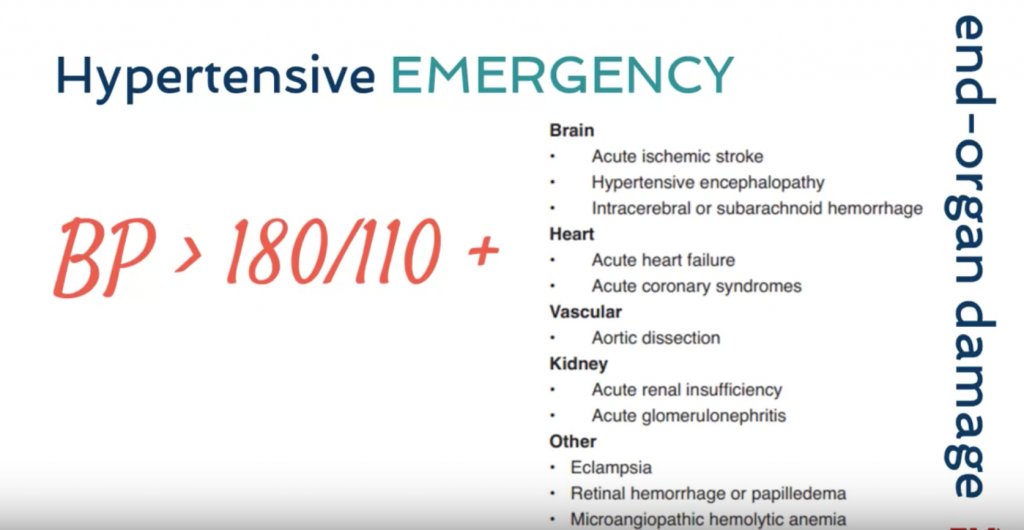
For instance, an elevated blood pressure can indicate hypertensive emergencies which lead to end-organ damage.
For instance, an elevated blood pressure can indicate hypertensive emergencies which lead to end-organ damage.
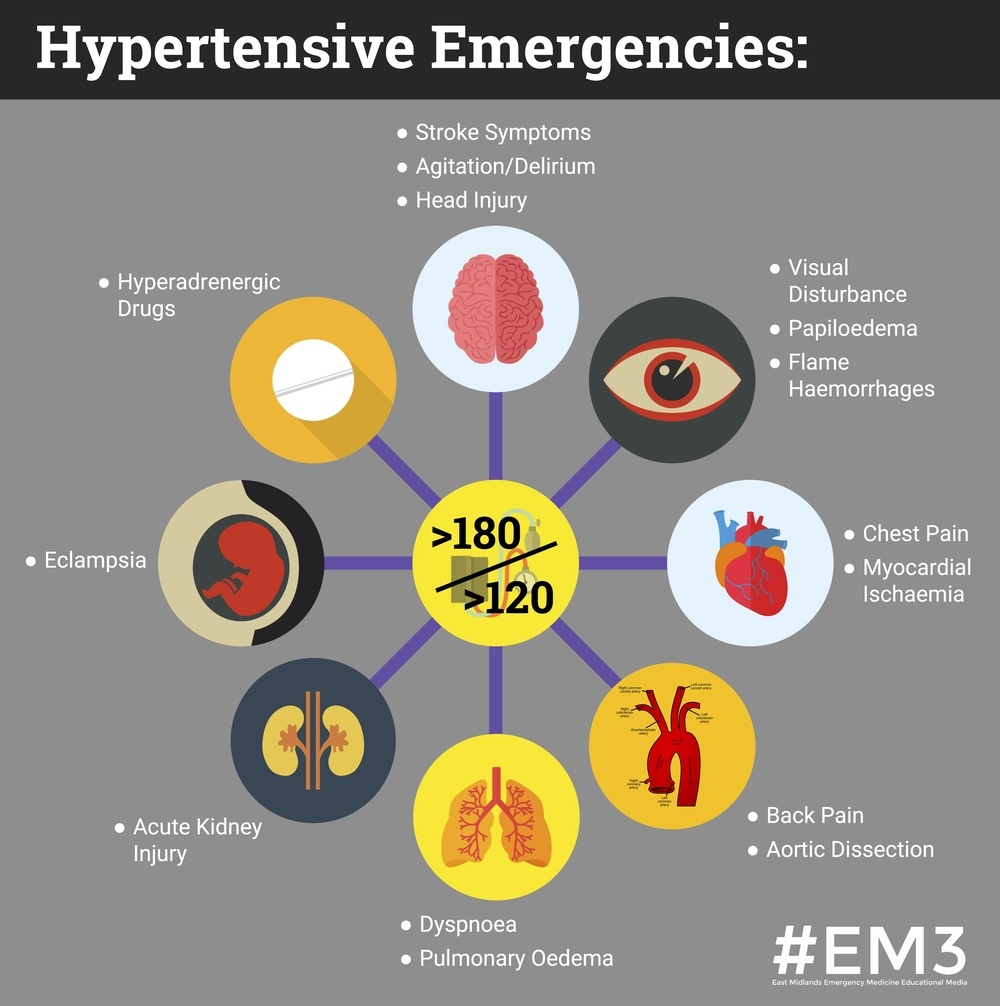
So it is important to look for features of hypertensive emergency as these conditions require targeted blood pressure management.
However, in this case there were no signs or symptoms to suggest hypertensive emergency.
Instead this patient had asymptomatic hypertension.
However, in this case there were no signs or symptoms to suggest hypertensive emergency.
Instead this patient had asymptomatic hypertension.
Long term BP control is important to prevent cardiovascular disease.
However, there are multiple challenges in the accurate assessment of BP in hospital:
- Measurements confounded by anxiety, pain and acute medical conditions
- Non-standardised technique
However, there are multiple challenges in the accurate assessment of BP in hospital:
- Measurements confounded by anxiety, pain and acute medical conditions
- Non-standardised technique
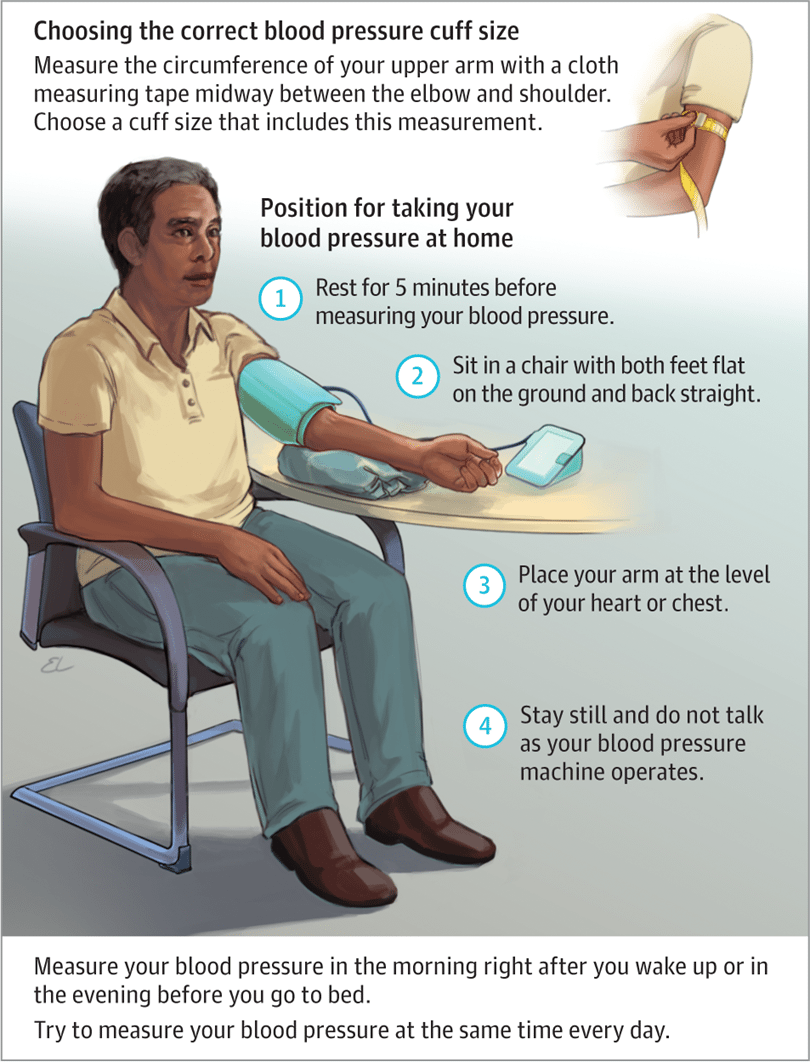
These challenges limit the utility of responding to an isolated elevated BP in hospital.
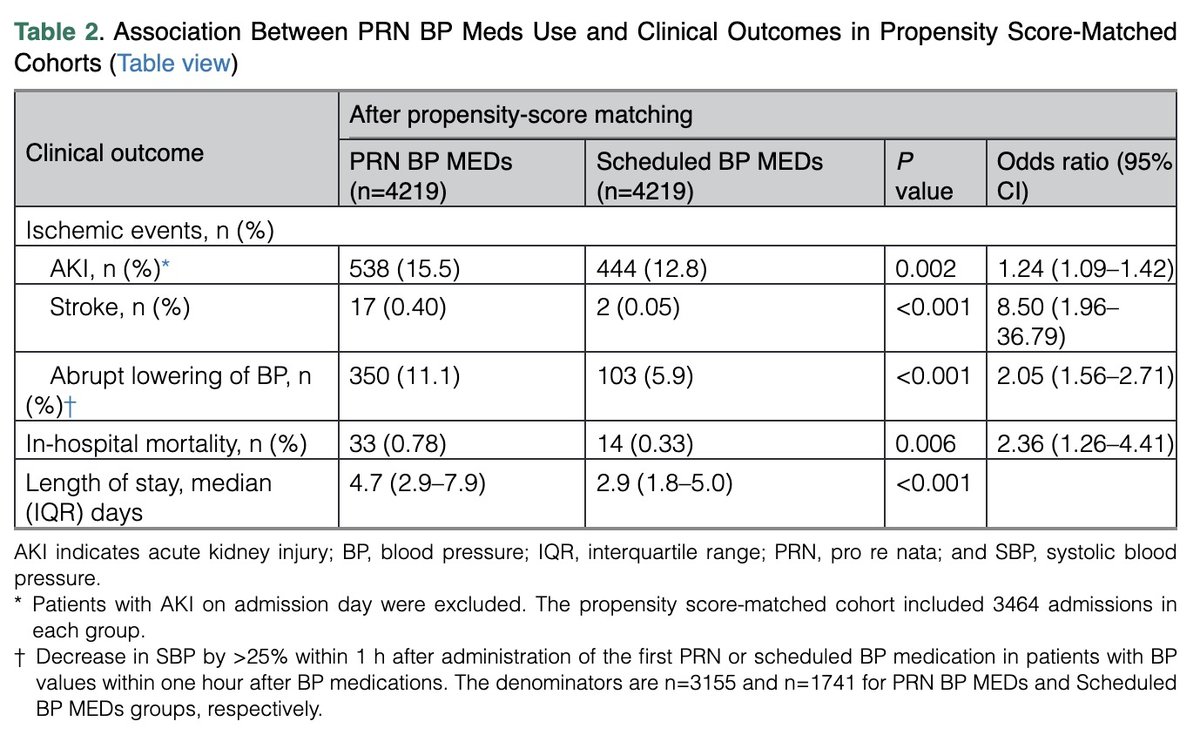
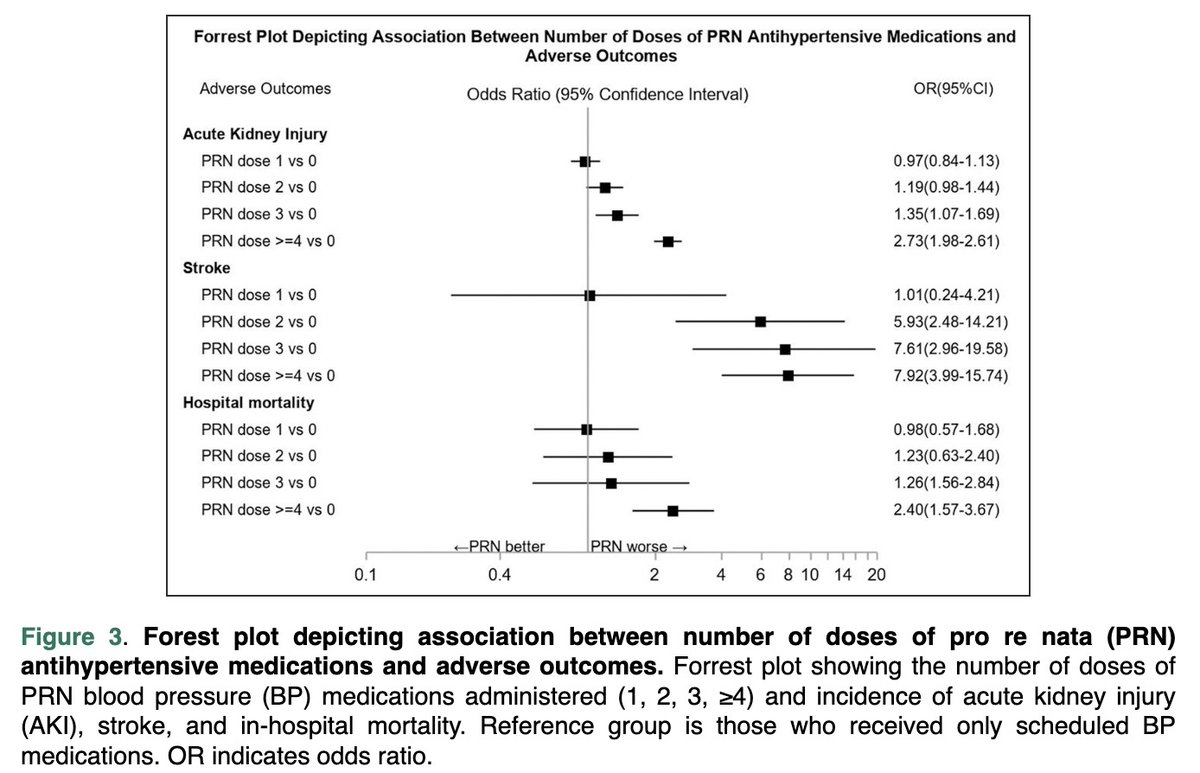
Patients who receive PRN antihypertensives in hospital have worse outcomes:
- Increased AKI, stroke and myocardial injury
- Increased in-hospital mortality
- Increased length of stay
Patients who receive PRN antihypertensives in hospital have worse outcomes:
- Increased AKI, stroke and myocardial injury
- Increased in-hospital mortality
- Increased length of stay
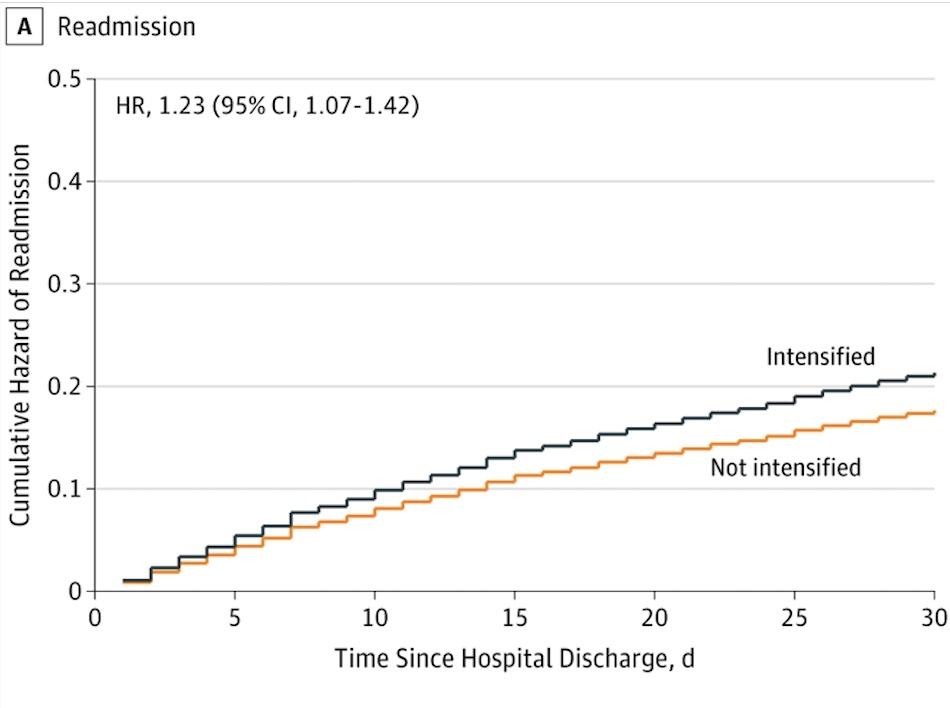
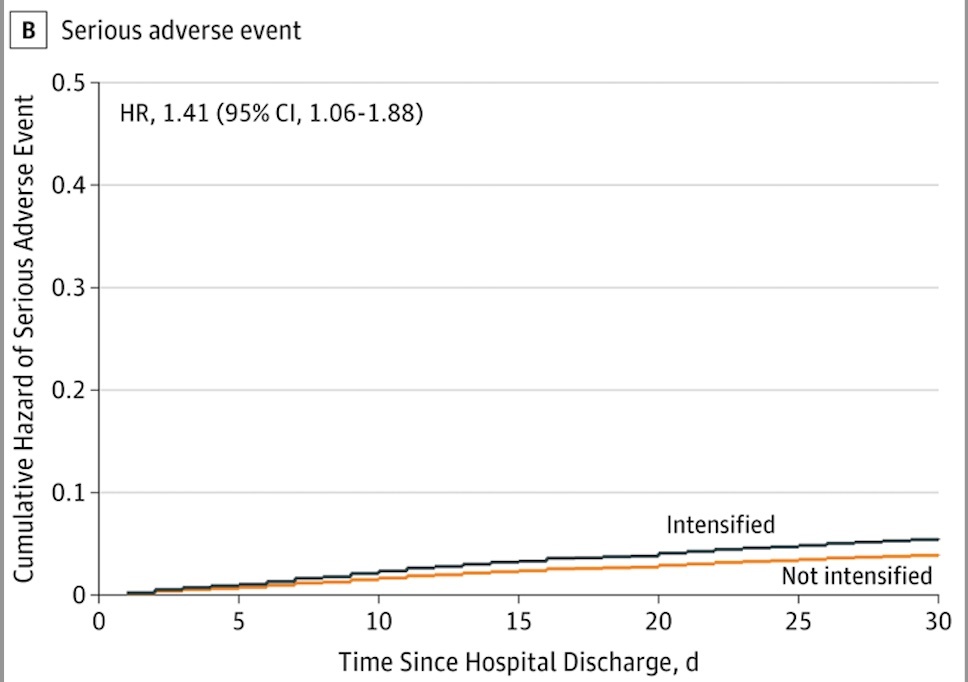
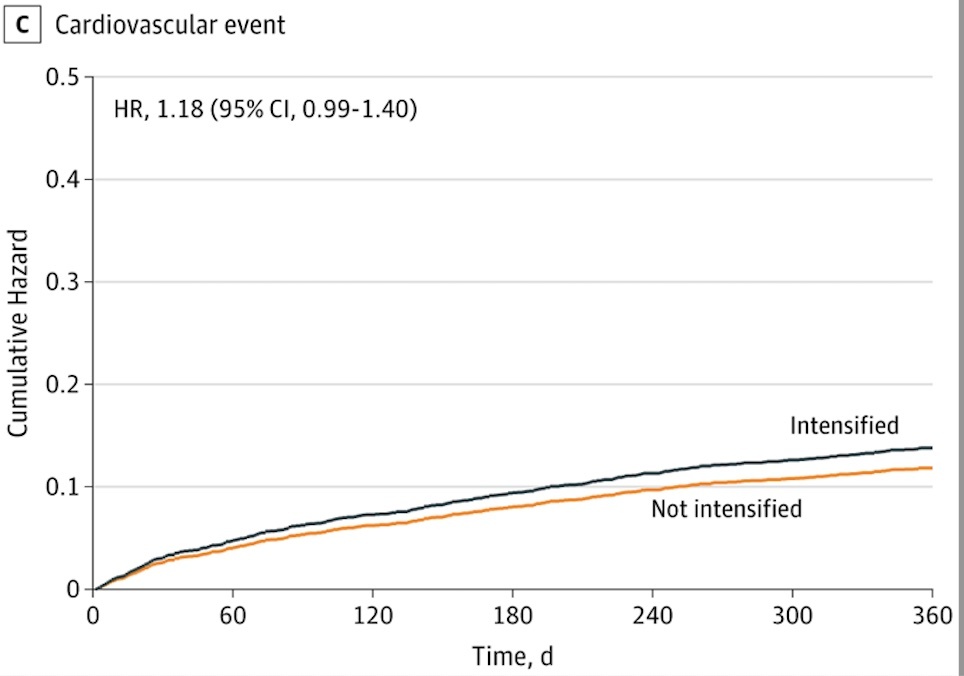
Similarly, intensification of antihypertensives as an inpatient has also been associated with worse outcomes including:
- Increased readmission
- Increased serious adverse events*
*This includes ED visits for falls, hypotension, syncope, electrolyte abnormalities and AKI.
- Increased readmission
- Increased serious adverse events*
*This includes ED visits for falls, hypotension, syncope, electrolyte abnormalities and AKI.
This patient was prescribed prazosin 1 mg.
Unfortunately she later had a fall caused by drug-induced postural hypotension which prolonged her stay.
This did not represent high-value care. Instead she could have had treatment of her pneumonia with repeated BP monitoring.
Unfortunately she later had a fall caused by drug-induced postural hypotension which prolonged her stay.
This did not represent high-value care. Instead she could have had treatment of her pneumonia with repeated BP monitoring.
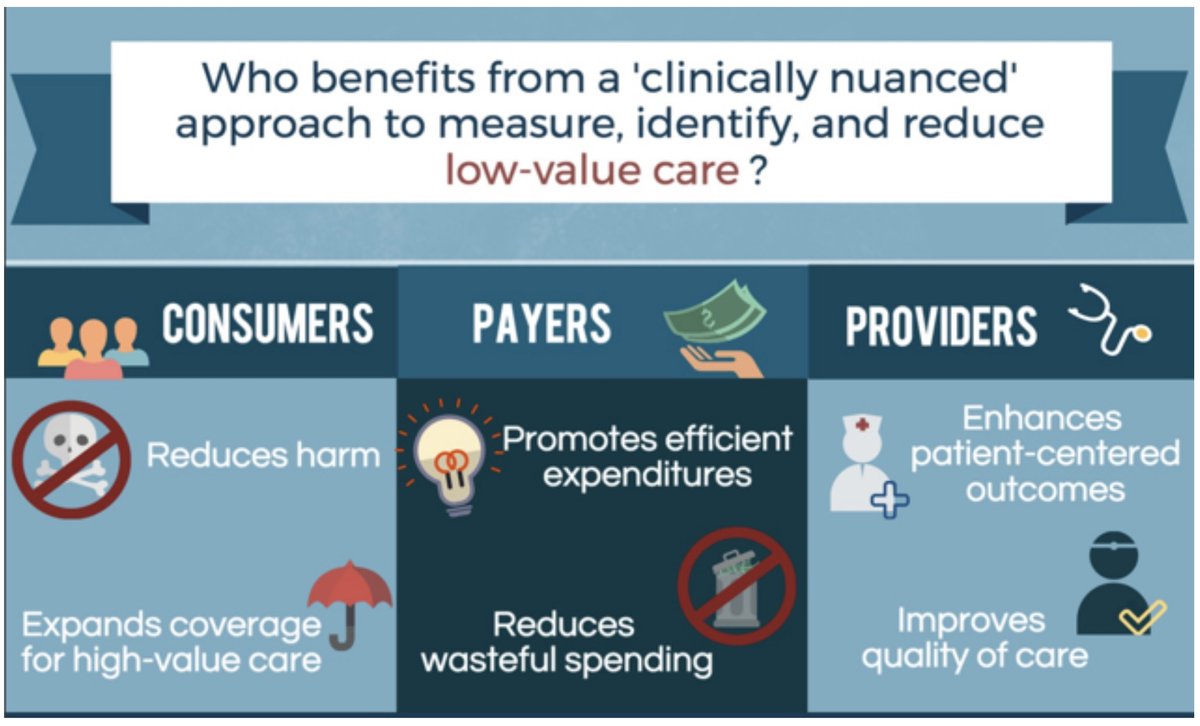
In summary:
- Check for features of hypertensive emergencies in patients with raised BP
- When these are absence, avoid reacting to isolated high BP and intensifying antihypertensives in hospital
- Inpatient BPs are often elevated due to pain, anxiety and acute illness
- Check for features of hypertensive emergencies in patients with raised BP
- When these are absence, avoid reacting to isolated high BP and intensifying antihypertensives in hospital
- Inpatient BPs are often elevated due to pain, anxiety and acute illness
If you found this thread helpful, please like and retweet it so others can find it.
I'm releasing new tweetorials weekly. Follow me today so you don't miss out on future threads!
I'm releasing new tweetorials weekly. Follow me today so you don't miss out on future threads!

Until then, I’d like to hear from you. Is my approach similar to yours? Is there anything you would do differently? What did I miss?
Let me know by commenting below.
Let me know by commenting below.
You can view my collection of previous threads here.
If you'd like to read more on the topic, here are my references.
ahajournals.org
ahajournals.org

Loading suggestions...