
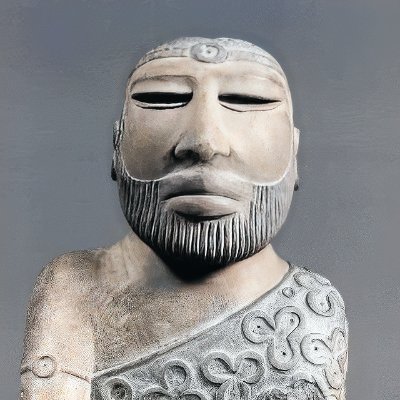
#Dholavira hietherto was known as ruins and for being one of the earliest dock.
However, Dholaviran metrological results are astonishing and 'very' advanced even in today's time. Its metrology was continued to Mauryan structure
1/9
#Thread
#Archaeology #Metrology # continuity
However, Dholaviran metrological results are astonishing and 'very' advanced even in today's time. Its metrology was continued to Mauryan structure
1/9
#Thread
#Archaeology #Metrology # continuity
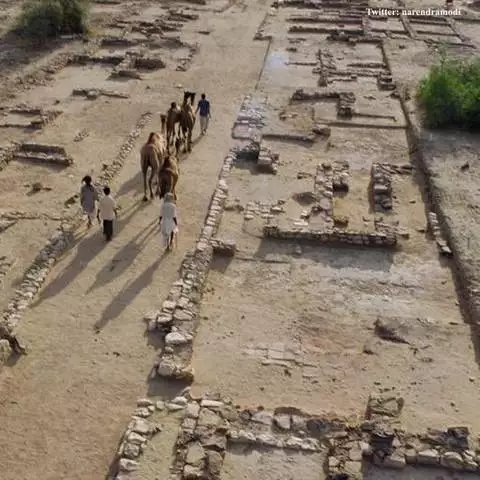
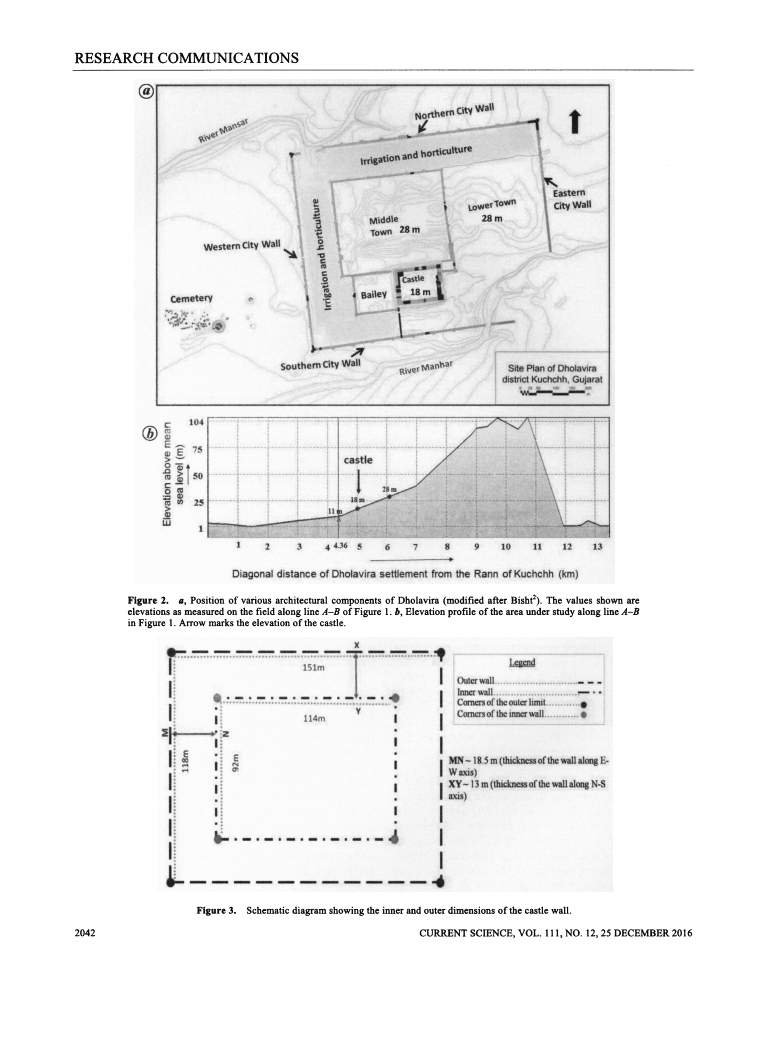
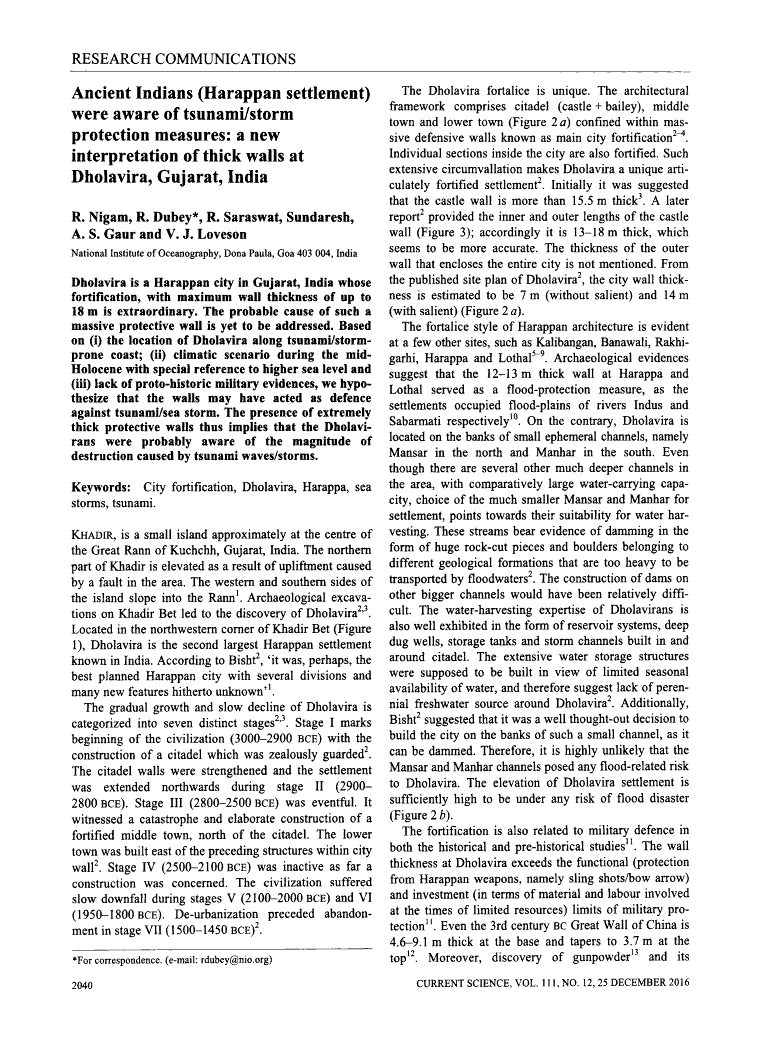
Dholaviran architect were aware of tsunami/storm protection measures.
They built city's internal wall 13-18 meter thick to withstand the tsunami impact
Even the Great Wall of China is 4-5 meters
2/9
#Archaeology #harappan #Dholavira #Lothal
jstor.org
They built city's internal wall 13-18 meter thick to withstand the tsunami impact
Even the Great Wall of China is 4-5 meters
2/9
#Archaeology #harappan #Dholavira #Lothal
jstor.org
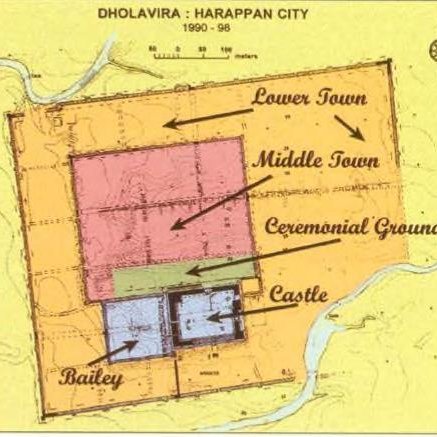
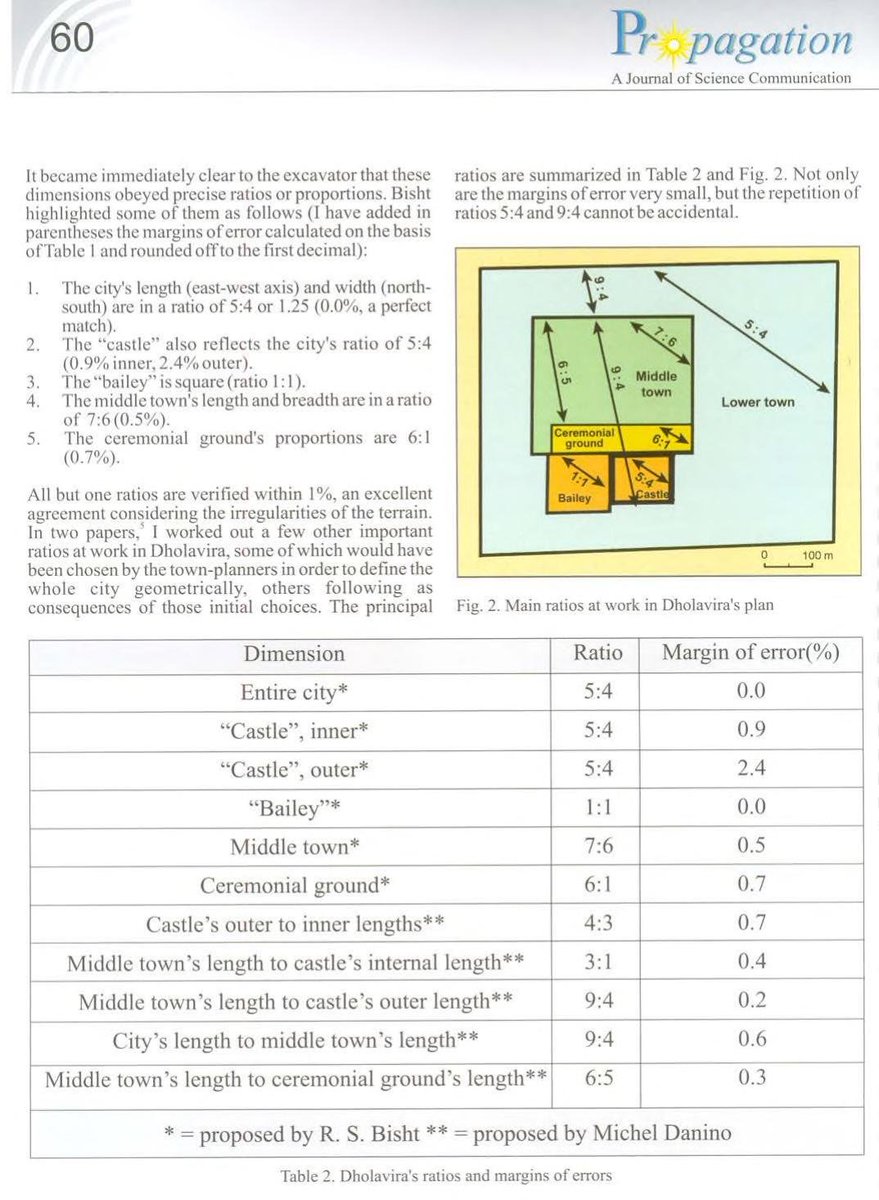
The city's length EW axis and width NS are in a ratio of 5:4
The Castle also reflects the city's ratio of 5:4.
The Bailey is square (ratio 1:1).
The middle town's length and breadth are in a ratio of 7:6
The ceremonial ground's proportions are 6:1
3/9
indianculture.gov.in
The Castle also reflects the city's ratio of 5:4.
The Bailey is square (ratio 1:1).
The middle town's length and breadth are in a ratio of 7:6
The ceremonial ground's proportions are 6:1
3/9
indianculture.gov.in
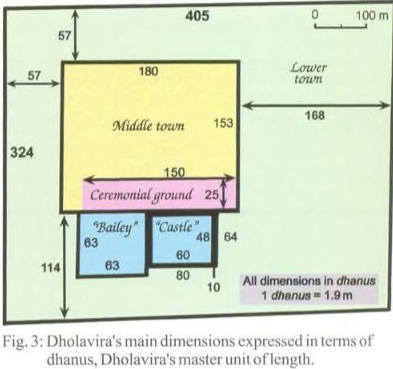
Dholavira's Master Unit of Length
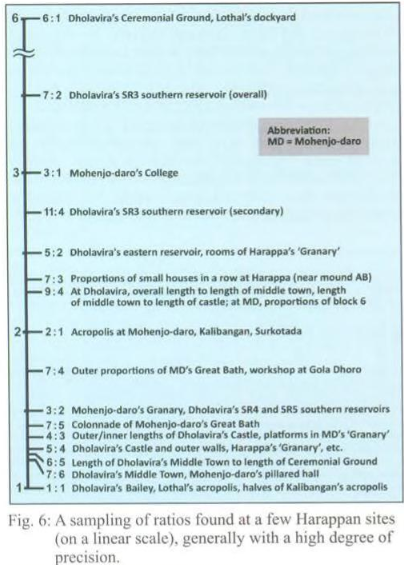
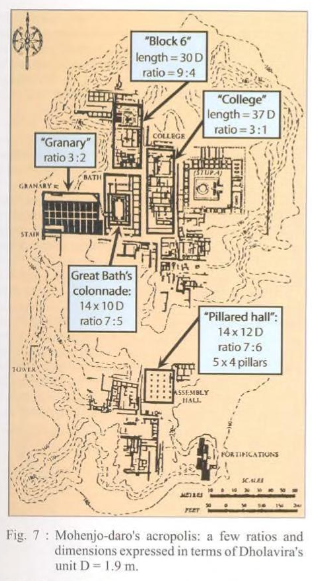
The author of this paper used "Dhanus" as 1.9 meters to evaluate dimensions and found that #harappan were not only fond of ratios but applied to all settlement of that period with some MOE
4/9
#Archaeology
indianculture.gov.in
The author of this paper used "Dhanus" as 1.9 meters to evaluate dimensions and found that #harappan were not only fond of ratios but applied to all settlement of that period with some MOE
4/9
#Archaeology
indianculture.gov.in
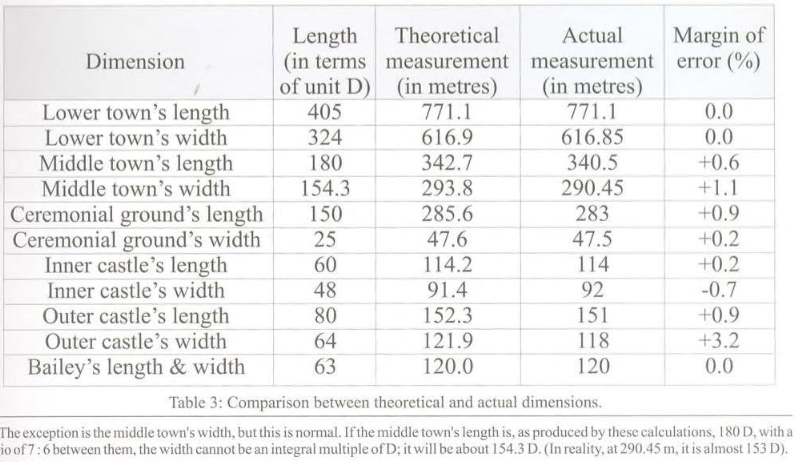
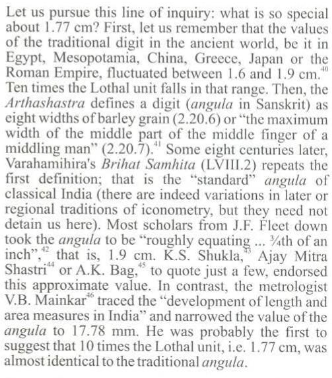
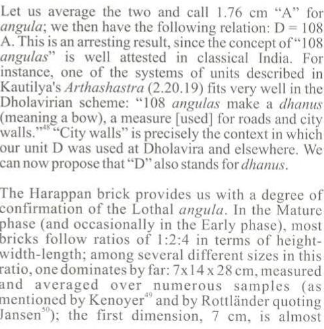
Author deduced that '108' Angula equals 1 Dhanusha = 1.9 meters
The new equation of 'Angula' matches with Kautilya's Arthashastra (2.20.6, 2.20.19) and Varahamihira's Brihat Samhita (LVIII.2)
The #harappan bricks were measuring 7:14:28
7 is ~=4 Angulas
5/9
#harappan #archaeology
The new equation of 'Angula' matches with Kautilya's Arthashastra (2.20.6, 2.20.19) and Varahamihira's Brihat Samhita (LVIII.2)
The #harappan bricks were measuring 7:14:28
7 is ~=4 Angulas
5/9
#harappan #archaeology
Continuity of the #Dholavira Scheme of Ratios and Units
CE 600, Varahamihira wrote in his Brihat Samhita (53.4 & 5) The L of a king's palace is > breadth by 4th The L of house of a commander >the width by a 6th.
Two ratios, 1+1/4 & 1+1/6, are identical to 5:4 and 7:6
6/9
CE 600, Varahamihira wrote in his Brihat Samhita (53.4 & 5) The L of a king's palace is > breadth by 4th The L of house of a commander >the width by a 6th.
Two ratios, 1+1/4 & 1+1/6, are identical to 5:4 and 7:6
6/9
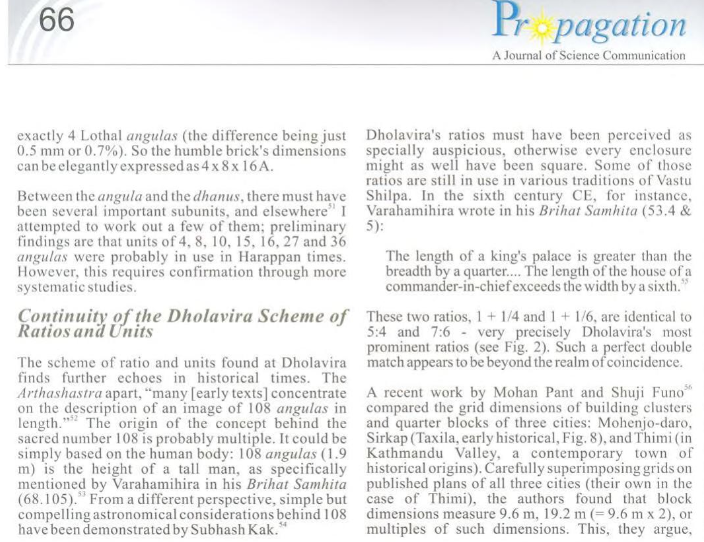
Dimensions of building clusters and quarter blocks of three cities: Mohenjo-daro, Sirkap, Taxila, and Thimi, Kathmandu Valley
The authors found that block dimensions measure 9.6 m, 19.2 m (= 9.6 m x 2), or multiples of such dimensions (2 millenia later)
7/9
#Archaeology #Harappan
The authors found that block dimensions measure 9.6 m, 19.2 m (= 9.6 m x 2), or multiples of such dimensions (2 millenia later)
7/9
#Archaeology #Harappan
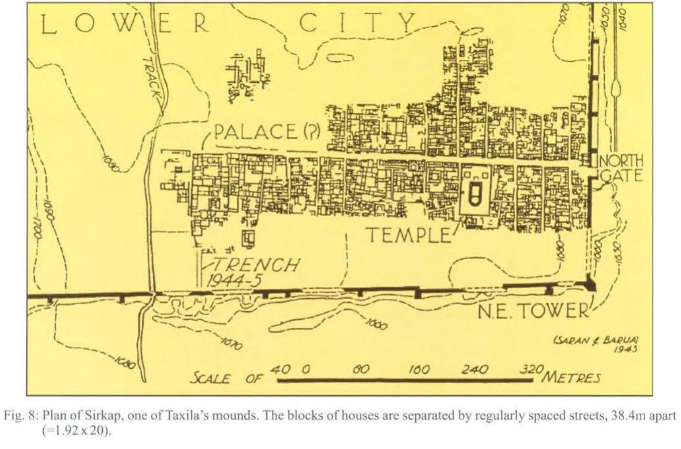
Almost 3 millennium later the #dholavira metrological ratios were found applied to Iron Pillar in Delhi
The ratio between the pillar's entire length (7.67 m) and the portion above the ground (6.12 m) is 5:4,
8/9
#archaeology
The ratio between the pillar's entire length (7.67 m) and the portion above the ground (6.12 m) is 5:4,
8/9
#archaeology
The #Dholavira #Harappan metrological ratios is akin to Vedic principle of 'Addition of one unit'.
By Applying this principles, Mansara (c.1000 ce) arrives at most prominent ratios of 5:4, 3:2, 7:4, 2:1, 9:4, 5:2, 11:4, 3:1 used in Dholavira.
9/9
#archaeology
By Applying this principles, Mansara (c.1000 ce) arrives at most prominent ratios of 5:4, 3:2, 7:4, 2:1, 9:4, 5:2, 11:4, 3:1 used in Dholavira.
9/9
#archaeology
Loading suggestions...