

What makes a Chinese city qualify as a "ghost city?" A thread.🧵
After leaving Chenzhou, we made our way to Jishou 吉首, in west Hunan.
Jishou is a good jumping-off point for travel to Fenghuang Ancient City, Dehang Canyon, Furong Village, etc.
Jishou itself is...very empty.
After leaving Chenzhou, we made our way to Jishou 吉首, in west Hunan.
Jishou is a good jumping-off point for travel to Fenghuang Ancient City, Dehang Canyon, Furong Village, etc.
Jishou itself is...very empty.

Background: Jishou is different from other cities I've visited so far. Jishou is the capital of the Xiangxi Tujia and Miao Autonomous Prefecture.
Autonomous prefectures are on the same level as prefecture-level cities.
Xiangxi 湘西 means "West Hunan" and that's where it is:
Autonomous prefectures are on the same level as prefecture-level cities.
Xiangxi 湘西 means "West Hunan" and that's where it is:

This means Jishou doesn't really match up with a prefecture-level 地级市 OR a county-level city 县级市. It's its own thing, a "Region capital" 州首府.
Jishou's official population is just over 400k people, which is roughly comparable to a county-level city (Zixing was 320k).
Jishou's official population is just over 400k people, which is roughly comparable to a county-level city (Zixing was 320k).

Here's the thing: Jishou has not been designed to be a city with 400k people. It feels like a city that has been designed for 5+ million people.
It's about the size of Zixing, but has infrastructure that wouldn't look weird in a provincial capital.
And still building more!
It's about the size of Zixing, but has infrastructure that wouldn't look weird in a provincial capital.
And still building more!
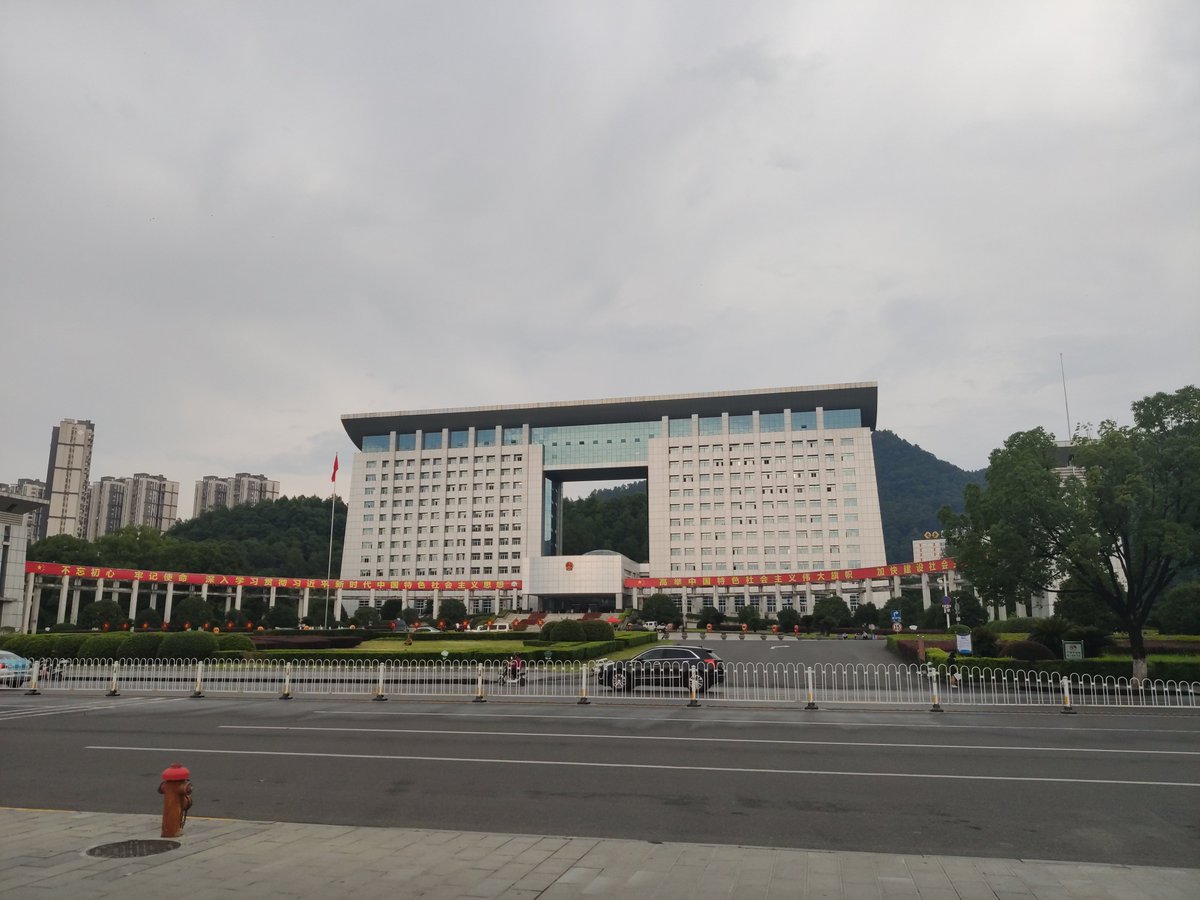
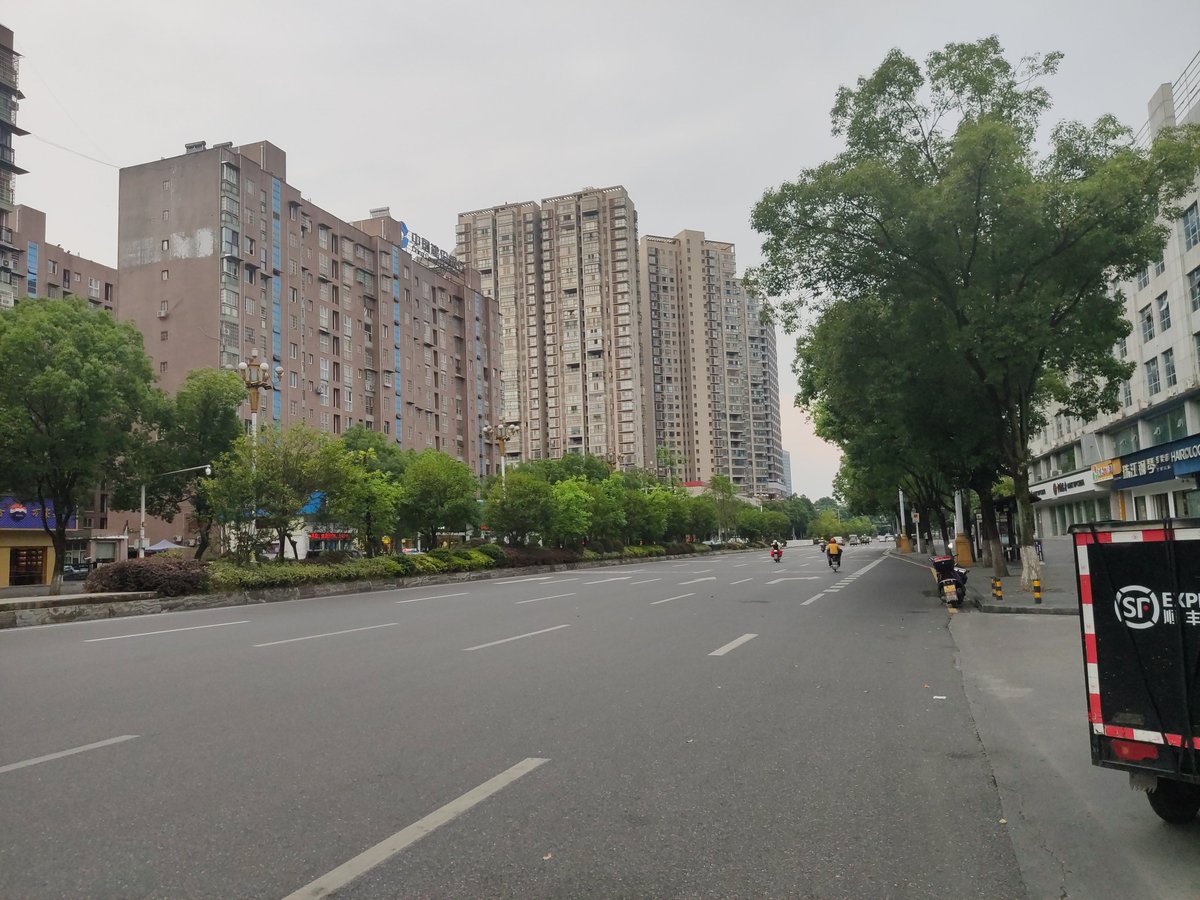
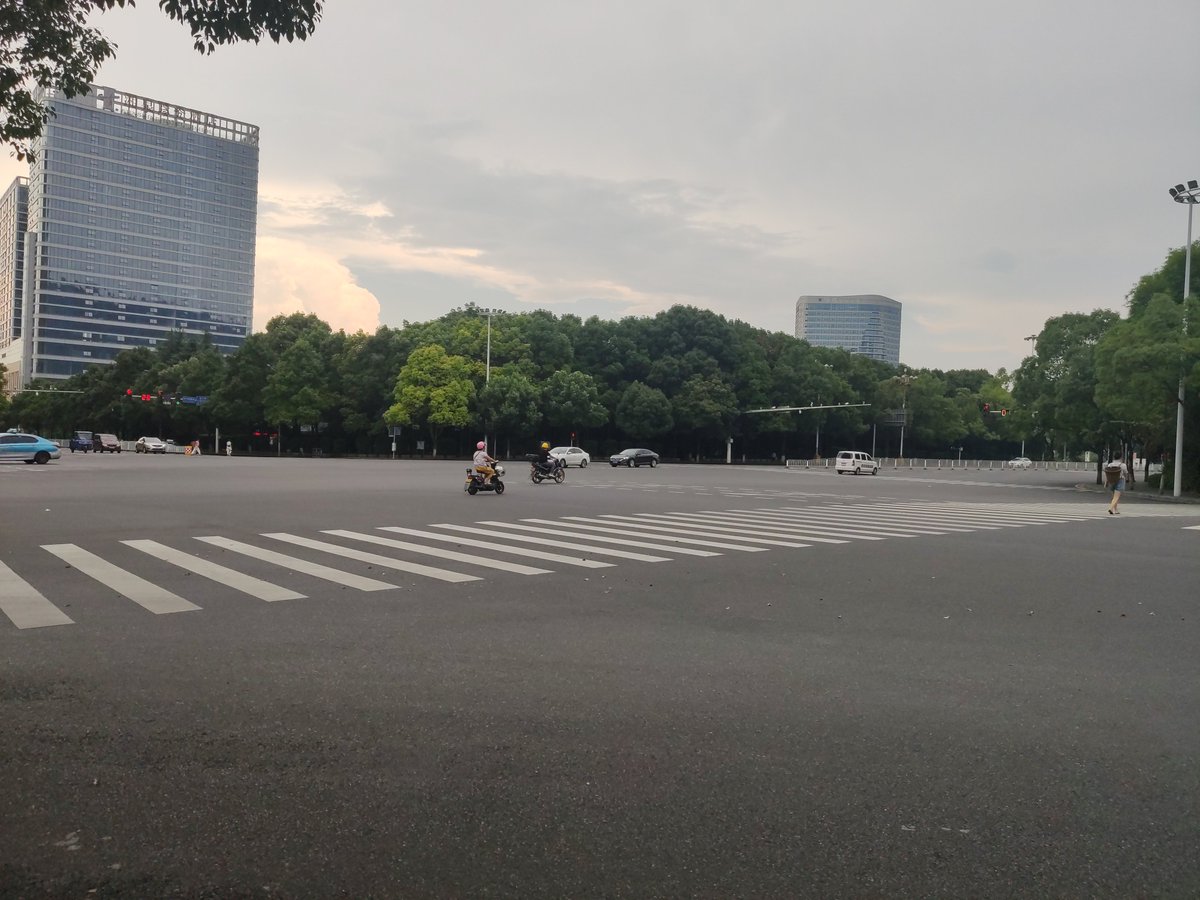
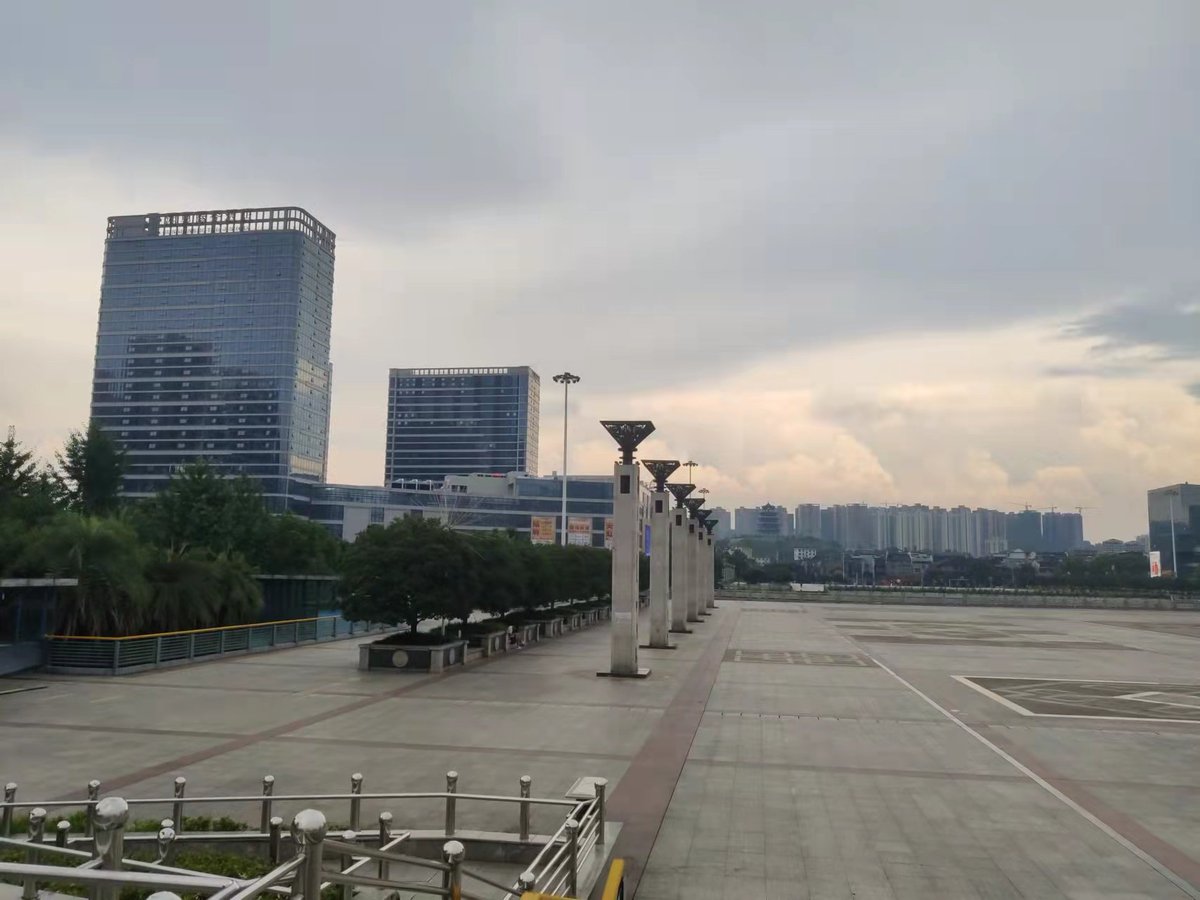
This video I took standing in the middle of Century Plaza panning 360 degrees really highlights how few people are here (and how nice & clean the place is).
I came twice to make sure, during the day and evening, finding it nearly deserted both times.
What gives?
I came twice to make sure, during the day and evening, finding it nearly deserted both times.
What gives?

After talking to locals, I discovered:
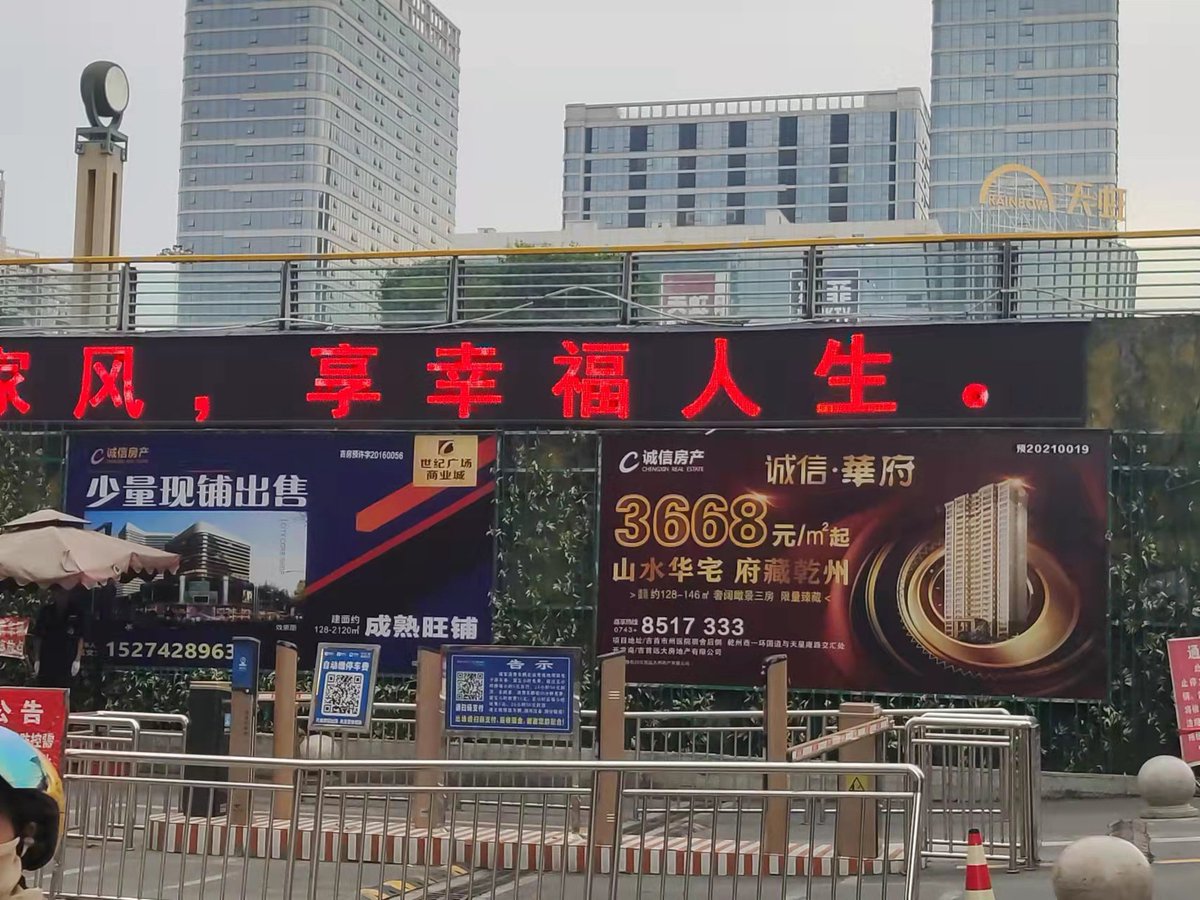
1. Land is very cheap here, so everything is bigger. See new apartments advertised at 3668 RMB/sqm.
2. This is Jishou new district, with the city govt and planned plazas, hotels, malls, but currently too far from the residential district.
1. Land is very cheap here, so everything is bigger. See new apartments advertised at 3668 RMB/sqm.
2. This is Jishou new district, with the city govt and planned plazas, hotels, malls, but currently too far from the residential district.
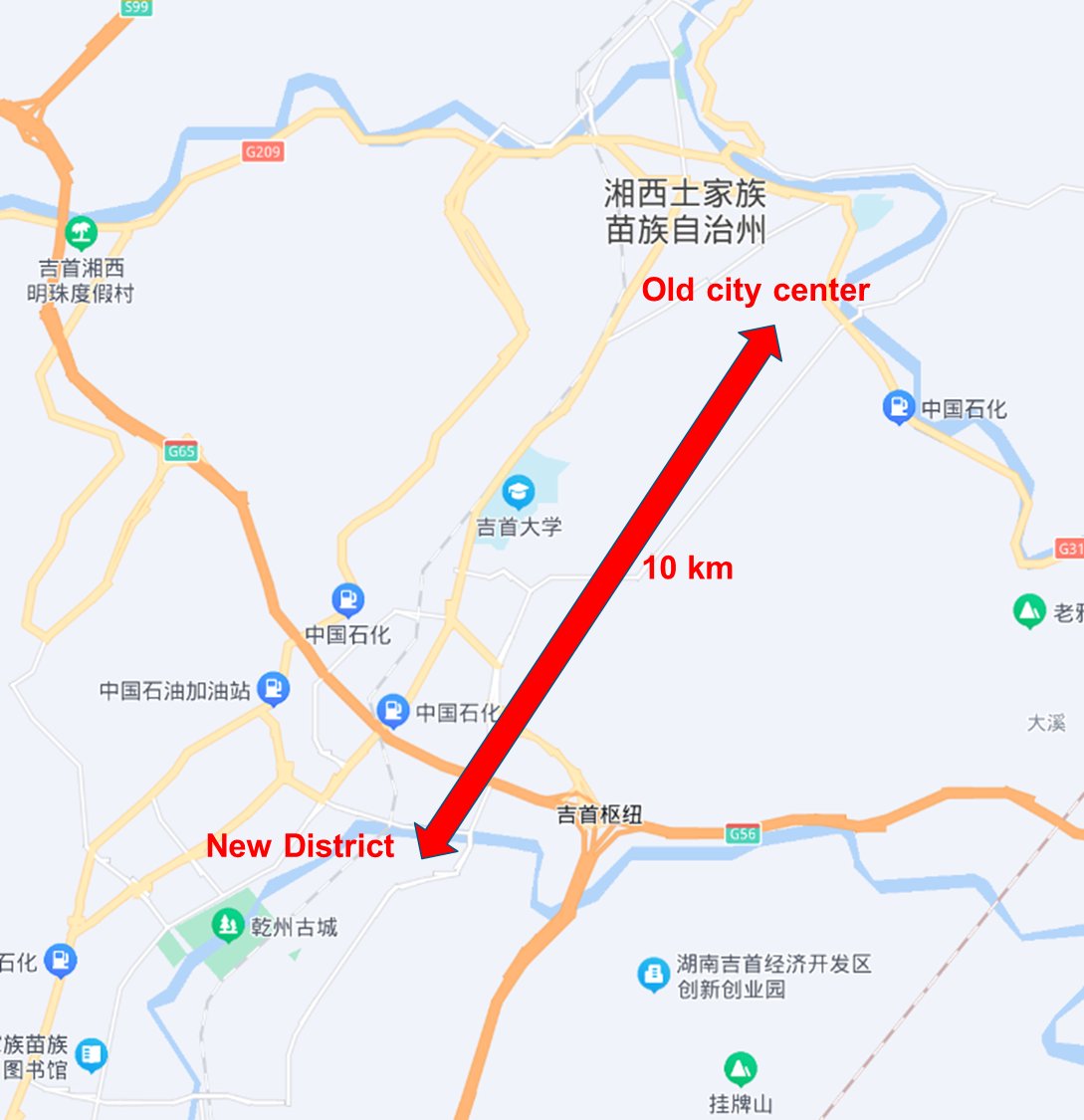
A taxi driver told me all the bureaucrats working in the new city gov't here have to commute to work from the residential district to the north.
But until these under-construction malls & office buildings are completed & jobs appear, the area will probably be underpopulated.
But until these under-construction malls & office buildings are completed & jobs appear, the area will probably be underpopulated.

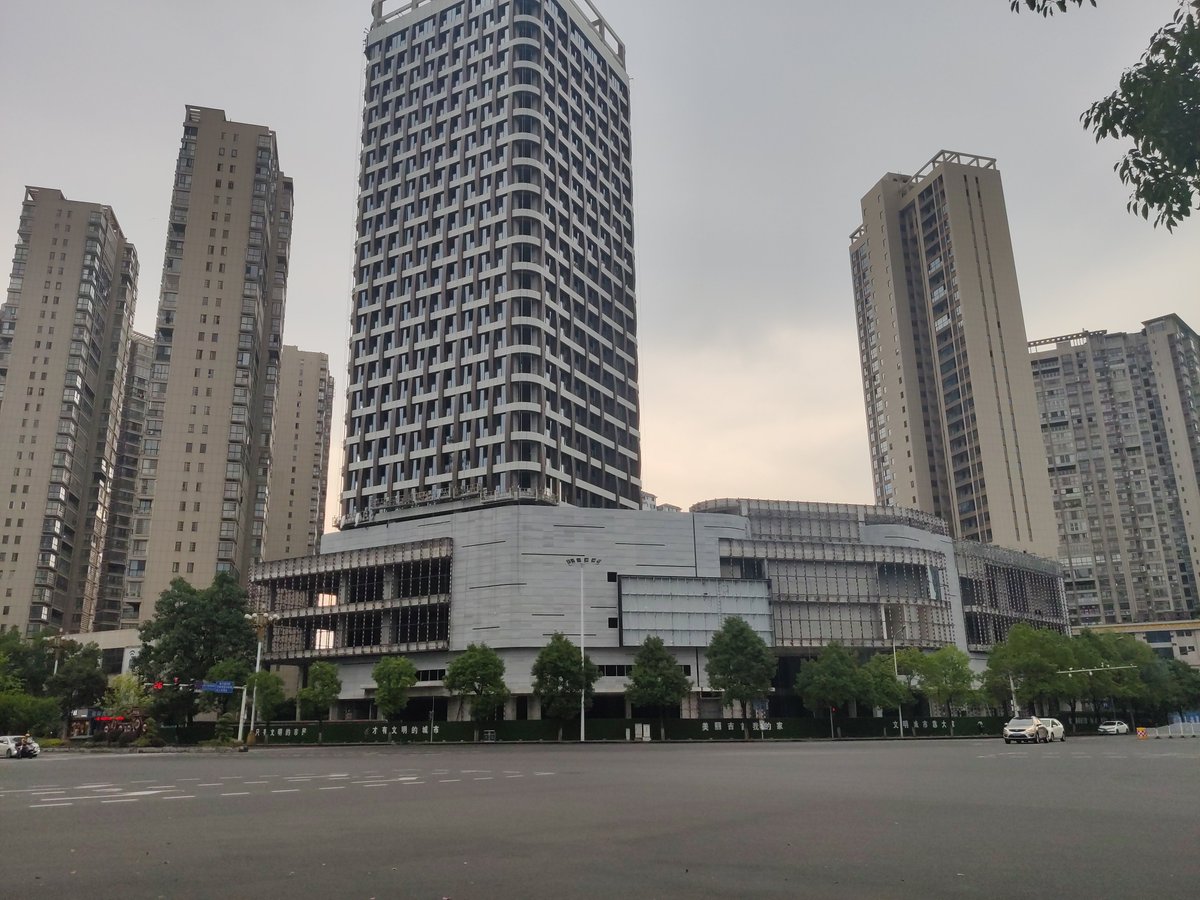
A new mall is opening here soon, promising to bring Starbucks, Nike, Xiaomi and many other brands, and JOBS.
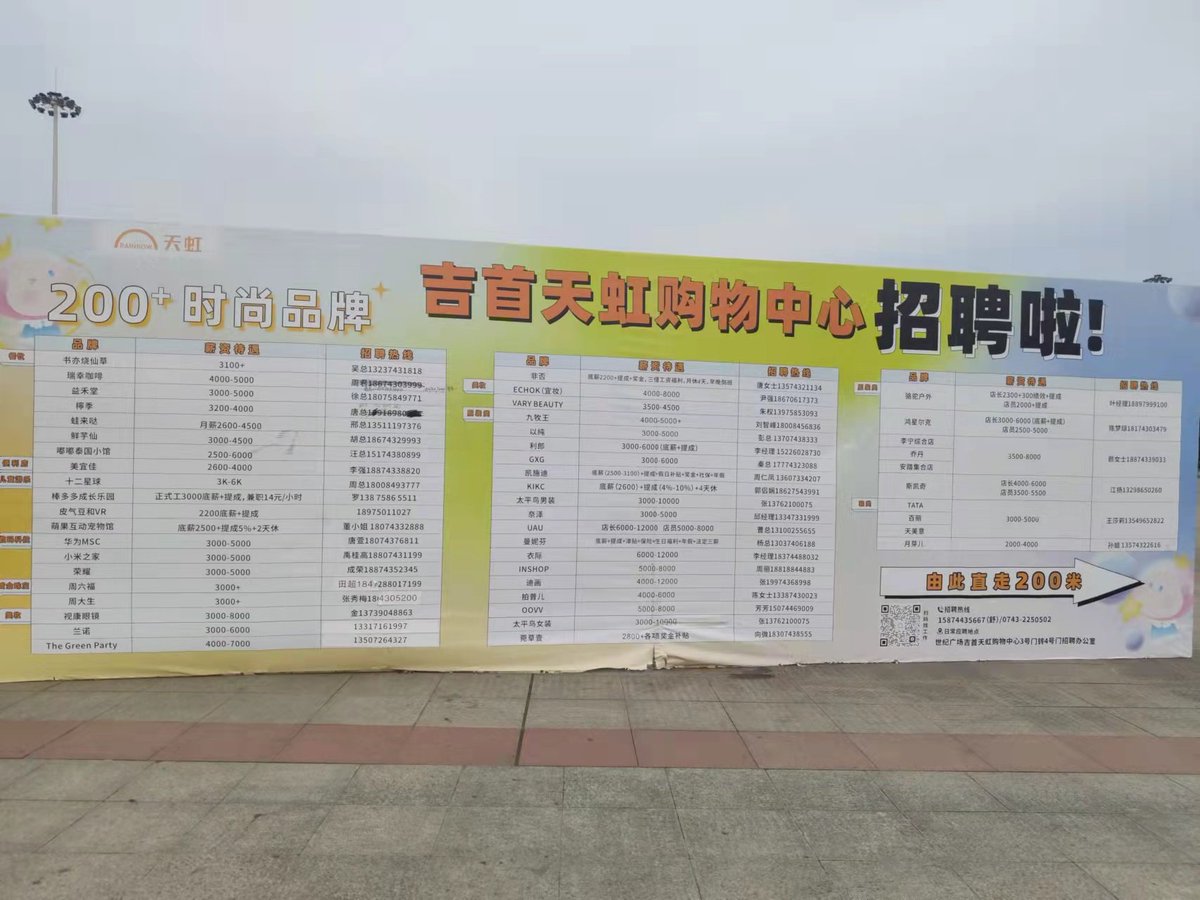
Outside, they are helpfully advertising the hiring salaries of every store in the mall.
Most retail & F&B jobs hiring at 3-6k per month. High for the region I think.
Outside, they are helpfully advertising the hiring salaries of every store in the mall.
Most retail & F&B jobs hiring at 3-6k per month. High for the region I think.
A few streets away from this empty central plaza area, I find normal life! Traffic, shops, pedestrians.
This is different from those eerie empty housing estates on the edges of cities.
Jishou is a real TOWN that had the infrastructure for a major CITY copy-pasted on top.
This is different from those eerie empty housing estates on the edges of cities.
Jishou is a real TOWN that had the infrastructure for a major CITY copy-pasted on top.

Cities need tourist attractions, so there's one of those too, called Qianzhou Ancient City. Built on top of a real old village, most of the construction here is new.
I take a stroll through. Almost everything is closed. It feels like I sneaked into Disney a week before opening.
I take a stroll through. Almost everything is closed. It feels like I sneaked into Disney a week before opening.
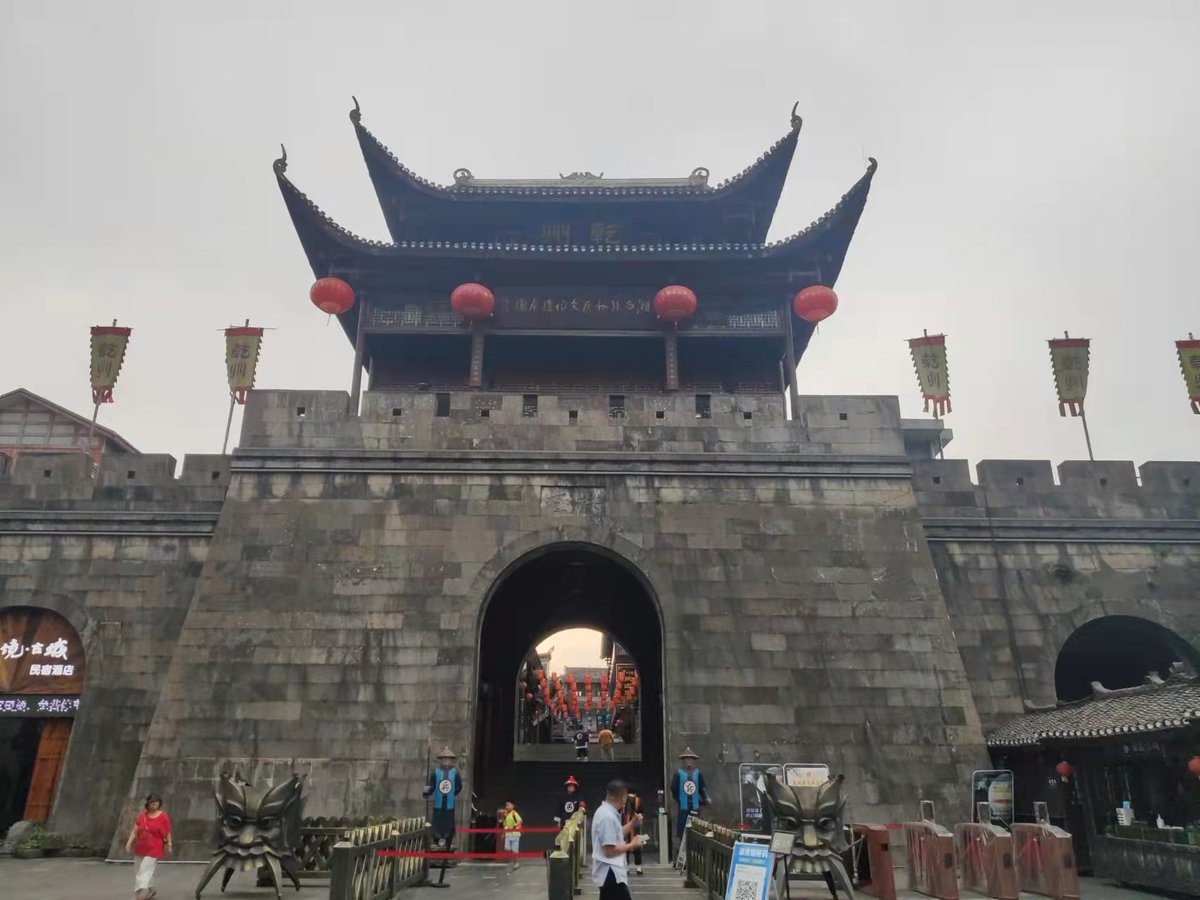
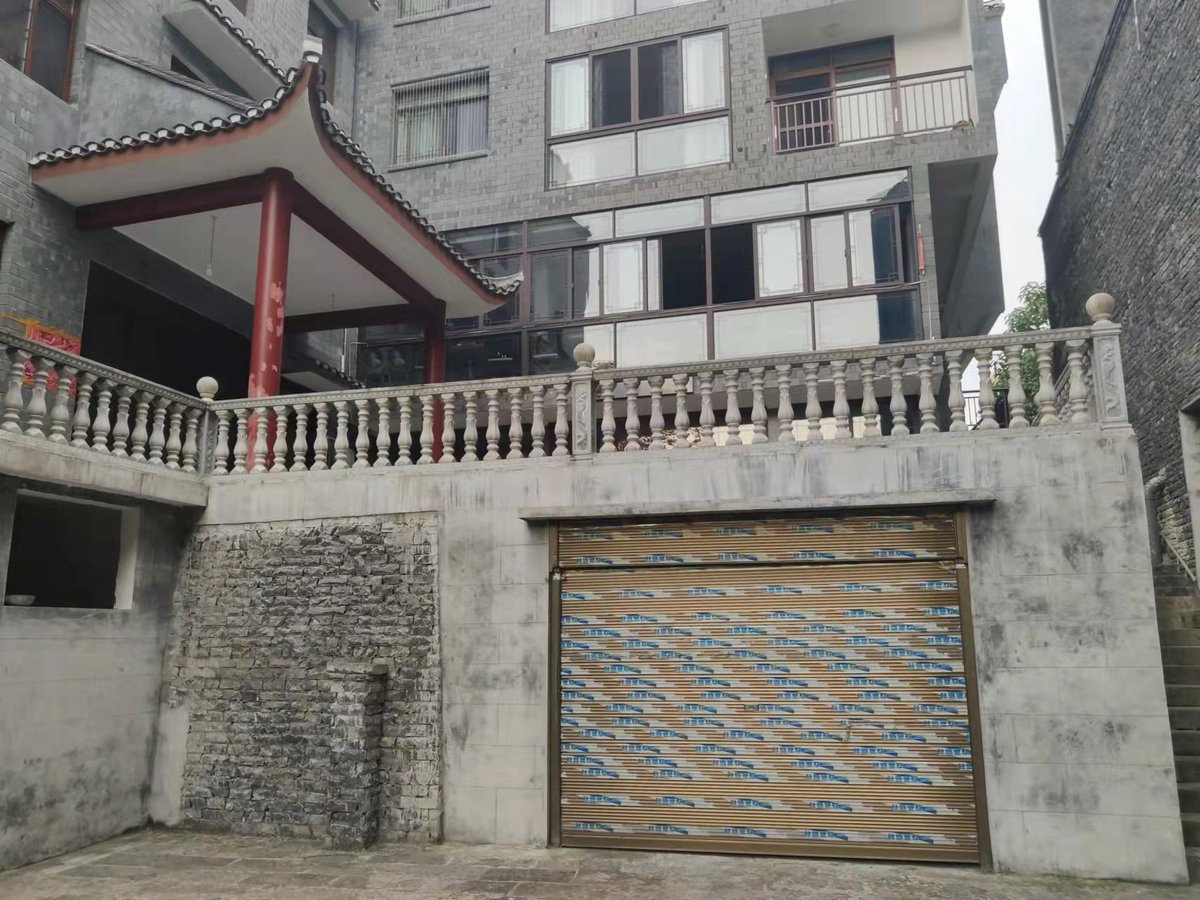
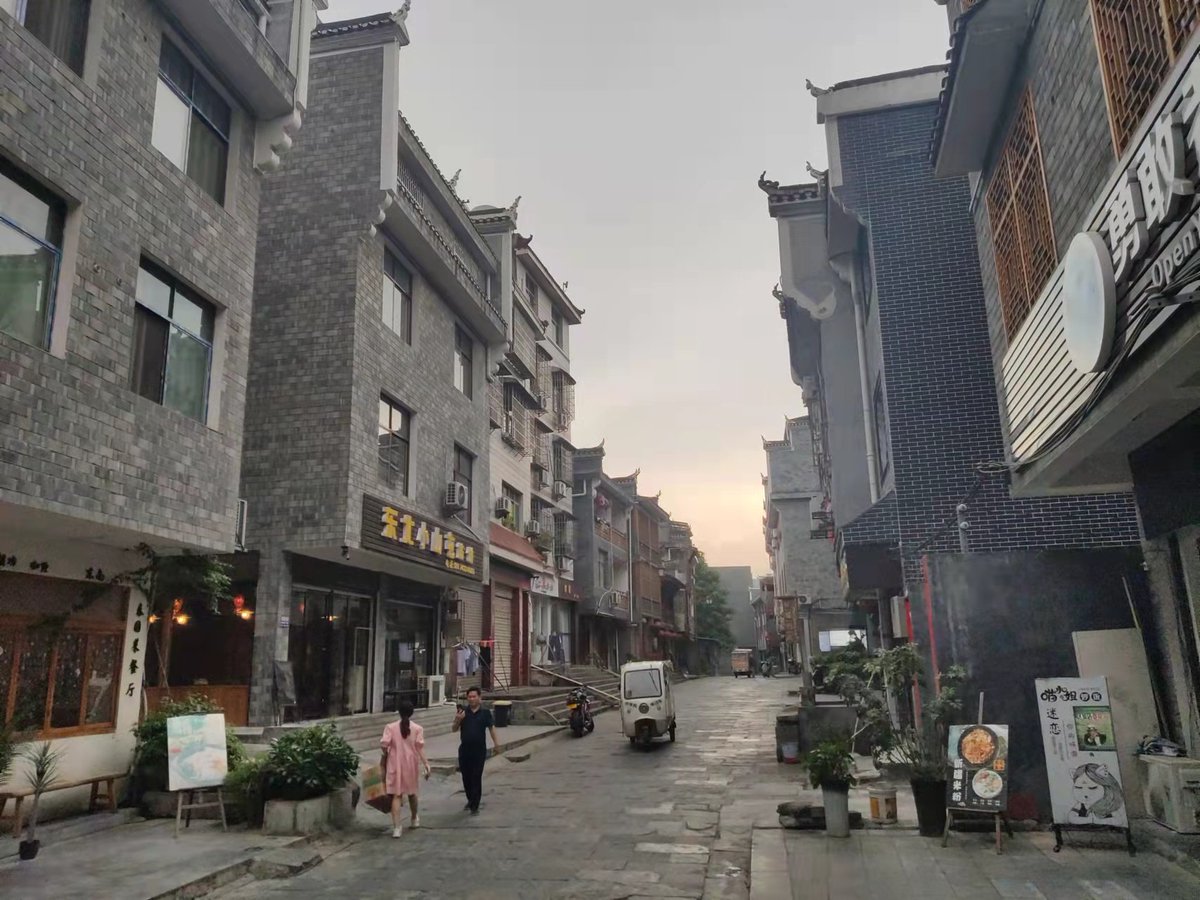
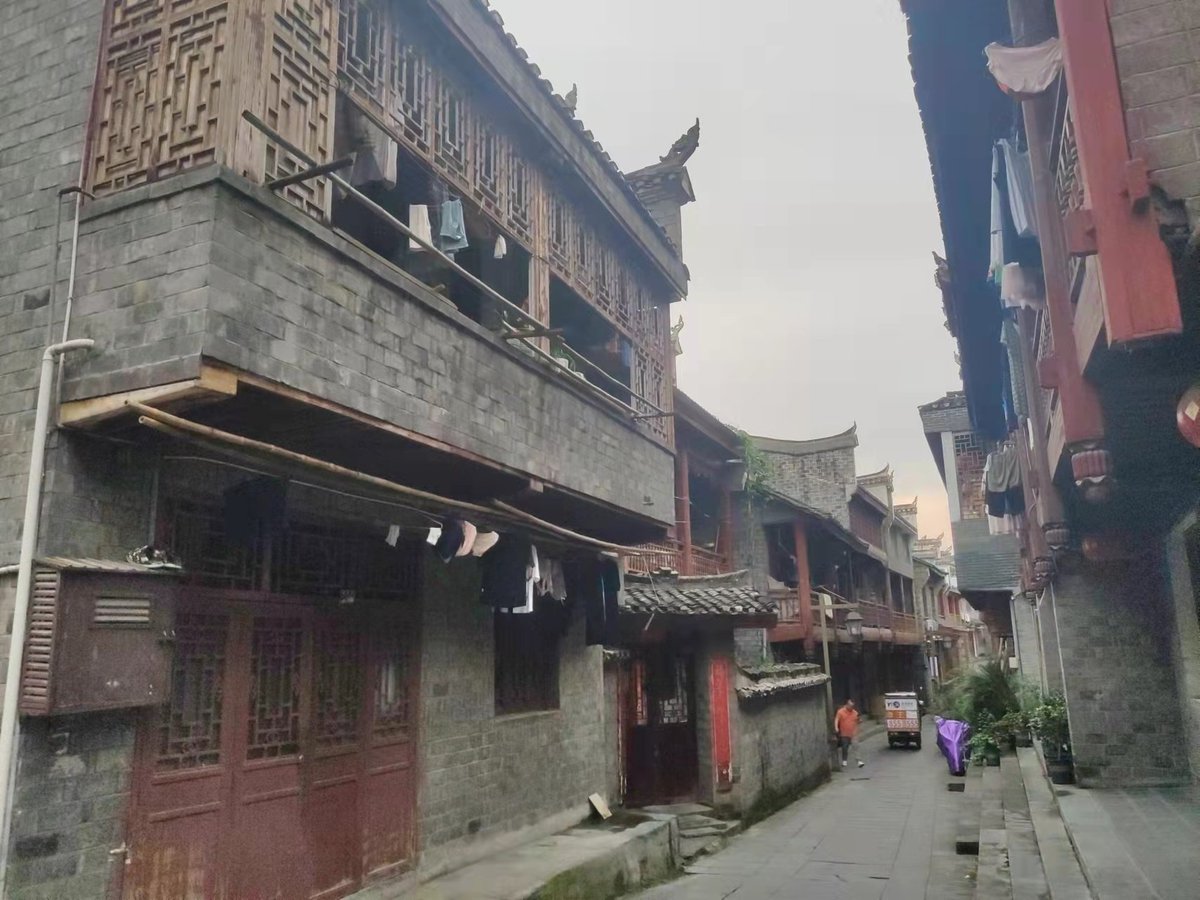
It feels like they're playing real-life @CitiesSkylines here.
In that game, when you want to populate a new area, you zone it out, "seed" it with schools, parks, fire stations, tourist attractions, etc. and then wait for the residents and commercial business to move in.
In that game, when you want to populate a new area, you zone it out, "seed" it with schools, parks, fire stations, tourist attractions, etc. and then wait for the residents and commercial business to move in.
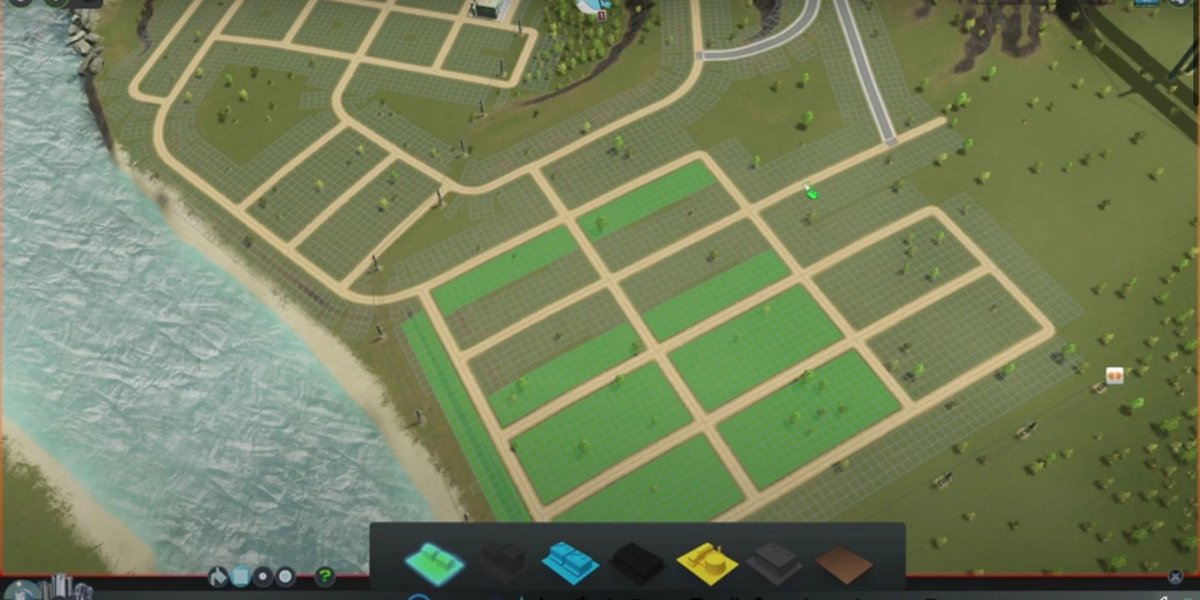
And that's just it - these urban developments are created with the same logic of an omnipotent city sim video gamer: If you build it, they will come.
They look empty at the start, because they are, until they aren't. Just like Pudong...or Ordos.
bloomberg.com
They look empty at the start, because they are, until they aren't. Just like Pudong...or Ordos.
bloomberg.com
Where will Jishou be in 5-10 years? Well, with jobs created there, its role as the capital, and affordable real estate, I wouldn't be surprised if its population doubles or more, filling up the city over time just like the other "ghost cities", as has been noted.
From wikipedia:
From wikipedia:
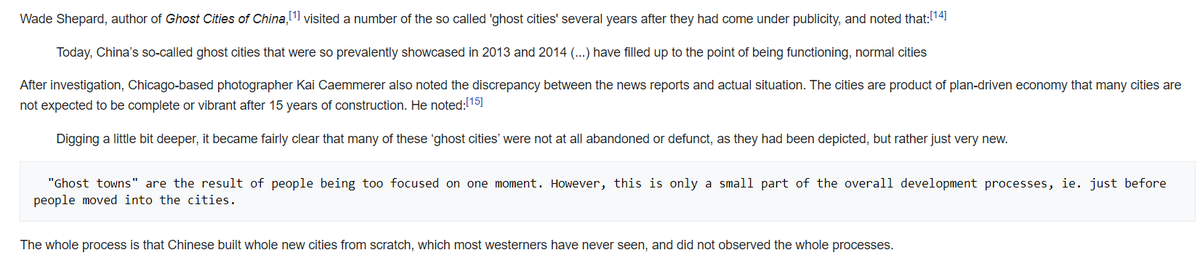
I think it's really quite different from the other kind of "ghost city" in China, vast plots of cheaply-made McMansions or high-rises on the distant peripheries of cities like Chenzhou.
if you try that in Cities:Skylines, no one will move in either...
if you try that in Cities:Skylines, no one will move in either...
Unfortunately I think this distinction is often missed by China's fans and detractors both, or in media.
It's possible for Chn to have both big-brain, future-planned, mixed-used optimized urban developments AND wasteful vanity/GDP bloat projects. It's a big country, after all.
It's possible for Chn to have both big-brain, future-planned, mixed-used optimized urban developments AND wasteful vanity/GDP bloat projects. It's a big country, after all.
But then again, this is social media, where people barely read six words before making up their mind, & where years-old footage is recycled ad nauseum on Youtube.
Many people won't even read to the bottom of this thread. But if you do, thanks! Here's a preview of what's next:😄
Many people won't even read to the bottom of this thread. But if you do, thanks! Here's a preview of what's next:😄
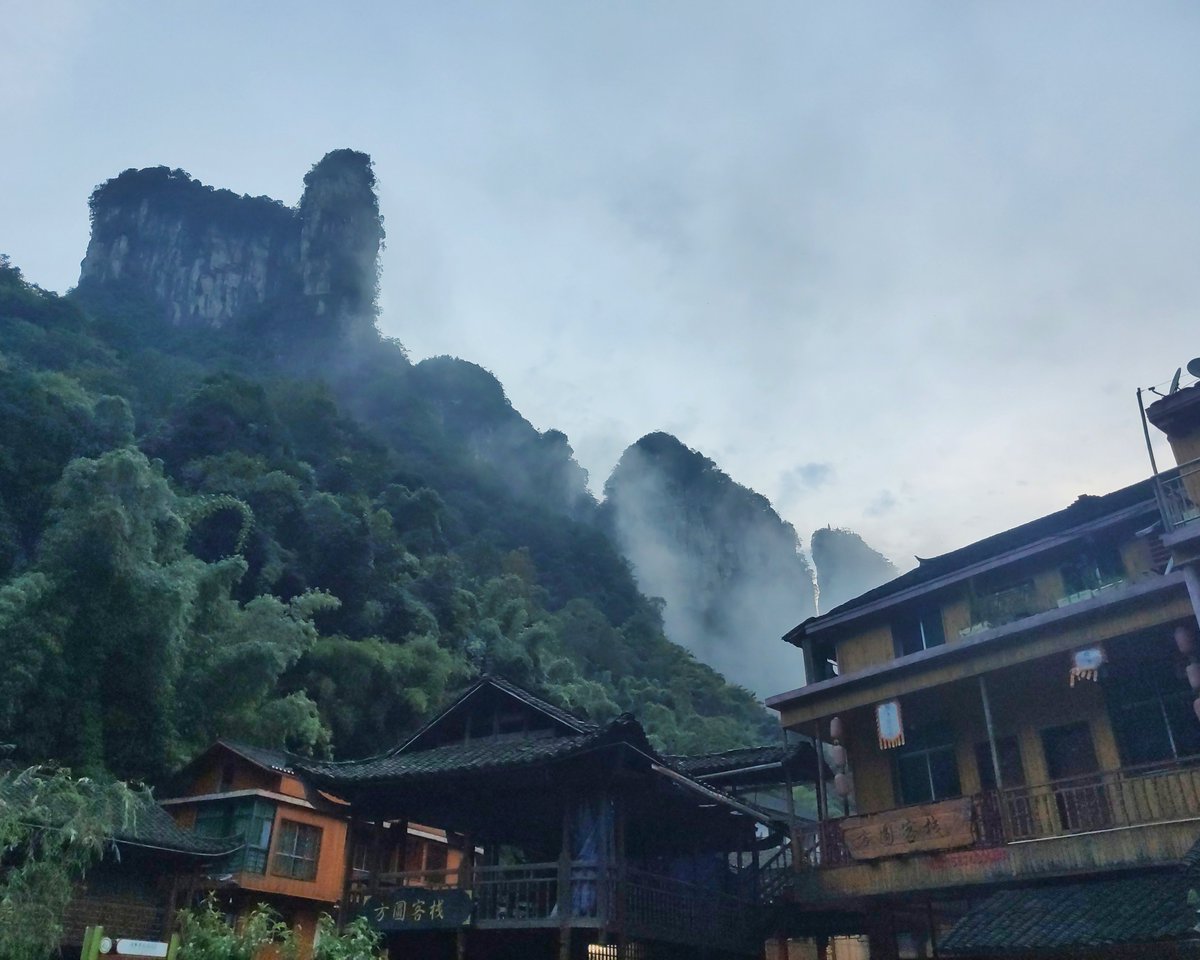
damn this thread is like a Room of Requirement; no matter where they stand, everyone appears to be seeing proof of what they believed already.🙃
Loading suggestions...