

I've sold a $1 million in services to 400+ clients across 30 countries
This is my exact psychology-backed sales playbook
Time: 4 minutes
Value: Millions of dollars
This is my exact psychology-backed sales playbook
Time: 4 minutes
Value: Millions of dollars
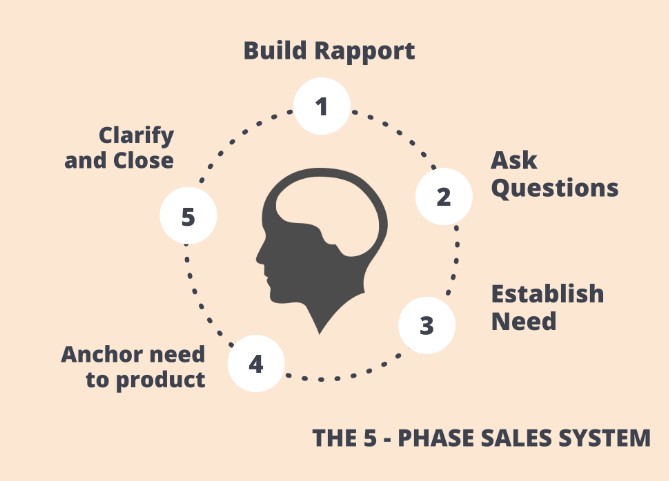
Phase 1: ESTABLISH RAPPORT
What is rapport? Making the person feel like you're with them, you understand them and that you're on their team.
This is a subconscious process
What is rapport? Making the person feel like you're with them, you understand them and that you're on their team.
This is a subconscious process
Find things in common, shared contexts, shared interests.
If someone loves the same football team as you, you feel there's a part of your identity that the other person shares.
It's an instant trust builder.
If someone loves the same football team as you, you feel there's a part of your identity that the other person shares.
It's an instant trust builder.

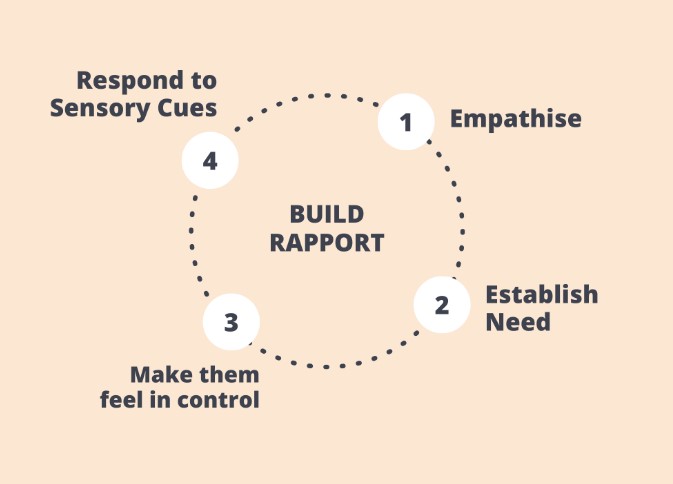
3 things you can do to build rapport
1. Empathize and Validate
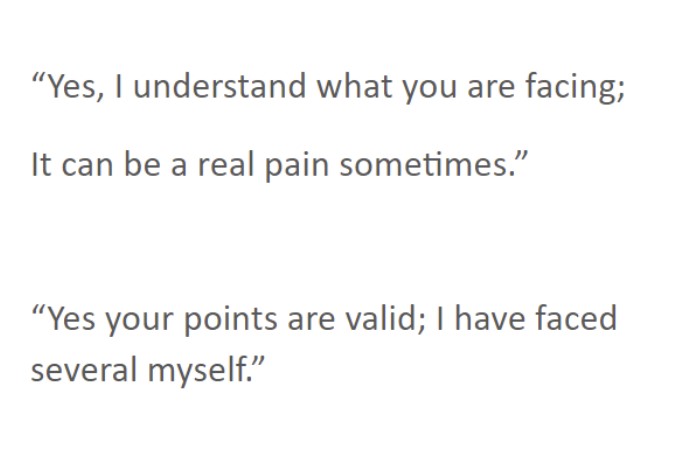
'I know the problem you're facing is hard. It's difficult because of x. Thanks for sharing and it's great that you have the awareness to identify it'
1. Empathize and Validate
'I know the problem you're facing is hard. It's difficult because of x. Thanks for sharing and it's great that you have the awareness to identify it'
2. Ask for permission for everything
"Hey, can I introduce you to how we're solving the problem you described?"
Them giving YOU permission skews the power dynamic towards them
Humans love being in control, this builds trust
"Hey, can I introduce you to how we're solving the problem you described?"
Them giving YOU permission skews the power dynamic towards them
Humans love being in control, this builds trust
3. Respond to sensory cues
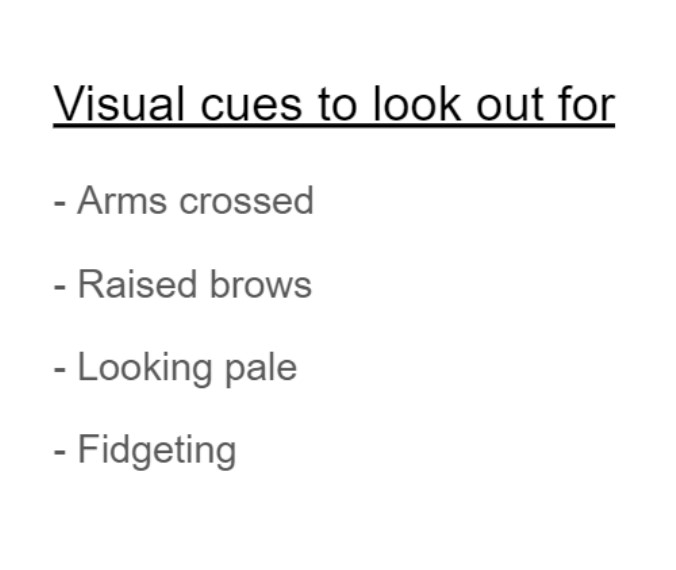
If they're fidgeting ask if something is on their mind.
If they're pale, ask if they're comfortable
If they have raised eyebrows, ask if they have a question
Being attentive is the most genuine way of building subconscious trust.
If they're fidgeting ask if something is on their mind.
If they're pale, ask if they're comfortable
If they have raised eyebrows, ask if they have a question
Being attentive is the most genuine way of building subconscious trust.
Phase 2: UNCOVER NEED
You will now tactfully gather all the information you need for the final pitch
You will now tactfully gather all the information you need for the final pitch

1. Start by asking questions
Here are my top questions
Here are my top questions
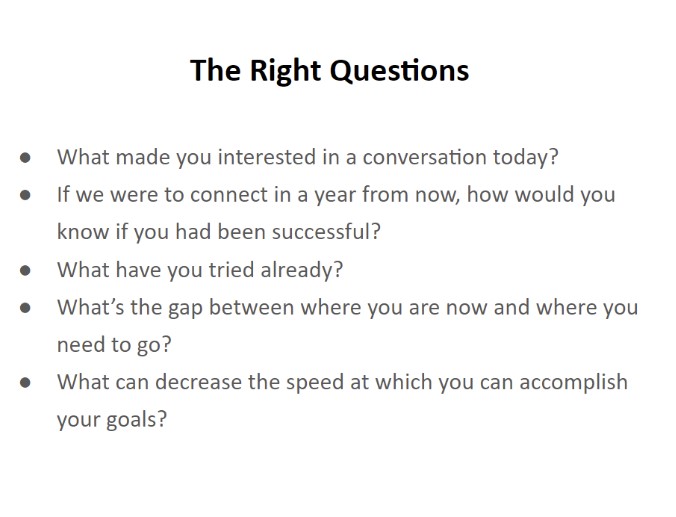
These will help you understand:
• Their motivation to try what you're selling
• What worked for them and what did not
• The pain points you know your product can solve
The field is now set for you to introduce your solution
• Their motivation to try what you're selling
• What worked for them and what did not
• The pain points you know your product can solve
The field is now set for you to introduce your solution
You do not sell directly.
You job is to ask structured questions and make the person discover and admit what exactly their problem is and why they need a solution
You job is to ask structured questions and make the person discover and admit what exactly their problem is and why they need a solution
3. Establish the need
Your questions help them uncover the exact problem.
Now, help them recognize, vocalize and establish their need to solve this problem
Your questions help them uncover the exact problem.
Now, help them recognize, vocalize and establish their need to solve this problem
Phase 3: CLARIFY AND CLOSE
You know their problem, you know what they need. Now you lead into the sale
You know their problem, you know what they need. Now you lead into the sale
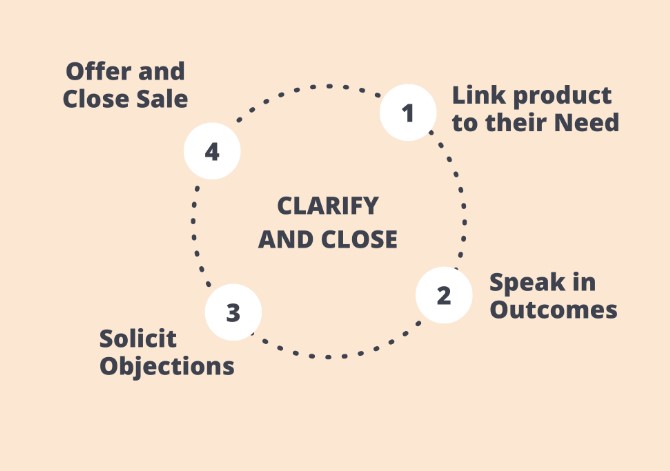
1. Link their need to your product/service
You won't sell to them, you will sell to their need
Sell the outcome, not your process
You won't sell to them, you will sell to their need
Sell the outcome, not your process
This means, you will present your product in context of their problem.
Its utility needs to be anchored to the problem
Its utility needs to be anchored to the problem
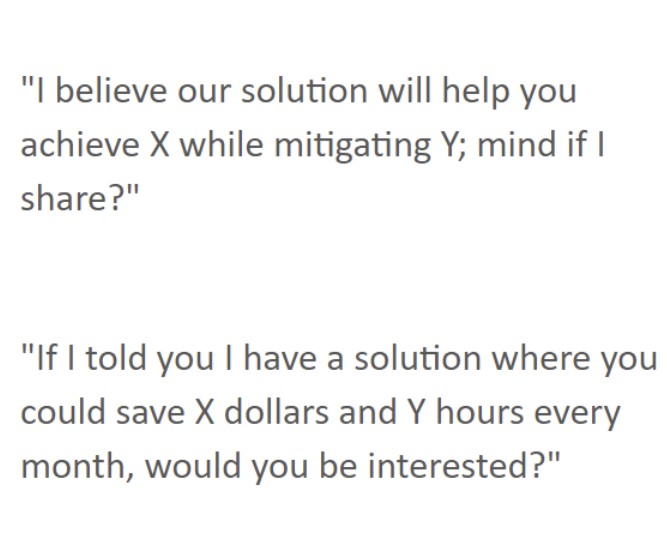
Let's say you run an SEO service.
Don't get into how you would implement SEO on the client's website.
Instead, talk about:
• How it will drive more traffic
• How it will get them more clicks
• How it will double their sales
Speak in outcomes
Don't get into how you would implement SEO on the client's website.
Instead, talk about:
• How it will drive more traffic
• How it will get them more clicks
• How it will double their sales
Speak in outcomes
So far,
1. You've made them feel like you understand their problem
2. You've made them recognize their problem
3. You've made them establish a need
4. You've linked their need to your service
1. You've made them feel like you understand their problem
2. You've made them recognize their problem
3. You've made them establish a need
4. You've linked their need to your service
This is when people usually think is the right time to pitch.
I disagree.
I disagree.
2. Ask them for Objections
You need to smoothen the road before you pitch.
Clarify all objections that the client has
Every objection falls in one of 3 buckets
You need to smoothen the road before you pitch.
Clarify all objections that the client has
Every objection falls in one of 3 buckets
"Hey, this is too expensive"
Ask whether it's too expensive or whether they can't afford it.
In the former case,
Their Perceived Value < Your Cost.
You have to show them more value.
Else, it's about the budget
Ask what their budget allow & put them in the right tier
Ask whether it's too expensive or whether they can't afford it.
In the former case,
Their Perceived Value < Your Cost.
You have to show them more value.
Else, it's about the budget
Ask what their budget allow & put them in the right tier
"I don't think we have time for this"
Demonstrate:
• how they can actually focus on their core business and leave this part to you.
• how you will actually be saving them time.
• how the ROI you provide will be far more valuable than the time they invest in you.
Demonstrate:
• how they can actually focus on their core business and leave this part to you.
• how you will actually be saving them time.
• how the ROI you provide will be far more valuable than the time they invest in you.
"Maybe this won't work for us/I need to ask my team"
Ask them this simple question:
"What do you need from my side to convince you that this would work?"
This will identify their worries, and you can repeat the clarification process.
Ask them this simple question:
"What do you need from my side to convince you that this would work?"
This will identify their worries, and you can repeat the clarification process.
3. Give them an offer
Give them a no brainer offer
-Provide a money back guarantee
Tell them how none of your clients have ever requested one.
-If they are tight on budget, provide discounts
-Add bonuses and free value
Give them a no brainer offer
-Provide a money back guarantee
Tell them how none of your clients have ever requested one.
-If they are tight on budget, provide discounts
-Add bonuses and free value
3a. Schedule Another Call
If they are still on the fence, schedule a follow-up call while you're still talking to them
If they are still on the fence, schedule a follow-up call while you're still talking to them
4. Close the Sale
If they have agreed:
• Immediately sign them up. Don't wait for invoices; use credit cards.
• Send them a Congratulatory Video.
• Start opening doors for them, and show immediate benefit.
If they have agreed:
• Immediately sign them up. Don't wait for invoices; use credit cards.
• Send them a Congratulatory Video.
• Start opening doors for them, and show immediate benefit.
TLDR:
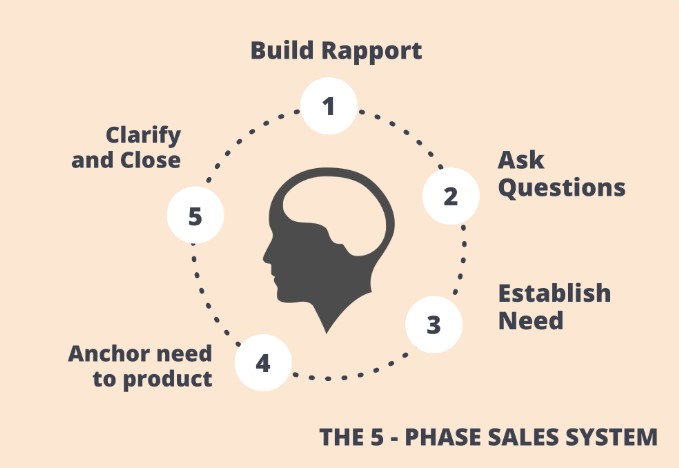
I'm giving away an in-depth sales training for free
This sales process is responsible for $10M in sales and it's worked in 30 countries.
Organizations pay me in tens of thousands of dollars for this training.
This sales process is responsible for $10M in sales and it's worked in 30 countries.
Organizations pay me in tens of thousands of dollars for this training.
Loading suggestions...