
History
Culture
Anthropology
Sanskrit
Indus Valley Civilization
Genetic History
Iranian Farmers
Ancestral South Indians
Indo-Aryans
Ancestral North Indians
Vedic Religion

Summary of the Genetic History of the Indian Subcontinent
1. 50,000 BC: Early African Migrants enter India and form Ancient Ancestral South Indians (AASI)
2. 5000-9000 BC: Iranian Farmers migrate from the fertile crescent into South Asia.
1. 50,000 BC: Early African Migrants enter India and form Ancient Ancestral South Indians (AASI)
2. 5000-9000 BC: Iranian Farmers migrate from the fertile crescent into South Asia.
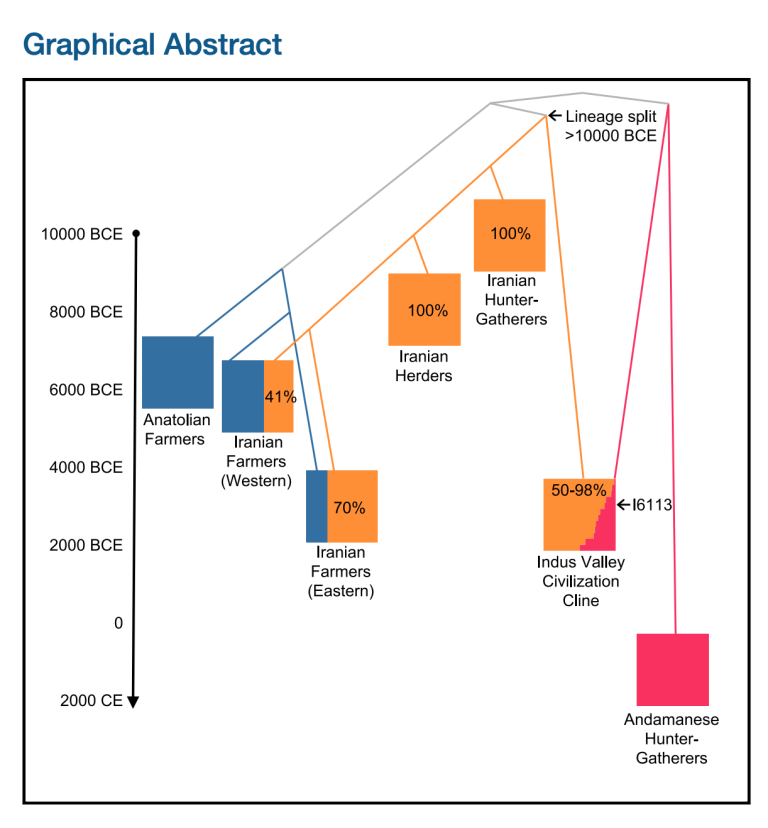
3. 3300-2600 BC: Iranian Farmers mix with local AASI and from Indus Valley Civilization (IVC)
4. People from IVC start moving into India, mixing with AASI further forming Ancestral South Indians (ASI)
4. People from IVC start moving into India, mixing with AASI further forming Ancestral South Indians (ASI)
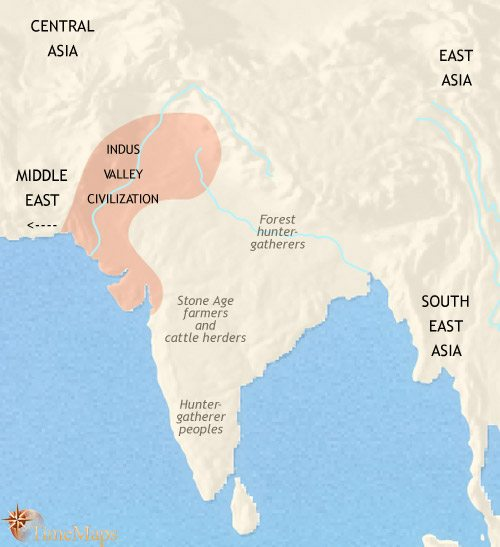
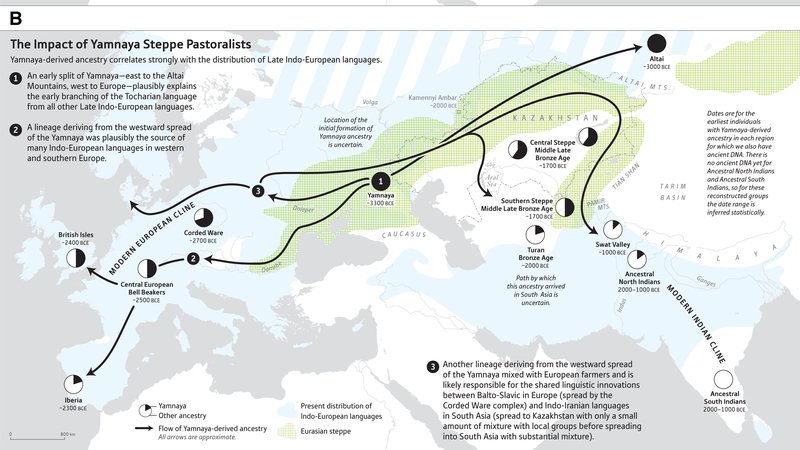
5. 1500 BC: Indo-Aryans from the Eurasian Stepps start mixing with people from IVC (which is dying), forming Ancestral North Indians (ANI) who further go on to develop Vedic Religion and Sanskrit in its fullest form
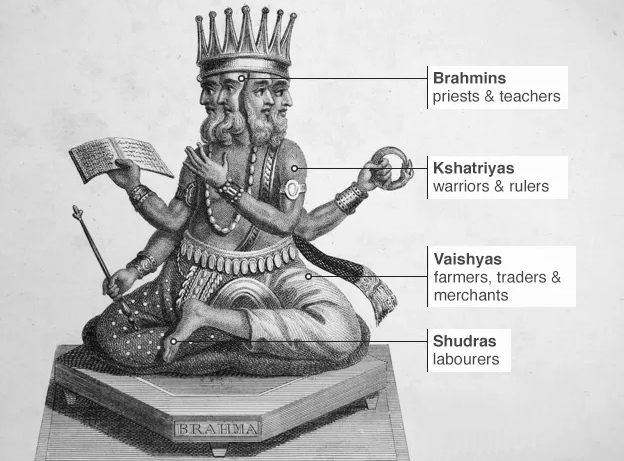
Intermixing between ANI and ASI continues up until Caste System enforces endogamy leading to the preservation of genetic differences as seen among various castes to date
ANI = IVC + Steppe
ASI = IVC + AASI
Modern-day Indians are a mix of ANI and ASI to varying degrees. Kalash People who practice an ancient form of Hinduism are observed to be the most ANI shifted while the Paniyan tribe is closest to ASI
ASI = IVC + AASI
Modern-day Indians are a mix of ANI and ASI to varying degrees. Kalash People who practice an ancient form of Hinduism are observed to be the most ANI shifted while the Paniyan tribe is closest to ASI
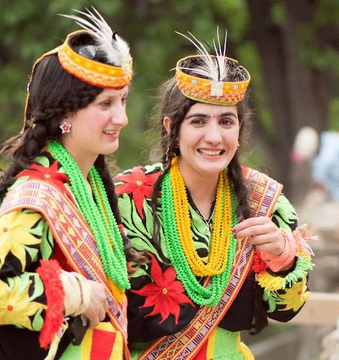
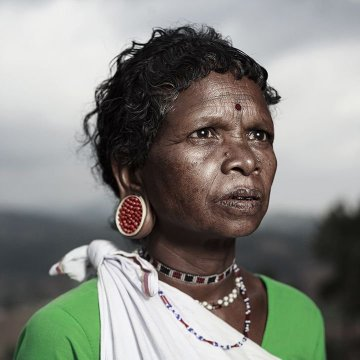
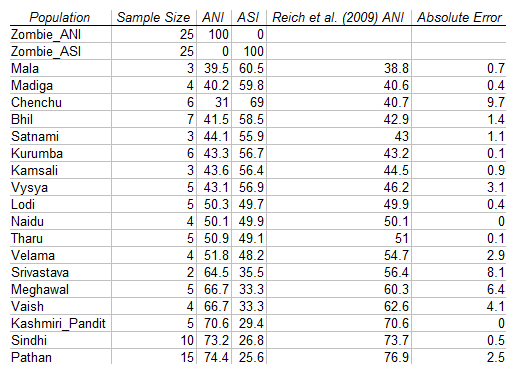
While the sample size is criminally small you can get a rough idea of the genetic composition of Indian groups
Ternary plot of the steppe, Indus, and AASI ancestry by varna (we see brahmins have higher steppe ancestry)
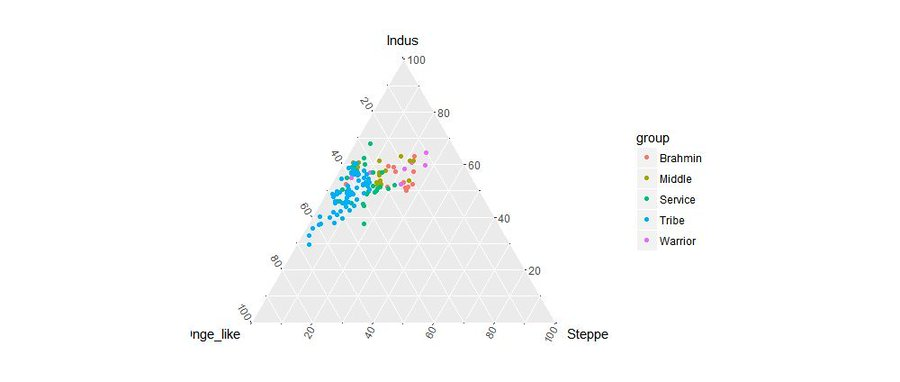
The plot below takes Steppe on the y-axis and Indus_Periphery on the x-axis
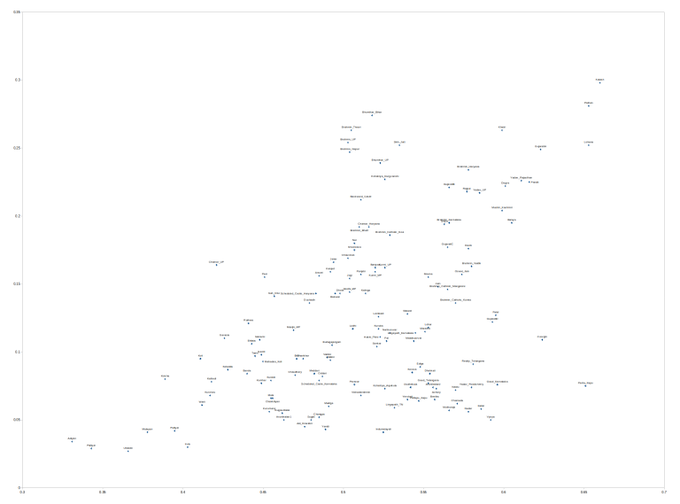
The genetic makeup of an average N.Indian and S.Indian
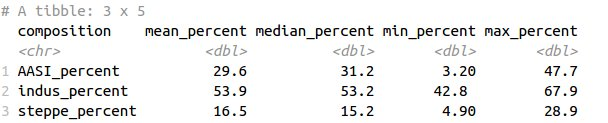

While Steppe and AASI ancestry might vary among Indians from different castes and geography, the Indus ancestry on average remains consistent at 50%
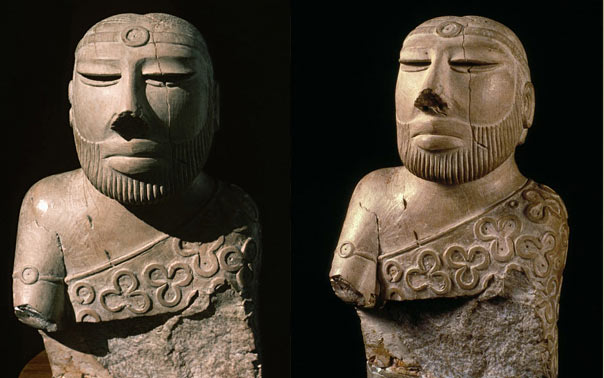
We truly are the sons of Indus.
We truly are the sons of Indus.
Loading suggestions...