
On the morning of August 26th, 1071, the Byzantine Army marched onto the plains of Manzikert in battle formation. Romanos had finally orchestrated the great clash he sought for years. Unknown to the Emperor, the next time the morning Sun graced his face, he would be a captive.
The days leading up to the battle had seen frequent skirmishing. After the initial skirmish on the 23rd, another foraging party was forced to retreat due to Seljuk attacks. Romanos, still unconvinced the whole of Alp’s army was nearby, organized a counterattack under Bryennios.
Bryennios encountered a large force & retreated after seeing the risk of encirclement. These probing attacks & the surprising size of the Seljuk forces didn’t convince Romanos that Alp was near. The next day, the Armenian general Basilakes was sent to beat back the Seljuk forces.
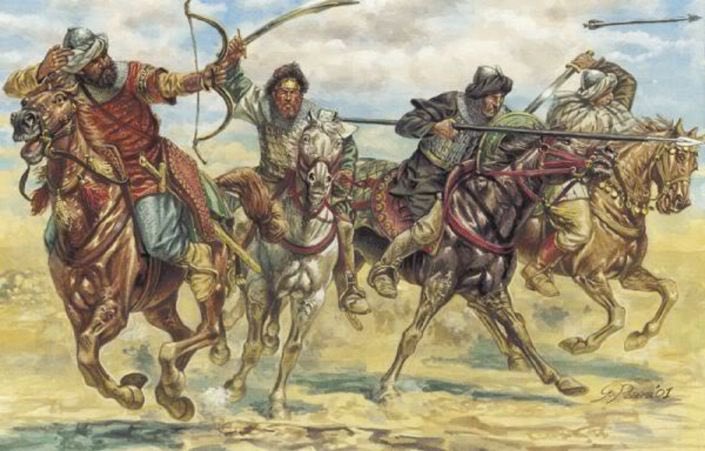
Basilakes & his cavalry were crushed & the general was captured after falling for the classic feign of the steppe riders. Romanos, sensing a greater threat, brought the rest of the army to the field. Bryennios, commanding the left wing, was sent forward in another attack.
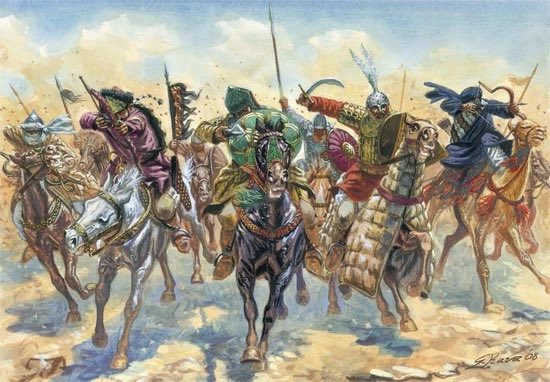
Bryennios pursued the Turks into the hills. Reaching the spot of Basilakes’ ambush he found a wounded survivor who told him of Basilakes’s fate. The Turks attempted to encircle Bryennios, but he controlled his withdraw, even forcing the Turks to retreat by a series of charges.
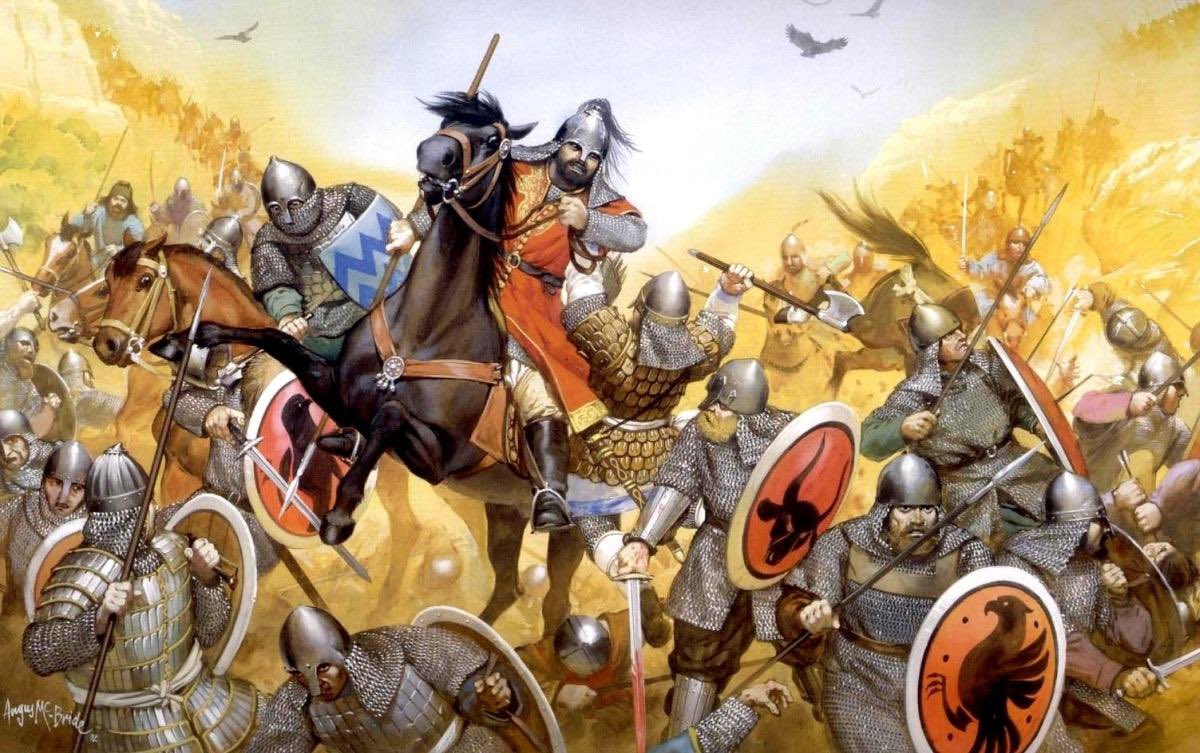
Bryennios & his exhausted men reached camp that evening. Bryennios had two arrows stuck in the armor on his back & a spear wound on his chest. Romanos’s failure to gauge his enemy’s strength & scout their positions cost him precious time & mauled his men.
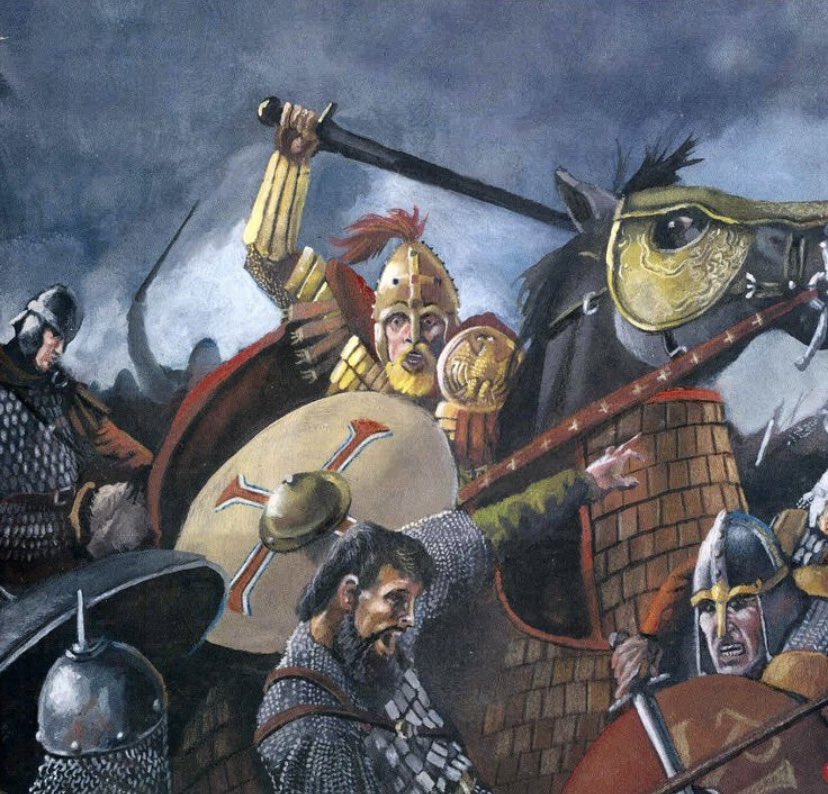
The Seljuks retired to the hills and hid, preventing Romanos’ readied army & overdue scouts from locating them. Adding to the confusion, some Oghuz mercenaries encountered a Seljuk force while meeting with local traders & withdrew to the Imperial Camp in disorder.
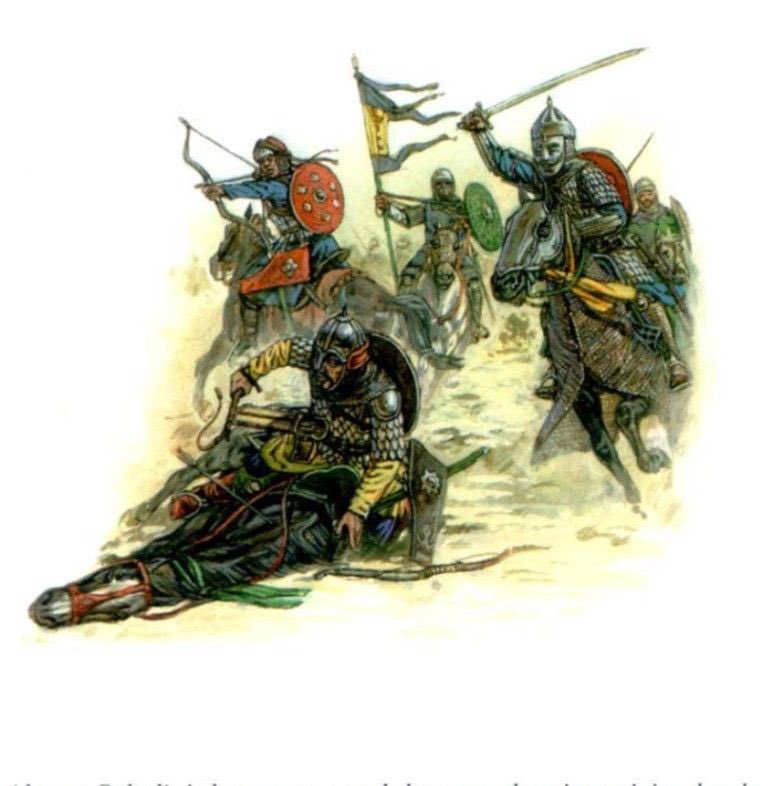
Panic spread as the Byzantines could hardly distinguish the Seljuks from their mercenaries in the dying light, believing a large attack on their camp was underway. On the morning of the 25th the Seljuks attempted to seize the river bank near the Imperial Camp but were driven off.
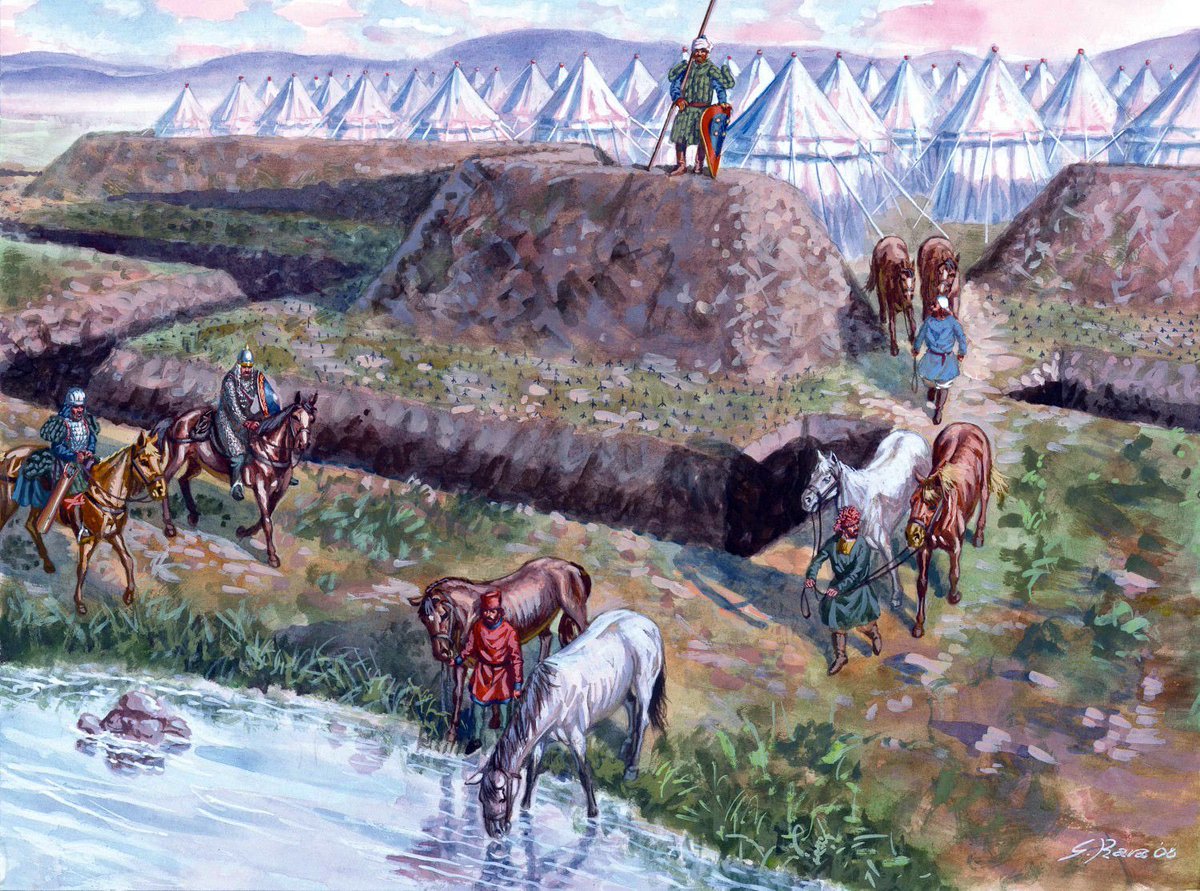
However, soon after, some of Romanos’s Turkic mercenaries encountered the Seljuks & deserted in force. This severely weakened Romanos’s army. The Byzantines were now without many horse archers, a critical component of their force & necessary to counteract the nimble Seljuks.
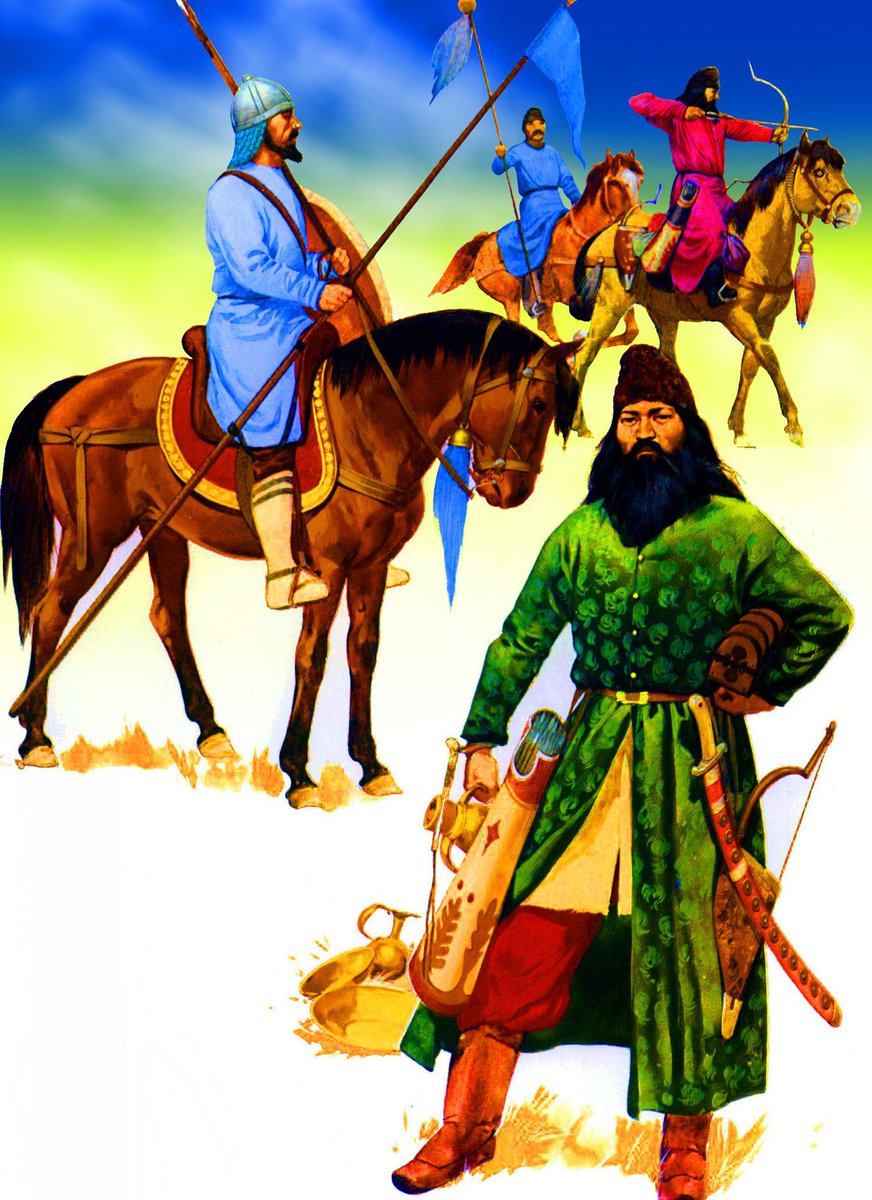
Despite this, the Seljuks remained cautious. Romanos still had a massive & powerful army. Also, Alp knew the 20,000 men dispatch to Khliat could rejoin Romanos eventually, trapping him in the mountains. This was compounded by the fact the rolling plains were littered with stones.
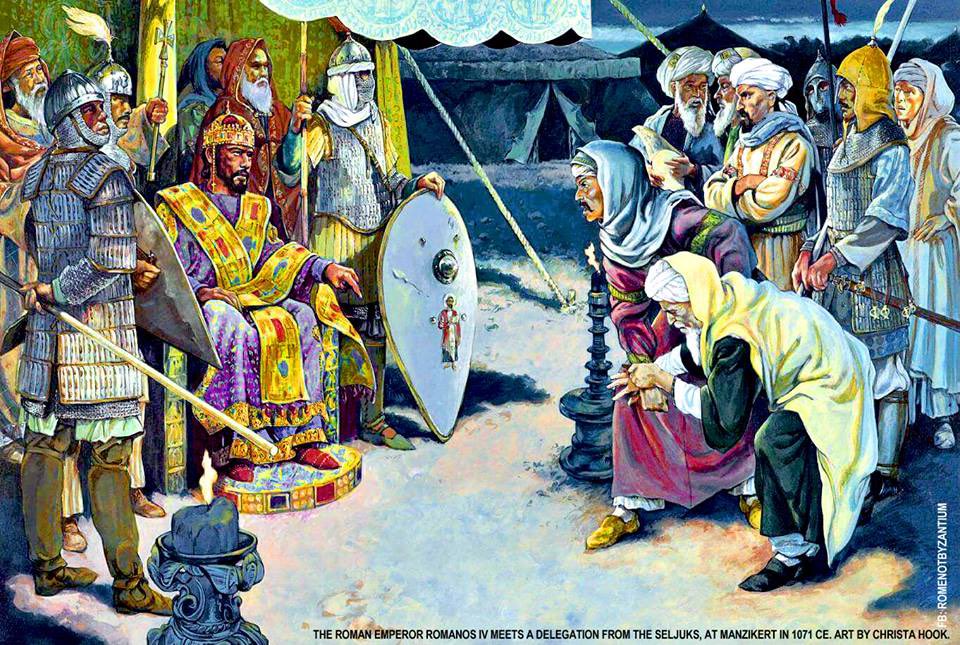
These stones hampered the freedom of maneuver of cavalry, a disadvantage for the Seljuks. Alp sent a peace delegation to Romanos who demanded too much, insulting the Seljuks. It’s possible Romanos believed they were a ploy by Alp to buy time & gather troops.
Now Romanos understood he was facing Alp & the bulk of his army. He dispatched messages to Khliat to bring the other half of the army to Manzikert, but it was too late. Despite compounding issues Romanos believed he could win. His army was larger, professional, & organized.
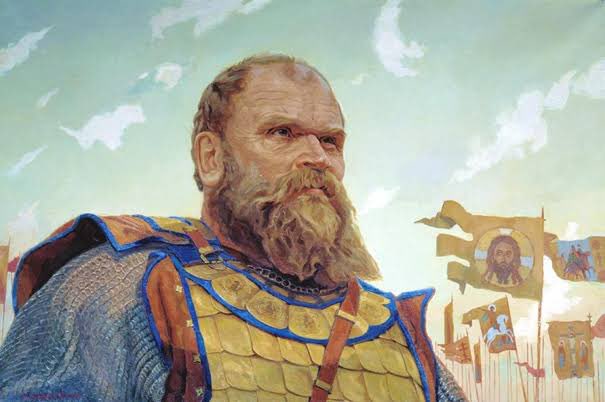
Romanos also benefitted from a good reputation on the battlefield & had many experienced generals like Bryennios. With this in mind, Romanos met the rising Sun on August 26th at the head of his army, arrayed in the panoply of war.
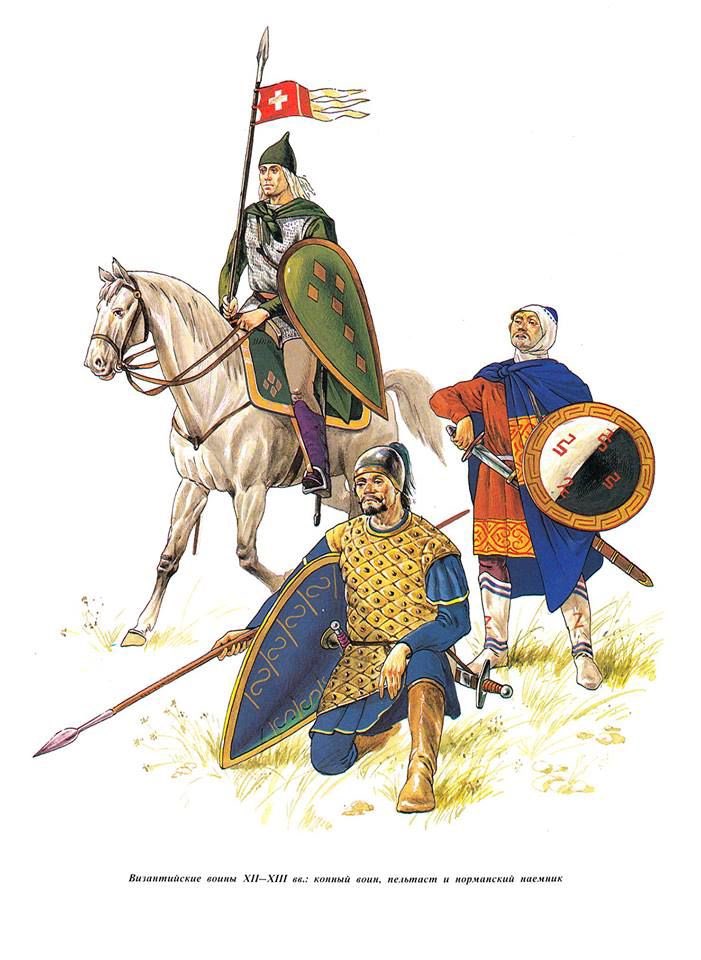
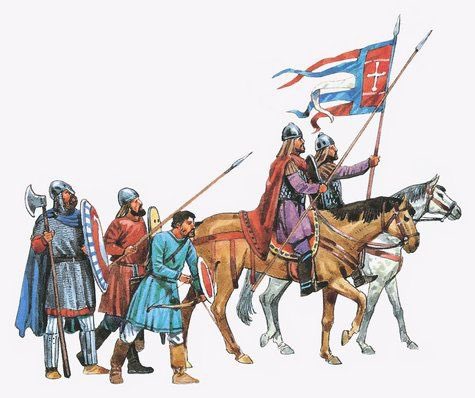
The left wing (the western Tagmata) was commanded by Bryennios, the right wing (Cappadocian & Anatolian troops) were under Theodore Alyates. The Emperor personally commanded the center, the guard units (Varangians, Scholai, etc.) & Armenian heavy infantry making up the bulk.
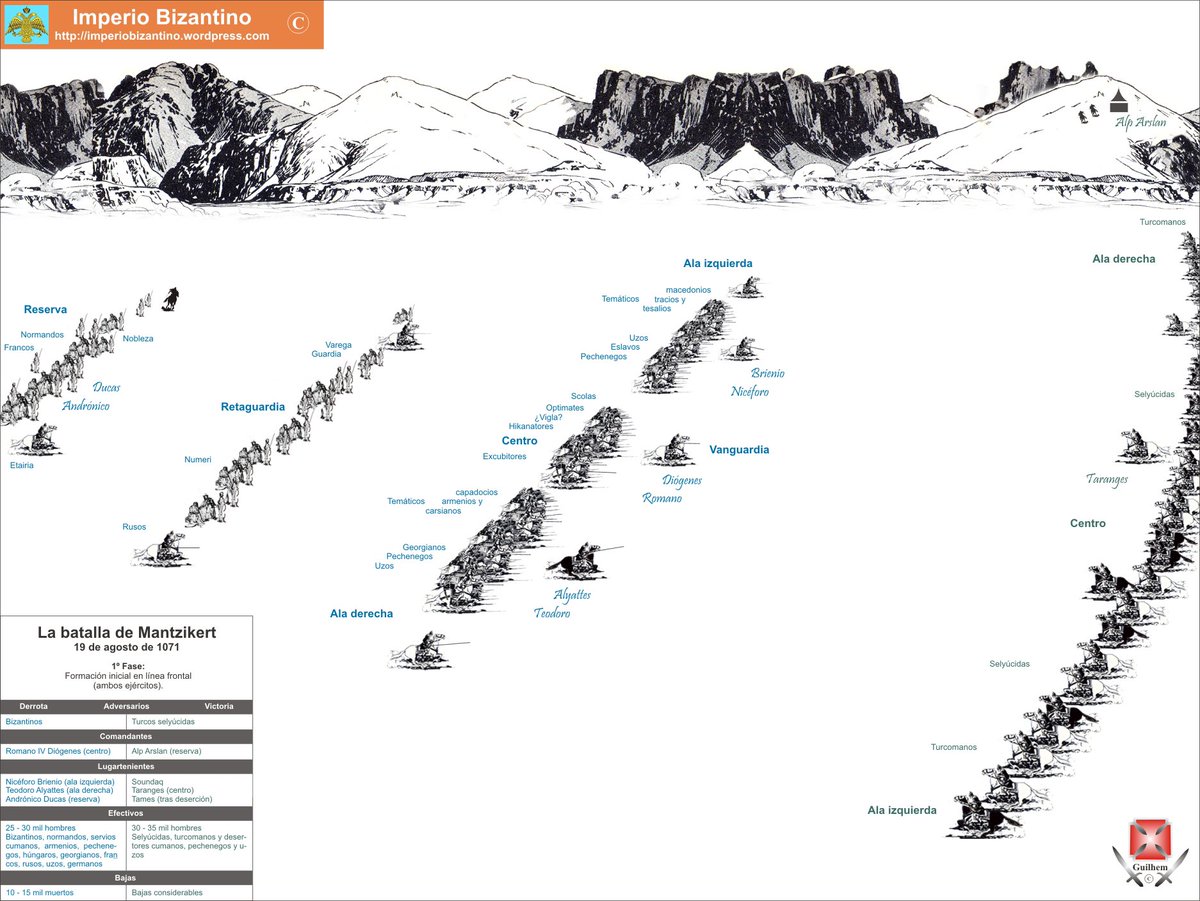
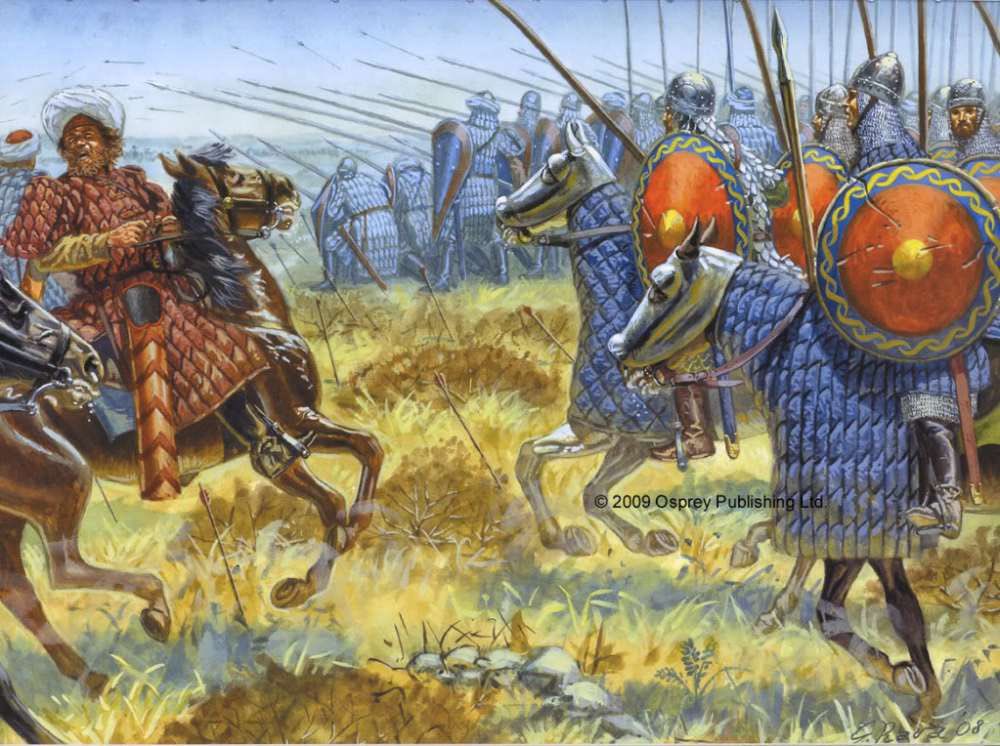
The heavy cavalry not sent to Khliat also joined the center. The remaining Turkic riders guarded the flanks. Romanos had wisely left a rearguard to reinforce his army & prevent encirclement. However, he put it under command of his sworn enemy, Andronikos Dukas, a grave mistake.
The Byzantines marched across the parched plain, overrunning the Seljuk camp by mid-afternoon. However, the Seljuks harried the Byzantine lines with arrows & pressed on the wings. The Byzantines grew ragged as the center pushed forward & the wings broke up under constant pressure
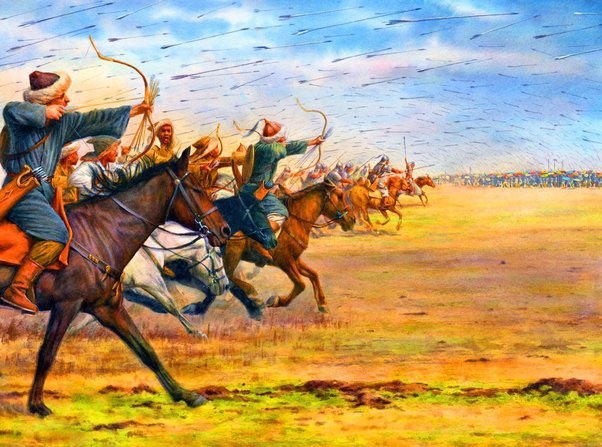
After plundering the Seljuk camp, Romanos called for the army to return to camp for the night, failing to bring the Seljuks to a decisive action. Here disaster struck. Losses thus far had been minimal, but the orders were confused.
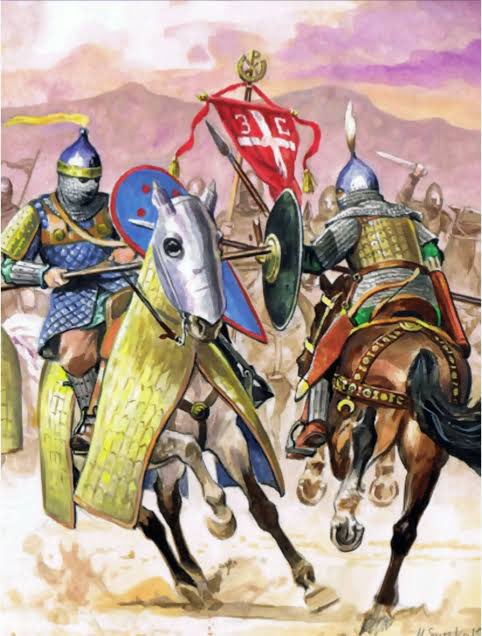
Rumors spread on the right wing that the Emperor had fallen & panic ensued. The rearguard under Doukas, necessary to cover an orderly retreat, deliberately left the field in an act of brazen treachery. Romanos was left at the mercy of the circling Seljuks.
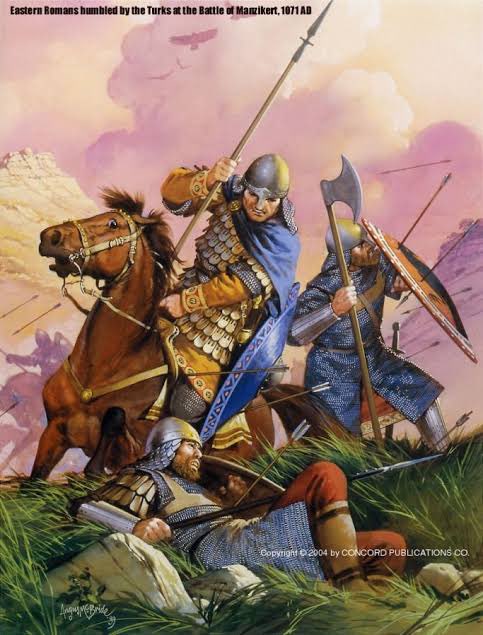
The Seljuks recognized what was happening & pressed their advantage, shattering the right wing. Bryennios wisely began an ordered withdrawal but was flanked in the rear & his units too began to break up & flee. Romanos attempted to rally the center around his standard.
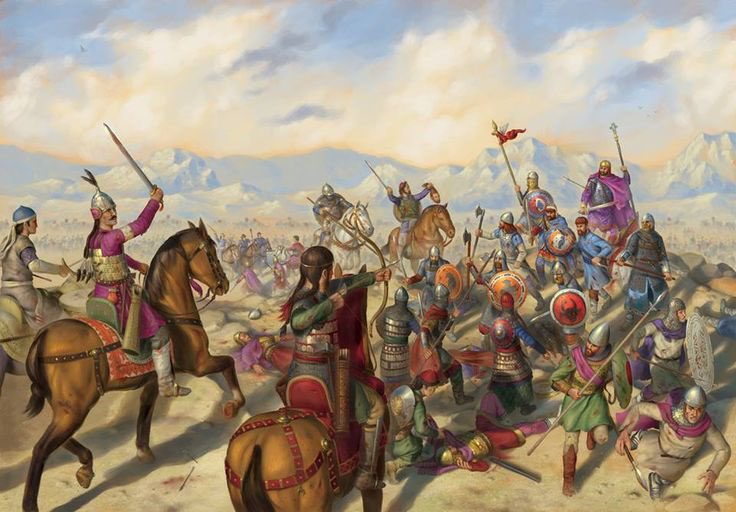
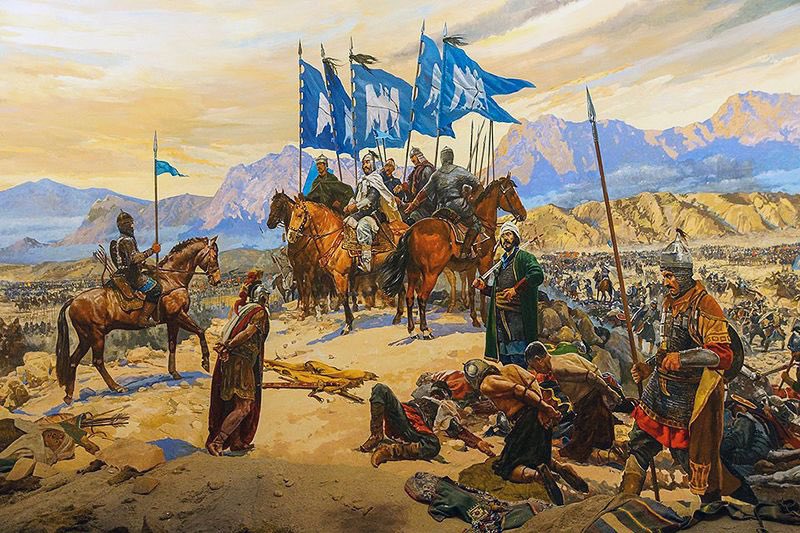
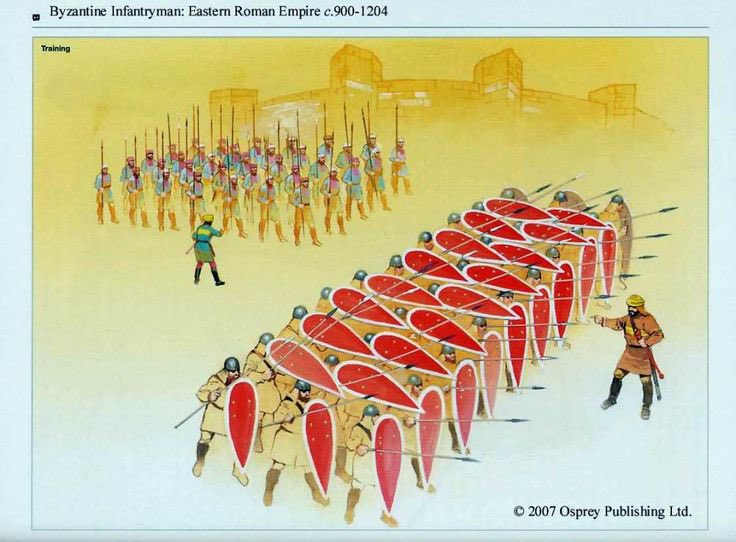
Much of the center fled the field piecemeal, but the Armenians & Palace Guard weathered the Turkish barrage, locking their shields around the emperor, Romanos praising their courage. Romanos & these men made a final stand, completely surrounded, well into the night.

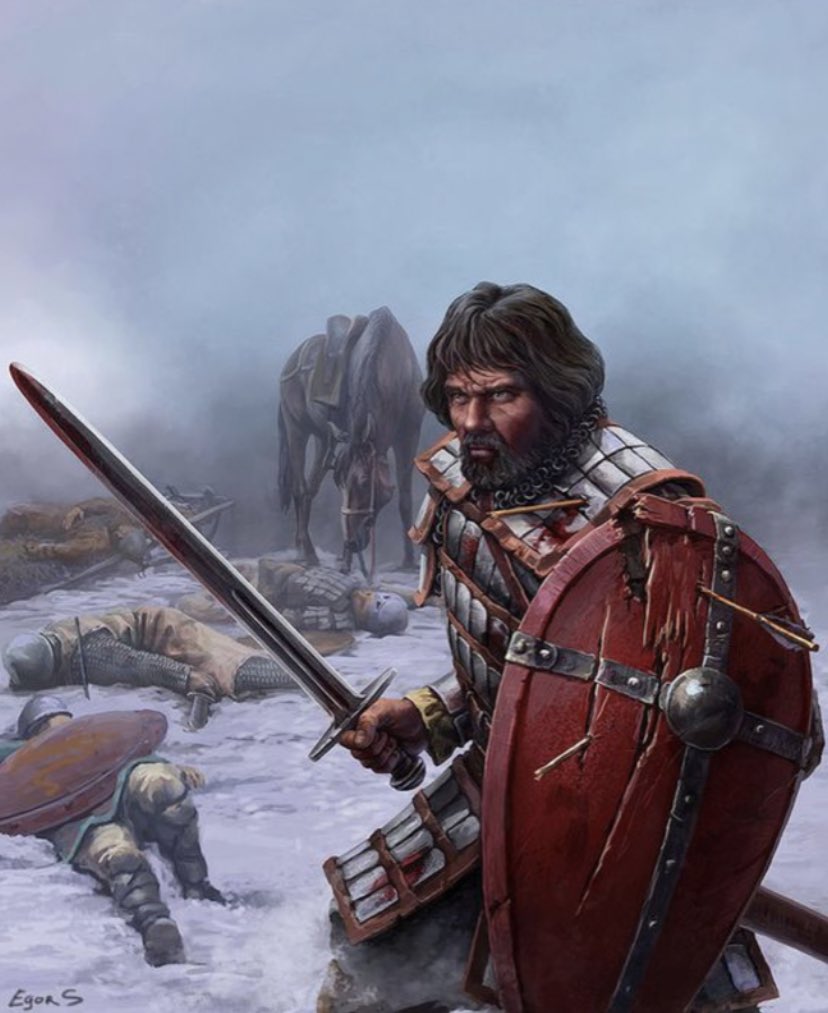
The Armenians & Varangians made the Seljuks pay dearly as the noose tightened. Arrows poured down on them, spears were shattered, & the din of battle echoed across the moon-lit plain. Romanos, injured, fought fiercely. The Emperor’s horse was killed under him, & yet he fought on.
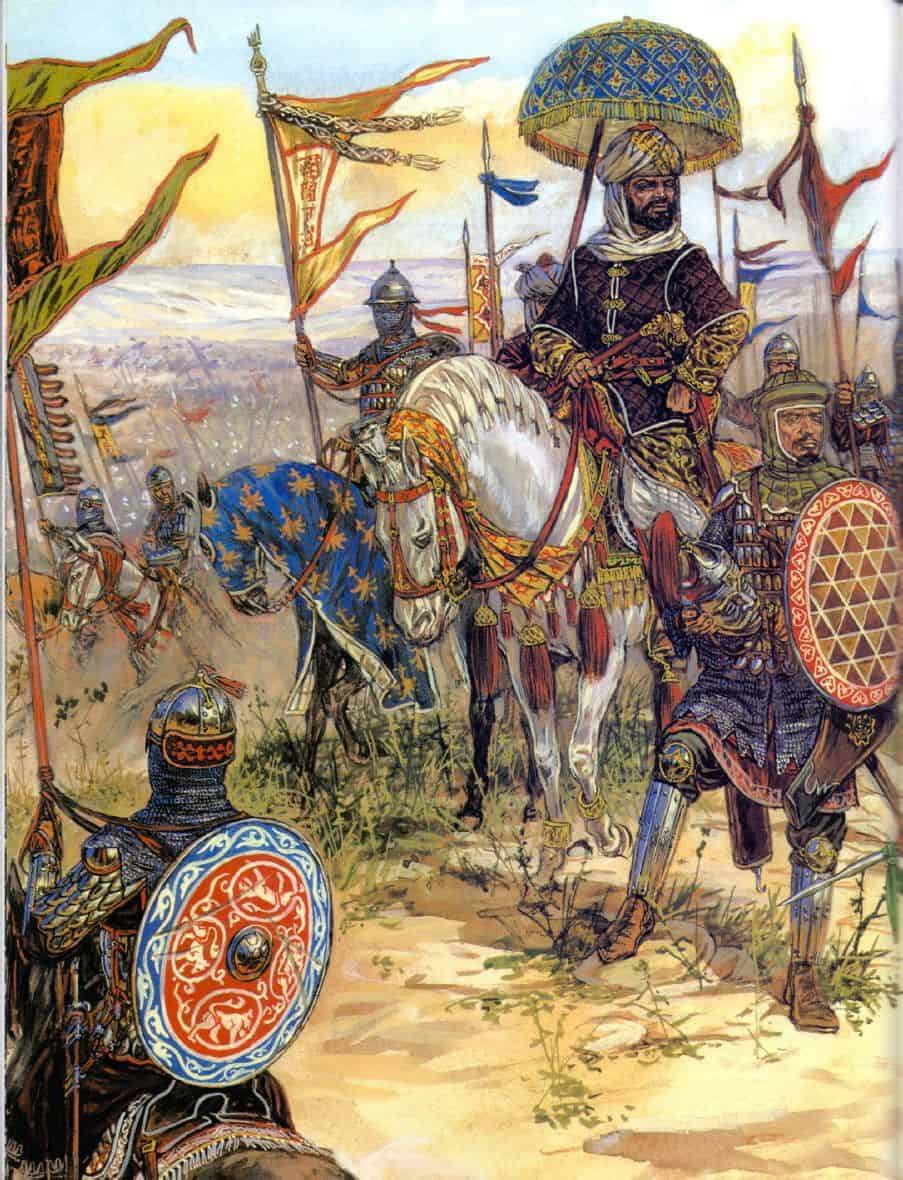
Alp directed his men from a nearby hill & had wisely relied on the elusive tactics that were mainstays of his warriors, making use of Romanos’s blunders. Alp also worked to build unity & morale, earlier appearing in white funerary robes to show his willingness to die in battle.
On the morning of August 27th, Seljuk soldiers looted the dead & found the injured Romanos, surrounded by his fallen guard. When they took him before Alp he didn’t believe this warrior, caked in blood & dirt, could be the Byzantine Emperor.
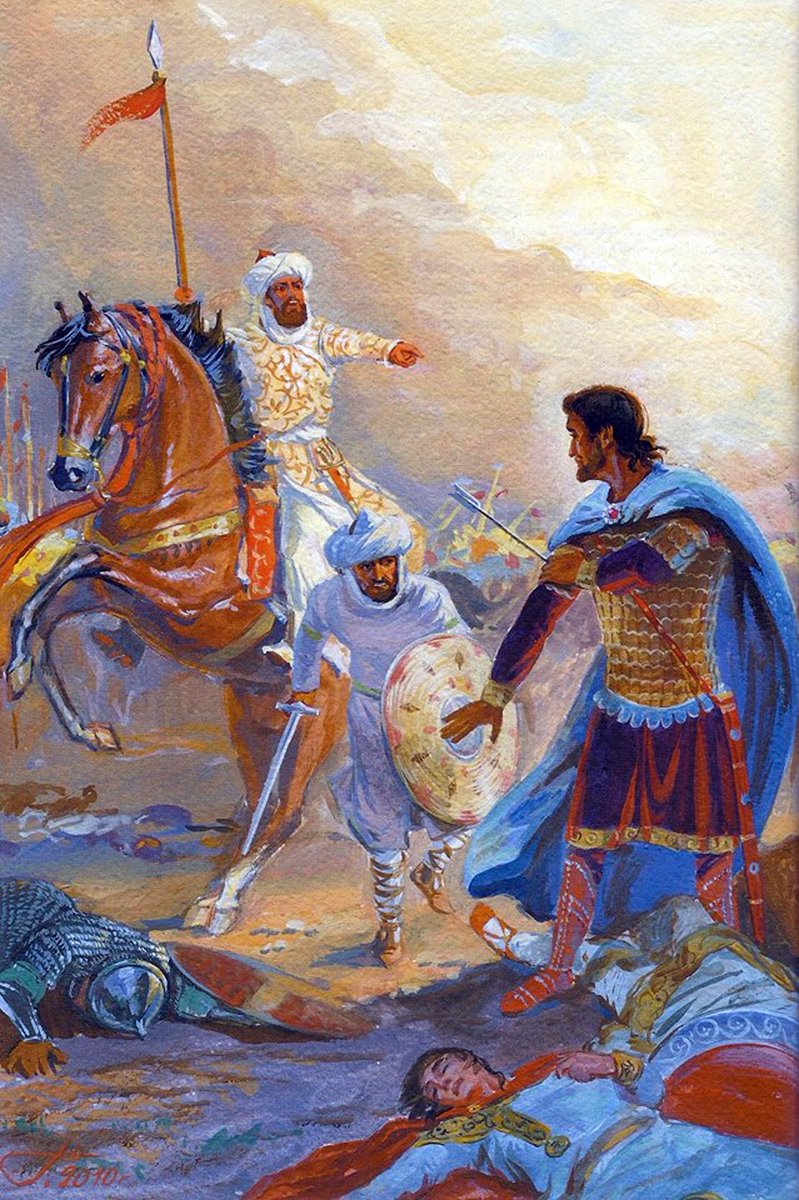
Once convinced of Romanos’s identity, Alp placed his boot on his neck & forced him to kiss the ground. Alp treated the emperor with kindness during his weeklong stay in the Seljuk camp, even dining with the Emperor at his table. A conversation between the two men is recorded.
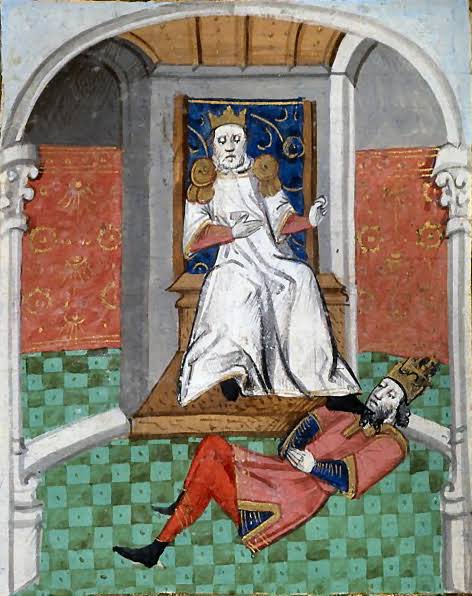
Alp asked, “What would you do if I were brought before you as a prisoner?" Romanos replied, “Perhaps I'd kill you, or exhibit you in the streets of Constantinople."
Alp responded, "My punishment is far heavier. I forgive you, and set you free."
Alp responded, "My punishment is far heavier. I forgive you, and set you free."
Loading suggestions...