

99% of what you have been told about sleep is wrong.
Here are the 11 biggest sleep myths keeping you from getting the rest you need:
Here are the 11 biggest sleep myths keeping you from getting the rest you need:
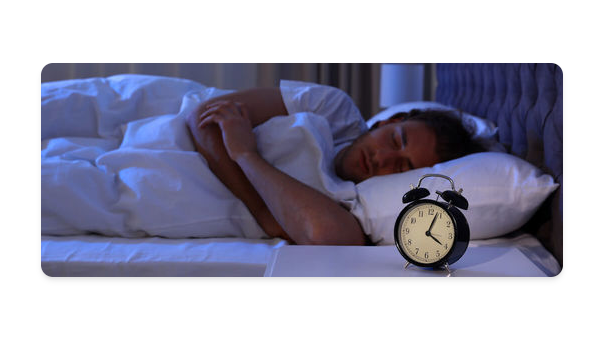
1. It doesn’t matter when you get 8 hours
It is best to sleep when the sun is down. Many studies have shown that people who sleep during the day are more prone to heart attacks, strokes, and all-cause mortality. Get your sleep at night.
It is best to sleep when the sun is down. Many studies have shown that people who sleep during the day are more prone to heart attacks, strokes, and all-cause mortality. Get your sleep at night.
2. You can catch up on sleep
Every time you have a bad or shortened night of sleep you disrupt hormones. There is no catching up on sleep. Napping can get you through a rough day but is not a substitute for sleep at night.
Every time you have a bad or shortened night of sleep you disrupt hormones. There is no catching up on sleep. Napping can get you through a rough day but is not a substitute for sleep at night.
3. Your body gets used to less sleep
Lack of sleep has short and long term effects. Long periods of insufficient sleep can harm your metabolism, heart, immune system, mental health, and hormone production.
Lack of sleep has short and long term effects. Long periods of insufficient sleep can harm your metabolism, heart, immune system, mental health, and hormone production.
4. You can get by on less than 7-9 hours
Unless you are a genetic freak you need the same amount as everyone else. Certain genetic mutations allow a person less sleep, but they are very rare. About 1 in 4 million people have this mutation, you likely don't. Get 7-9 hours.
Unless you are a genetic freak you need the same amount as everyone else. Certain genetic mutations allow a person less sleep, but they are very rare. About 1 in 4 million people have this mutation, you likely don't. Get 7-9 hours.
5. Snoring is normal
Infrequent snoring is usually harmless, but consistent loud snoring is often a sign of sleep apnea. This increases your risk of heart disease and diabetes. You are also more likely to have fatigue and impaired performance.
Infrequent snoring is usually harmless, but consistent loud snoring is often a sign of sleep apnea. This increases your risk of heart disease and diabetes. You are also more likely to have fatigue and impaired performance.
6. There’s nothing you can do about snoring
There are lifestyle changes that can be made to improve snoring. Losing weight is the most important. Cleaning up your diet and exercising more can reduce your snoring and increase the happiness of your partner.
There are lifestyle changes that can be made to improve snoring. Losing weight is the most important. Cleaning up your diet and exercising more can reduce your snoring and increase the happiness of your partner.
7. Using an alarm is no big deal
If you are having to use an alarm every day you probably aren’t getting enough sleep. Move your bedtime earlier so that you naturally wake up when you need to. Set an alarm as a backup, but you shouldn’t be relying on it every day.
If you are having to use an alarm every day you probably aren’t getting enough sleep. Move your bedtime earlier so that you naturally wake up when you need to. Set an alarm as a backup, but you shouldn’t be relying on it every day.
8. Alcohol is a good sleep aid
Alcohol may assist with someone falling asleep, but it interferes with REM sleep. The REM cycle can be shortened or extended due to alcohol leading to a disruption of sleep cycles. Best to stop drinking a few hours before bed.
Alcohol may assist with someone falling asleep, but it interferes with REM sleep. The REM cycle can be shortened or extended due to alcohol leading to a disruption of sleep cycles. Best to stop drinking a few hours before bed.
9. Using the snooze will get you more sleep
Using the snooze button can make you feel more tired. Entering and exiting a sleep cycle each time you doze will cause you to feel groggy when you finally do get up. Set your alarm for when you need to get up and stop hitting snooze.
Using the snooze button can make you feel more tired. Entering and exiting a sleep cycle each time you doze will cause you to feel groggy when you finally do get up. Set your alarm for when you need to get up and stop hitting snooze.
10. It's ok if you throw out your sleep routine on the weekend
Constant shifting of sleep schedules prevents you from developing a good circadian rhythm. Keep a consistent schedule throughout the week.
Constant shifting of sleep schedules prevents you from developing a good circadian rhythm. Keep a consistent schedule throughout the week.
11. Exercise at night disrupts sleep
The thinking that exercise will amp you up is false. Research shows no adverse effects of nighttime exercise. It might even have some benefits. If right before bed is your only time to exercise then go for it.
The thinking that exercise will amp you up is false. Research shows no adverse effects of nighttime exercise. It might even have some benefits. If right before bed is your only time to exercise then go for it.
Loading suggestions...