
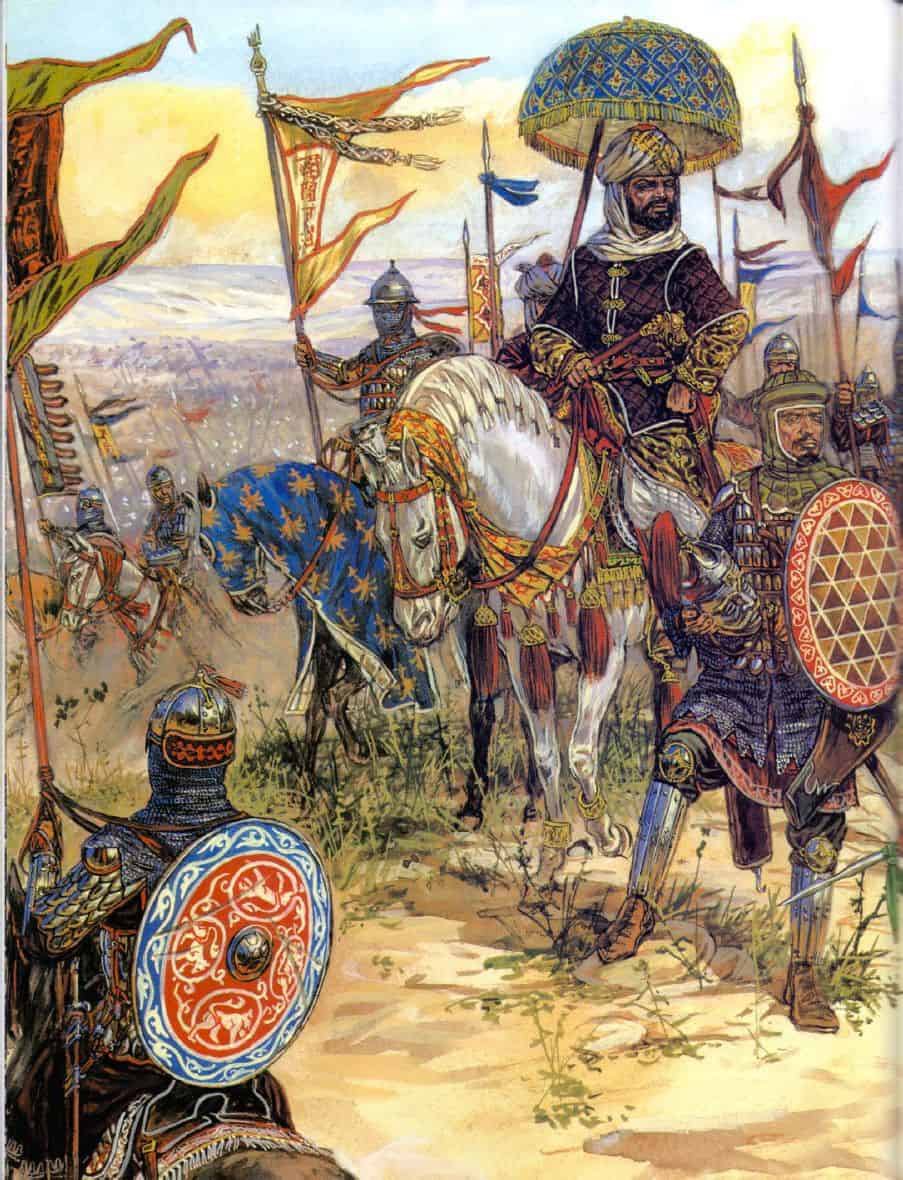
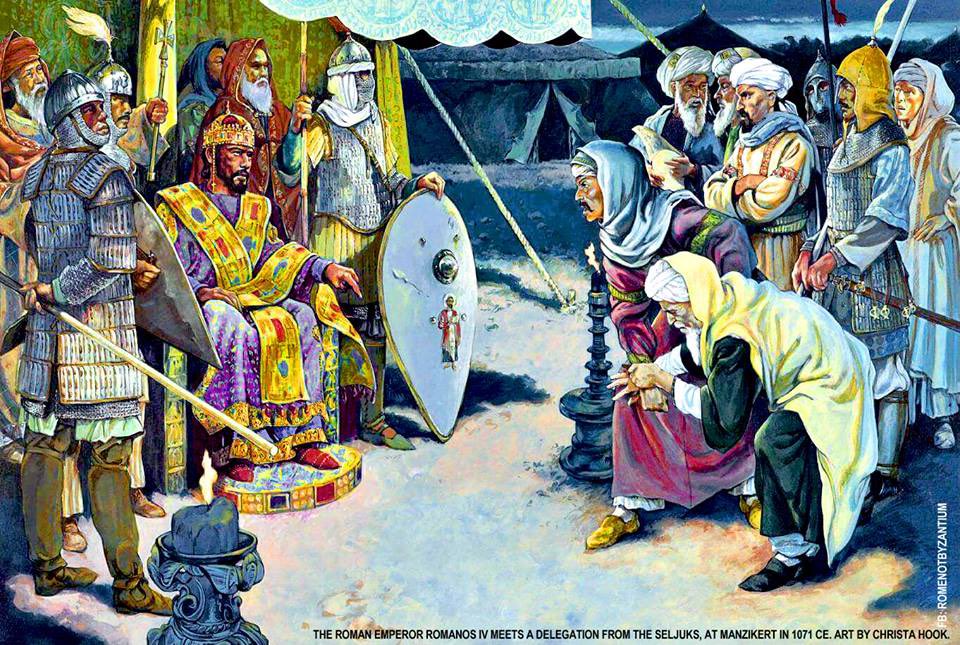
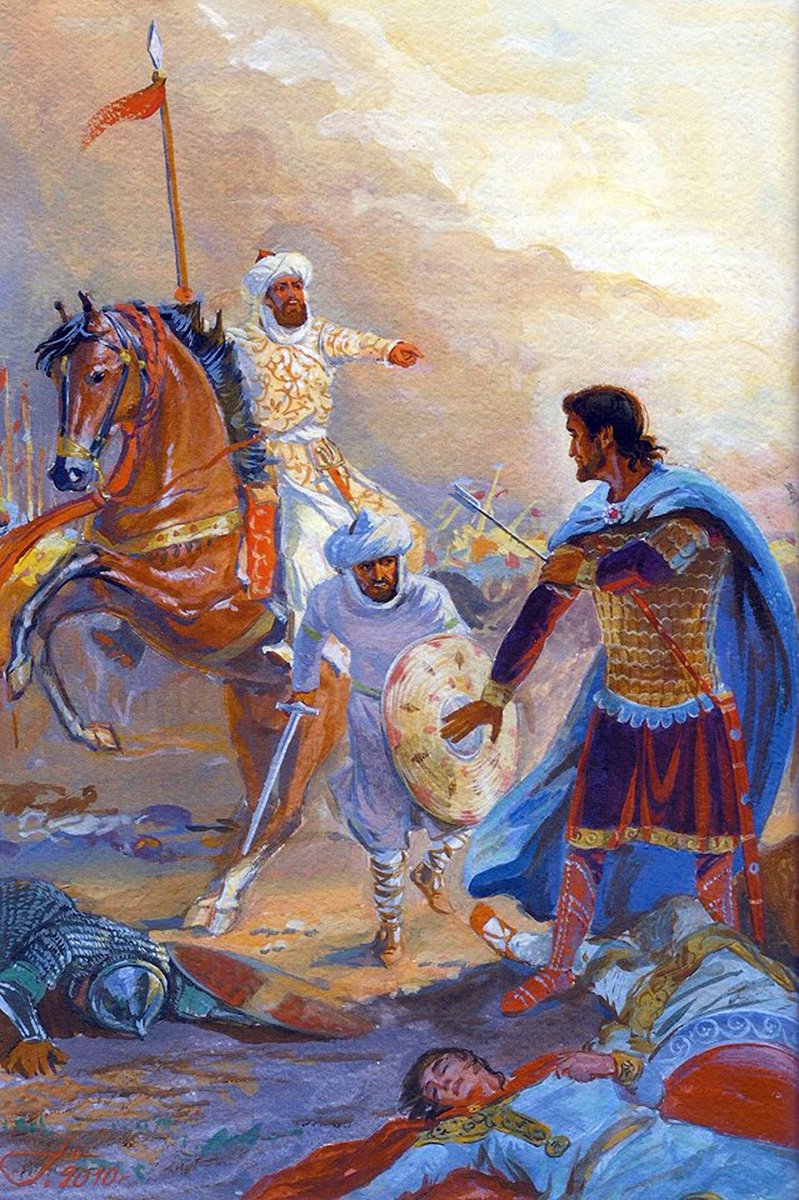
After a week at the Seljuk camp, Romanos was freed & made his way to Theodosiopolis. His clothes were ruined at the Battle of Manzikert & so he wore Seljuk robes gifted to him by the Sultan. Riding with an escort of 100 Mamluks & two emirs, he mustn’t have cut a Byzantine image.
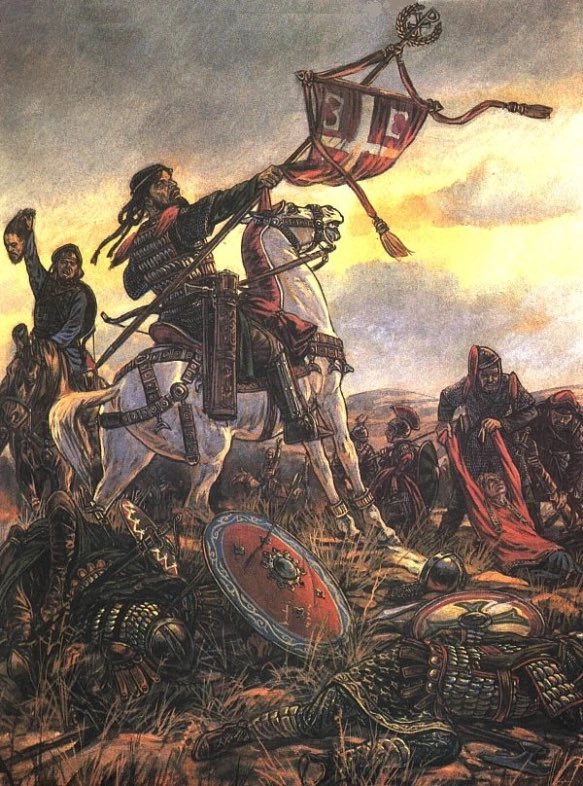
The first thing Romanos did was change into Byzantine garb & begin rallying the soldiers & officers of the garrison to his banner. Romanos’s loyal Varangians had died nearly to a man protecting him during the battle & so he started this endeavor at a disadvantage.
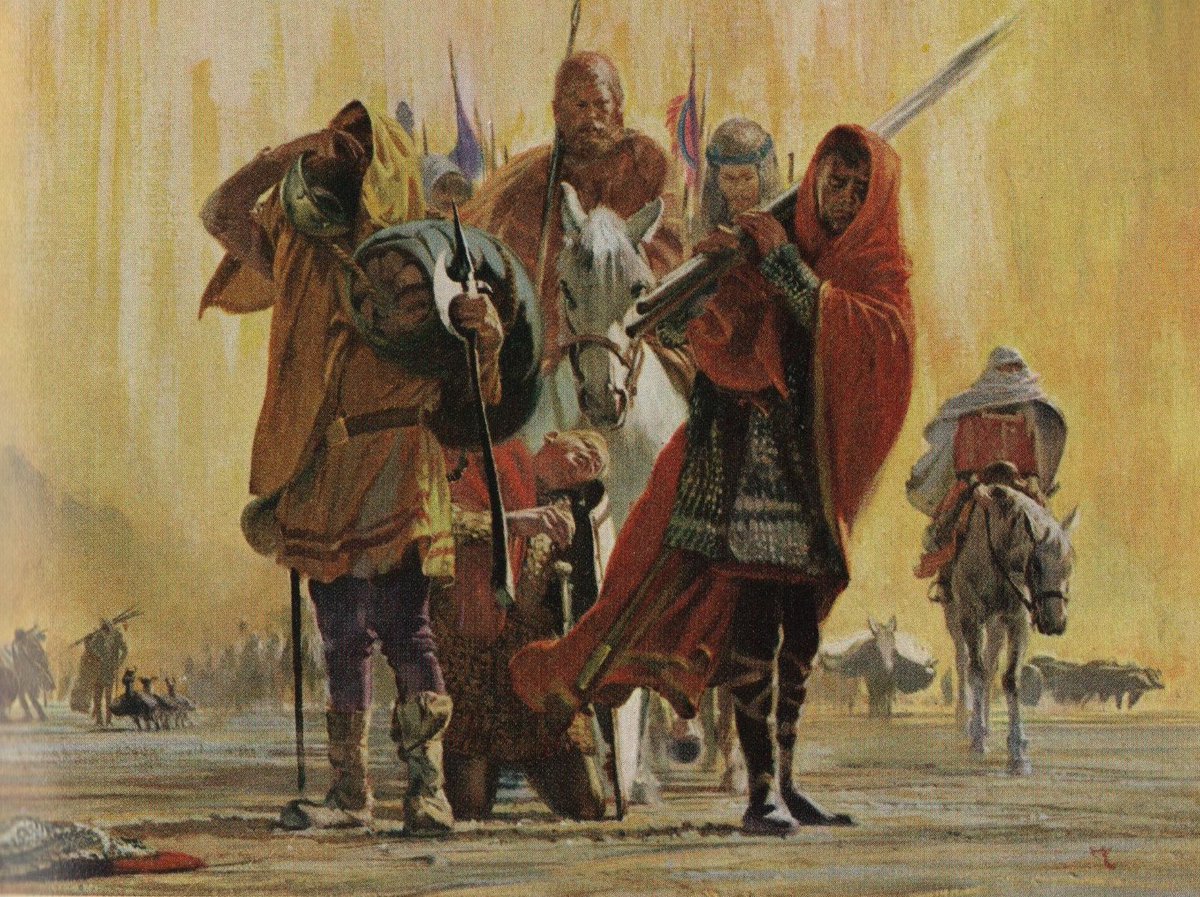
Romanos, ever guileless, was perhaps unaware of the storm clouds gathering over the Empire. He agreed to a damning peace. Antioch, Edessa, Hierapolis, & Manzikert were to be surrendered. Alp demanded a ransom payment of 1.5 million gold pieces, & an annual sum of 360,000 coins.
However, things could have been far worse. Alp left the Anatolia core of the Empire untouched & even proposed a marriage alliance between his son and Romanos’ daughter, a chance to draw the two empires into a more peaceful coexistence.
This hope faded in the face of Byzantine disunity. Doukas, after fleeing the battlefield, spread the rumor that Romanos had been killed. The Doukas clan convinced Michael VII, the junior Emperor, to declare Romanos deposed & refused to honor the treaty Romanos & Alp ratified.
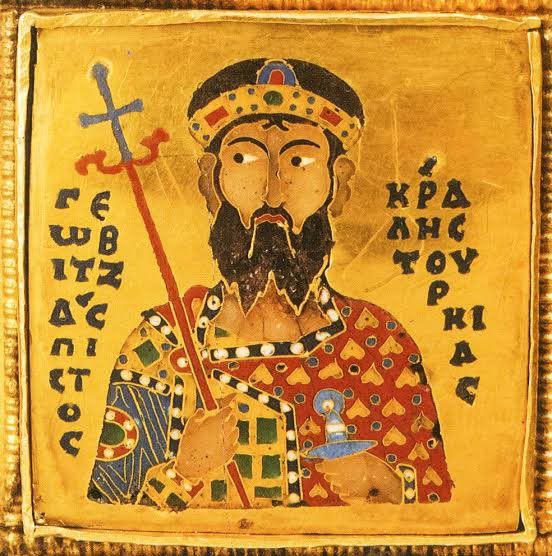
As Romanos travelled toward the capital he gathered troops loyal to his cause. Theodore Alyates & his men, regrouped after the disaster at Manzikert, rallied to his banner. Romanos’s small force was defeated near Dokeia.
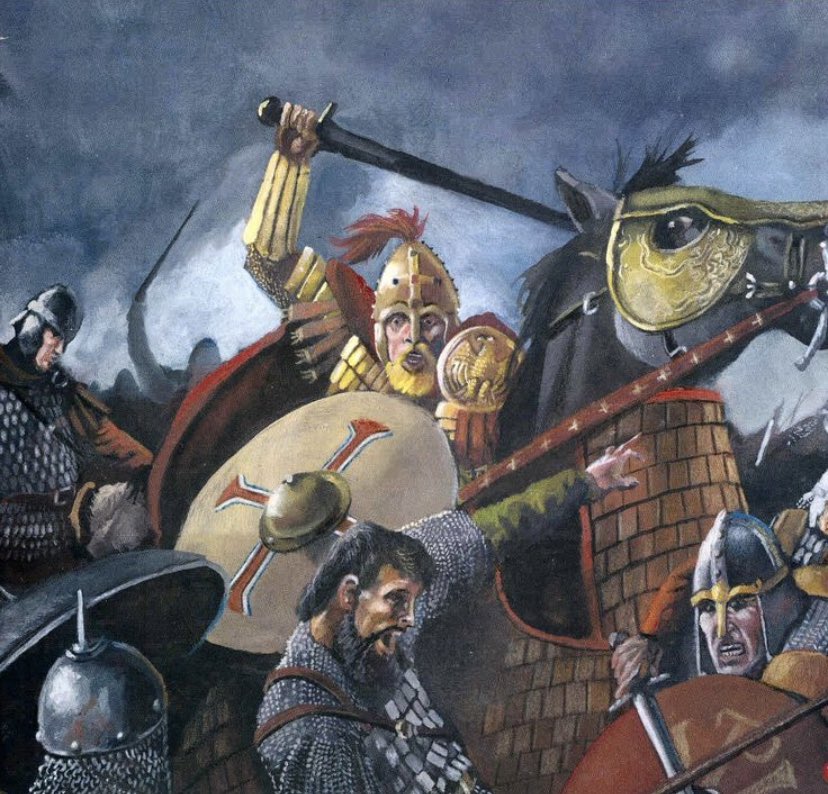
Alyates was blinded by a Norman, Crispin, with tent pegs. This was vengeance for his imprisonment at Romanos’s hands. The Emperor retreated to the fortress of Adana in Cilicia. Surrounded by Doukid troops, Romanos agreed to surrender if allowed to retire unharmed to a monastery.
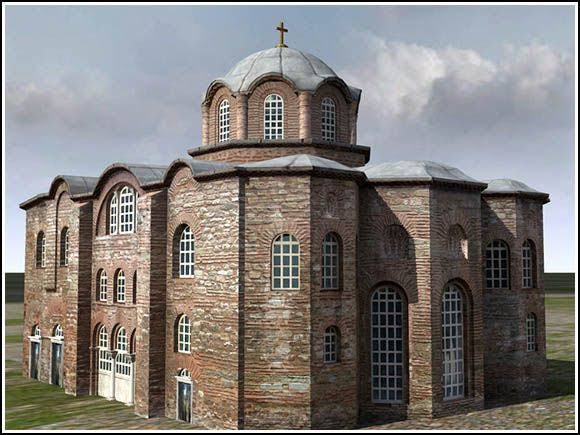
Romanos gathered all the gold he could find & sent it to Alp as a token of goodwill toward their agreement, writing, “As emperor, I promised you a ransom of 1,500,000. Dethroned, & about to become dependent upon others, I send you all I possess as proof of my gratitude.”
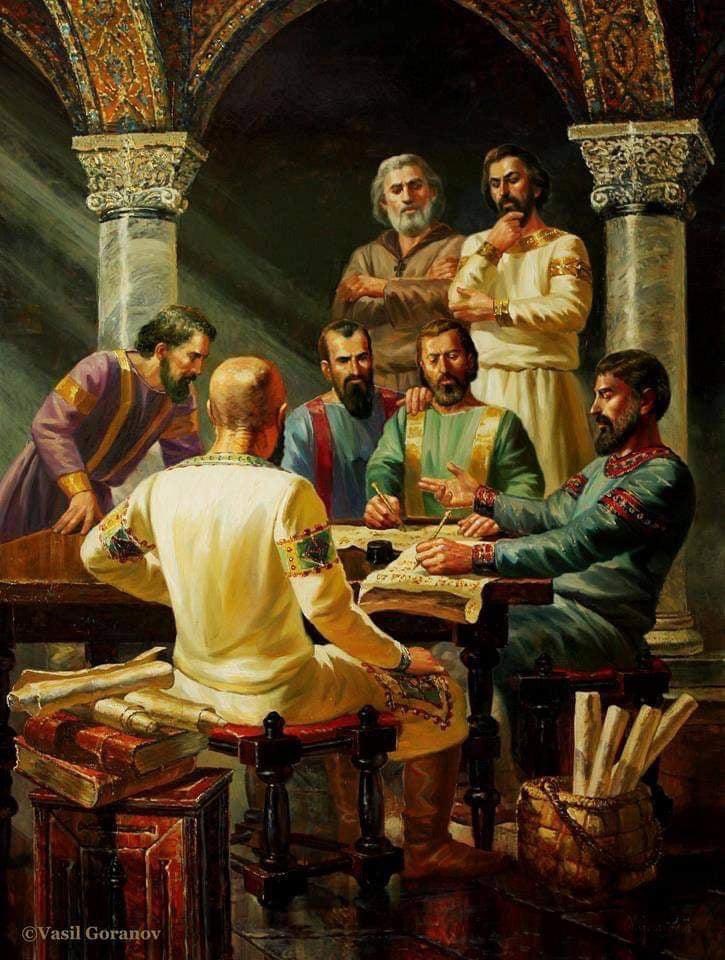
Romanos abdicated in October 1071. However, the Doukids, seeing him as a threat, blinded him in June 1072. Romanos plead for mercy & found none. Attaleiates wrote, “his eyes were drenched with blood, a pathetic and pitiable sight that made everyone who saw it cry uncontrollably.”
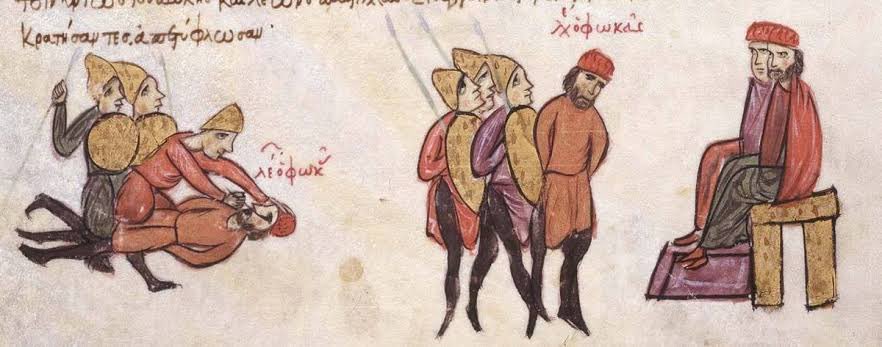
In exile the wounds soon became infected & Romanos suffered a long, painful death. Psellos, a famous courtier, smugly
congratulated him on his blinding that “God found him worthy of a higher light.” Romanos died praying for the forgiveness of his sins. He was 42 years old.
congratulated him on his blinding that “God found him worthy of a higher light.” Romanos died praying for the forgiveness of his sins. He was 42 years old.
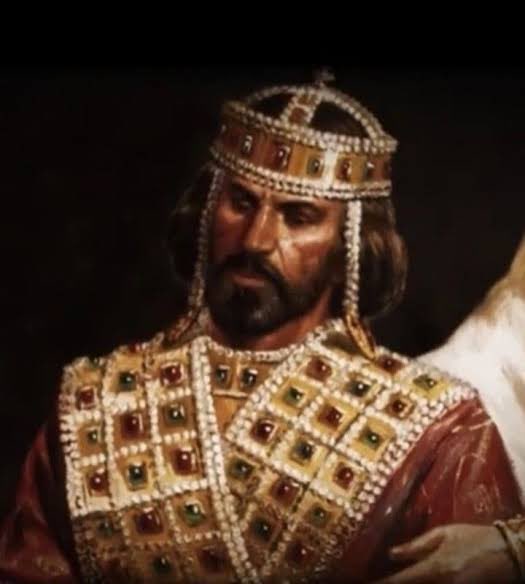
His widow Eudokia was allowed to hold a lavish funeral for the deposed Emperor. This may have been out of genuine love for the charismatic general & Emperor who only wished to protect his people.
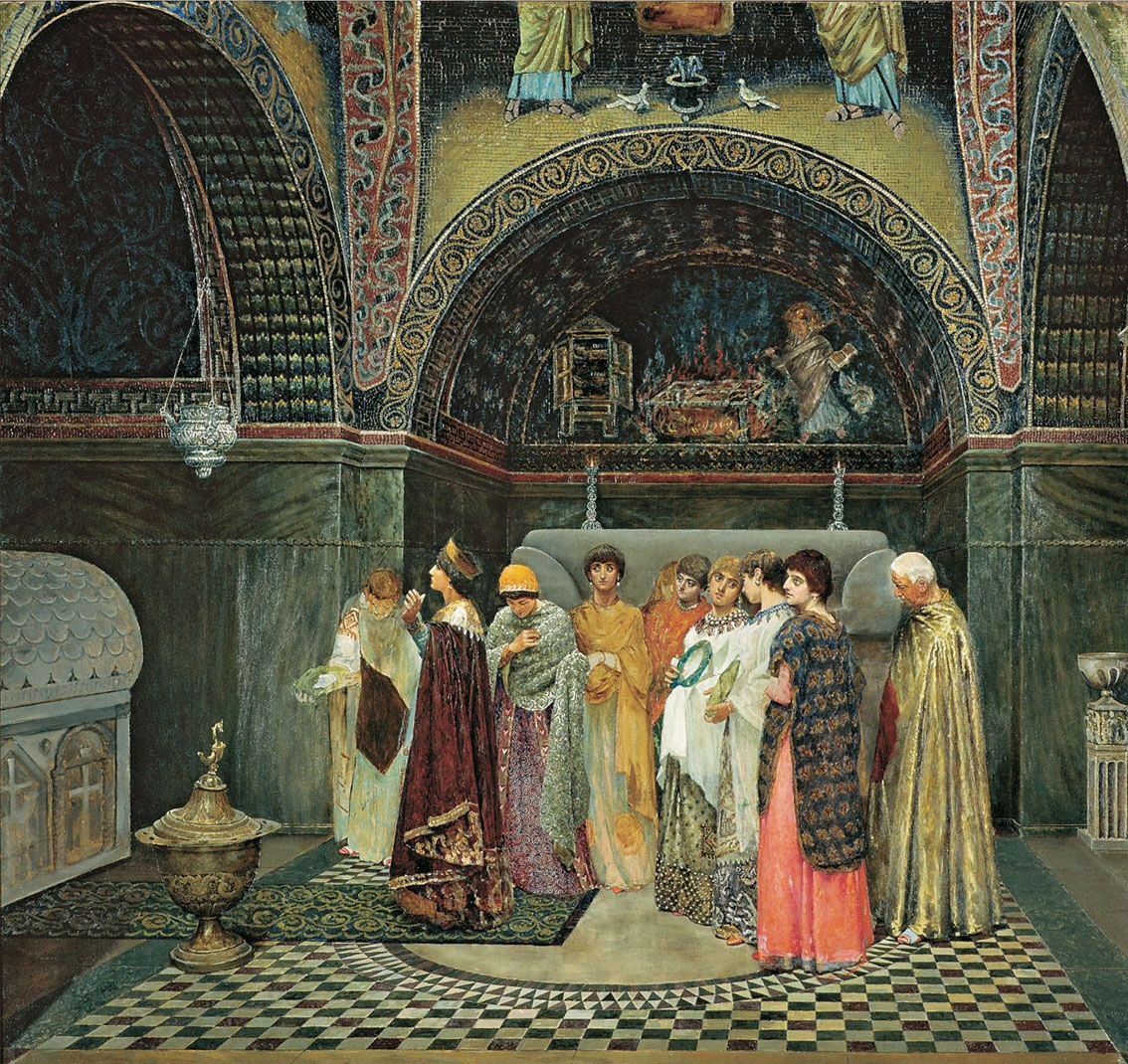
Romanos’s political failures overshadowed his character for centuries as historians laid the blame for Byzantine collapse at his feet. However, his reputation has been undergoing a rehabilitation.
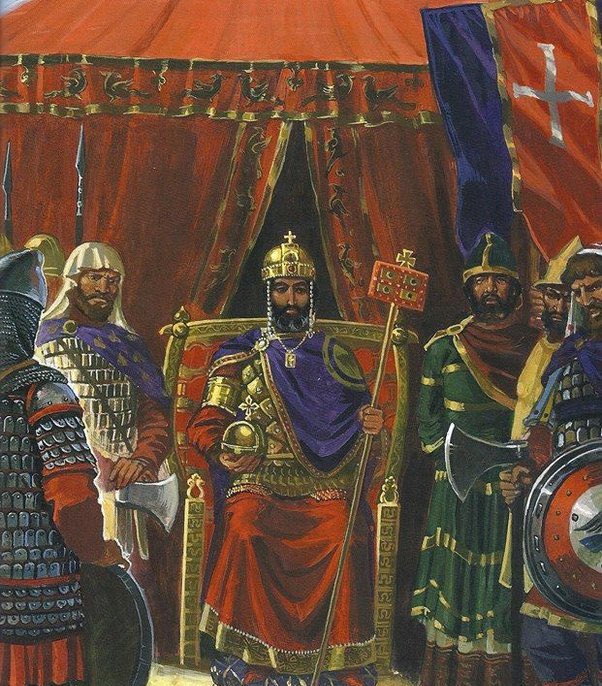
Romanos was a talented man, capable of ruling the Empire well in better days. Without cunning & ruthlessness, he fell victim to the schemers of the court. As such, Romanos is a tragic reminder that one must be as “innocent as a dove & wise as a serpent.”
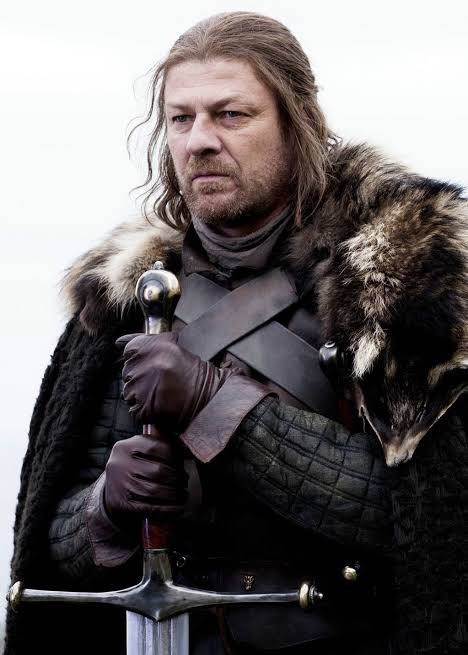
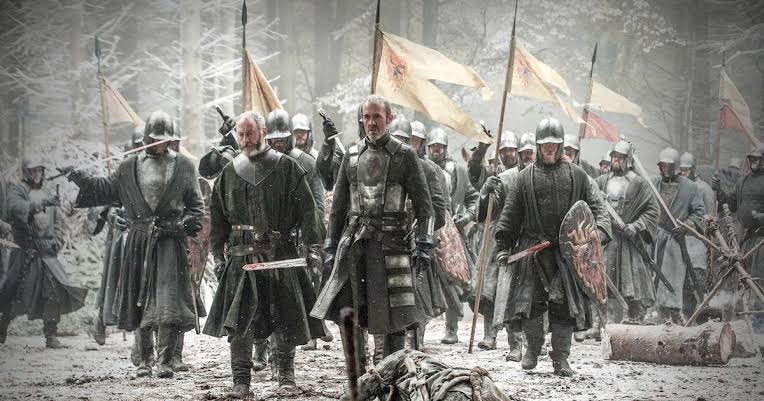
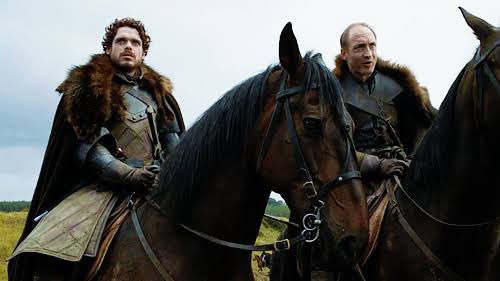
Even in today’s popular culture parallels can be found. My favorite is Ned Stark from Game of Thrones. A famous & capable general he travelled to the capital & attempted to enforce good practices on a corrupt, decadent, & treacherous court.
Overwhelmed by failure & unable to match the ruthlessness of his enemies at court, he was outmaneuvered. Ned, like Romanos, resigns his post on promise of safety. He is once again betrayed, and dies a gruesome death at the hands of an impetuous king, controlled by sycophants.
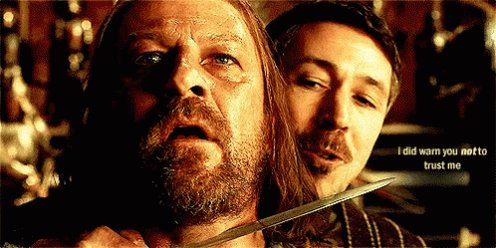
The death of Romanos, like that of Ned Stark, will turn political turmoil into outright chaos as pretenders crop up & intercine wars bleed the state dry. Every powerful warlord will attempt to take the crown, seeing his murderous path to the throne as the only antidote to chaos.
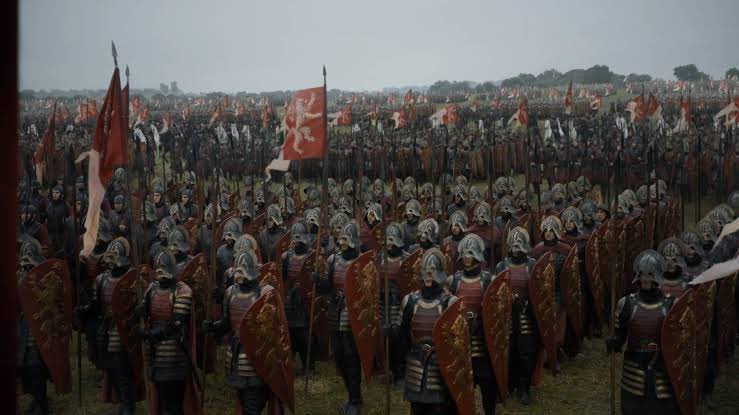
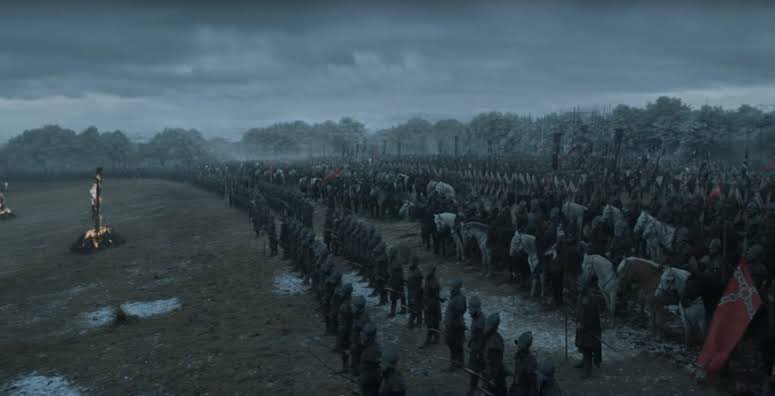
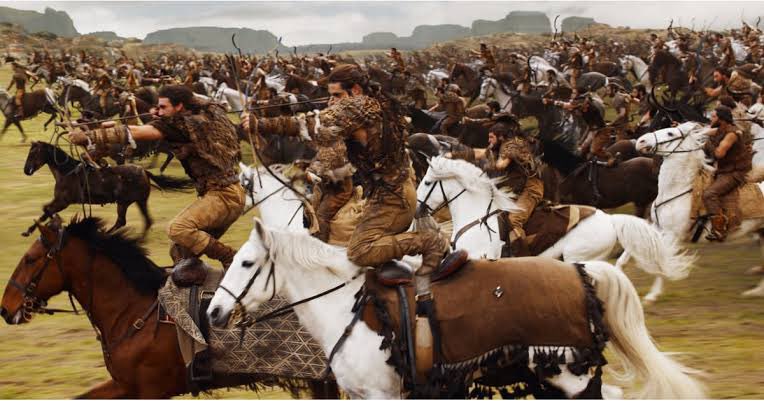
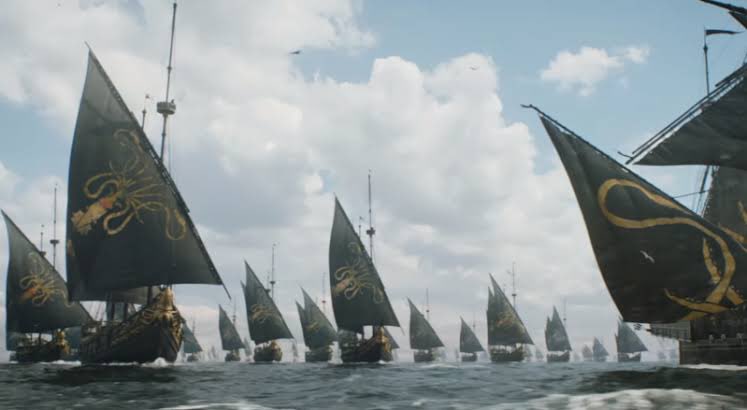
Such moves will only serve to propagate more civil war. Peoples from the steppe & sea will enter the war, often at the invitation of a rebel or ruler.
This chaotic decade will only end with the emergence of Alexios Komnenos, whose dynamism, persistence, & genius will save the Empire from complete disintegration. Although the Anatolian heartland will be separated from a weakened Byzantine state, a new Golden Age will begin.
Loading suggestions...