
A wonderfully illuminated Armenian manuscript of the works of Pseudo-Dionysius, copied by the scribe Yohannes Baghishets’i, and illuminated by the brothers Barsegh and Yakob Sebastats’i, for the monk Step’annos Sebastats’i at the Monastery of Urǝnka, north of Lake Van, in 1733.
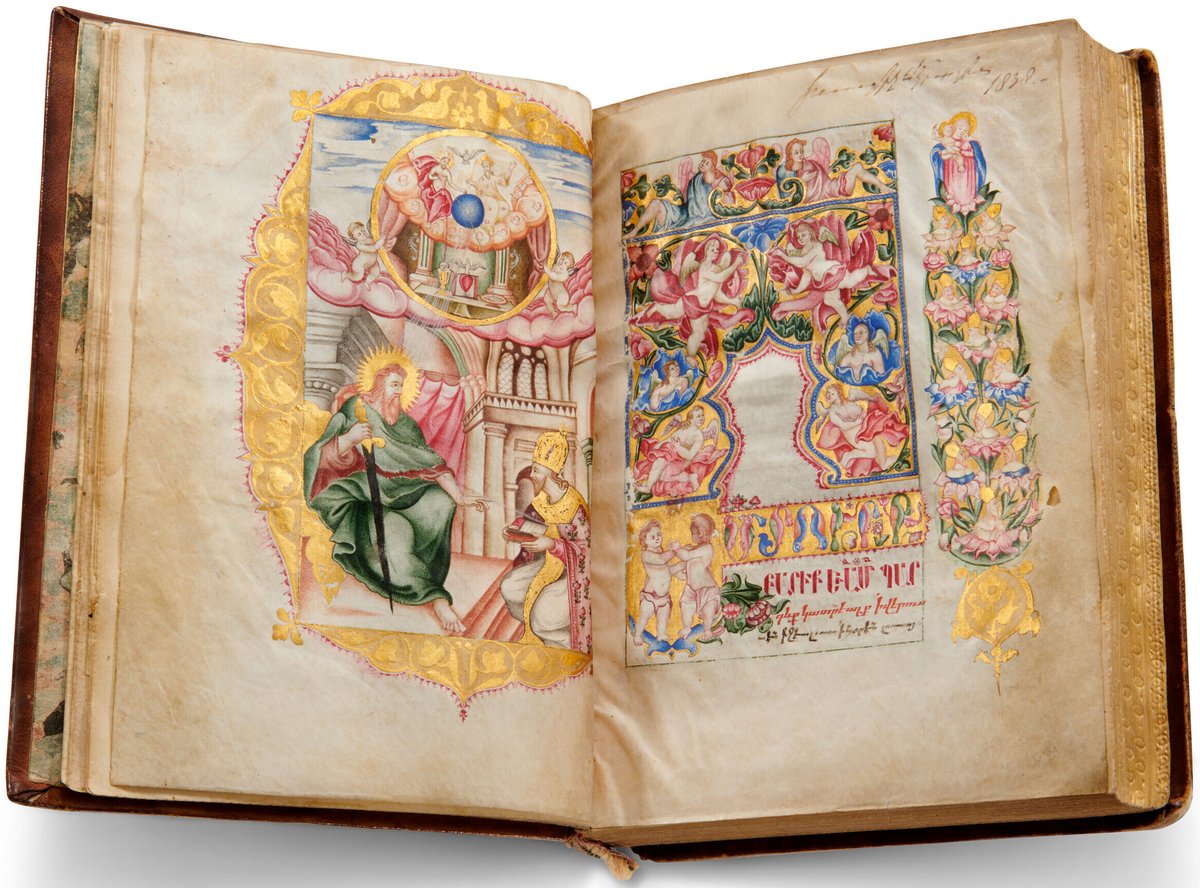
This 18th century manuscript consists of the Armenian translation of five works incorrectly attributed to a first-century Athenian saint named Dionysius the Areopagite. He is now known as Pseudo-Dionysius, a Greek theologian who originally composed these works in the 6th century.
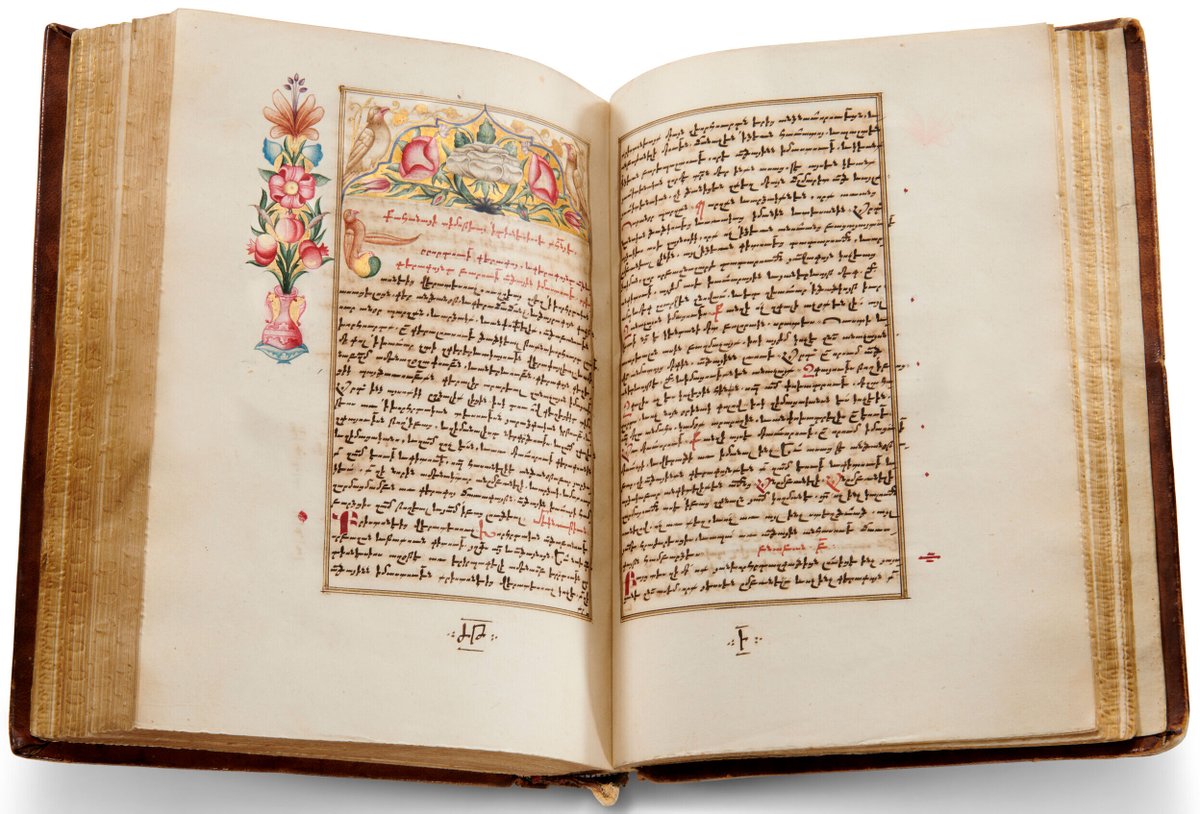
The writings of Pseudo-Dionysius were first translated from the original Greek into Armenian in the 8th century by Step’anos of Siwnik’ in Constantinople. This Armenian translation was later reworked by another Step’anos (of Poland, i.e. Step’anos Lehats’i) in the 17th century.
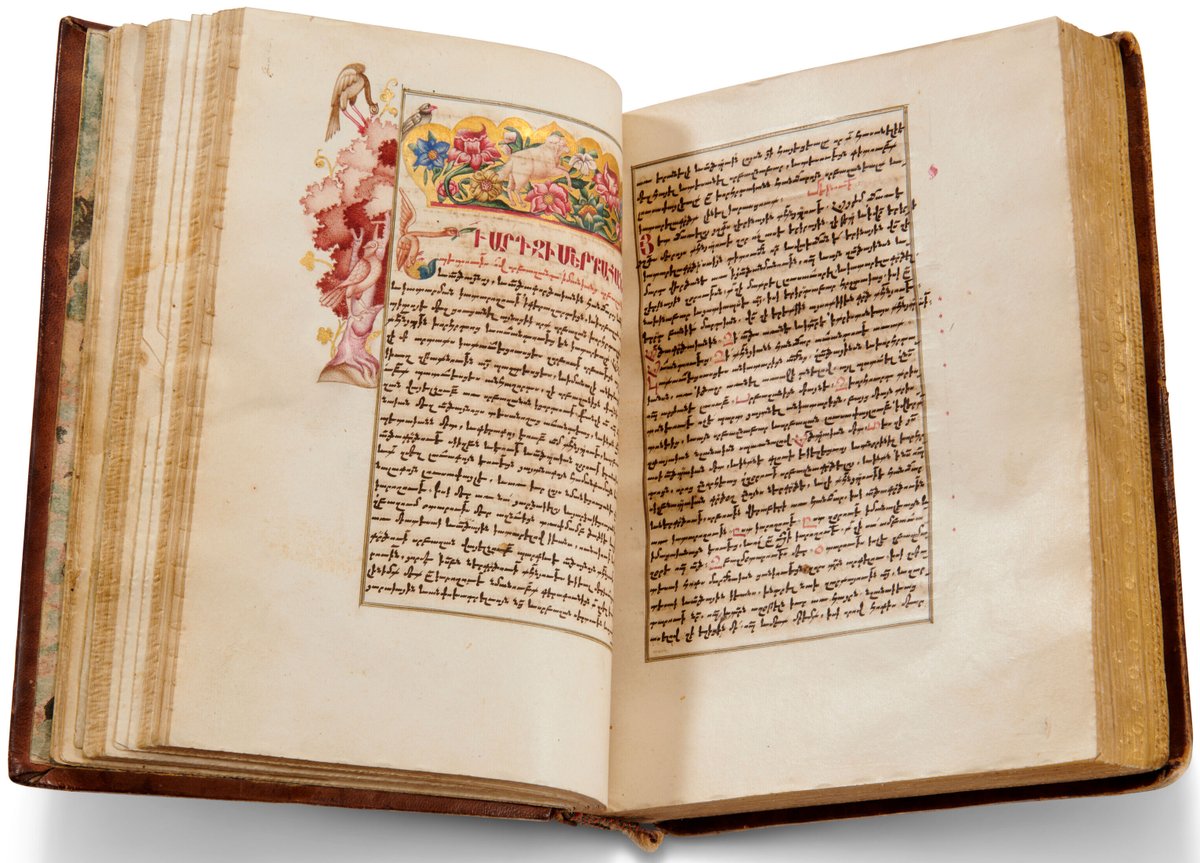
Thanks to the always remarkable knowledge and helpfulness of Armenian Twitter [special shout out to @ChrisKhach, @chbadvasdvadz & @mughnet_], I can now clarify the correct name and location of the monastery where this manuscript was copied and illuminated in 1733: 1/6
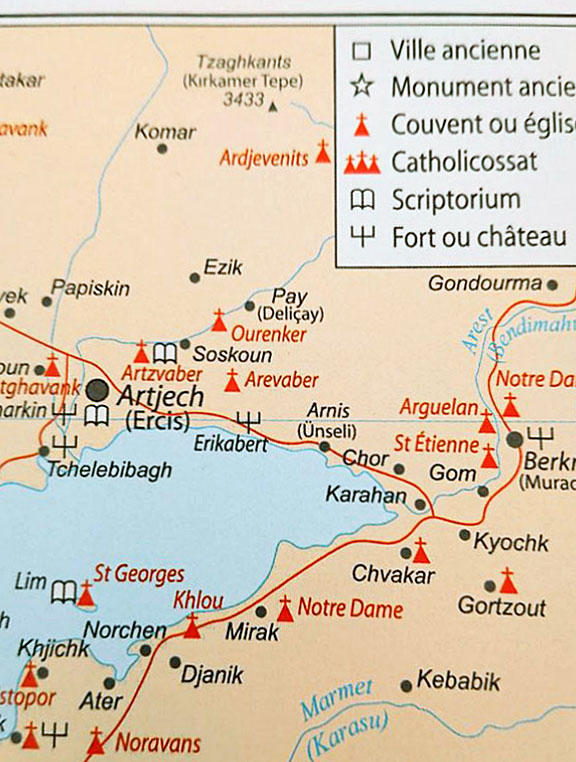
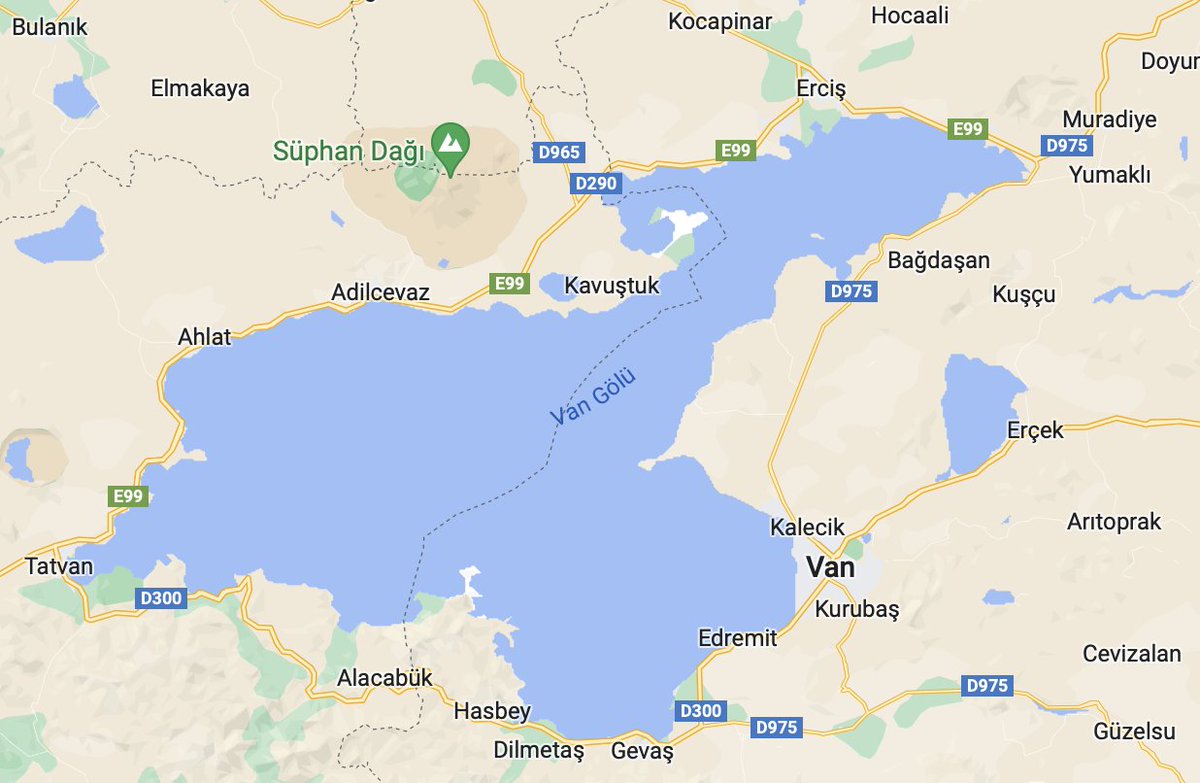
The monastery on the north-east shore of Lake Van known as Ուռնկա [Urnkarai / Urǝnka / Urǝnkar] was first mentioned in 1456, and was located near Արճեշ-Arjesh, Erciş [Archesh / Artjech] today. 2/6
According to an article written by Khachig Levonian (from Van) published in an Armenian newspaper in Constantinople (11-21 September 1900) it had been destroyed prior to the Genocide. 3/6
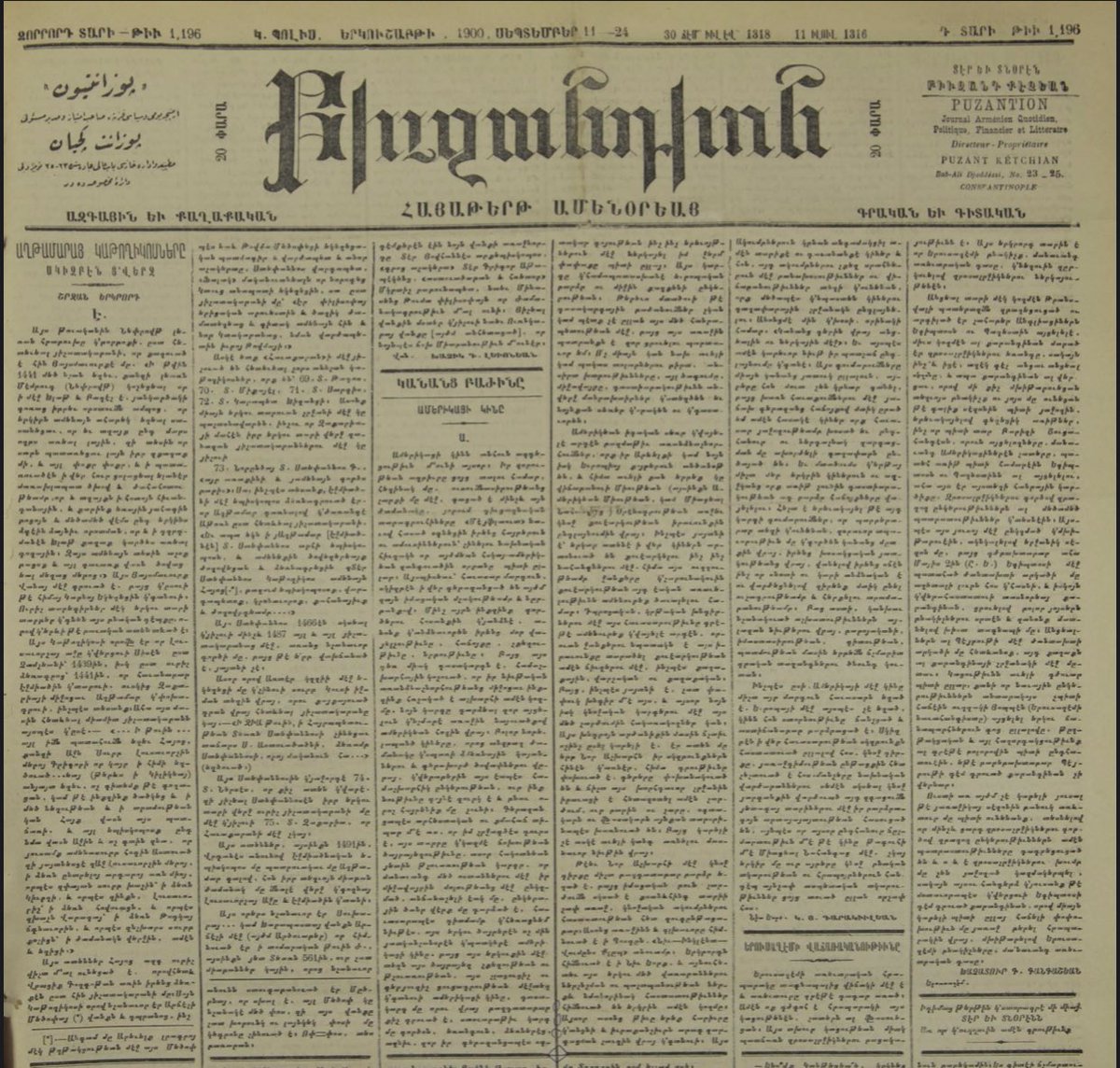
"Յիշեալ վանքին [...] մօտեր կ՚յիշուի նաեւ Ուռնկարայ վանքը [այժմ անհետացած], որ նոյնպես ճոխ Միաբանութիւն մ՚ուներ."
"Next to the famous monastery [...], the Urnkarai monastery [now extinct] is also remembered, which also had a magnificent congregation." 4/6
"Next to the famous monastery [...], the Urnkarai monastery [now extinct] is also remembered, which also had a magnificent congregation." 4/6
!["Յիշեալ վանքին [...] մօտեր կ՚յիշուի նաեւ Ուռնկարայ վանքը [այժմ անհետացած], որ նոյնպես ճոխ Միաբանութի...](https://pbs.twimg.com/media/FXsdydGUIAEyprg.jpg)
!["Յիշեալ վանքին [...] մօտեր կ՚յիշուի նաեւ Ուռնկարայ վանքը [այժմ անհետացած], որ նոյնպես ճոխ Միաբանութի...](https://pbs.twimg.com/media/FXsdydhUsAE4o8o.jpg)
There is no Ուռնկա mentioned in Ormanian's monumental Ազգապատում. The monastery may have been known under another name at the time. Jean V. Giuréghian lists a monastery in Ourenker. 5/6
Wikipedia mentions the old town of Archesh being consumed by the rising water level of Lake Van in the 18th - 19th century. 6/6
Loading suggestions...