

❓ The art of questioning ❓
Asking the right questions is an important part of our lives.
Whether it's to get information or to persuade someone, it's a skill worth mastering.
🧵🧵🧵
Asking the right questions is an important part of our lives.
Whether it's to get information or to persuade someone, it's a skill worth mastering.
🧵🧵🧵
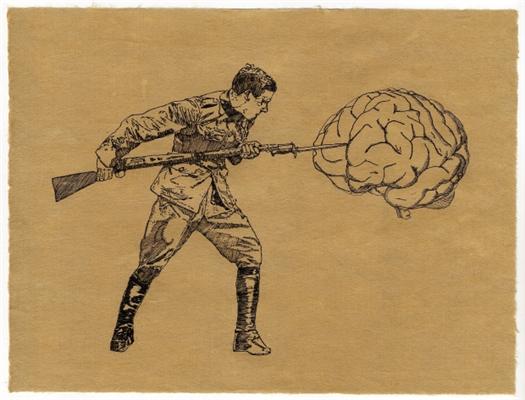
⚡⚡⚡
Will be a lengthy thread so I will add a part or two every day to the schedule, will probably take a month or so to complete so bookmark this.
⚡⚡⚡
Will be a lengthy thread so I will add a part or two every day to the schedule, will probably take a month or so to complete so bookmark this.
⚡⚡⚡
🔺 Part I: Interrogation Questions🔺
If you ever are in a position where you need to interrogate, this is the part to kick off the thread. It will include a list that you can use through an interrogation of any kind.
If you ever are in a position where you need to interrogate, this is the part to kick off the thread. It will include a list that you can use through an interrogation of any kind.

🔻 Opening questions
You should start off the interrogation with easy closed questions that the person can answer without much effort. Stay off the main topic at least until they are talking freely.
You should start off the interrogation with easy closed questions that the person can answer without much effort. Stay off the main topic at least until they are talking freely.
The purpose of these questions is to break the ice whilst creating a degree or rapport.
"Are you warm?"
" Would you like a cigarette?"
"Have they treated you well?"
"Are you warm?"
" Would you like a cigarette?"
"Have they treated you well?"
Ensure you establish yourself as the person who asks questions.
If they ask questions back and especially if it seems as if they are trying to take control, either ignore them or give short or non-committal answers, whilst retaining a friendly or neutral manner.
If they ask questions back and especially if it seems as if they are trying to take control, either ignore them or give short or non-committal answers, whilst retaining a friendly or neutral manner.
If you do allow questioning, do so with a clear purpose, for example to deliberately let them think they are not in any trouble, and such that you can provide a shock to them at a designed point.
🔻Free narrative questions
Name a subject, for example a time and place, and then ask the other person to tell you what they know about this.
Then stay silent and do not interrupt or probe during the answer.
Let them tell you about the situation in their own words.
Name a subject, for example a time and place, and then ask the other person to tell you what they know about this.
Then stay silent and do not interrupt or probe during the answer.
Let them tell you about the situation in their own words.
"I hear you were on the balcony when the person near you fell on the street. Could you please describe what happened?"
Show a steady mild interest (enough to keep them talking) and do not become excited when they get into relevant detail.
Their answer will first tell you the degree to which they are initially ready to collaborate.
You can also listen for gaps and contradictions to probe at a later time, as well as indicators of preferences, needs and other motivators.
You can also listen for gaps and contradictions to probe at a later time, as well as indicators of preferences, needs and other motivators.
🔻Direct questions
Follow up the free narrative with direct questions about specific items. Keep the questions free from value-laden words (eg. talk about 'having sex' rather than 'rape') that might imply guilt.
Follow up the free narrative with direct questions about specific items. Keep the questions free from value-laden words (eg. talk about 'having sex' rather than 'rape') that might imply guilt.
Ask one simple question at a time to which a clear answer can be given.
"When you fought with X, did he hit you?" (direct question)
"When you attacked Y, did he try to defend himself?" (value-laden question)
"When you fought with X, did he hit you?" (direct question)
"When you attacked Y, did he try to defend himself?" (value-laden question)
The answers to these questions will give you specific detail, filling in the holes of their initial story and exposing areas where they may be unwilling to talk.
However, having told you the story beforehand, they are now much more willing to support their original narrative.
However, having told you the story beforehand, they are now much more willing to support their original narrative.
🔻Cross-questioning
Ask multiple questions at different times about the same thing to see whether their answers support or contradict one another. You can appear unintelligent or confused as necessary to cloak your repetition.
Ask multiple questions at different times about the same thing to see whether their answers support or contradict one another. You can appear unintelligent or confused as necessary to cloak your repetition.
"What did Jimmy do as you were going back there?"
"Sorry, I don't quite understand -- what was Jimmy doing all this while?"
"Sorry, I don't quite understand -- what was Jimmy doing all this while?"
If answers are contradictory, carefully probe further, asking more diagonal questions that allow them to expose themselves without necessarily realizing what is happening.
🔻Review questions
Review questions are used to summarize and test your understanding of what you have heard so far.
State what you understand and ask for agreement or otherwise.
Review questions are used to summarize and test your understanding of what you have heard so far.
State what you understand and ask for agreement or otherwise.
"So X left after Y, is that correct?"
"Is there anything else that you can tell me about this?"
"What else were you expecting me to ask?"
Review questions can be used at natural break points, such as in changes of scene. They are also useful at the end, to summarize.
"What else were you expecting me to ask?"
Review questions can be used at natural break points, such as in changes of scene. They are also useful at the end, to summarize.
Reviews can also be used in a deceptive way, asking for agreement of things that you know are wrong. This tests the person's honesty and may also be used to trick them into thinking that you have missed key points.
When doing this, watch their body language and signs of duper's delight.
Loading suggestions...