

The absence of familiar religious practices in Lord of the Rings doesn't make it 'atheist'. It makes it superreligious.
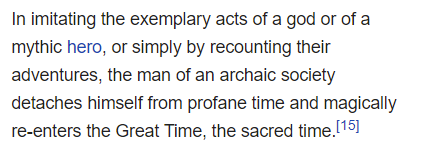
The point of religion, in a way, is to allow us to return to the sacred time (in illo tempore). Lord of the Rings takes place in such a sacred time already.
The point of religion, in a way, is to allow us to return to the sacred time (in illo tempore). Lord of the Rings takes place in such a sacred time already.
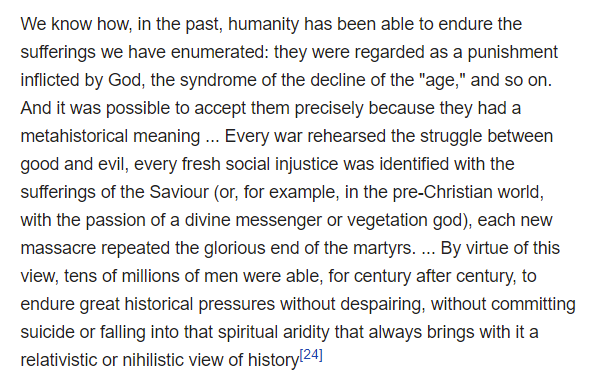
That there is not any particular recognizable religion being practiced in the text itself is explained by the mythic nature of the work and Tolkien's particular conceit. Nevertheless, the entire is suffused in the numinous, the divine.
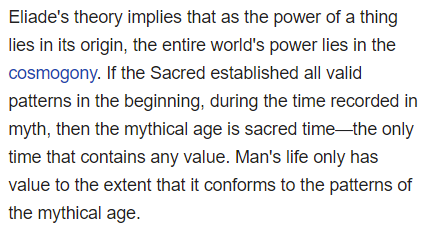
Do you know why people create the habit of habitually re-reading or re-watching LotR? Because the act of reading it is ITSELF the ritual of return to the sacred time.
The reason this works for an invented story is first and foremost that the invented story conveys divine truths by its structure. Specifically, as Tolkien says, Catholic ones, but of course many shared by other traditions also. But darkened intellects could never understand.
We are all fighting over LotR because it's one of the most spiritually potent things written in several hundred years. Along with Blood Meridian, it's one of the only things written in living memory that can bring the normal guy into the mythic, religious frame.
These takes, for example, misread the relative absence of organized religion within a mythic text. LotR would be a religious work whether Tolkien's "fundamentally Catholic work" quote existed or not. Moses never goes to Mass.
This guy thinks it's more pagan, and I agree we can over-rely on the "fundamentally Catholic work" quote and that pagan content comes in both directly and through Catholic takings-up, but that quote is not the strongest argument in the first place.
This thread explores in more detail, but my answer to this is that "fundamentally" in the quote does matter. The "fundamentally" describes the fundamental thematic purpose of the work, which is ultimately Catholic.
These other elements people are focusing on are not as fundamental. They're images, character beats, references to cultural traditions and stories, etc. In law we would call it 'dicta'. The essence of the story is religious broadly and Christian specifically.
He's just a good enough writer to not have to write that line of dialog. The open question is whether you're a good enough reader to not need it.
Loading suggestions...