

1. How to Understand the Hindu Temple – The Meaning of the term ‘aedicule’
In order to understand the Hindu temple, we need to first understand the meaning of the term aedicule this is frequently used about it.
[Picture: Kashi-Vishwanath - Lakkundi, Karnataka]
In order to understand the Hindu temple, we need to first understand the meaning of the term aedicule this is frequently used about it.
[Picture: Kashi-Vishwanath - Lakkundi, Karnataka]
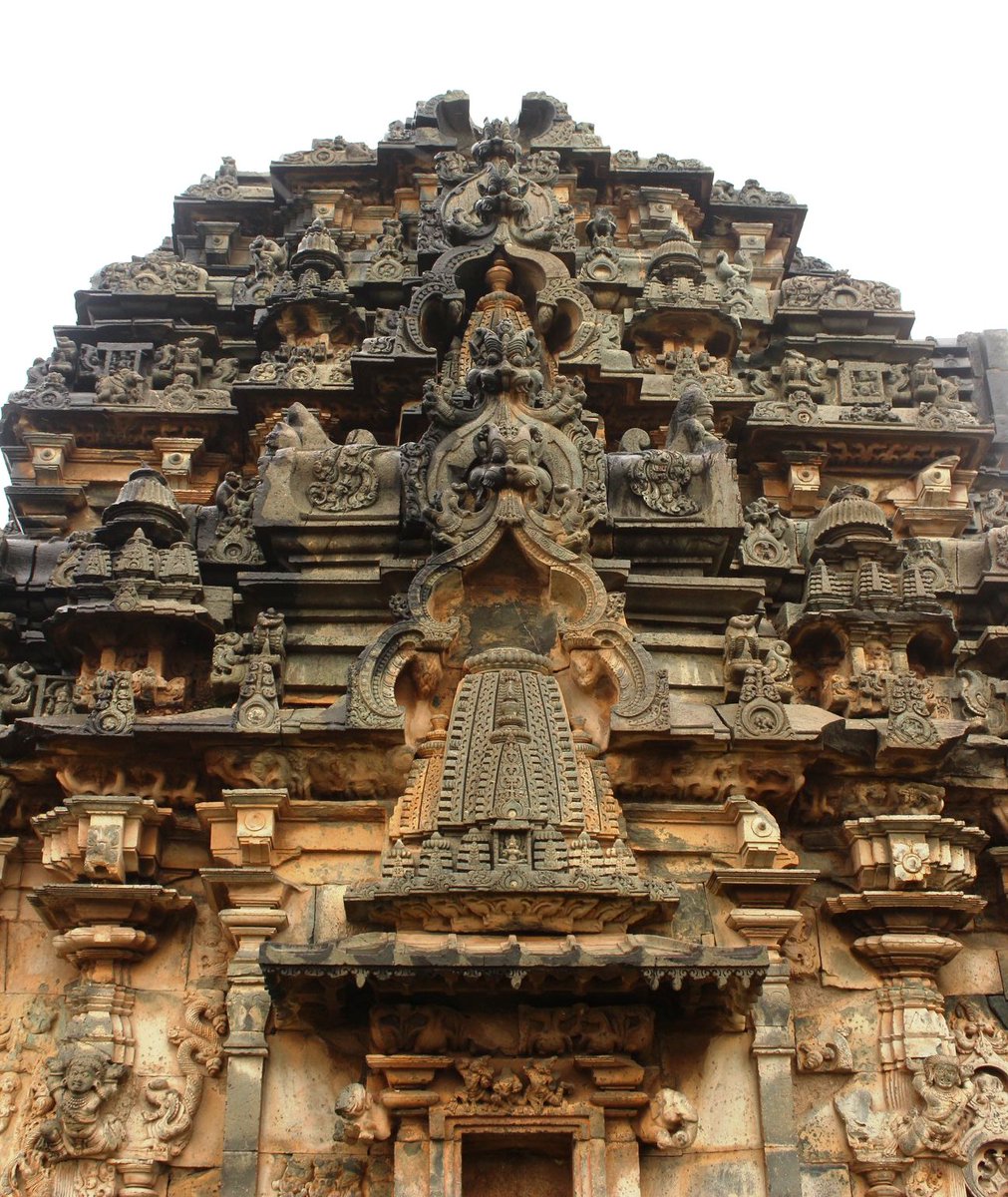
2. In Hindu temple, aedicule refers to the miniature shrine or a mini replica of the entire temple, temple śikhara or vimāna, which is to be found most prominently on its śikhara and outer walls of the garbha-gṛha.
[Picture: Kalleshvara Temple at Hide Hadagalli, Bellary]
[Picture: Kalleshvara Temple at Hide Hadagalli, Bellary]
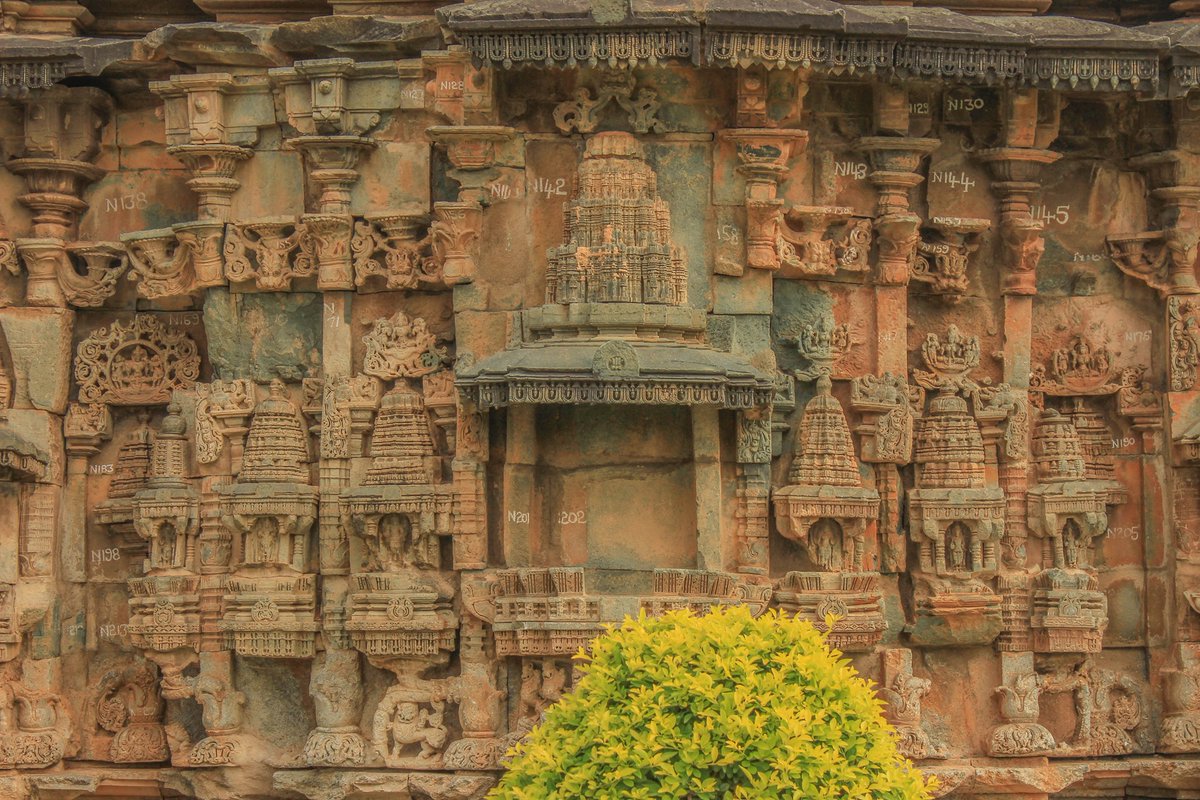
3. It is found in all three major varieties of Nāgara, Vesara and Draviḍa and is so profusely used in Karnāṭa draviḍa tradition that Gerard Foekema calls the very style as ‘architecture decorated by architecture’.
[Isvara Temple, Arasikere, Hassan]
[Isvara Temple, Arasikere, Hassan]
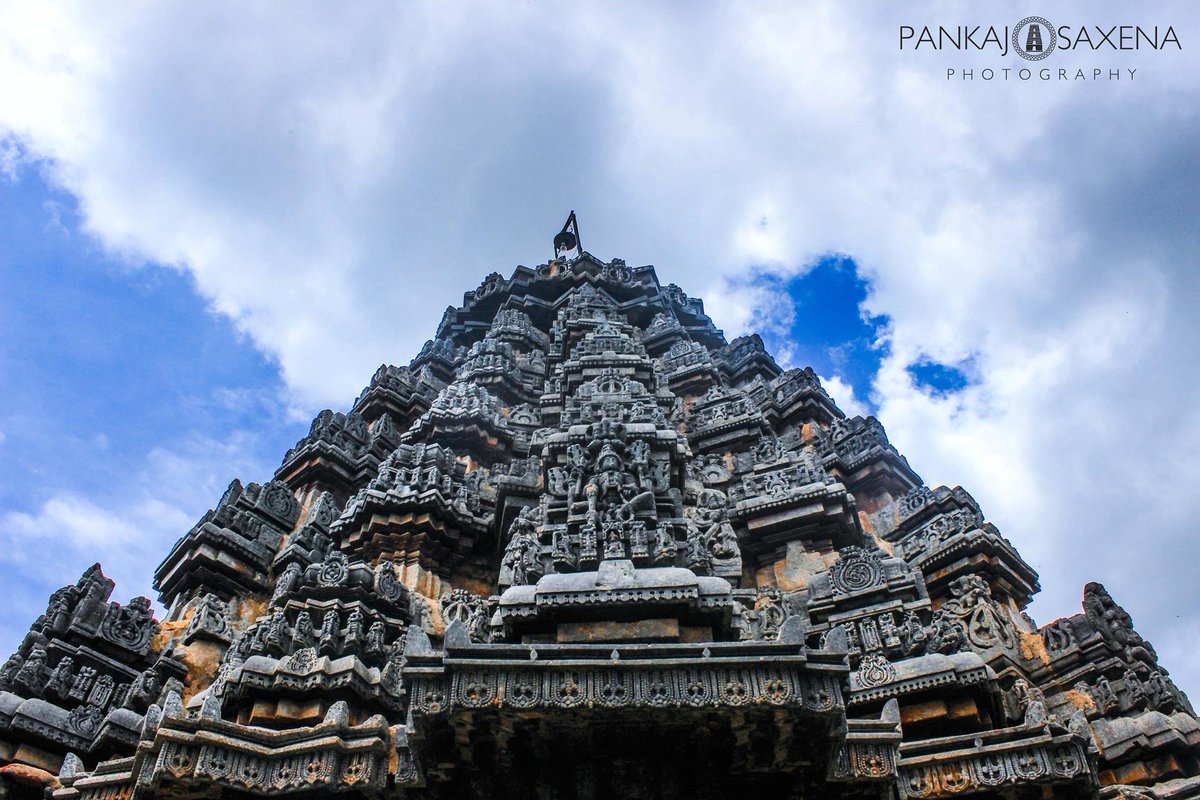
4. The aedicule is so universally present that it overwhelms the visitor, forcing him to constantly keep shifting his attention from one miniature shrine to another, making it hard to distinguish where one aedicule ends and another begins.
[Chennakesava Temple, Aralaguppe]
[Chennakesava Temple, Aralaguppe]
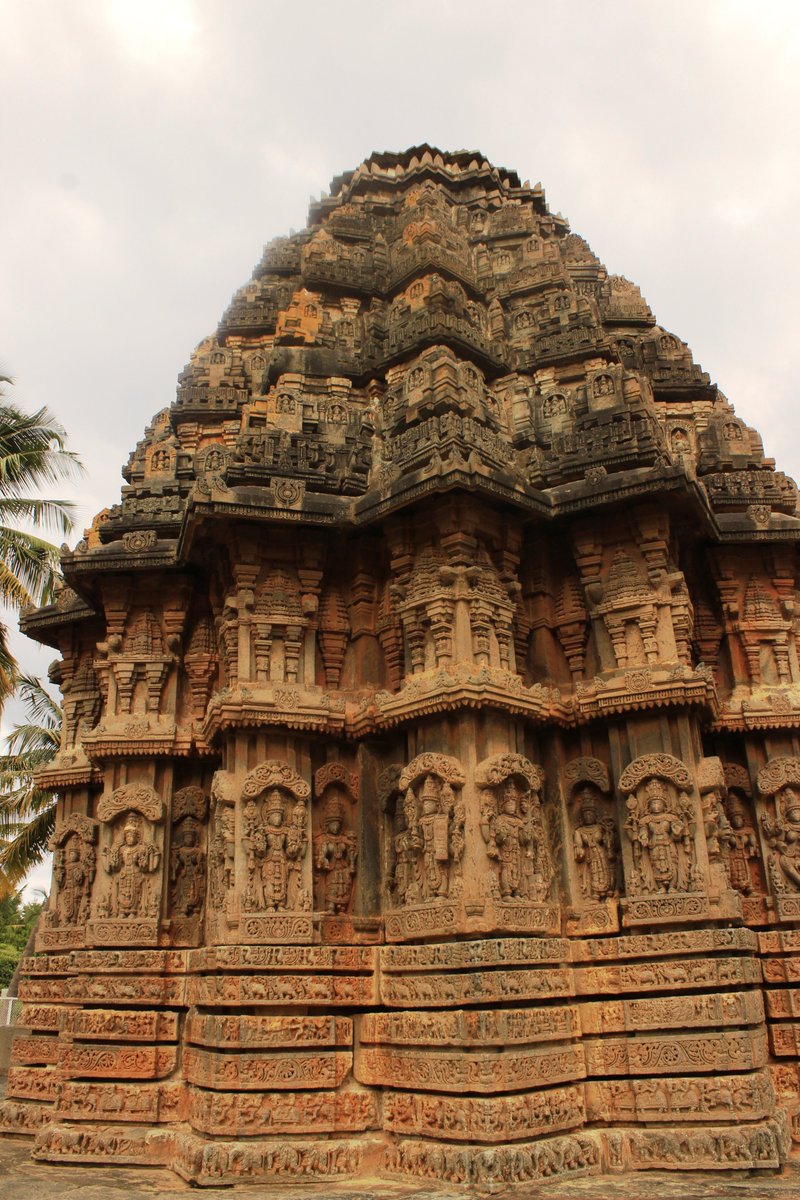
5. This led James Fergusson to say: “everywhere…in India, architectural decoration is made up of small models of large buildings.” Adam Hardy considers the idiom of aedicule as the fundamental concept behind Indian architectural thinking, says:
[Sadasiva Temple, Nuggehalli]
[Sadasiva Temple, Nuggehalli]
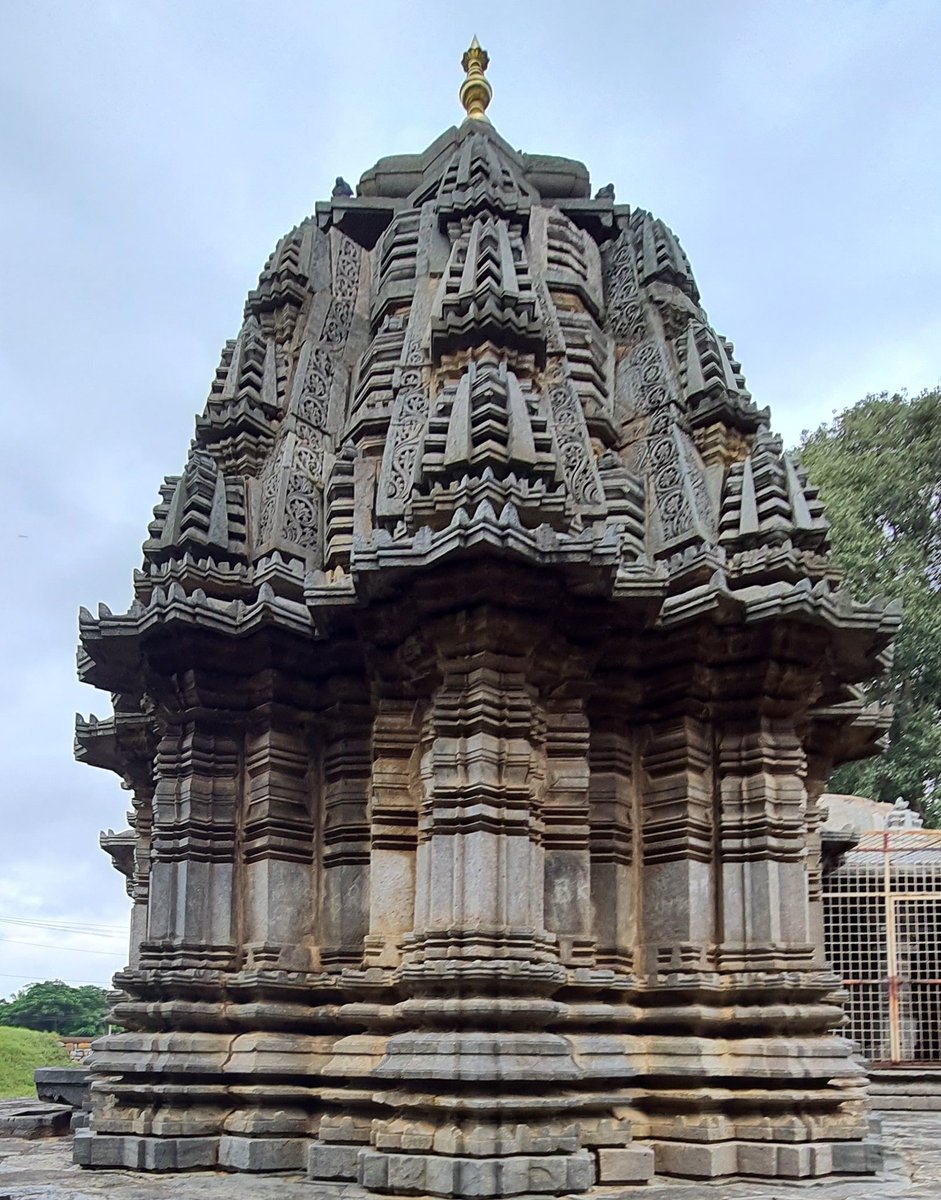
6. “…it was some time after my first trip to India that it gradually became clear to me that aedicules are not just ornaments, but the basic units from which most Indian temple architecture is composed…”
[Ganesha Temple, Hanagal]
[Ganesha Temple, Hanagal]
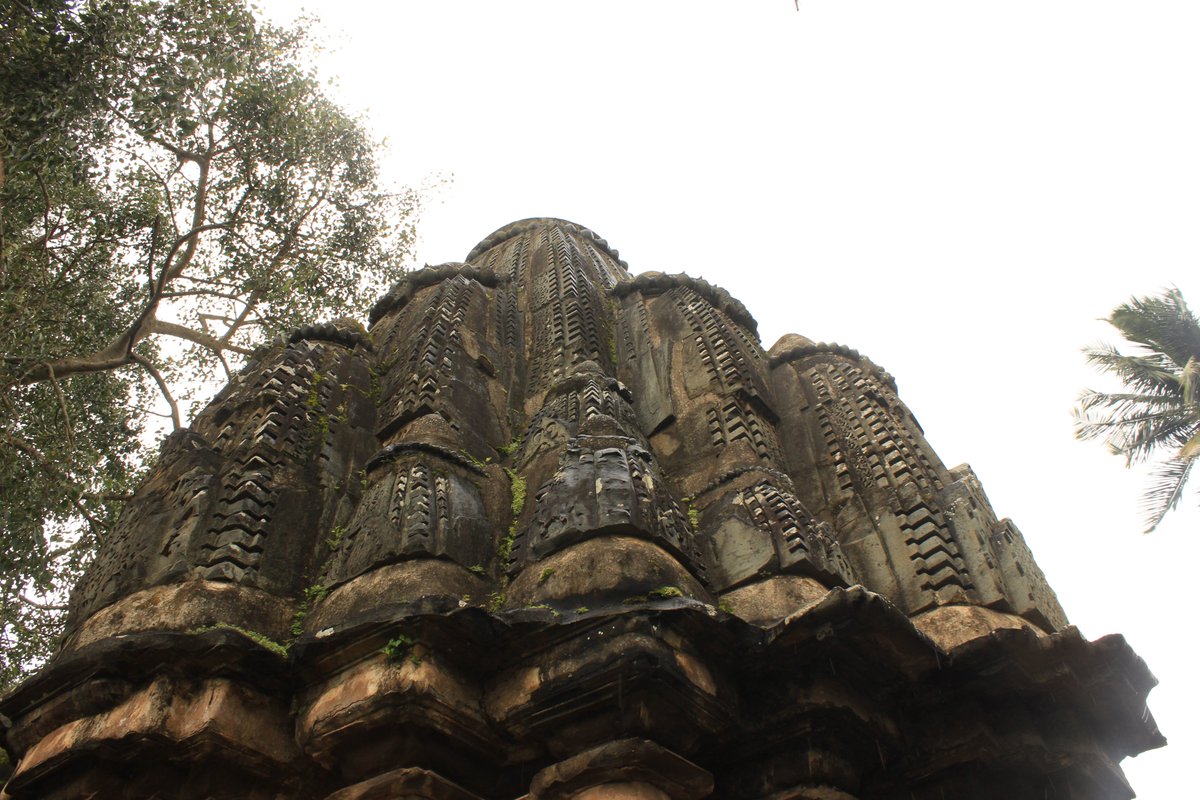
7. “…A temple design is conceived as containing numerous smaller temples or shrines arranged hierarchically at various scales, embedded within the whole or within one another. Once this simple concept is understood other things fall into place.”
[Kandariya Mahadeva, Khajuraho]
[Kandariya Mahadeva, Khajuraho]
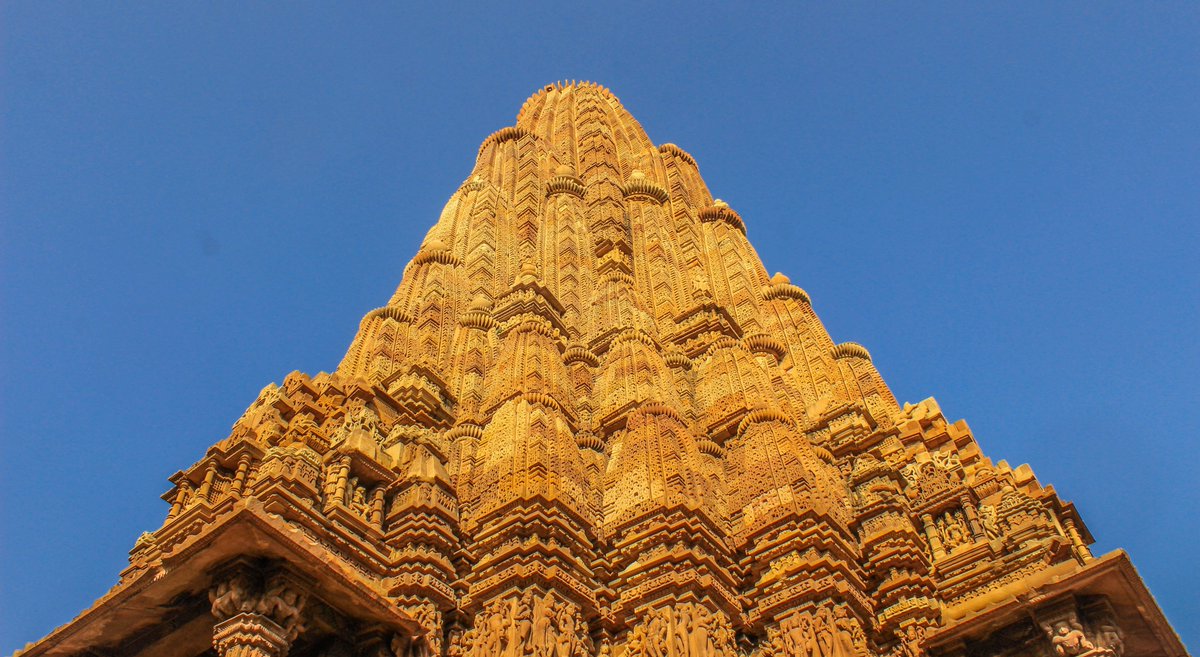
8. Hindu philosophy imagines macrocosm in microcosm (yathā piṇḍe tathā brahmāṇḍe;) and its reflected in all art in India. It is the idea behind the idiom of the aedicule. The entire temple is reflected in its parts.
[Nāgara miniature shrine in Tarakesvara Temple, Hangal]
[Nāgara miniature shrine in Tarakesvara Temple, Hangal]
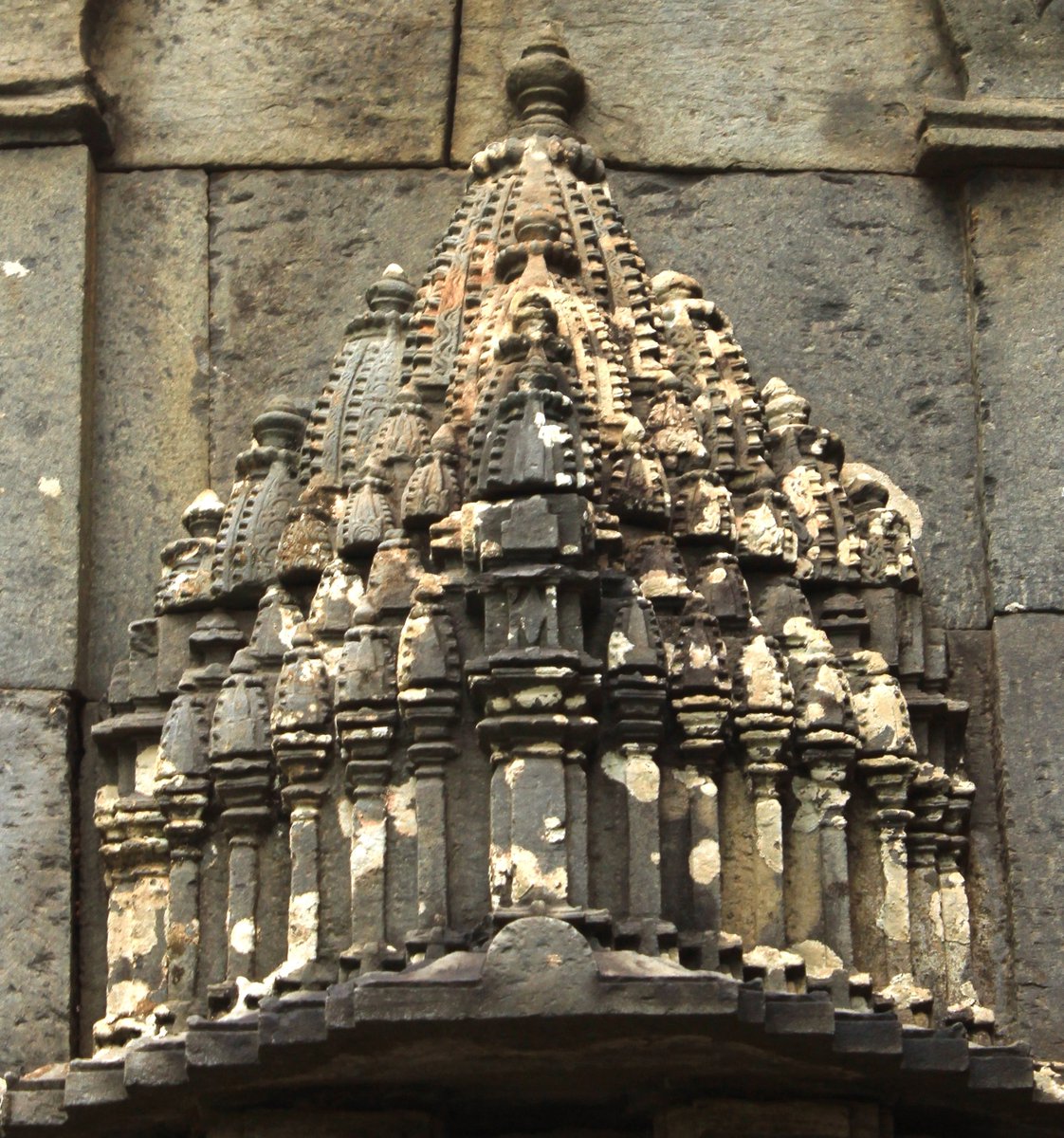
9. Sometimes the aedicules are themselves made up of smaller aedicules and this series continues up to the point where architecture allows it to. It conveys the idea of an endlessly regressing series of aedicules like the fractal geometry.
[Lakshman Temple, Khajuraho]
[Lakshman Temple, Khajuraho]
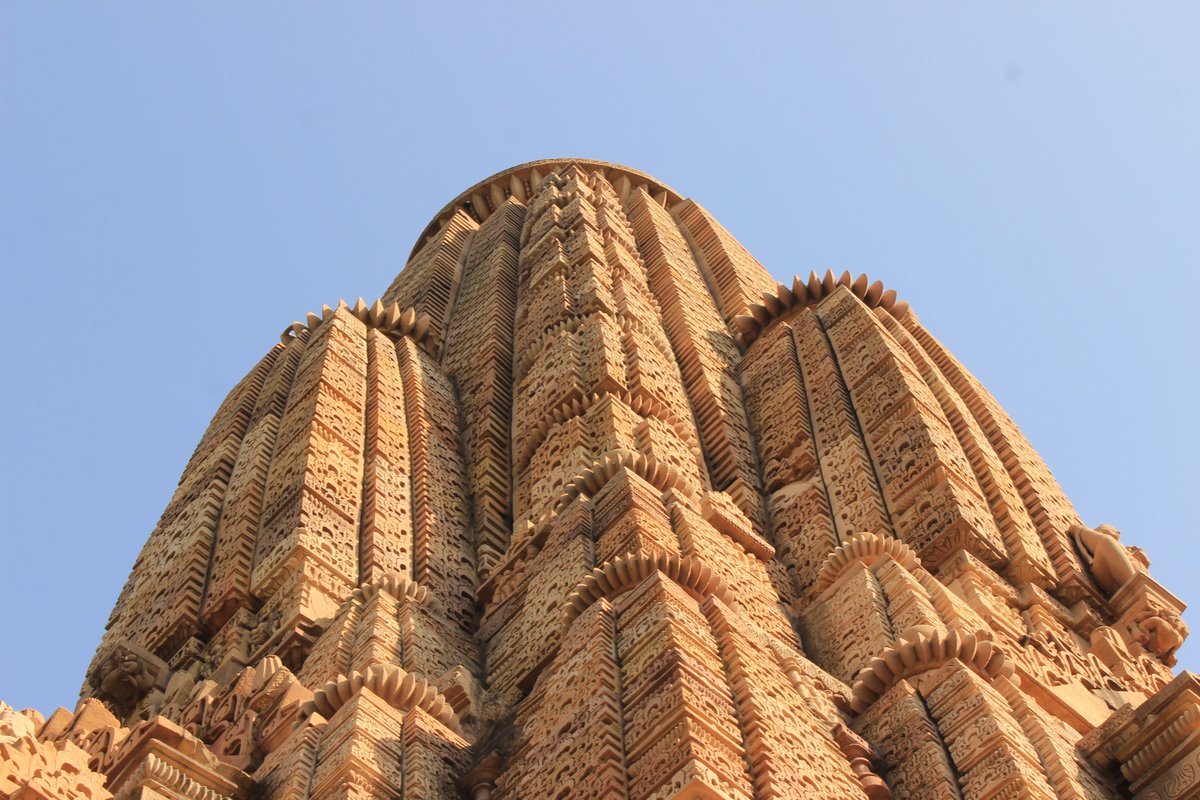
10. As the temple is a representation of the universe, hence the entire universe is reflected again and again in the smallest parts of the temple. The idiom of aedicule is most prominently used in the śikhara of the temple.
[Brihadeeswar Temple, Gangaikondacholapuram]
[Brihadeeswar Temple, Gangaikondacholapuram]
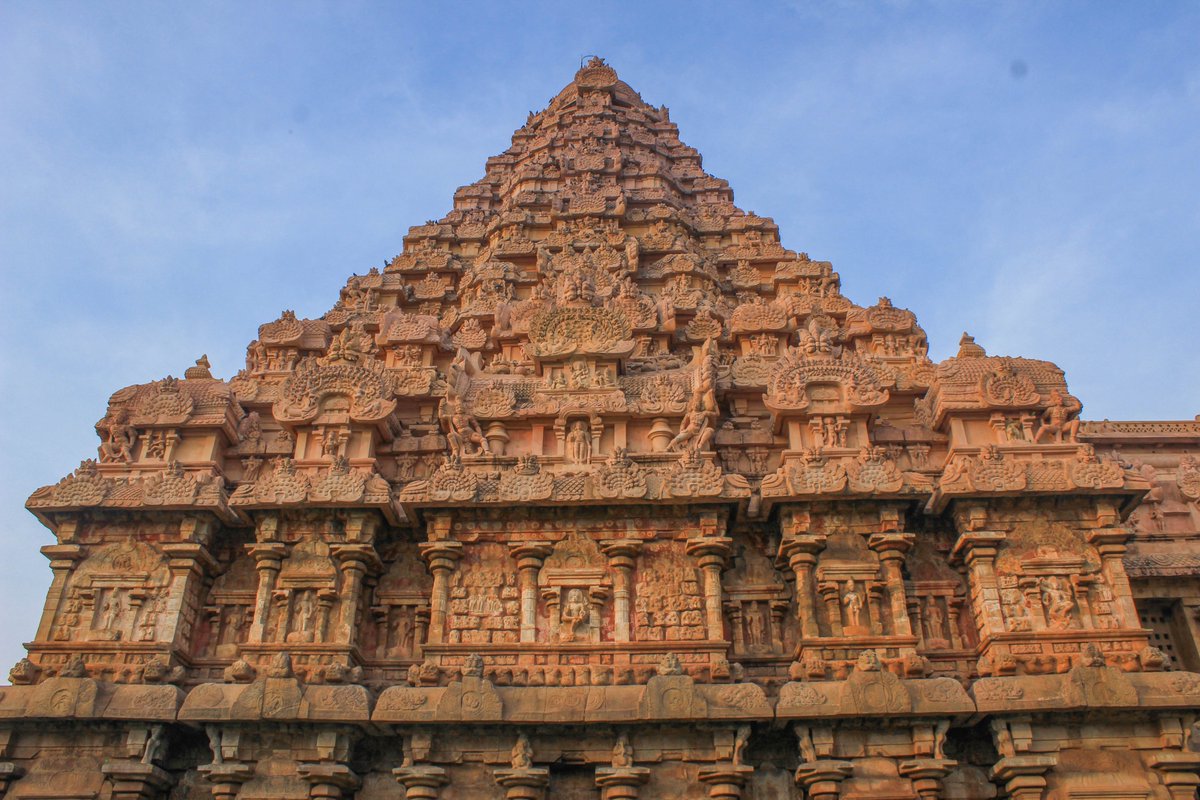
11. In some styles, like the śekhari mode of the Nāgara style, the śikhara is made of its smaller versions, called uruśraṇga (half śikhara). These uruśraṇga crowd together and rise to meet at the top beneath the āmalaka.
[Kandariya Mahadeva, Khajuraho]
[Kandariya Mahadeva, Khajuraho]
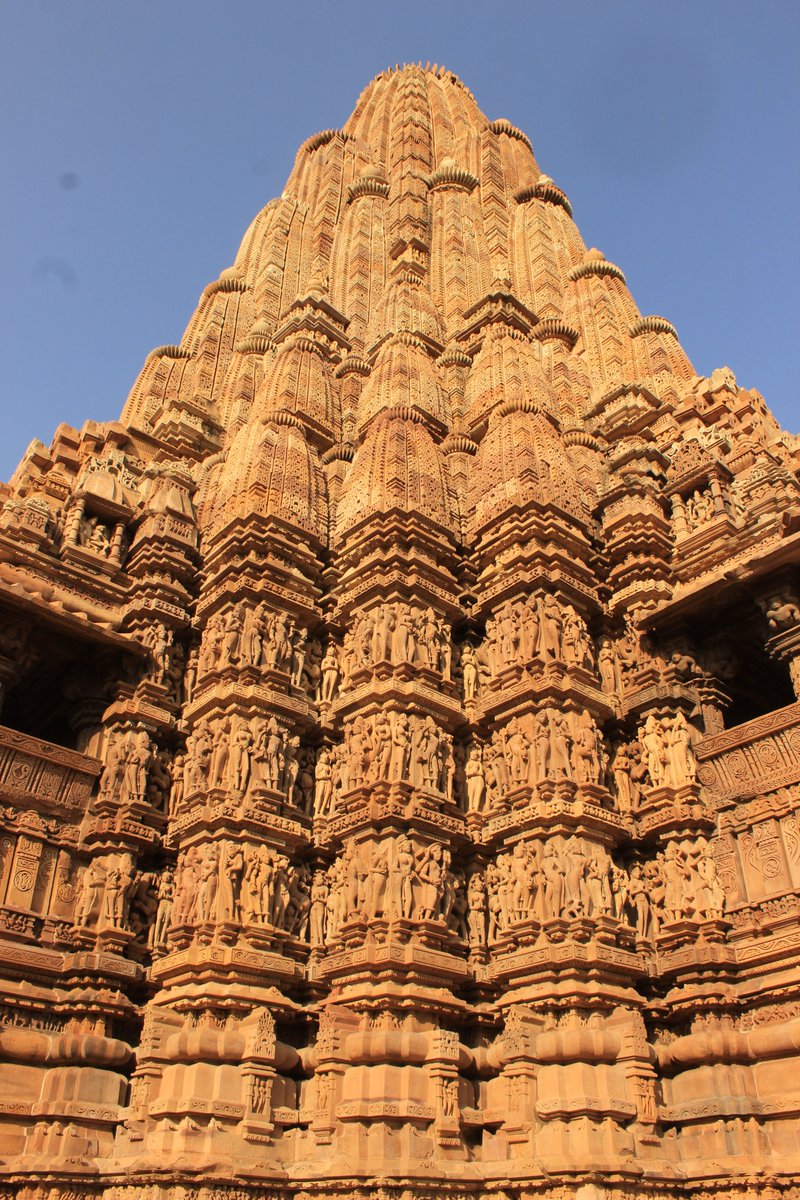
12. This is the key to decode the jumble of figures on a Hindu temple. Once this concept is clear, the architectural language becomes accessible and the great meaning of the Hindu temple also opens up.
===
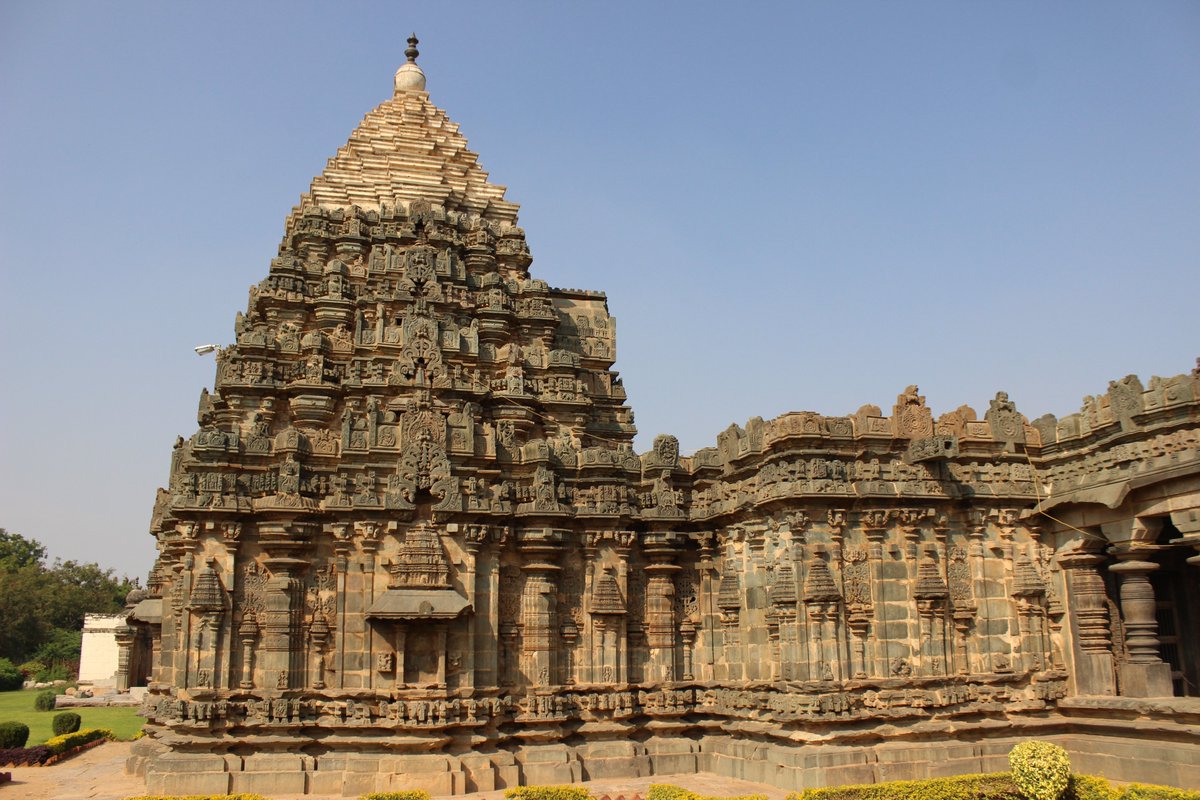
[Mahadeva Temple, Itagi]
===
[Mahadeva Temple, Itagi]
Loading suggestions...