
Thread: Soviet Deep Battle and Operation Bagration
From June 22 to August 19, 1944, the Red Army executed Operation Bagration. This would inflict the single largest defeat in Germany's entire military history. (1)
From June 22 to August 19, 1944, the Red Army executed Operation Bagration. This would inflict the single largest defeat in Germany's entire military history. (1)
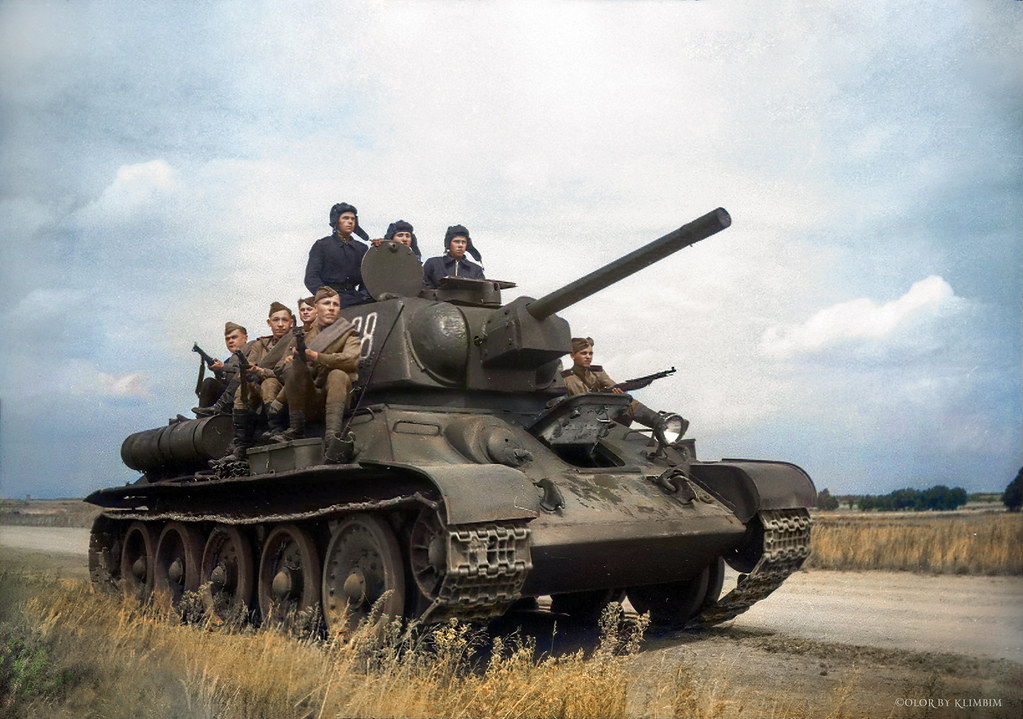
Bagration was not only an iconic, colossal victory for the Soviet Union, but it was also the most idealized implementation of the Soviet warfighting doctrine known colloquially as "Deep Battle." Let's take a look at this operation and the theories underpinning it. (2)
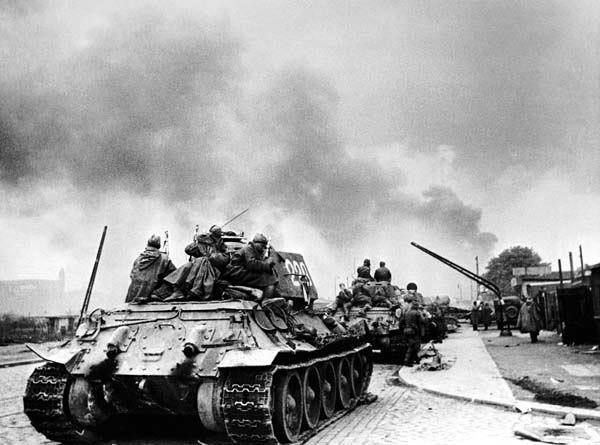
In the interwar period, Soviet military thinking was dominated by Marshal Mikhail Tukhachevsky. His theories of armored warfare gave the Red Army a reputation as one of the most forward thinking and innovative forces in the world. (3)

Tukhachevsky's theories were focused on the use of massed tank forces to achieve breakthroughs, which would then be exploited by additional waves. While Deep Battle is the common name for this, the key term here is what we would call "sequential operations." (4)
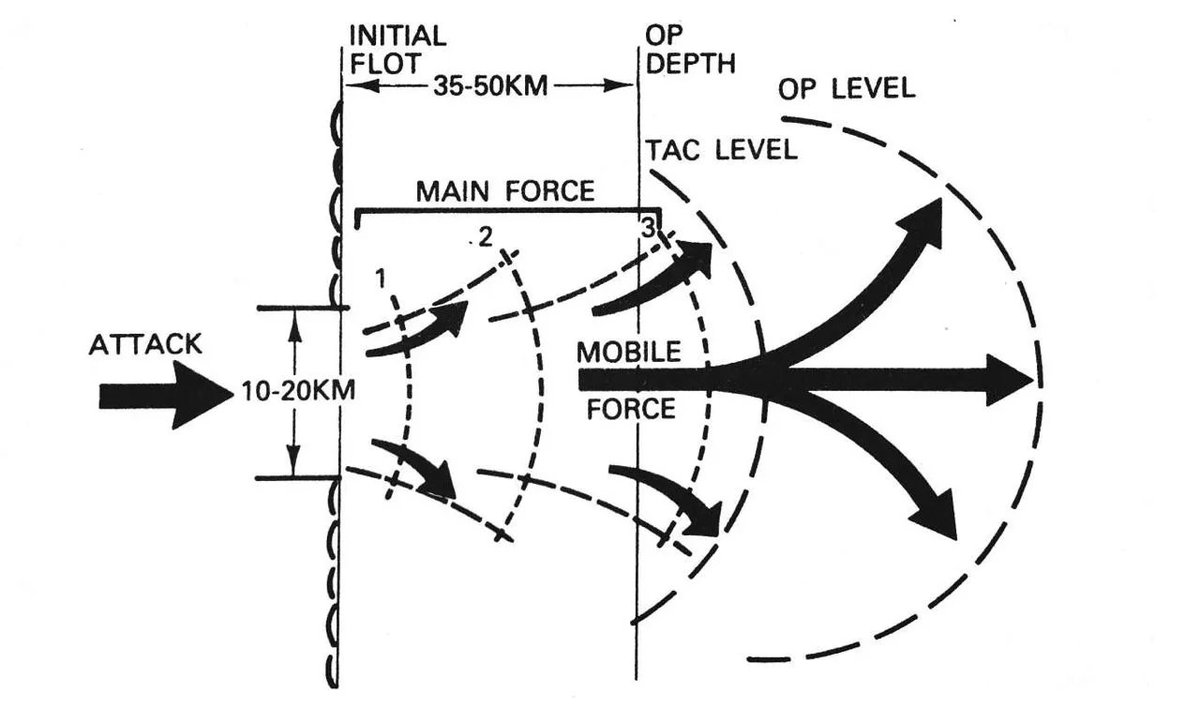
The distinctive of this doctrine is the preparation of multiple strike packages - what the Soviets called "echelons", which could be fed in along the same axis after achieving a breakthrough. The goal was to break open the defense and then funnel more units through the hole. (5)

The advantage of such an approach was, in theory, the ability to break out into operational depth in the enemy's rear areas, shattering their communications and supply, and preventing them from regrouping, deploying reserves, or establishing a new defensive line in the rear. (6)
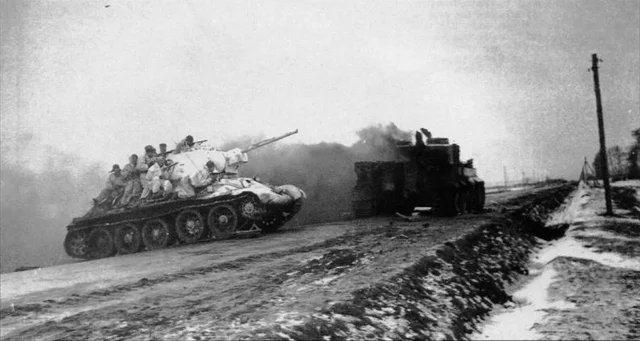
There were problems with Deep Battle, however. First and foremost, implementing it required enormous force generation. It's not particularly easy to amass multiple echelons with significant tank forces. Only the USSR and the USA really had the capability to do this. (7)
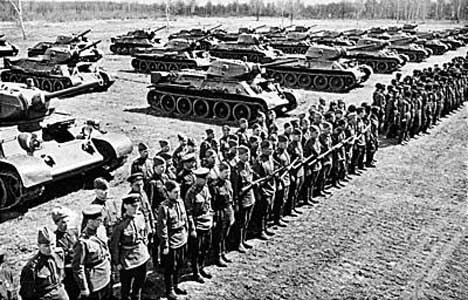
The other problem with Deep Battle was that, if the 1st echelon failed to break through the defense, sending the 2nd and 3rd echelons in tended to result in huge casualties, because at this point they would simply be pouring forces against a fully alert defense. (8)
In any case, Deep Battle was not a fully formed idea when war broke out. Tukhachevsky was executed during the purge of the officer corps in 1937, and his ideas became somewhat taboo and half baked for a time. (9)
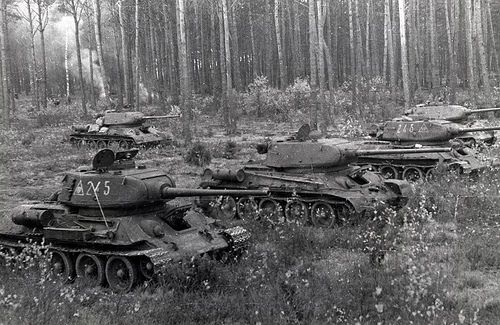
In the first two years of the war, the Red Army attempted haphazard offensives using "sequential operations", but these went badly. Red Army casualties during offensives at Kharkov (May 1942) and Rzhev (October) failed and suffered enormous casualties. (10)
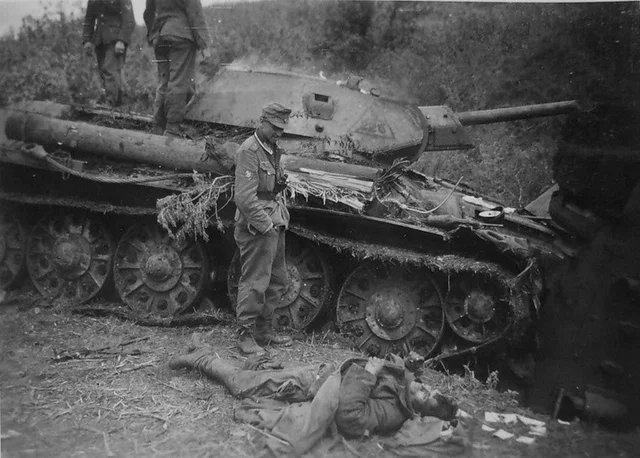
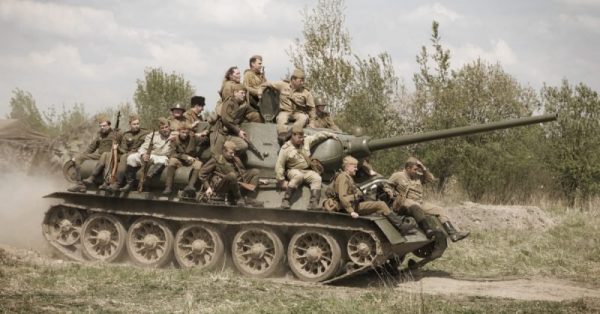
By 1944, however, things had changed significantly. Red Army competence was significantly higher, the Wehrmacht was badly attrited, and the Soviets finally had the sufficient massed striking power to make Deep Battle work. It was time to try it out. (11)
Soviet offensives in 1943 had cleared German forces out of much of Soviet Ukraine. But the Wehrmacht still held Soviet Belarus and the Baltics, leaving a large "balcony" hanging out to the north of Ukraine. (12)
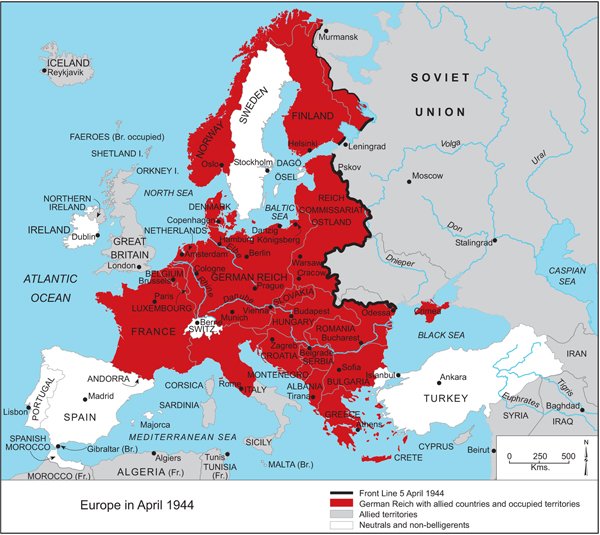
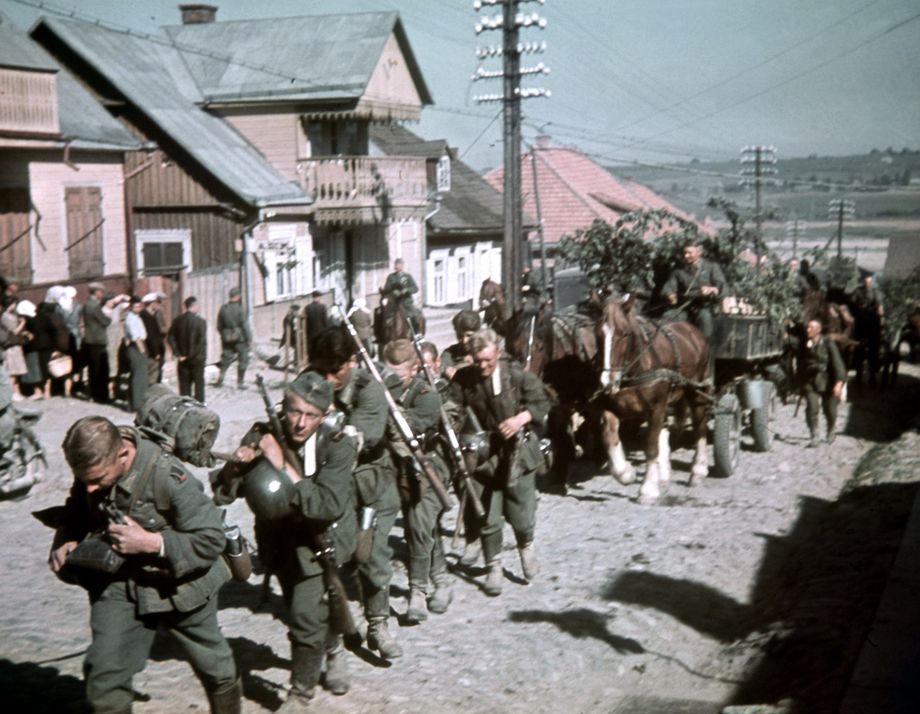
This "Belarussian Balcony" was occupied by German Army Group Center - in theory, this was still a powerful formation, with 47 divisions available. However, many of these were partial units - on paper, this was an 850k man formation, but the actual strength was about 490k. (13)
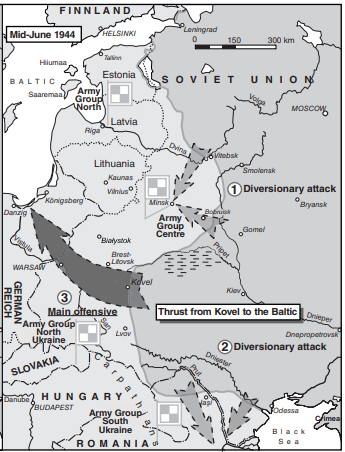
German command, however, was not particularly worried about Army Group Center getting blown up. They were instead terrified of the gap between Center and South. They were fixated on the idea that the Red Army planned to drive out from Ukraine and run to the Baltic Sea. (14)
German planners were completely preoccupied with a Soviet push from Kovel to the Baltic Sea. Accordingly, the entire German operational reserve - including 18 panzer and panzergrenadier divisions - was deployed to the south. (15)
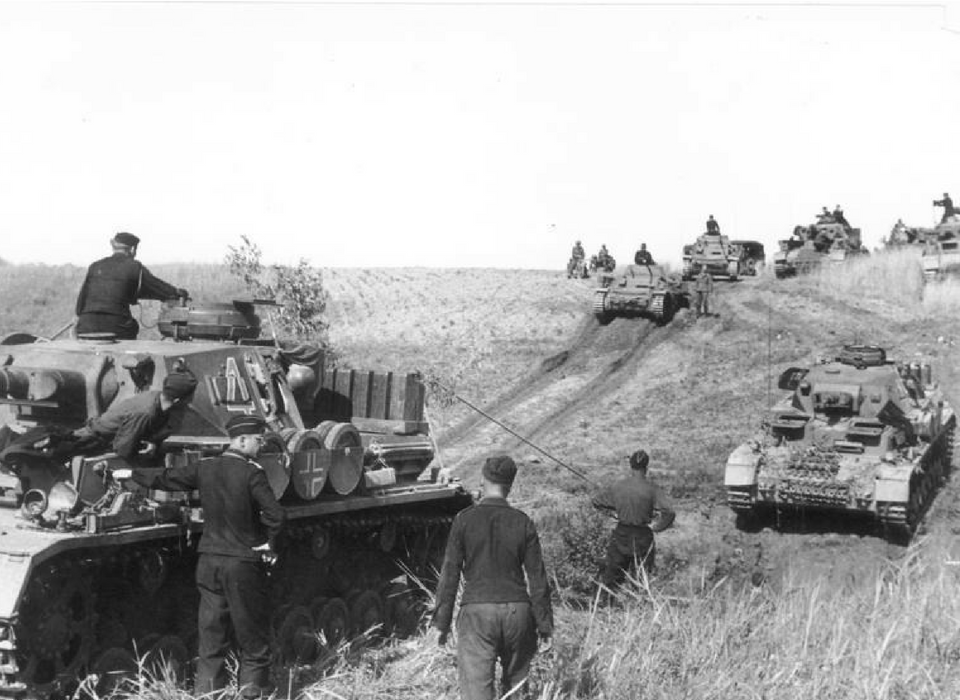
In June, 1944, virtually all the German tank units were either in France, fighting the Anglo-Americans, or south of the Pripet marshes, facing the Soviet forces in Ukraine. Army Group Center, in Belarus, had a grand total of 118 tanks, 377 assault guns, and 2500 artillery. (16)
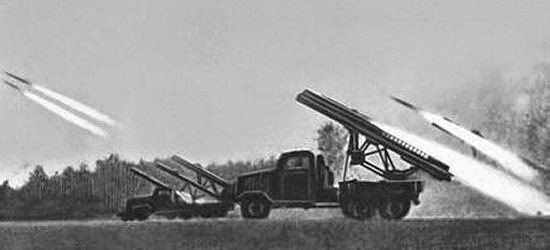
The force that the Red Army assembled to smash Army Group Center was truly colossal. The Soviets massed over 1.2 million, men, over 6,000 tanks, and a whopping 24,000 artillery pieces. For good measure, they also brought 2,300 rocket launchers and 6,000 aircraft. (17)
Operation Bagration - named after a Russian general of the Napoleonic Wars - began on June 22. The date had special significance, as the anniversary of Germany's invasion of the USSR three years prior. (18)
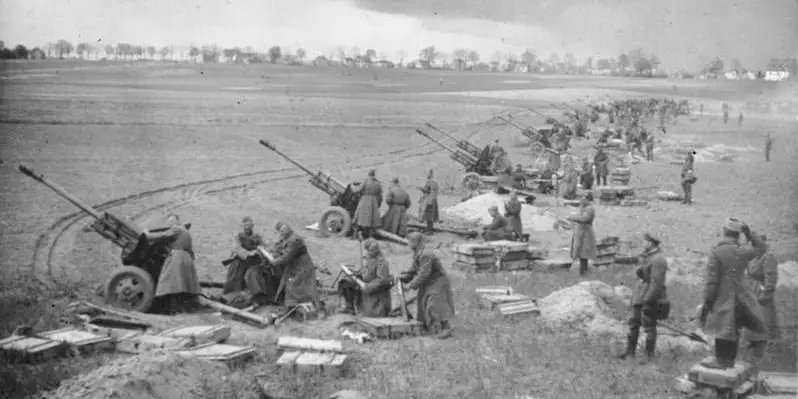
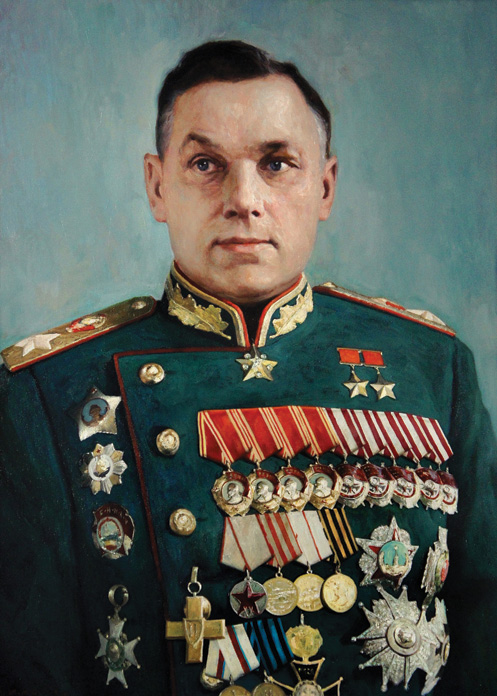
The Red Army broke through everywhere. This was a breathtakingly massive and complex maneuver scheme - so large that the operation was actually split into north and south command sectors under Zhukov and Rokossovsky (the Red Army's most talented commander). (19)
Bagration yielded not one, by numerous large encirclements. Four divisions were encircled in Vitebsk, nine were smashed on the approach to Minsk. All told, three full field armies were destroyed in their frontline positions in just the first two weeks of the operation. (20)
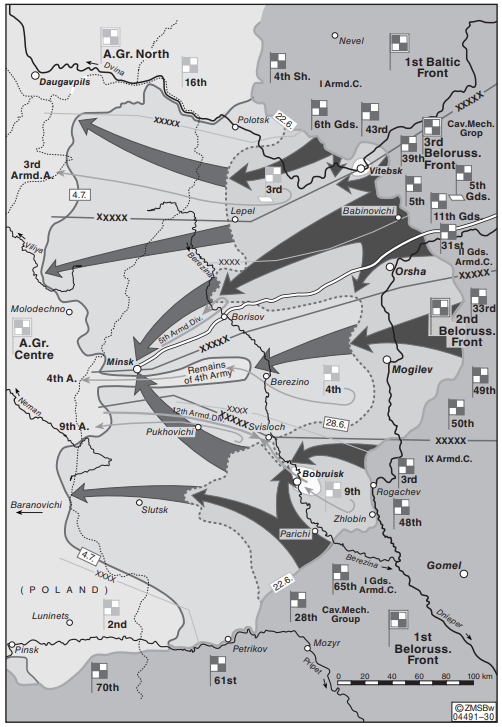
By early July, Army Group Center had been vaporized into a 250 mile hole in the line. The only suitable panzer forces to plug this hole were in France, or south of the Pripet Marshes. The only possible German response was to piecemeal feed units into the grinder. (21)
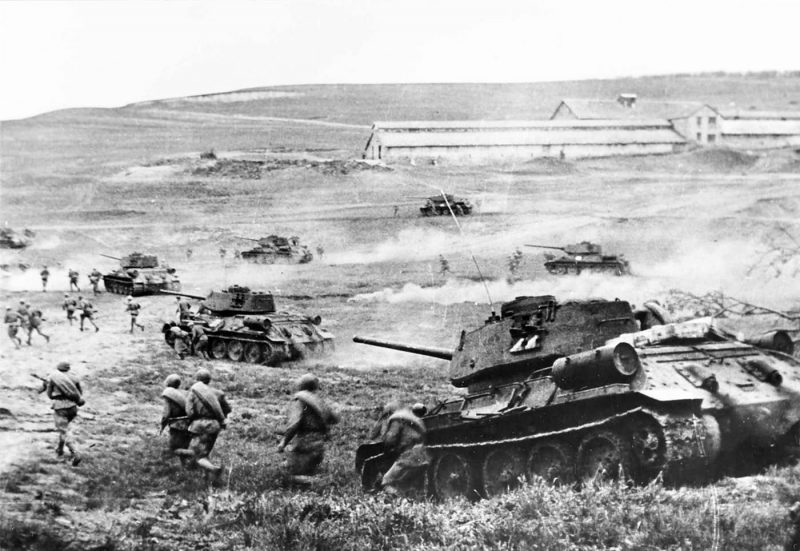
A few odd panzer divisions were scraped together and thrown in. Army Group North was stripped of its only panzer division, which launched a half hearted counterattack that achieved nothing. There really was nothing to be done. The Wehrmacht's torso had been blown open. (22)
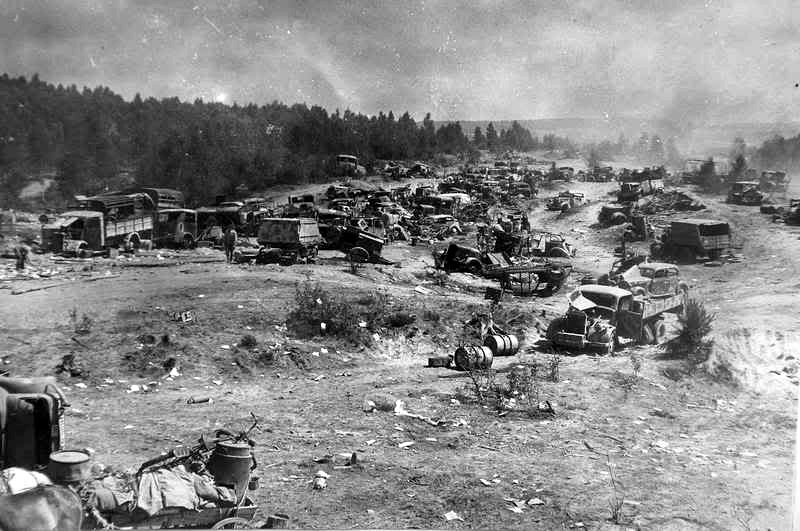
On July 20, Claus von Stauffenberg planted a bomb in Hitler's headquarters. The failed assassination attempt generated scorn and head shaking from the German officer corps at large, but had little impact on the fighting. Hitler was not mortally wounded, but his army was. (23)
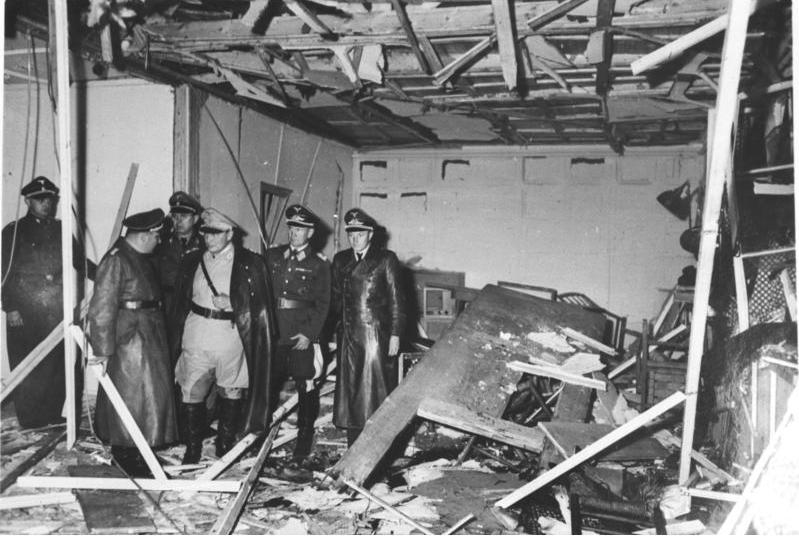
With the eastern front "bleeding from a thousand wounds", as one German officer put it, the Red Army was free to pursue unbridled deep battle. They poured big units into the holes and went deep. In only twelve days, they liberated Minsk and Vilnius.
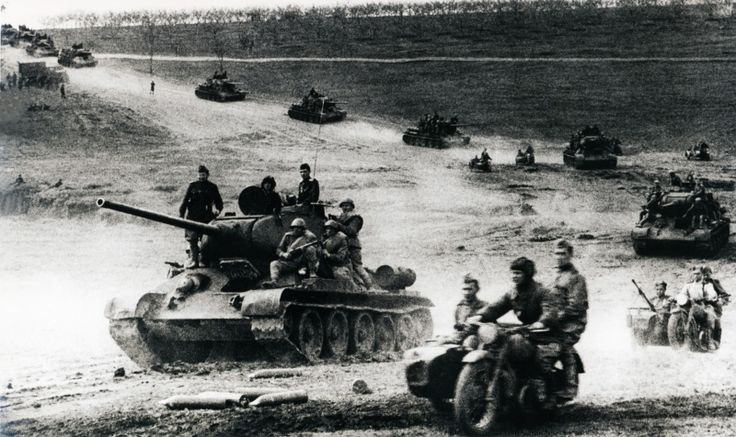
Within a few weeks, the Red Army pushed the front 200 miles to the west. 28 of Army Group Center's divisions were completely annihilated. 20% of German manpower in the east was wiped out in one big blow. (25)
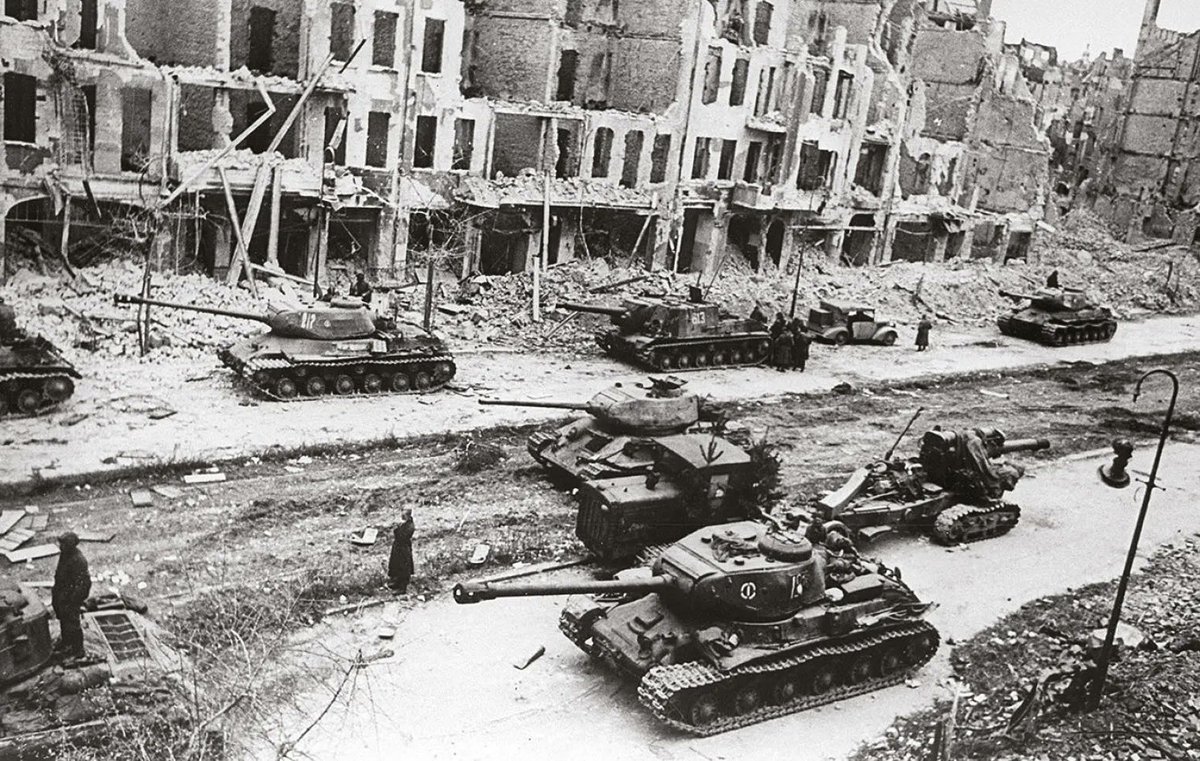
The victory was so comprehensive that 31 of the 47 division and corps level commanders in Army Group Center were either captured, killed, or committed suicide. Total German casualties were over 450,000. Stalin celebrated by parading 60,000 prisoners through Moscow. (26)
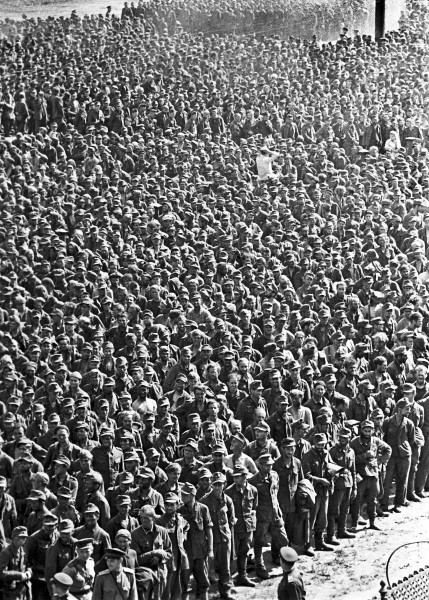
Bagration was finally a full implementation of what the Red Army had been trying to work out for years. A true display of Deep Battle and echelon attack. The sequential strike packages were the phenomenon that the Germans would misrepresent as "human wave" tactics. (27)
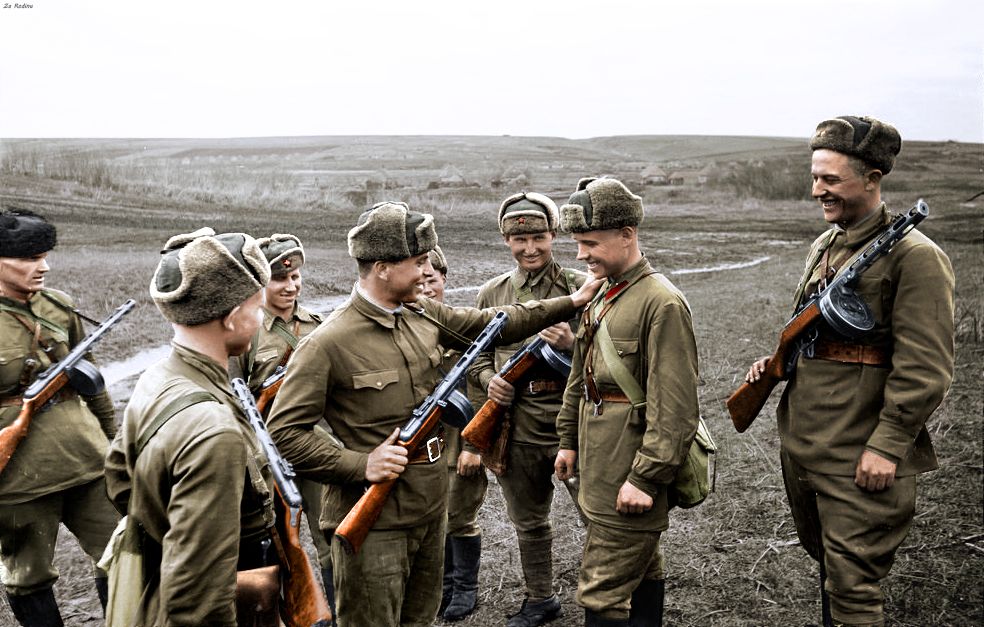
Early in the war, the Red Army suffered high casualties from sending sequential echelons to hammer on failed breakthroughs. But this was not some insane attempt to overwhelm the enemy with human waves; they were failed attempts to get Deep Battle to work. (28)
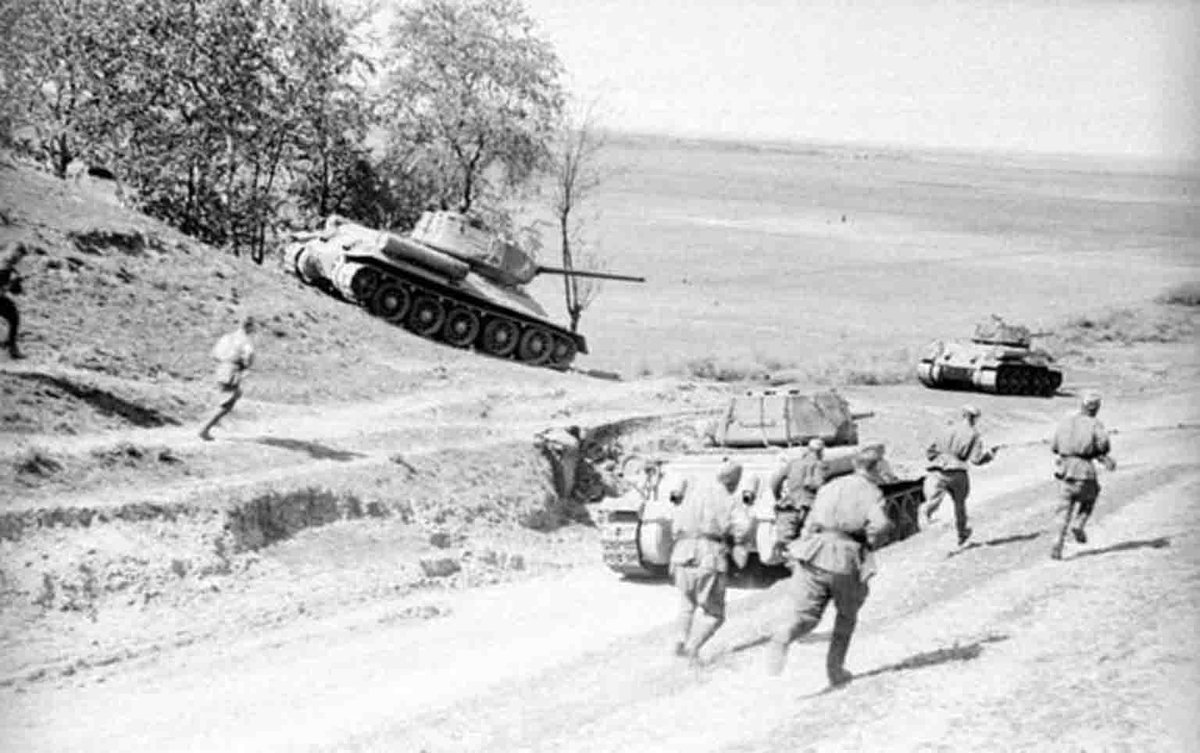
Deep Battle was a doctrine that led to huge casualties in failure, and enormous wins when it worked. This was a high risk, high cost strategy that made sense for an army like the Red Army, which had enormous force generation powers. (29)
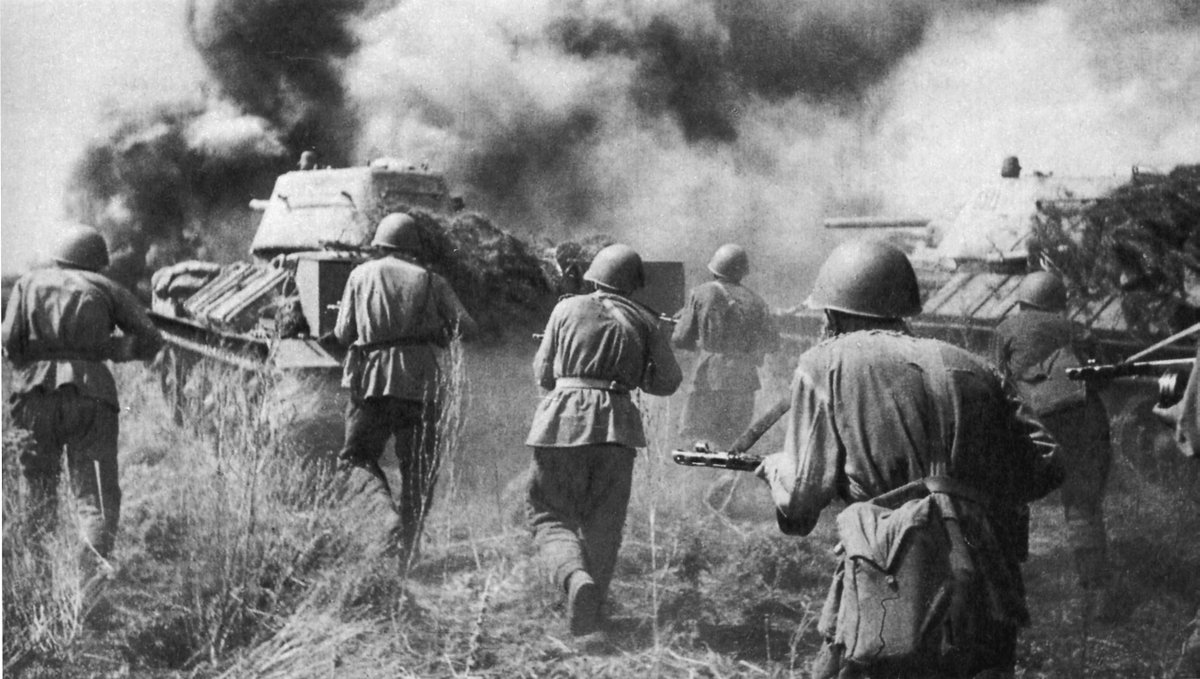
When it worked, it worked in a big way. Bagration was the biggest victory of World War Two. Arguably, it was the single biggest military victory in history. It was *the* victory, and it sent Nazi Germany into its final death spasm. (30)
Addendum, in case this wasn't clear: the Germans had a lot more than 118 tanks in the theater, they just chose to strip down Army Group Center and deploy their mobile forces to the south. It was their choice to deploy that way.
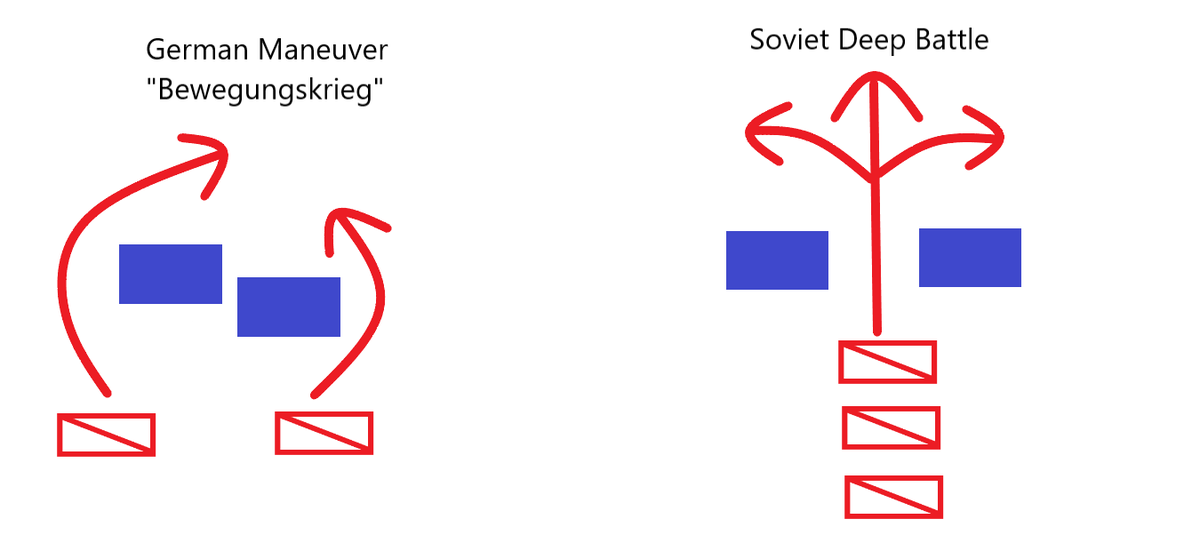
To people unfamiliar with the concepts, Deep Battle can superficially look like what the Germans generally attempted, but there are key differences. The Germans were not preoccupied with depth per se, the goal was encirclement of enemy forces. (cont)
Whereas the Red Army wanted to get into the operational depth and wreak havoc way behind the line. Encirclement was an intermediate goal. The other key distinctive of deep battle was preparation of multiple strike packages that would advance on the same line, one after another.
Here is my hastily made Microsoft paint diagram of the basic conceptual difference.
Loading suggestions...