

Carl Jung and India - a thread:
You know Carl Jung as the student of Freud and a famous 20th-century psychotherapist.
But, did you know that Jung was a fan and a student of the Indian Civilization?
On his birth anniversary, let's look at Carl Jung's 10 insights on India:
You know Carl Jung as the student of Freud and a famous 20th-century psychotherapist.
But, did you know that Jung was a fan and a student of the Indian Civilization?
On his birth anniversary, let's look at Carl Jung's 10 insights on India:
1/ Why Indian history is less detailed than Western history: The Indian mind knows we’ve “already lived innumerable times in past ages”
Jung: “The world itself is nothing but a renewal of world existence, which has happened many times before”
Why record the eternally recurring?
Jung: “The world itself is nothing but a renewal of world existence, which has happened many times before”
Why record the eternally recurring?
2/ When Jung saw India with Western eyes, he felt inadequate.
He felt like he was measuring a round (Eastern) world with a (Western) ruler that was painfully straight.
His European consciousness became “peculiarly thin, like a network of telegraph wires high above the ground”.
He felt like he was measuring a round (Eastern) world with a (Western) ruler that was painfully straight.
His European consciousness became “peculiarly thin, like a network of telegraph wires high above the ground”.
3/ Jung: “It is quite possible that India is the real world, and that the white man lives in a madhouse of abstractions.”
Indians have 'not yet withdrawn into the capsule of the head.'
In India, Jung wrote, 'it is still the whole body that lives.'
Indians have 'not yet withdrawn into the capsule of the head.'
In India, Jung wrote, 'it is still the whole body that lives.'
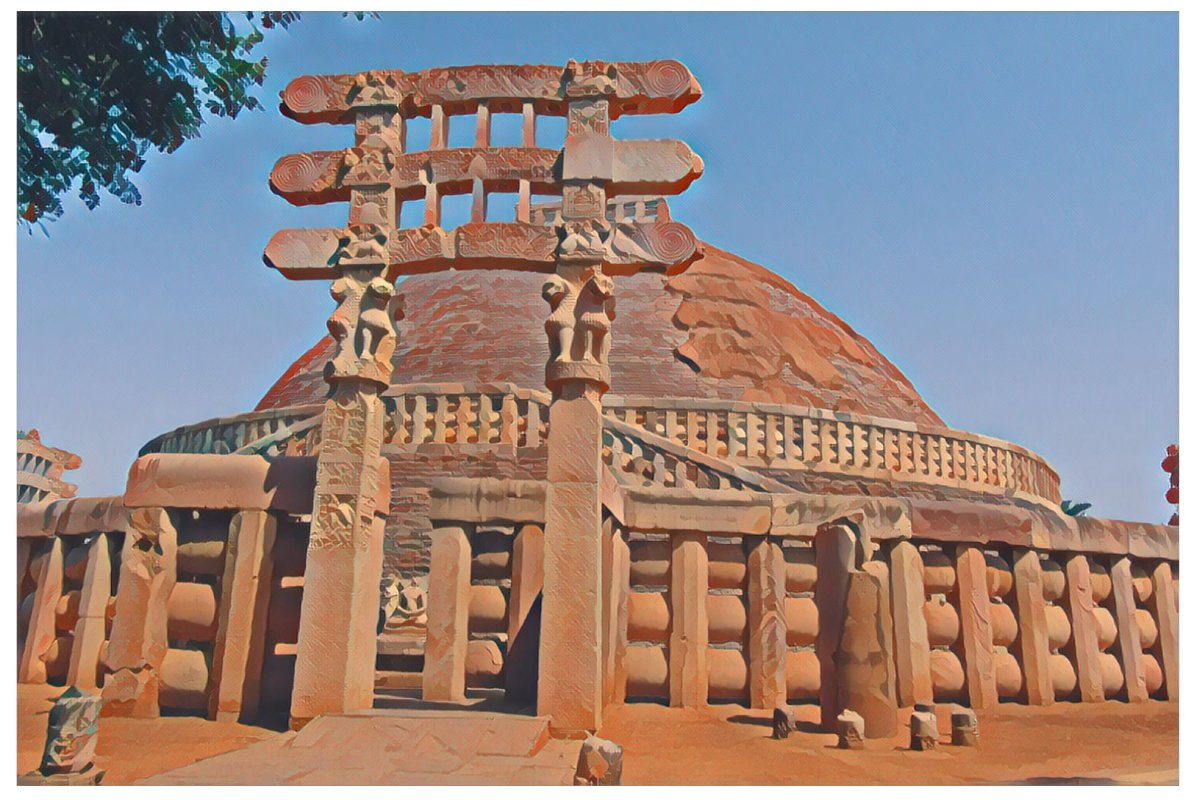
4/ Jung was moved by the sight of the Buddha Stupa in Sanchi, Bihar.
He wrote:
'It is of immense simplicity, austerity, and lucidity, perfectly in keeping with the simplicity, austerity, and lucidity of Buddha’s teaching.'
He wrote:
'It is of immense simplicity, austerity, and lucidity, perfectly in keeping with the simplicity, austerity, and lucidity of Buddha’s teaching.'
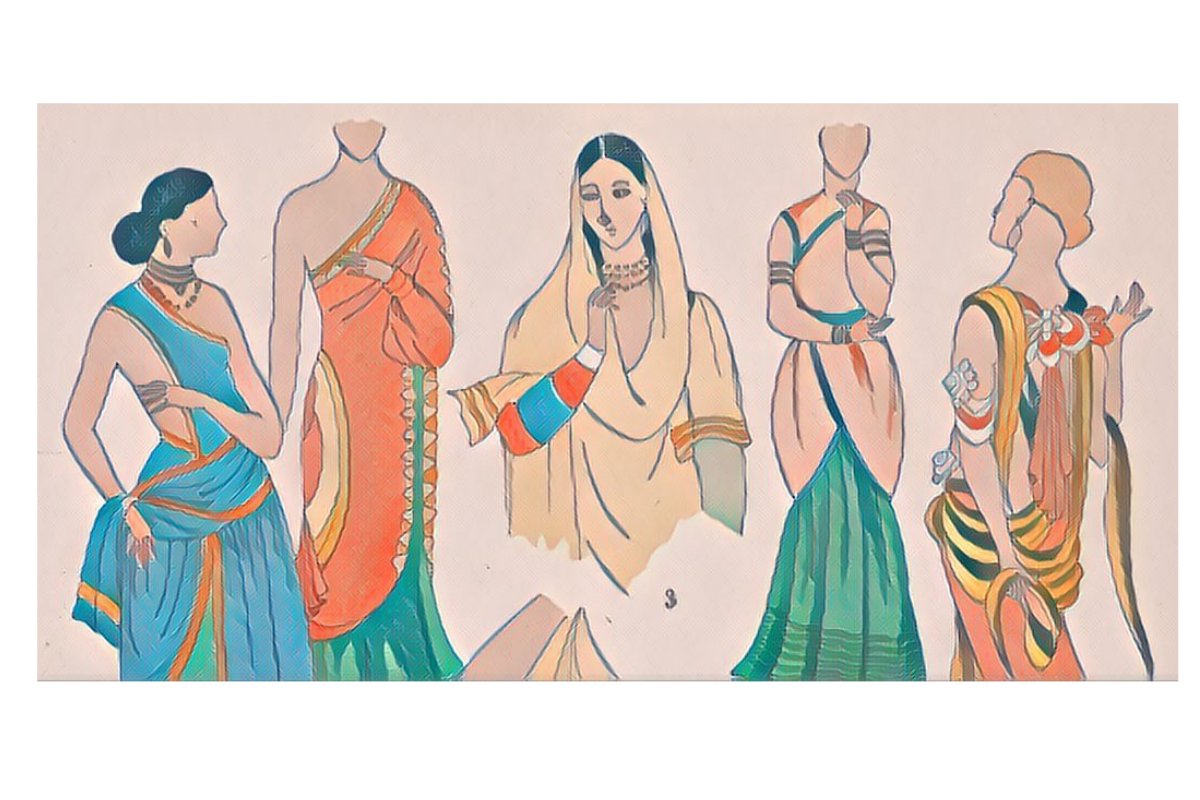
5/ When Jung visited India, he loved the attire of Indian women:
'It is the most becoming, the most stylish and the most meaningful dress ever devised by women.'
It would be 'a loss to the whole world' if the Indian women ever gave up their 'native costume.'
'It is the most becoming, the most stylish and the most meaningful dress ever devised by women.'
It would be 'a loss to the whole world' if the Indian women ever gave up their 'native costume.'
6/ Western Civilization v/s Indian Civilization
Jung: “India represents the other way of civilizing man, the way without suppression, without violence, without rationalism.”
The western psyche civilizes by suppressing dark fantasies; the Indian psyche believes in integration.
Jung: “India represents the other way of civilizing man, the way without suppression, without violence, without rationalism.”
The western psyche civilizes by suppressing dark fantasies; the Indian psyche believes in integration.
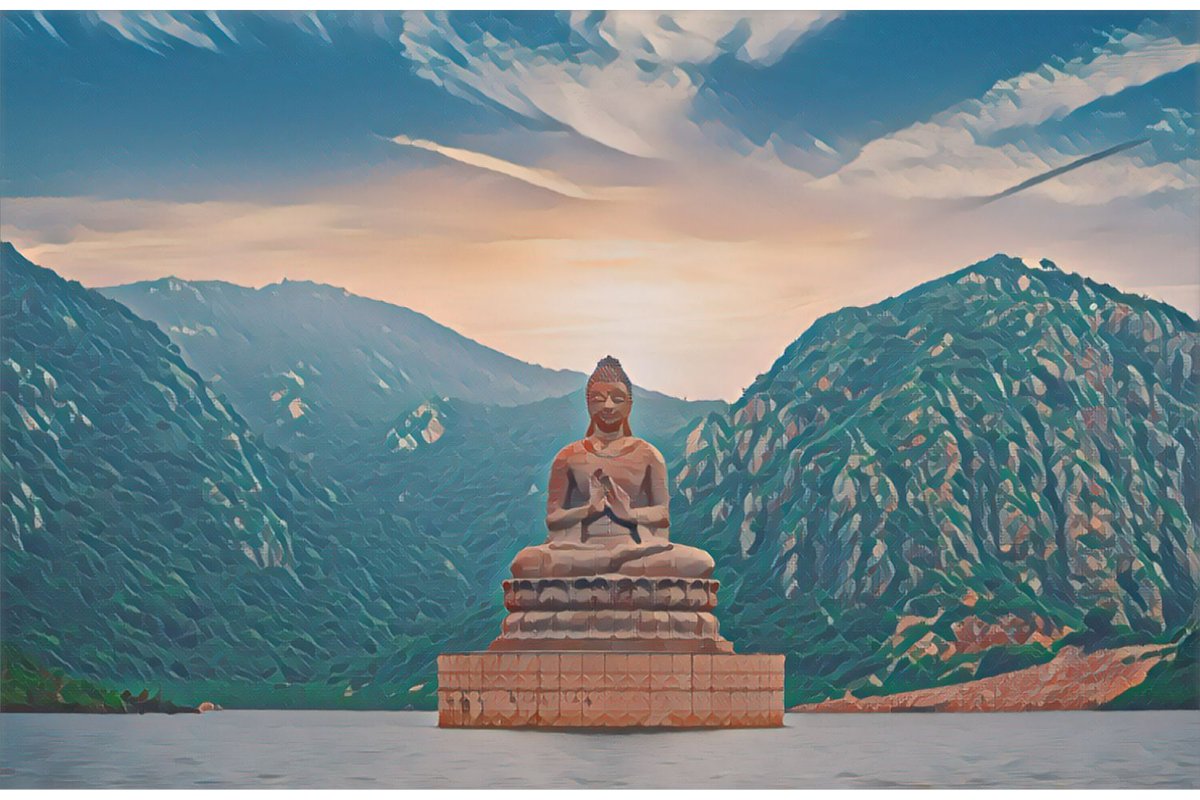
7/ Jung on Lord Buddha:
'Buddha disturbed the historical process…the true genius nearly always intrudes and disturbs. He speaks to a temporal world out of a world eternal. Thus, he says the wrong things at the right time.'
'Buddha disturbed the historical process…the true genius nearly always intrudes and disturbs. He speaks to a temporal world out of a world eternal. Thus, he says the wrong things at the right time.'
8/ Western mind v/s Indian mind:
The western mind 'thinks', but the Indian mind 'perceive his thoughts, as if they were visions or living things.'
Since thoughts 'appear by themselves', Indians are less likely to get swept up in rationalistic fevers and totalitarian plans…
The western mind 'thinks', but the Indian mind 'perceive his thoughts, as if they were visions or living things.'
Since thoughts 'appear by themselves', Indians are less likely to get swept up in rationalistic fevers and totalitarian plans…
9/ The western mind hangs the world up 'tightly between two concepts'.
Understanding the world is equated with manipulating it.
Jung: “But Indian thinking is an increase of vision and not a predatory raid into the yet unconquered realms of nature.”
Understanding the world is equated with manipulating it.
Jung: “But Indian thinking is an increase of vision and not a predatory raid into the yet unconquered realms of nature.”
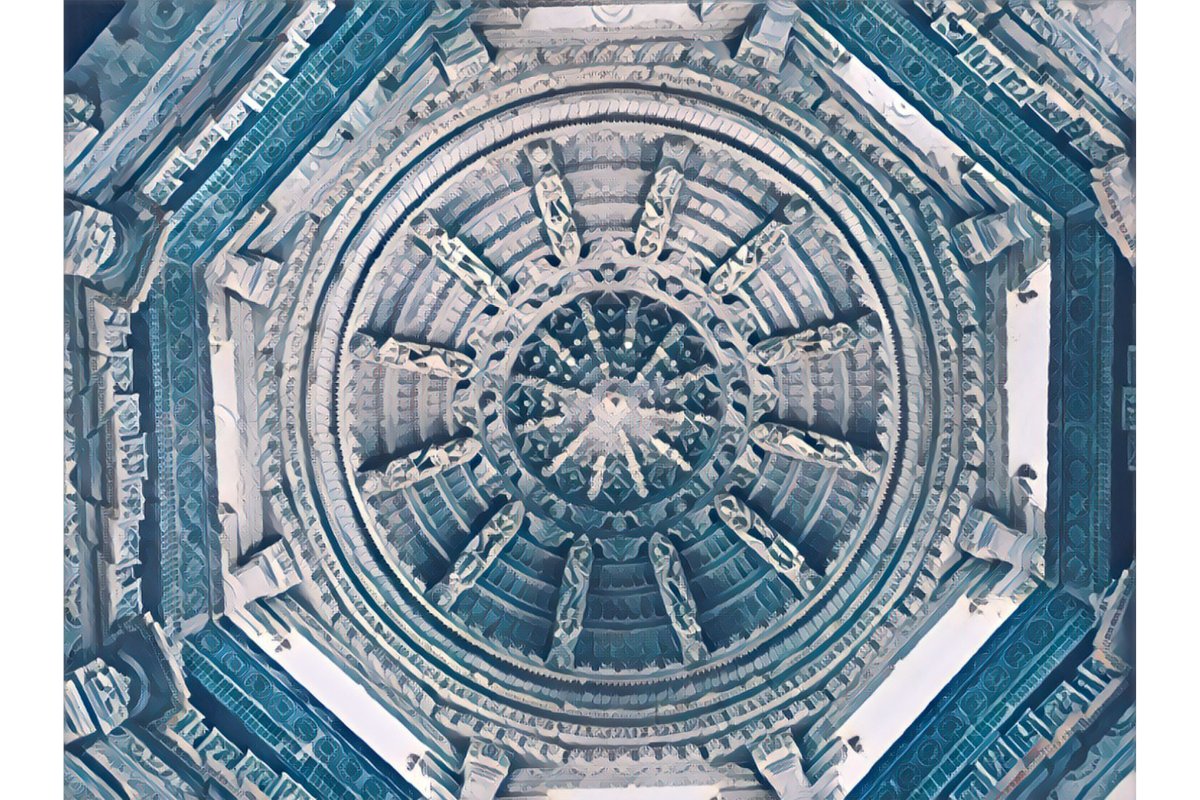
10/ For Jung, maṇḍalas represent an 'inner order'.
They pop up in the individual or collective imagination after 'chaotic, disordered states marked by conflict and anxiety.'
Jung: "They express the idea of a safe refuge, of inner reconciliation and wholeness."
They pop up in the individual or collective imagination after 'chaotic, disordered states marked by conflict and anxiety.'
Jung: "They express the idea of a safe refuge, of inner reconciliation and wholeness."
11/ To dig deeper into Jung's writings on India and her lessons for the west, check out the new essay on the Dhīti blog by @oldbooksguy
brhat.in
brhat.in
12/Jung was obsessed with the symbol of maṇḍalas
Some of his clients, completely unexposed to India, dreamt and drew up maṇḍalas
Jung learnt fascinating things in his research on this ancient Indian symbol
10 insights from Jung's work on maṇḍalas
memod.com
Some of his clients, completely unexposed to India, dreamt and drew up maṇḍalas
Jung learnt fascinating things in his research on this ancient Indian symbol
10 insights from Jung's work on maṇḍalas
memod.com

A small correction in TW no. 4, it is Sanchi Stupa, Madhya Pradesh.
Thank you to those who brought this to our attention🙏🏽
Thank you to those who brought this to our attention🙏🏽
Loading suggestions...