

"The future of NFTs"
A visual exploration of the REAL use cases of NFTs... 👇 🧵
A visual exploration of the REAL use cases of NFTs... 👇 🧵

This thread took me weeks to research, illustrate and write – if you end up enjoying it, please consider liking & retweeting the first post & following me @shivsakhuja.
You can also find this thread as a blog post on @0x_illuminati's website.
You can also find this thread as a blog post on @0x_illuminati's website.
The real use cases of NFTs are certainly limited right now, but there's a lot of untapped potential.
It's not uncommon for new technologies to go through hype cycles before their true use cases materialize.
(s/o to @packym & @notboringco)
It's not uncommon for new technologies to go through hype cycles before their true use cases materialize.
(s/o to @packym & @notboringco)
We've already seen 1-2 of these hype cycles for NFTs.
Most people think that's all NFTs are - a speculative bubble with degens and rich people buying "worthless" JPEGs

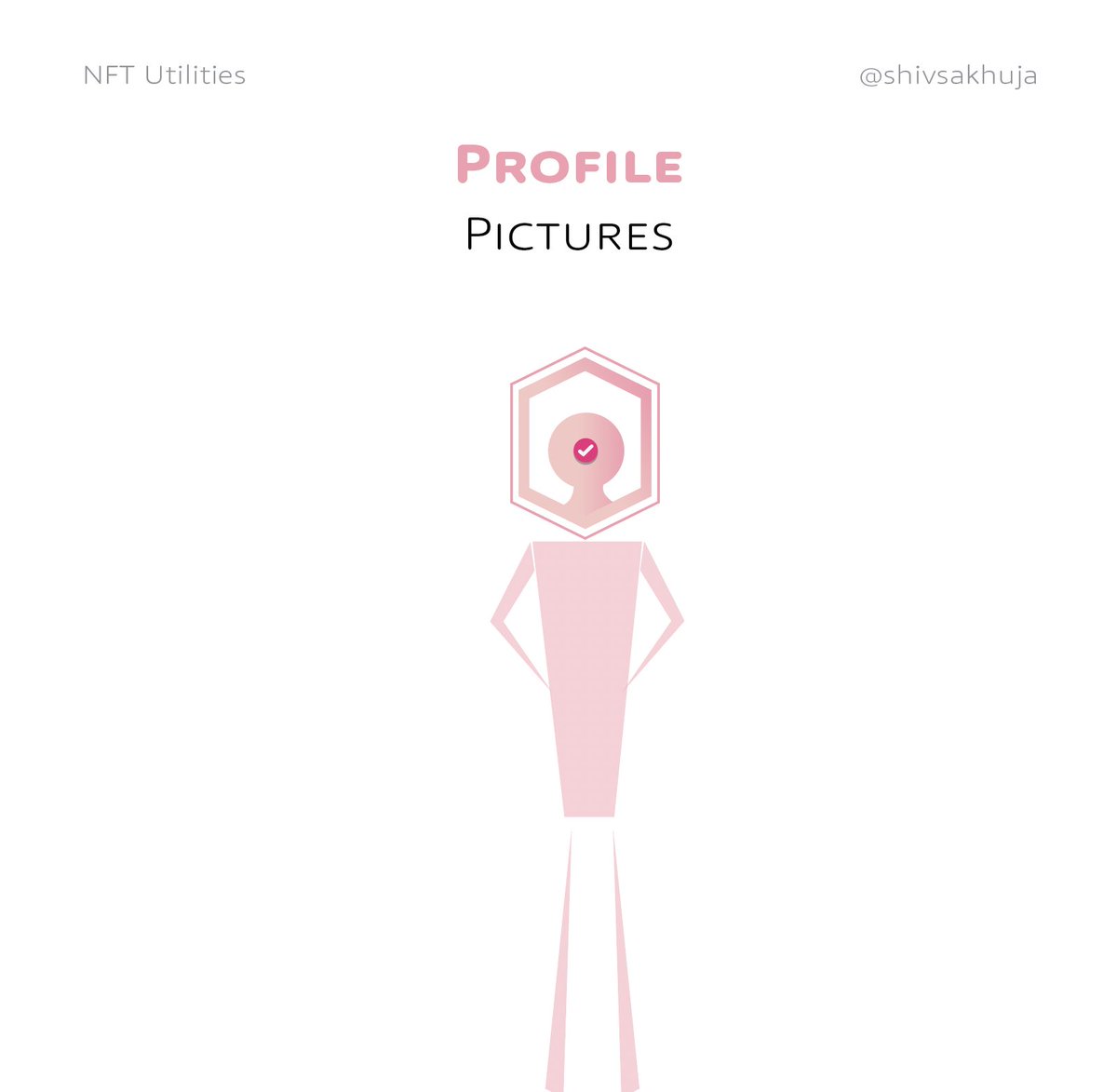
You might also have seen NFT profile pictures on Twitter
For example: my profile picture is an NFT I minted using @skogard's factoria app, which helps separate my account from
fake accounts.
For example: my profile picture is an NFT I minted using @skogard's factoria app, which helps separate my account from
fake accounts.
But this is just the beginning.
NFTs are a way to represent proof-of-ownership.
It's easy (though perhaps not as useful) to prove ownership of digital assets than physical assets.
This is why artwork and pfps are the most obvious first use cases.
NFTs are a way to represent proof-of-ownership.
It's easy (though perhaps not as useful) to prove ownership of digital assets than physical assets.
This is why artwork and pfps are the most obvious first use cases.
But they can be useful for a lot more.
NFTs can be used to represent anything that is:
• Unique
• Has an owner
• Requires or benefits from a digital proof of ownership.
NFTs can be used to represent anything that is:
• Unique
• Has an owner
• Requires or benefits from a digital proof of ownership.
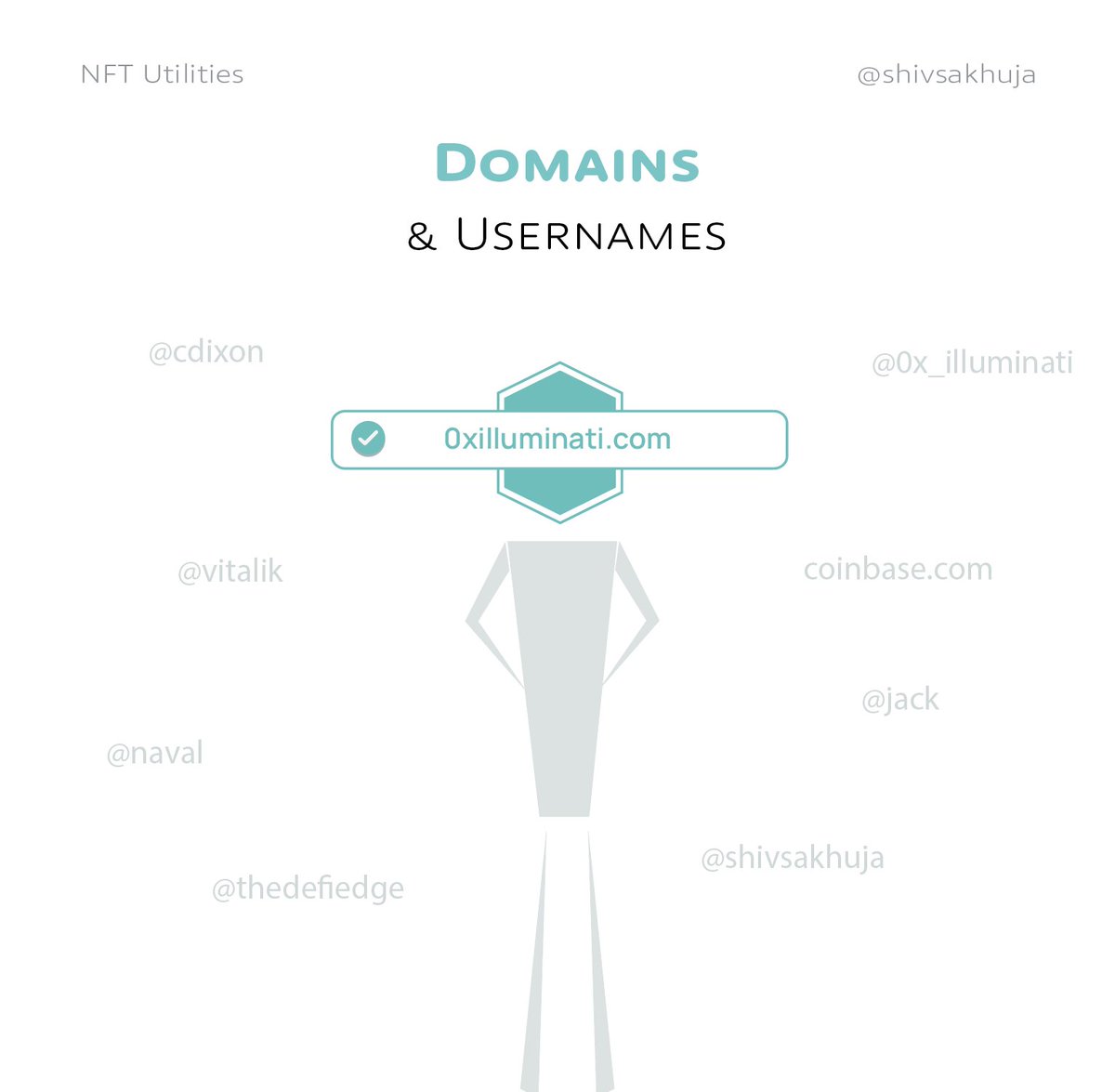
One of the big benefits of NFT domains is that they are transferrable and tradeable.
Domains on Godaddy and other web2 providers are not easy to transfer or sell. In many cases, you're just leasing the domain instead of buying them.
Domains on Godaddy and other web2 providers are not easy to transfer or sell. In many cases, you're just leasing the domain instead of buying them.
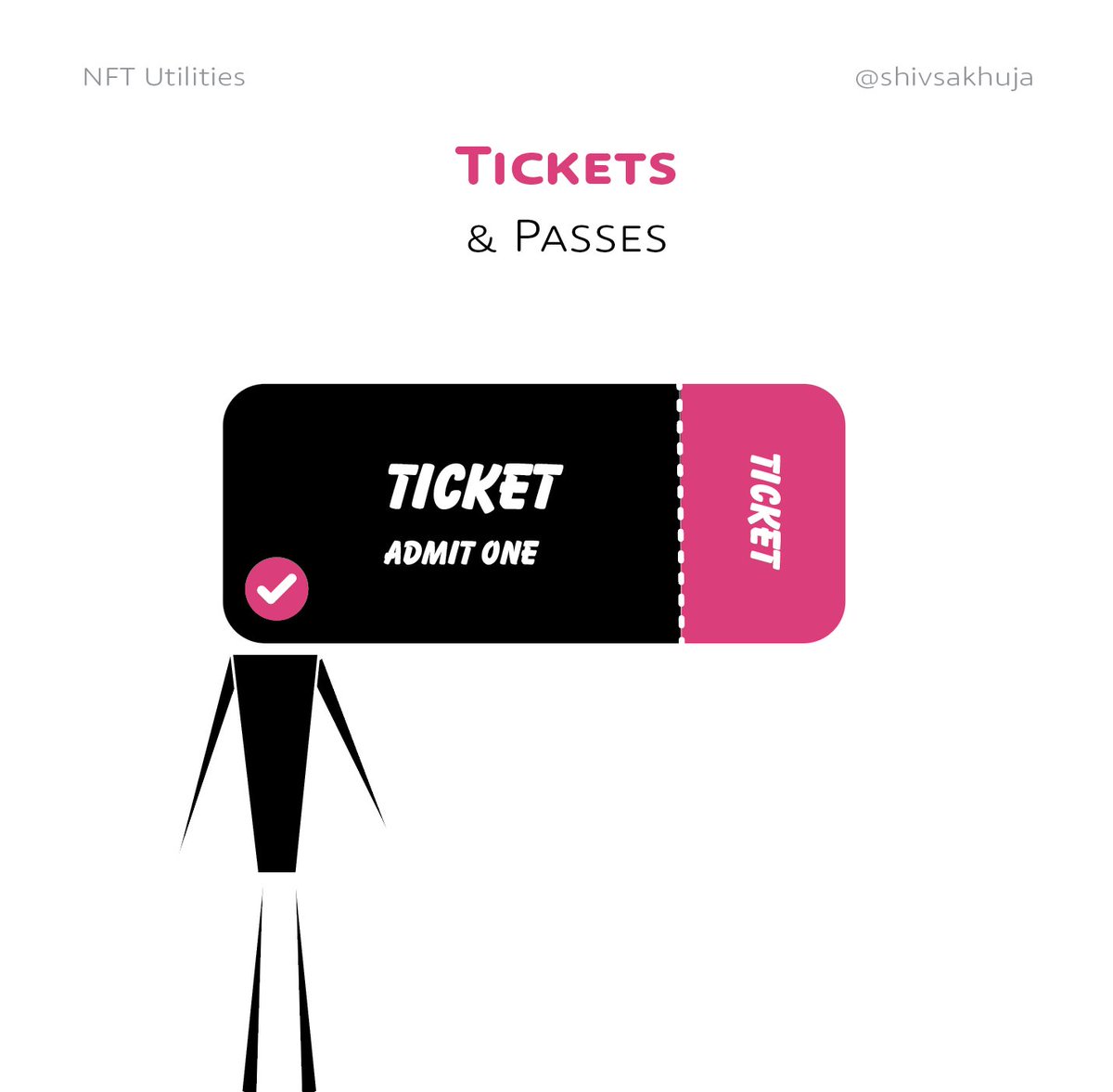
Similarly, concert tickets and other event passes are also well suited to be represented by NFTs.
There's a finite number of them, and access to the event requires proof.
NFTs can eliminate the problem of forgery and make it easy to verify authenticity and ownership.
There's a finite number of them, and access to the event requires proof.
NFTs can eliminate the problem of forgery and make it easy to verify authenticity and ownership.
NFT tickets are also tradeable on secondary markets, which unlocks a few things:
1. Standardized marketplaces with buyer & seller protection. Currently, tickets are traded on inefficient markets like FB & craigslist, where buyers don't get any guarantees.
2. Free market pricing
1. Standardized marketplaces with buyer & seller protection. Currently, tickets are traded on inefficient markets like FB & craigslist, where buyers don't get any guarantees.
2. Free market pricing

3. Royalties for the original creator (more on this below)
4. Historical ownership data of tickets means performers can airdrop future passes, discounts, giveaways, etc to fans.
5. NFT passes can also serve as a badge to showcase your fandom.
4. Historical ownership data of tickets means performers can airdrop future passes, discounts, giveaways, etc to fans.
5. NFT passes can also serve as a badge to showcase your fandom.
The online ticketing market is estimated to be worth $30B+... and it's growing fast.
A few projects I've seen working on NFT-based ticketing:
• @GetProtocol
• @SeatlabNFT
• @YellowHeartNFT
• @GUTStickets
• @WicketEvents
A few projects I've seen working on NFT-based ticketing:
• @GetProtocol
• @SeatlabNFT
• @YellowHeartNFT
• @GUTStickets
• @WicketEvents
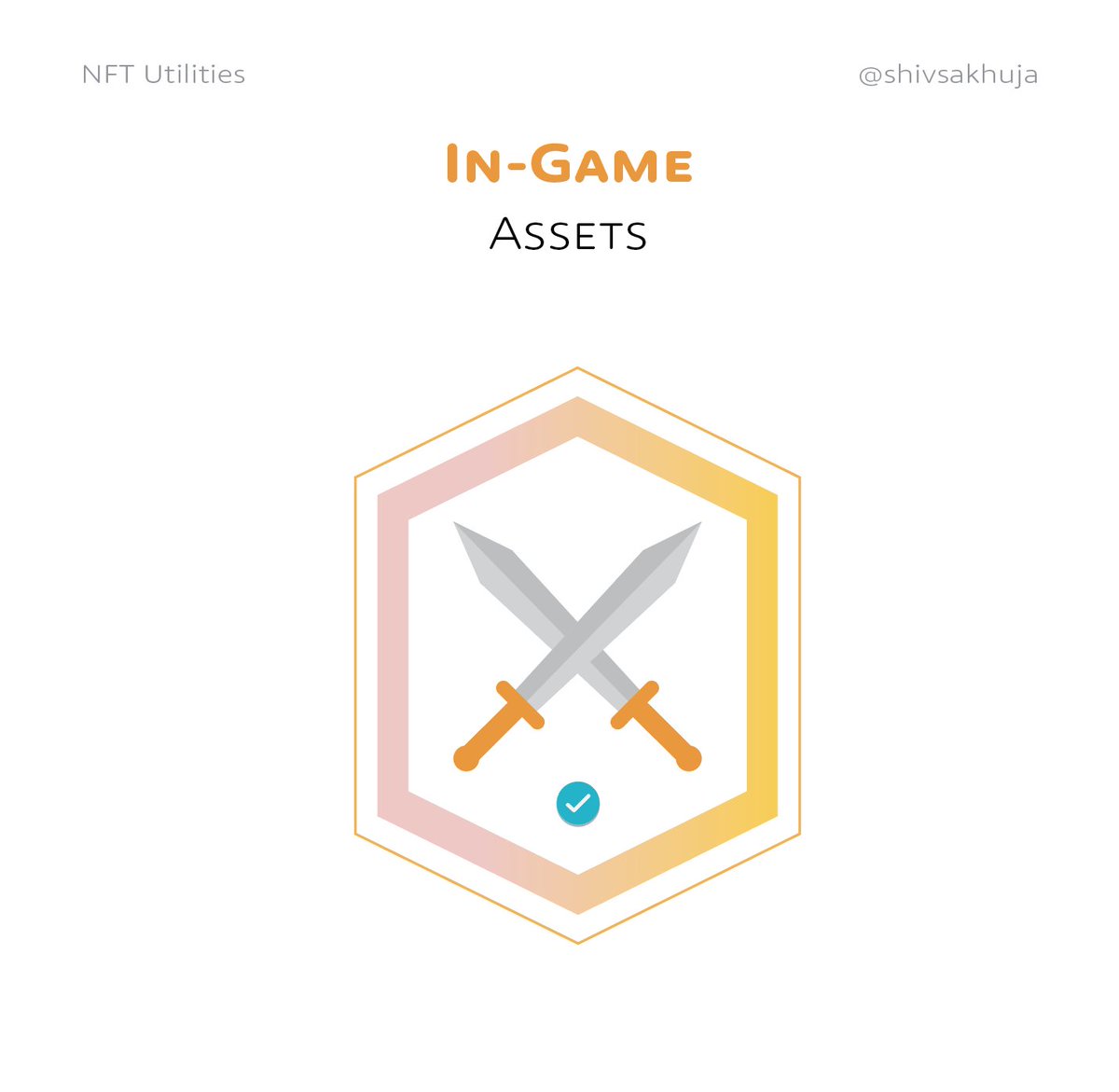
In-game assets benefit from NFTs for many of the same reasons.
Imagine that someone spent 2 years of their life accumulating a rare in-game collectible sword.
That collectible clearly has value for gamers.
That means it can be traded for $ or swapped for other game assets.
Imagine that someone spent 2 years of their life accumulating a rare in-game collectible sword.
That collectible clearly has value for gamers.
That means it can be traded for $ or swapped for other game assets.
The gaming industry is expected to make $200 BILLION in revenue this year, a significant portion of which comes from in-game purchases.
Royalties on secondary market trading of these gaming assets provide an incentive for gaming companies to create NFT-based ecosystems.
Royalties on secondary market trading of these gaming assets provide an incentive for gaming companies to create NFT-based ecosystems.
But digital assets only capture a fraction of the potential...
Real-world assets can get much of the same value from on-chain NFT representation.
Real-world assets can get much of the same value from on-chain NFT representation.
For example: Real Estate is unique, has an owner, and requires proof of ownership.
Tokenizing real estate has multiple benefits:
1. Can be fractionalized to increase access and liquidity
Tokenizing real estate has multiple benefits:
1. Can be fractionalized to increase access and liquidity
2. Can be collateralized to increase capital efficiency (ex: easy access to loans backed by a property)
3. Proof of ownership is particularly important in countries with weak legal systems.
4. Investors globally can invest in specific properties, neighborhoods, towns, etc
+++
3. Proof of ownership is particularly important in countries with weak legal systems.
4. Investors globally can invest in specific properties, neighborhoods, towns, etc
+++

The global Real Estate market is worth hundreds of TRILLIONS of dollars, and NFTs are the most effective way to prove ownership, resolve disputes and increase access for investors and homeowners worldwide.
Still very early days, but it's already in motion.
@arrington, founder of TechCrunch sold the world's first real estate NFT through @PropyInc in 2021
@arrington, founder of TechCrunch sold the world's first real estate NFT through @PropyInc in 2021
I've written about this concept before as a thought experiment
The team at @0x_illuminati also made an animated video based on this concept.
So far, we've only discussed the benefits of NFTs for transferrable assets.
But what about non-transferrable NFTs?
But what about non-transferrable NFTs?
This is a concept that people are now calling Soul-Bound Tokens or SBTs.
@VitalikButerin wrote a blog post about this 👇
@VitalikButerin wrote a blog post about this 👇
Like I said, NFTs are essentially digital certificates that anyone can verify.
That lends well to use cases like Degrees & Diplomas - though of course, you wouldn't want these to be tradable.
So they would best be represented by non-transferrable NFTs (SBTs).
That lends well to use cases like Degrees & Diplomas - though of course, you wouldn't want these to be tradable.
So they would best be represented by non-transferrable NFTs (SBTs).
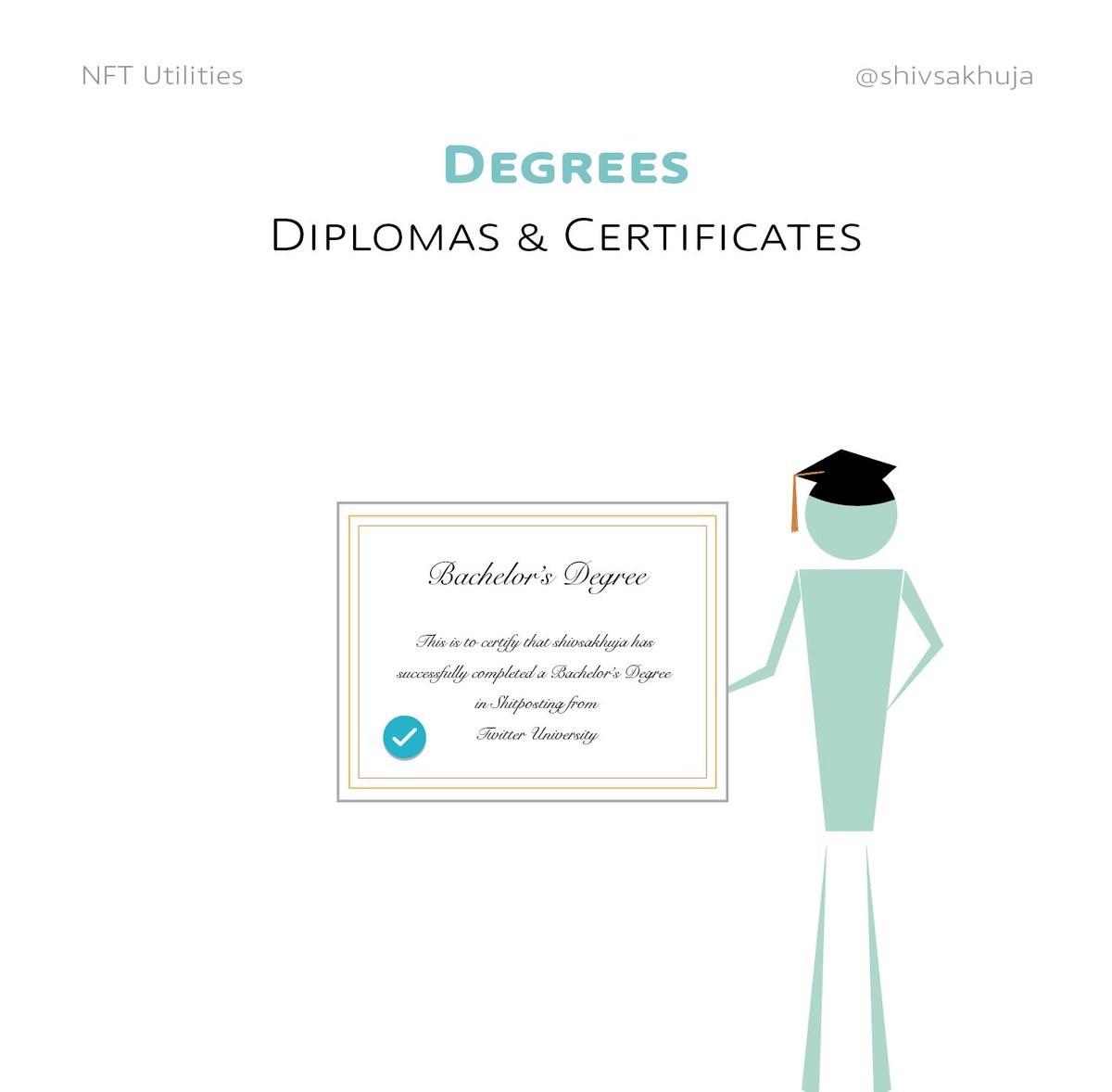
Having a standardized, public proof of diplomas, degrees, skills and achievements on-chain means that anyone can verify their legitimacy.
The same is true for all other kinds of certificates.
The same is true for all other kinds of certificates.
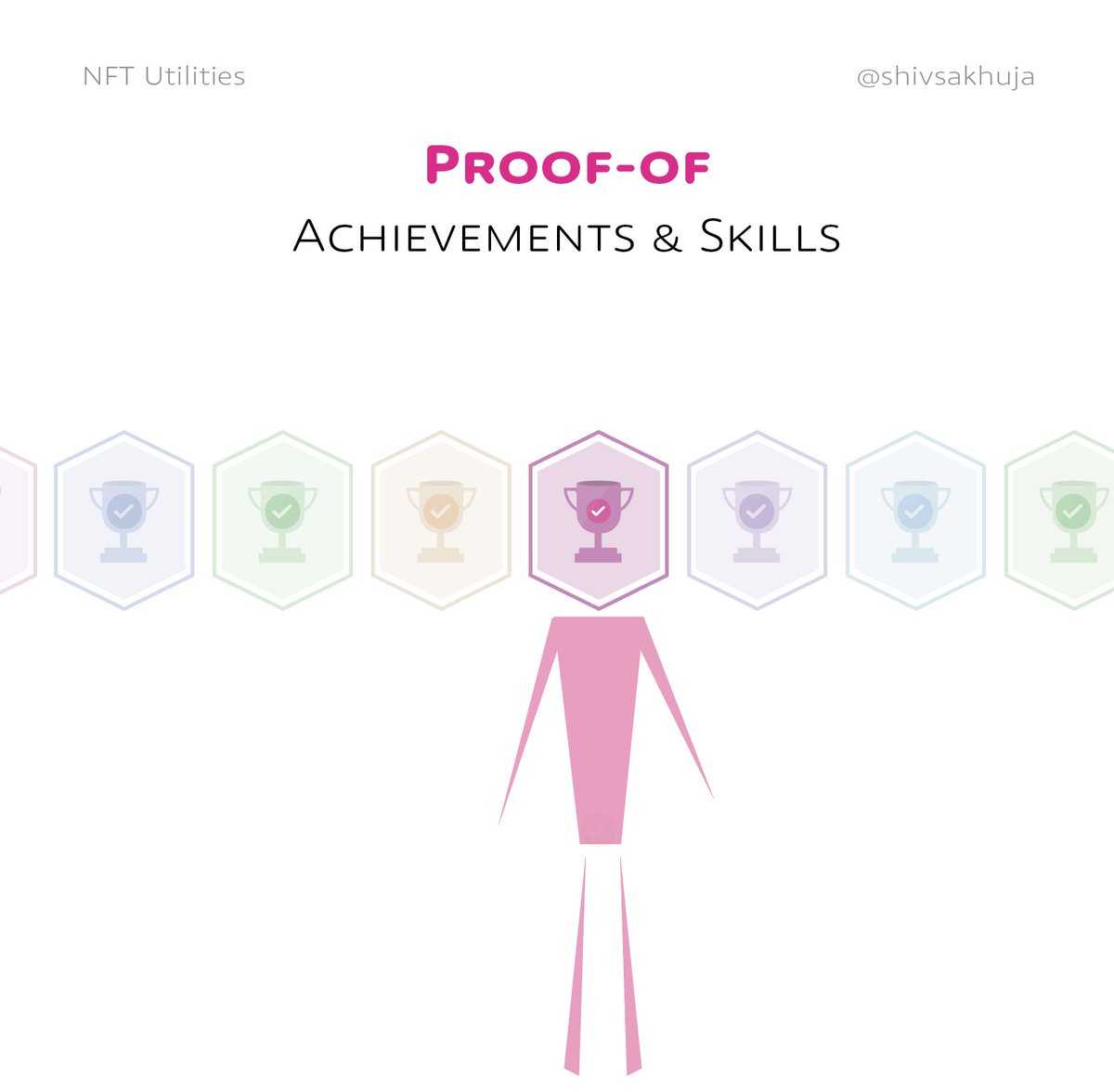
For example:
• LinkedIn could give you a verified checkmark for your degree.
• You could earn NFTs for freelancing to showcase proof-of-work done, skills used, time spent, and samples. This can then be used as your portfolio on Upwork, Fiverr, etc.
• LinkedIn could give you a verified checkmark for your degree.
• You could earn NFTs for freelancing to showcase proof-of-work done, skills used, time spent, and samples. This can then be used as your portfolio on Upwork, Fiverr, etc.
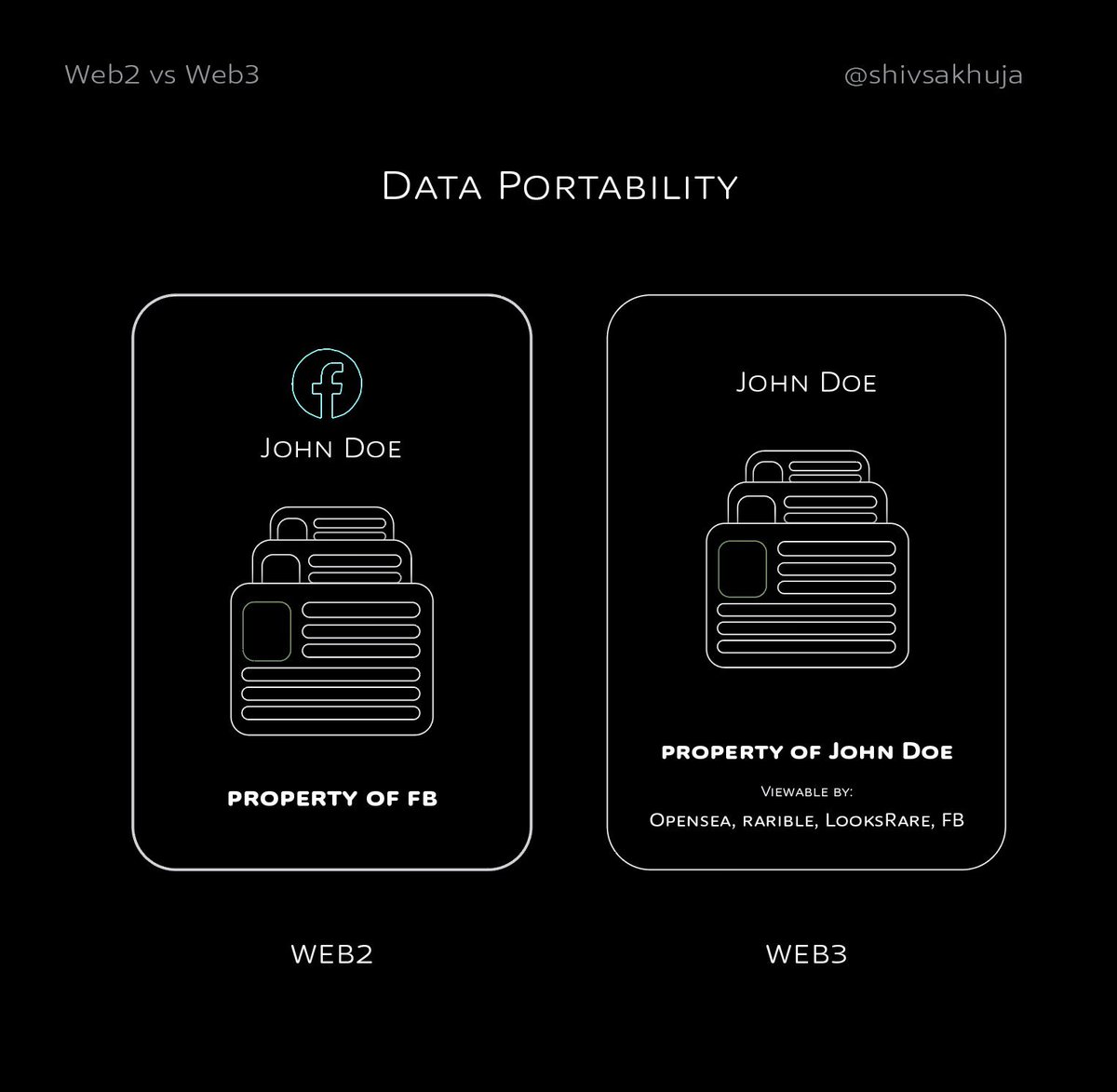
Because NFTs are an open standard, this means that NFTs earned for work done on Upwork can also be displayed on your Fiverr profile.
I recommend reading @cdixon's thread on data portability to understand this concept.
I recommend reading @cdixon's thread on data portability to understand this concept.
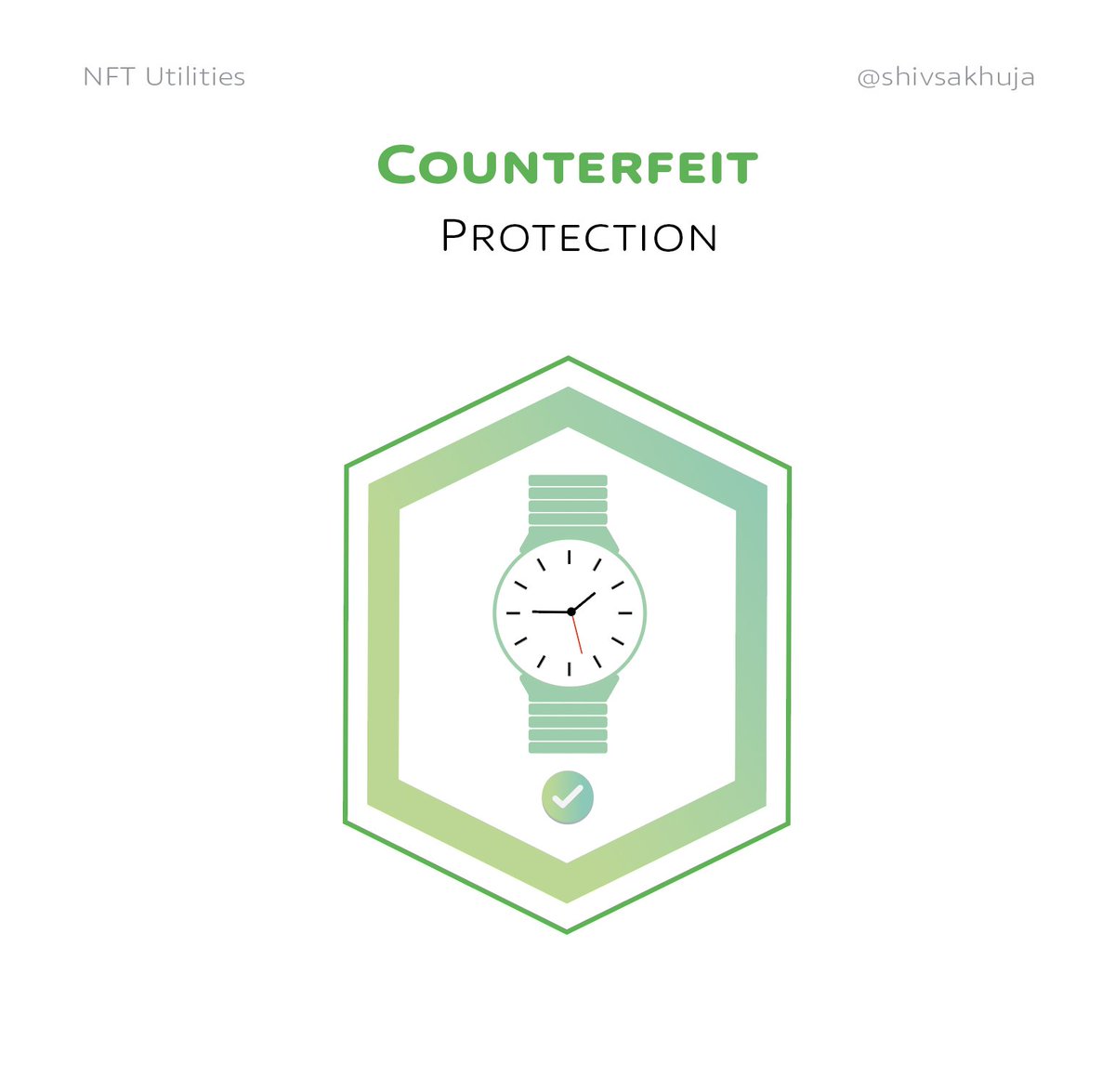
NFTs can also be useful for Counterfeit Protection.
Counterfeiting is the largest criminal enterprise in the world, estimated to be $2 TRILLION a year and growing.
So there's a lot of value to anti-counterfeit tech.
@ORIGYNTech is working on this.
Counterfeiting is the largest criminal enterprise in the world, estimated to be $2 TRILLION a year and growing.
So there's a lot of value to anti-counterfeit tech.
@ORIGYNTech is working on this.
Speaking of counterfeiting, identity theft/verification is another massive real-world problem that can be solved using NFTs.
In the US, 15 million+ citizens face identity theft every year, suffering damages of over $50 billion a year.
In the US, 15 million+ citizens face identity theft every year, suffering damages of over $50 billion a year.
This is not surprising at all since all you need for US identity theft is a 9-digit number (social security number) that is regularly passed around in emails, documents, on the phone, etc.
How can Identity NFTs solve this problem?
• NFTs are unique and can't be forged.
• NFTs provide a global standard.
• NFTs can be easily verified.
• Non-transferrable NFTs (SBTs) are locked to a specific wallet.
• NFTs can be revoked in case of wallet loss or theft.
• NFTs are unique and can't be forged.
• NFTs provide a global standard.
• NFTs can be easily verified.
• Non-transferrable NFTs (SBTs) are locked to a specific wallet.
• NFTs can be revoked in case of wallet loss or theft.
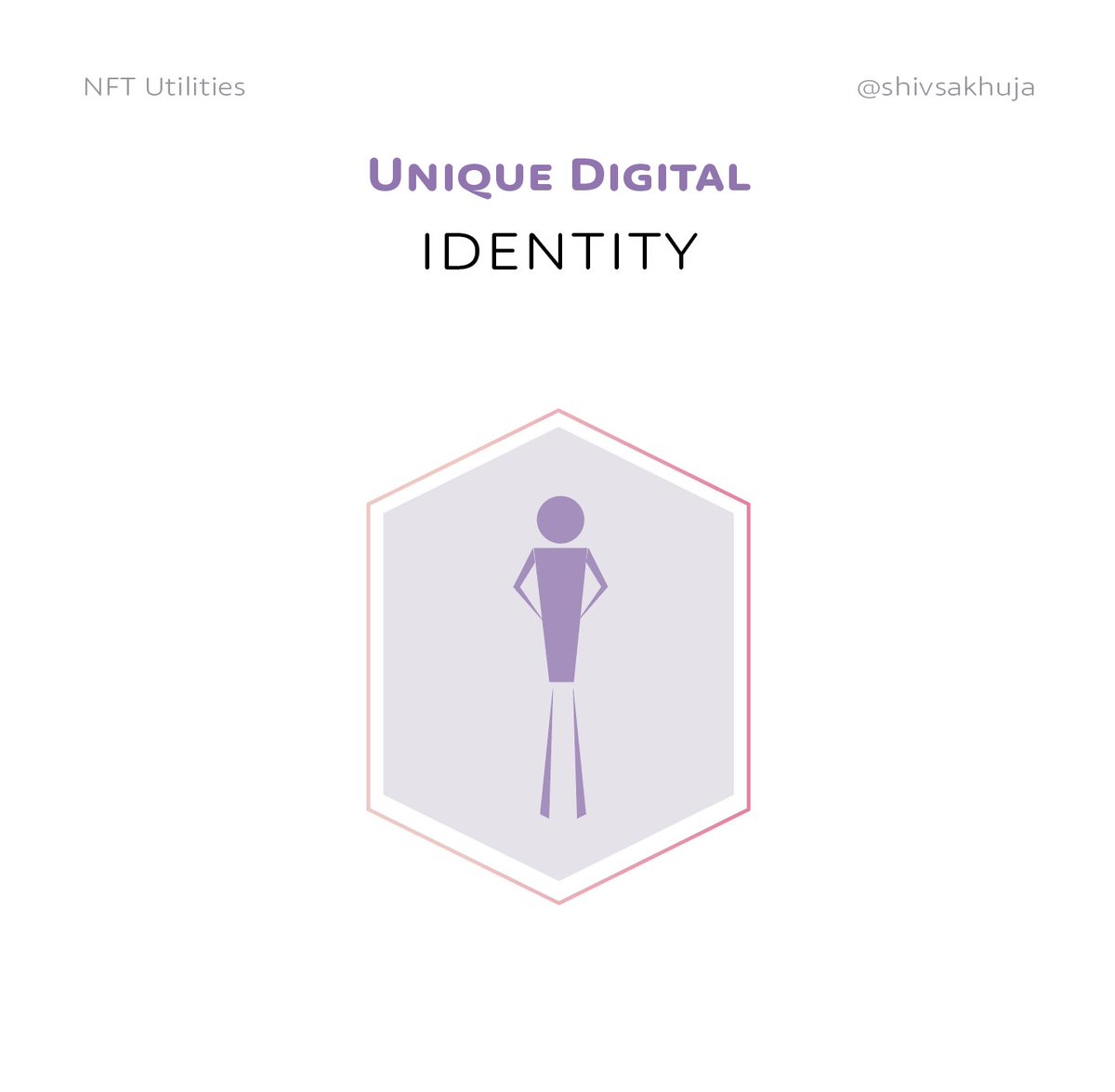
This could be one of the biggest global use cases for NFTs.

And since your identity is more than just your Government ID, you would likely have multiple identity NFTs.
@0xPolygon and @civickey are working on on-chain identity, among others.
@0xPolygon and @civickey are working on on-chain identity, among others.

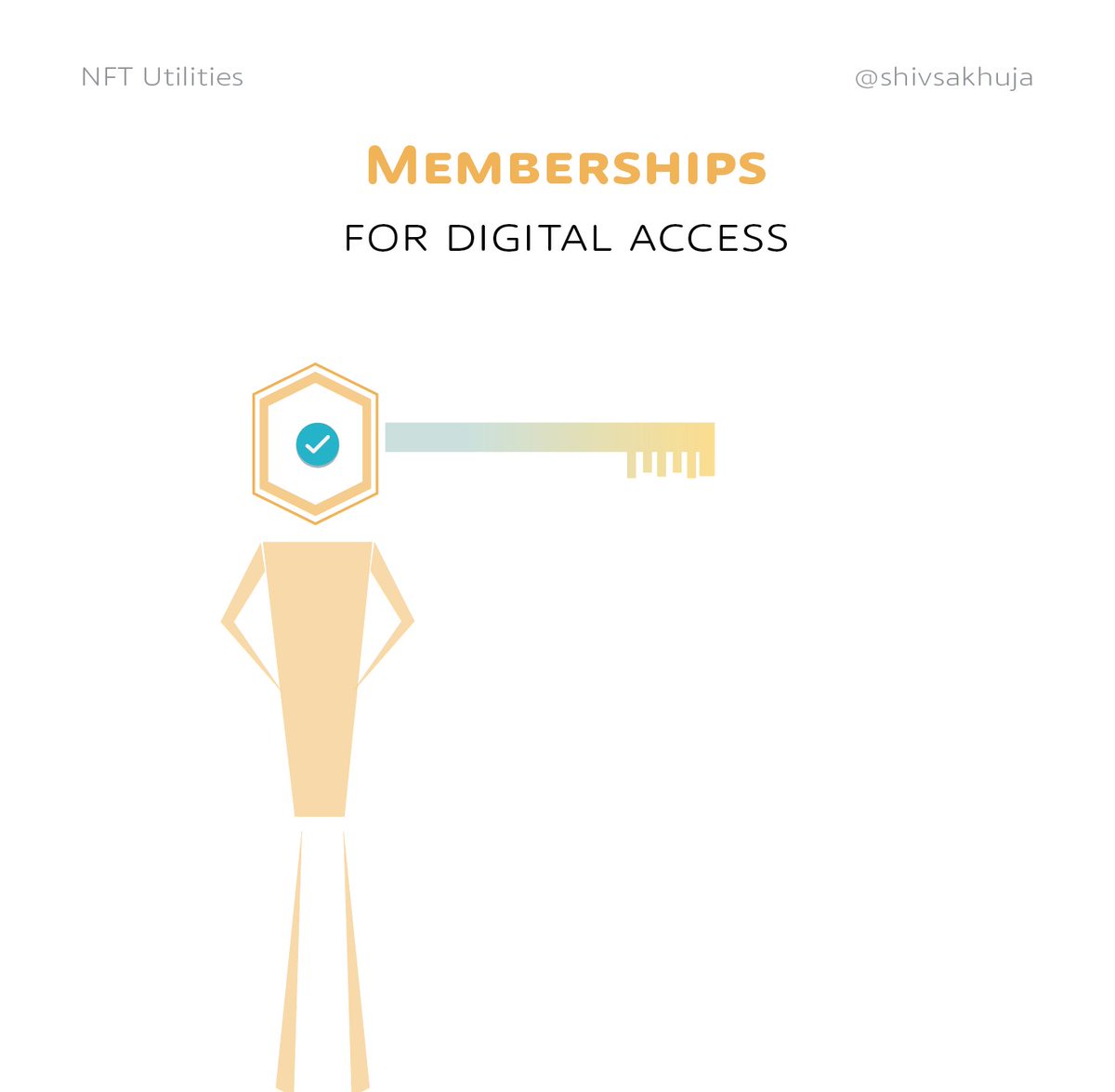
Digital and physical memberships can also use NFTs to verify access requirements.
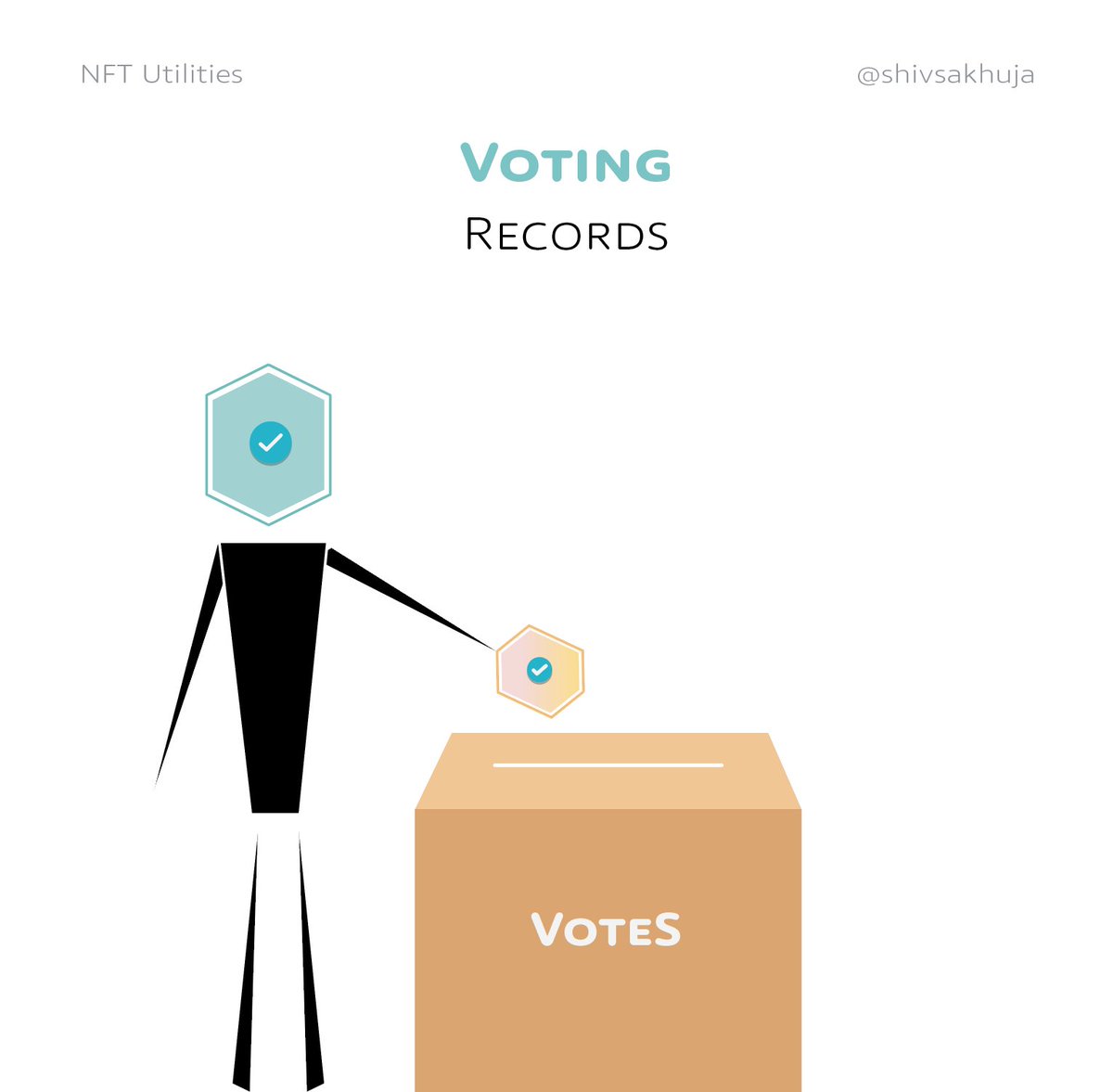
NFT identities can also solve problems like verification of votes.
If you remember the 2020 US election, there's no need to explain why this is a problem worth solving.
The simplicity of online voting can also increase voter turnout.
If you remember the 2020 US election, there's no need to explain why this is a problem worth solving.
The simplicity of online voting can also increase voter turnout.
NFTs can also be used to protect intellectual property.

This can allow creators to earn royalties from their creations.
NFTs are:
• Verifiable → IP ownership is clearly defined & publicly verifiable.
• Standardized/Composable → unlocks door for platforms that let creators earn royalties from their IP.
NFTs are:
• Verifiable → IP ownership is clearly defined & publicly verifiable.
• Standardized/Composable → unlocks door for platforms that let creators earn royalties from their IP.
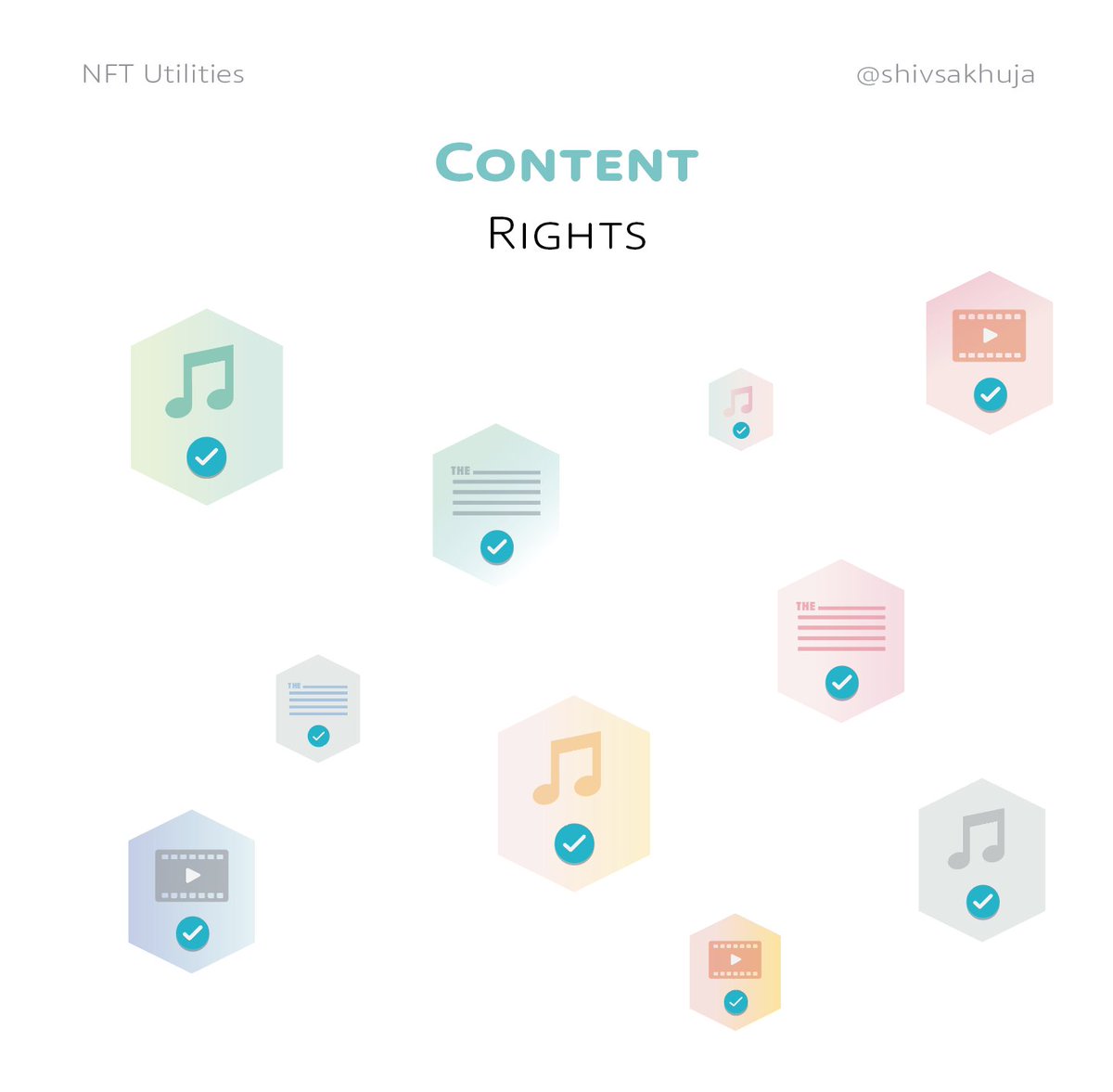
Monetization without copyrighting = more opportunities for everyone.
Music is a pretty obvious use case for this.

The majority of artists currently earn very little from platforms like Spotify and Apple Music.
NFTs can also be used by creators to crowdfund.
Investors can receive NFTs that represent rights to future earnings, for example.
This is particularly useful for fields where people who are not in the top 1% can't make money.
(aspiring artists, athletes, actors, etc)
Investors can receive NFTs that represent rights to future earnings, for example.
This is particularly useful for fields where people who are not in the top 1% can't make money.
(aspiring artists, athletes, actors, etc)
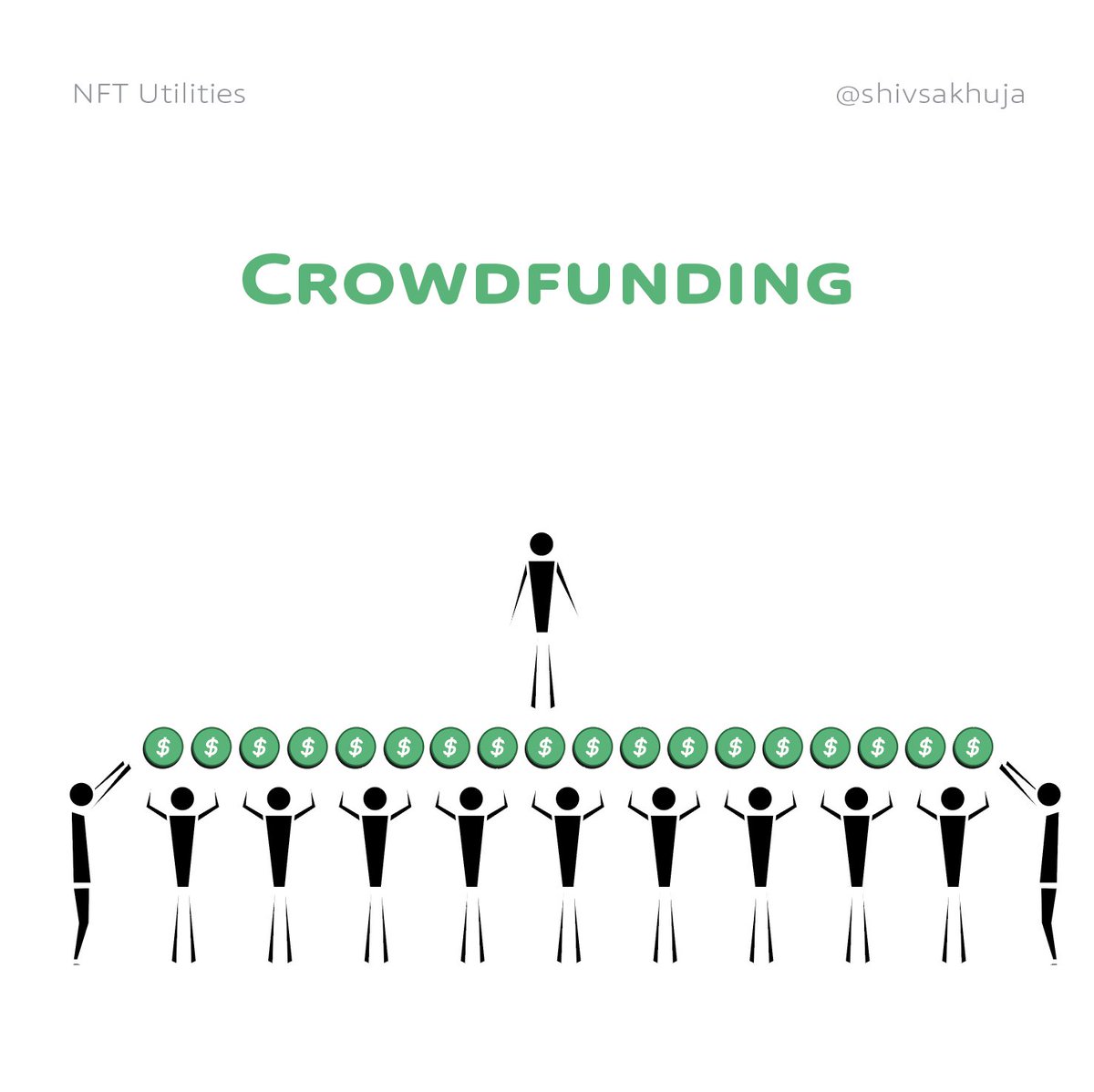
Similarly, NFTs can also be used for crowdfunding for social impact projects.
The NFT would serve as a badge of honor for altruistic contributions.
The NFT would serve as a badge of honor for altruistic contributions.
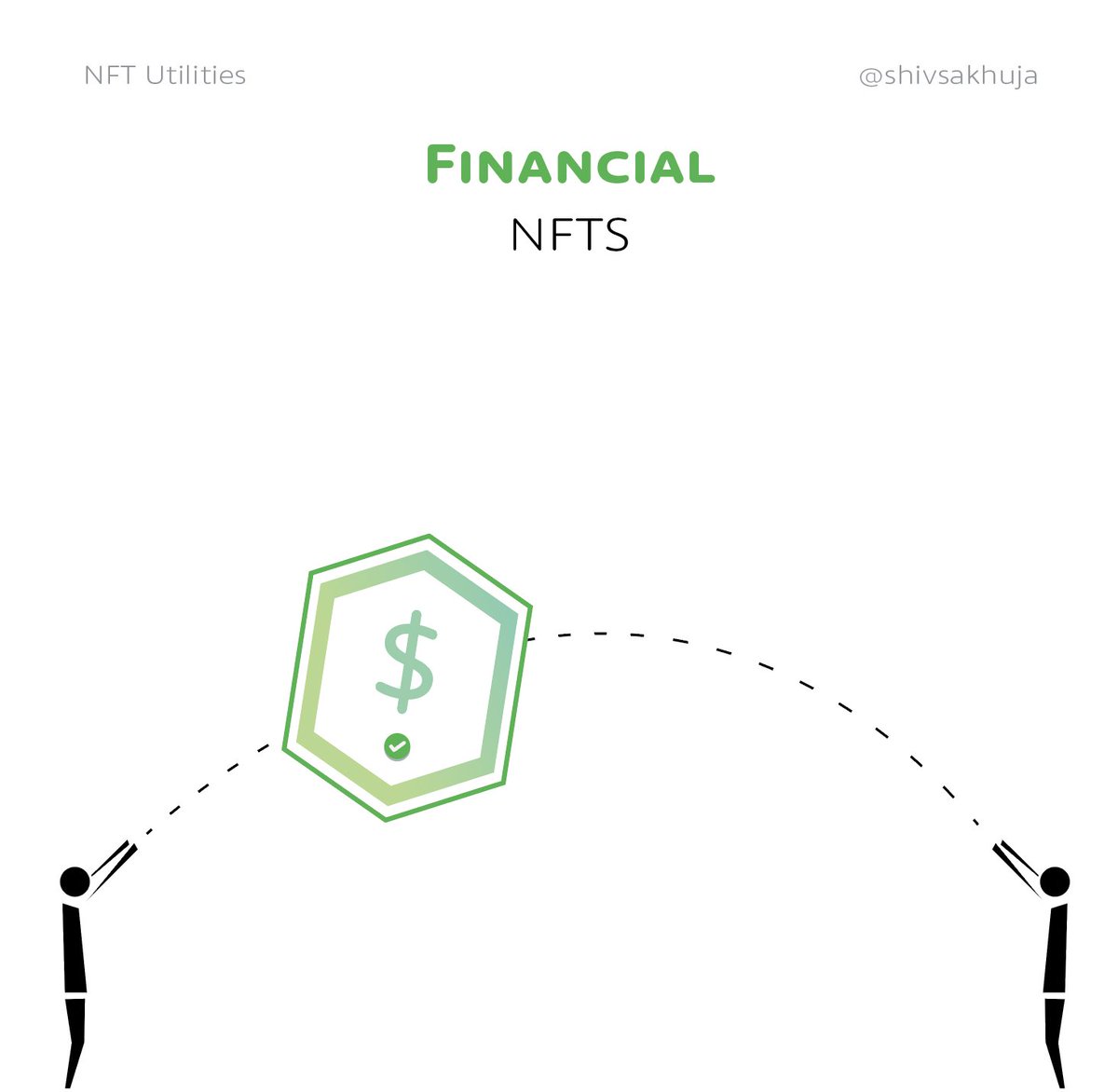
This leads to a broader concept of Financial NFTs (fNFTs).
There are lots of financial contracts that are unique.
Examples:
• An individual's basket of assets (unique portfolio)
• A debt agreement with a lender that has been partially repayed
• Time-locked tokens (ex: veCRV)
There are lots of financial contracts that are unique.
Examples:
• An individual's basket of assets (unique portfolio)
• A debt agreement with a lender that has been partially repayed
• Time-locked tokens (ex: veCRV)
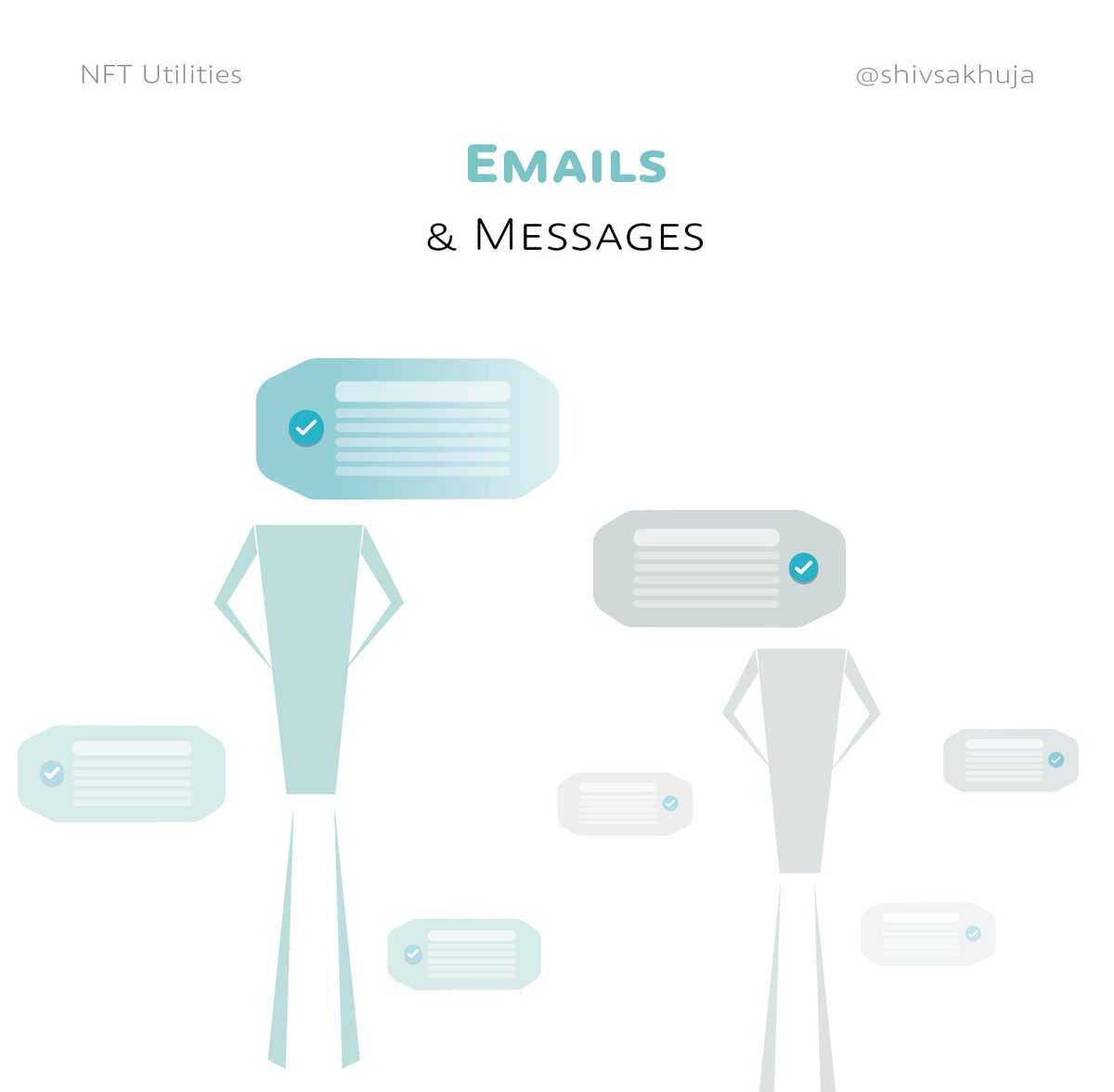
Generally, any legal contract or document can benefit from NFT representation.
Existing systems of proof by paper / PDF have photoshop-risk.
Existing systems of proof by paper / PDF have photoshop-risk.

Including verbal agreements through emails and messages.
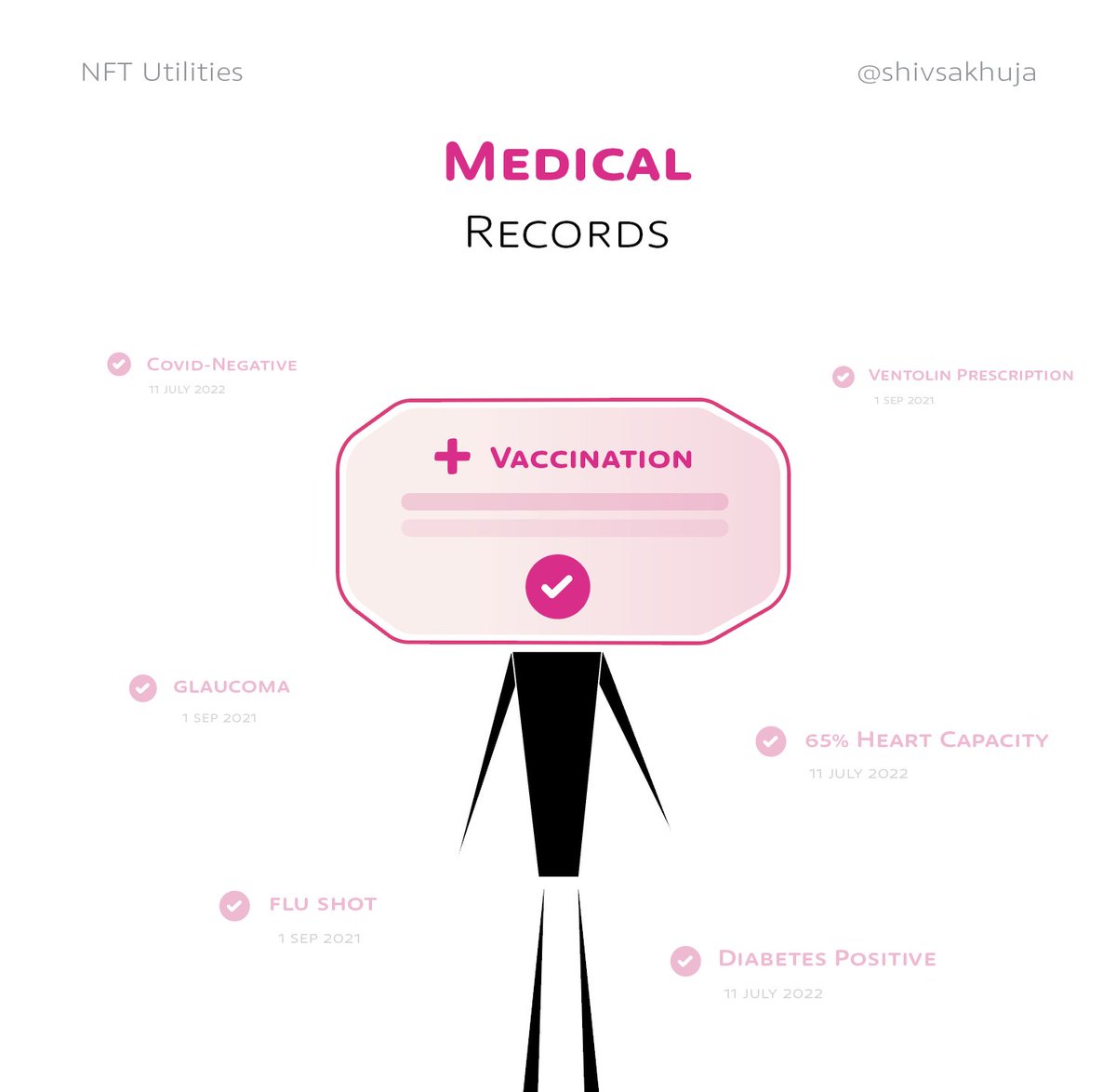
Medical records too:
• Vaccination certificates
• Covid test results
• Prescriptions
• Vaccination certificates
• Covid test results
• Prescriptions
I tried to cover most of the use cases I could think of, but I think this barely scratches the surface.
People are finding other creative use cases for NFTs too.
Example: @ShaanVP minted an NFT called "5 Minutes of Fame" 👇
People are finding other creative use cases for NFTs too.
Example: @ShaanVP minted an NFT called "5 Minutes of Fame" 👇
Here are a few excellent threads you can read to learn more about the future of NFTs:
1. This piece of gold by @chriscantino
1. This piece of gold by @chriscantino
2. This conversation between @punk6529 and @RaoulGMI on @RealVision
"The World According to @punk6529"
"The World According to @punk6529"
3. @naval's 2021 thread demystifying NFTs
If you liked this thread, and want to see more visual explainers about Crypto and web3, then follow me @shivsakhuja.
Consider retweeting the first tweet below to share these ideas with your community 👇
Consider retweeting the first tweet below to share these ideas with your community 👇
What important use cases of NFTs did I miss here?
If you're wondering why NFTs are the right technology for these use cases, see this 👇
You can also find an extended version of this article on my blog.
shivsak.substack.com
shivsak.substack.com
I share my best posts on my blog.
Subscribe if you enjoy my writing and want to read about the most interesting ideas in crypto.
getrevue.co
Subscribe if you enjoy my writing and want to read about the most interesting ideas in crypto.
getrevue.co
Loading suggestions...