
The Da Vinci System is a surgical robot that costs $2m. It's been used in >10m procedures and is designed for one surgeon to do the job of many people.
The robot works, but at a cost: the next generation of surgeons aren't getting the reps to learn news skills.
Here's why🧵
The robot works, but at a cost: the next generation of surgeons aren't getting the reps to learn news skills.
Here's why🧵
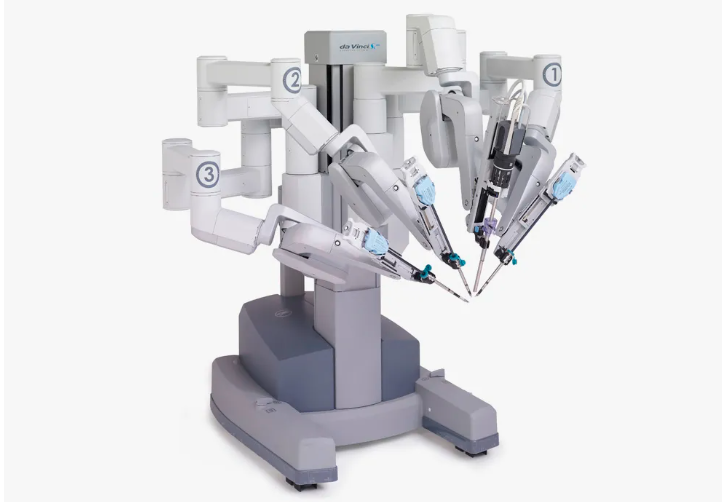
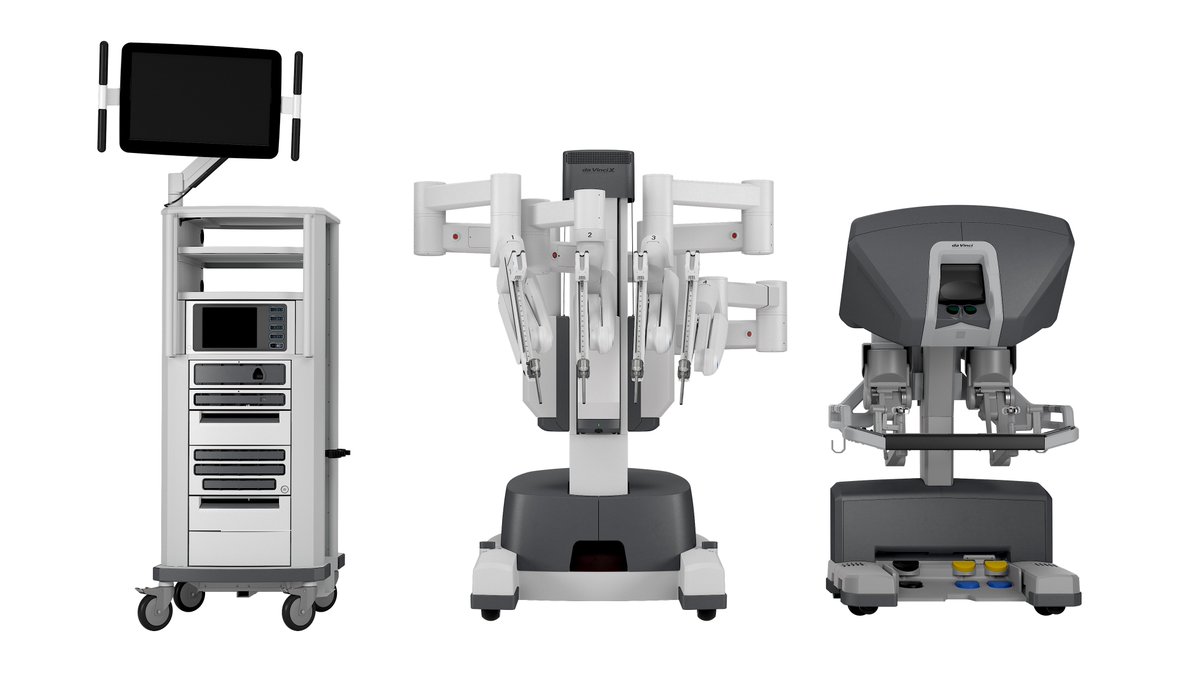
The Da Vinci system is composed of two main parts:
◻️A machine with 3-4 robotics arms (the arms hold scalpers, scissors, graspers, camera etc.)
◻️A surgical console that a surgeon controls (which is also in the operating room)
Here's a wild video of it peeling a grape:
◻️A machine with 3-4 robotics arms (the arms hold scalpers, scissors, graspers, camera etc.)
◻️A surgical console that a surgeon controls (which is also in the operating room)
Here's a wild video of it peeling a grape:

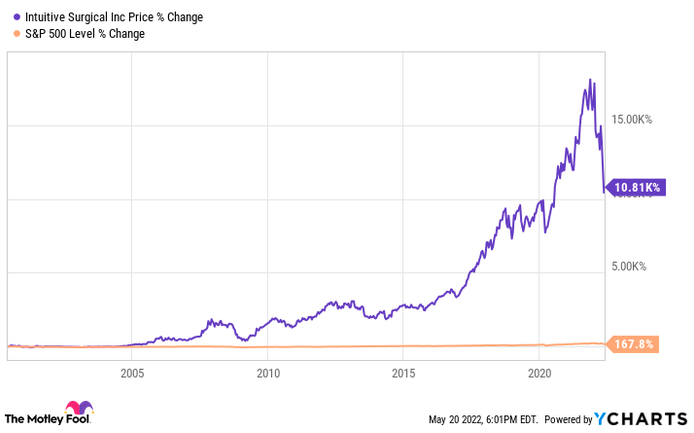
The Da Vinci tech was created in the mid-1980s to do telesurgery for injured soldiers on the battlefield.
The effort was funded by DARPA and commercialized by a company called Intuitive Surgical (ISRG), which IPO'd in 2000.
Today, ISRG does $5B+ a year and is worth $80B+.
The effort was funded by DARPA and commercialized by a company called Intuitive Surgical (ISRG), which IPO'd in 2000.
Today, ISRG does $5B+ a year and is worth $80B+.
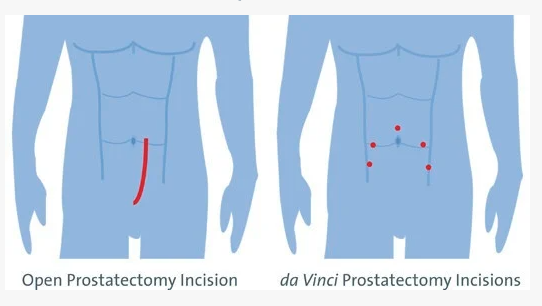
Unlike traditional surgery w/ hand instruments, Da Vinci makes much smaller incisions ("minimally-invasive surgery") and has other benefits:
◻️less tremors
◻️more precision
◻️more comfortable for surgeon
◻️better vision (magnification via camera)
◻️less tremors
◻️more precision
◻️more comfortable for surgeon
◻️better vision (magnification via camera)
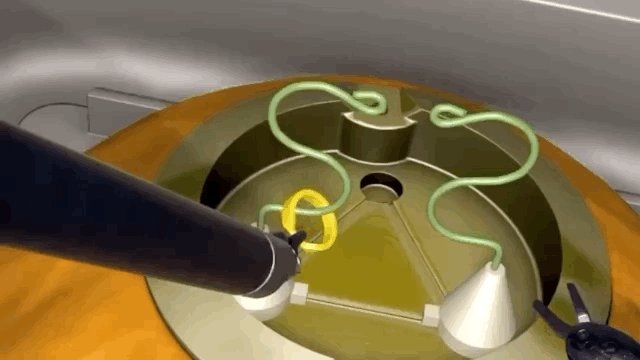
Here's an impressive video of the Da Vinci surgical system making paper origami. The surgeon at the controls has💎🙌:

Since 2000, ISRG has had the robotics surgery market largely to itself.
It began with urological surgery (prostate removals) and moved into procedures like hysterectomies and thyroid cancer removal.
There are now 6.7k machines globally, which completed 1.5m surgeries in 2021.
It began with urological surgery (prostate removals) and moved into procedures like hysterectomies and thyroid cancer removal.
There are now 6.7k machines globally, which completed 1.5m surgeries in 2021.
Da Vinci clearly has benefits but is creating a training problem per robotics professor @mattbeane.
In traditional operating procedures, a trainee surgeon receives hours of hands-on work for every surgery including:
In traditional operating procedures, a trainee surgeon receives hours of hands-on work for every surgery including:

Trainees get less reps w/ robotics. A Da Vinci procedure start by "docking" the robot over a patient. After the incisions, ports for instruments are placed over body parts.
Beane says docking and un-docking are the most dangerous parts (the main surgeon has to be more hands-on).
Beane says docking and un-docking are the most dangerous parts (the main surgeon has to be more hands-on).
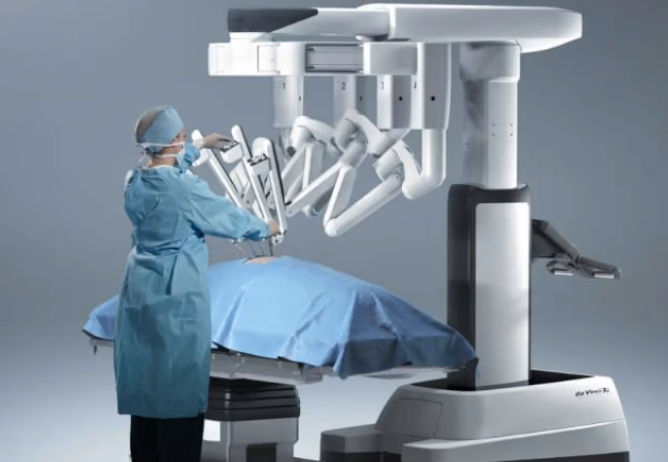
Once docked, the surgeon sets up on the control console 15ft from the patient. Da Vinci is operated by 2 controllers, which the trainees rarely ever touch.
Why? Because sharing controls takes longer and risk to the patient rises every additional minute they are under anesthesia.
Why? Because sharing controls takes longer and risk to the patient rises every additional minute they are under anesthesia.
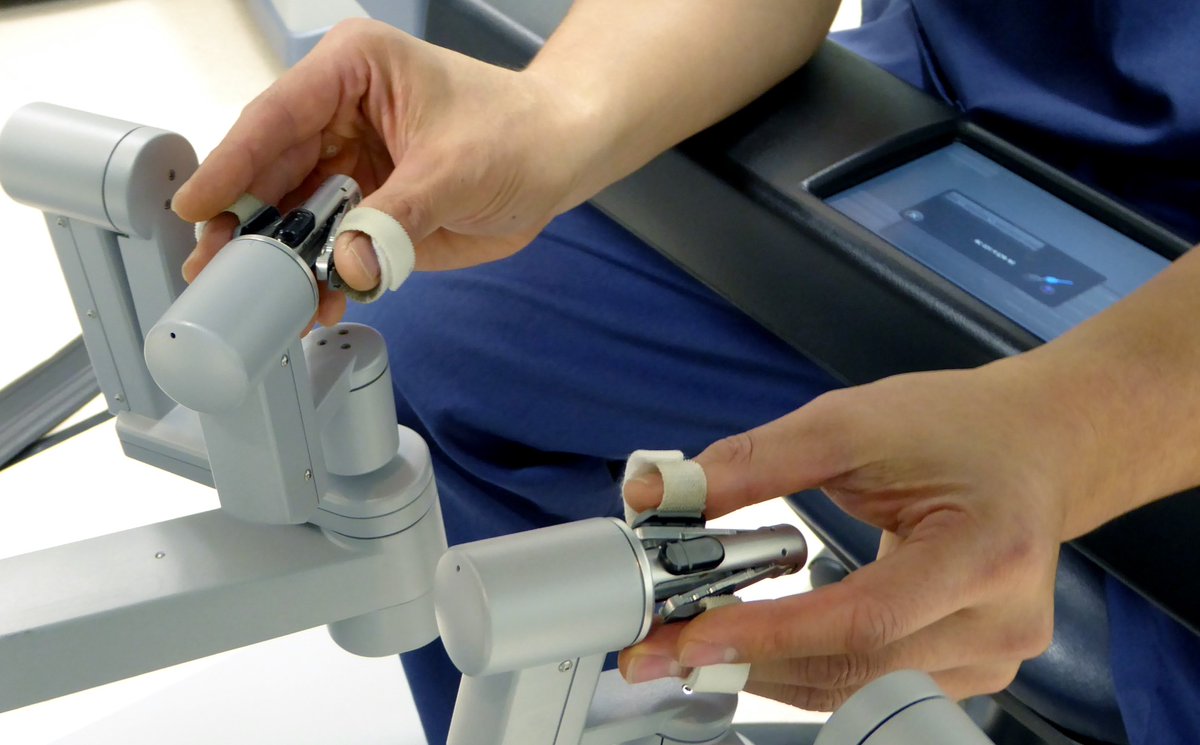
While a trainee may get multiple hours of hands-on work for a traditional surgical procedure, the robotics surgery turns them into spectators.
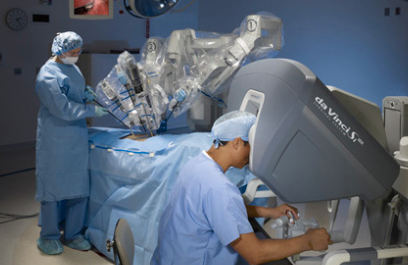
This is a version of the "Automation Paradox", which Beane explains in detail:
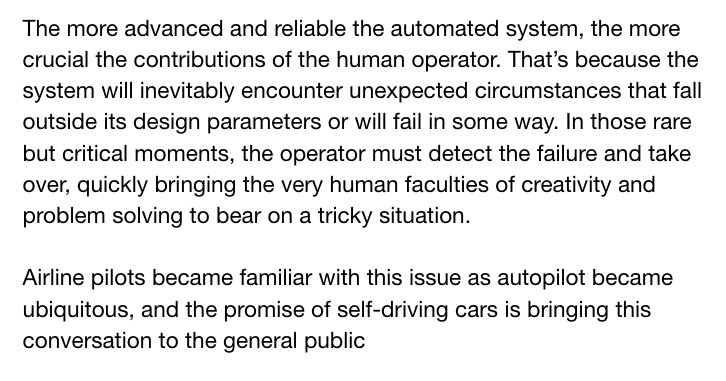
To address the issue, Intuitive developed its own simulation tool, SimNow (like a pilot simulator)
Some drawbacks:
◻️It works best w/ real Da Vinci controls (not always available)
◻️Trainees may specialize in robotics at expense of hands-on skills (still required in emergencies)
Some drawbacks:
◻️It works best w/ real Da Vinci controls (not always available)
◻️Trainees may specialize in robotics at expense of hands-on skills (still required in emergencies)
Most surgeries are still done by hand. And further medical advances may reduce the need for surgeries.
But as more procedures go robotic, it's important to find ways for new surgeons to get more reps.
Da Vinci is a breakthrough but also an example of unintended consequences.
But as more procedures go robotic, it's important to find ways for new surgeons to get more reps.
Da Vinci is a breakthrough but also an example of unintended consequences.
If you learned something, follow @TrungTPhan for other interesting threads 1-2x a week.
I also write a Saturday newsletter on business and tech. Tomorrow's email answers the question: "What is Amazon's best acquisition ever?"
Subscribe here: trungphan.substack.com
I also write a Saturday newsletter on business and tech. Tomorrow's email answers the question: "What is Amazon's best acquisition ever?"
Subscribe here: trungphan.substack.com
Sources
ISRG Business (Forbes): forbes.com
Matt Beane (@mattbeane) has written extensively on da Vinci. Two notable pieces here:
2015: robohub.org
2022: spectrum.ieee.org
ISRG Business (Forbes): forbes.com
Matt Beane (@mattbeane) has written extensively on da Vinci. Two notable pieces here:
2015: robohub.org
2022: spectrum.ieee.org
Here’s a surgeon making an origami bird by hand instruments:

More from robotics professor Matt Beane:
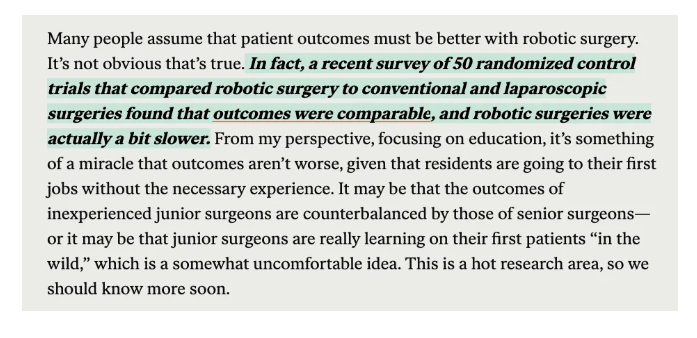
Here's a passage from Matt's article should have included in the thread re: patient outcomes using robotics surgery: spectrum.ieee.org
Loading suggestions...