

Another infantry small arms thread. This time barrel lengths & ‘effective range’ of infantry weapons over time. This won’t be a technical thread by any means, more a summary to provide context. Some terms aren’t clear cut, plus Twitter, so simplifications are inevitable. 1/
Standard caveats, this is an overview, generalisations are made in good faith, only public domain information is sourced or used, &, wherever possible, I’ve referenced public domain information, not internet opinion…though this is one! 2/
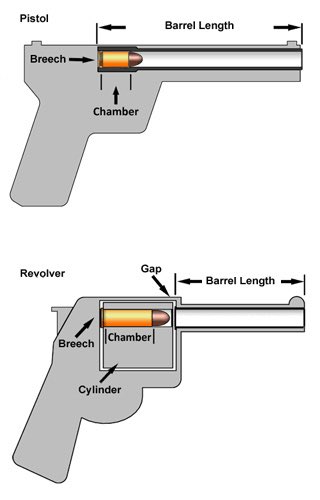
Let’s set out terms. Infantry small arms expel a projectile from a metal tube (barrel) @ high speed toward a target. The barrel diameter is the calibre, the opening fm which the projectile exits is the muzzle, & distance of muzzle to back end of the barrel is the barrel length.3/
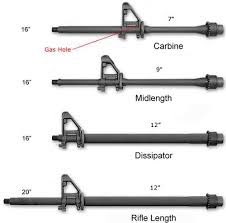
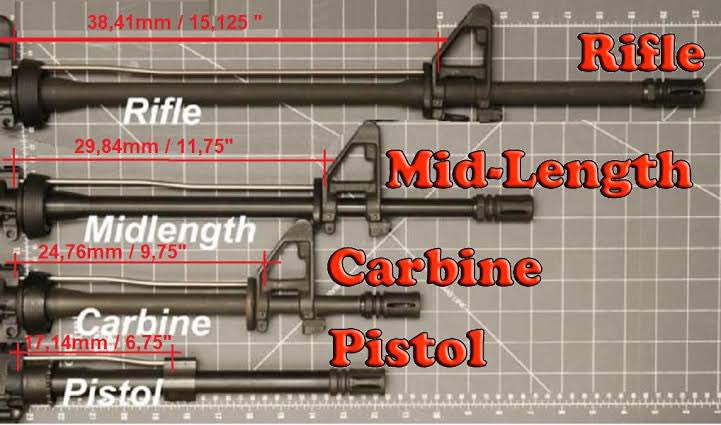
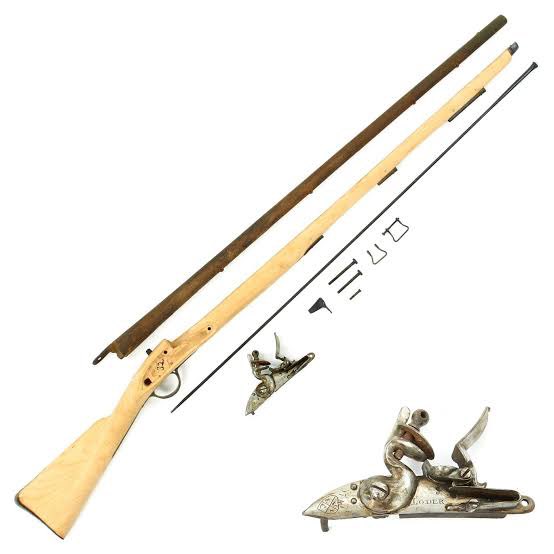
It’s a bit vague a definition as I’ll be using examples from the 18th century! ‘Back end of the barrel’ evolves to become the face of the bolt but that’s not particularly relevant. 4/
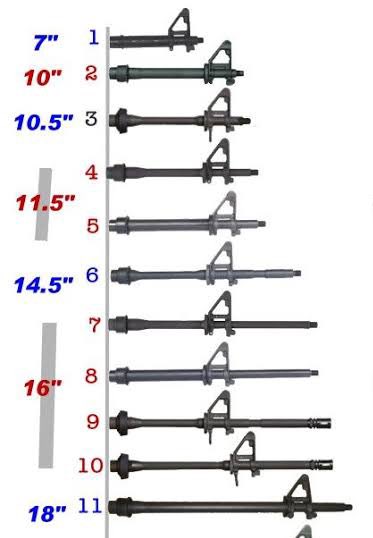
Effective range is a bit trickier, as different armies have used & continue to use, differing definitions. The mechanical consistency & accuracy of a system (firearm+ammunition) often exceeds the capability of the user employing it (firearm+ammunition+soldier). 5/
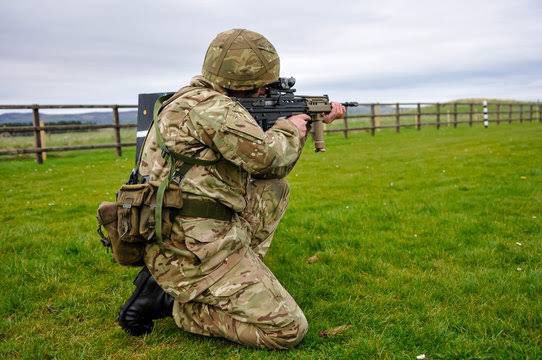
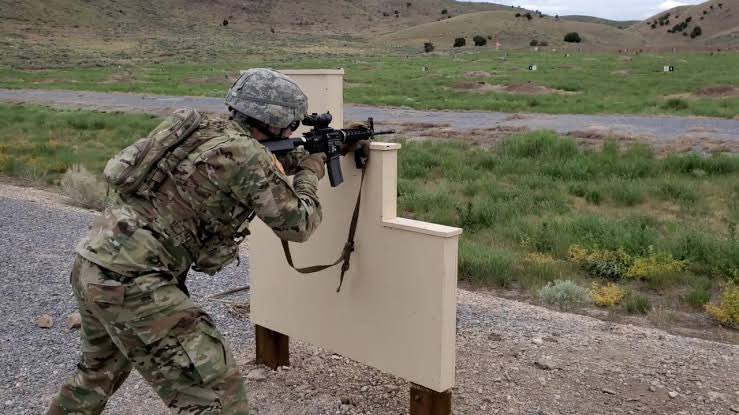
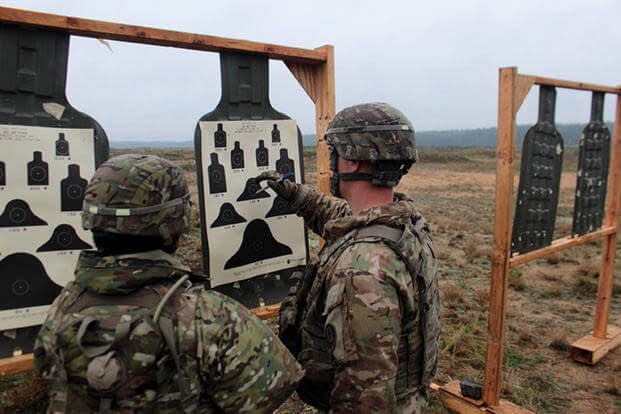
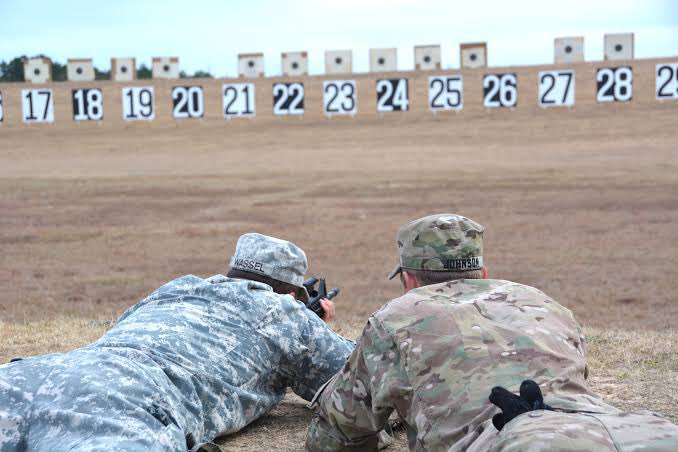
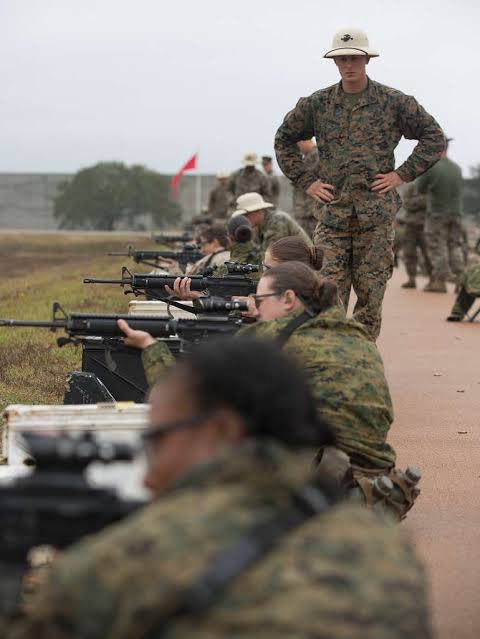
For the purposes of this thread, effective range is the distance to which the soldier is trained to employ his weapon against individual targets. Not the best, but good enough for Wikipedia-based analysis. 6/
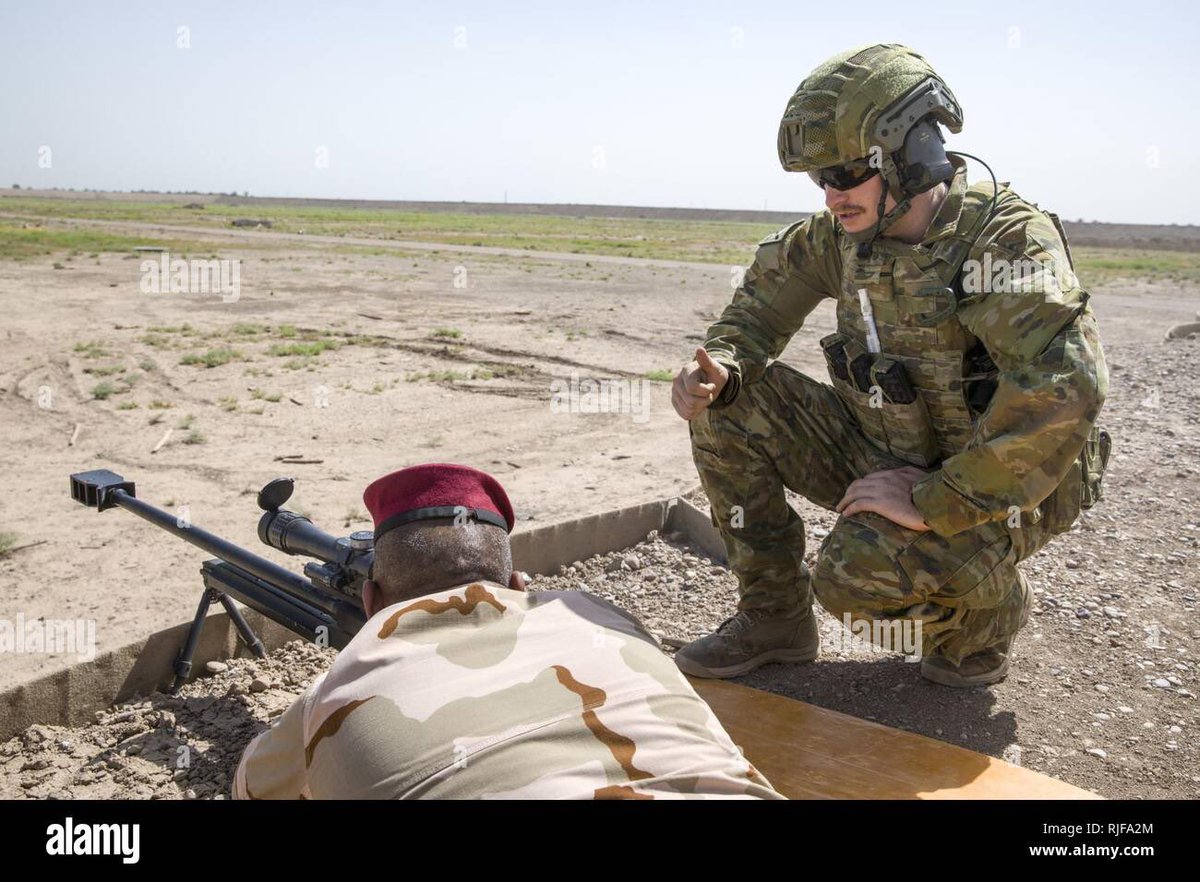
Terminal effects - what the projectile does at the target end - are excluded from the discussion, assuming that the projectiles will do whatever it is they’re designed to do. See my EPR thread for a snapshot into projectile design. 7/
I’ve linked barrel length & effective range for this thread as there’s a tendency to directly link one to the other; ‘if the barrel is shortened too much, effective range will decrease.’ This is, simultaneously, both right & wrong, as we’ll see. 8/
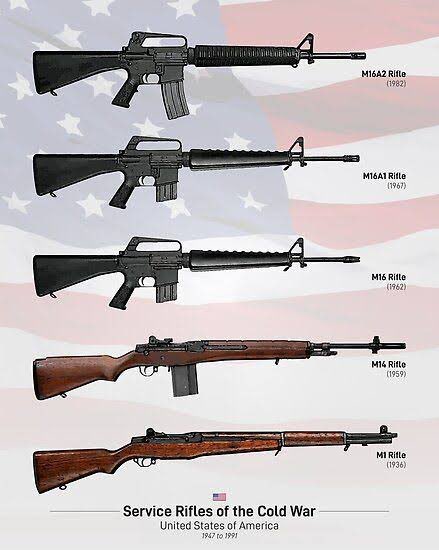
You may be surprised to hear that firearms technology has evolved over time 🙃. Chamber pressures have doubled, & doubled again ( rates of fire have increased, projectiles have gotten smaller & smaller. 9/
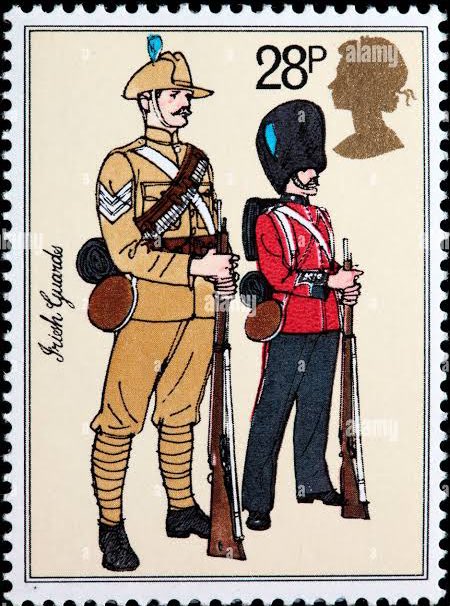
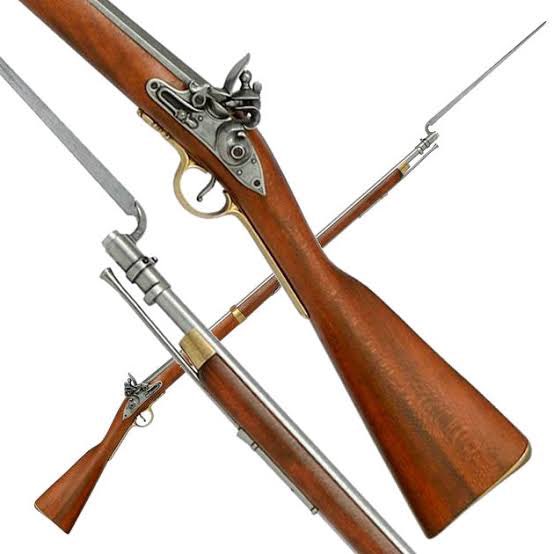
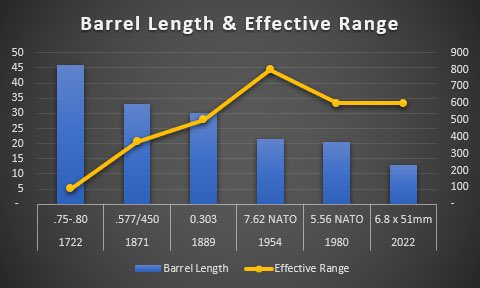
The Brown Bess, needed a 46”/1,168mm barrel to launch its projectile to an effective range of 90 metres. For context, the *barrel* of the Brown Bess was only 22” shorter than the average soldier of the time. Put another way, the barrel length was 1/90 of its effective range! 10/
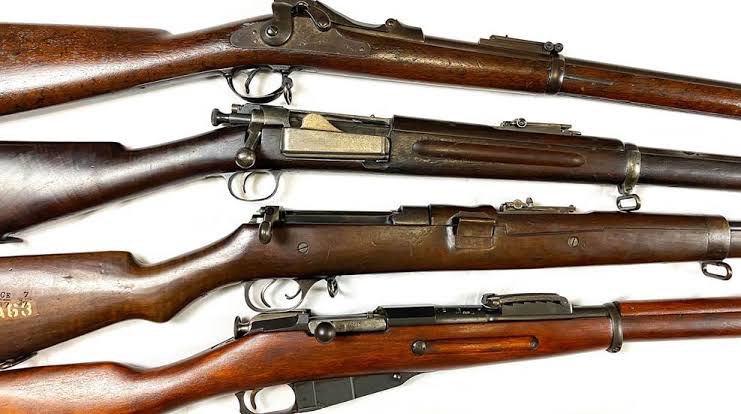
The Martini-Henry 577/450 had a few different length barrels over its life, but 33.22”/844mm was the most common. Its effective range was 370 metres, four times that of its predecessor, despite being over a foot shorter. The doubling of the chamber pressure may’ve helped. 11/
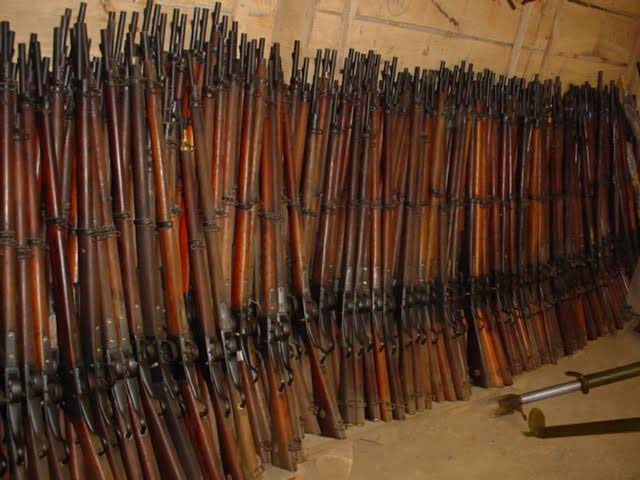
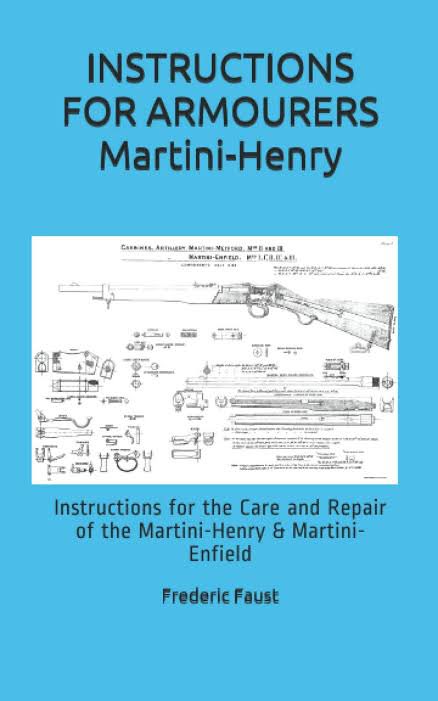
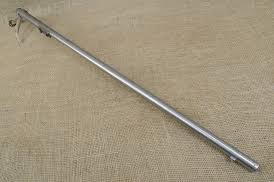
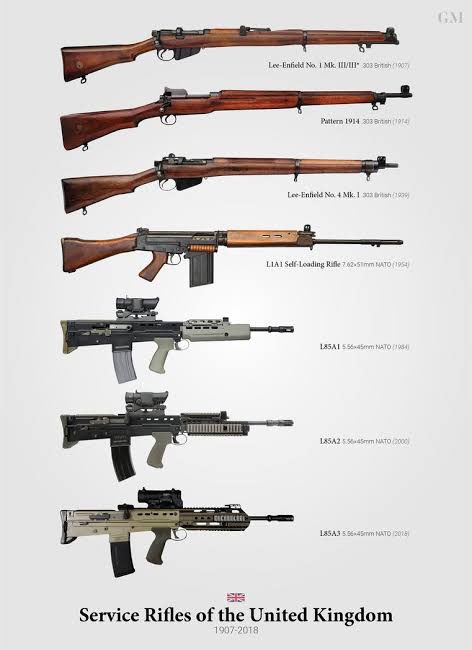
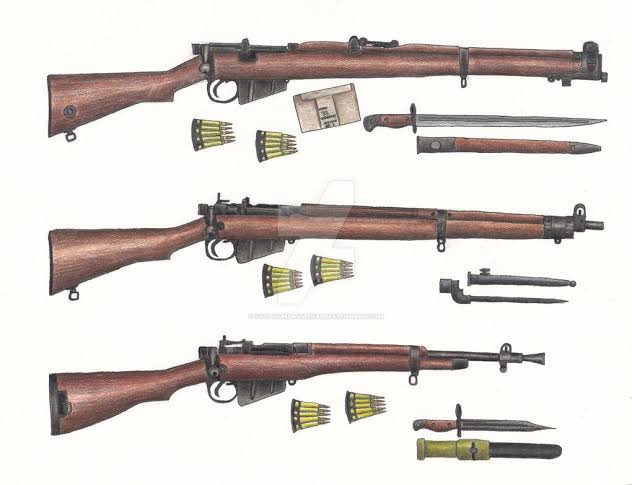
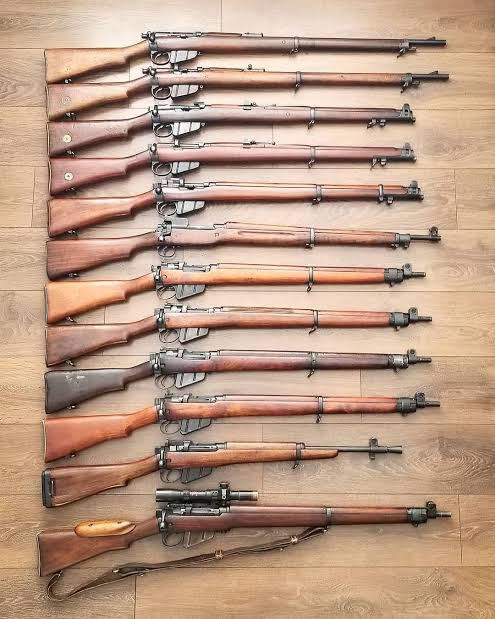
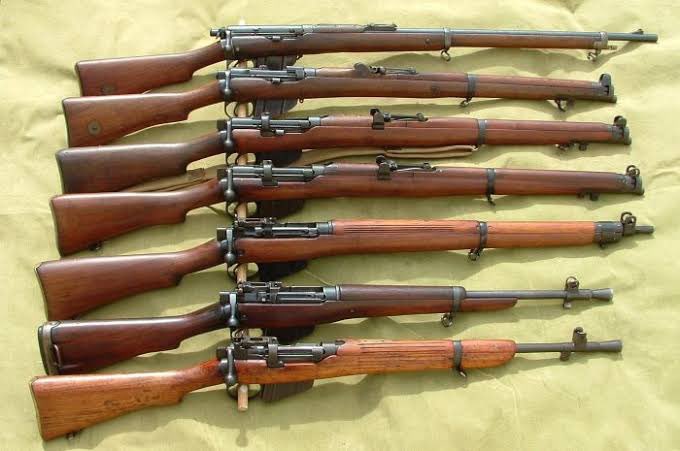
Over the ~60 year service life of the .303 Magazine Lee-Enfield, barrel lengths fluctuated between 30.2”/767mm & 18.8”/480mm. Effective range again increased, despite the shorter barrel, to 503 metres. Chamber pressure had doubled over the Martini-Henry. 12/
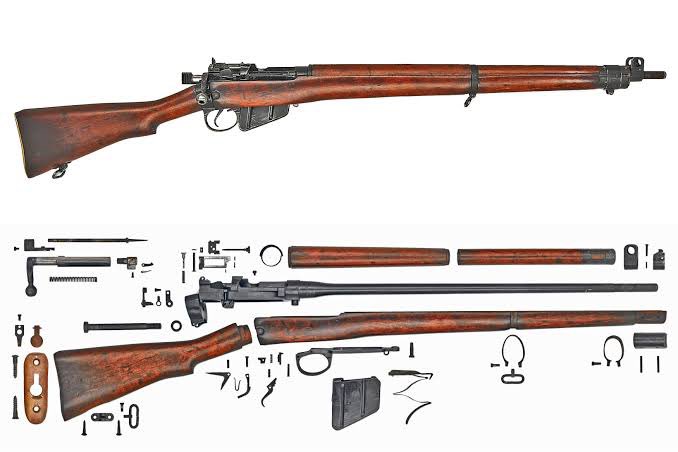
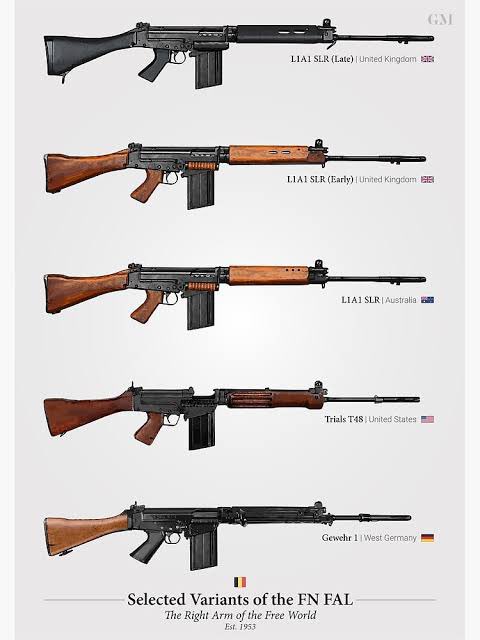
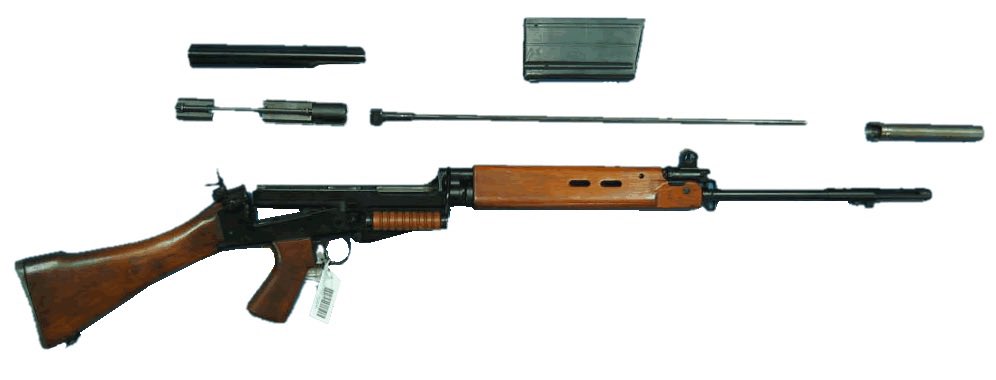
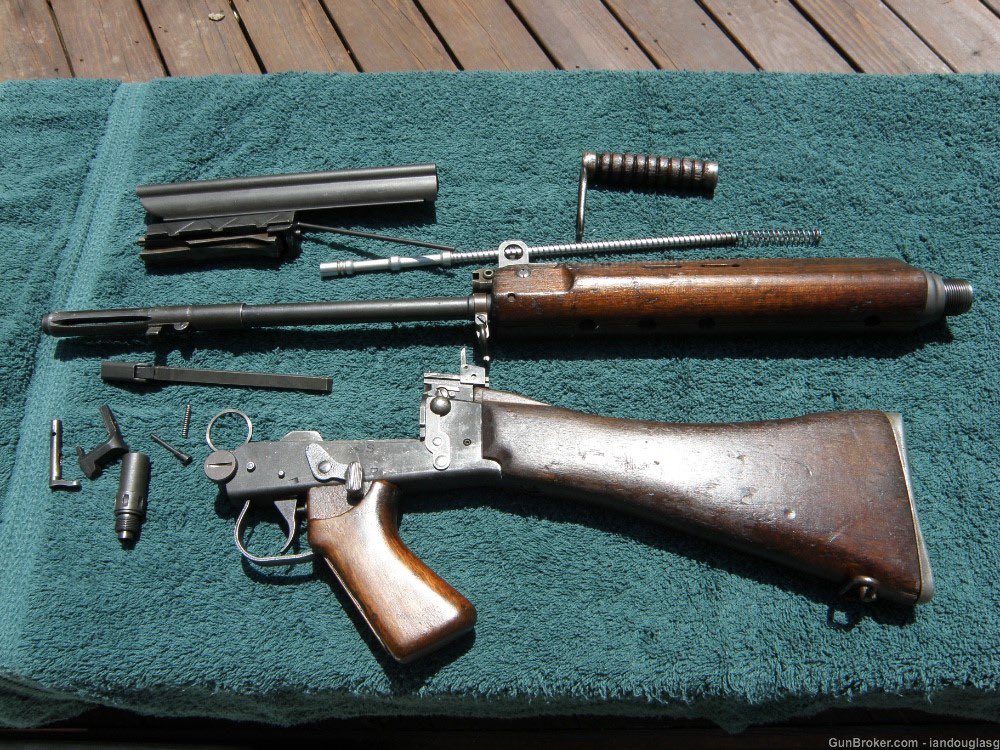
The twentieth century’s Brown Bess, the L1A1 SLR, had a barrel length of 21.7”/554mm & an effective range of 800 metres. They must’ve had good eyes, back then. For added encumbrance, the L1A1 had a 3.5”long flash hider. Whataboutists still ask about suppressor lengths, though.13/
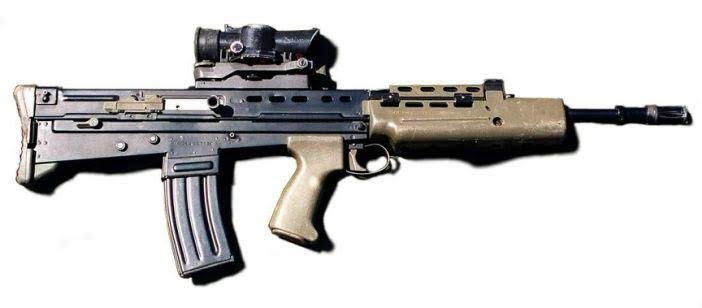
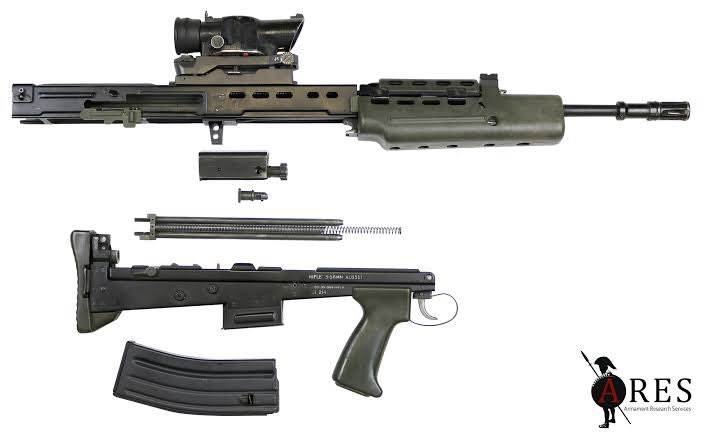
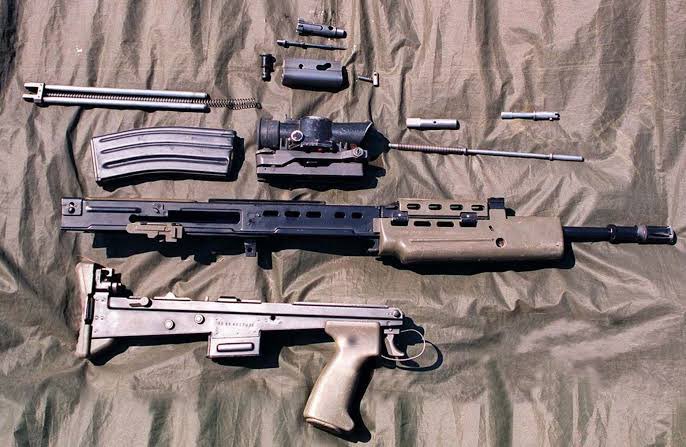
Sticking with the British theme, the L85A1. A universally popular & high-quality rifle, the wholly untroubled L85 series has a barrel length of 20.4”/518mm & an effective range of 500 metres, though doctrine/training has changed over time. 14/
Crossing the Atlantic for the last example. Recently selected as the M4 replacement, but yet to enter service, the XM5 has a 13.5” barrel & a notional effective range of 600 metres. Insane to think that there’s been a 70% reduction in barrel lengths of infantry small arms.15/
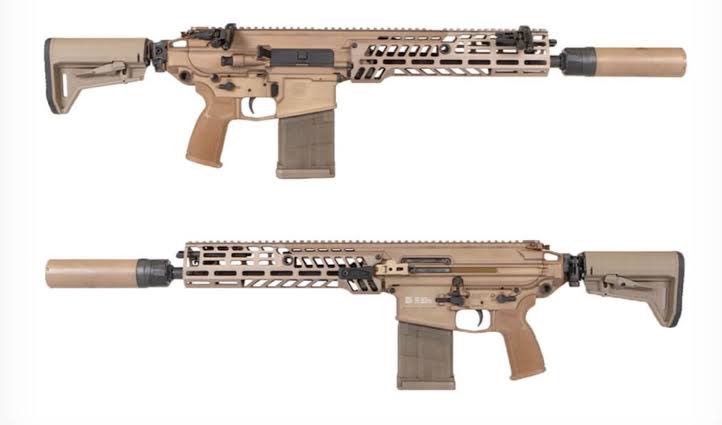
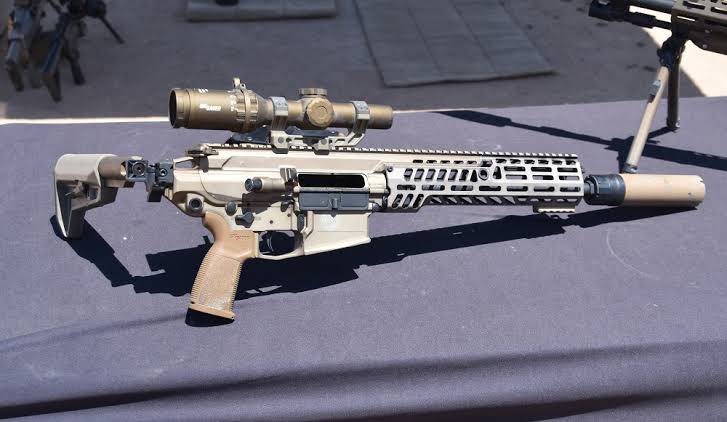
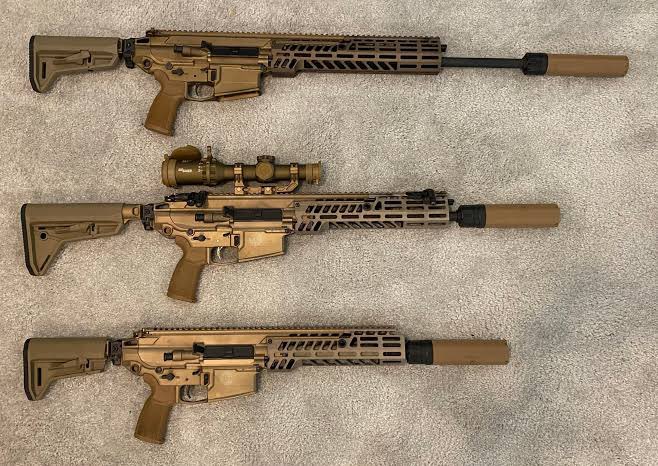
As can be seen, barrels of infantry small arms are getter shorter & shorter, whilst effective ranges have generally increased to the point where soldier training is the limiting factor. Improved projectile design, construction, & consistency also have increased effectiveness. 16/
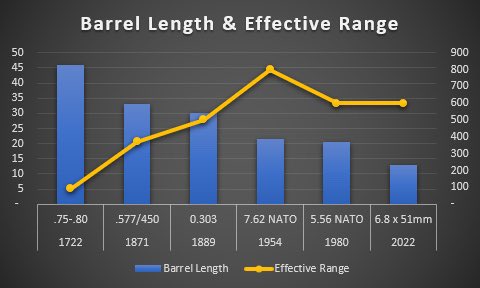
placed in historical context, the trend is clear. The technical limiting factors for improving infantry small arms are the engineering & production abilities of the manufacturers of infantry small arms. Shorter, handier, suppressed, & more modular is the future. 17/
Loading suggestions...