

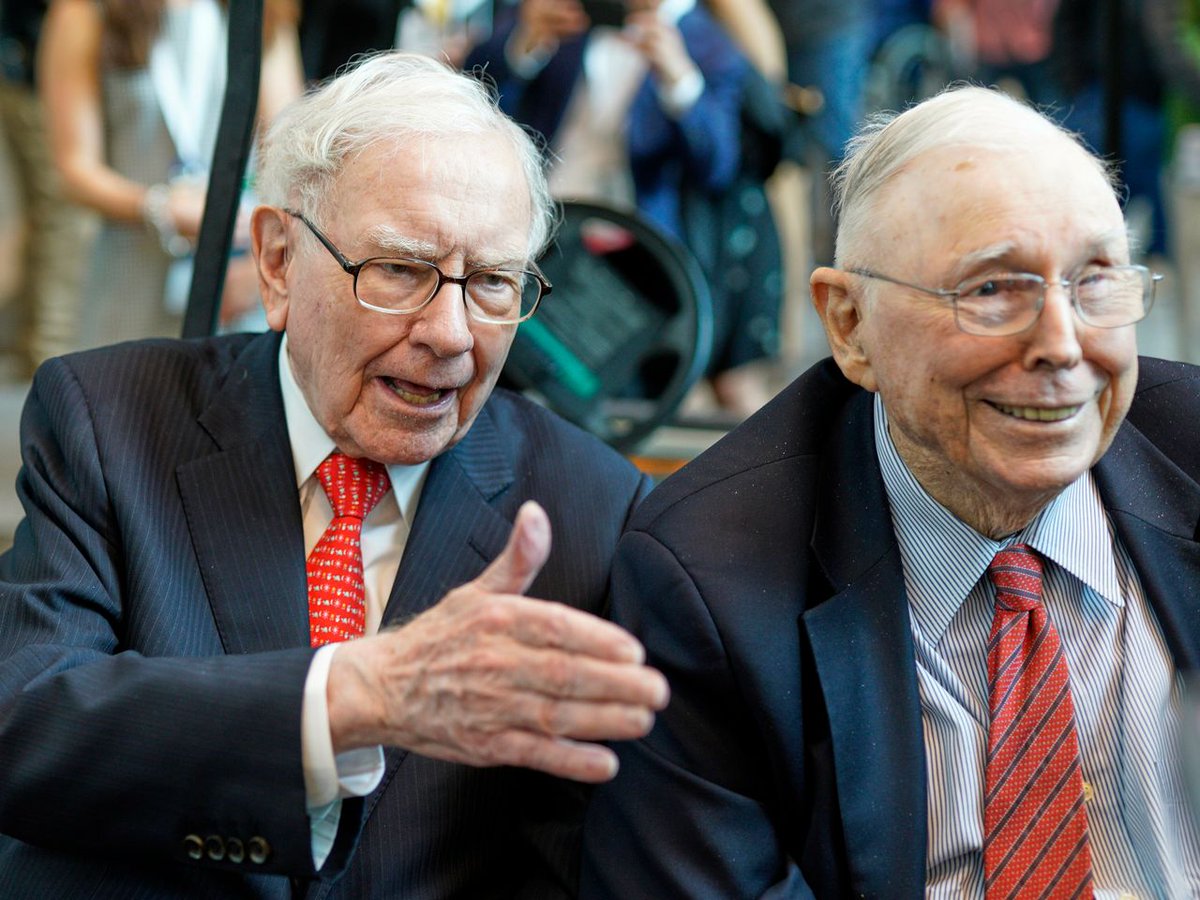
Warren Buffett calls him the smartest man he knows:
Charlie Munger.
And his speech "The Psychology of Human Misjudgement" is a masterclass on the mind.
Here are the 25 cognitive biases you need to know to understand human behaviour:
Charlie Munger.
And his speech "The Psychology of Human Misjudgement" is a masterclass on the mind.
Here are the 25 cognitive biases you need to know to understand human behaviour:
1. Reward and Punishment Superresponse Tendency
'Show me the incentive and I'll show you the outcome.'
People overweigh the impact of incentives, often leading to an irrational response.
Motivate people by appealing to their interest.
'Show me the incentive and I'll show you the outcome.'
People overweigh the impact of incentives, often leading to an irrational response.
Motivate people by appealing to their interest.

2.Liking/Loving Tendency
We distort facts and ignore faults of those we love.
People will give you 100x more leeway in business and life if you’re likeable.
We distort facts and ignore faults of those we love.
People will give you 100x more leeway in business and life if you’re likeable.
3. Disliking/Hating Tendency
The flipside of our desire to love is our drive to hate.
Wars. Racism. Sexism.
“Politics is the act of marshalling hatreds”
If you want to unite people to your cause, create enemies.
The flipside of our desire to love is our drive to hate.
Wars. Racism. Sexism.
“Politics is the act of marshalling hatreds”
If you want to unite people to your cause, create enemies.
4. Doubt Avoidance Tendency
“The brain of man is programmed to quickly remove doubt by reaching a decision”
5,000 years ago, doubt was a death sentence.
But in modern times failure isn’t fatal.
Use mental models to override misjudgement.
“The brain of man is programmed to quickly remove doubt by reaching a decision”
5,000 years ago, doubt was a death sentence.
But in modern times failure isn’t fatal.
Use mental models to override misjudgement.
5. Inconsistency-Avoidance Tendency
The brain is designed to conserve energy - and change is costly.
If you want to change people's thoughts and actions, expect an overblown resistance.
The brain is designed to conserve energy - and change is costly.
If you want to change people's thoughts and actions, expect an overblown resistance.
7. Kantian Fairness Tendency
Kant’s rule:
Treat people as you would want to be treated.
Most do. Few don’t. And it’s those few you want to avoid.
Treat people well and let reciprocation (rule #9) take care of the rest.
Kant’s rule:
Treat people as you would want to be treated.
Most do. Few don’t. And it’s those few you want to avoid.
Treat people well and let reciprocation (rule #9) take care of the rest.
8. Envy/Jealous Tendency
We evolved in scarcity - and 97% of people still act like it.
If you wonder why someone acts stupid, look at their desires.
We evolved in scarcity - and 97% of people still act like it.
If you wonder why someone acts stupid, look at their desires.
9. Reciprocation Tendency
We're wired to give to those who give to us.
It's easy to manipulate.
If you want to influence, give before you ask.
If you want to protect, be aware of small gifts before big requests.
We're wired to give to those who give to us.
It's easy to manipulate.
If you want to influence, give before you ask.
If you want to protect, be aware of small gifts before big requests.
10. Influence-From-Mere-Association Tendency
We think a higher price means higher quality.
We favour attractive people.
We blame those who deliver bad news.
Companies use association to manipulate your choices.
We think a higher price means higher quality.
We favour attractive people.
We blame those who deliver bad news.
Companies use association to manipulate your choices.

11. Simple, Pain-Avoiding Psychological Denial
There’re two drivers of human nature:
1. Achieve pleasure
2. Avoid pain
But we overweigh pain, avoiding short-term discomfort.
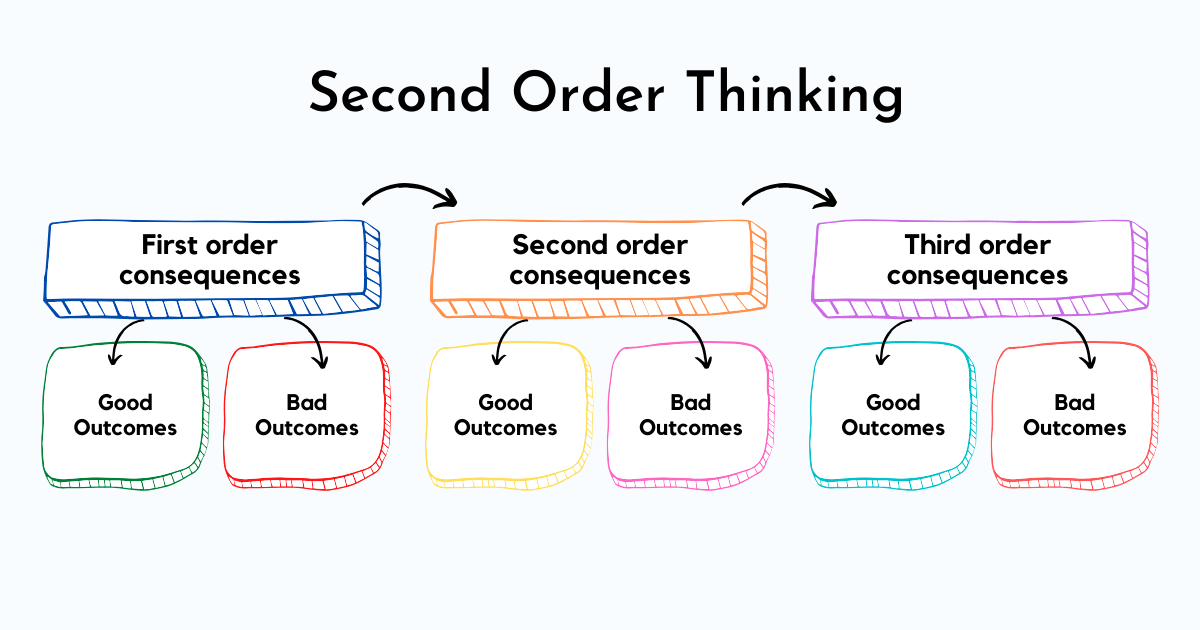
When you make decisions, think of the 2nd and 3rd order consequences.
There’re two drivers of human nature:
1. Achieve pleasure
2. Avoid pain
But we overweigh pain, avoiding short-term discomfort.
When you make decisions, think of the 2nd and 3rd order consequences.
12. Excessive Self-Regard Tendency
Compared to others, we think we're:
- Smarter
- More special
- More attractive
Beware of your ego.
And always appeal to other peoples'.
Compared to others, we think we're:
- Smarter
- More special
- More attractive
Beware of your ego.
And always appeal to other peoples'.
13. Overoptimism Tendency
Optimism is a gift and a curse.
When we're winning, we're blind to rationality.
You only need to look at gamblers chasing a ‘hot streak’ to see how quick this leads to ruin.
Don't ignore facts and statistics.
Optimism is a gift and a curse.
When we're winning, we're blind to rationality.
You only need to look at gamblers chasing a ‘hot streak’ to see how quick this leads to ruin.
Don't ignore facts and statistics.
14. Deprival Superrreaction Tendency
Kahneman’s Prospect Theory shows we value gains and losses differently.
Be aware:
If your actions cause someone to lose what they had, even if reasonable, expect an unreasonable response.
Kahneman’s Prospect Theory shows we value gains and losses differently.
Be aware:
If your actions cause someone to lose what they had, even if reasonable, expect an unreasonable response.
15. Social-proof Tendency
When uncertain, we look to other people for cues.
Social proof is one of the most powerful tools of persuasion.
Use as much of it as possible.
When uncertain, we look to other people for cues.
Social proof is one of the most powerful tools of persuasion.
Use as much of it as possible.

16. Contrast Misreaction Tendency
We think and feel in comparisons.
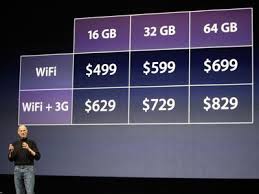
Present your choices with an unfavourable option to push people to the favourable.
We think and feel in comparisons.
Present your choices with an unfavourable option to push people to the favourable.
17. Stress-Influence Tendency
Stress triggers adrenaline, causing faster and more extreme reactions.
Build a ‘fail-safe’:
Don’t make decisions under artificial pressure.
Stress triggers adrenaline, causing faster and more extreme reactions.
Build a ‘fail-safe’:
Don’t make decisions under artificial pressure.

18. Availability-Misweighing Tendency
We overweigh what’s close to us.
This is why we make easy choices even if they harm us.
Munger’s advice:
‘An idea or fact is not worth more merely because it is easily available to you’
We overweigh what’s close to us.
This is why we make easy choices even if they harm us.
Munger’s advice:
‘An idea or fact is not worth more merely because it is easily available to you’
19. Use-It-or-Lose-It Tendency
If you want to retain a skill or knowledge, it must be used regularly.
Don’t fool yourself into believing otherwise.
‘If you’re not growing, you’re dying’.
If you want to retain a skill or knowledge, it must be used regularly.
Don’t fool yourself into believing otherwise.
‘If you’re not growing, you’re dying’.
20. Drug-Misinfluence Tendency
Drugs cause a slippery slope of poor decisions that can completely warp your sense of reality.
Drugs cause a slippery slope of poor decisions that can completely warp your sense of reality.
21. Senescence-Misinfluence Tendency
An unavoidable truth:
We naturally degrade with age.
But it can be slowed with continuous thinking and learning.
Munger is 98 years old.
Buffett, 91.
An unavoidable truth:
We naturally degrade with age.
But it can be slowed with continuous thinking and learning.
Munger is 98 years old.
Buffett, 91.
22. Authority-Misinfluence Tendency
We overweigh authority figures (and in modern times, that includes ‘influencers’).
Stay sceptical.
We overweigh authority figures (and in modern times, that includes ‘influencers’).
Stay sceptical.
23. Twaddle Tendency
Social animals+gift of language = nonsense
Avoid work meetings. Filter out the noise.
Social animals+gift of language = nonsense
Avoid work meetings. Filter out the noise.
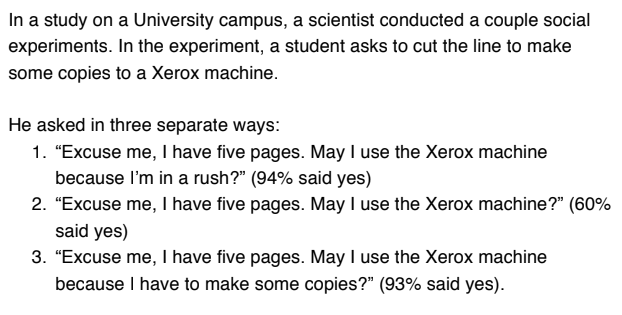
24. Reason Respecting Tendency
We look for patterns when there’re none. We want explanations when the answer is obvious.
If you want to influence someone:
Give a reason behind a request.
(it doesn’t even need to make sense)
We look for patterns when there’re none. We want explanations when the answer is obvious.
If you want to influence someone:
Give a reason behind a request.
(it doesn’t even need to make sense)
25. Lollapolooza Tendency
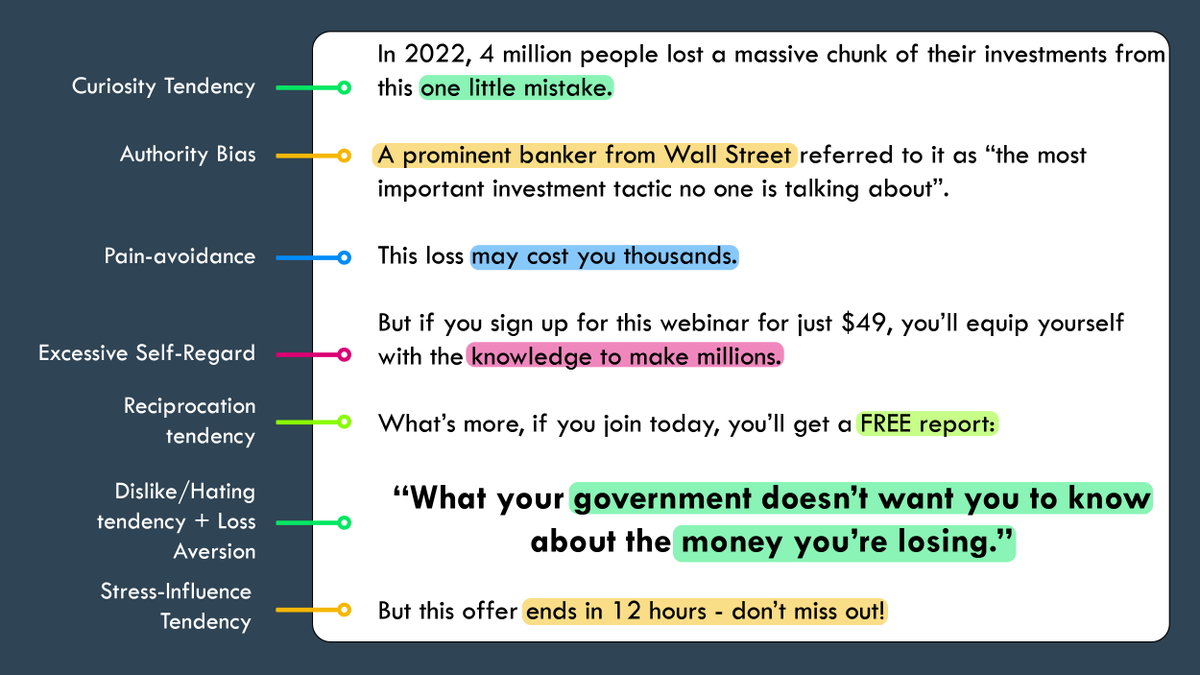
Psychological biases stack exponentially, creating extreme results.
(like the financial crisis)
So if you want to protect or persuade, study 1-24 closely.
Psychological biases stack exponentially, creating extreme results.
(like the financial crisis)
So if you want to protect or persuade, study 1-24 closely.
Thanks for reading!
If you enjoyed this, 2 requests:
1. Drop me a follow @itskierandrew for ideas on writing, philosophy and business
2. Share the thread so others can read
Just click below and up you go, cheers.
If you enjoyed this, 2 requests:
1. Drop me a follow @itskierandrew for ideas on writing, philosophy and business
2. Share the thread so others can read
Just click below and up you go, cheers.
Loading suggestions...