

Nicholas Roerich’s otherworldly art reflected his deep spiritualism & earned him widespread fame during his life. However, that spiritual nature also led him to the desolate peaks of the Himalayas & almost cost him his life.
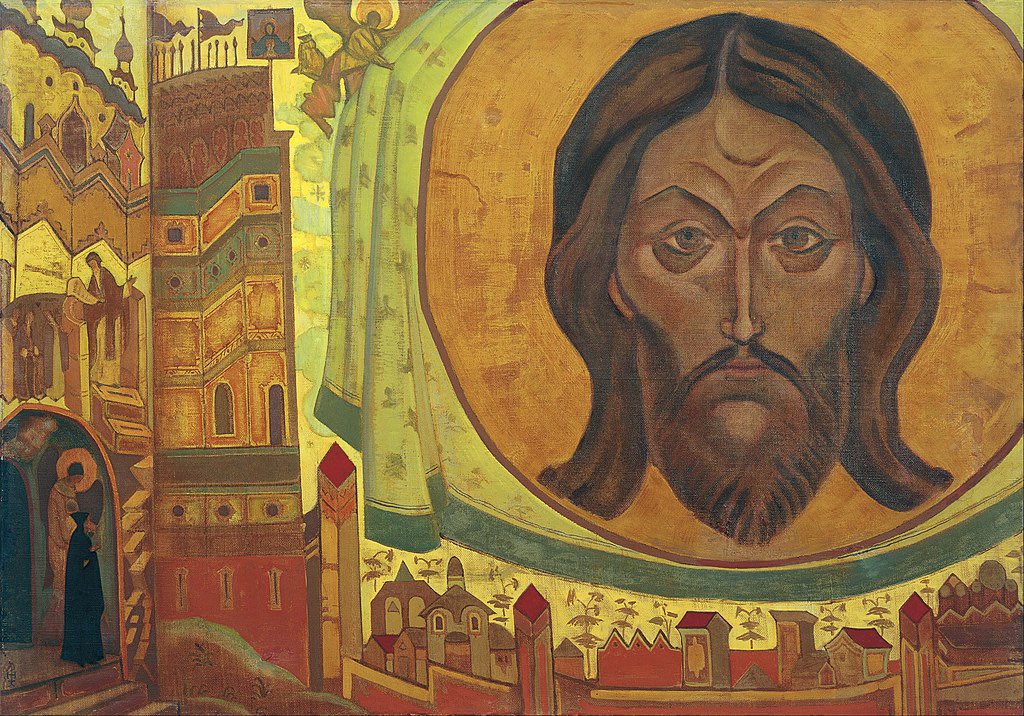
Nicholas Roerich was born in St. Petersburg in 1874 in a well-to-do family. Nicholas studied at St. Petersburg University & the Imperial Academy of Arts, quickly becoming a distinguished artist in the Russian Empire for his influence in the Russian Symbolism movement.
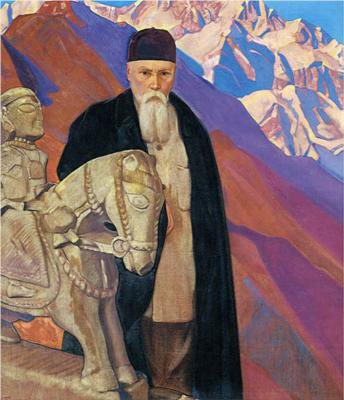
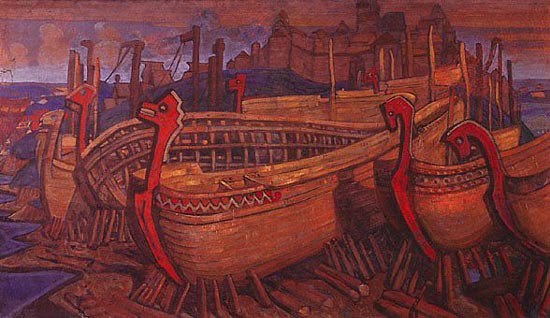
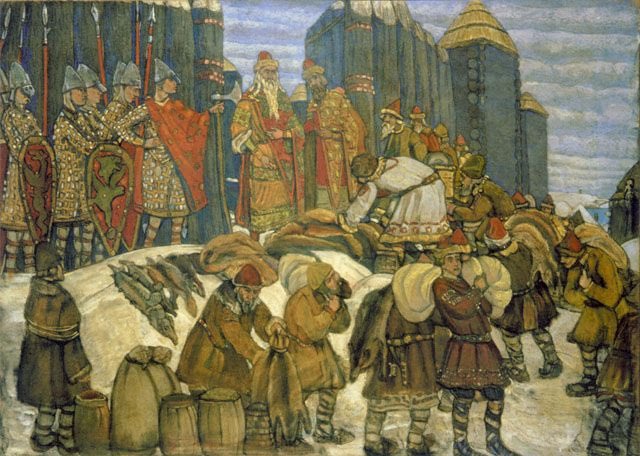
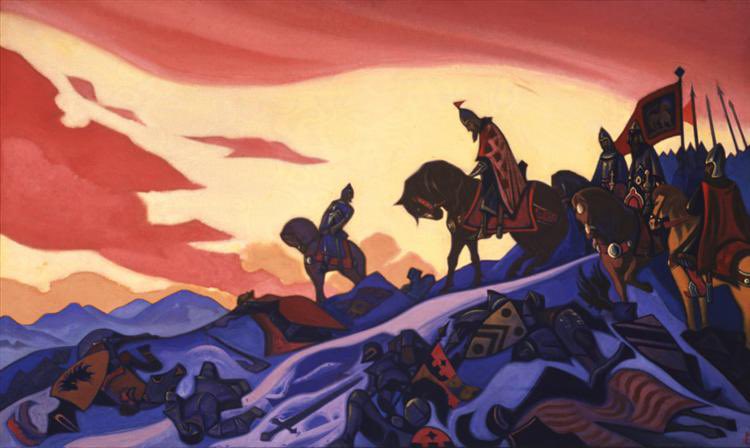
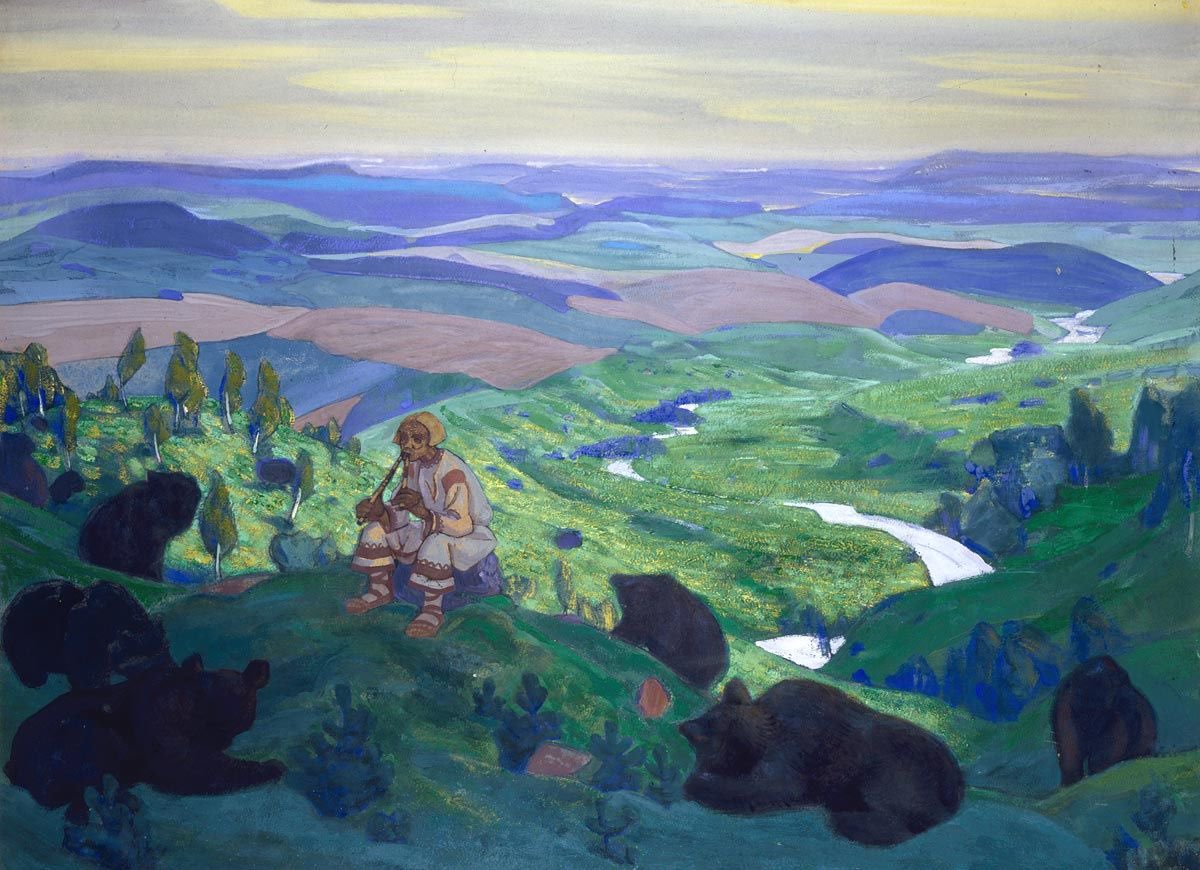
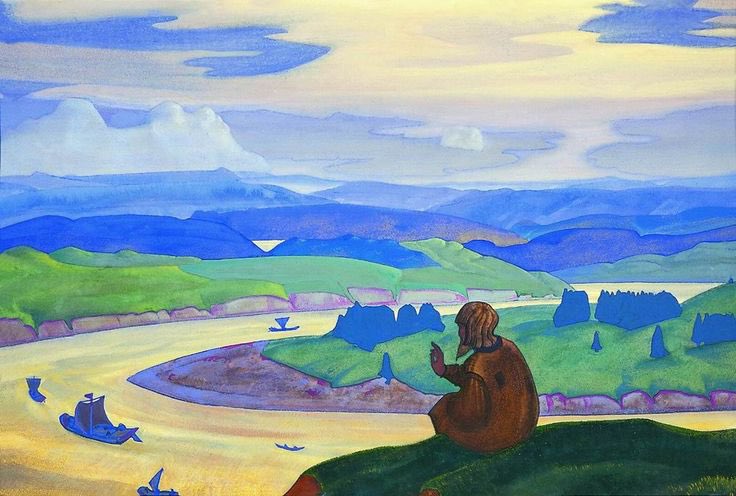
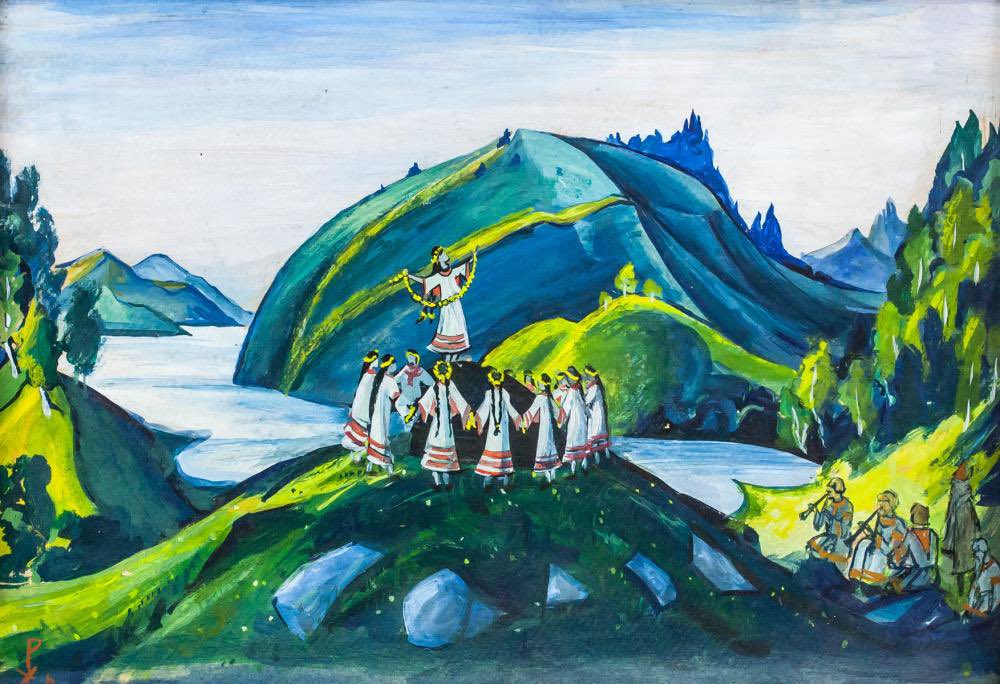
Interested in archeology & architecture, much of Roerich’s early works cover East Slavic & Russian history & culture. This period is his most celebrated. Roerich captured the spirit of an ascendent & self-assured Russia, enshrining its early history in the latest artistic styles.
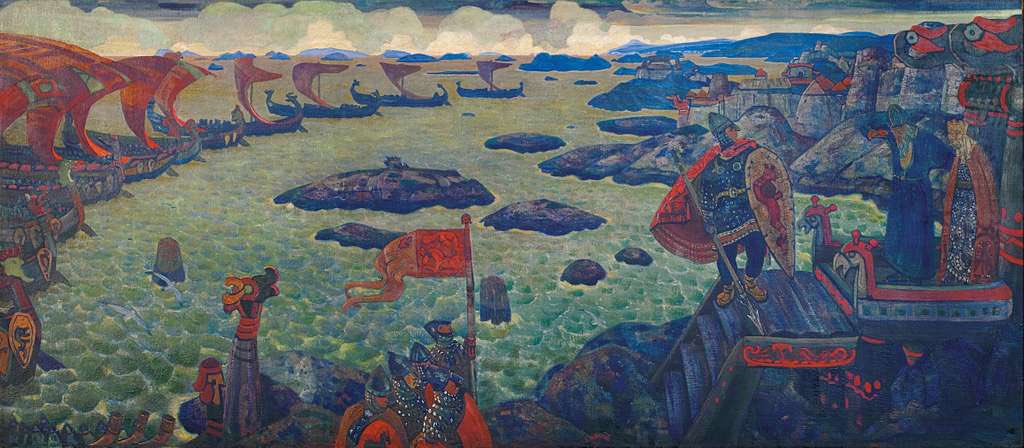
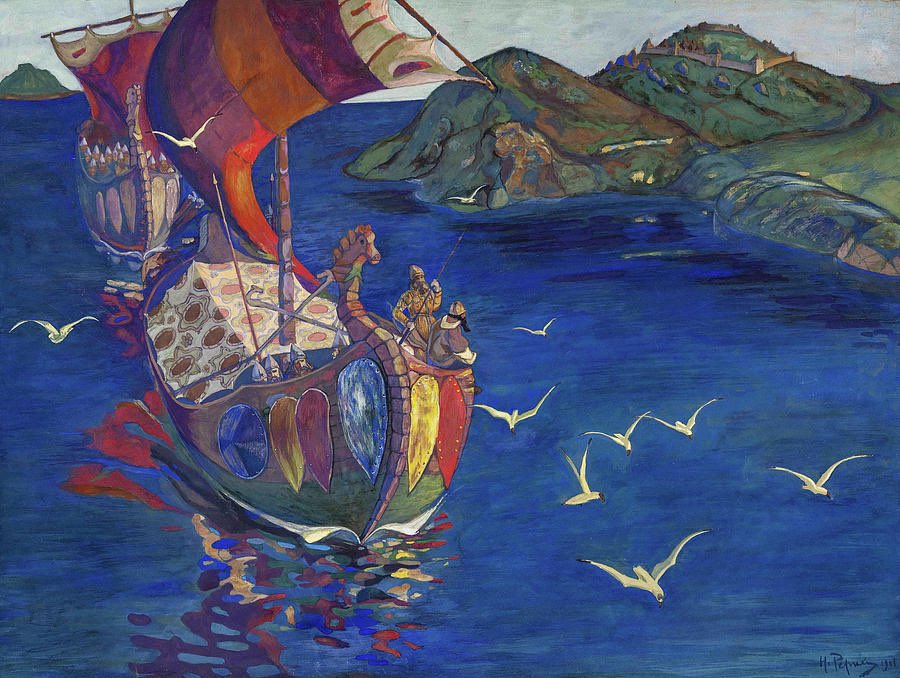
Later, influenced by his wife Helena, Roerich would turn his attention to more esoteric, spiritual subjects. Roerich was commissioned by Maria Tenisheva to paint a fresco for the Church of the Holy Spirit near Smolensk.
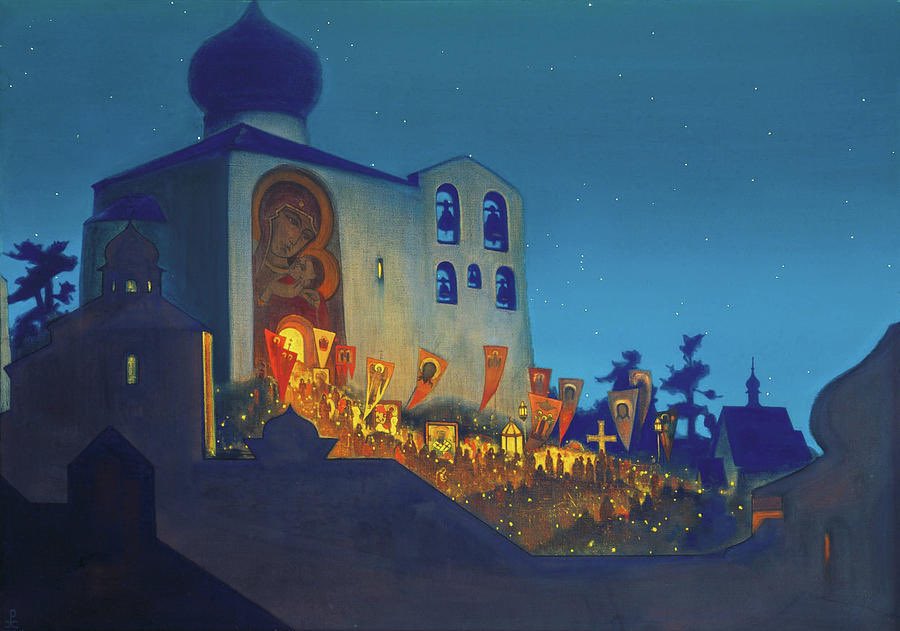
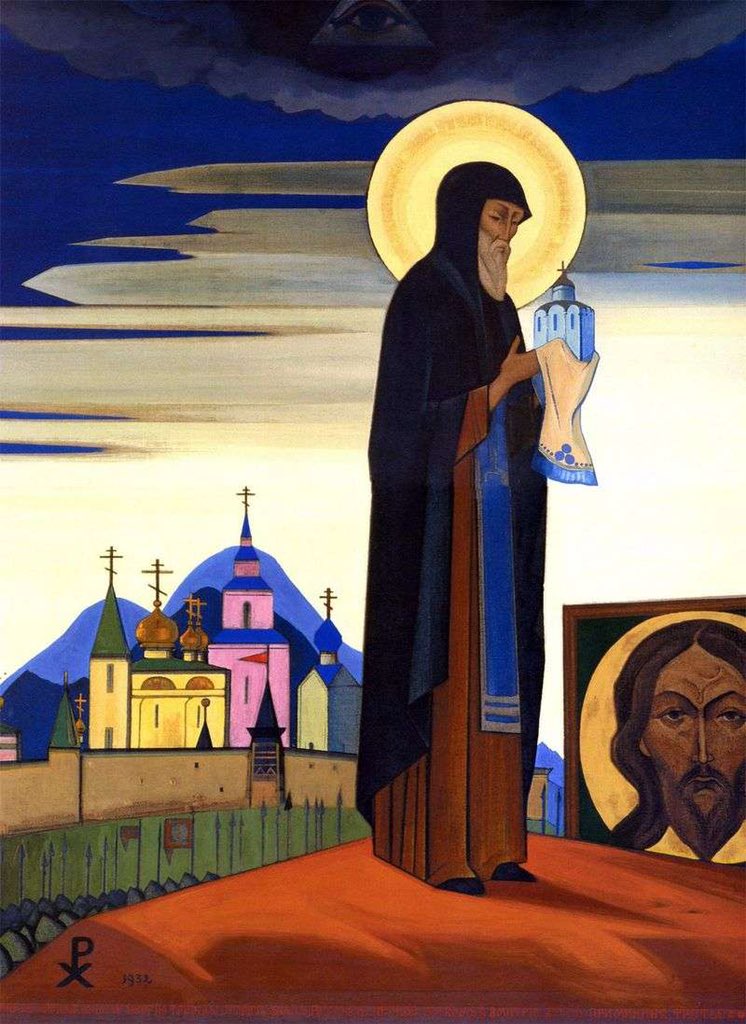
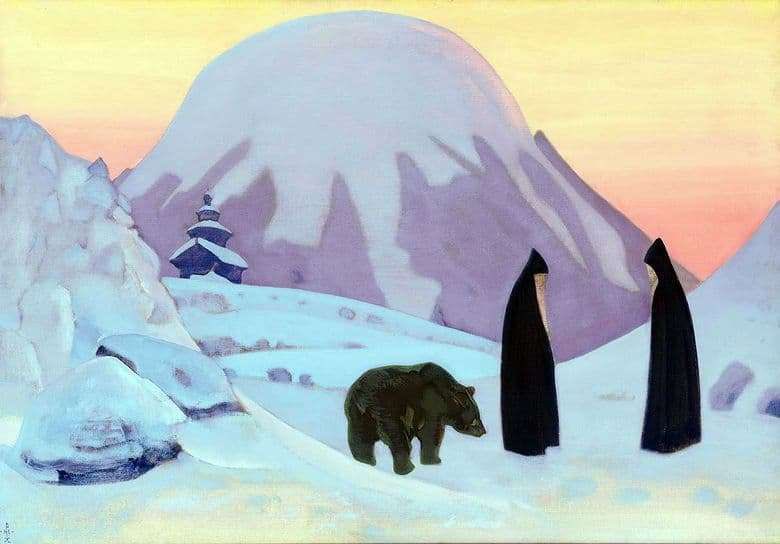
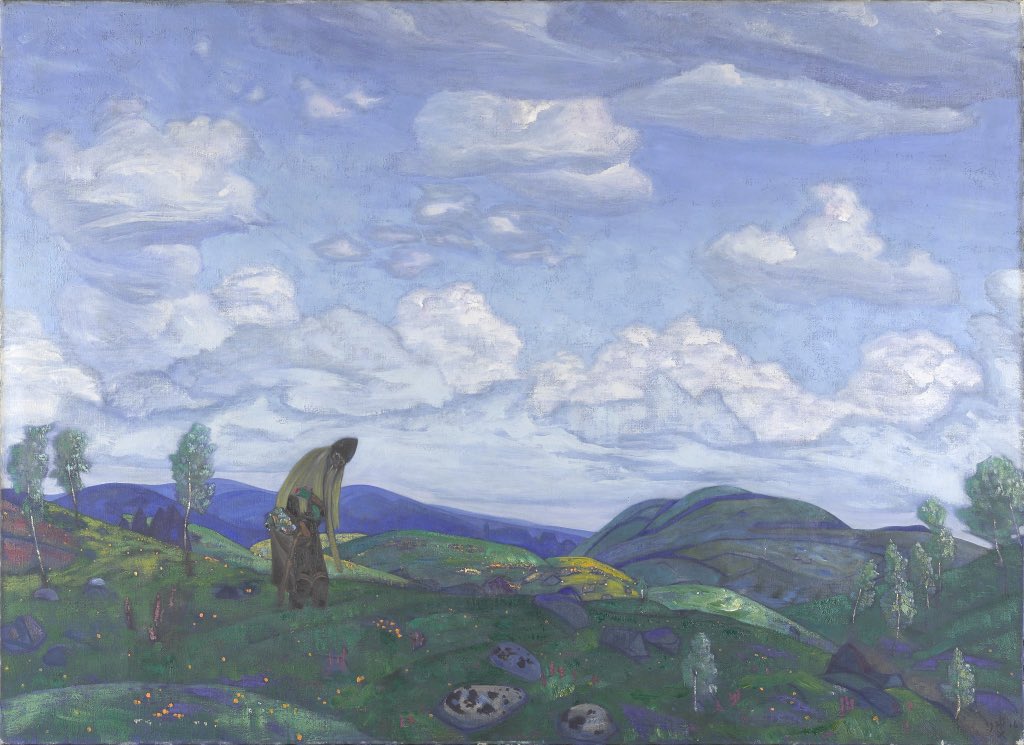
His paintings were so radical the Orthodox Church refused to consecrate the building. Roerich was also commissioned to design the stained glass windows for the Datsan Gunzechoinei, the first Buddhist temple in St. Petersburg.

These two events show an inflection point in Roerich’s artistic trajectory & the growing isolation of Russia’s intellectuals from her institutions & traditions.
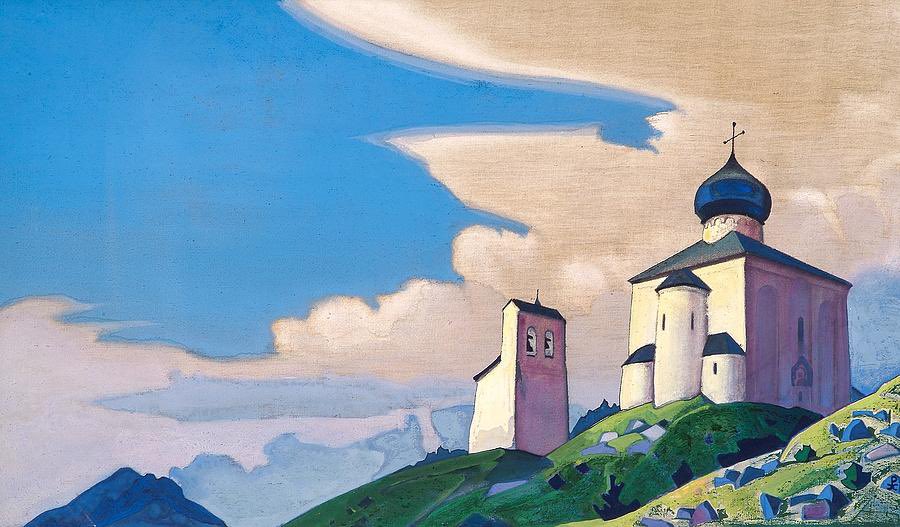
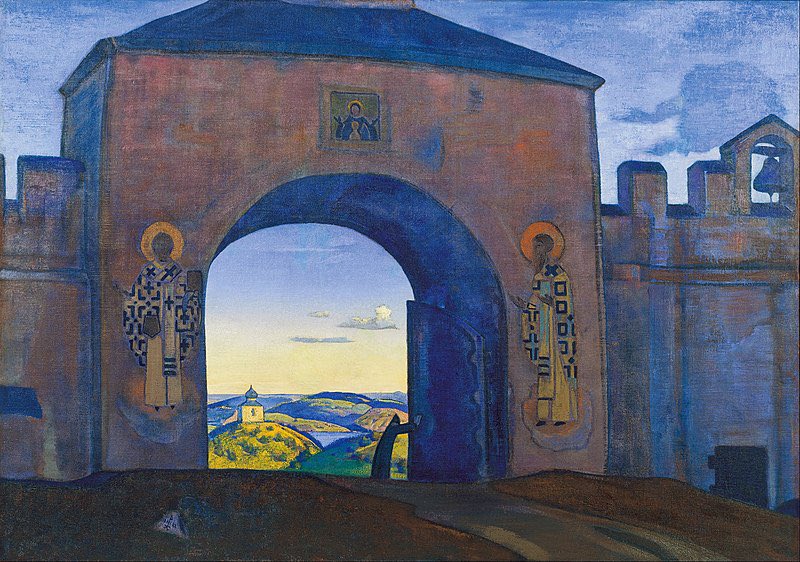
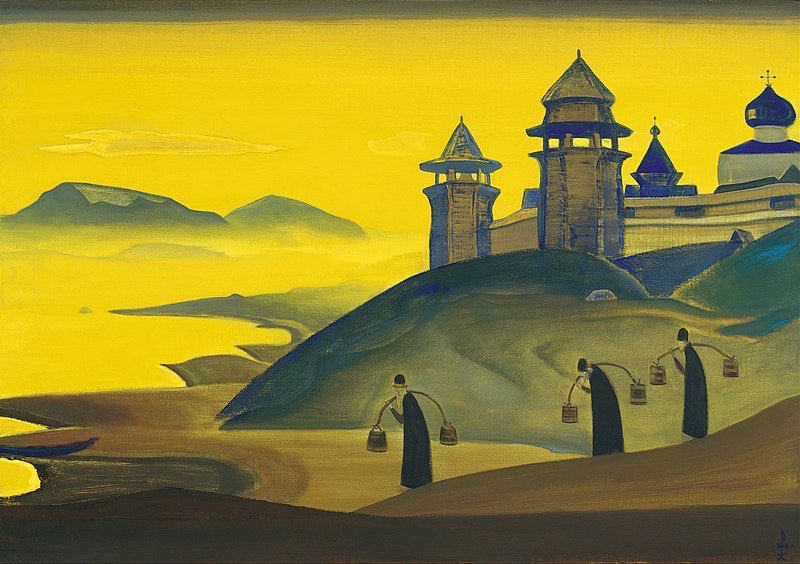
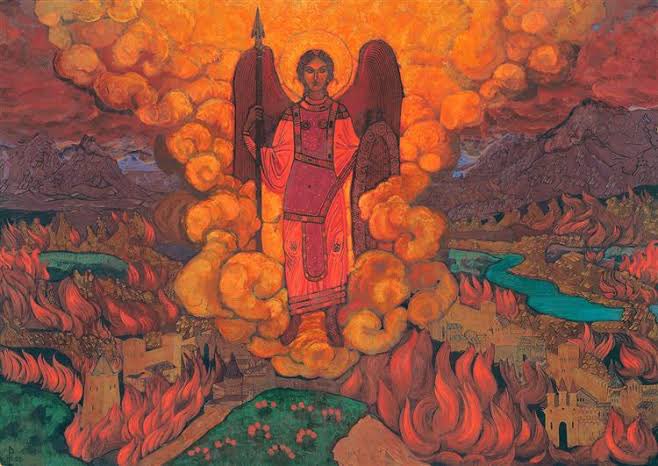
Roerich became deeply interested in eastern mysticism, especially Vedic & Buddhist ideas, and was one of the first Europeans to popularize & refashion these beliefs for the affluent in “New Age” religious movements.
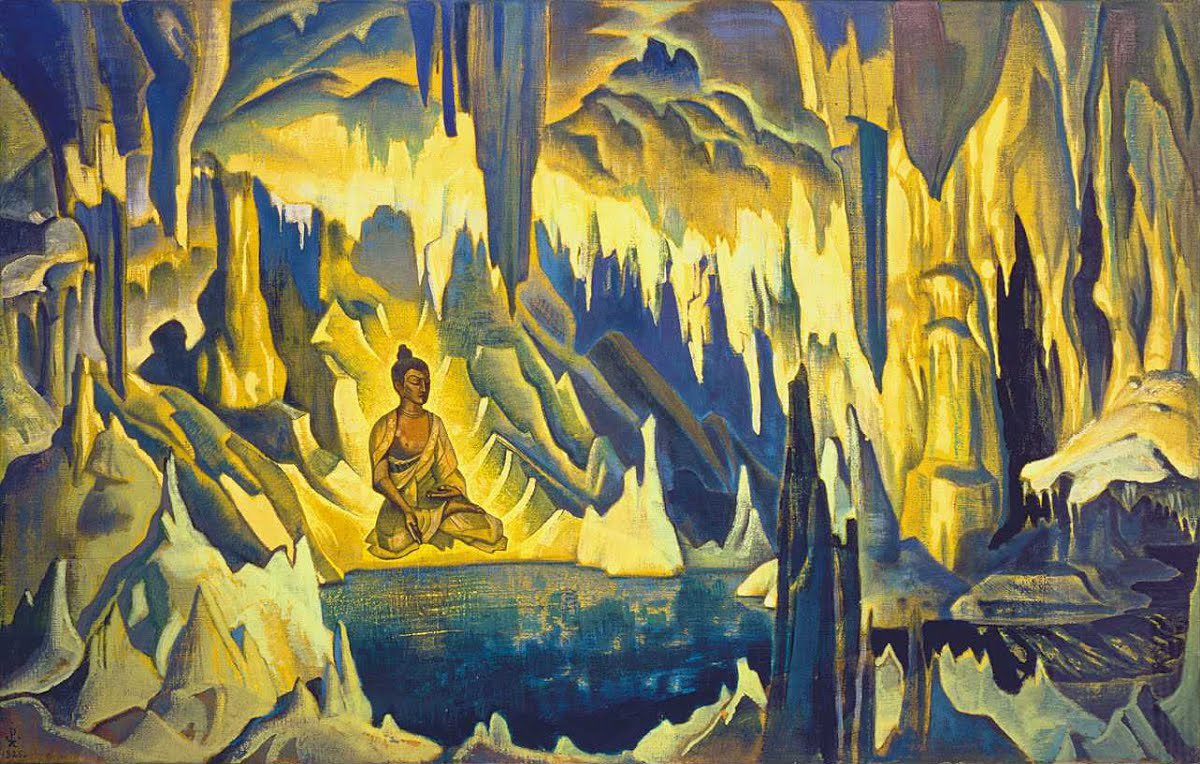
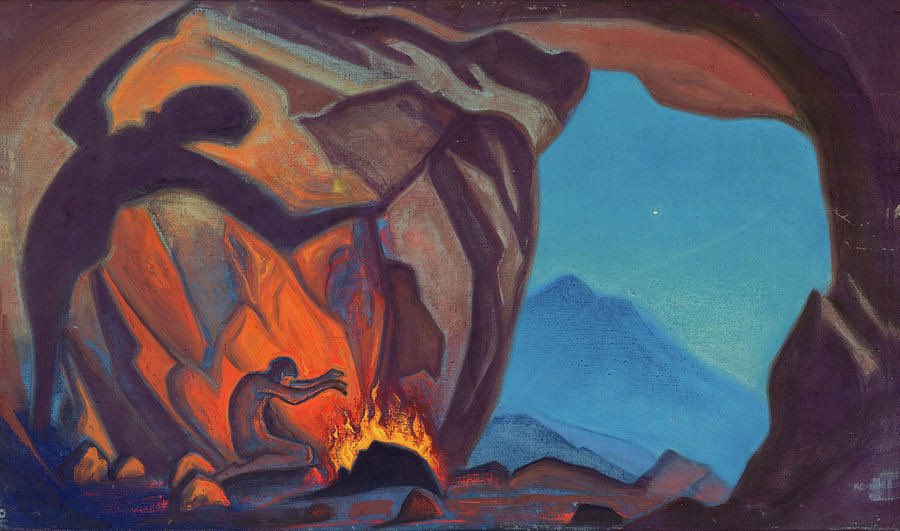
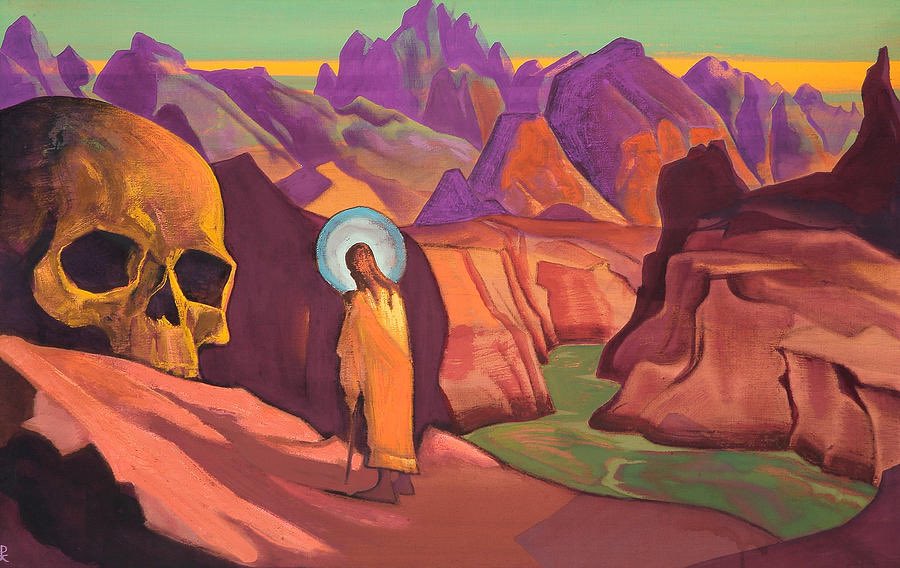
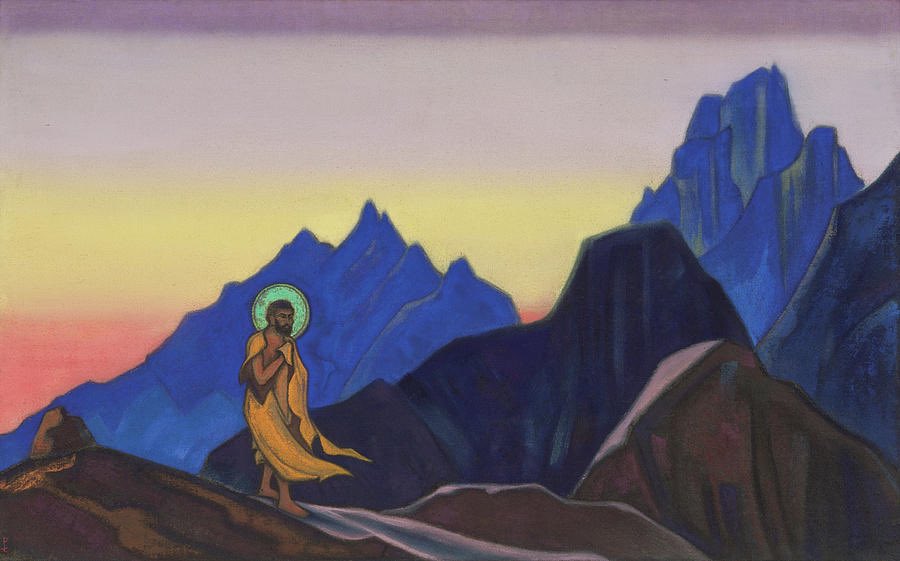
As the Russian Revolution unfolded, Roerich ascribed apocalyptic significance to the Bolshevik takeover. Committed more to the preservation of Russia’s artistic heritage than any political movement, but concerned about her political future, Roerich emigrated to Finland in 1918.
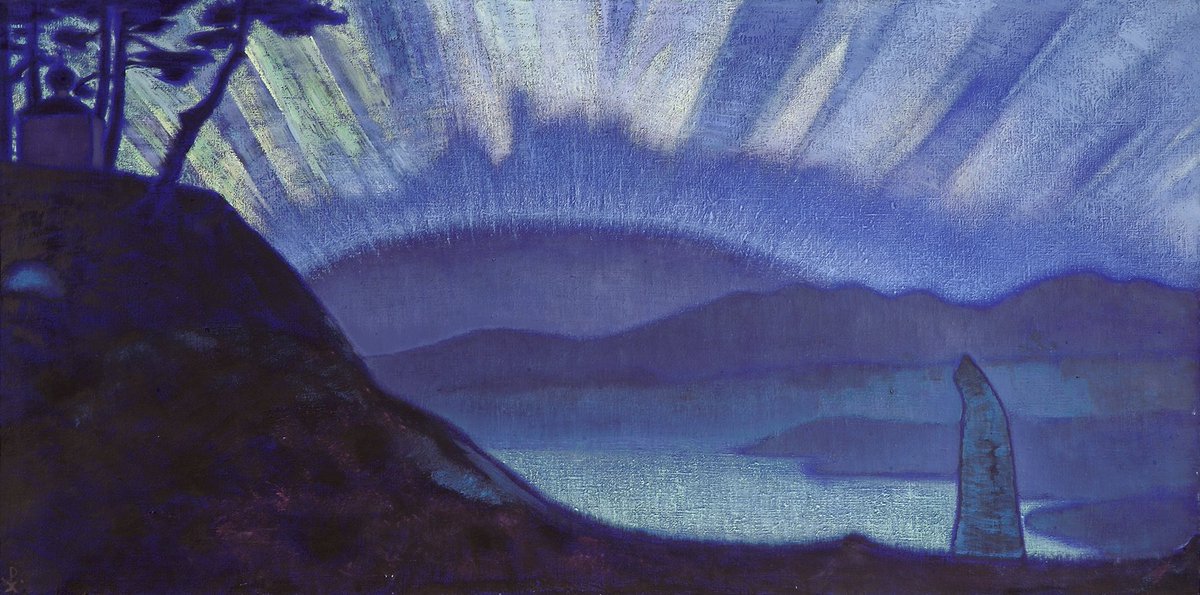
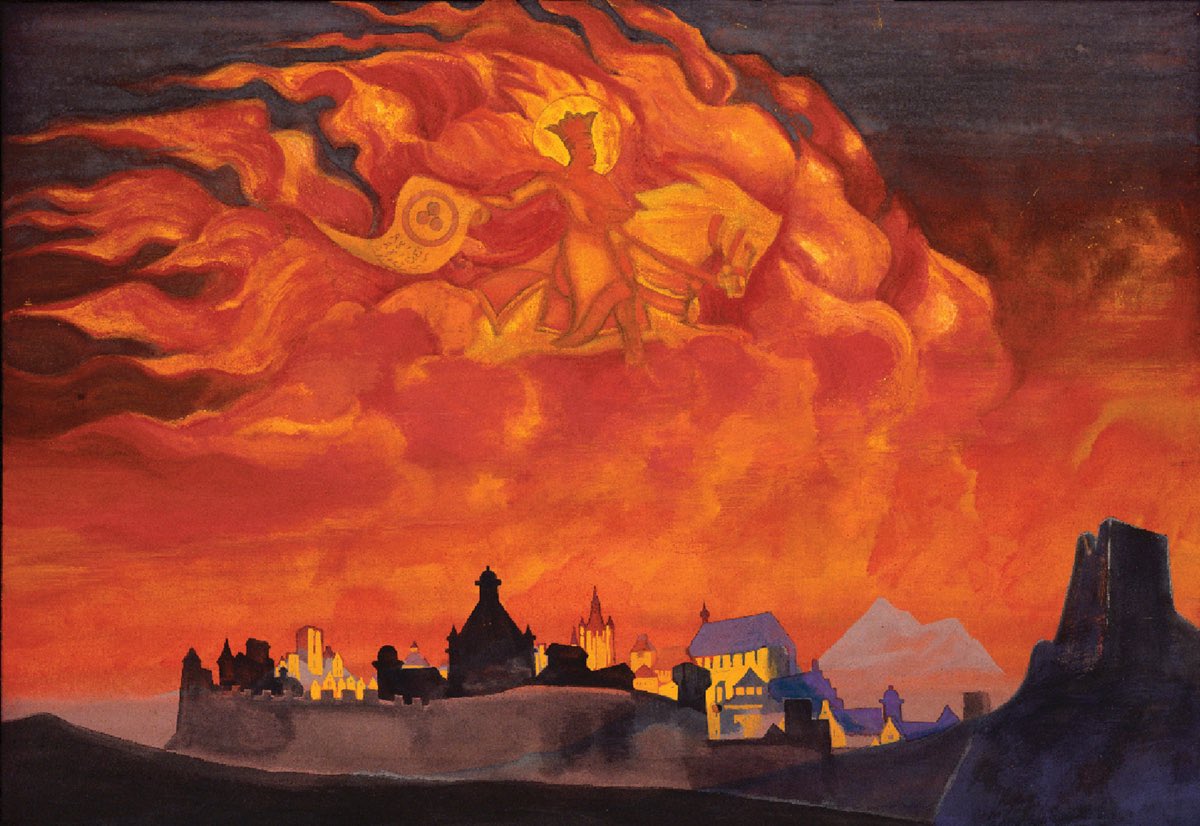
Roerich spent the next several years in London & America, rubbing shoulders with the cultural elites of the Anglophone world. The Roerichs’ started their own mystic school called “Agni Yoga,” introducing Asian mysticism to many cultural curators in the West including H.G. Wells.
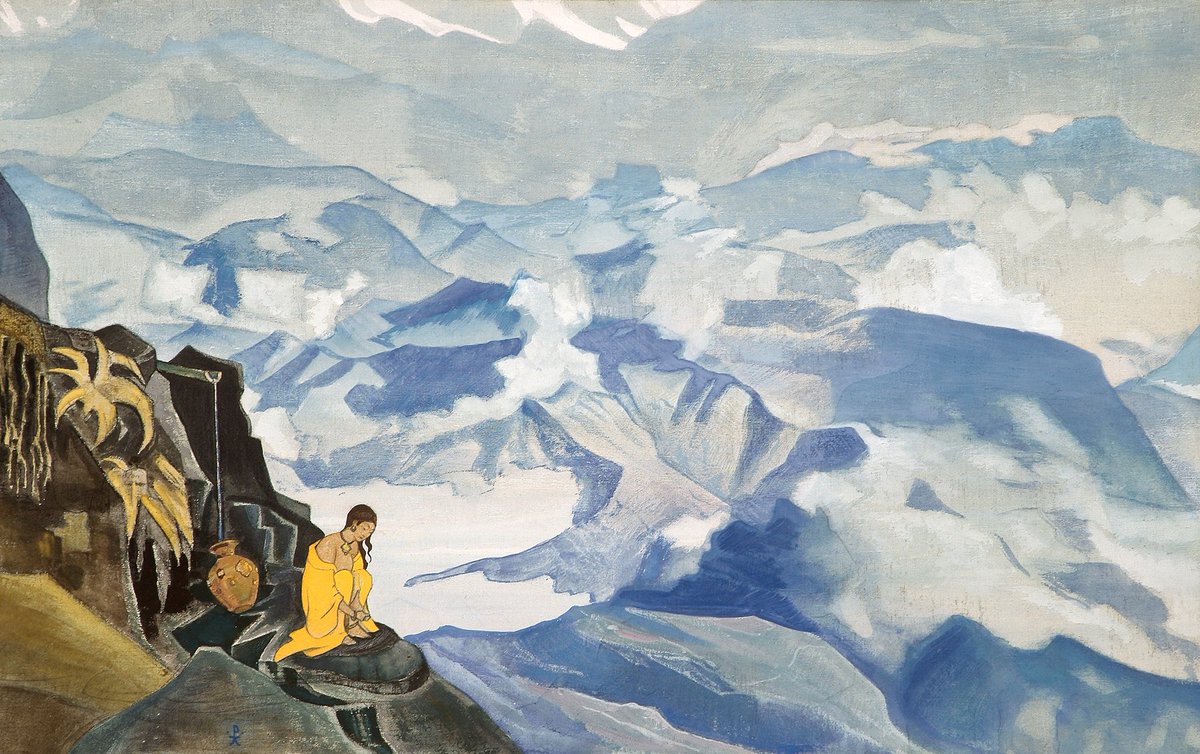
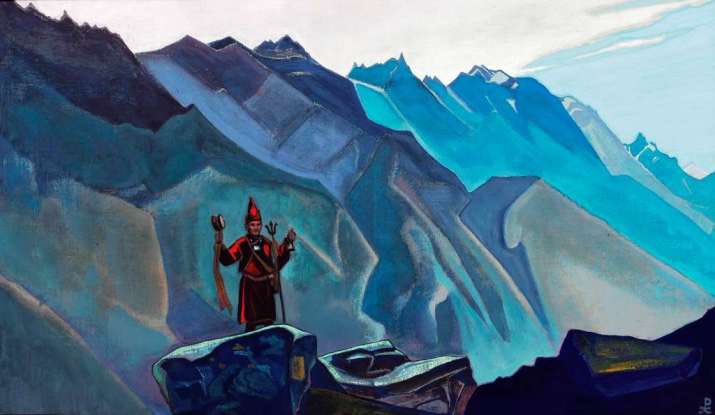
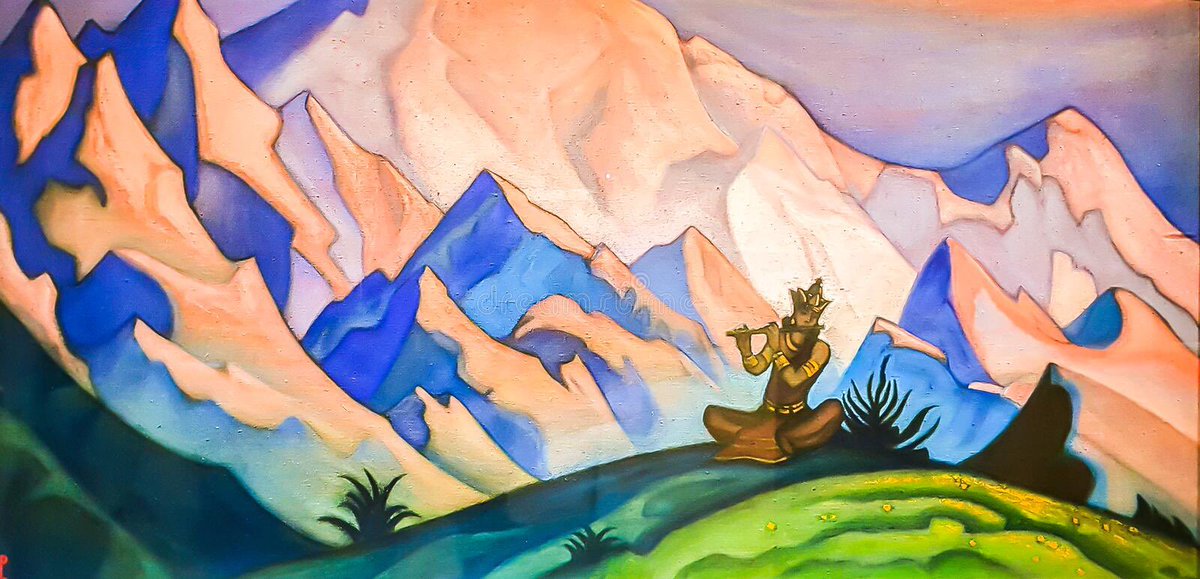
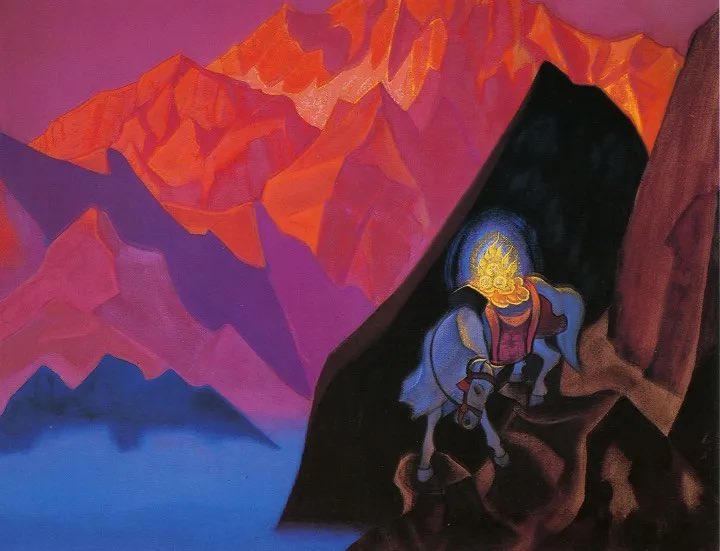
As Roerich became more engrossed in Buddhist mysticism he began to claim spiritual masters in the Himalayas were communicating with him telepathically through his wife, Helena. These “masters” told him he was the reincarnation of the fifth Dalai Lama.
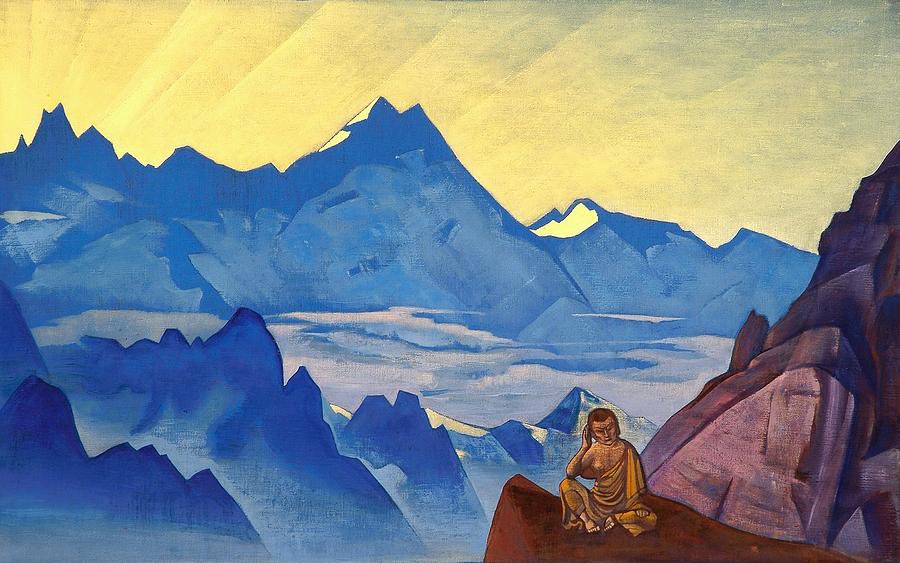
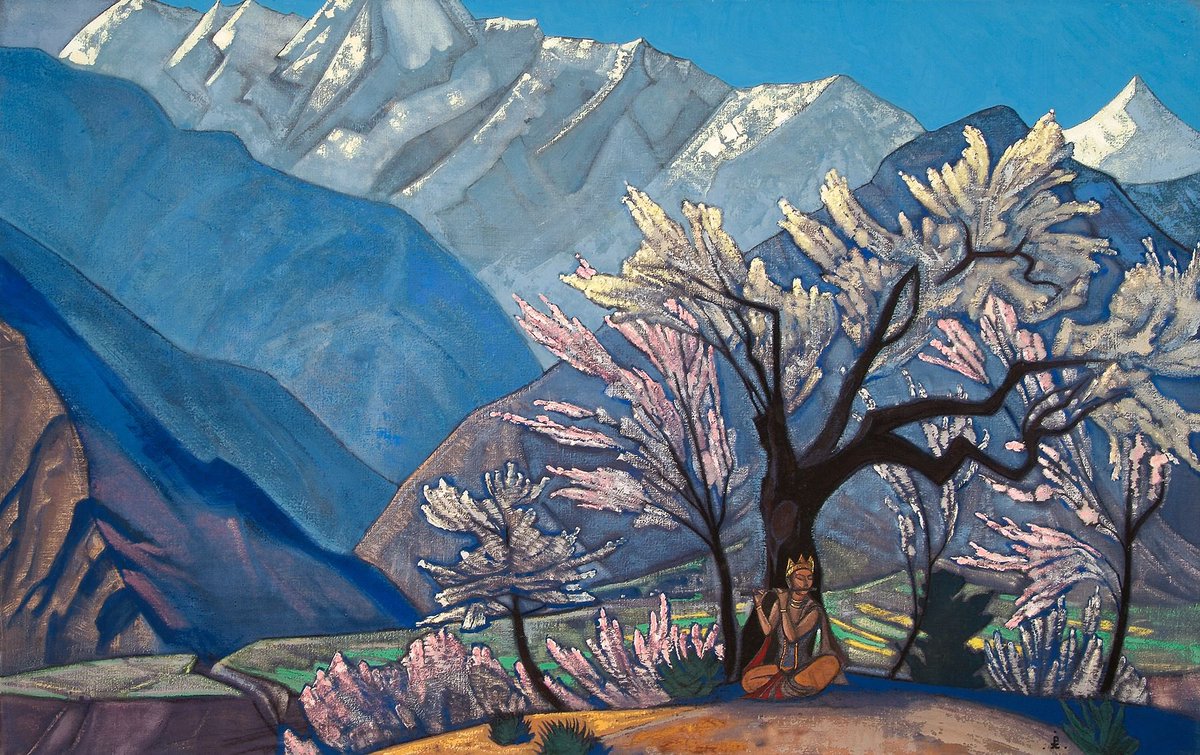
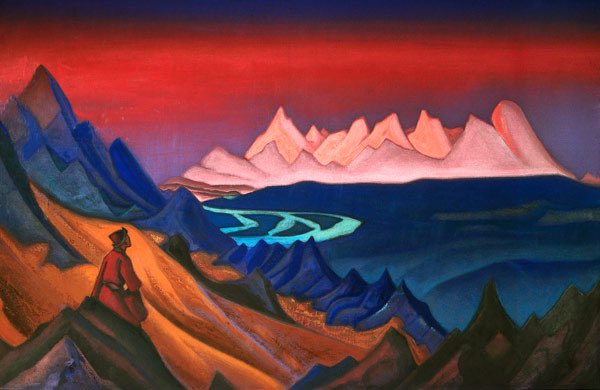
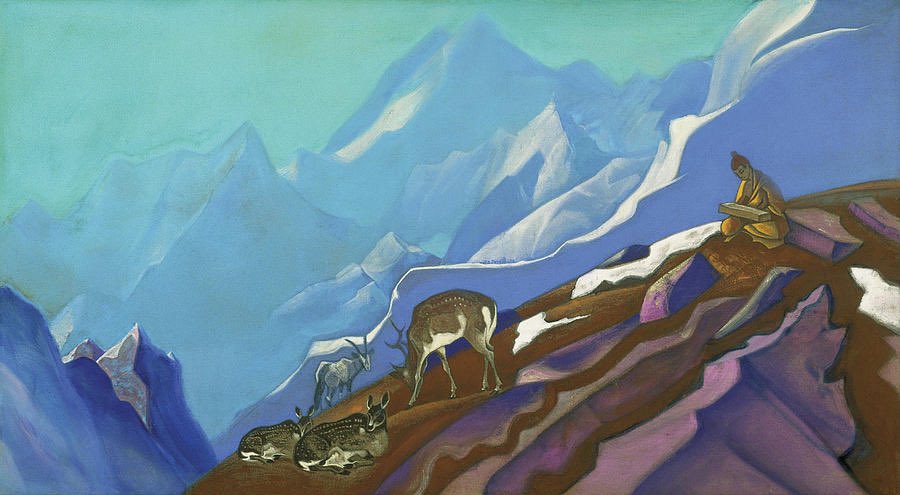
Roerich formulated a “Great Plan” to unify the Buddhist people of Inner Asia & fight all evil on Earth. The new state would have its capital of “Zvenigorod” in Altai & seek the protection of Bolshevik Russia. To bring this to fruition, Roerich & his family went to Asia.
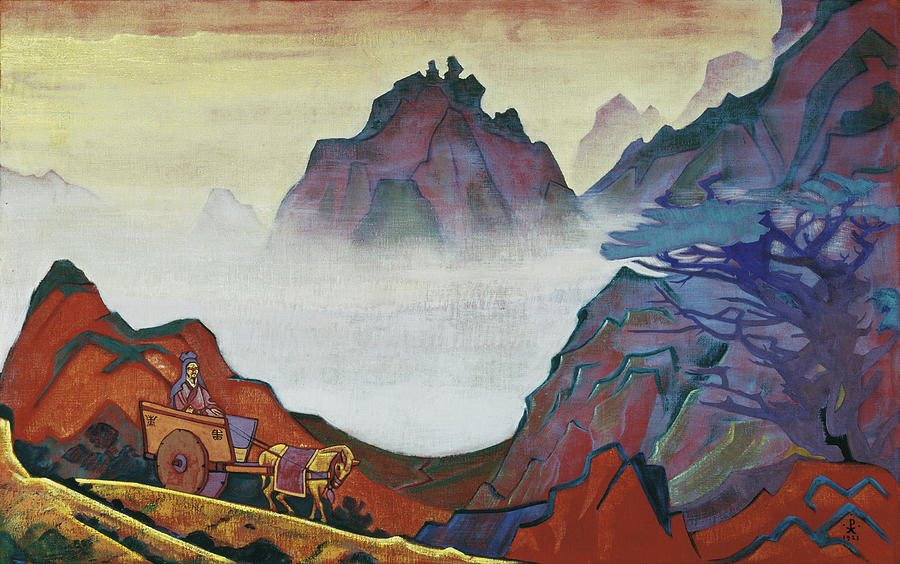
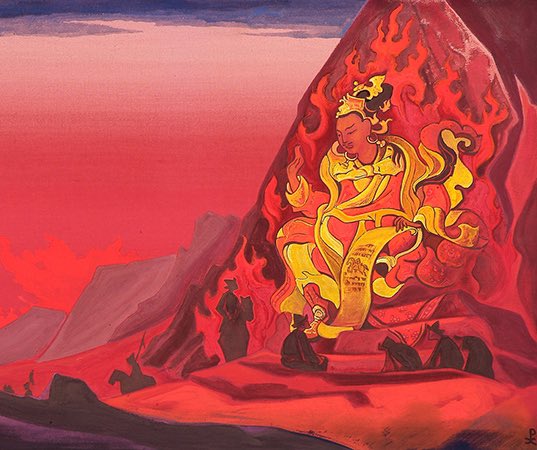
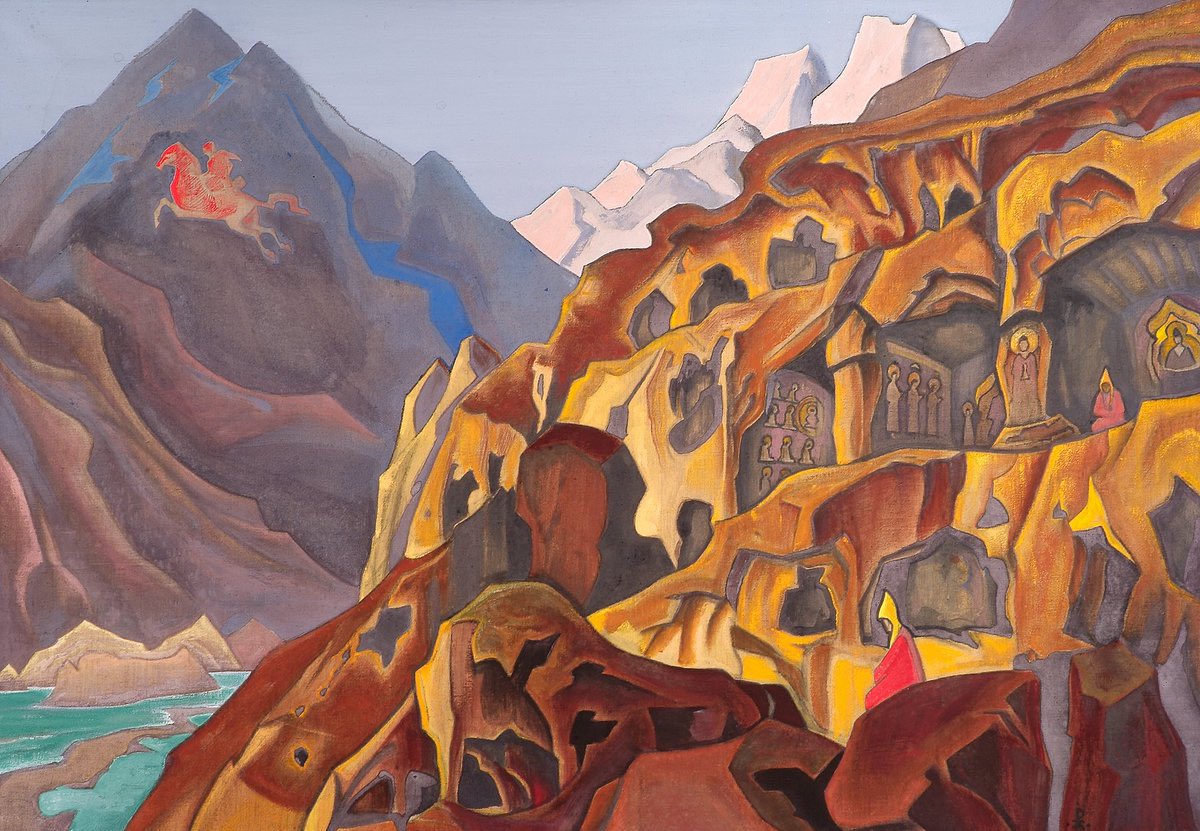
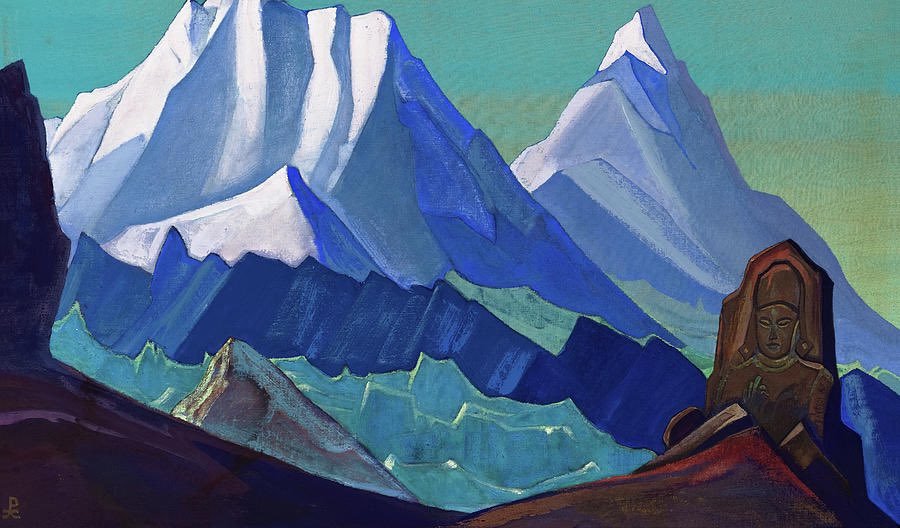
Roerich travelled through India, Pakistan, Tibet, Xinjiang, Mongolia, and the USSR from 1925-29. Roerich aimed to strengthen relations between western “Buddhist” groups & the Buddhist cultures of Asia & lay the groundwork for his utopic Buddhist state.
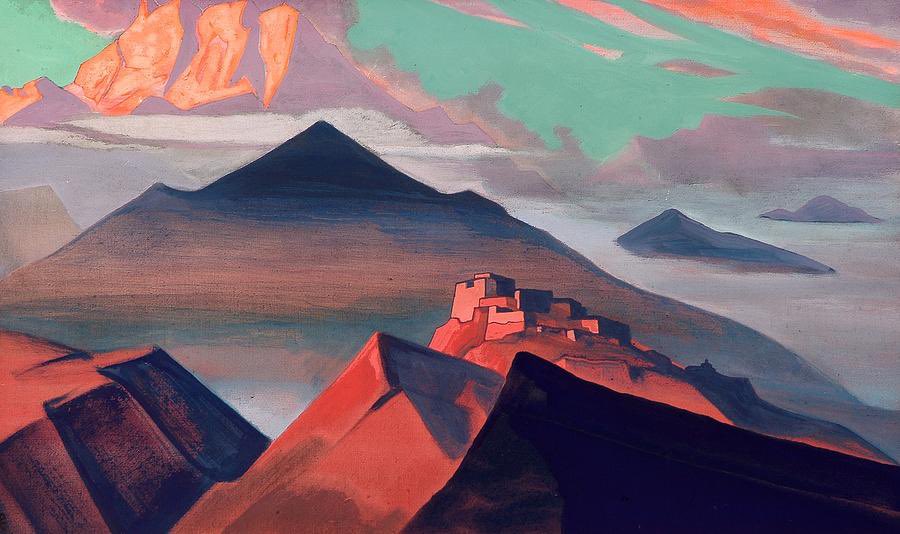
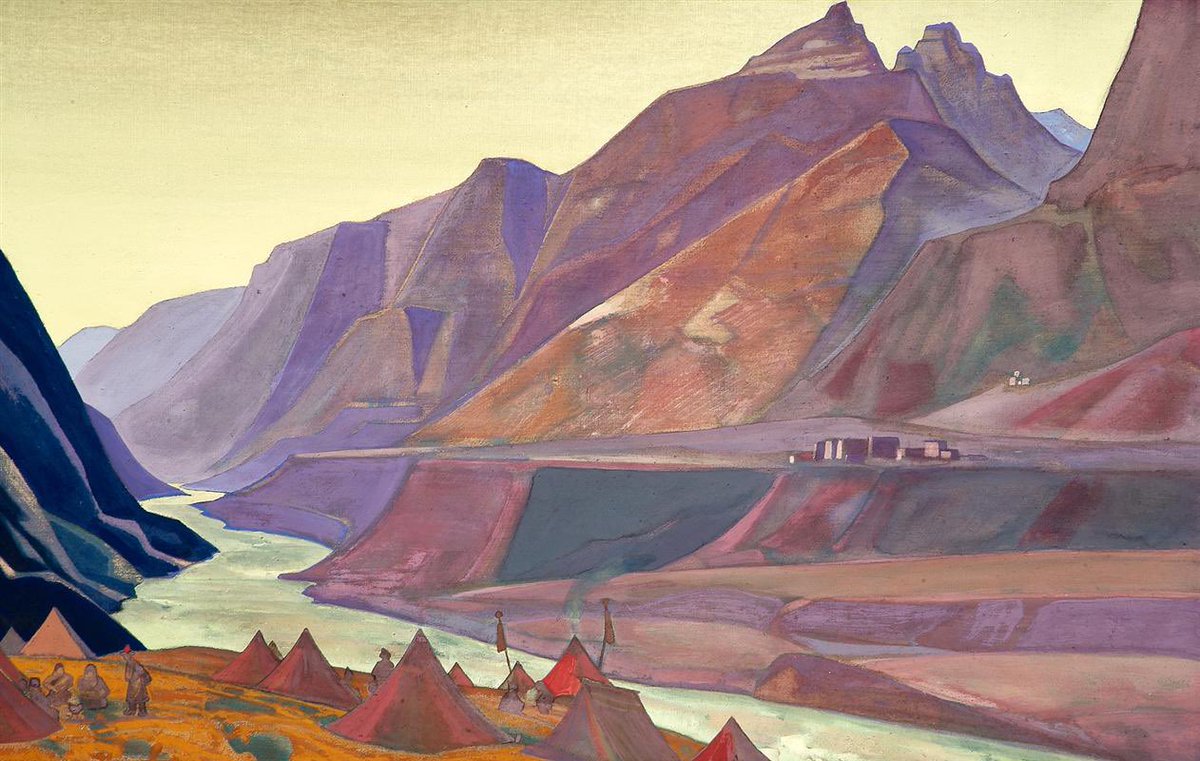
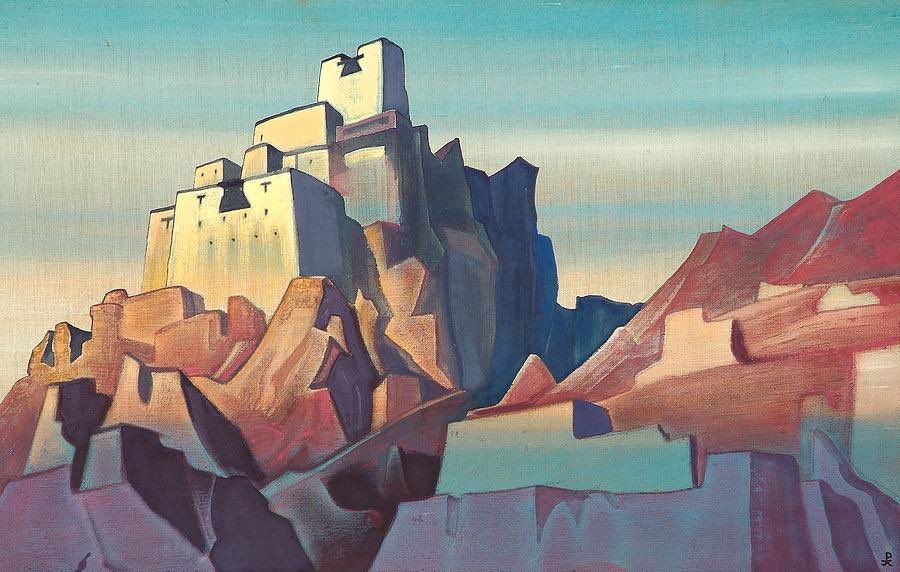
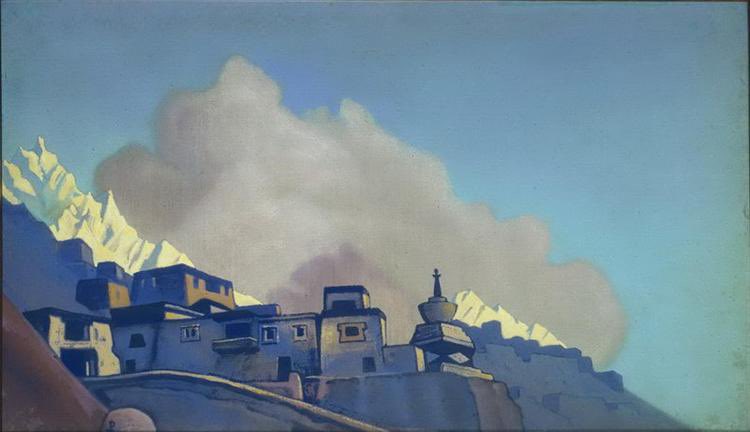
While in Tibet, Roerich’s expedition was attacked by Tibetans & held by government officials for five months, living in tents & subsisting on poor food in the brutal Tibetan winter. Five men of the expedition died. The Roerich family were released in the spring & escaped to India
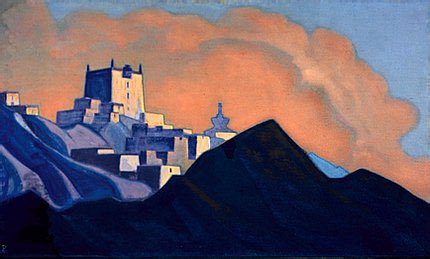
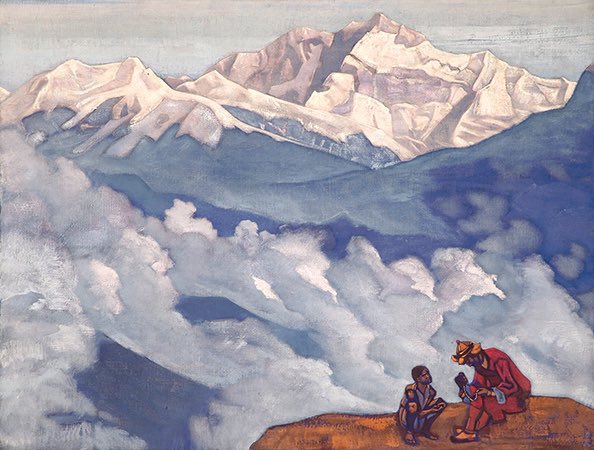
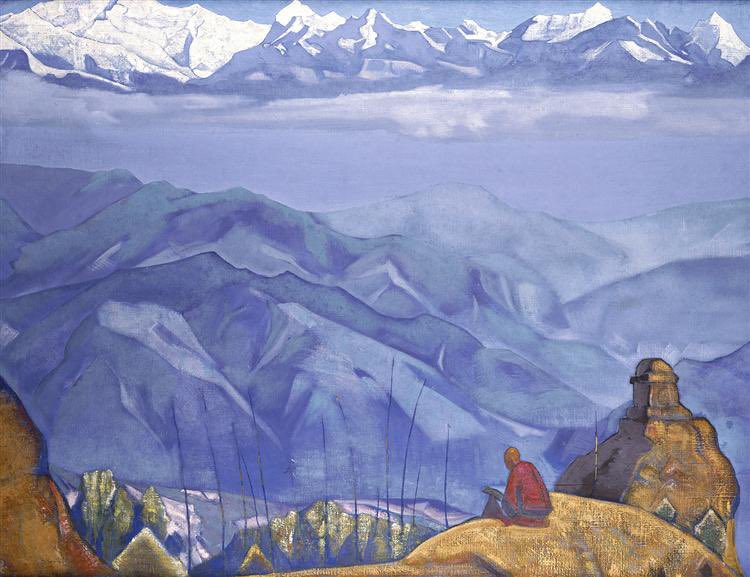
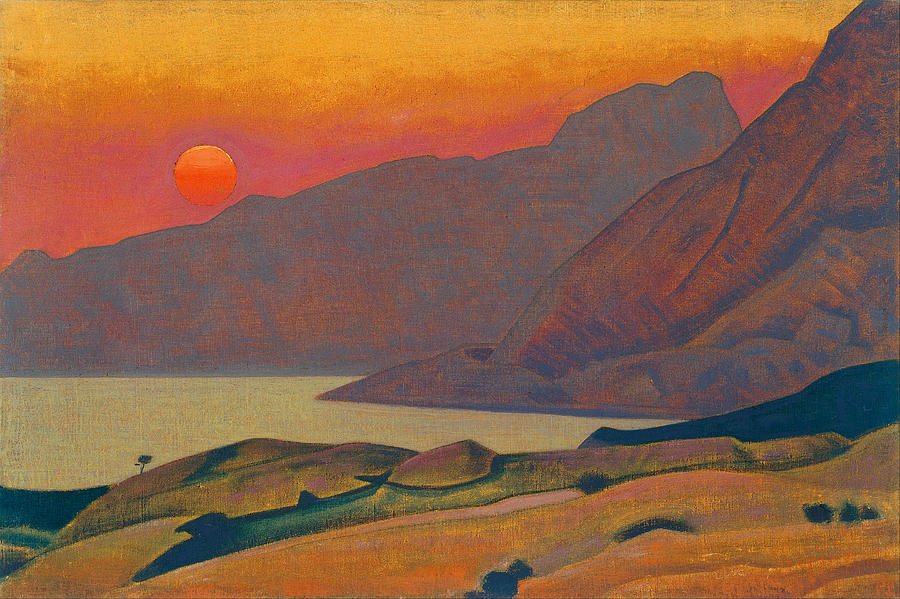
This trek gave Roerich international notoriety. Roerich was nominated for a Nobel Peace Prize in 1929, 1932, & 1935. Roerich used this fame to start organizations dedicated to the protection of the world’s cultural & artistic heritage, motivated by Soviet destruction of Russia’s.
Roerich spent his later life in India, dedicated to exposing India & America to Russian culture. Roerich died on December 13th, 1947.
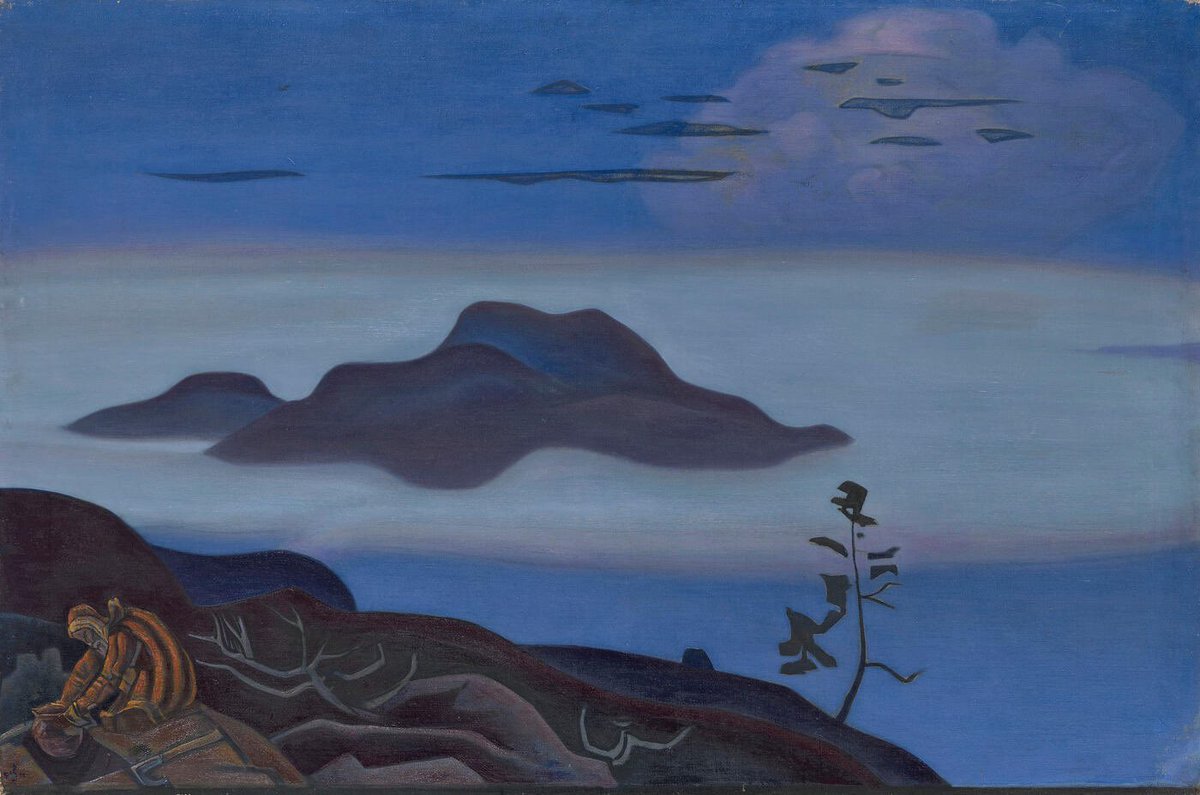

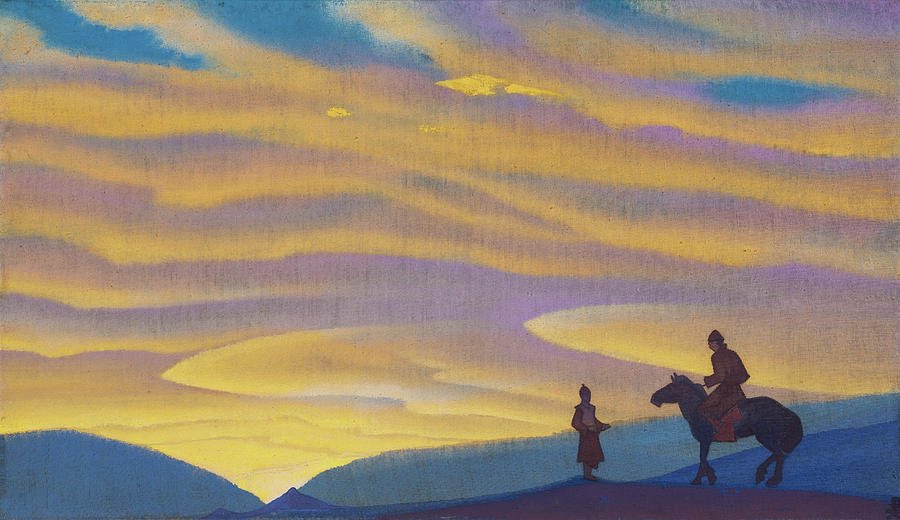
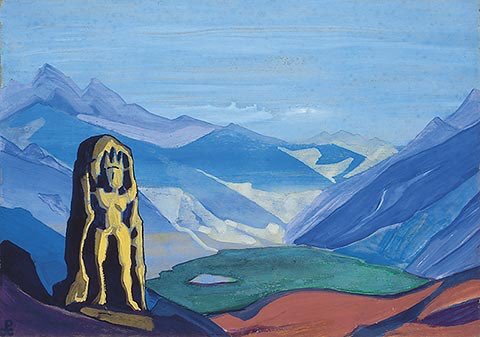
Roerich’s legacy is three-fold. His steadfast defense of global cultural heritage led to the signing of the Roerich Pact in April 1935, in which countries agreed to preserve cultural heritage during times of war. Roerich’s unique style has also influenced artists for decades.
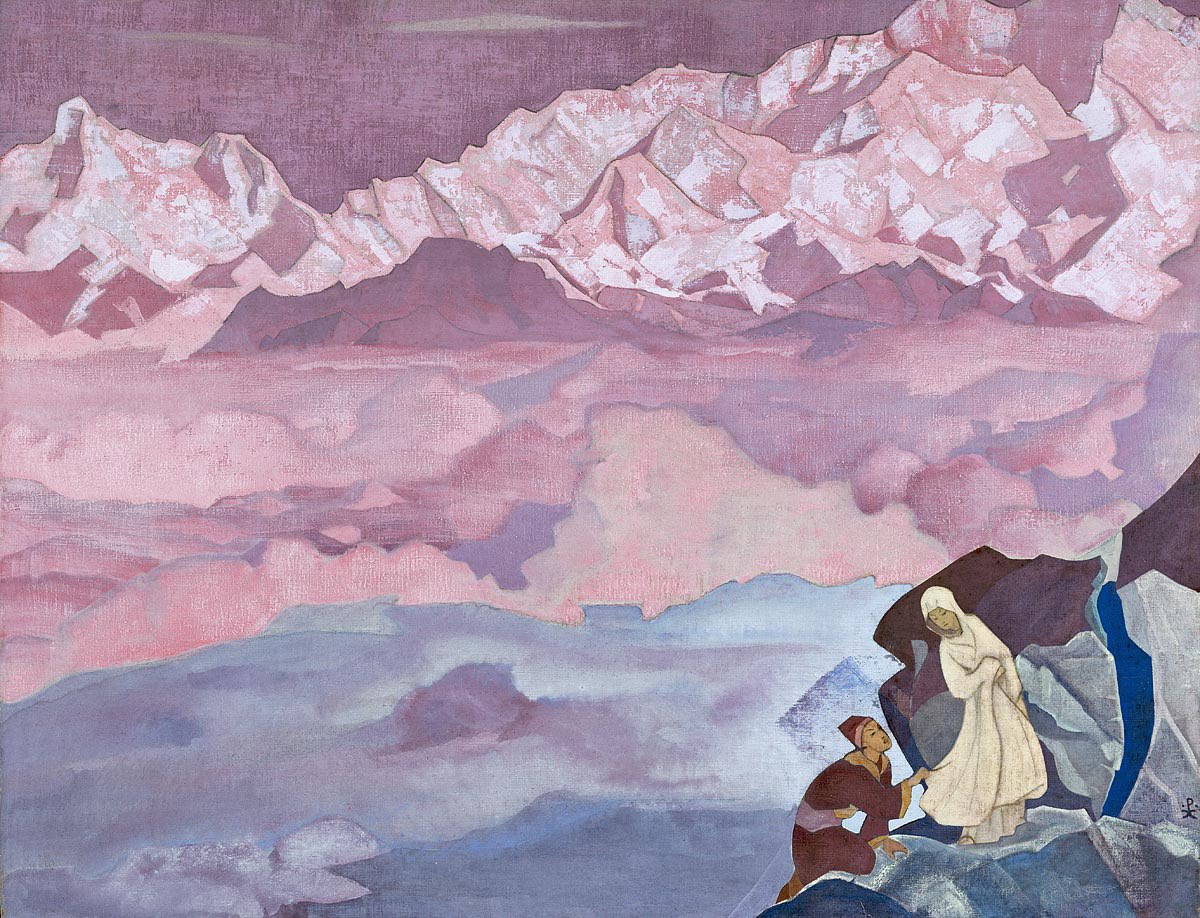
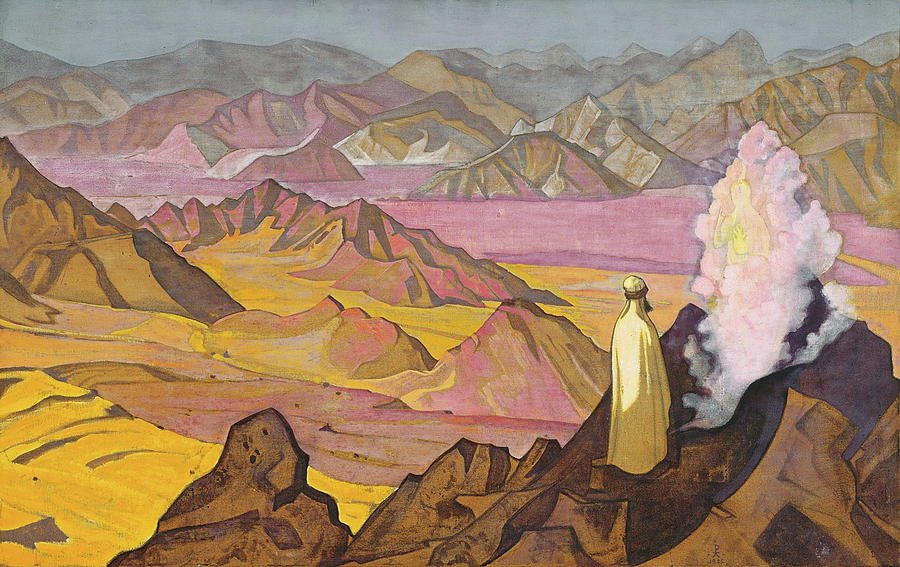
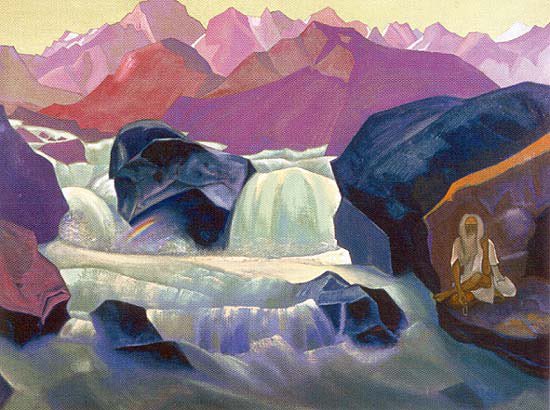
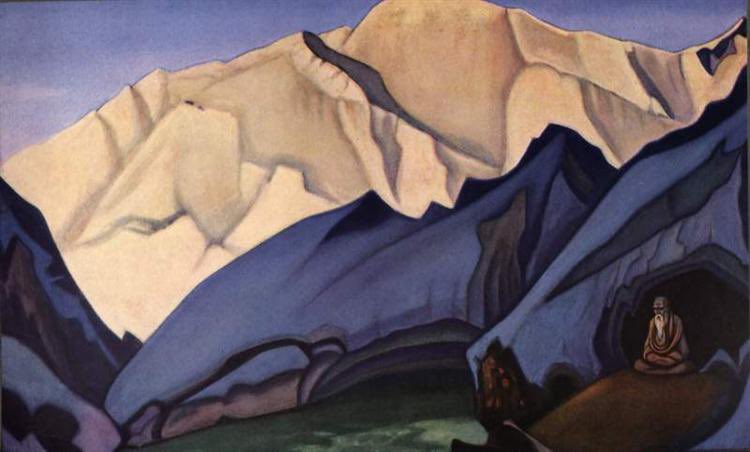
Lastly, Roerich’s interest with Buddhist & eastern religious practices helped birth a wave of syncretic philosophic & religious movements in the West that continues today.
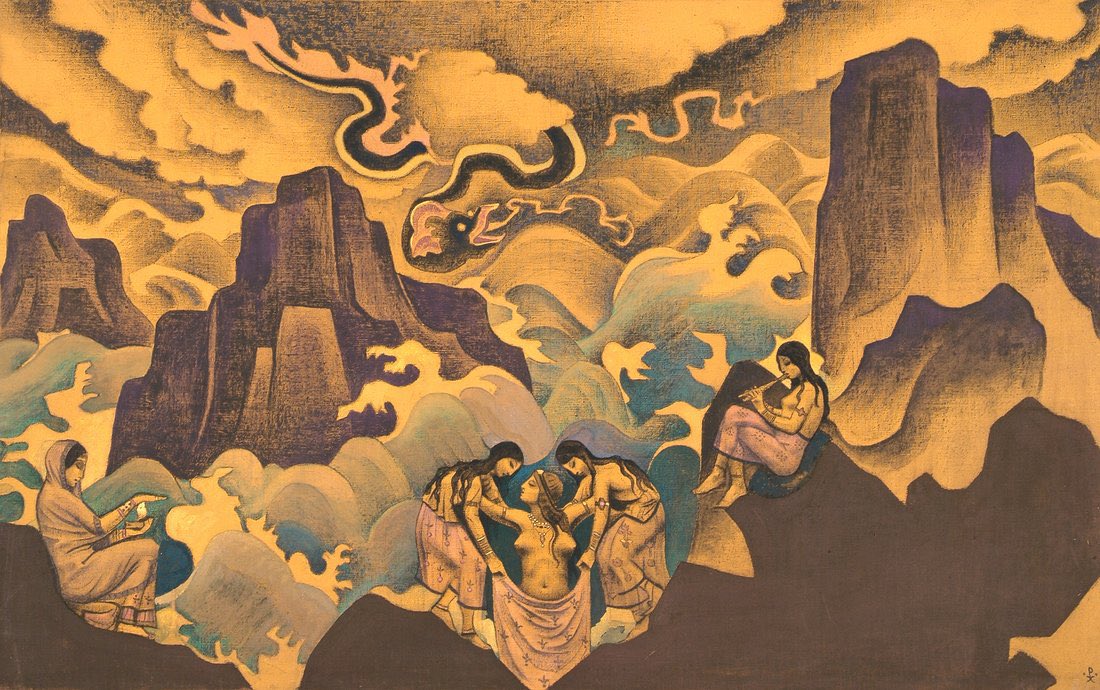
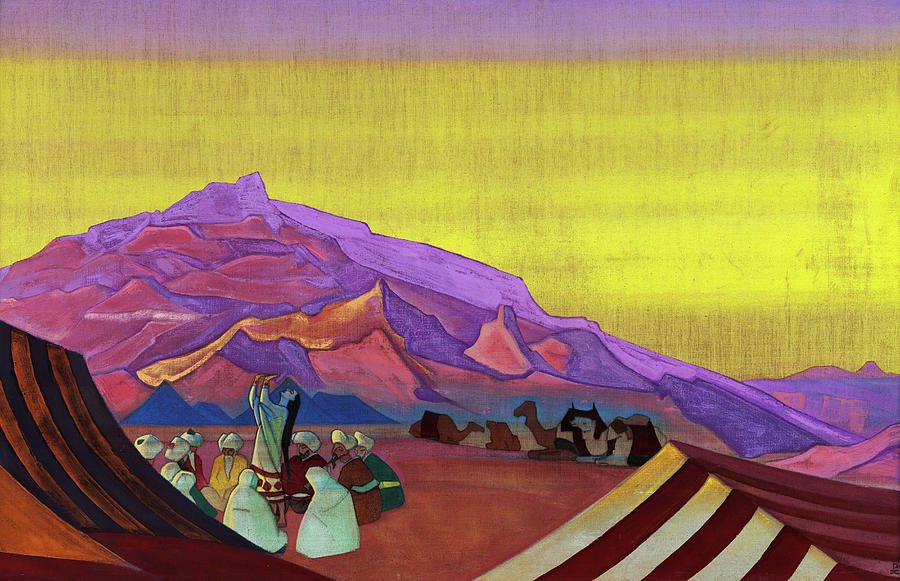
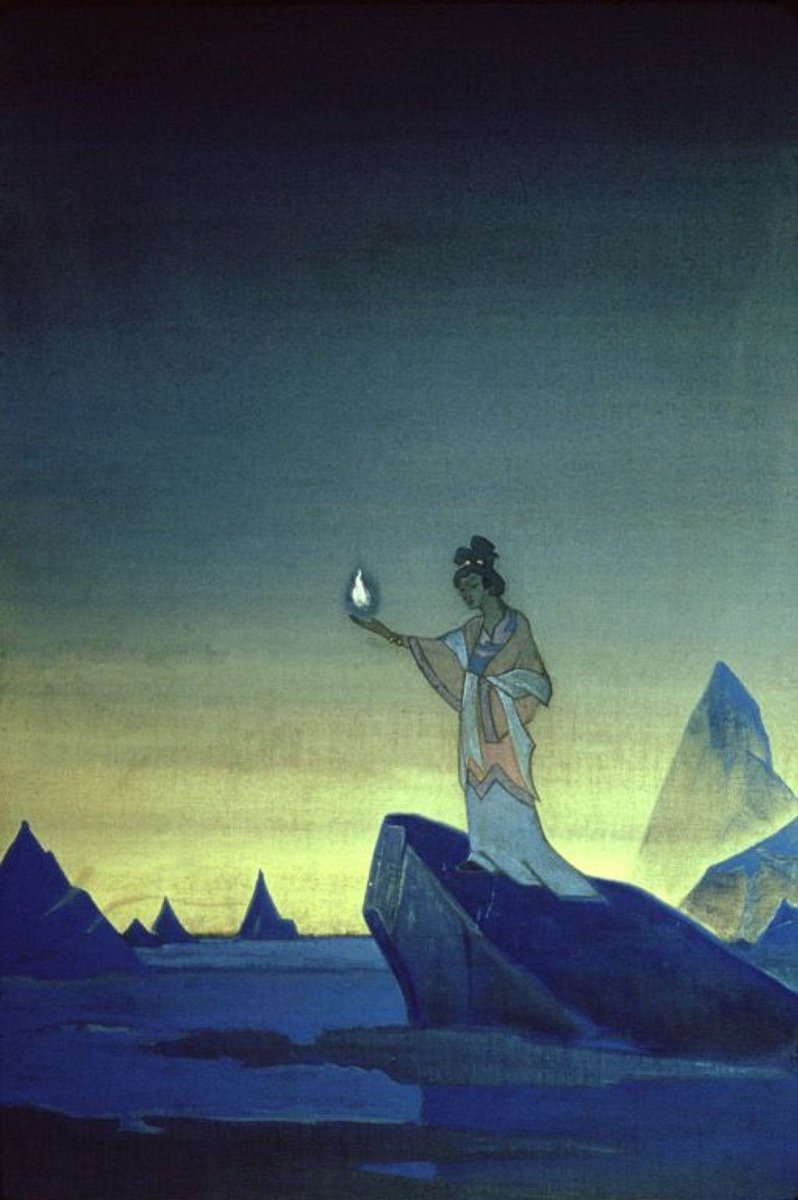
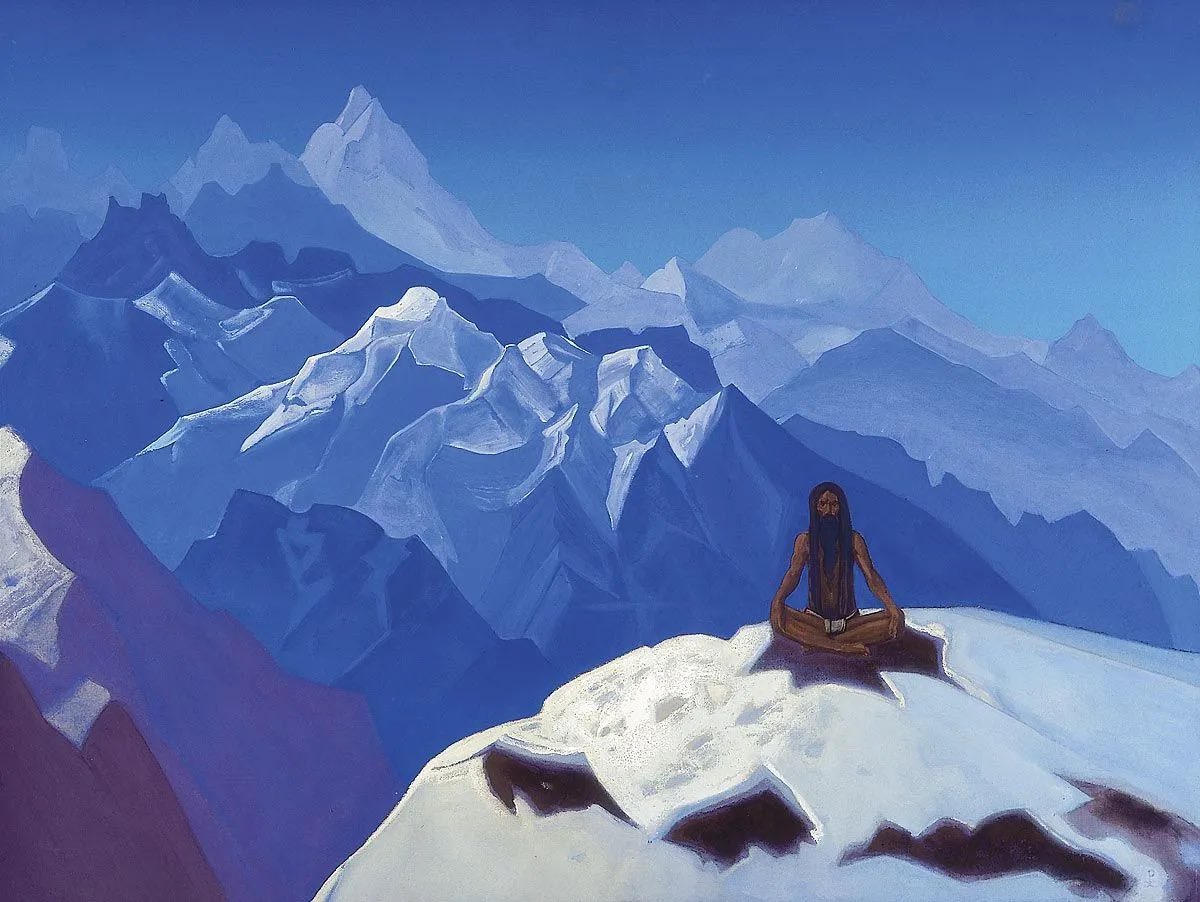
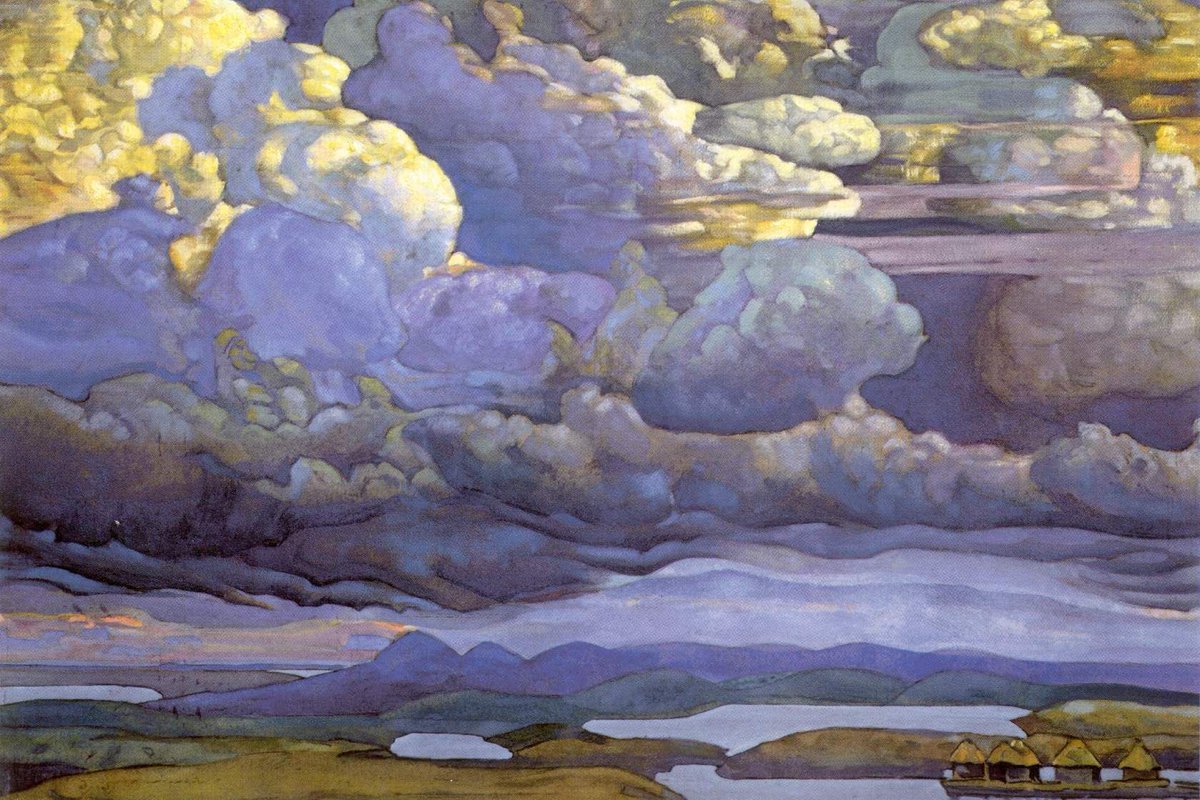
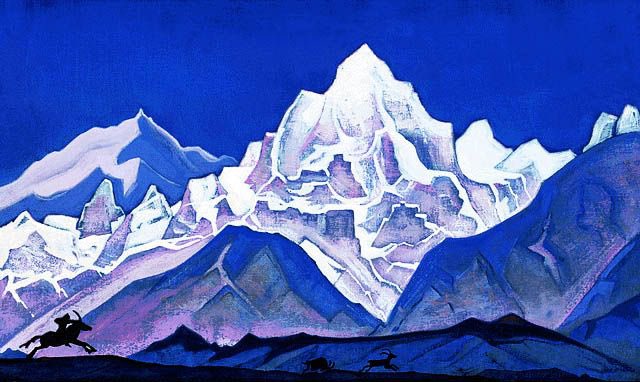
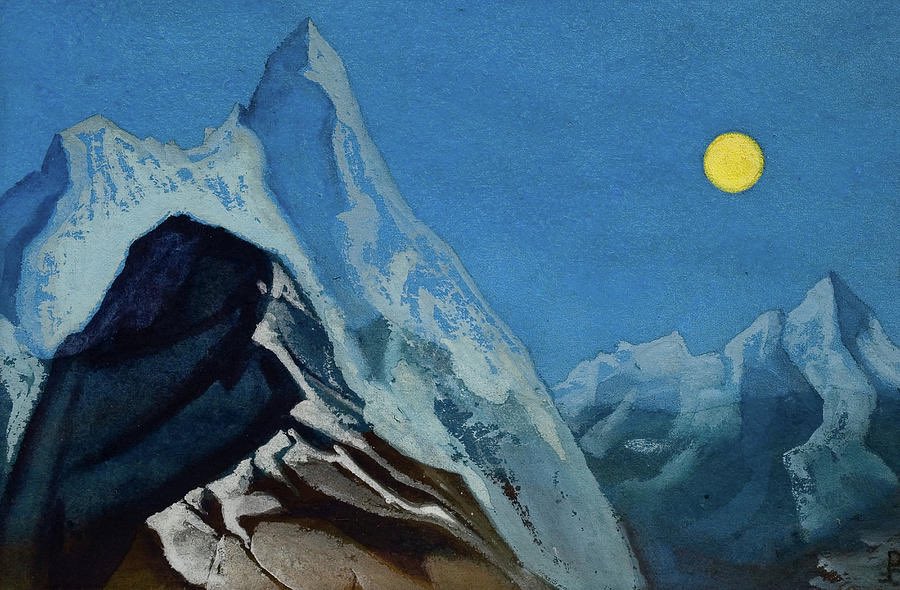
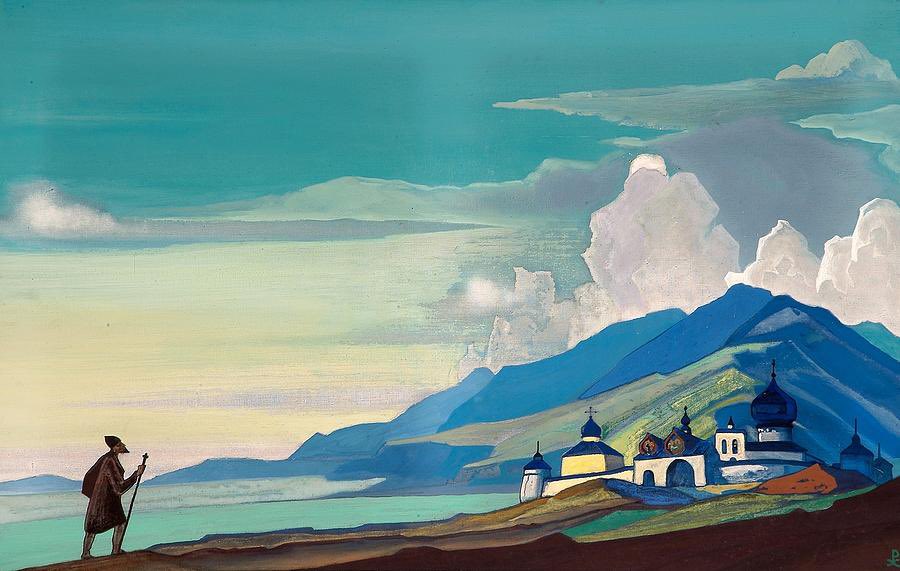
Whatever your opinions on Roerich’s colorful personal life, his art communicates something grand and austere to the viewer, reminding you of your small part in the vastness of the universe.
Loading suggestions...