

We’re in the worst food crisis since 2008. The number of people suffering acute food insecurity increased by 25% since Jan 2022, to 345M. Why, then, are governments cracking down on food production? Why are the UN & World Economic Forum encouraging them?
michaelshellenberger.substack.com
michaelshellenberger.substack.com
“We are in crisis mode.”
“Parts of the world are now on the brink of famine in what he calls the "4 C's of Crisis" -- Conflict, Climate, Cost and Covid.”
cnn.com
“Parts of the world are now on the brink of famine in what he calls the "4 C's of Crisis" -- Conflict, Climate, Cost and Covid.”
cnn.com
And yet World Economic Forum is demanding a *reduction* in chemical fertilizers. “Through natural processes and avoiding chemicals such as pesticides and fertilizers, agroecology reduces the environmental harm of food production while stabilizing yields.”
weforum.org
weforum.org
“People say we should do without chemical fertilizers but if we did we could only support 2 or 3 not 8 billion or 10 billion which we expect in 2050. So they are creating a situation of chronic hunger,” says Dutch agriculture scientist Rudy Rabbinge.
michaelshellenberger.substack.com
michaelshellenberger.substack.com
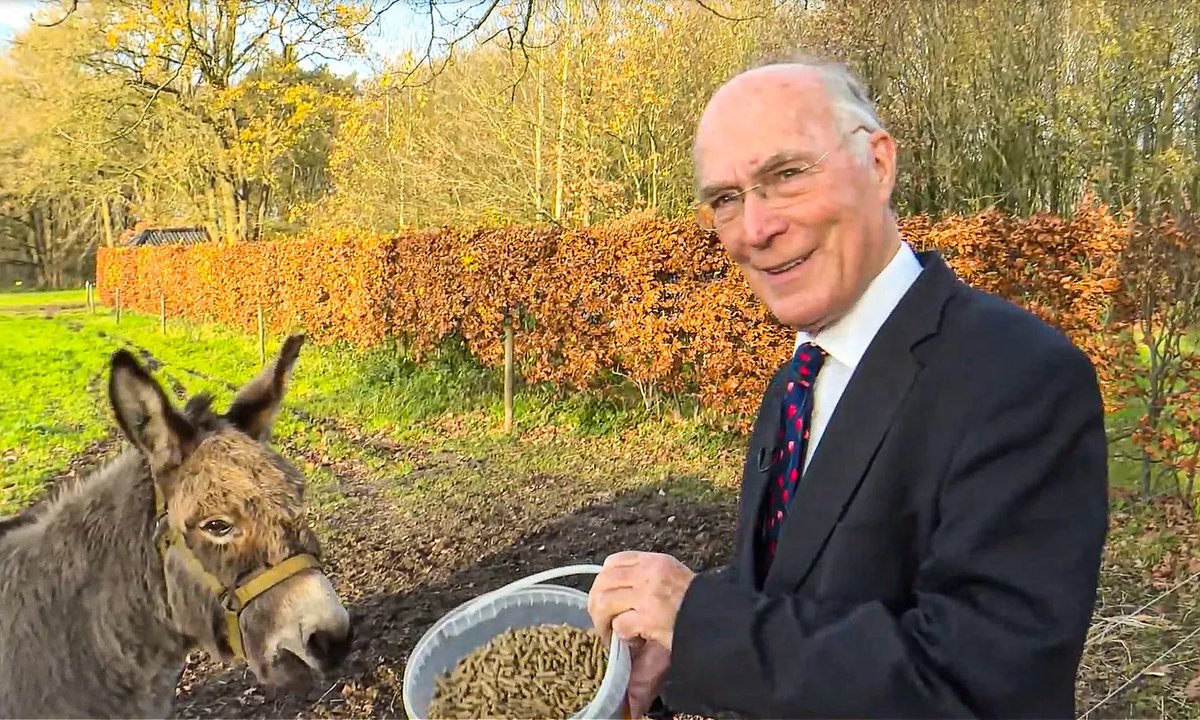
Rabbinge notes that Dutch farmers had been reducing pollution with innovation. Farmers measured nitrogen inputs in the form of feed and fertilizer and measured nitrogen outputs in the form of milk and meat. From that they could calculate how much was escaping as pollution.
Farmers took various measures to reduce pollution and paid fines for exceeding their limits. Between 1995 and 2006, this system, which set targets but let farmers decide how to meet them, slashed pollution by 70%.
The Dutch government ended the system in 2006.
The Dutch government ended the system in 2006.
Rabbinge stressed that if farming is done efficiently, it can significantly reduce negative side effects. “For example, you could produce the same 15B liters of milk that the Netherlands currently produces while reducing by 70% the amount of nitrogen pollution.”
The Netherlands is just one of the countries where governments are pushing for sharp limits on farming.
Canada, for example, is seeking a 30% reduction in nitrogen pollution by 2030.
Canada, for example, is seeking a 30% reduction in nitrogen pollution by 2030.
While the Canadian government says it is not mandating fertilizer use reductions, only pollution reductions, experts agree that such a radical pollution decline in such a short period will only be possible through reducing fertilizer use, and thus food production.
What’s going on? Why are governments taking action to *reduce* food production at a time of famine, rising hunger, and food insecurity? Why are the UN and WEF encouraging them?
I got to the bottom of what’s happening in my special investigative report:
michaelshellenberger.substack.com
I got to the bottom of what’s happening in my special investigative report:
michaelshellenberger.substack.com
Loading suggestions...