

Radcliffe lines :British Lawyer Cyril Radcliffe drew the partition line that led to the largest migration in human history & resulted in 1 million people being massacred. A line that has not stopped bleeding since 1947.

The Indian Independence Act was to replace The Parliament of the United Kingdom that stipulated the governance of British would come to an end in the country on 15 August.

The Act also stipulated that the country would be split into two sovereign nation-states, as the Union of India and the Dominion of Pakistan.


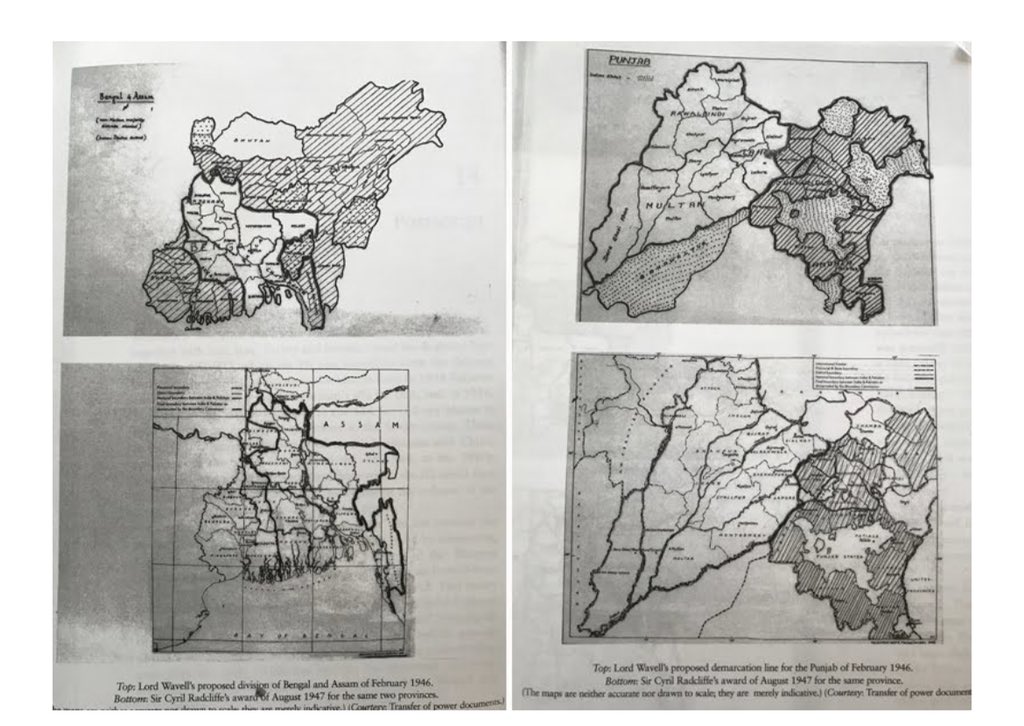
Sir Cyril Radcliffe, a barrister by profession, was commissioned by the British to examine the territories that needed to be allocated for both countries.
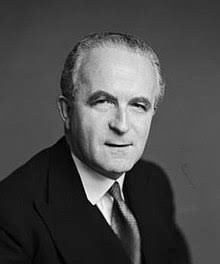
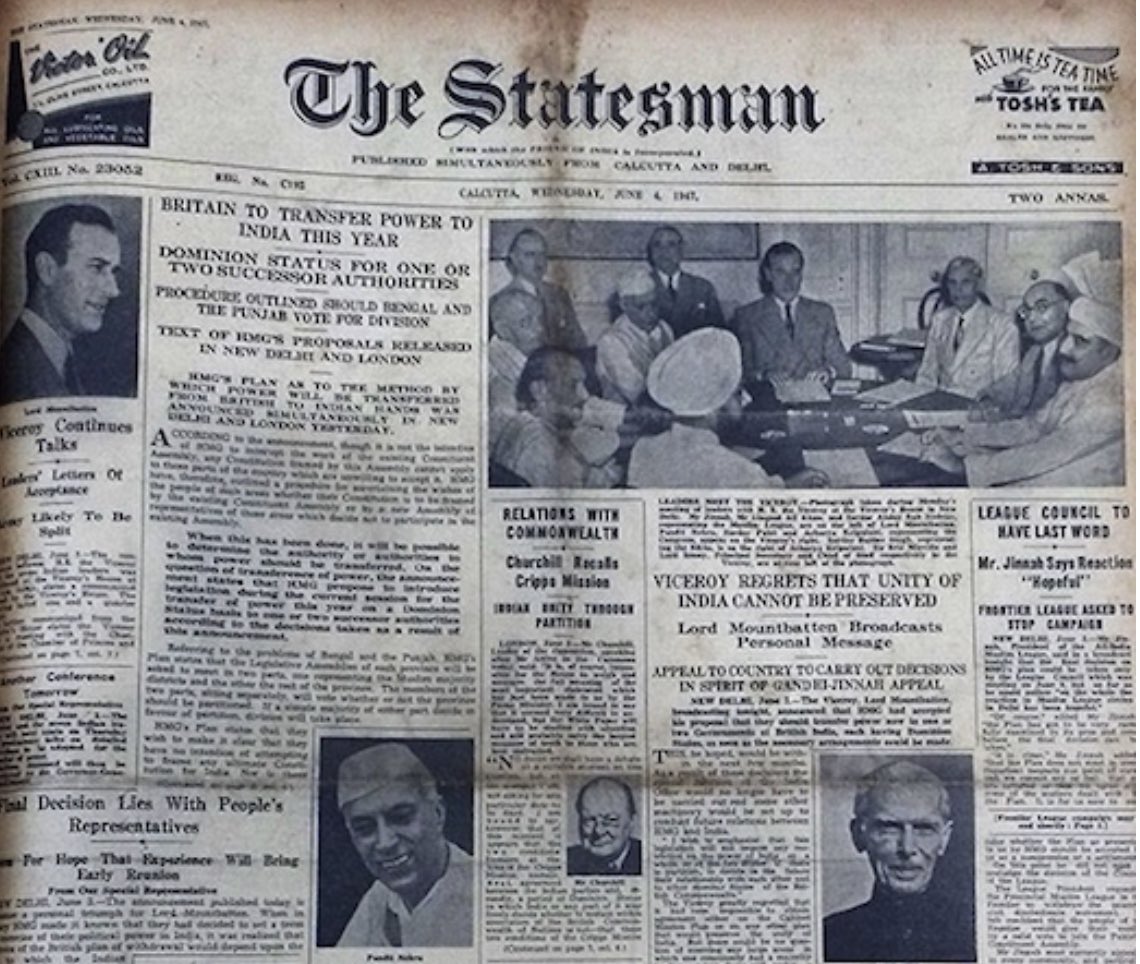
Cyril Radcliffe arrived in British India for the first time on July 8, 1947. He had exactly five weeks to draw the borders between an independent India and the newly created Pakistan
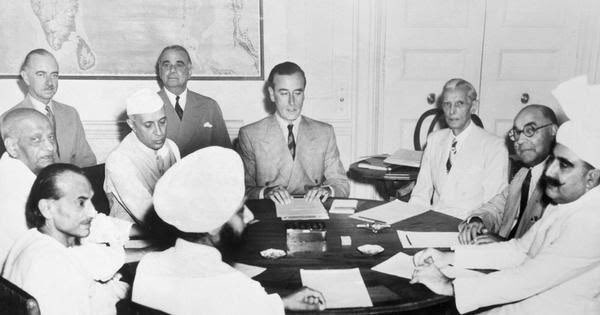
Neither had he visited India before, nor did he have adequate understanding of the sociopolitical culture of the country. He chaired two boundary commissions, one for Punjab and one for Bengal . The resulting boundary award was announced on August 17.
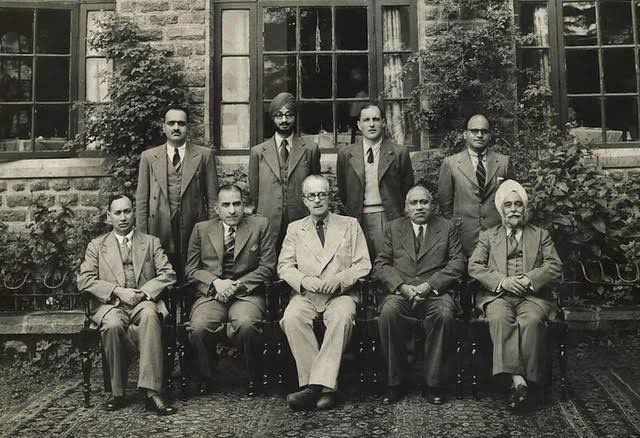
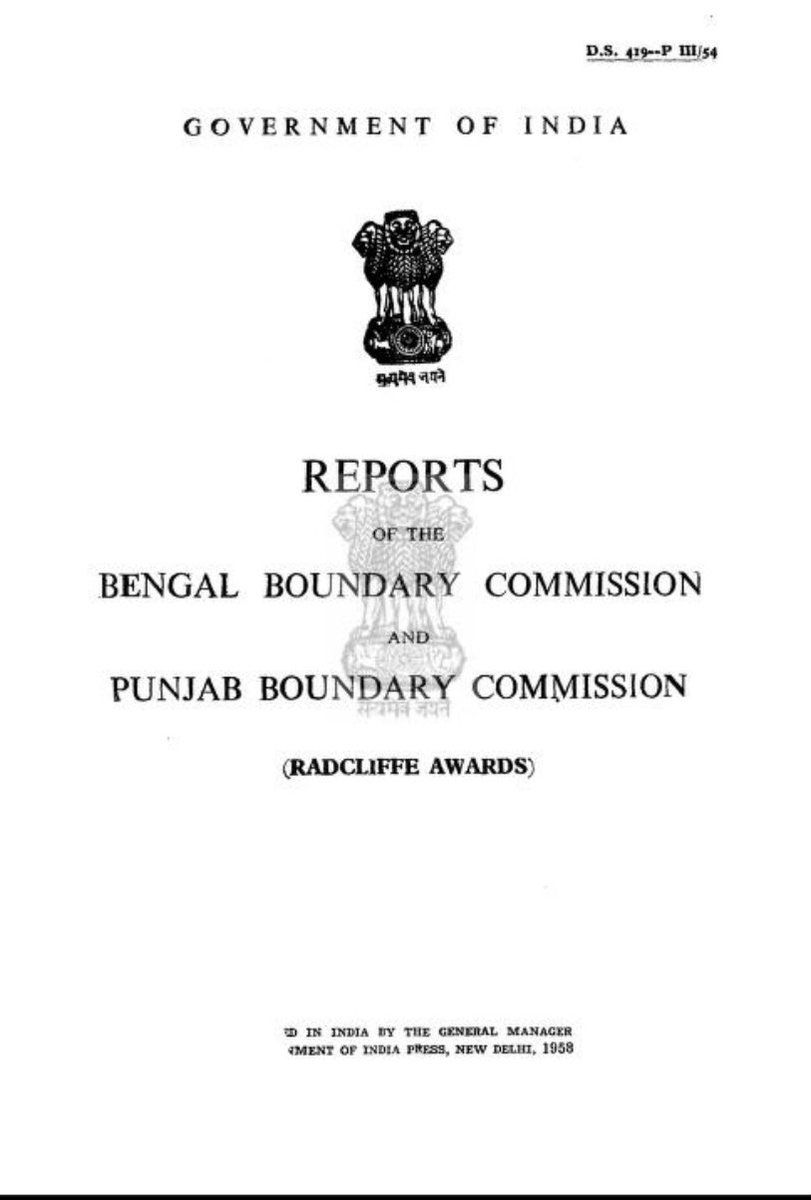
With no idea of the regional tensions, Radcliffe drew the line. He also faced pressure from Mountbatten and other Indian & Pakistani members in his committee to redraw the border.
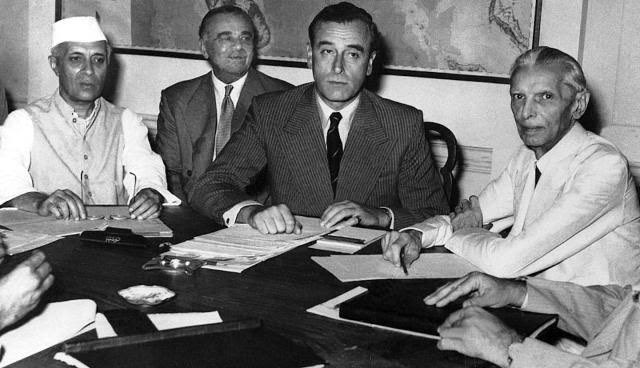
While drawing the border, Radcliffe was faced with unyielding demands on both sides, communal tensions, doubtful census numbers, tough economic, administrative & defence considerations & some say even interference from Viceroy Mountbatten.
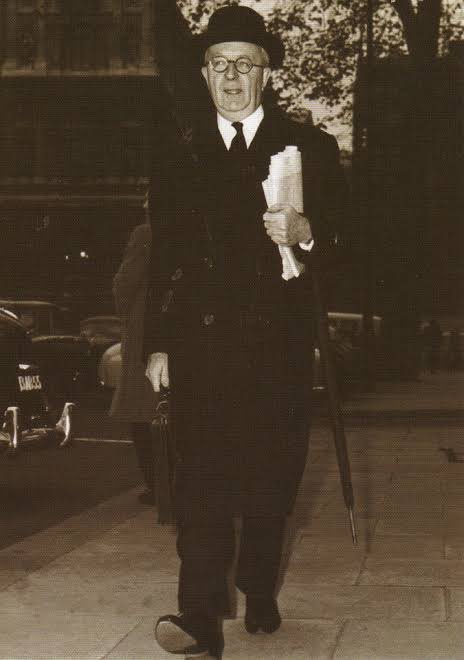
One Muslim league representative insisted to Radcliffe for Darjeeling to be part of Pakistan so that he can go with his family for a trip there in summer.
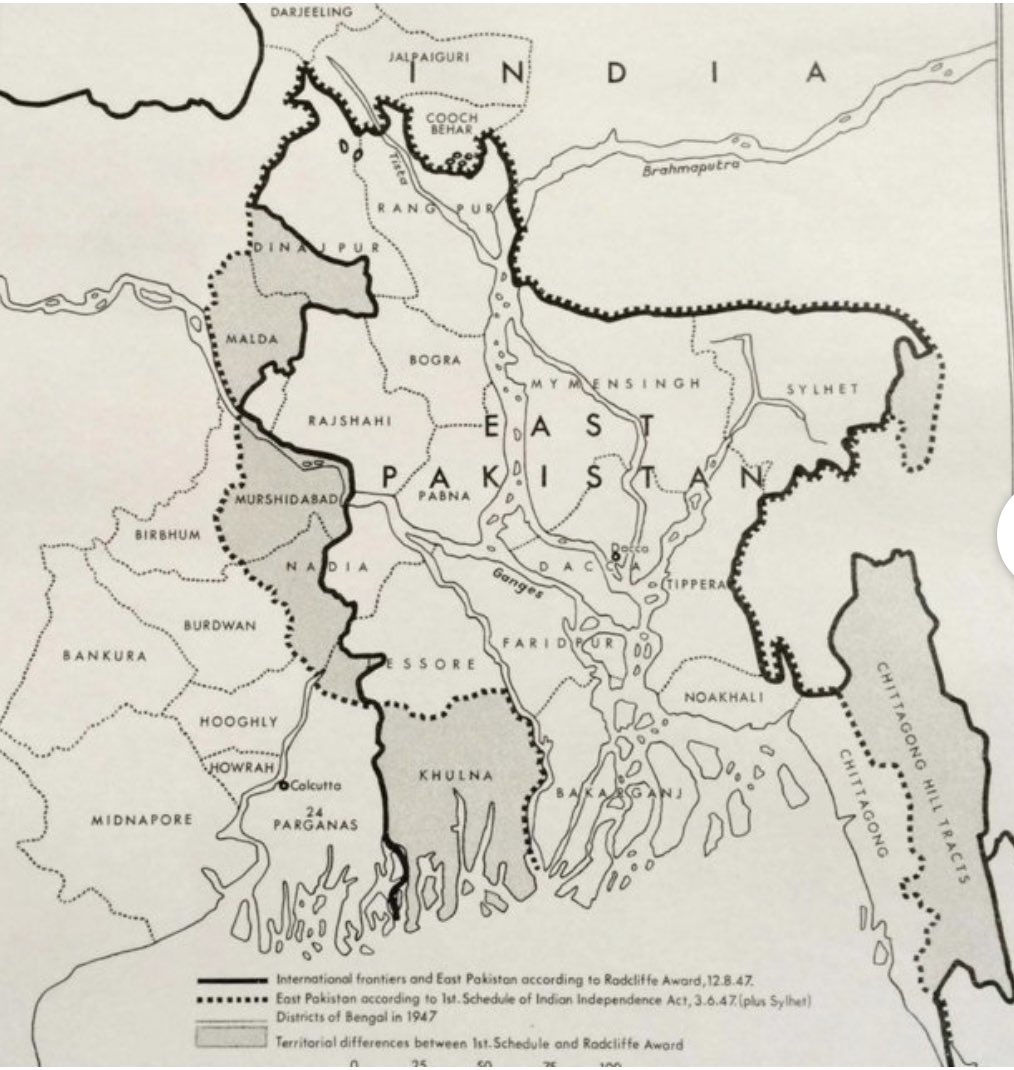
Mountbatten asked Radcliffe to include Murshidabad in Bengal to India so that India can have access to the Northeast states.
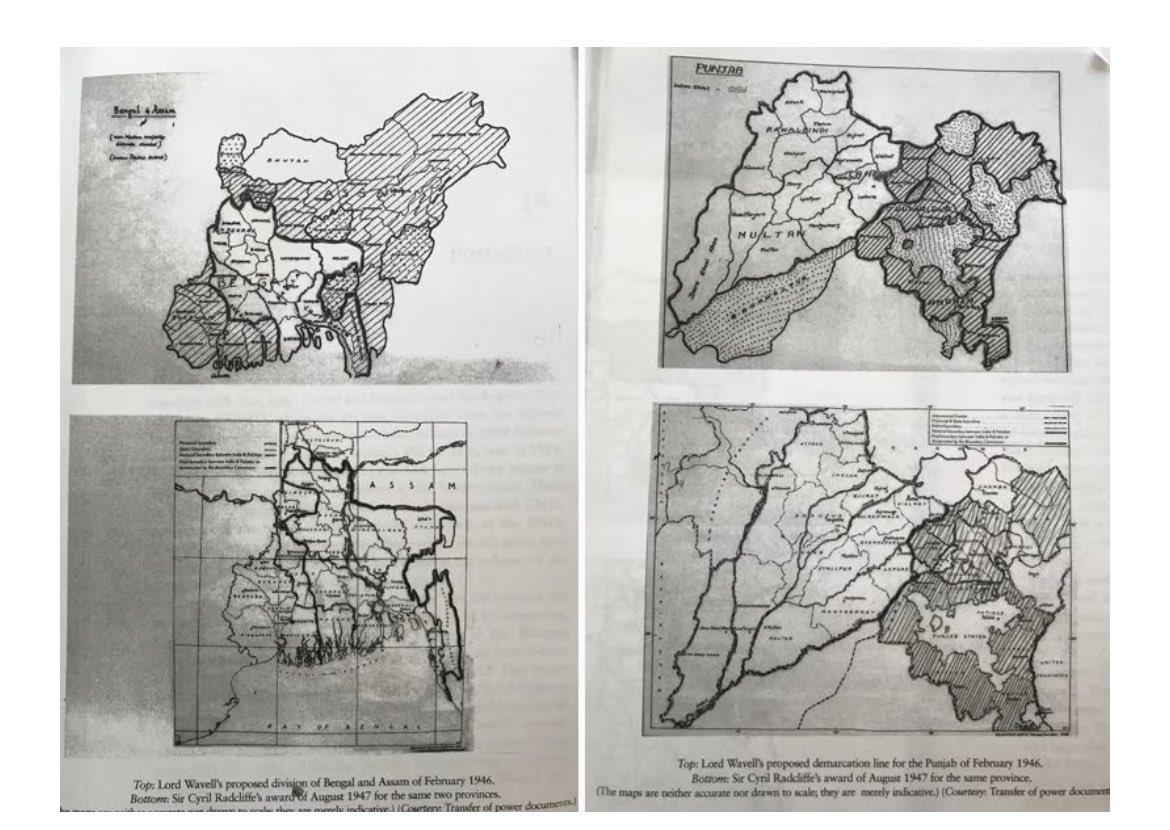
Mountbatten also insisted Radcliffe to give Gurdaspur district in the north of India so that India can have a road to Jammu and Kashmir.
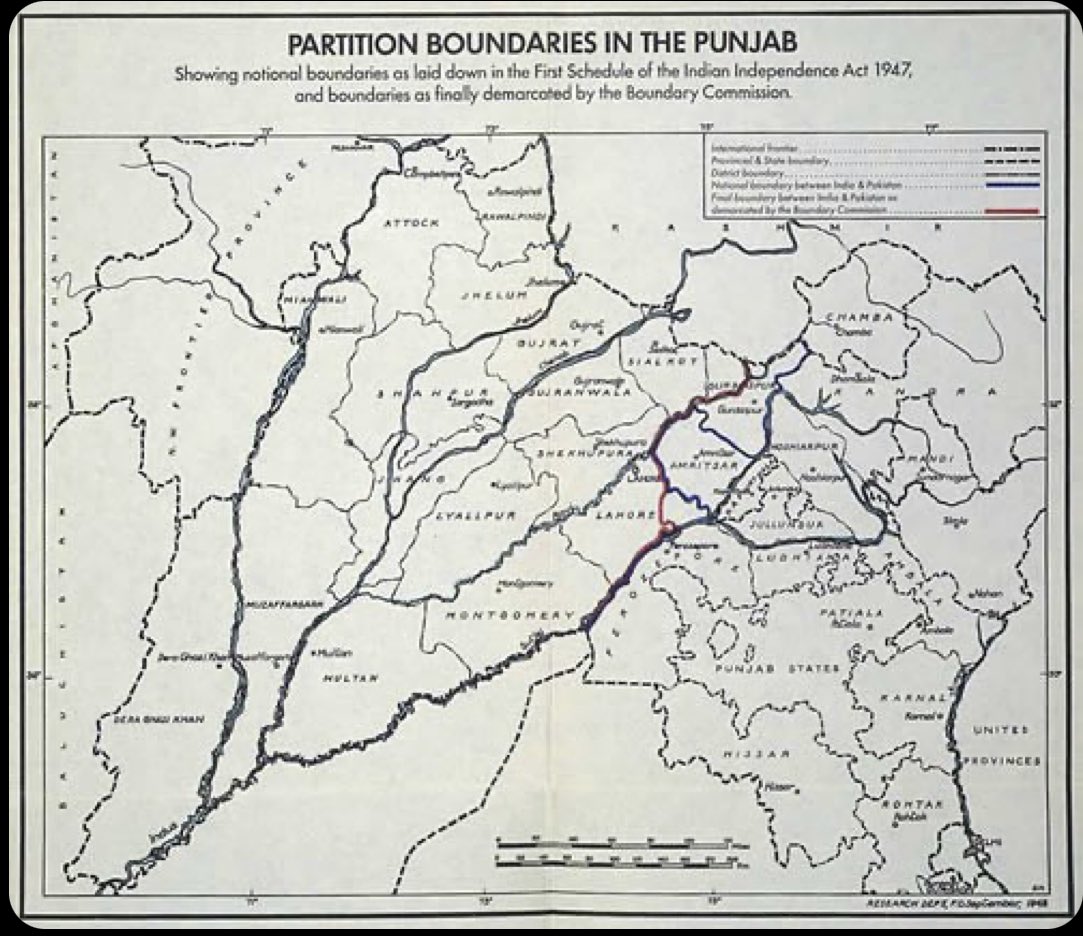
After the partition line took final shape, someone pointed out that Pakistan doesn’t have any big city. Radcliffe gave the Sikh capital of Lahore to Pakistan, which was considered a betrayal even to this day by the Sikh community.
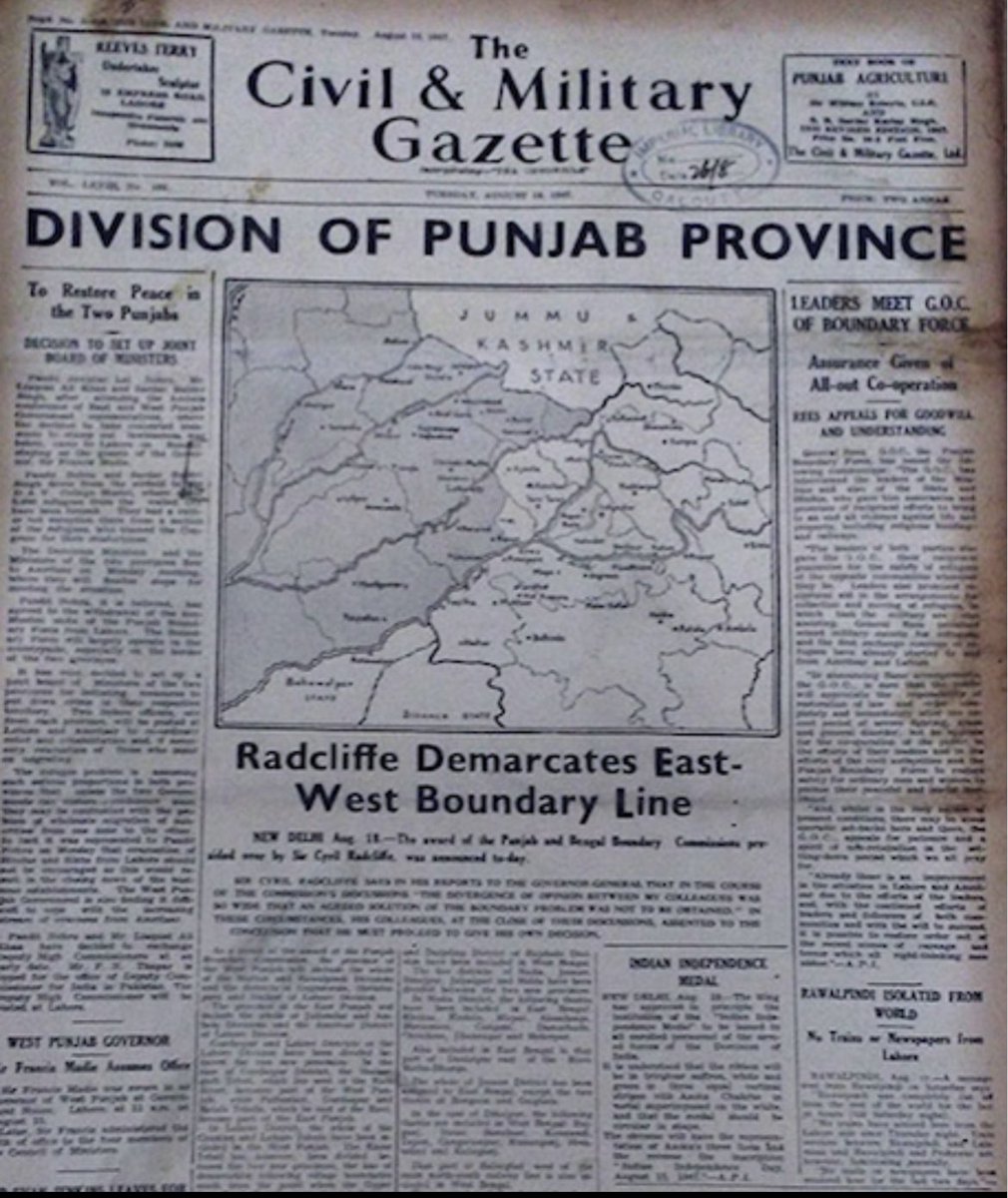
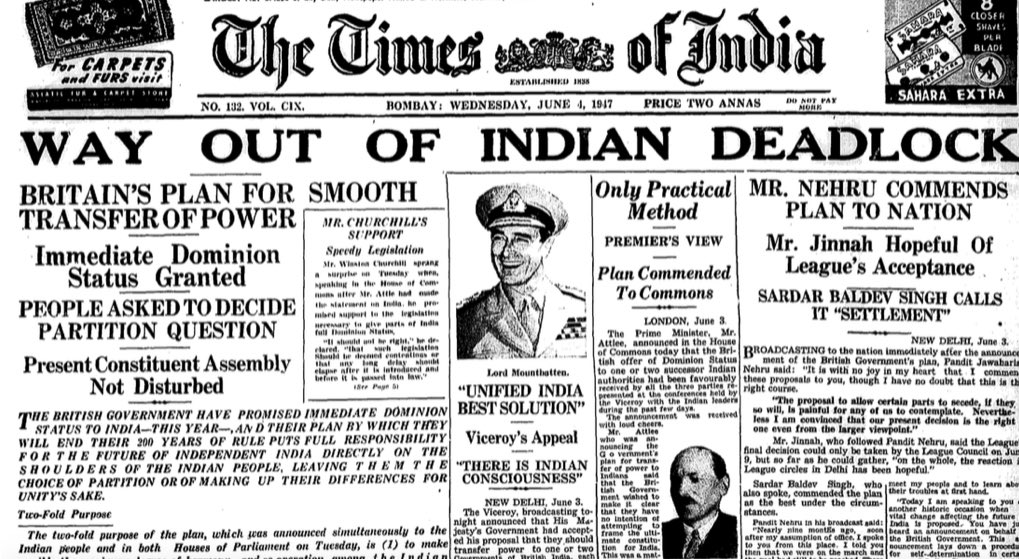
Radcliffe submitted the plan to Mountbatten on August 12, 1947 . The partition plan was kept secret until August 17, 2 days after India’s independence.

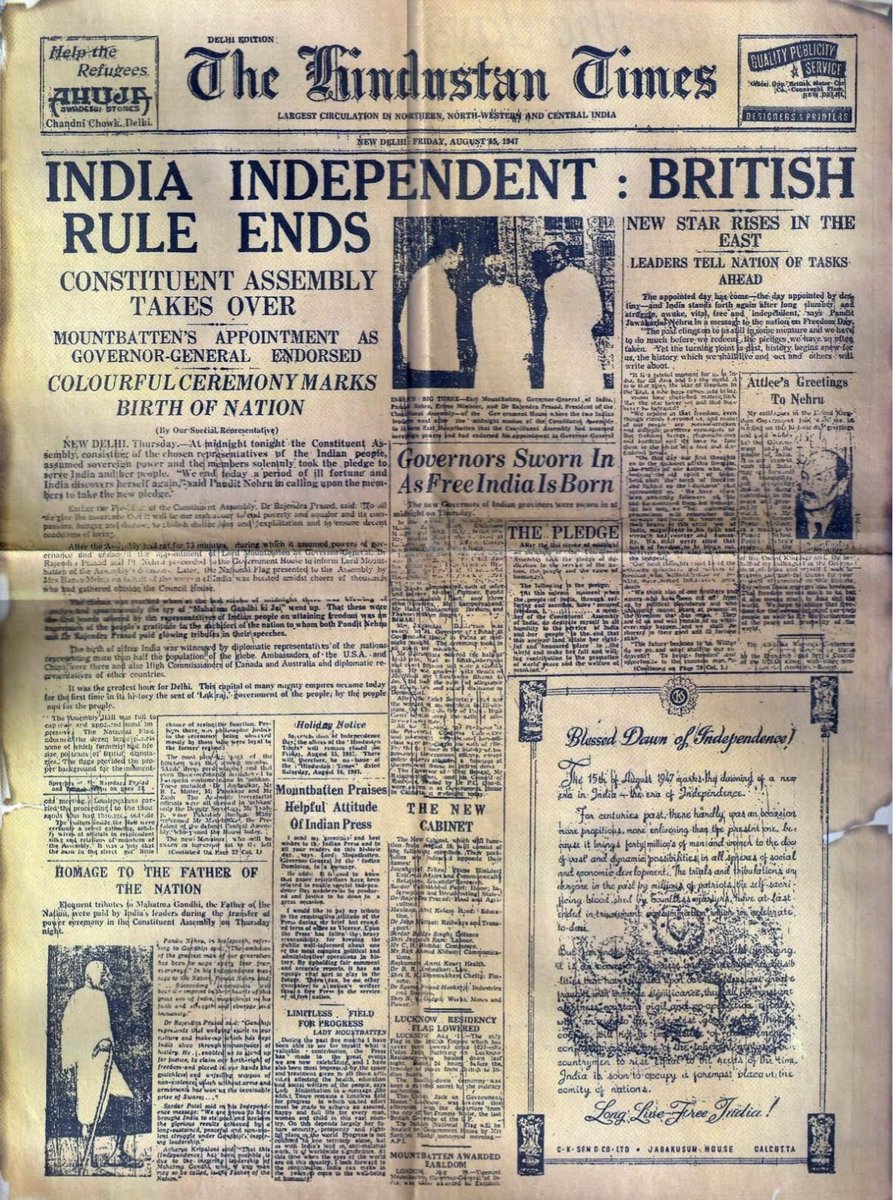
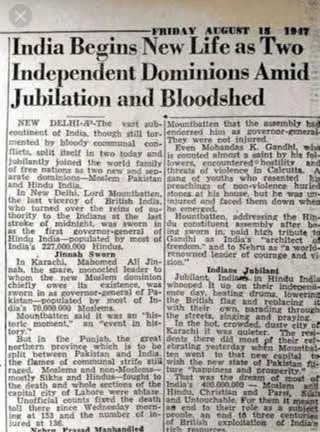
The joy of gaining freedom from the British rule on August 15, 1947, ended in shock and dismay three days later when news broke of the Radcliffe award delineating the borders of newly independent India and Pakistan.
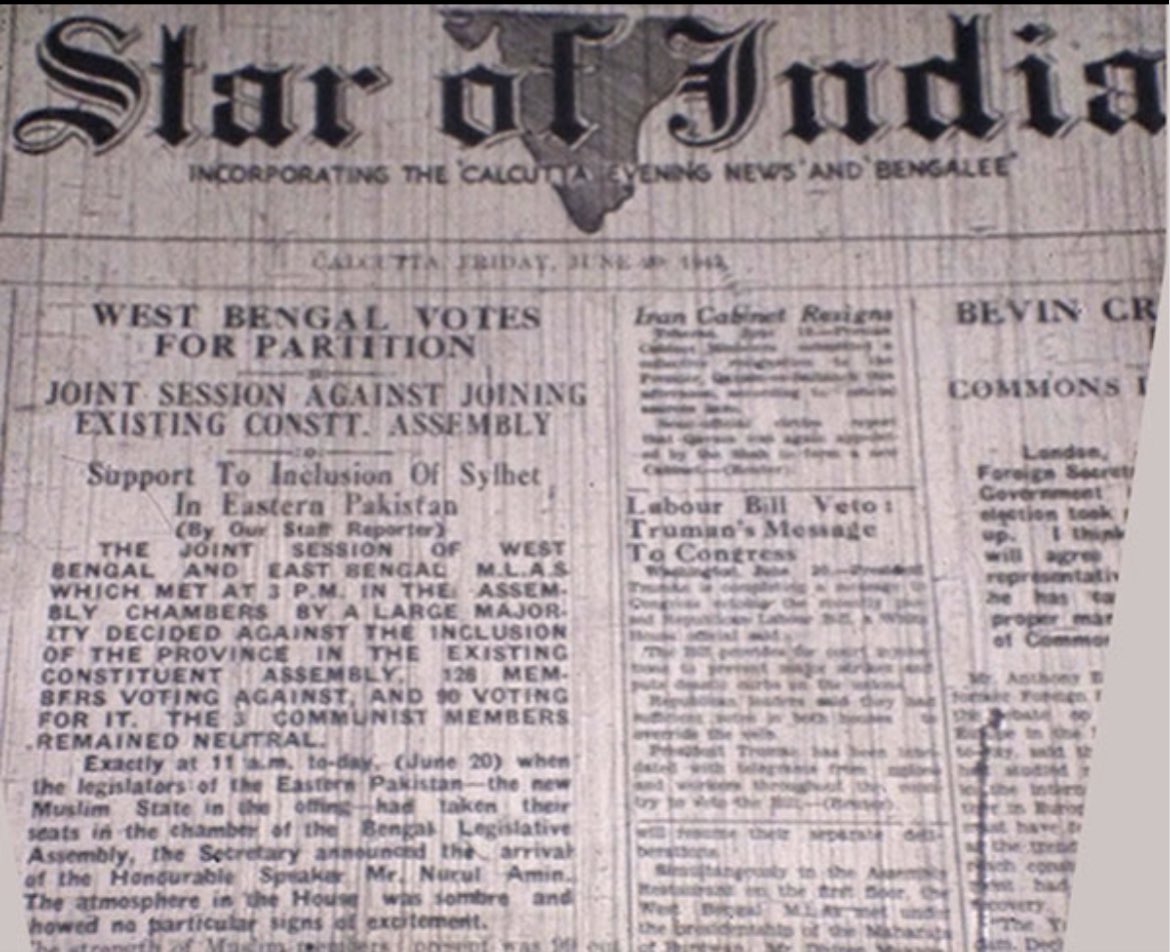
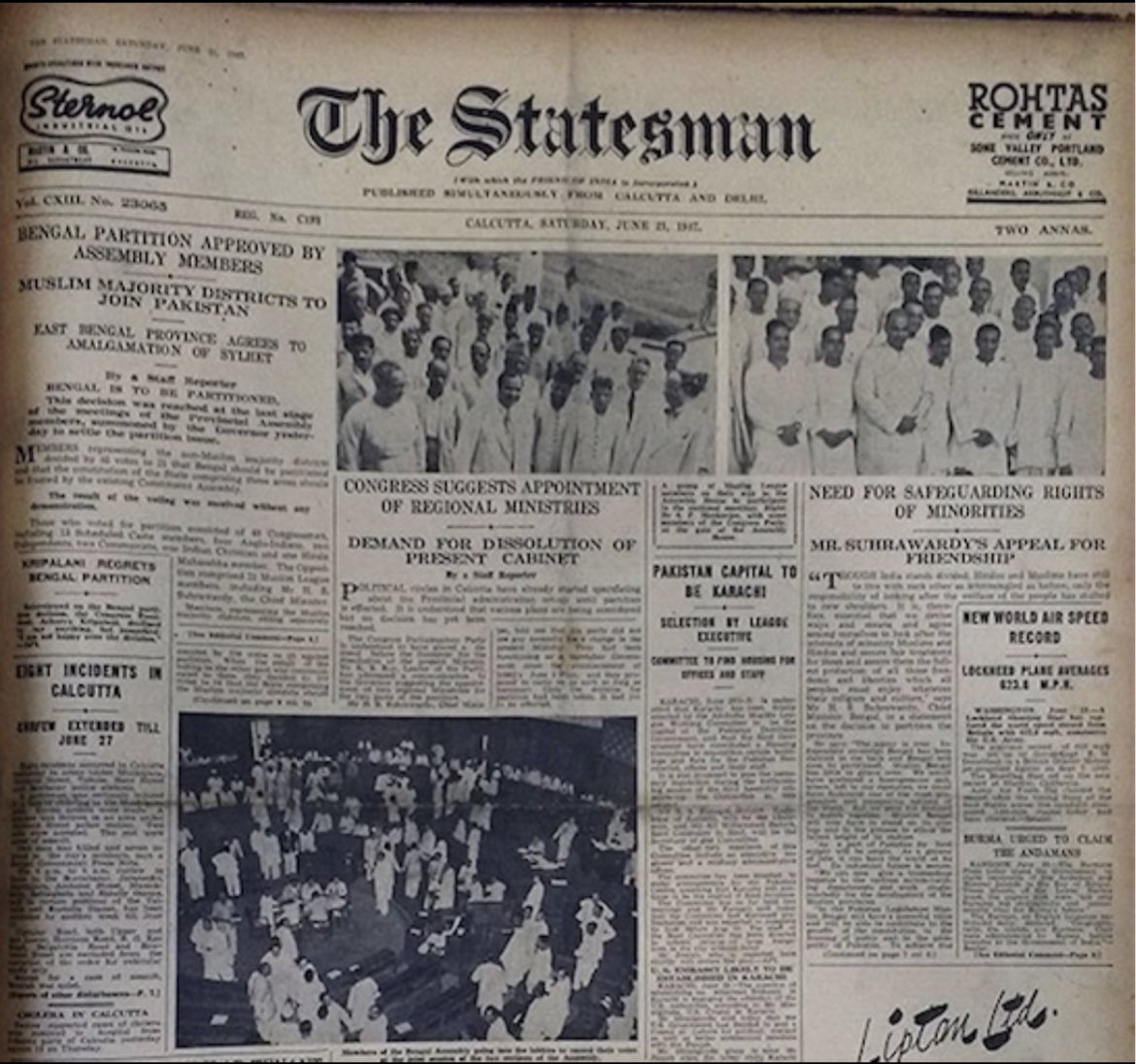
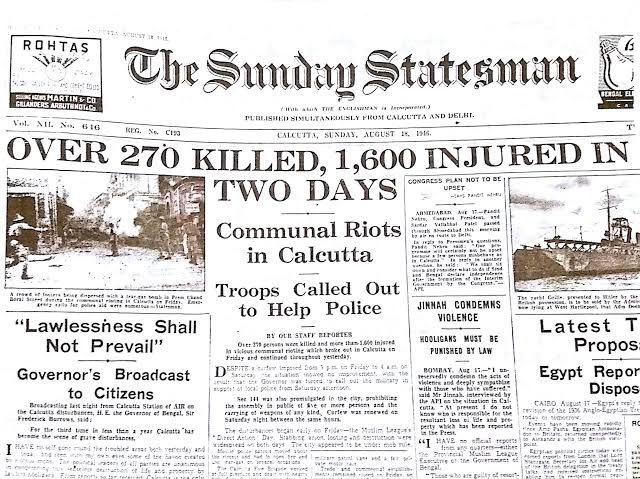
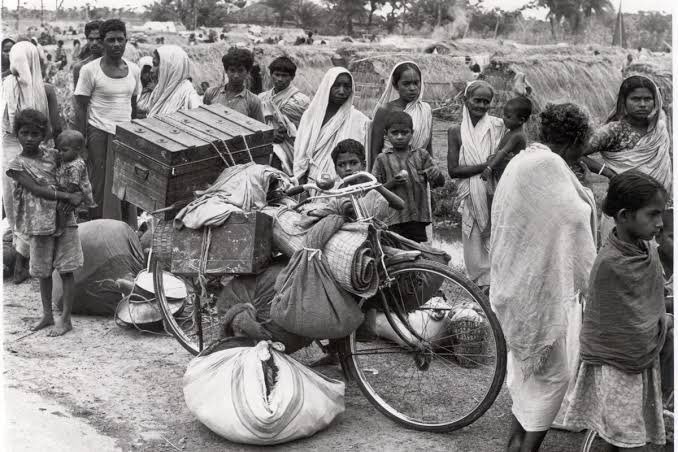
Once announced, it caused mayhem and chaos and let to the worst humanitarian crisis in human history.
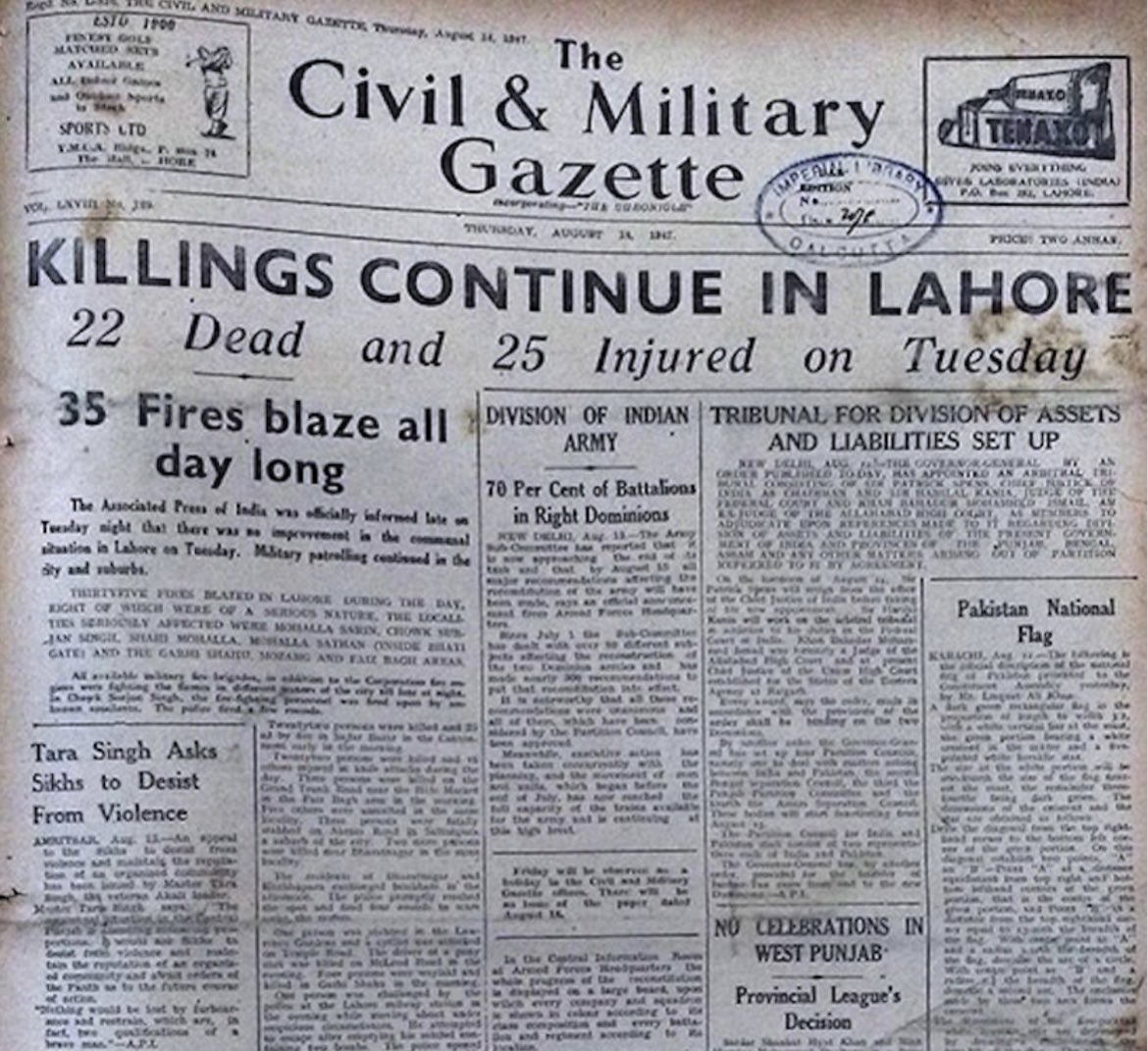
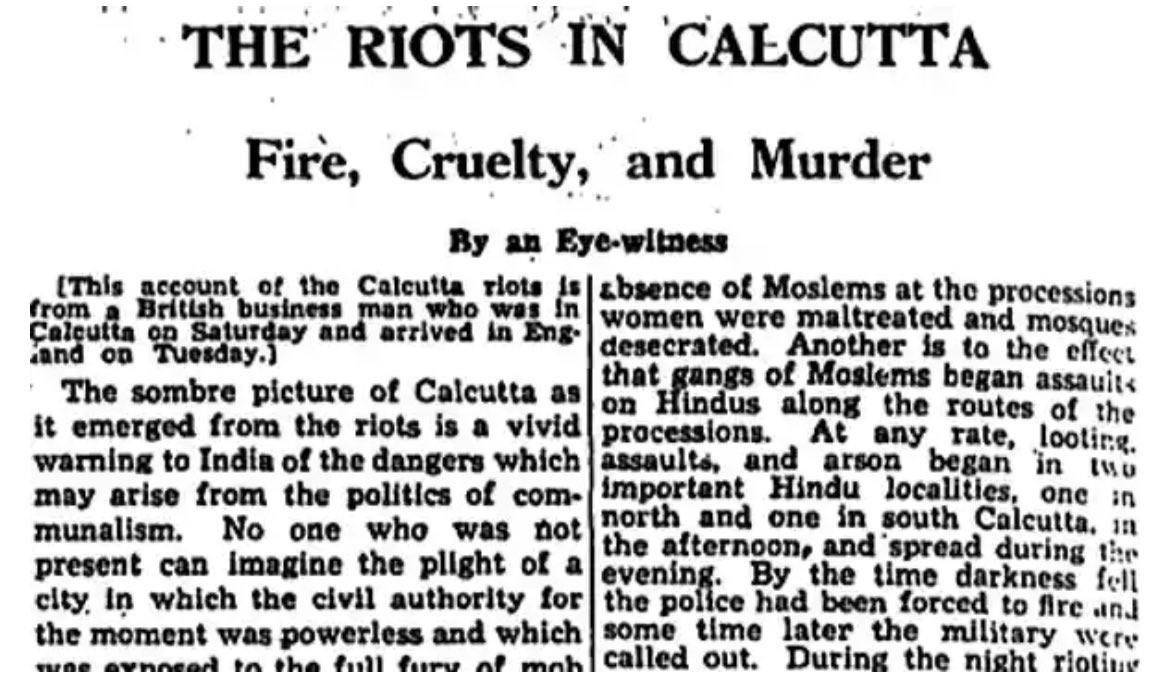
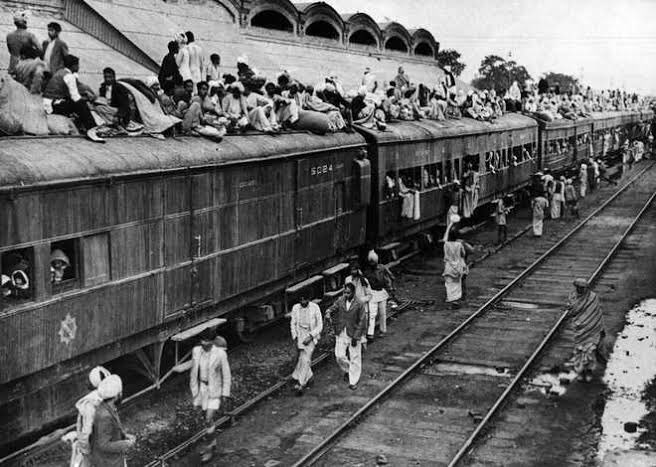
Sikhs and Hindus, who moved from Pakistan, were massacred while Muslims from India to Pakistan faced a similar fate. Train with dead bodies arrived in border railway stations
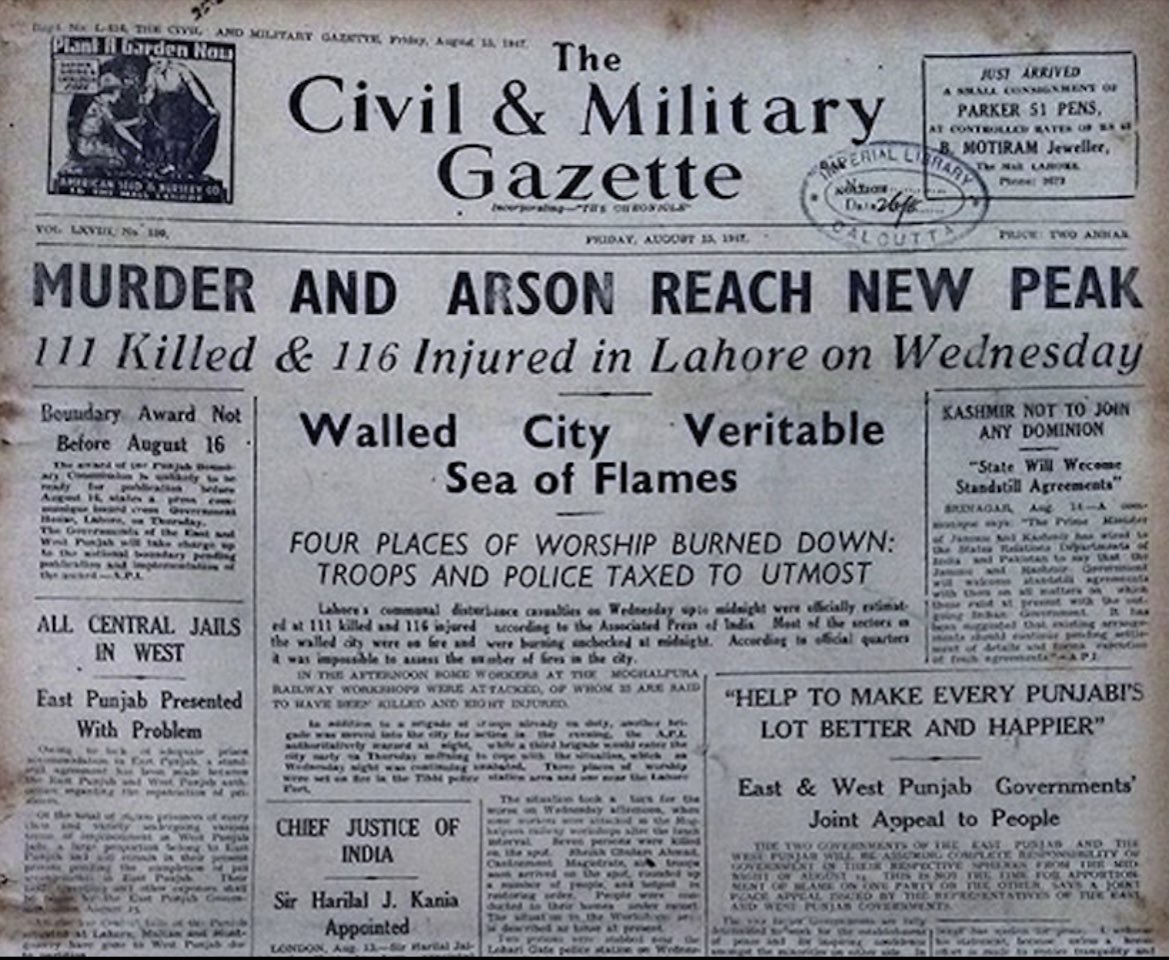
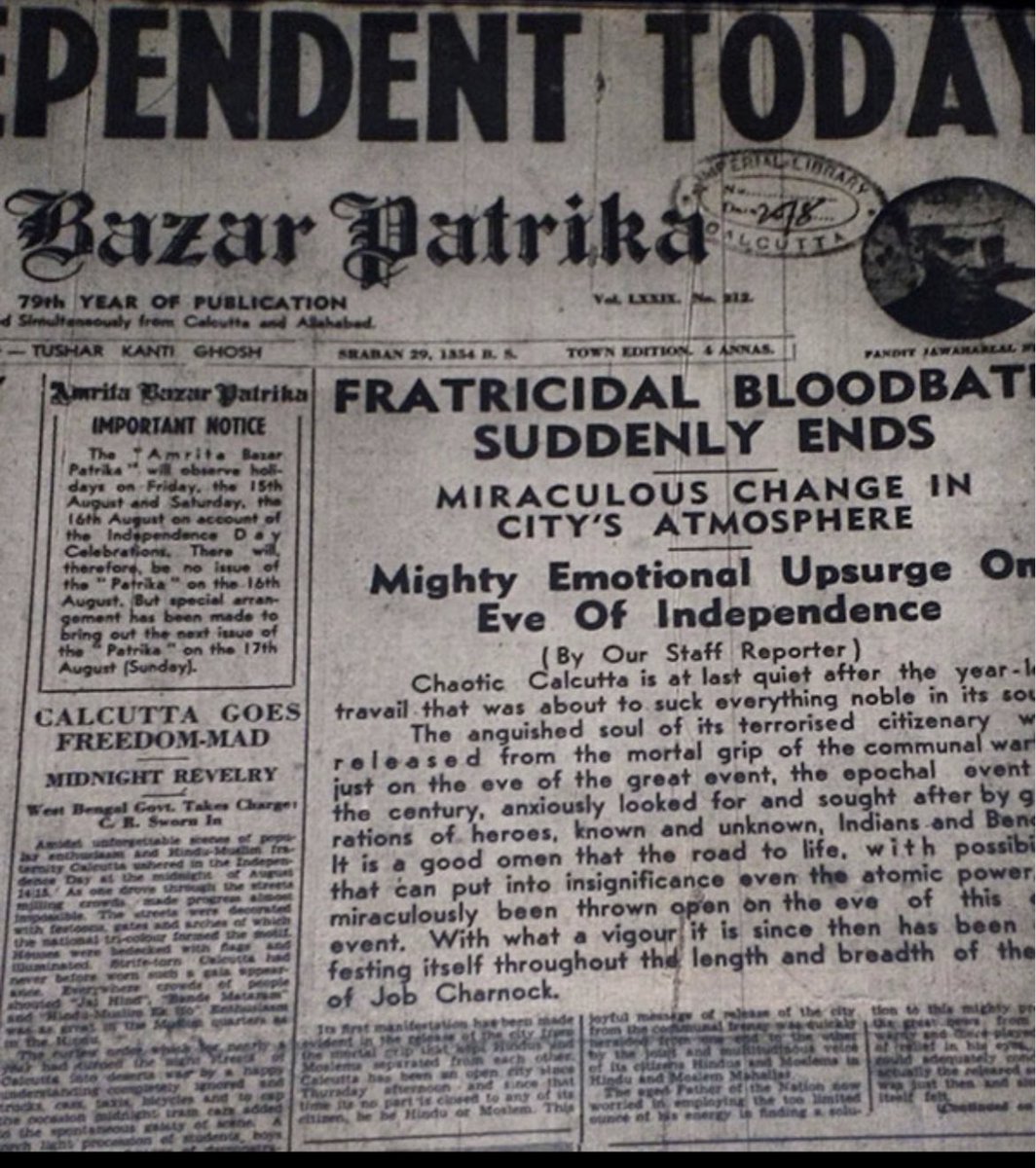
In Bengal - Khulna & Chittagong Hills district that hoisted Indian Tri colour two days ago became part of Pakistan , while Murshidabad & Malda which had hoisted Pakistani flag became part of India
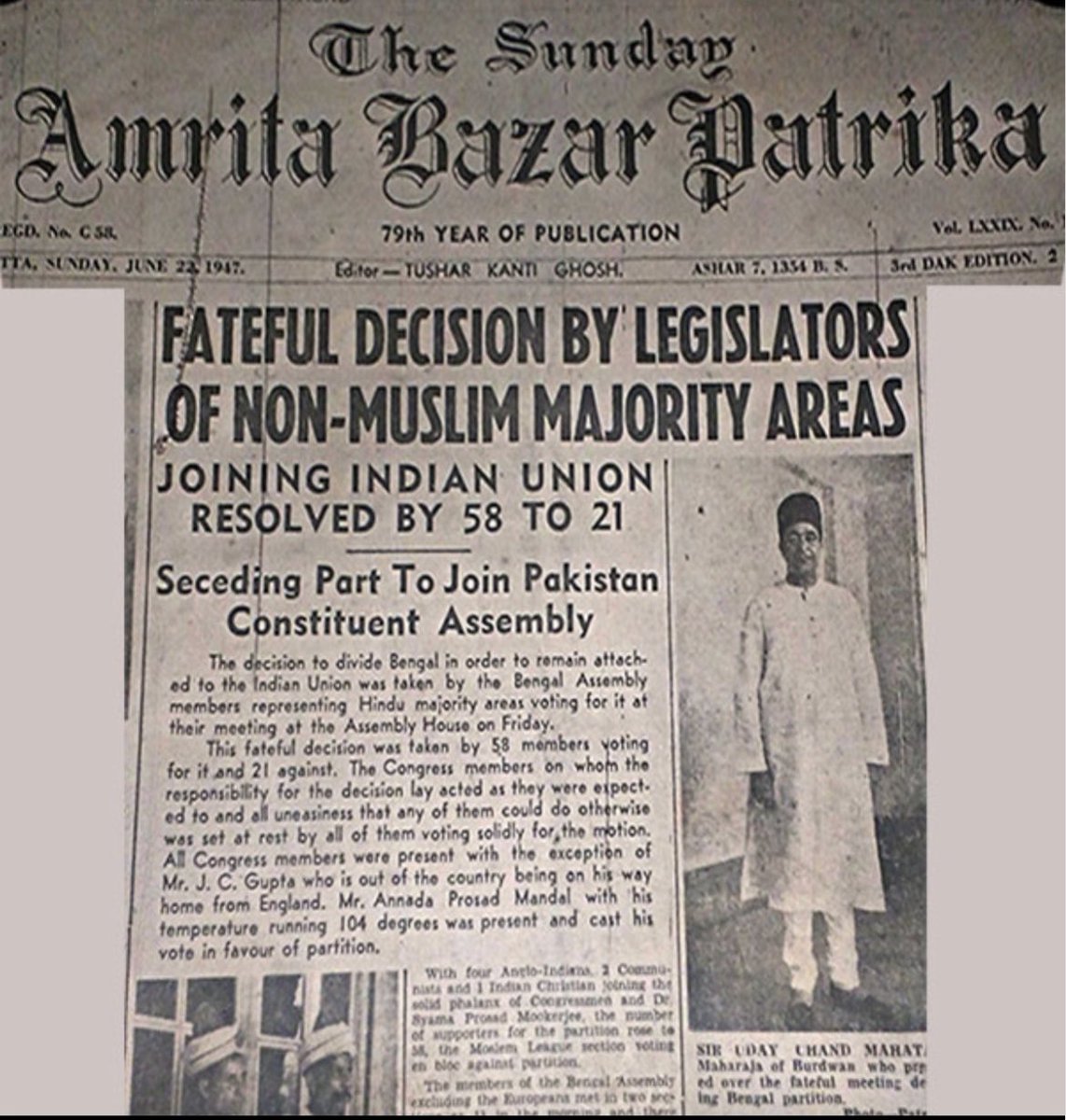
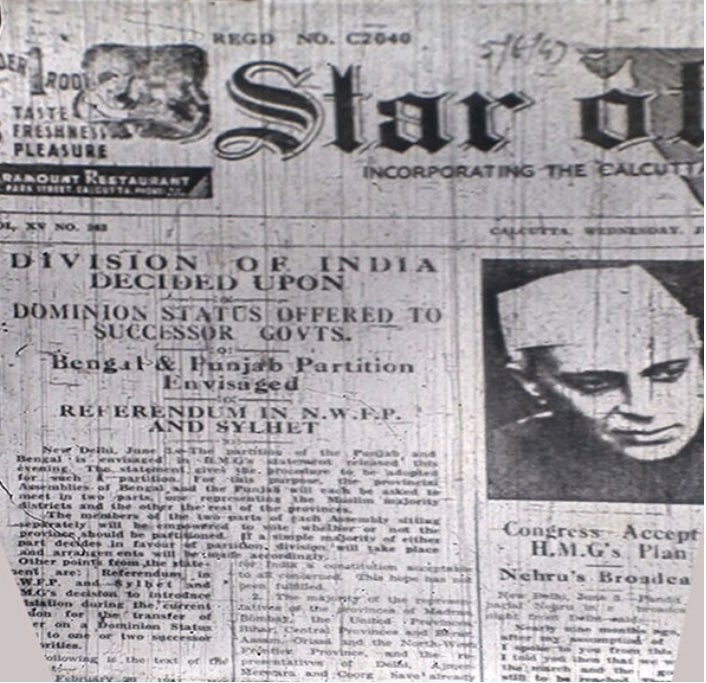
Partition had created a serious shortage of raw cotton & raw-jute as well. India was left with only 60% of raw-cotton and 19% of raw-jute production to cater to two of her major industries.
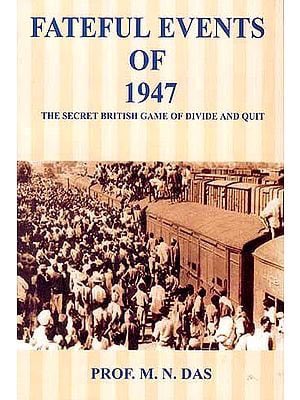
Of the total route mileage of 40,935 in undivided India, the railways in Pakistan accounted for 6,950 route miles or about 17% of the total while 33,985 route-miles or 83% of the total came to India’s share.
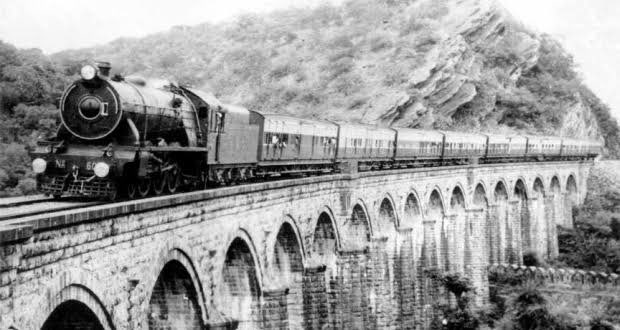
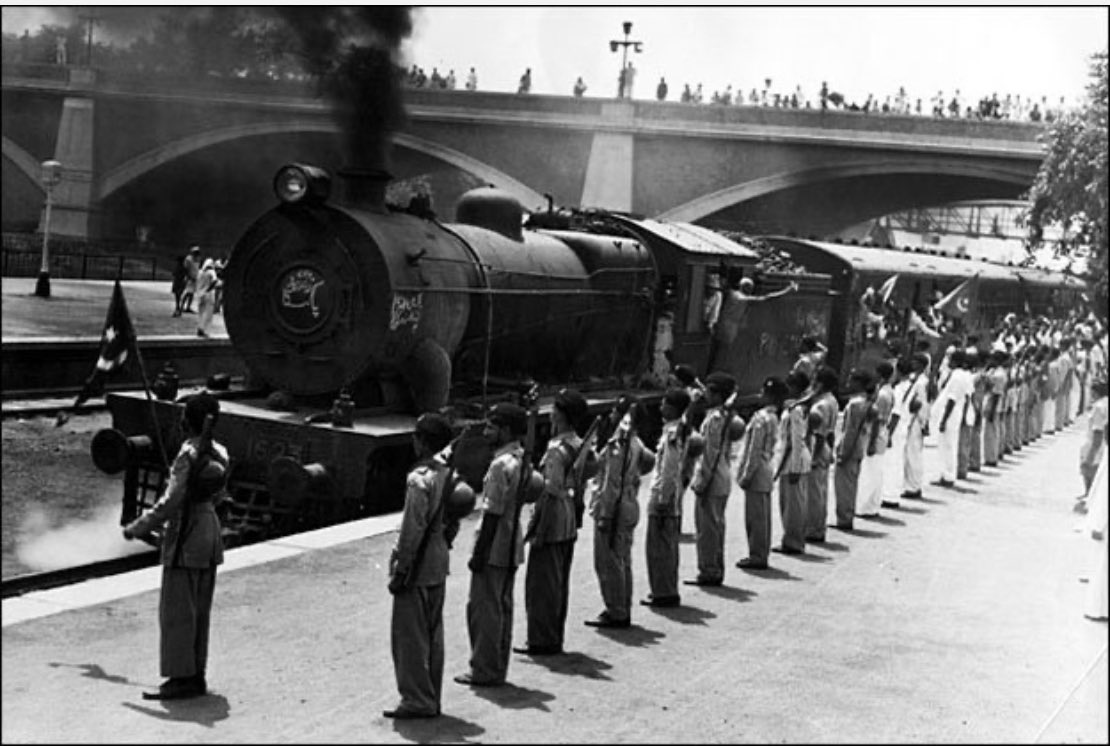
Of the railway staff, 1,26,000 non-Muslims opted for India while 83,000 workers migrated to Pakistan.
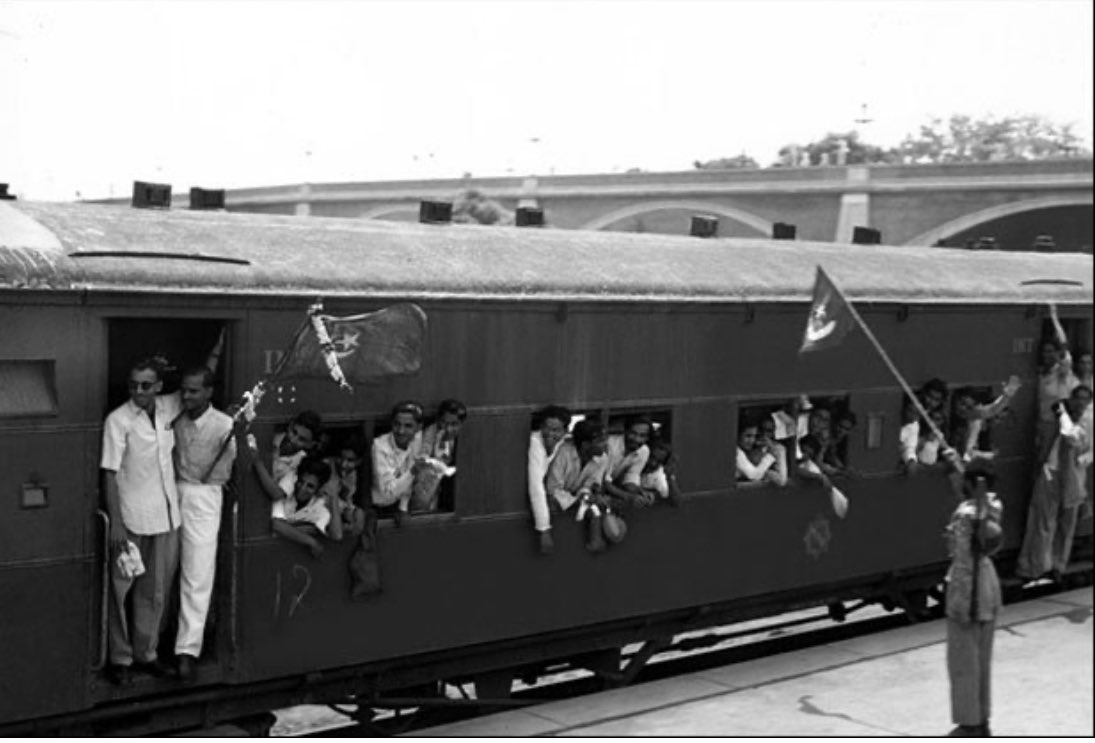
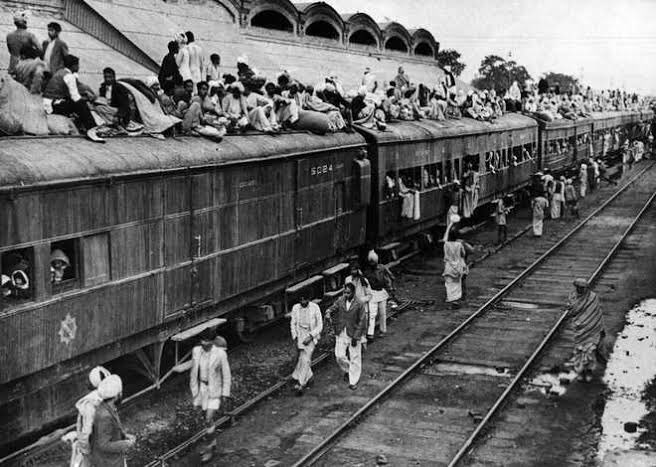
With the loss of Karachi to Pakistan, Bombay grew in importance as the principal port of supply for the western region of the country such as the East Punjab, Delhi, UP., and Rajasthan. The Delhi-Bombay route, therefore, became highly congested.
Before the Partition, banking was conducted mostly by Hindus even in the Muslim majority areas of the country. Anticipating disturbances, most of the banks in the Punjab transferred their head offices to the safer areas of East Punjab and Delhi.
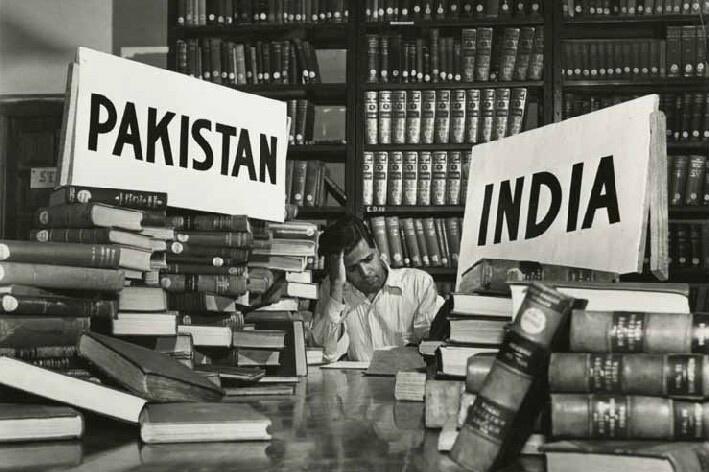
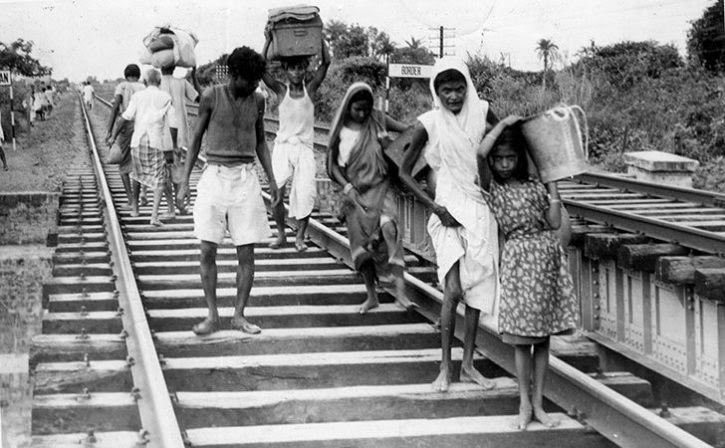
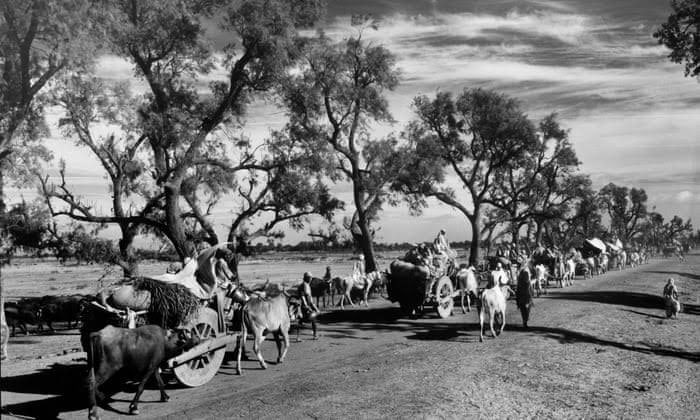
Apart from the migration that took place between East and West Bengal, a massive population transfer occurred in Punjab as well.
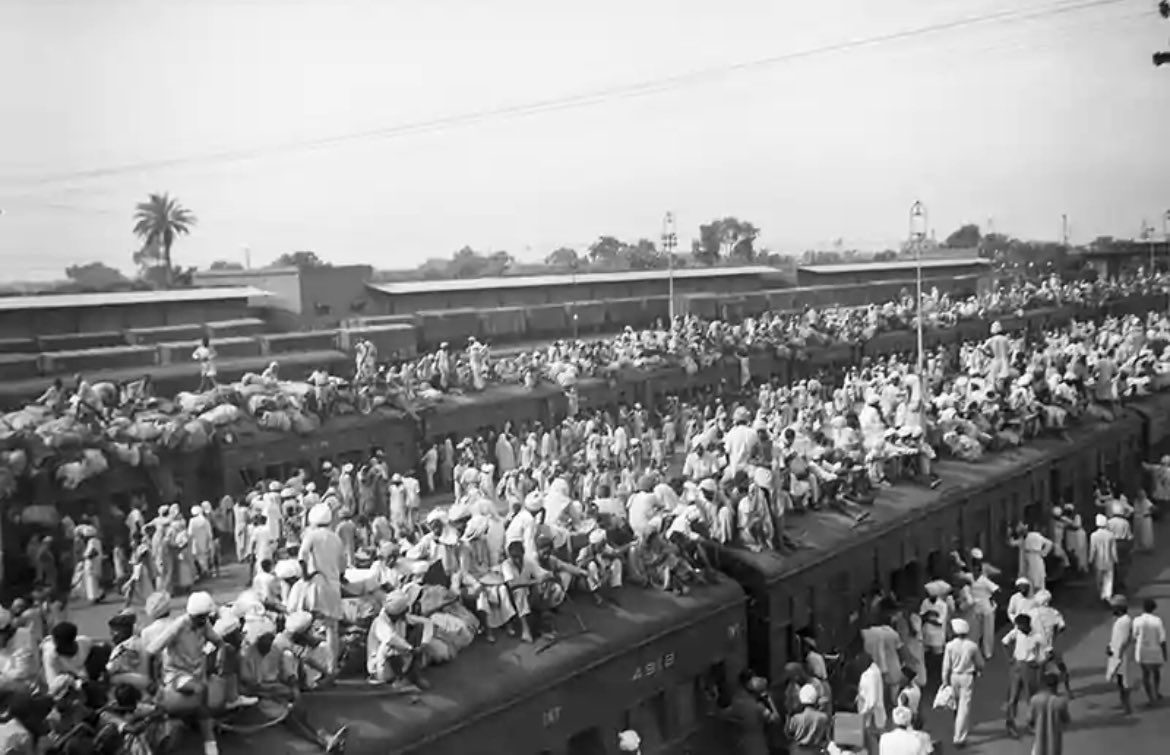
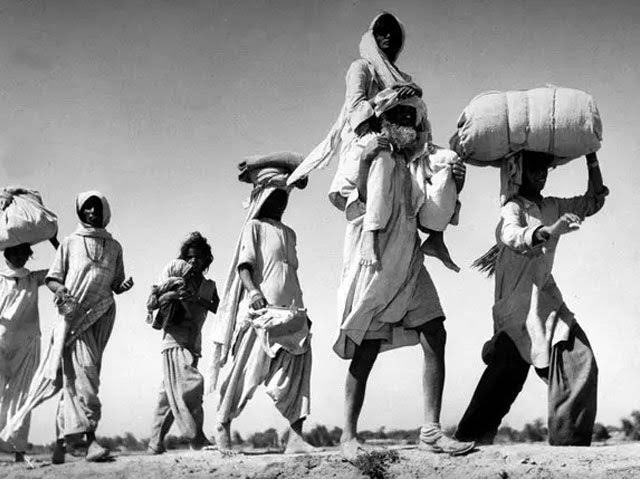
Due to the widespread communal riots that took place in Punjab just before the partition of Bengal, Punjab witnessed a large population transfer immediately after the partition of Bengal in 1947.
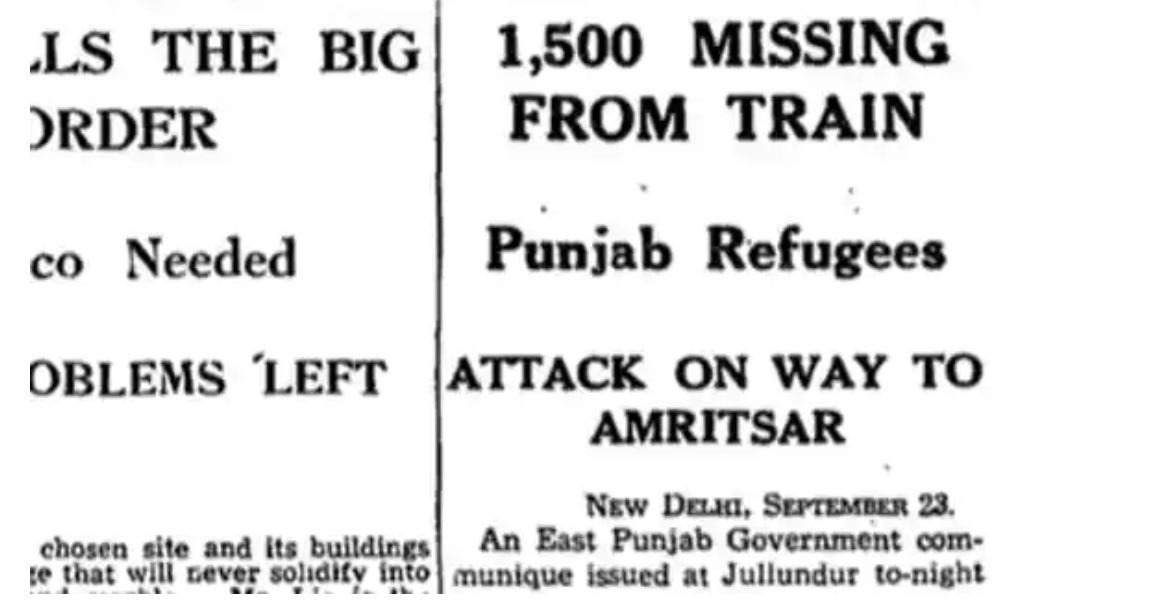
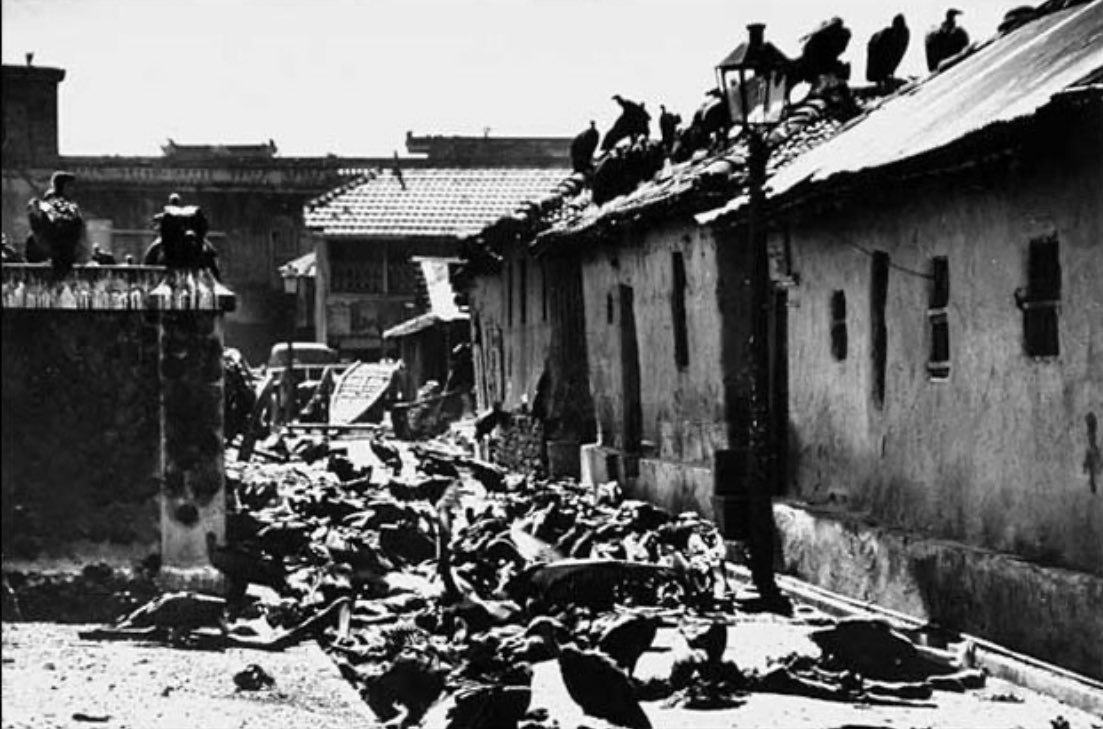
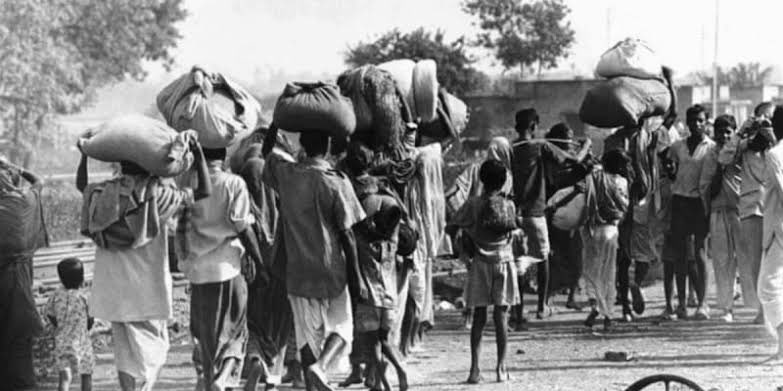
The population exchange in Bengal happened in a more gradual fashion. In fact, the Bengal migration process continued over the next 30 years after the partition in 1947.
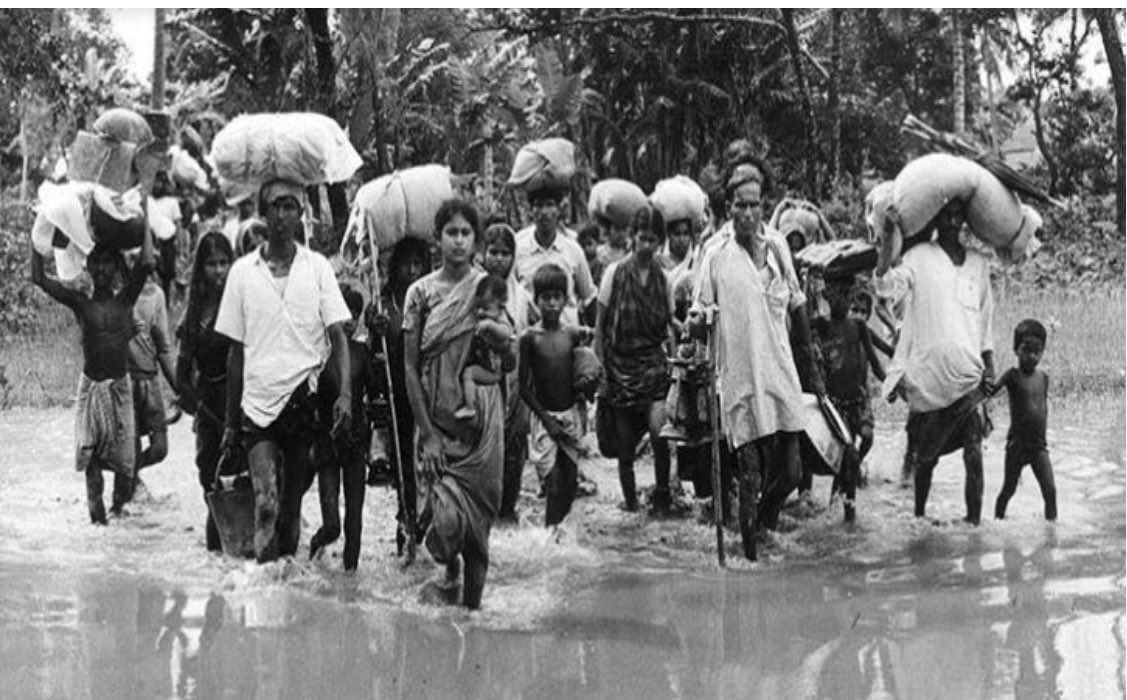
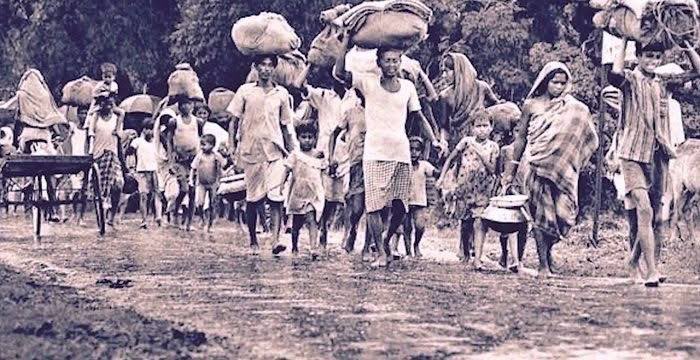
Apart from Bengal, a number of Bihari Muslims also left India during the partition & settled in East Bengal. Since they chose to support West Pakistan during the liberation war of Bangladesh, they were later denied citizenship in independent Bangladesh
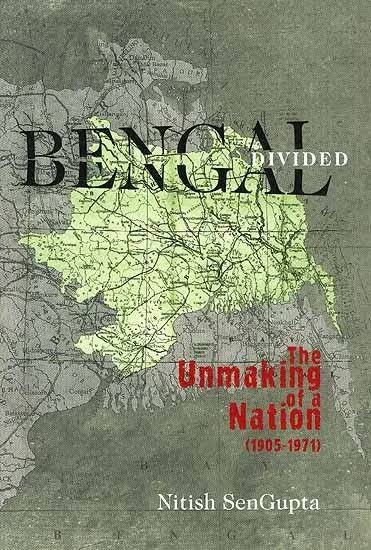
Historically,Bengal was a single economic zone as the western & eastern parts were dependent on each other.While the eastern part produced raw materials &food,the western part was industrially advanced & produced manufactured goods from the raw materials of the east.
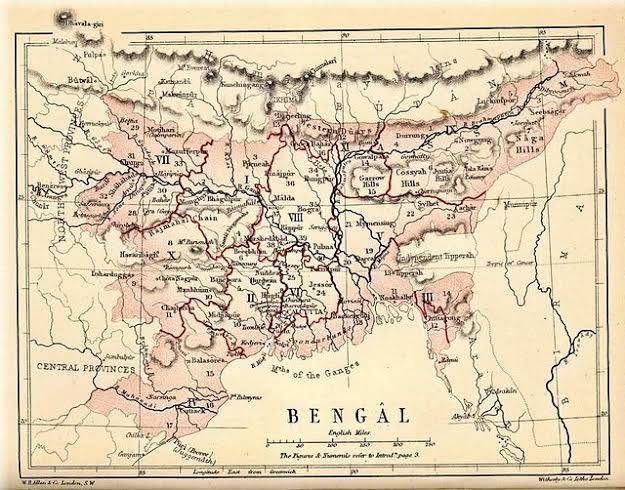
The Radcliffe line used the rivers Padma and Ichamati to divide the two Bengals
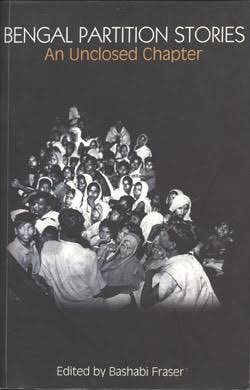
Once Bengal was split into two separate states, the mutually beneficial trade between the east & the west was disrupted severely, resulting in heavy losses. West Bengal suffered massively as it faced substantial food shortage throughout the 1950s & 60s.
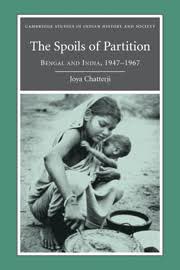
Leather,jute & paper industries of West Bengal depended on the raw materials produced in the east, the partition caused the decline of these industries & sudden loss of market for its farmers .This led to deindustrialization & economic decline of West Bengal
Assam’s tea industry, which depended heavily on the Port of Chittagong for exports was hit badly as Chittagong became a part of Pakistan.
Exporting tea from Assam became that much more difficult as the traders were now forced to export the produce from the faraway Calcutta port instead of exporting it through the nearby Chittagong port.
East Bengal too had its share of difficulties as its economy became completely agrarian after losing Calcutta & Howrah to West Bengal.
Under a Financial Agreement reached with Pakistan, it was decided that all liabilities in respect of loans, guarantees and financial obligations of undivided India, as outstanding on 15 August 1947 .
The outstanding would be taken over by the Govt. of India subject to the recovery of an appropriate contribution of Rs. 300 crores from Pakistan.
It was further agreed that Pakistan would pay this amount with interest in equal annual instalments spread over a period of fifty years starting from 1952.
Pakistan never paid Rs. 300 crores-not even the interest charges on it, thus throwing on the Govt. of India the entire burden of the public debt of the undivided country though it grabbed the assets located in territories in the newly formed State of Pakistan.
To sum up the immediate effect of the partition was the emergence of shortages both in India and Pakistan.While there was food shortage in 🇮🇳, there was consumer goods shortage in 🇵🇰There was paucity of mineral resources in 🇵🇰 & deficiency of agricultural raw-materials in 🇮🇳.
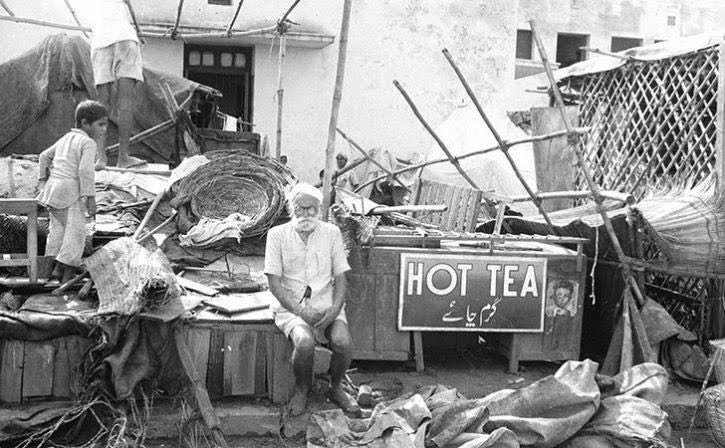
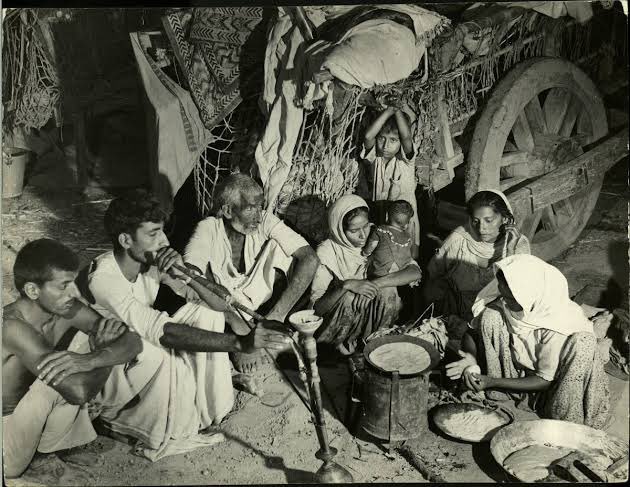
India suffered shortage of agricultural potential while Pakistan that of industrial equipment. Neither side had balance in agriculture and industry
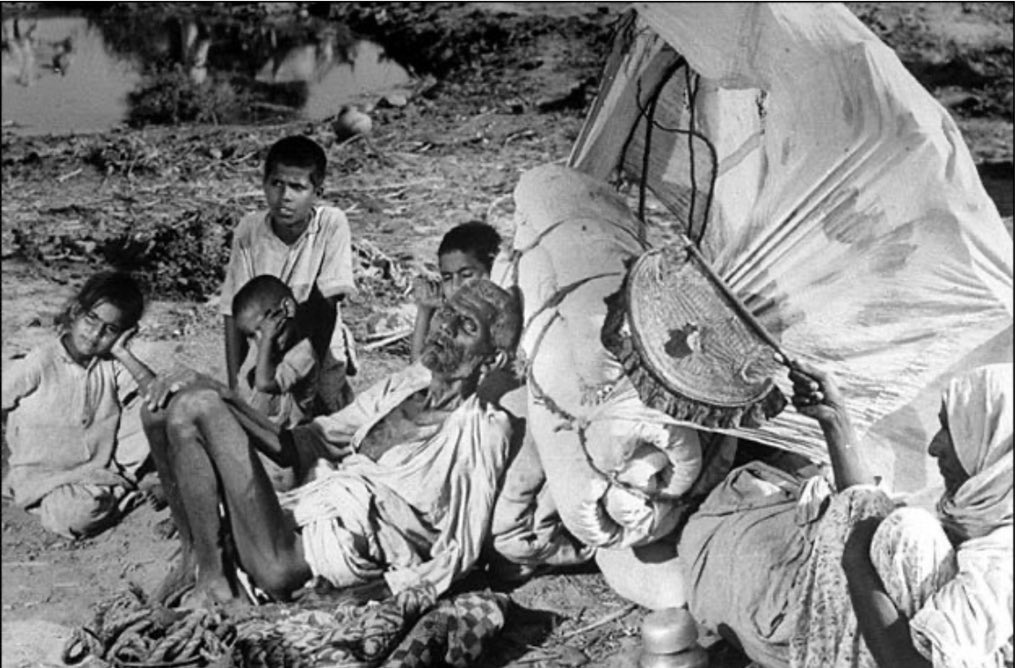
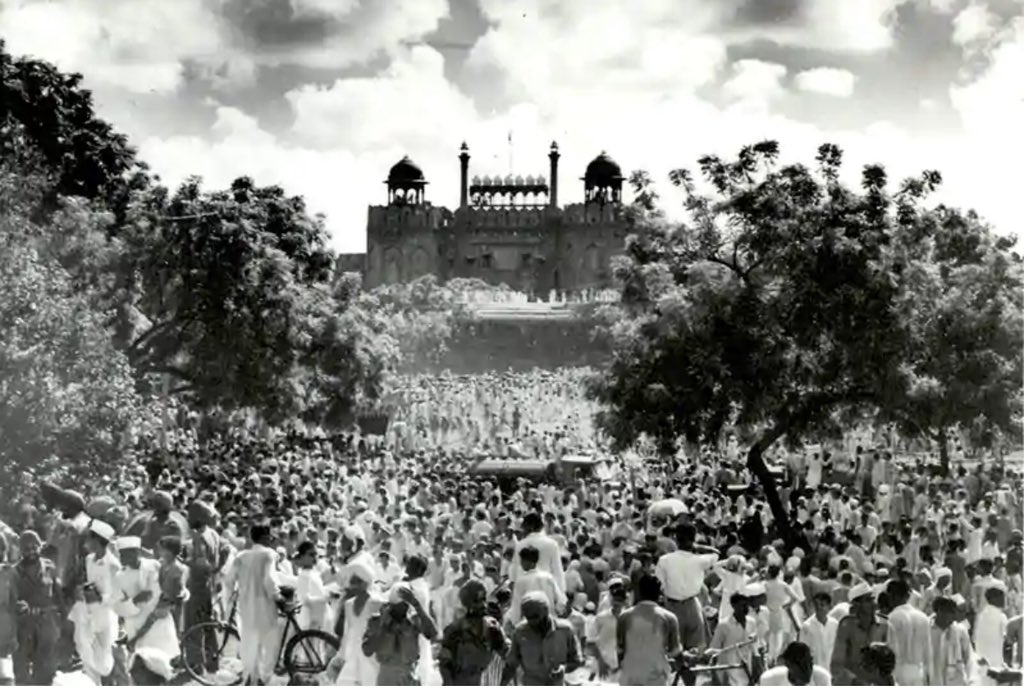
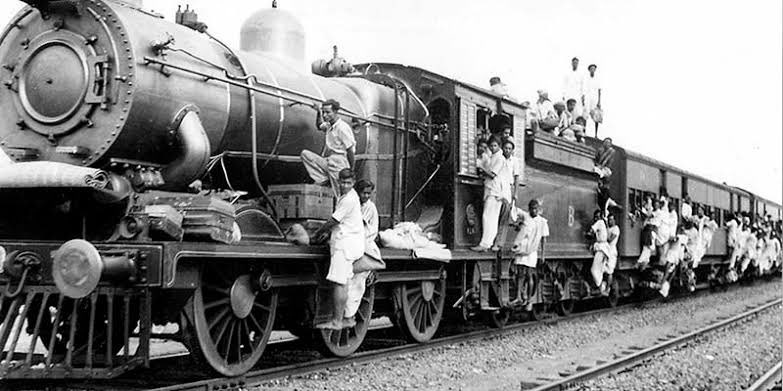
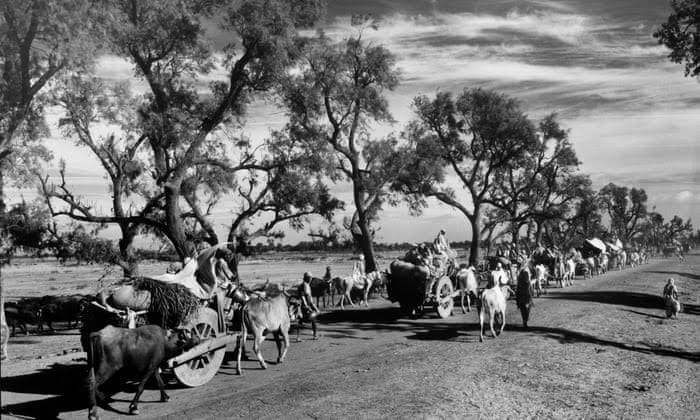
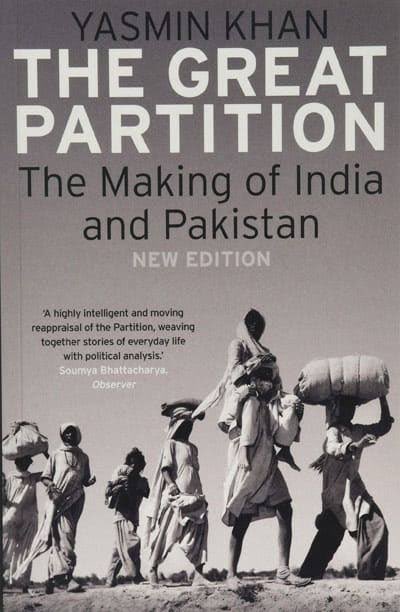
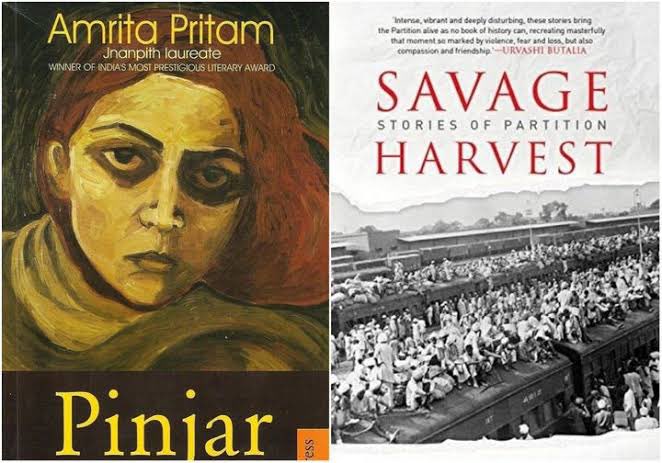
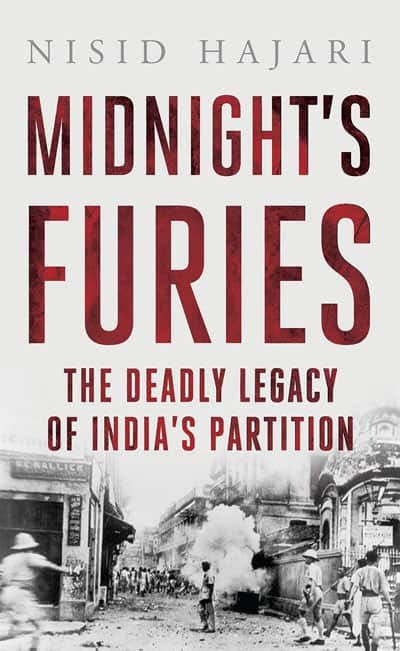
Partition along the Radcliffe Line ended in violence that killed mote than one million people and displaced 14 million.
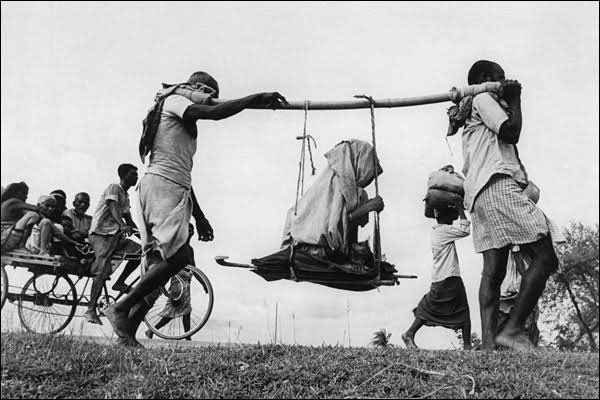
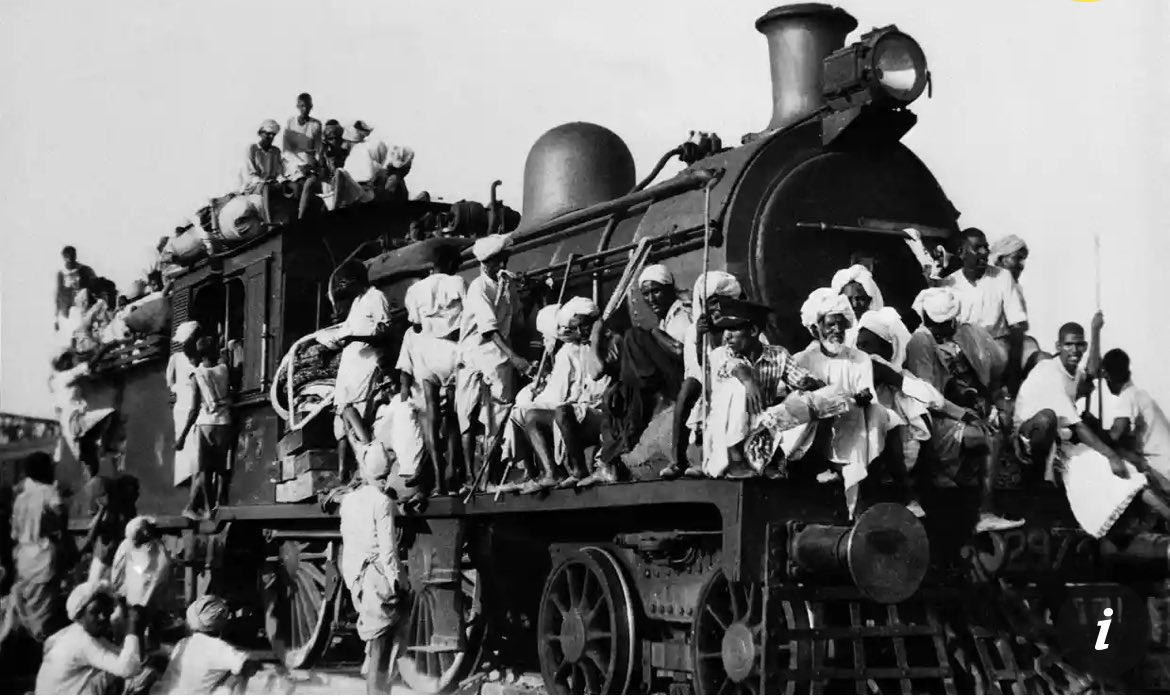
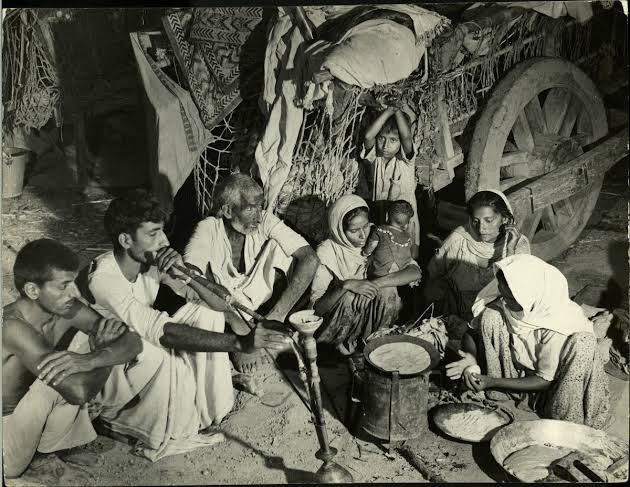
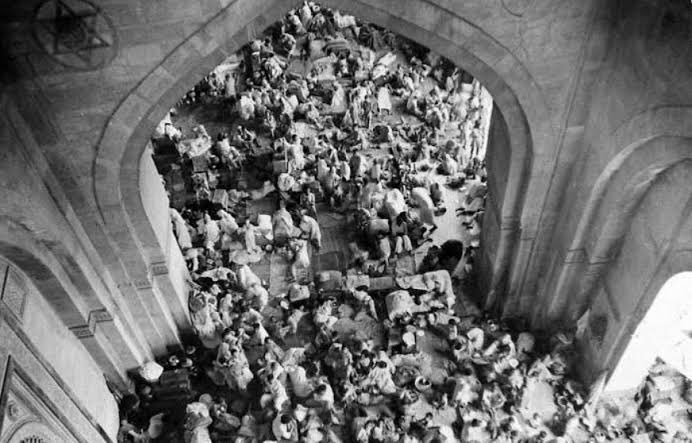
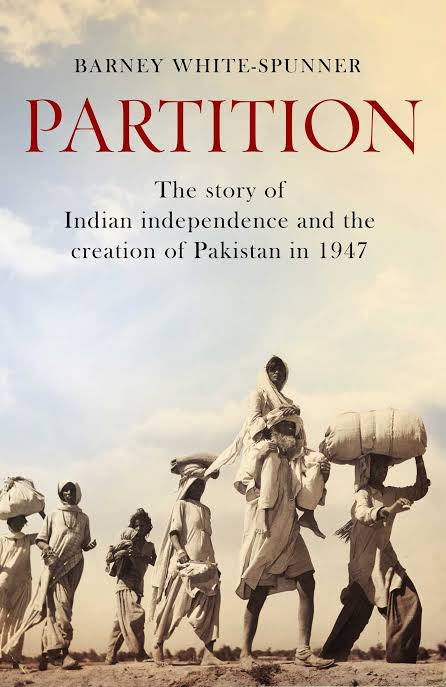
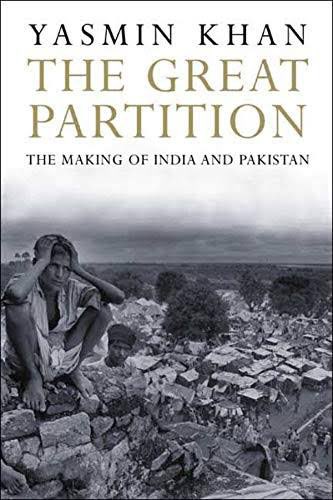
As refugees, people travelled by foot and on train, or any transportation available, irrespective of its limited nature. About 1 million people lost their lives due to the exodus.
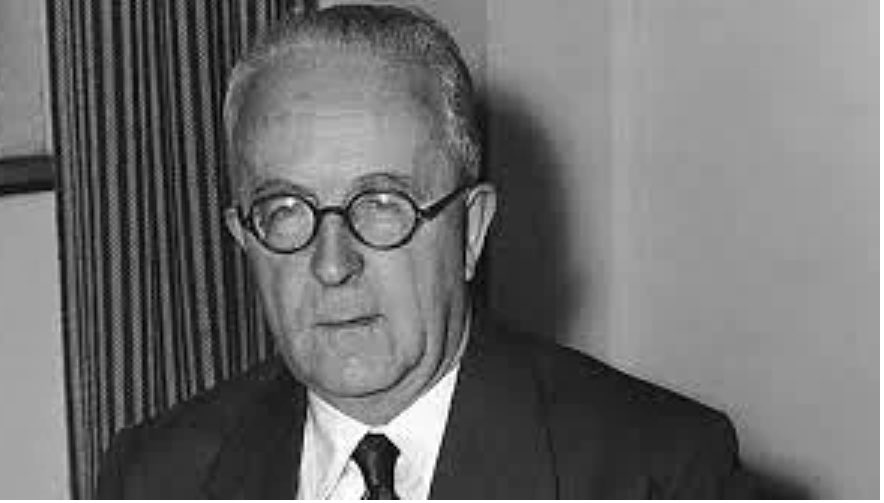
Radcliffe burnt his papers, refused his Rs 40,000 fee, and left India once and for all.
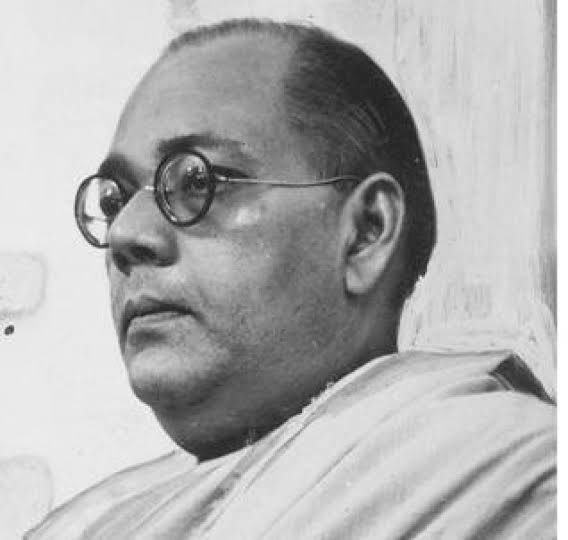
“Future generations will, I am afraid, condemn us for conceding the division of India and supporting the partition of Bengal and the Punjab” - Sarat Chandra Bose had told Vallabhbhai Patel
WH Auden’s wrote a poem on Partition, which is a sharp and sarcastic account of Radcliffe’s time in India.
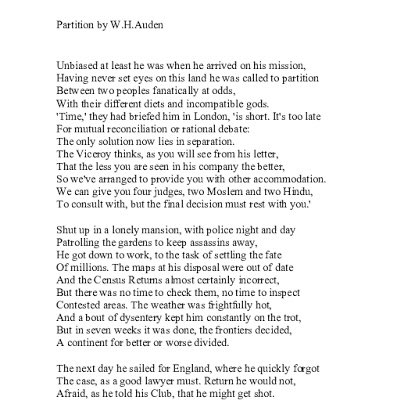
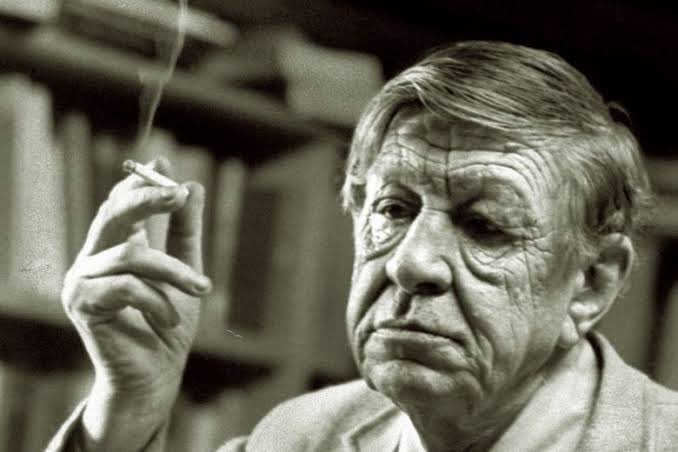
Film maker Ram Madhavani made a short film on Cyril Radcliffe .In the film, Madhvani imagines a conversation between Radcliffe and his wife, after he comes across Auden’s poem published in a newspaper in 1966. Do watch this interesting Short film
youtu.be
youtu.be
Loading suggestions...