

A source of inspiration is often hidden in plain sight. Robert Bruce, the king of Scotland, found it in a spider, while an Indian conqueror got it from a local culinary delicacy – “Daal Baati Churma”. A thread on its role in Mandore’s history. 1/14
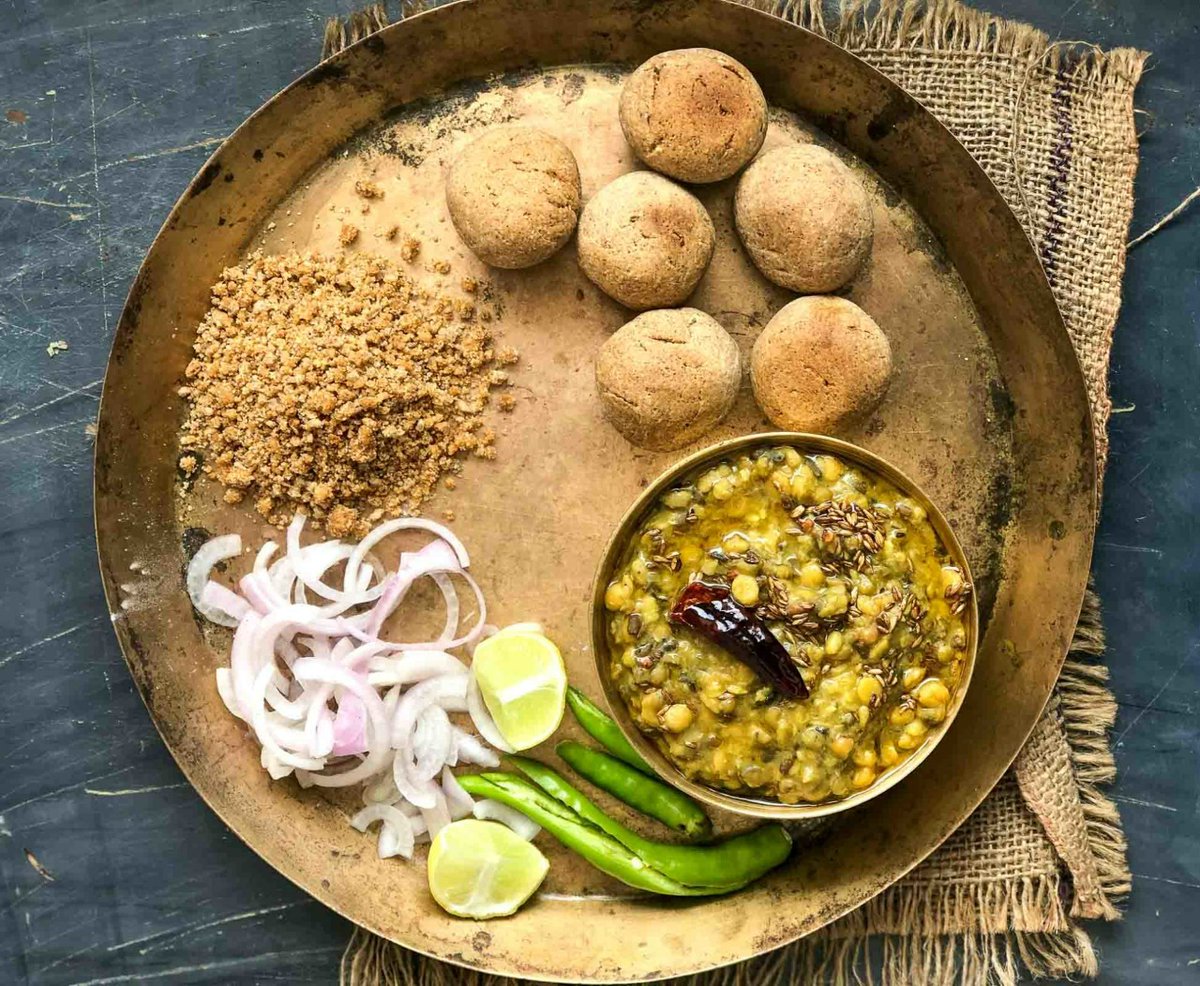
Daal Baati Churma is synonymous with Rajasthan. It’s impossible to be there and not enjoy the deliciousness of the rustic wheat balls. They have even been mentioned in Ibn Batuta’s Magadha Empire account as “sun-baked wheat chunks”. 2/14
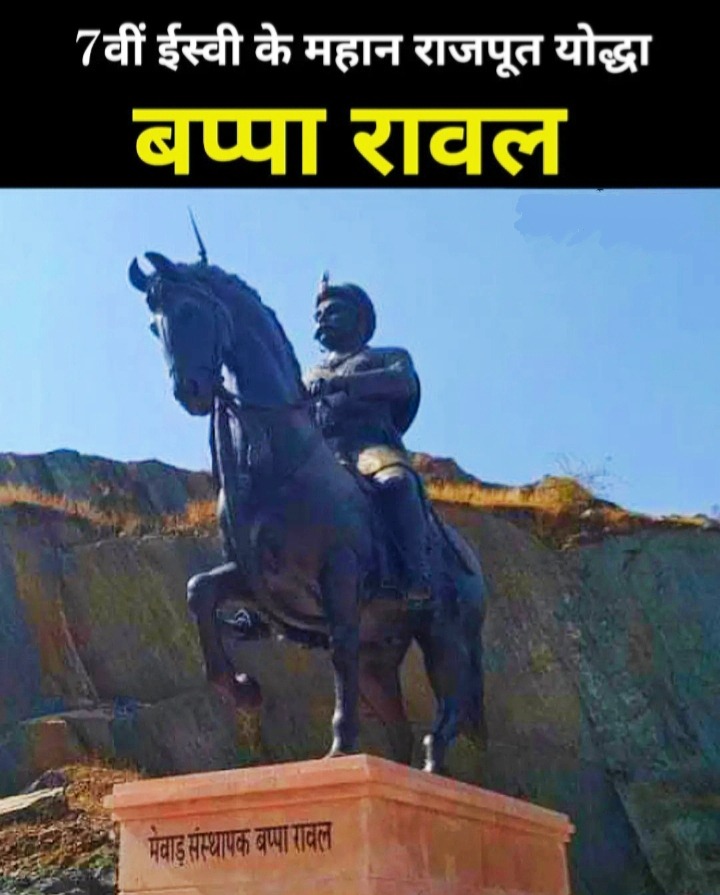
The origin of Baati, however, goes far back to the time of Bappa Rawal - the founder of the Mewar kingdom in Rajasthan. Baati was known to be the official wartime meal for the Guhilot Rajputs. 3/14
The Rajput soldiers used to break the dough into chunks and bury them under thin layers of sand to bake under the sun. After they returned from the field at the end of the day, they would uncover the perfectly baked balls and dunk them into ghee for a grand meal. 4/14
The Panchmael Dal which is also an integral part of this meal is known to be influenced by the Gupta period’s style of cooking where the royal chefs prepared it as part of the royal delicacy. 5/14
The invention of Churma has another interesting history tied to it. Folklore suggests that it was during one of the war marches when a Guhilot cook accidentally poured sugarcane juice into the Baati that later became the modern-day Churma. 6/14
Although there is no substantial evidence on how Churma was invented, the credit must be given to the Mewars who used a combination of drab wheat balls, a handful of spices, and a sweet juice to create a cuisine that became a cultural identity of India. 7/14
As Daal Baati Churma made its way into the wider civilization in later centuries, enhancements kept on adding to the taste of the original dish according to regional preferences. Two new versions - “Bafla Baati” and “Kheech” subsequently curried favour amongst Indians. 8/14
The traditional Kheech or Porridge was made out of bajra. A signature savory dish from Jodhpur that inspired today’s oatmeal. The legend of Kheech however goes beyond its delectable taste. 9/14
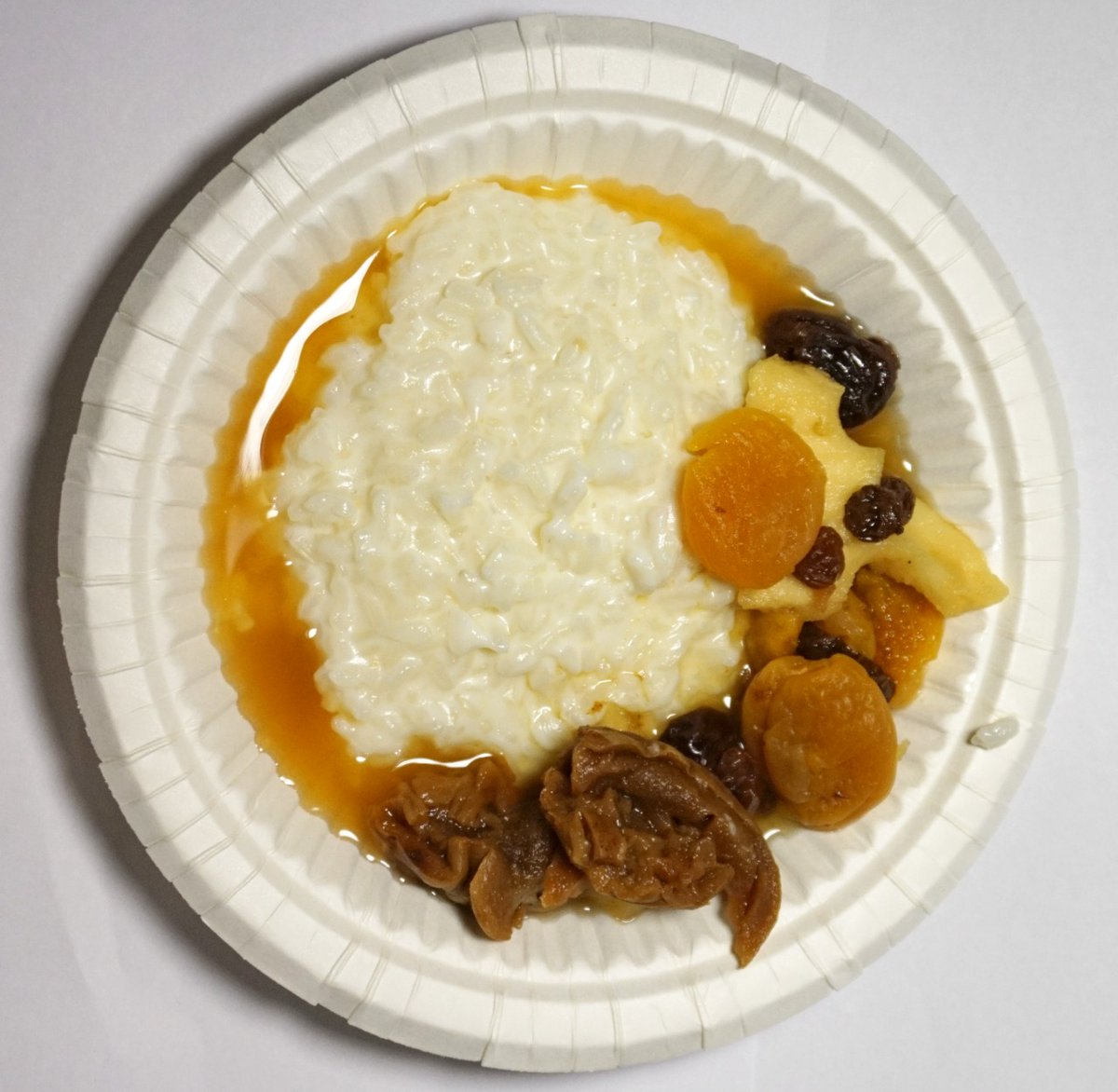
The story goes, Rao Jodha, founder of Jodhpur, fled from Chittor after being attacked by Rana Khumba of Mewar, and was wandering the streets after losing all his men and horses. 10/14
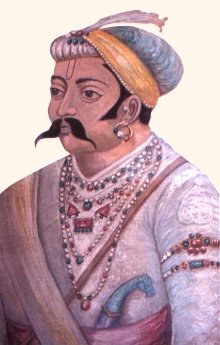
Almost worn from fatigue and hunger, he stopped at a local farmer’s cottage. Unaware of his identity, the house lady served him a bowl of Kheech. As Jodha put his fingers at the center of the bowl to fortify his irresistible hunger, he burnt his fingers. 11/14
The farmer’s wife, sitting nearby observed the scene and advised - “You are making the same mistake as our king (Jodha). Kheech is hottest in the center and coolest at the edge. So eat from there.”. 12/14
The suggestion from the house lady prompted Jodha to focus on outlying forts instead of putting all his efforts into capturing Mandore. The strategy played a pivotal role in the later course of history as Jodha was finally able to take back his state after 15 years. 13/14
No matter how far-fetched the tales sound, if you ever plan to visit Rajasthan, don’t forget to satiate your taste buds with this sumptuous preparation. 14/14
Loading suggestions...