

In 2010 Big Bazaar was creating a retail monopoly in India
Until DMart stopped them in their tracks
The funny part? While Big Bazaar had 250 stores, DMart did it with just 10
Here’s the EPIC story:
Until DMart stopped them in their tracks
The funny part? While Big Bazaar had 250 stores, DMart did it with just 10
Here’s the EPIC story:
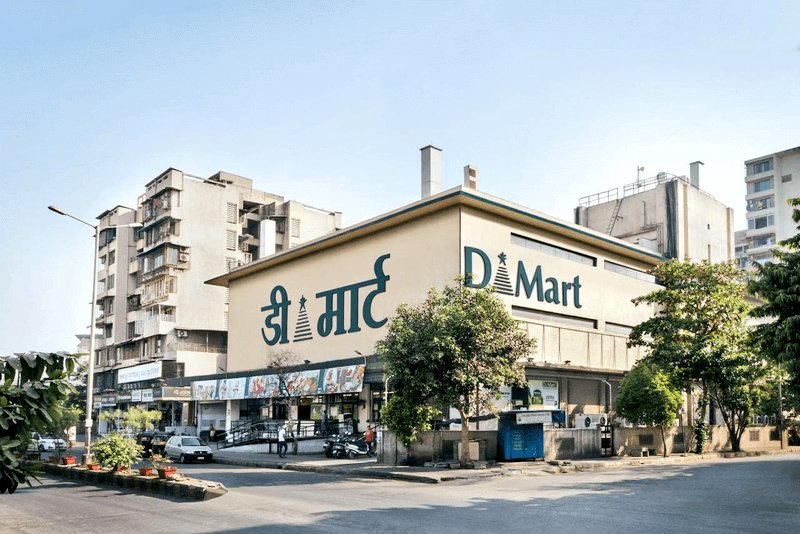
Big Bazaar and DMart were founded around the same time in the early 2000s.
Truth be told, Big Bazaar popularized the supermarket culture in India.
It is said that during its peak, more than 300 million customers visited the stores in a year.
Truth be told, Big Bazaar popularized the supermarket culture in India.
It is said that during its peak, more than 300 million customers visited the stores in a year.
Bringing all sorts of products under one roof, it was once considered to be the largest supermarket chain in India.
Then where did it all go wrong?
Kunal Shah says that the western model doesn’t always work in India.
That’s true, we shouldn’t be copying the west!
Then where did it all go wrong?
Kunal Shah says that the western model doesn’t always work in India.
That’s true, we shouldn’t be copying the west!
But here’s the catch: some things work on humans universally.
So, instead of reinventing the wheel, it’s better to copy where you rationally think it can be effective.
The core idea here is being rational and knowing your customers very well.
So, instead of reinventing the wheel, it’s better to copy where you rationally think it can be effective.
The core idea here is being rational and knowing your customers very well.
While Kishore Biyani did not fully embrace the west’s model because he thought it wasn’t applicable in India, Radhakishan Damani studied and applied it in DMart.
DMart stuck with its proposition which was providing goods at extreme discounts.
DMart stuck with its proposition which was providing goods at extreme discounts.
They understood that Indians love discounts.
Moreover, you can easily drag them towards yourself and retain them, if you keep giving discounts. This will build customer loyalty.
In India, you can’t just acquire customers with discounts and not continue to give those discounts.
Moreover, you can easily drag them towards yourself and retain them, if you keep giving discounts. This will build customer loyalty.
In India, you can’t just acquire customers with discounts and not continue to give those discounts.
Therefore, they never introduced loyalty programs or went aggressive with marketing and seasonal sales.
But when every other supermarket chain offers similar kinds of discounts, how does DMart win and what makes it special?
But when every other supermarket chain offers similar kinds of discounts, how does DMart win and what makes it special?
The problem is most other retailers think of discounting as an acquisition strategy.
When all other retailers burn cash to give deep discounts to acquire customers, DMart has deep discounting embedded in its business model.
Discounting is at the core of its business.
When all other retailers burn cash to give deep discounts to acquire customers, DMart has deep discounting embedded in its business model.
Discounting is at the core of its business.
Damani used cost optimisation to make this discounting system sustainable.
Big Bazaar did the same, but the problem was — for them expansion came before sustainability.
We have to understand that this is a low-margin, high-volume business. Rightly so, expansion makes sense.
Big Bazaar did the same, but the problem was — for them expansion came before sustainability.
We have to understand that this is a low-margin, high-volume business. Rightly so, expansion makes sense.
But DMart optimised its small number of stores to generate maximum profits.
They adopted a lean and mean model.
This worked better overall because they could do this without taking on much debt, while uncontrolled expansion needs to be fueled by debt.
They adopted a lean and mean model.
This worked better overall because they could do this without taking on much debt, while uncontrolled expansion needs to be fueled by debt.
This helped them ride the Global Recession of 2008 better while Big Bazaar was affected badly due to high debt.
Big Bazaar leased stores in malls and rents kept going up every year.
Big Bazaar leased stores in malls and rents kept going up every year.
Its parent company Future Group kept acquiring other supermarket chains such as HyperCity and Easyday to name a few.
By 2019, they were drowned in a ₹12,800 crore debt. Pandemic was the final nail in the coffin.
By 2019, they were drowned in a ₹12,800 crore debt. Pandemic was the final nail in the coffin.
Meanwhile, DMart has complete ownership of most of its stores which are usually located in suburbs.
Because not only is it cheaper, but this is where their target customers reside.
Because not only is it cheaper, but this is where their target customers reside.
They chose to expand slowly with little to no debt and reinvested profits back into the business.
There’s more to this story. In their mission of cost optimisation, they focused on building strong relations with the suppliers by clearing their credits within 10 days.
There’s more to this story. In their mission of cost optimisation, they focused on building strong relations with the suppliers by clearing their credits within 10 days.
Whereas others took as many as 60 days.
This way, they were able to get goods at huge discounts and provide them to the customers at the cheapest price.
DMart has less number of employees compared to the overstaffed Big Bazaar stores.
This way, they were able to get goods at huge discounts and provide them to the customers at the cheapest price.
DMart has less number of employees compared to the overstaffed Big Bazaar stores.
Unlike Big Bazaar, they refrained from selling perishable products such as fruits and vegetables, and huge electronic items which need more space for display.
They only sold products which have a high brand recall and demand throughout the year.
They only sold products which have a high brand recall and demand throughout the year.
This helped them further cut costs and increase profits.
We have a bias that only businesses with the highest market share thrive. A business which is sustainable over the long term is a much better bet.
Mindless expansion for gaining market share could kill your business.
We have a bias that only businesses with the highest market share thrive. A business which is sustainable over the long term is a much better bet.
Mindless expansion for gaining market share could kill your business.
Look for companies which serve their customers extremely well and make them come back again and again because of their unique value proposition, not because there’s no other option.
If you liked this thread do ReTweet🔄 the first tweet and follow us @FinFloww for more.
Join our WhatsApp Community for daily updates:
chat.whatsapp.com
chat.whatsapp.com
Something's cooking in our newsletters too
You're gonna love it.
Subscribe to stay tuned:
getrevue.co
You're gonna love it.
Subscribe to stay tuned:
getrevue.co
Join our WhatsApp community for daily updates:
chat.whatsapp.com
chat.whatsapp.com
Loading suggestions...