

Thread: Hubris and Operational Planning
Arrogance and overreach are rightfully viewed as the root Nazi Germany's strategic mistakes - but in this, they were not so unique. Hubris was a sin indulged in by all parties in the war. (1)
Arrogance and overreach are rightfully viewed as the root Nazi Germany's strategic mistakes - but in this, they were not so unique. Hubris was a sin indulged in by all parties in the war. (1)
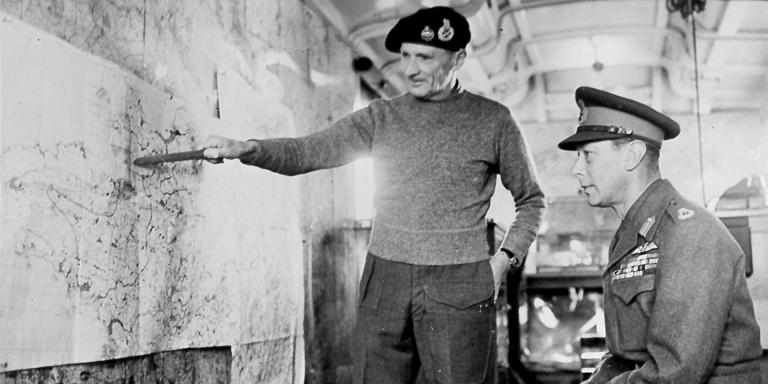
Let's take a look at an iconic example of operational hubris - and one of the most controversial operations of the war: a late 1944 effort known as Operation Market Garden. While a fairly small battle in the context of the larger war, it teaches very important lessons. (2)
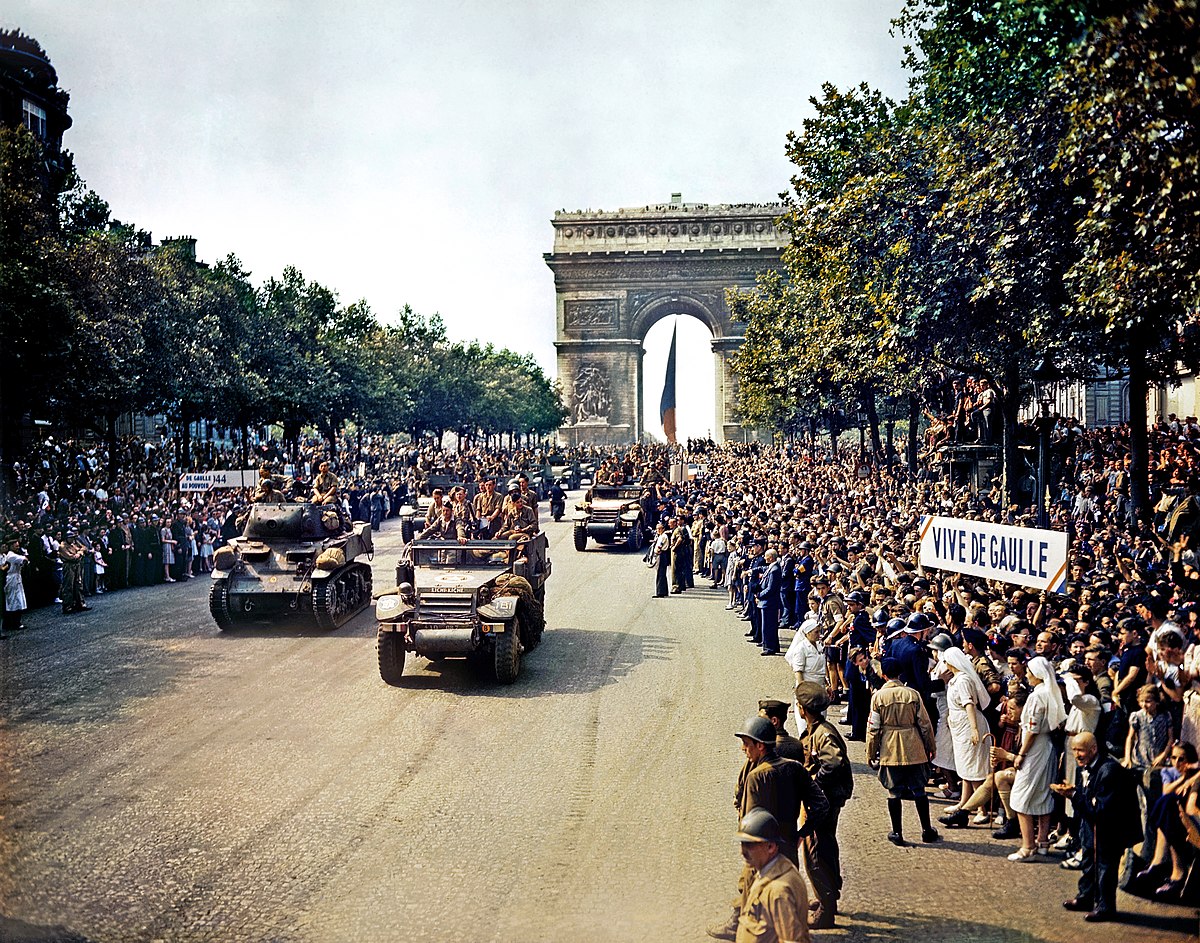
First, some context. In June 1944 the Anglo-Americans successfully established a beachhead in France, and by September much of the German army was streaming out of France in a state of extreme disorganization with high losses. Paris was liberated at the end of August. (3)
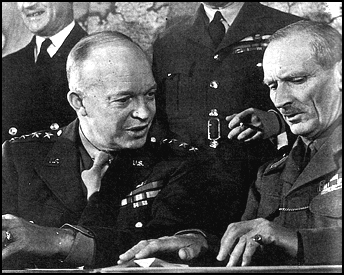
Eisenhower and his staff were salivating at the prospect of ending the war by Christmas, and were anxious to find a way to maintain their momentum and burst into Germany proper. British Field Marshal Bernard Montgomery suggested a possible way to achieve this. (4)
The key was exploiting a peculiarity of Germany's geography. Access to Germany was mediated by the formidable Rhine River, but once the Rhine was crossed the North German Plain offered no natural defenses. It's hard to get in, but once you're in you can wreck the place up. (5)

Montgomery's proposal was to maintain momentum by driving through the Netherlands to cross the northern Rhine, then looping down into the Ruhr Valley and Germany's industrial heartland. However, Dutch geography - laced with canals, dikes, and estuary, made this a tricky task. (6)

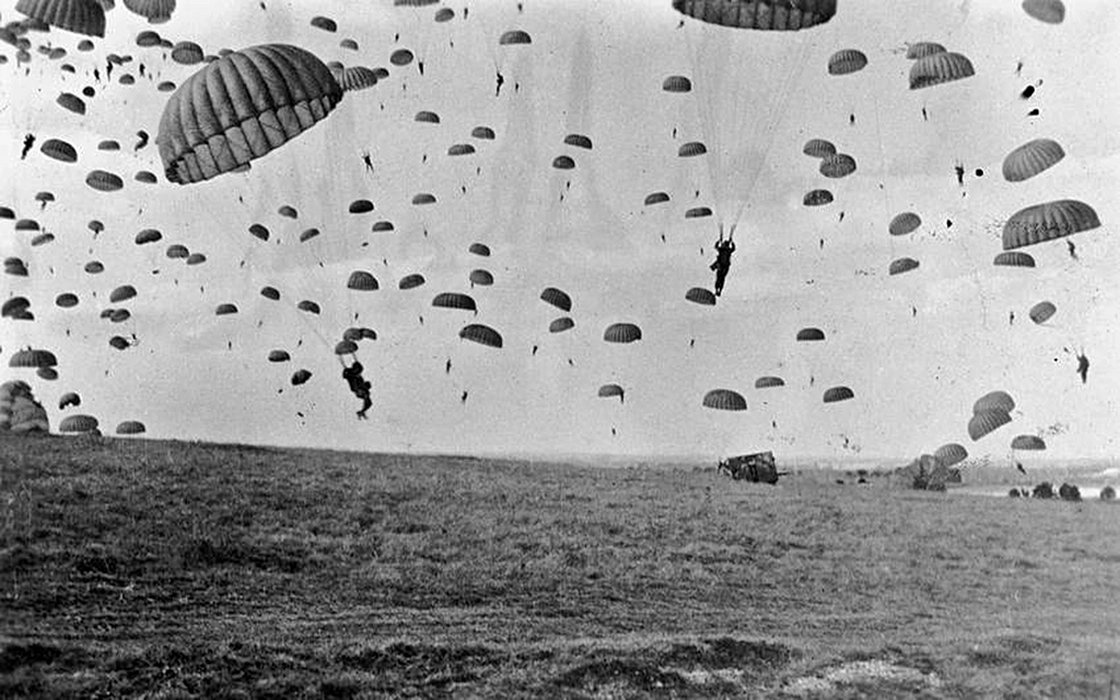
Montgomery devised two synergistic operations. Operation Market would drop airborne divisions in the German rear with the task of securing critical bridges, while Operation Garden would send a massive armored column to link up with the paratroops. Market-Garden. (7)
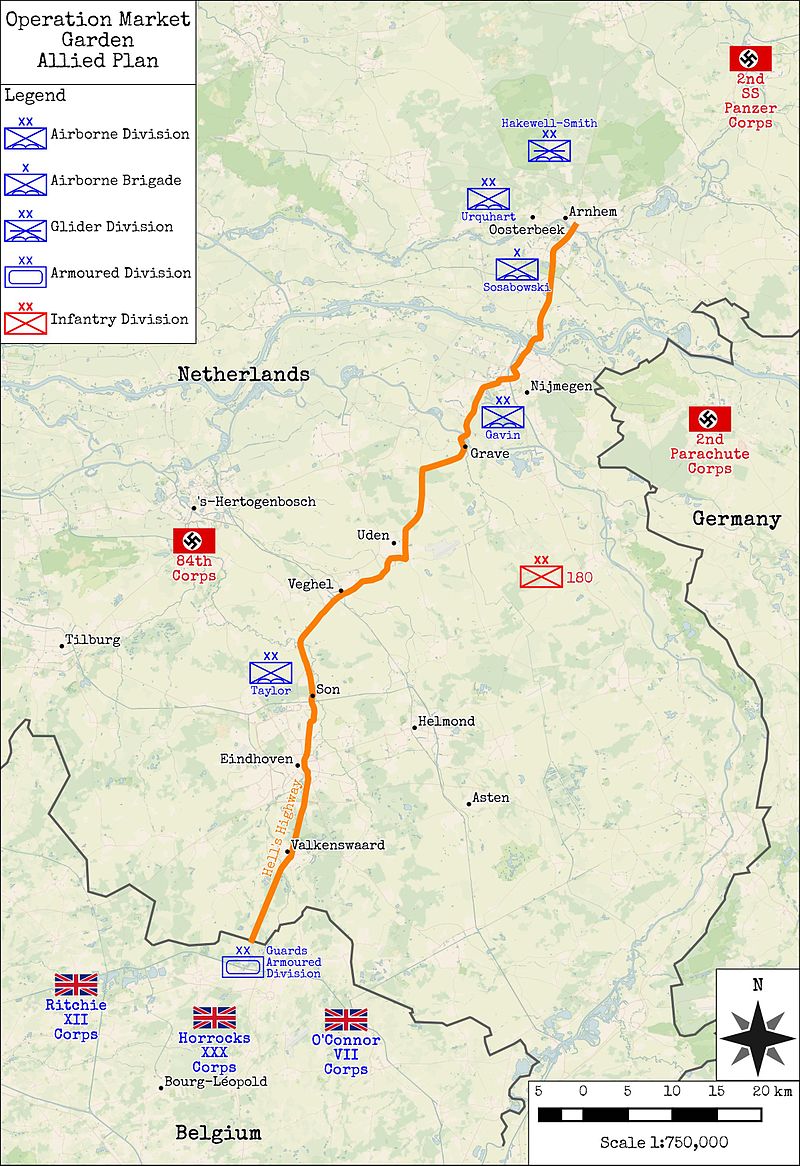
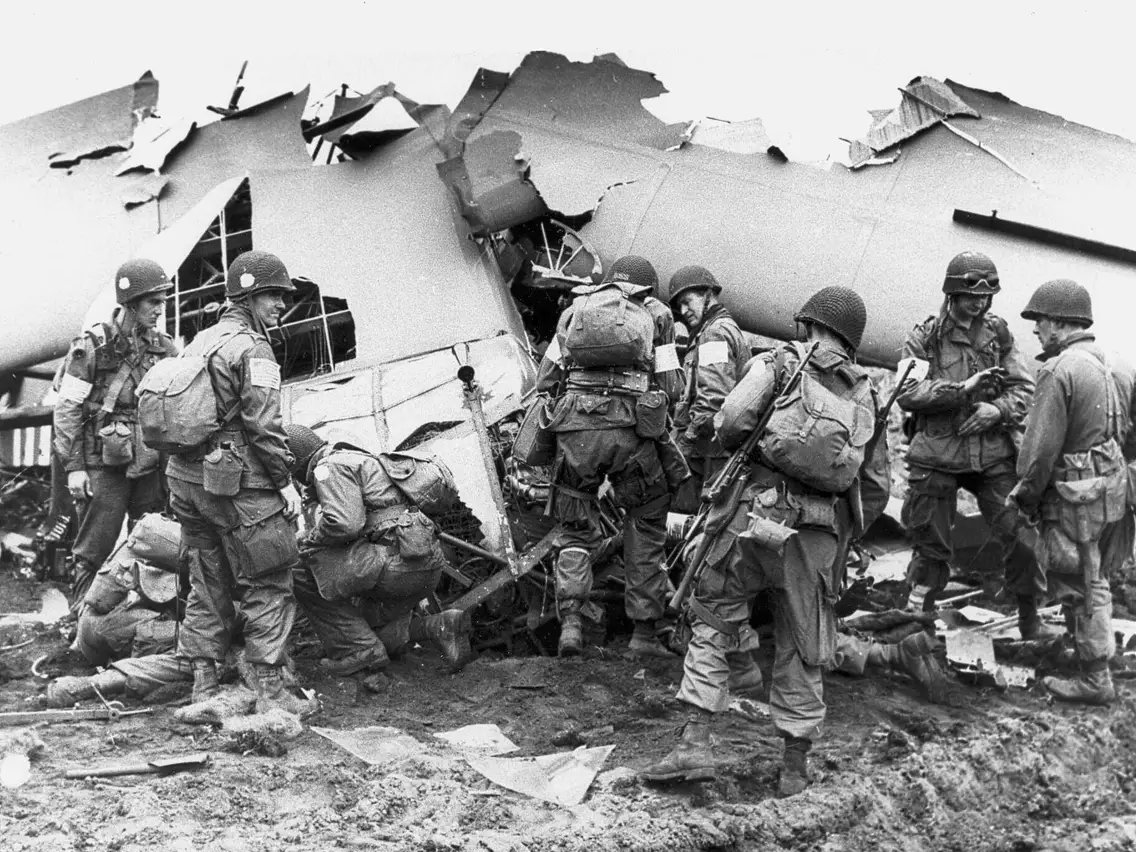
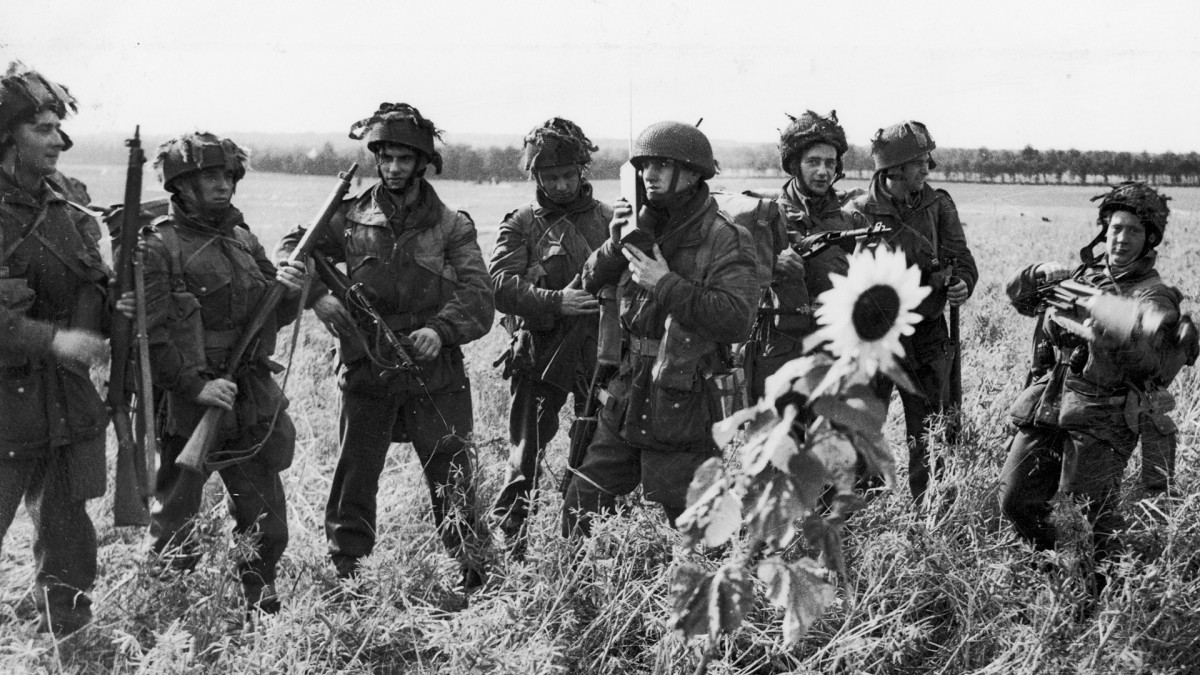
There were a lot of operational complexities going on here. Insufficient aircraft meant the paratroopers and their heavy equipment would have to be dropped in separate waves, days apart. They would be behind enemy lines, awaiting resupply and rescue by ground forces. (8)
Meanwhile, Operation Garden had its own issues. The swampy terrain meant that the armored column would be confined to a single elevated highway. The plan essentially called for ambitious airdrops deep in the rear, to be rescued by a single straight line armored thrust. (9)
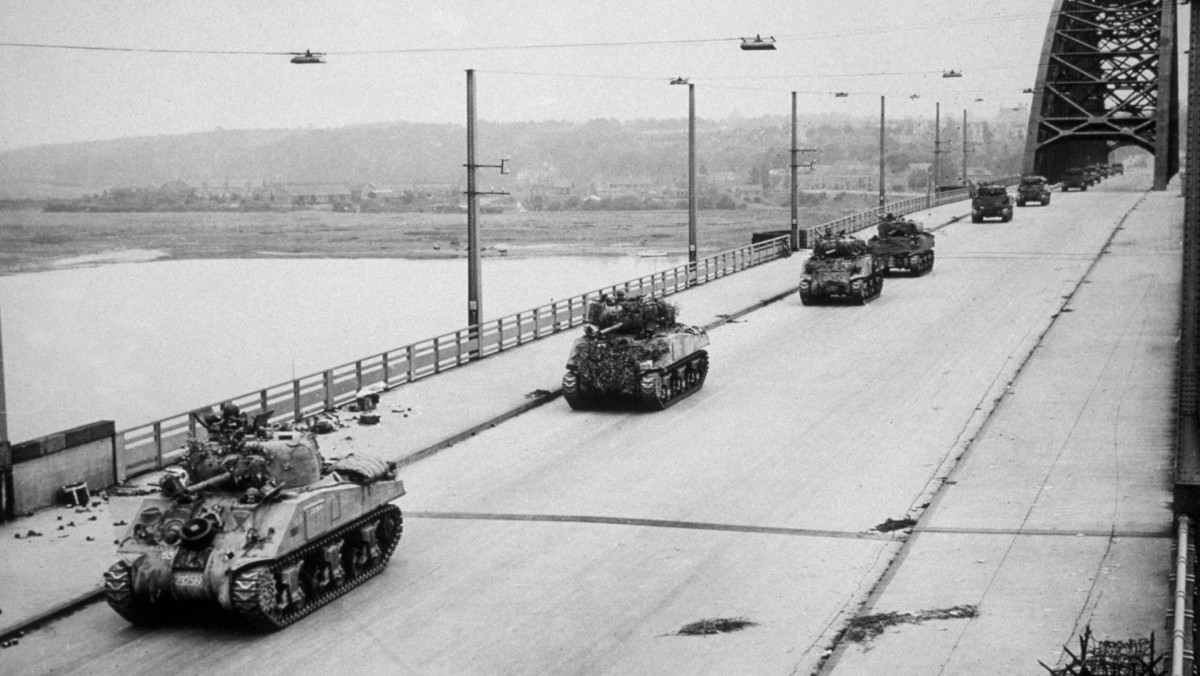
This was an inherently risky plan, with no flexibility, given the terrain. There were no other suitable roads, no other ways to resupply. Everything hinged on blasting up that single highway. But Eisenhower eagerly approved the plan, anxious to end the war. (10)
Eisenhower and Montgomery were enthused about a deeply flawed operation because they believed the German army was more or less broken. As early as 1943, allied intelligence believed that Germany's "ability to supply and control" her armies was destroyed. (11)
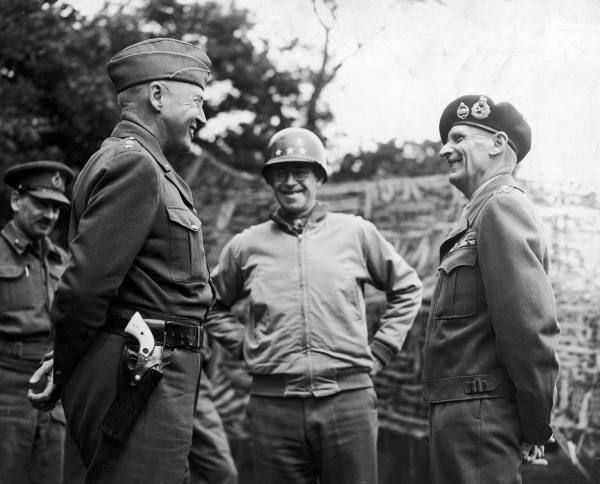
Experience repeatedly showed that modern armies are too large, too institutionally robust, and too professional to simply vaporize in a single blow. Leadership on both sides would repeatedly hope that the enemy military had been shattered, but they were always wrong. (12)
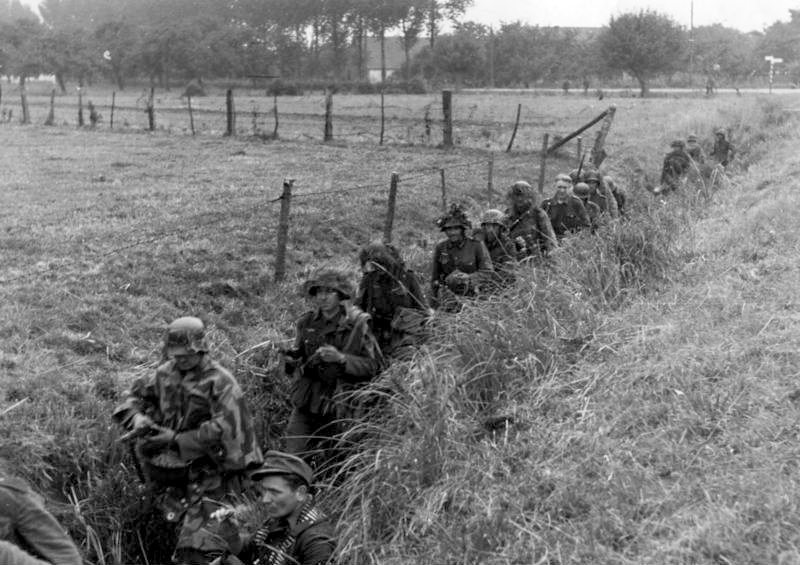
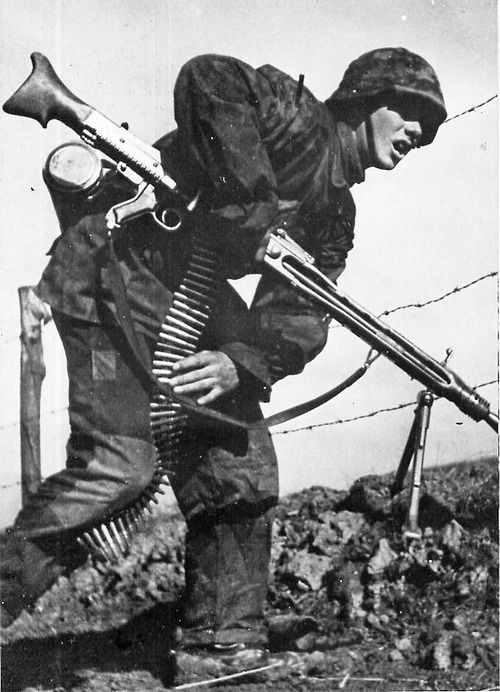
In Operation Market Garden, the Anglo-Americans learned just how quickly the Wehrmacht could reorganize and reconstitute itself. Montgomery would later write that he did not believe the Germans could resist in a meaningful way. The Germans did not agree. (13)
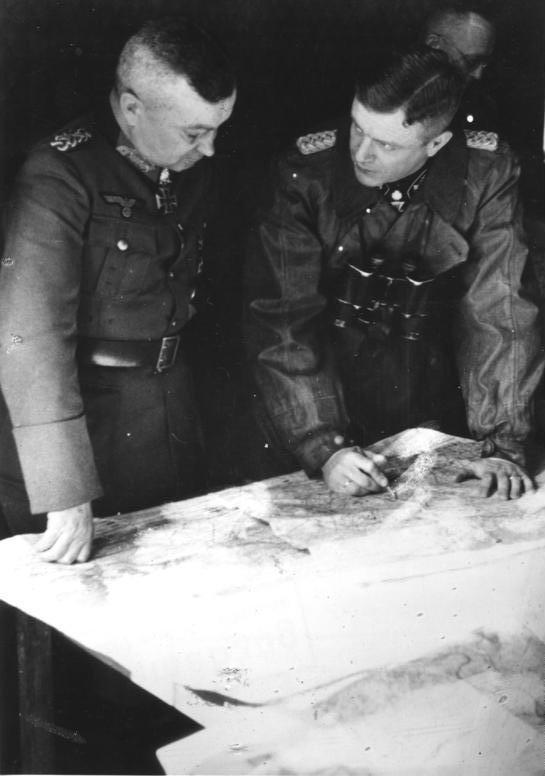
In fact, there was a full SS Panzer Corps resting in Operation Market's drop zone. The British paratrooper force flew directly over the head of Walter Model and his staff. He immediately sprang into action and began preparing a response. (14)
The paratroopers landed mostly intact, with only 3% casualties during the landing itself. This was a great start - the problem was that they immediately came under fire as they attempted to move on the bridges that were their objectives. (15)
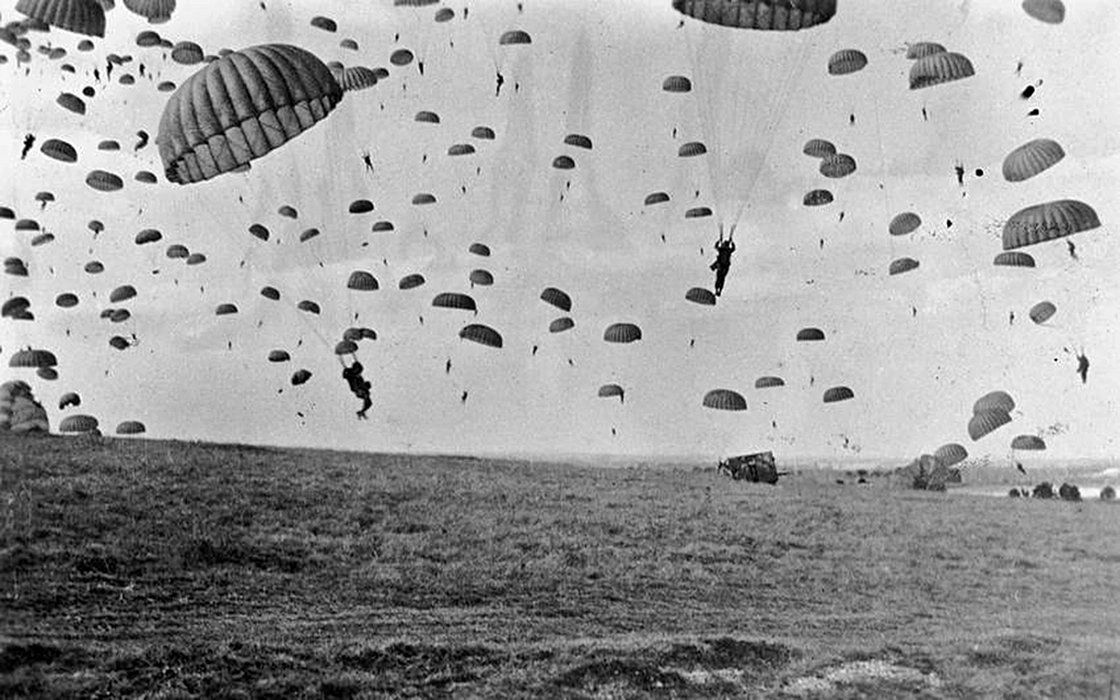
The Germans successfully blew a key railway bridge, blocked others, and trapped many of the paratroopers in pockets against the Rhine. All they could do was hold on and wait for relief. But Operation Garden was having its own difficulties - the cavalry was not coming. (16)
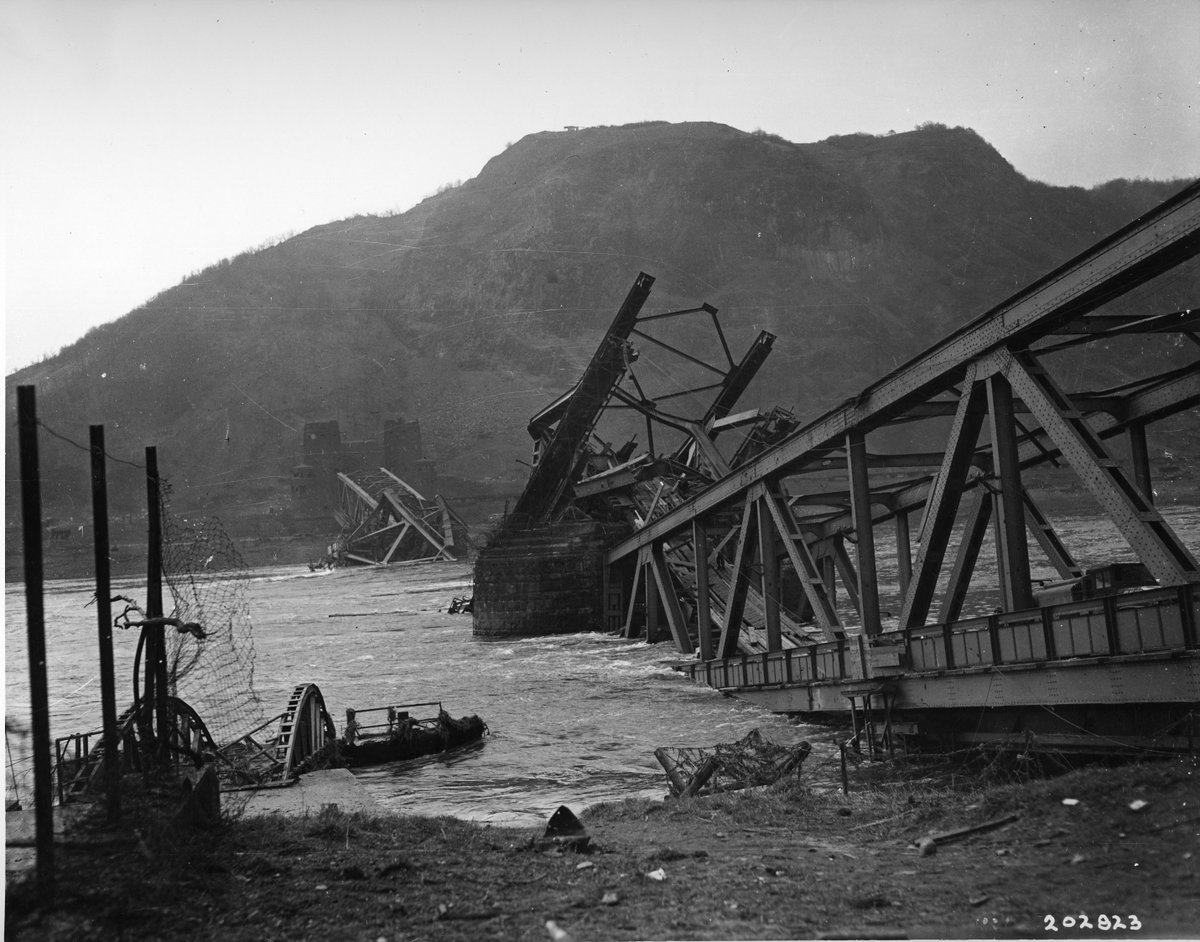
The armored advance was hammered with concentric attacks, and on several occasions the Germans managed to cut the supply lines. This was the inherent problem with a single armored advance on a narrow line, with little ability to maneuver. (17)
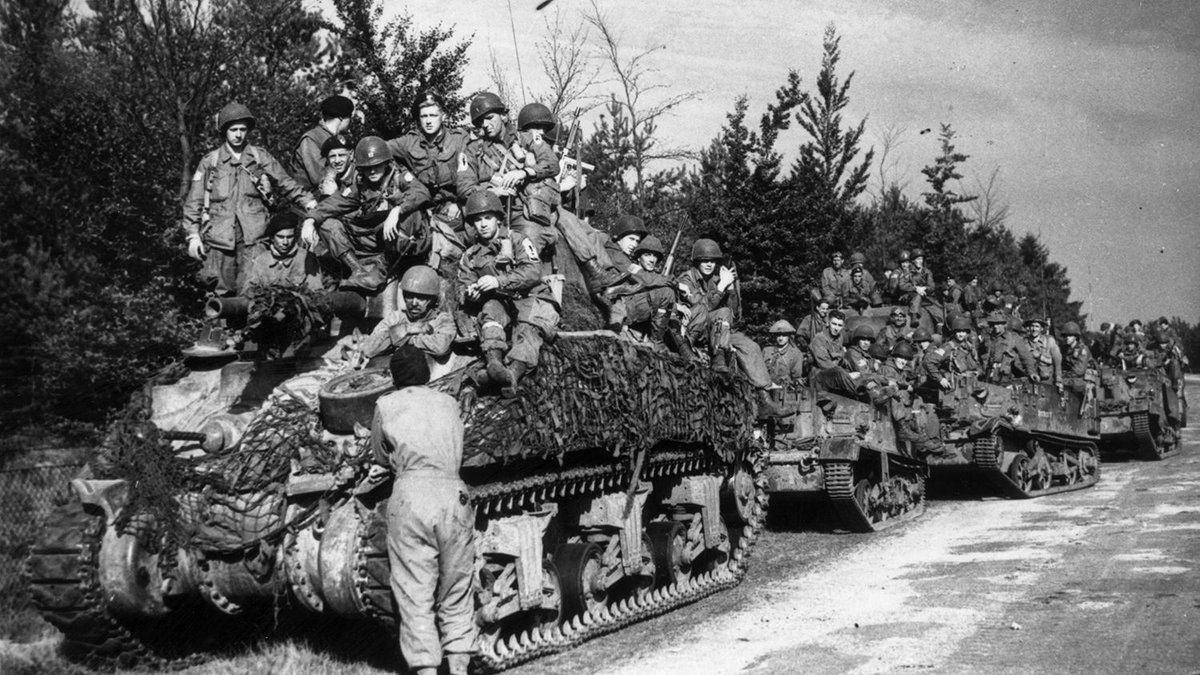
Operation Garden eventually ran out of steam well short of the objective, and many of the airborne units surrendered after being trapped in small pockets against the river. The operation was over. (18)
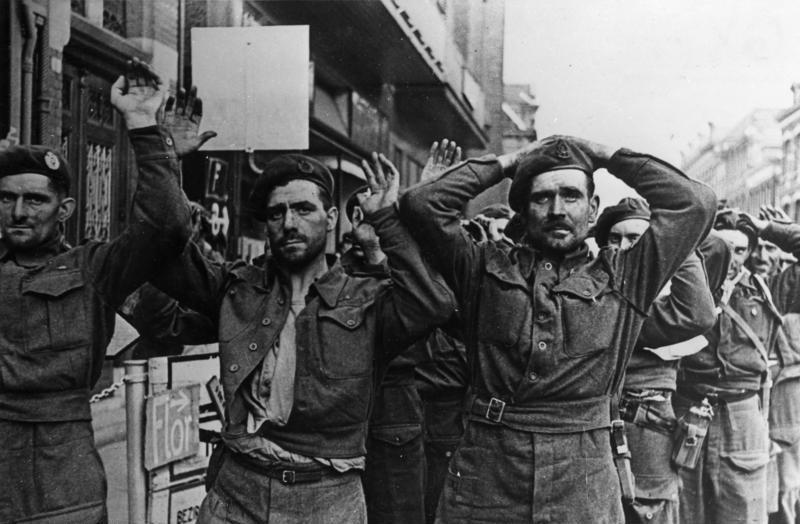
Operation Market Garden remains controversial, largely because its planner - Montgomery - is himself a controversial figure. As Britain's most famous commander, not only his, but in a sense Britain's military reputation is wrapped up in the issue. (19)
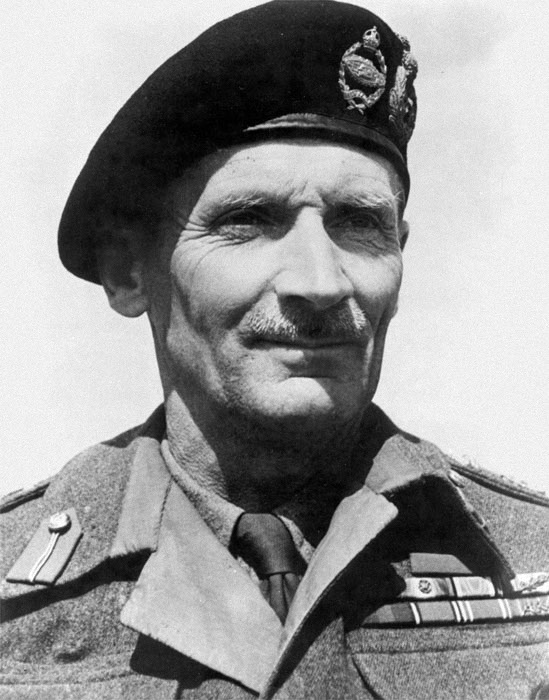
Both Churchill and Montgomery defended the operation as an overall success (Montgomery also complained of a "lack of support" for the operation, whatever that means). Others have defended the operation against what they see as an American prejudice against Montgomery. (20)
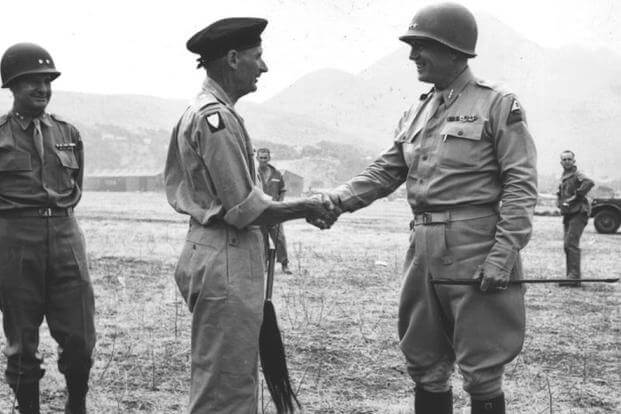
But the facts are fairly simple. Market-Garden aimed to cross the Rhine and open the door to the North German Plain, potentially allowing the war to end in 1944. At this, it failed. It created a salient in the German line, but this had no material impact on the war. (21)
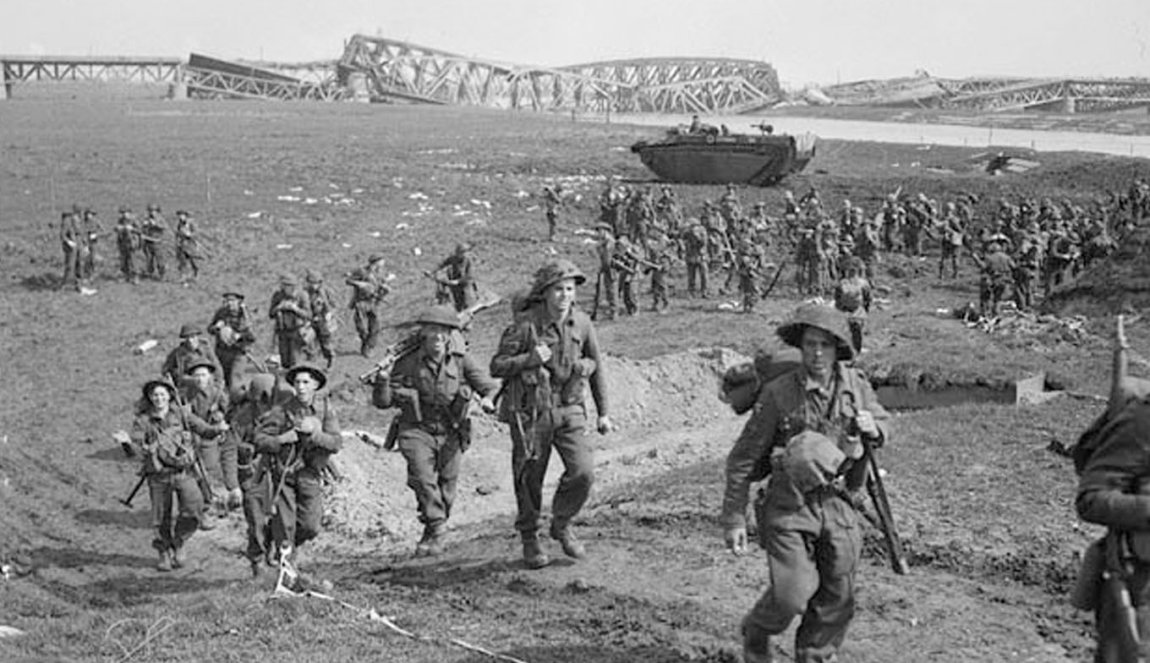
Loss ratios were stacked against the allies - 16,000 casualties against 6,500 German losses. In the grand scheme of things, this was a small battle, and it can be argued that it never really mattered - but it does reveal interesting pathologies in operational planning. (22)
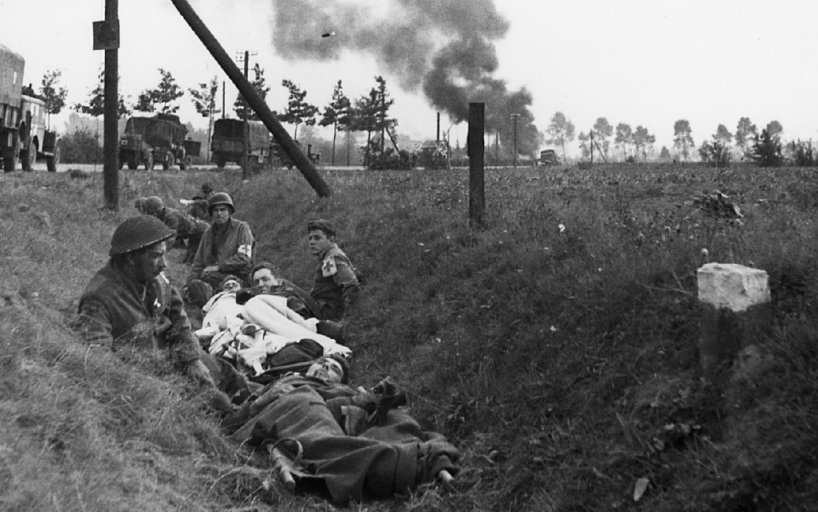
Time and time again, both Anglo-American and Soviet commanders would believe they had finally shattered the Wehrmacht once and for all, and that the war would finally become "easy." These hopes were repeatedly dashed. (23)
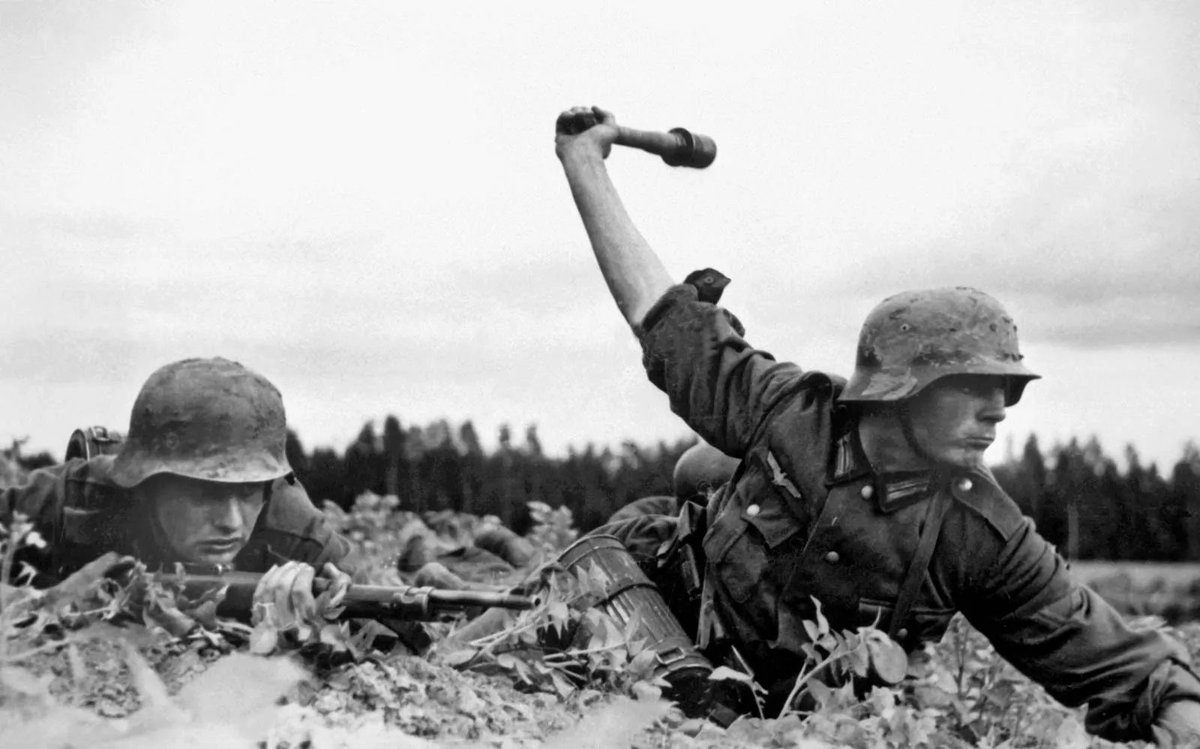
Even Operation Bagration in the east - which *was* a tremendous success, did not actually shatter the German Army. The Red Army would suffer 320,000 casualties taking Budapest, 280,000 clearing the Baltics, and 360,000 storming Berlin. The war never became "easy." (24)
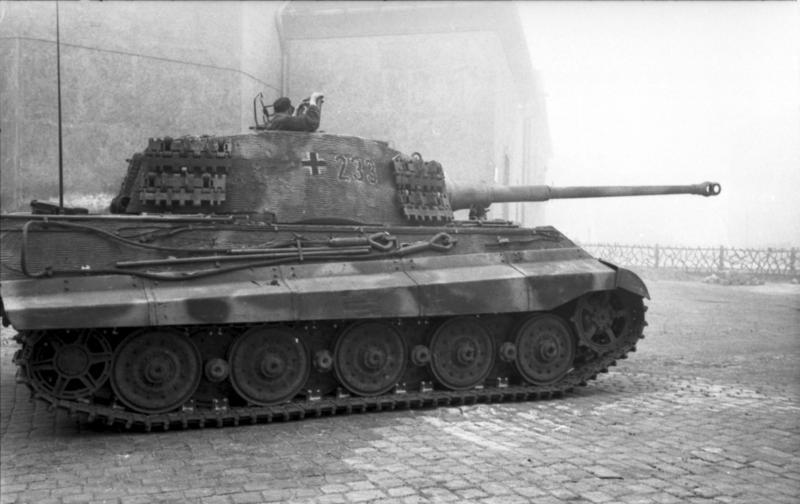
The Germans couldn't win the war, but as long as German soldiers and NCOs believed it was worth staying in the fight, the Wehrmacht remained a dangerous machine capable of forcing an exchange of lives. (25)
Loading suggestions...